Everything is designed – therefore everything can be redesigned
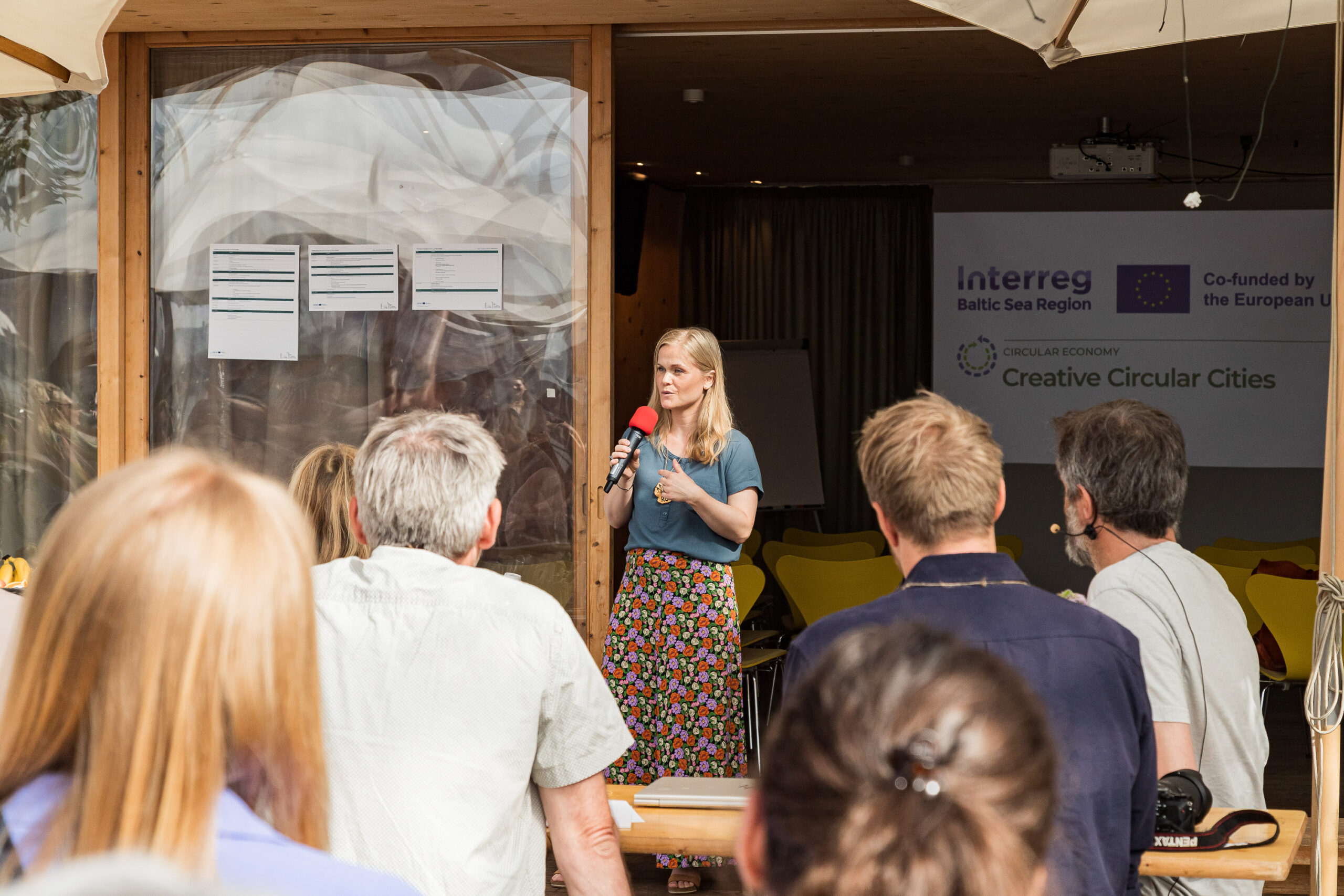
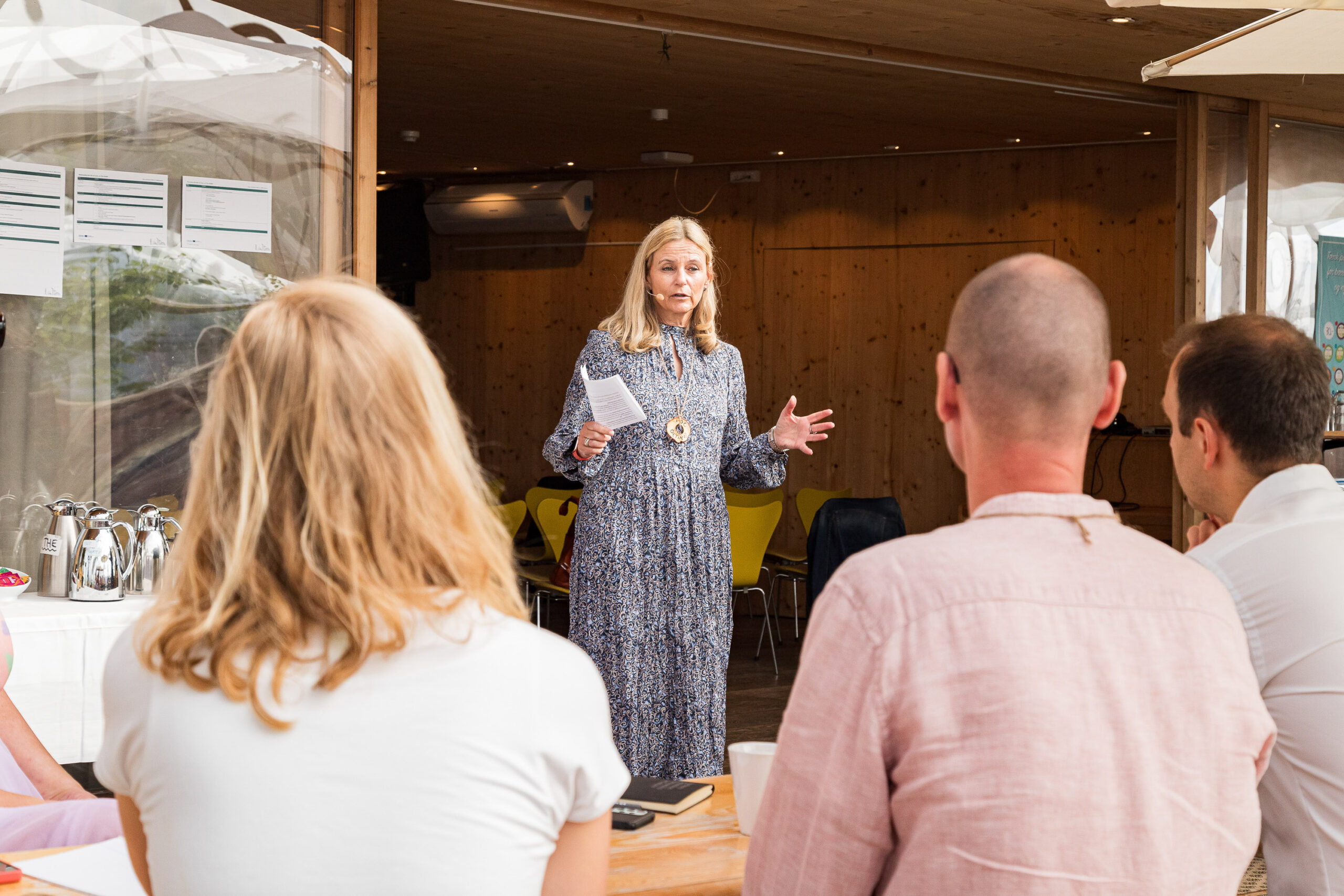
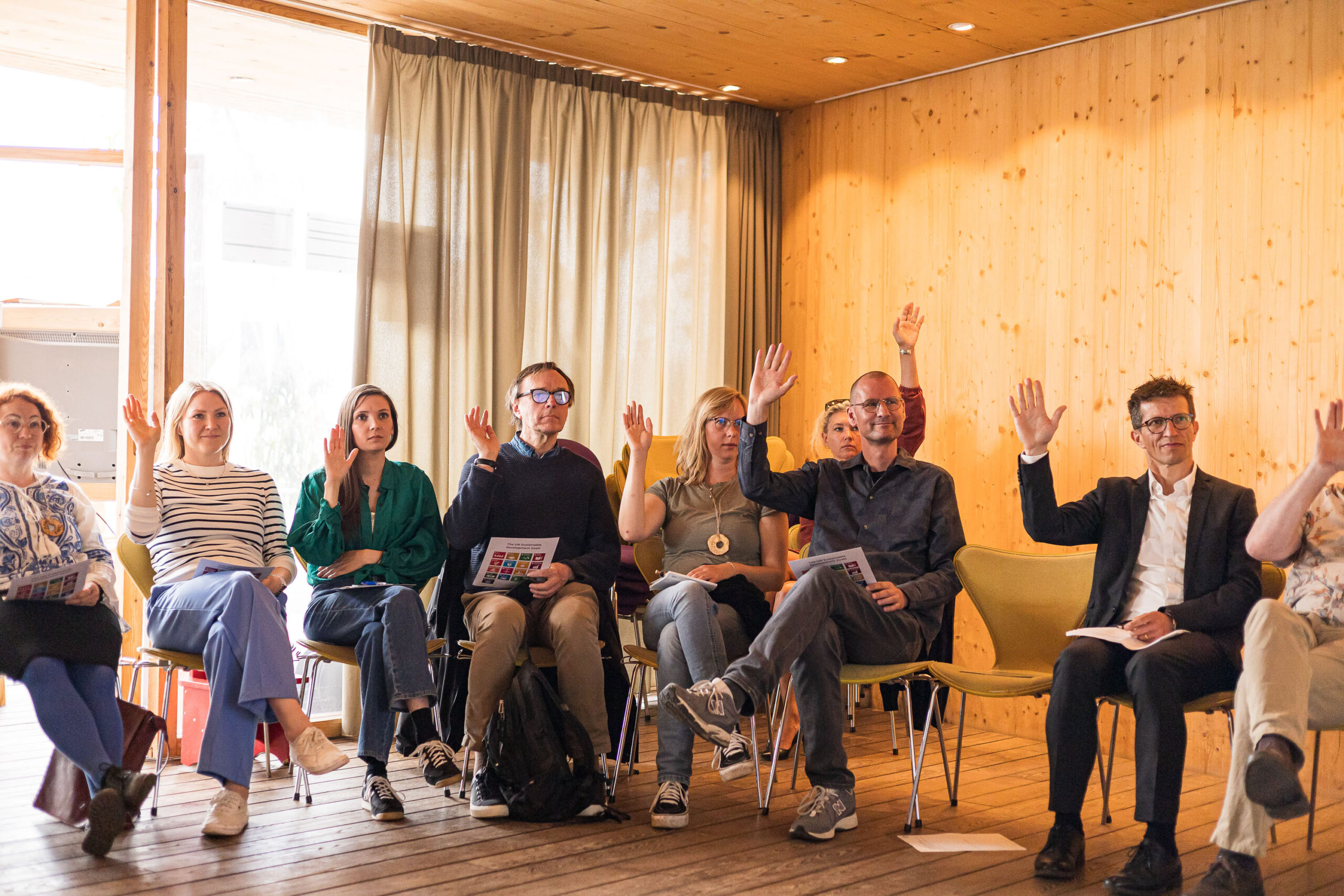
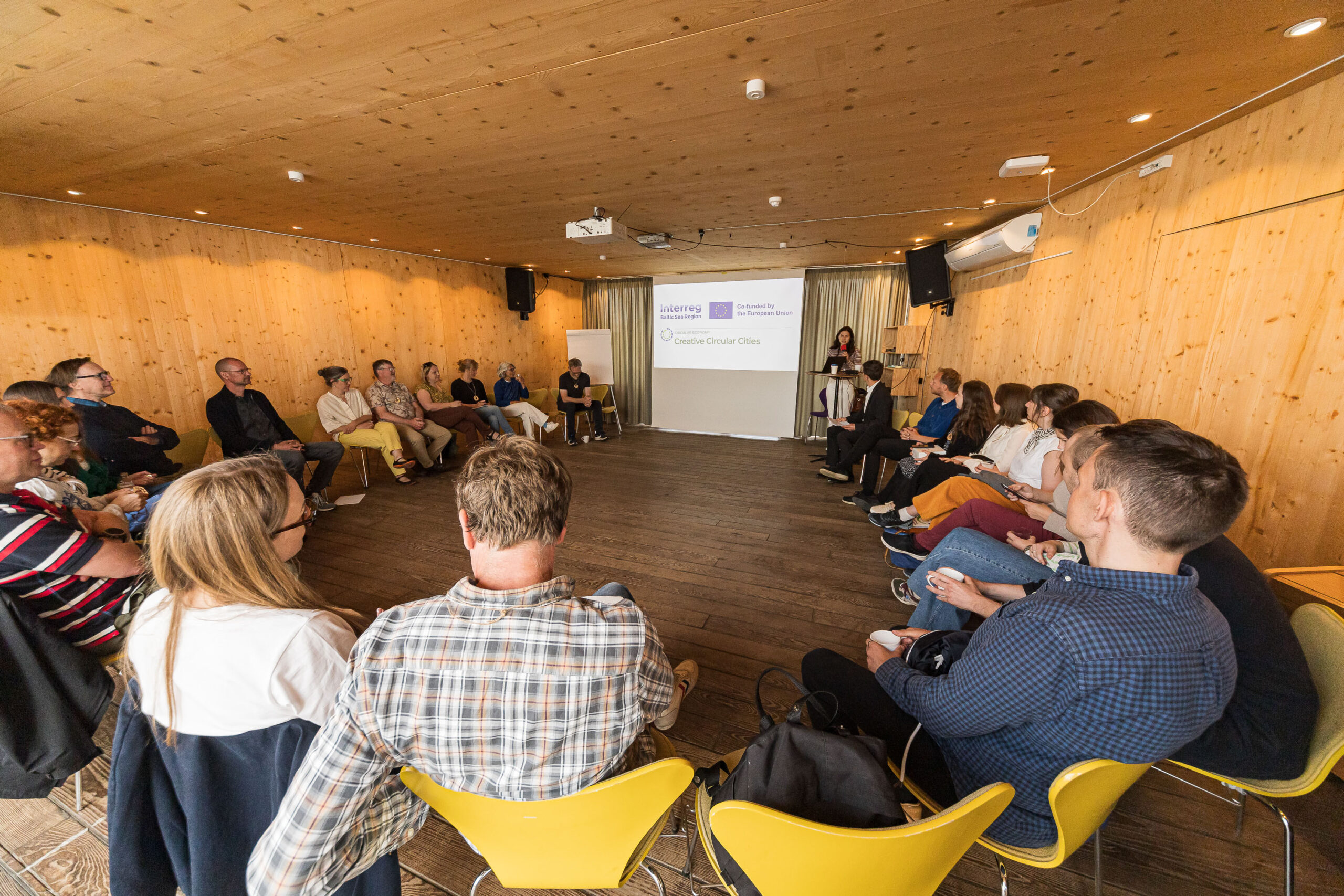
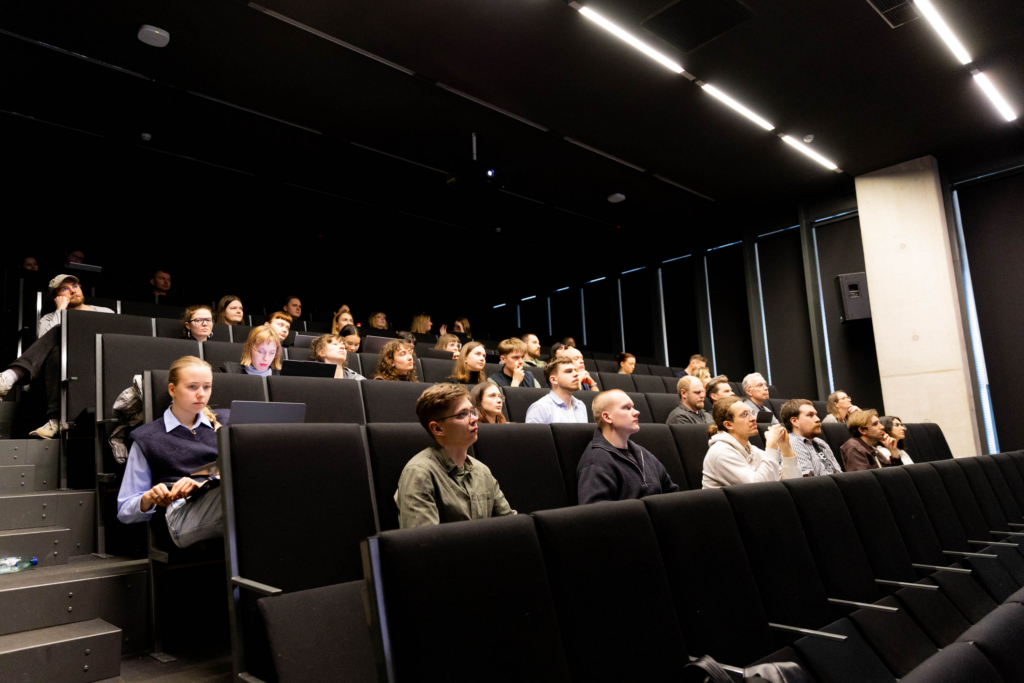
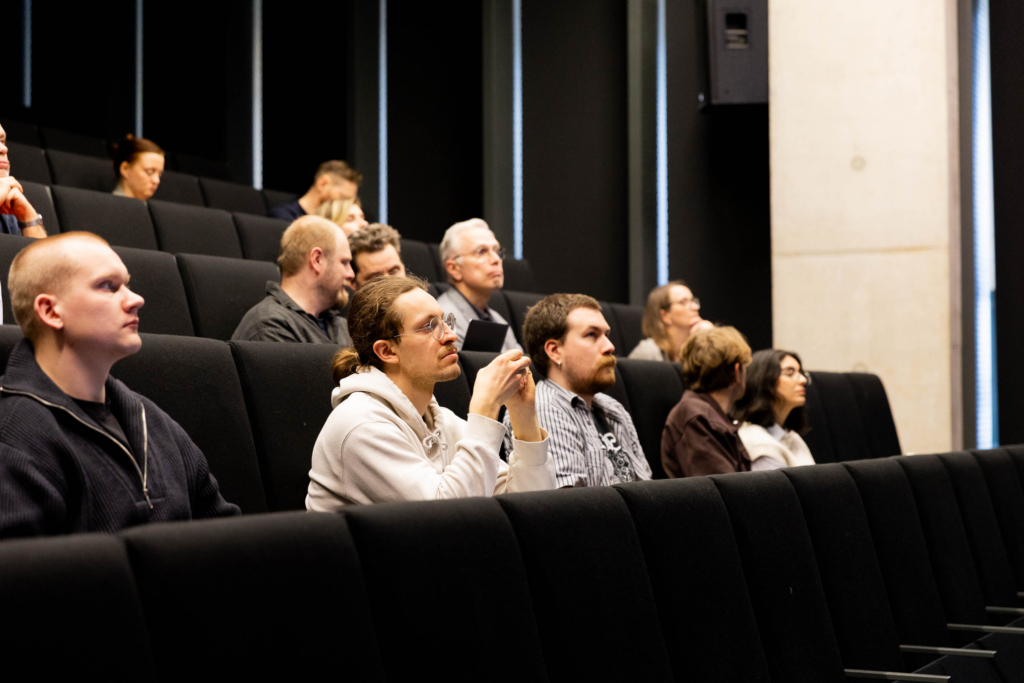
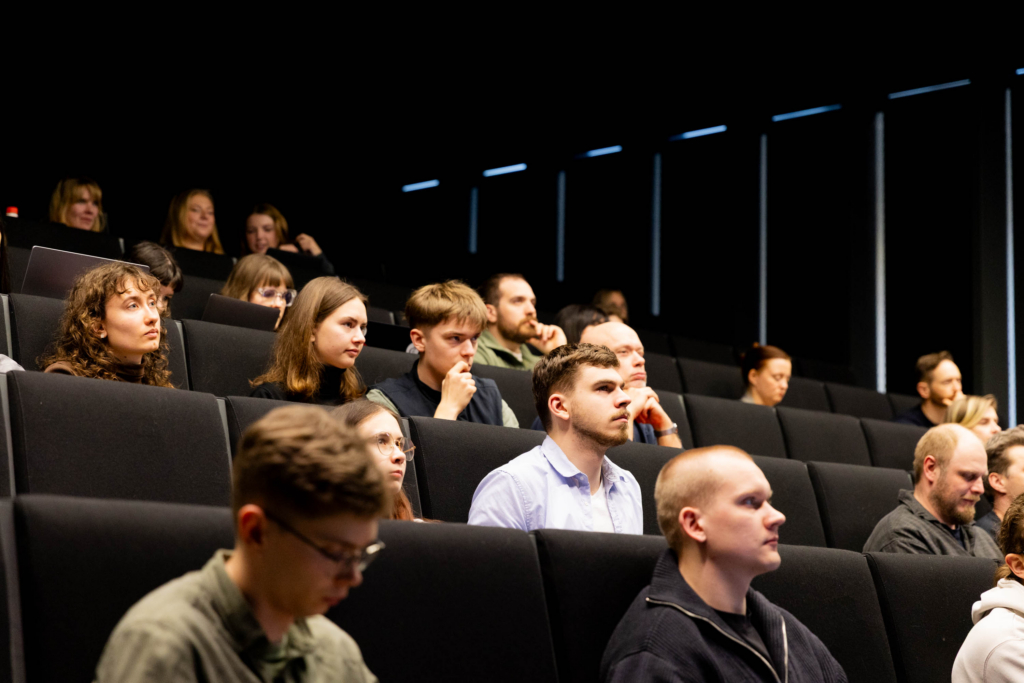
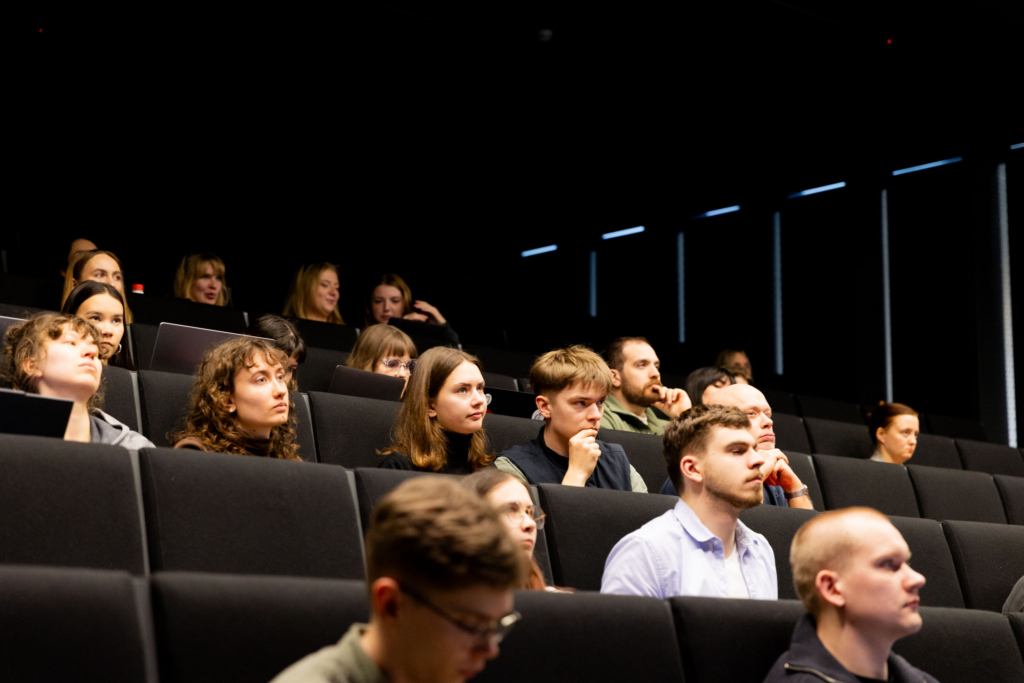
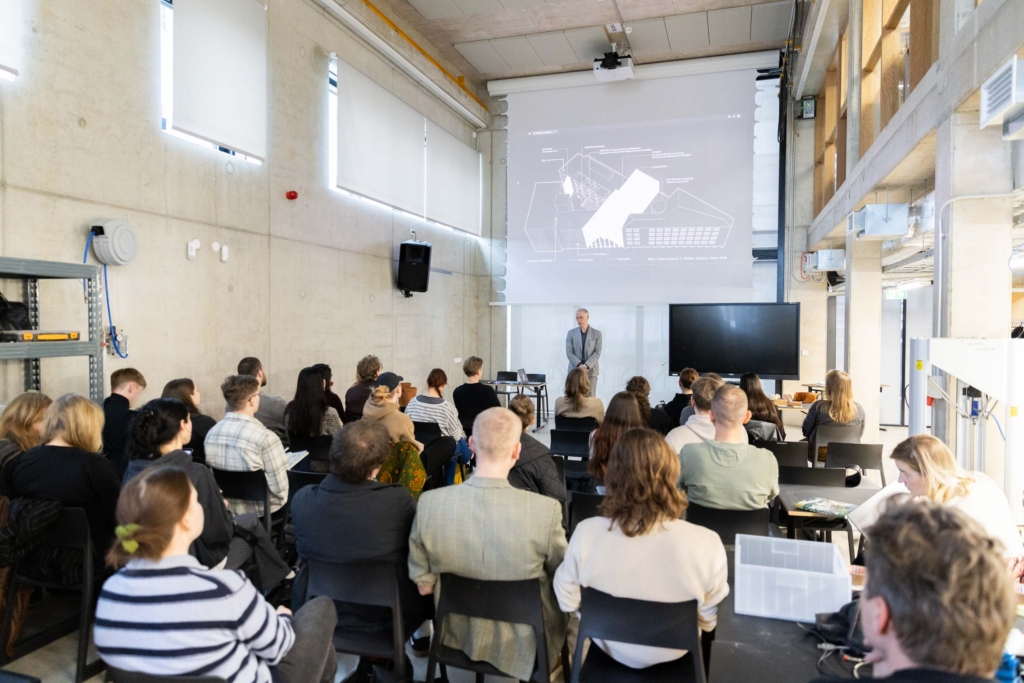
As part of the Creative Circular Cities (CCC) project incubation programme organized by the Tallinn Business Incubators, several international seminar series took place in spring 2026. These focused on applying sustainable and circular thinking to product and service design. The trainings How to Design a Sustainable Product? and How to Design a Sustainable Service? brought together professionals from the creative and cultural sectors, entrepreneurs, designers, and other interested participants to discuss how to create solutions that are user-centered, economically viable, and environmentally responsible.
At the core of both seminar series was the understanding that sustainability is no longer merely an ethical choice, but an important strategic direction. For both products and services, this means re-evaluating existing ways of working and seeking solutions that reduce environmental impact, keep resources in use longer, and create long-term value.
Sustainable product design begins with a shift in mindset
The four-part seminar series How to Design a Sustainable Product? focused on the principles of circular product development throughout the entire product lifecycle. Participants explored how to move from a linear “produce–use–dispose” model to more circular solutions, where materials remain in use as long as possible and products are designed with durability, repairability, modularity, and reuse in mind.
The seminar emphasized that sustainable product design is not only about introducing new materials, but primarily about a change in perspective. A product should not be seen as a standalone object, but as part of a larger system that includes usage patterns, future use cycles, repair possibilities, and end-of-life considerations. It was also highlighted that materials should not be treated merely as inputs in production, but as valuable resources whose quality and usability should be preserved for as long as possible.
Practical examples brought circular design closer to participants
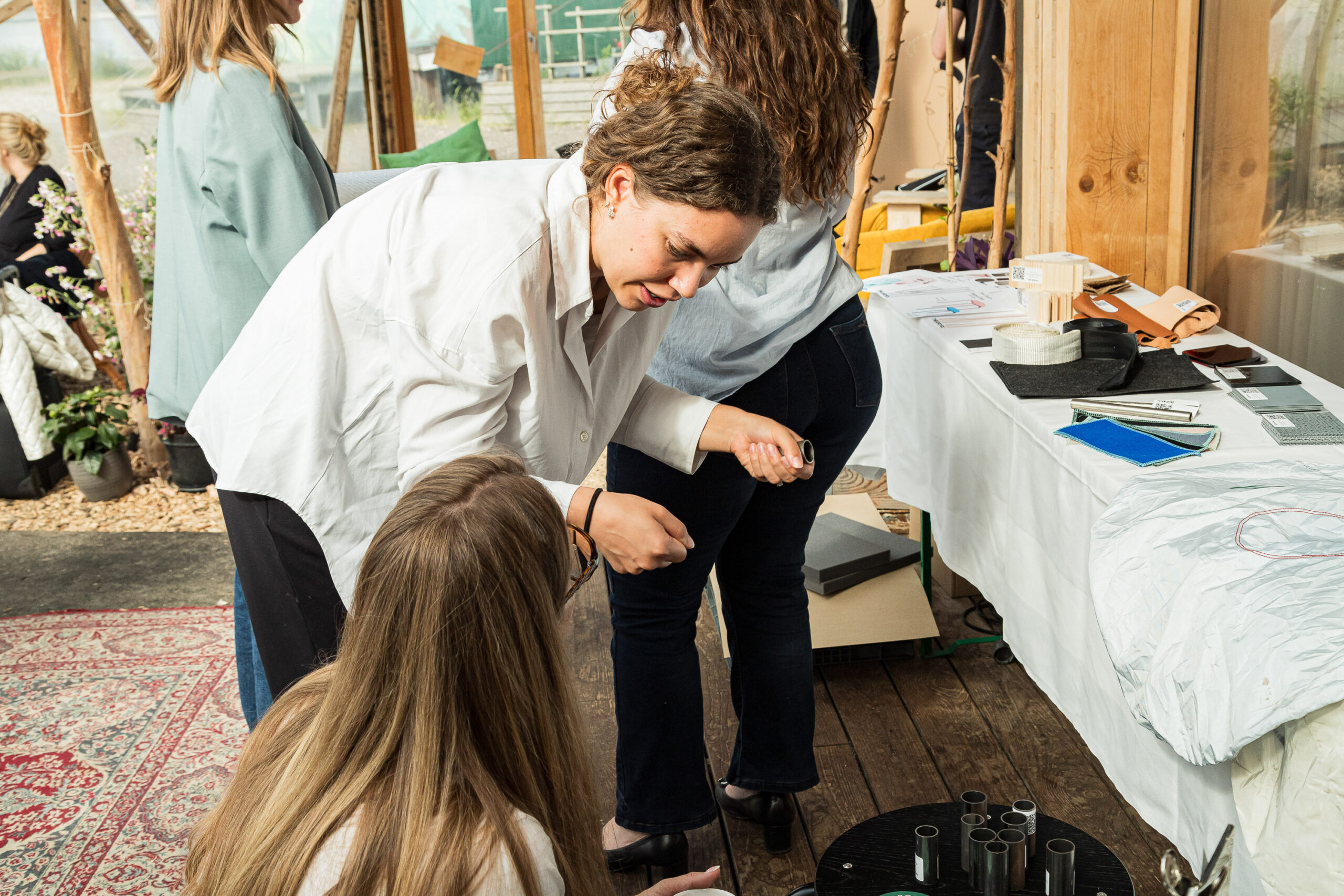
The seminar was not purely theoretical; through participants’ own examples, it demonstrated how circular economy principles can be applied across a wide range of products and services. For instance, discussions addressed how to ensure that environmentally friendly packaging is also understandable for users. It was concluded that sustainable materials alone are not enough without clear information about who produced the item, how it can be reused, and where it should go at the end of its life. Suggested solutions included better labeling, QR codes, reuse instructions, and return or collection systems.
Another example involved the possibilities of recycled porcelain. It was noted that beyond material recycling, sustainable value can also be created through repair services, rental models, and refreshing or reglazing items. This highlighted that circular design does not always mean creating entirely new products, but often involves improving existing solutions, extending their use, and preserving their value.
Services also shape environmental impact
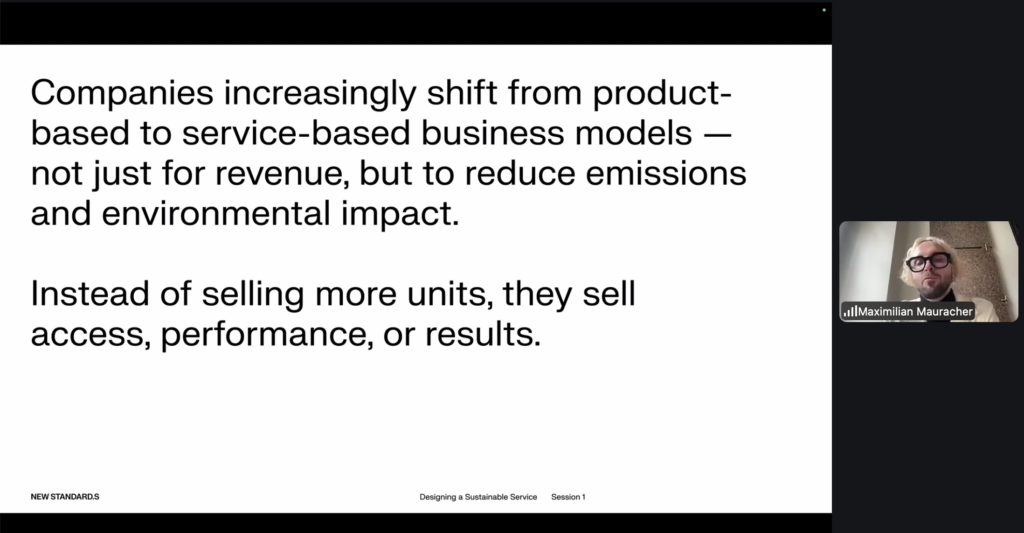
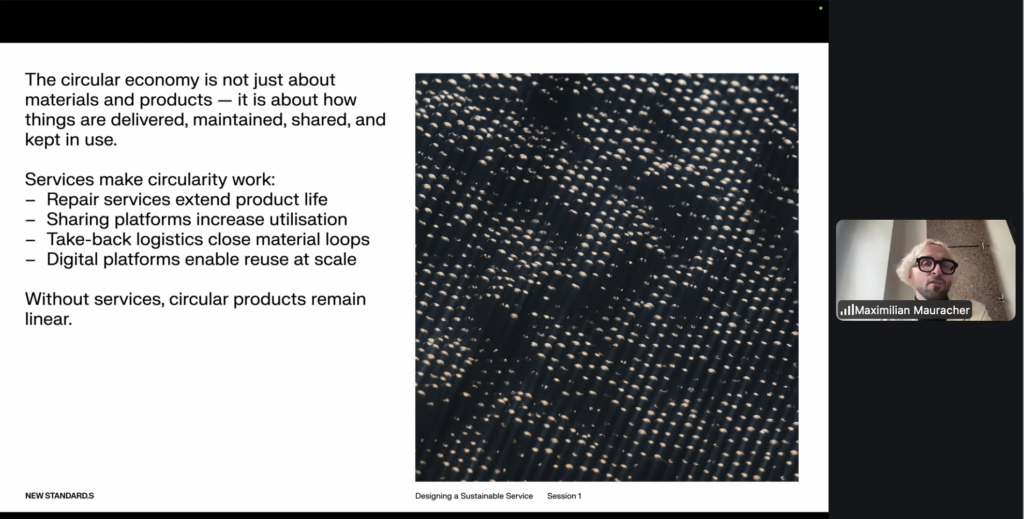
The two-part seminar series How to Design a Sustainable Service? expanded the sustainability discussion from products to services, digital solutions, and organizational processes. The training demonstrated that environmental impact arises not only from the production of physical goods, but also from service structures, digital workflows, data usage, infrastructure, and everyday operations.
Participants were given tools to assess the footprint of their services, map key impact sources, and identify ways to reduce them. The focus included optimizing services and digital systems, reducing digital waste, prioritizing renewable energy-based solutions, and integrating sustainable choices into organizational decision-making.
Discussions also highlighted that more sustainable service design often begins at the preparatory stage. For example, better collaboration before the development process can reduce unnecessary meetings, rework, and resource use. Early involvement of end users was also emphasized to ensure that services meet real needs and avoid unnecessary steps or burdens.
Why are these topics important for the creative and cultural sector?
For the creative and cultural sector, circular economy and sustainable design are becoming increasingly important, as they open new opportunities for innovation, international development, and responsible entrepreneurship. For both products and services, the issue is not only about reducing environmental impact, but also about creating solutions that are more durable over time, meaningful for users, and economically sustainable.
The seminar series showed that sustainability can manifest in many ways: better material choices, well-thought-out user instructions, enabling repair and reuse, more efficient service processes, or more conscious communication with clients and users. This holistic perspective helps make circular economy principles practical and applicable in everyday creative work and business.
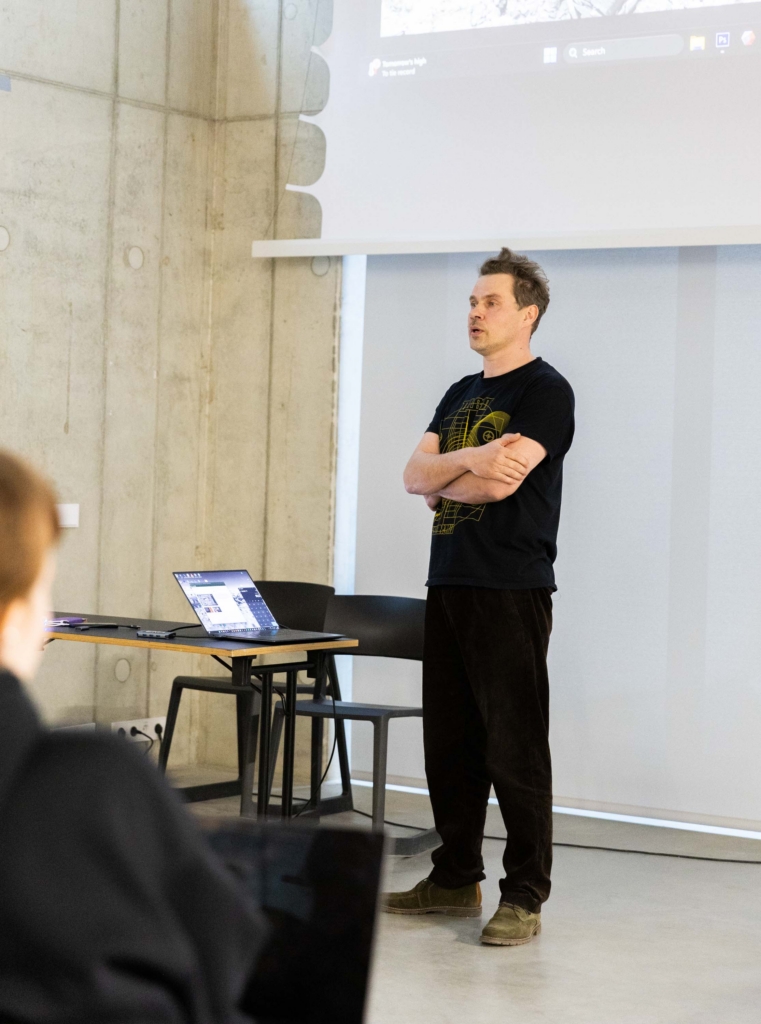
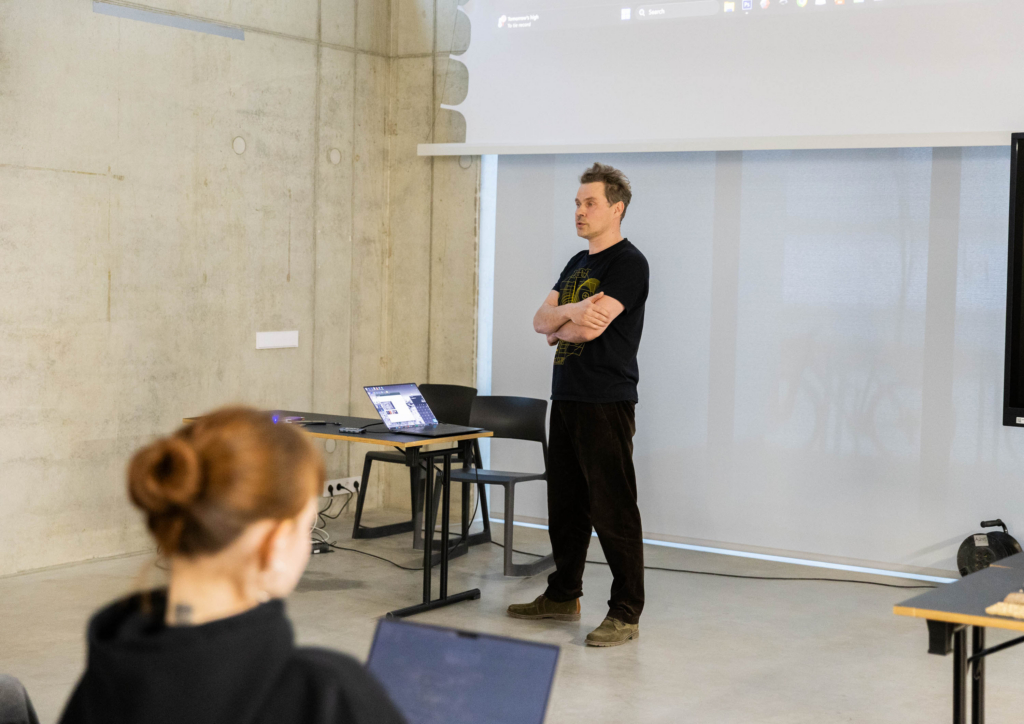
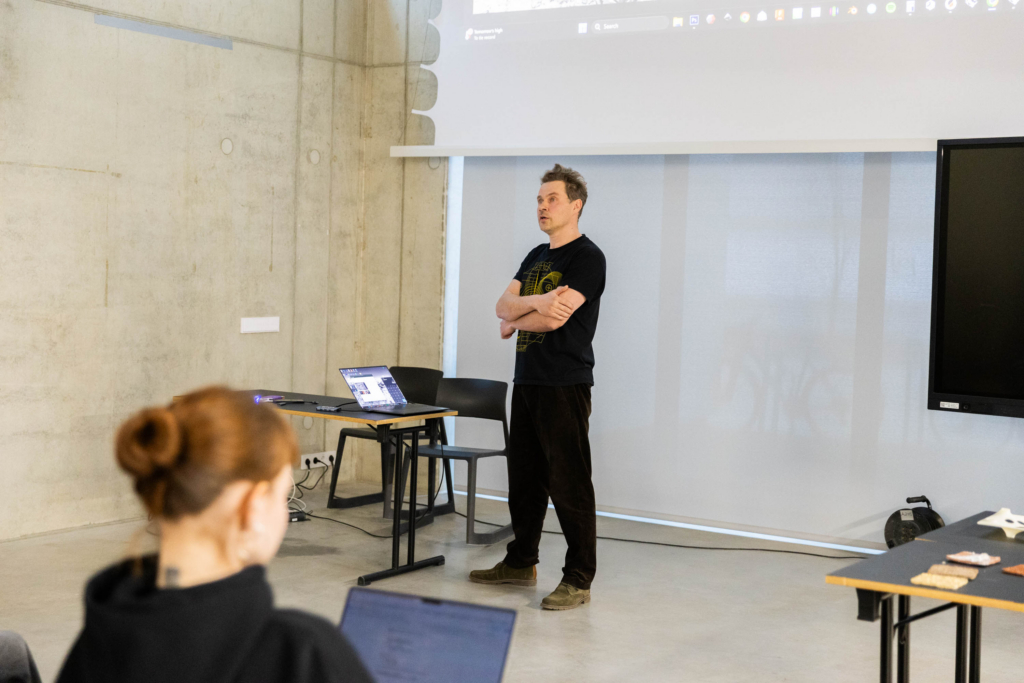
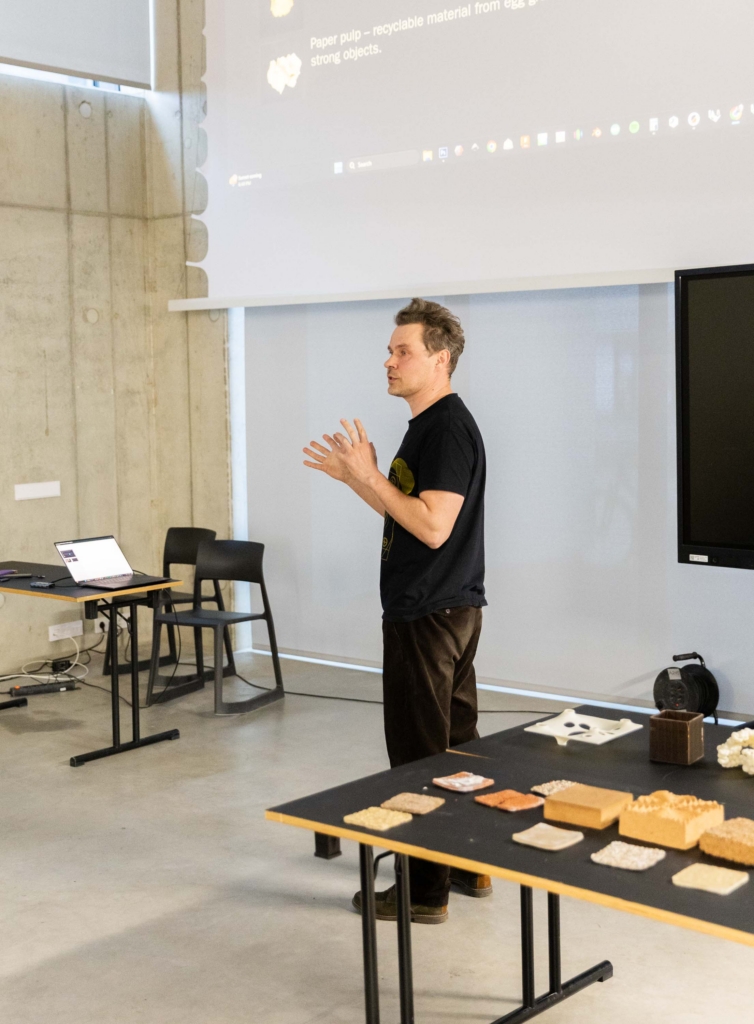
Trainer Maximilian Mauracher combined strategy with practical experience
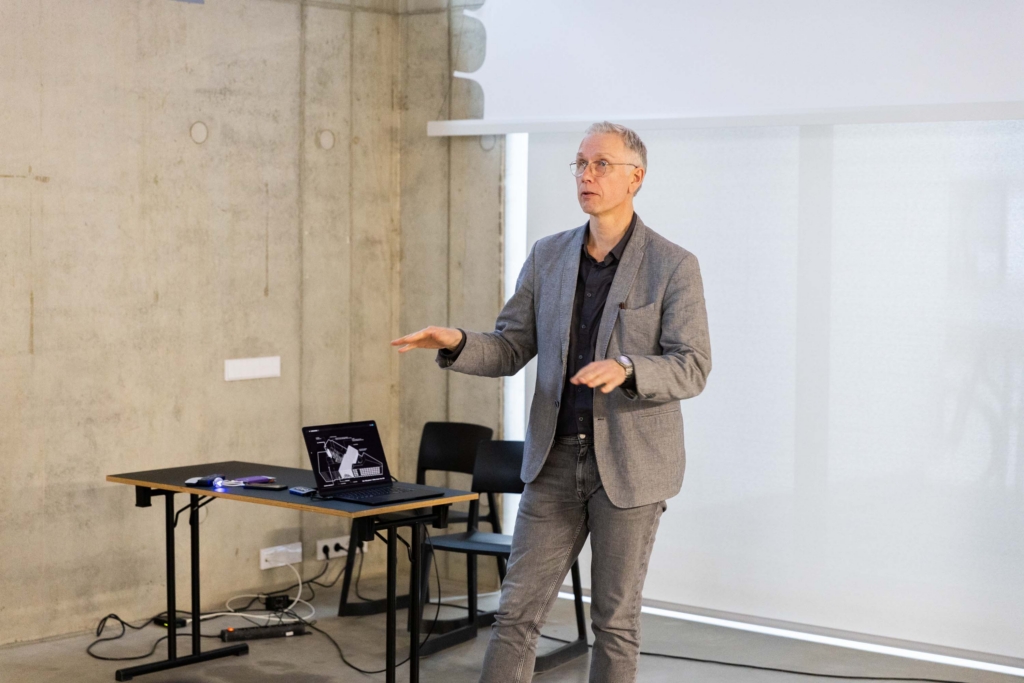
Both seminar series were led by internationally recognized designer, strategist, and creative director Maximilian Mauracher, whose work focuses on circular economy, sustainability, and design-driven transformation.
He studied at the University of Applied Arts Vienna and has worked for more than ten years with companies, cities, and organizations, including FREITAG, Decathlon, WWF, and the city of Berlin. As co-founder and CEO of NEW STANDARD.STUDIO, he helps international teams translate complex sustainability challenges into clear strategies, products, services, and narratives.
One of the central messages of the seminars was captured in the idea: “Everything is designed – therefore everything can be redesigned.” This reflects both the content of the seminars and the broader goal of the CCC project – to help creative and cultural sector professionals see change as an opportunity and discover new ways to create more responsible and impactful solutions.
The CCC project supports the transition to a circular economy
The seminar series took place as part of the the Creative Circular Cities project, co-funded by the European Union’s Interreg Baltic Sea Region Programme 2021–2027. The aim of the project is to support the transition to a circular economy at the local level by actively involving the cultural and creative sectors and providing practical knowledge, tools, and international collaboration.
Tallinn Business Incubator Opens Exhibition Showcasing Circular Economy Opportunities as Part of the CCC Project
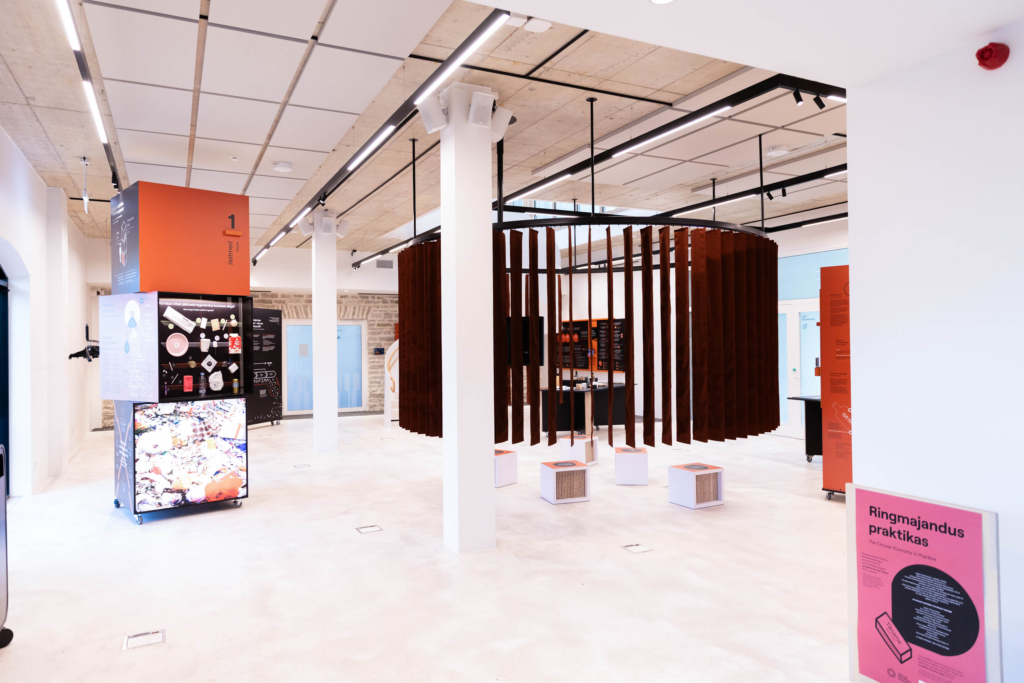
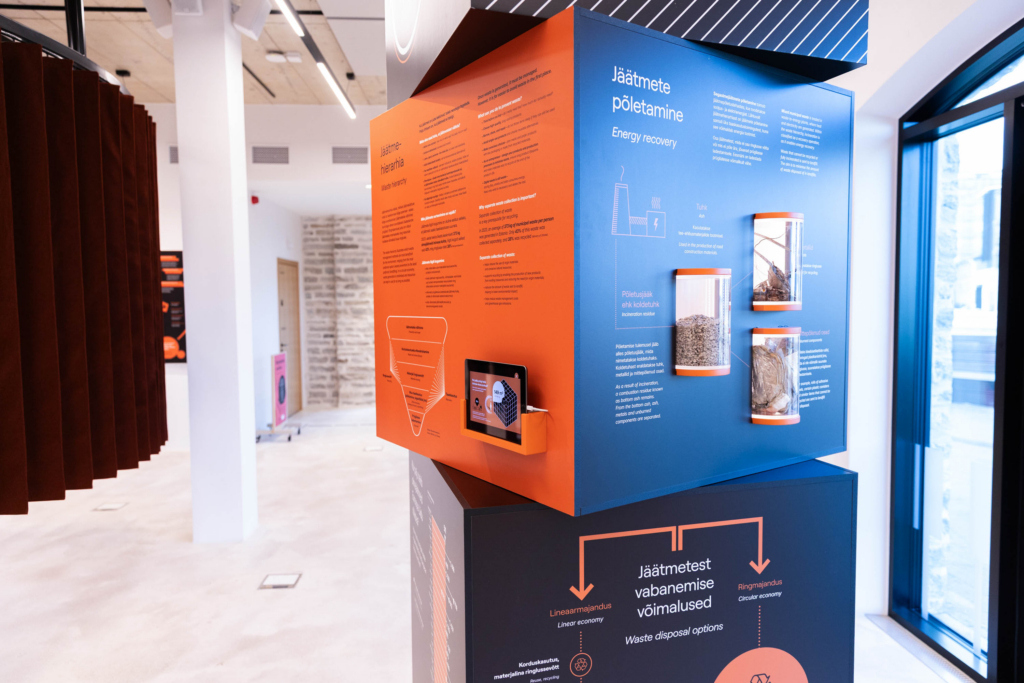
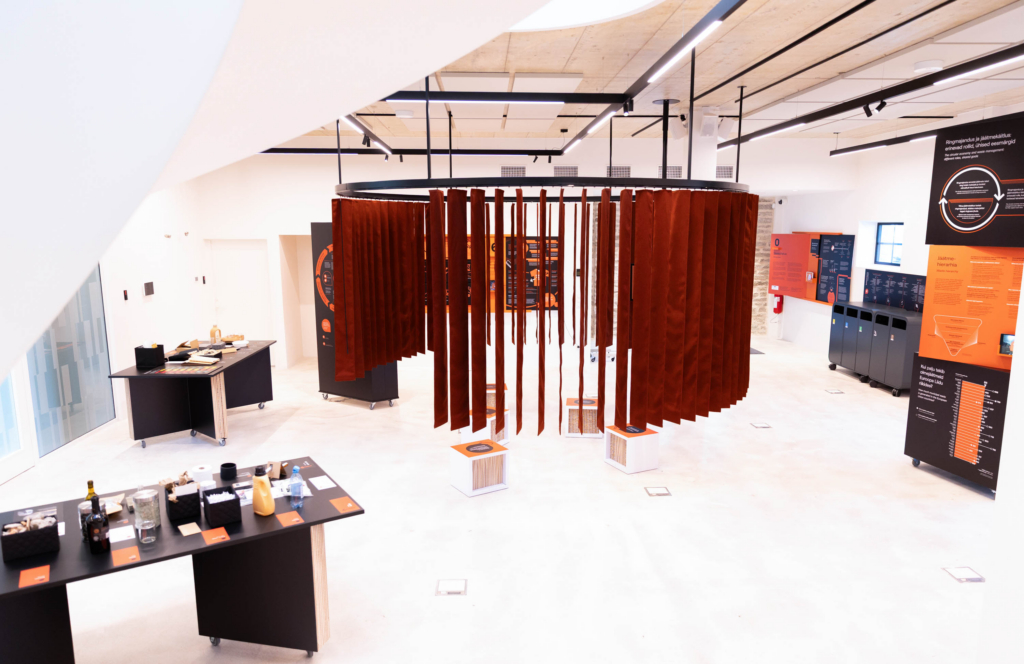
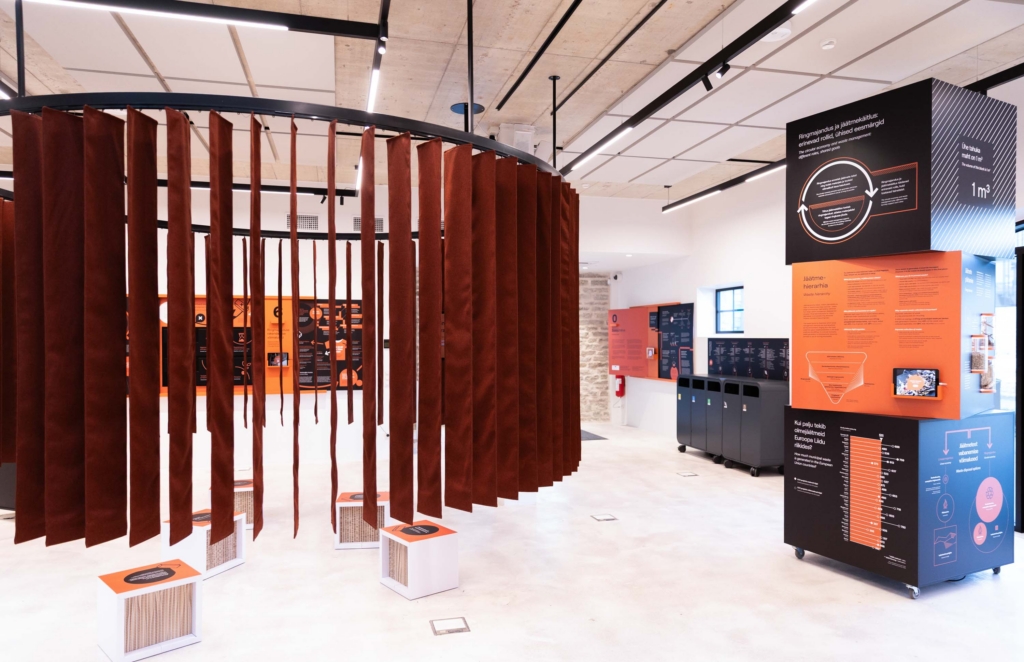
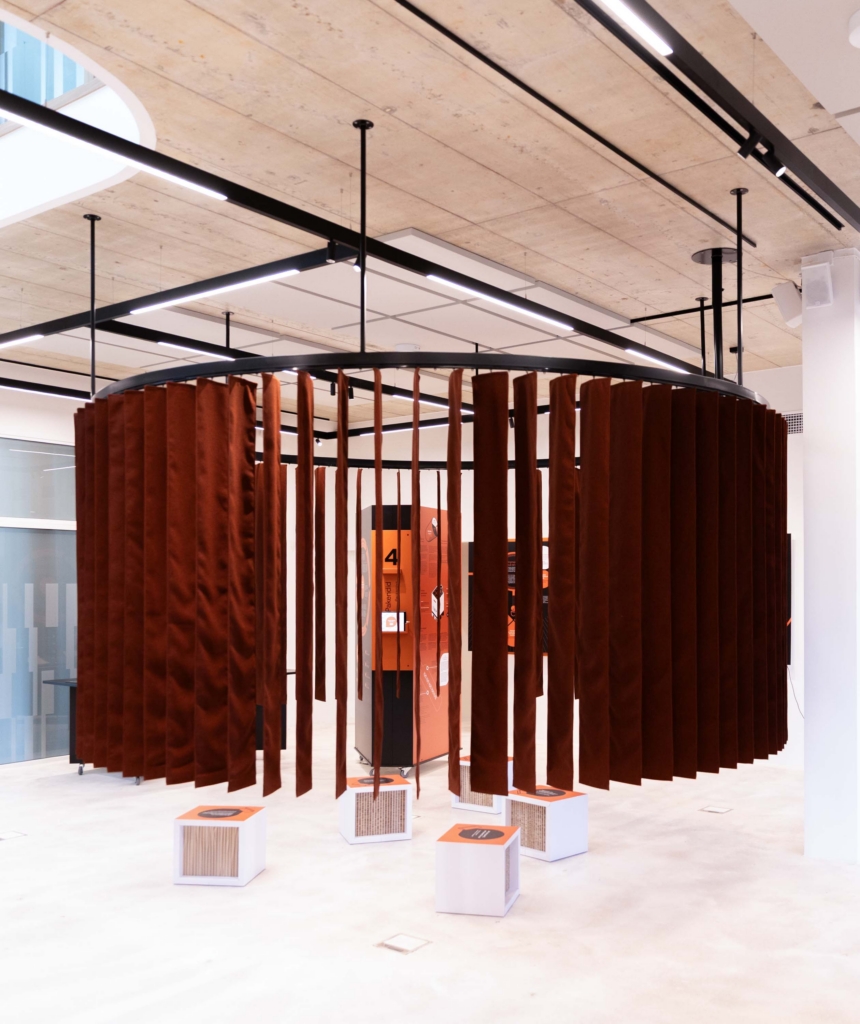
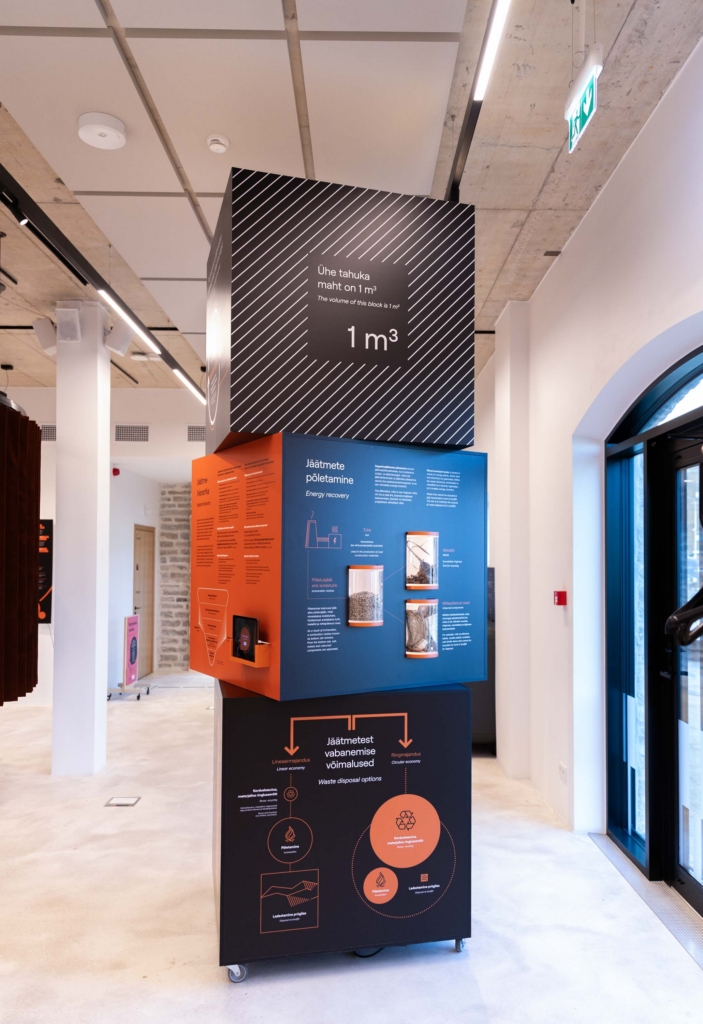
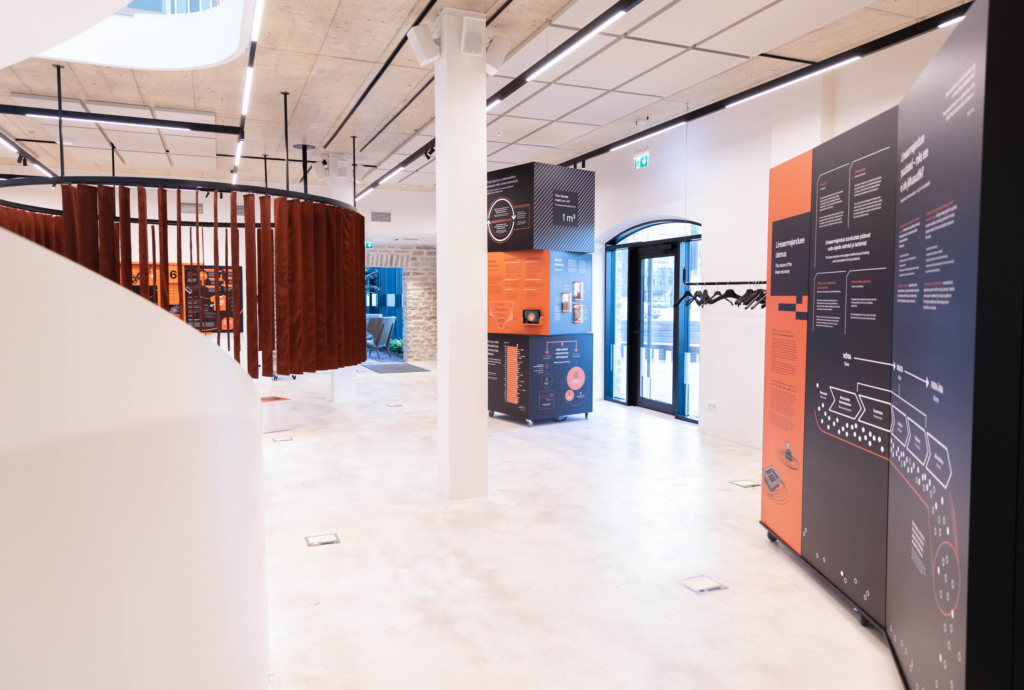
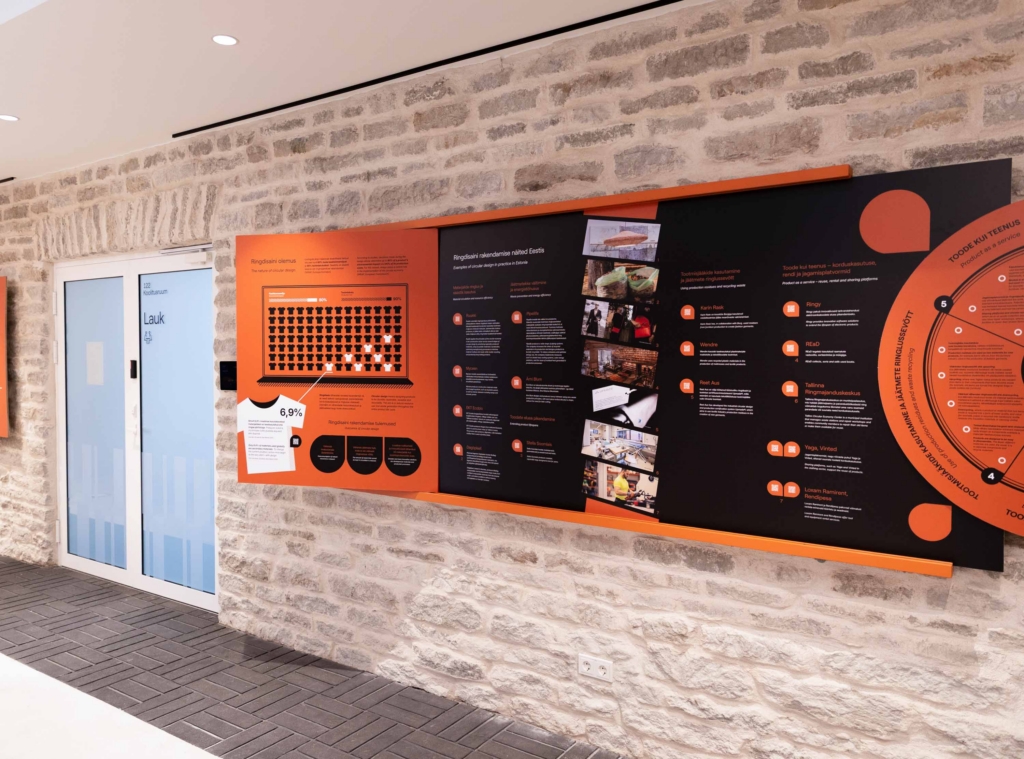
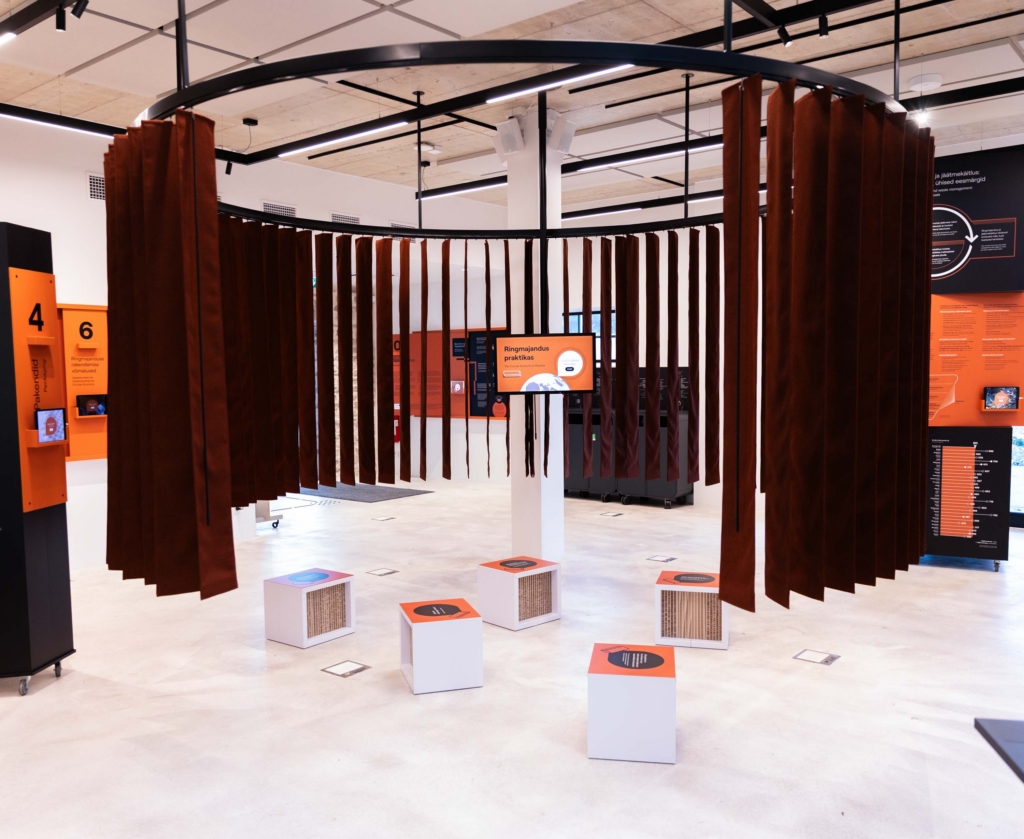
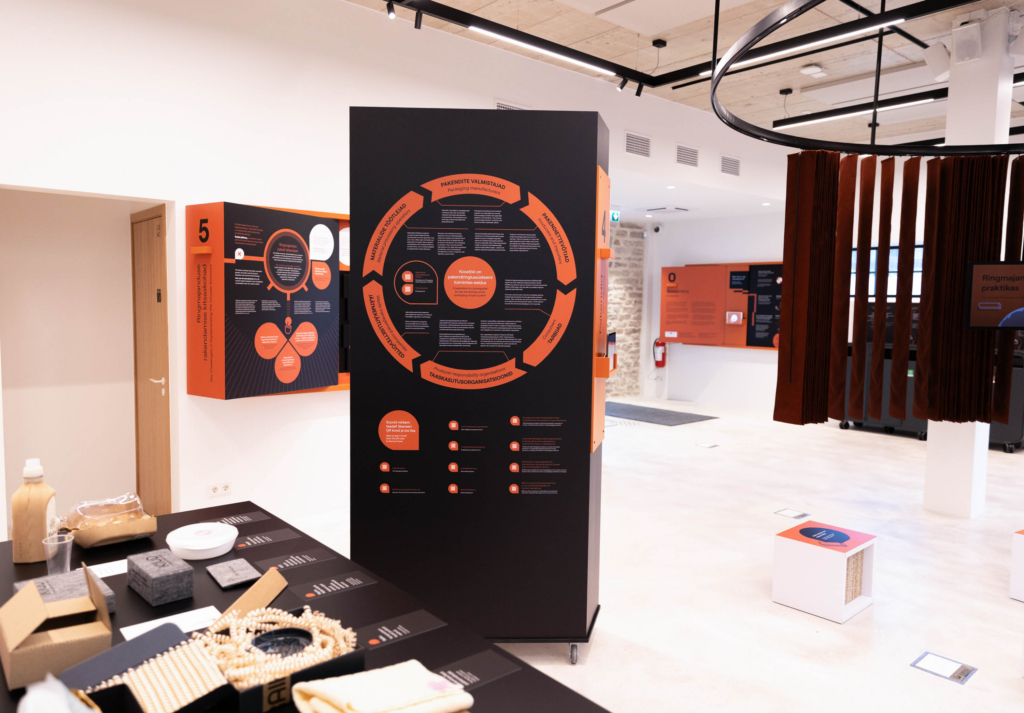
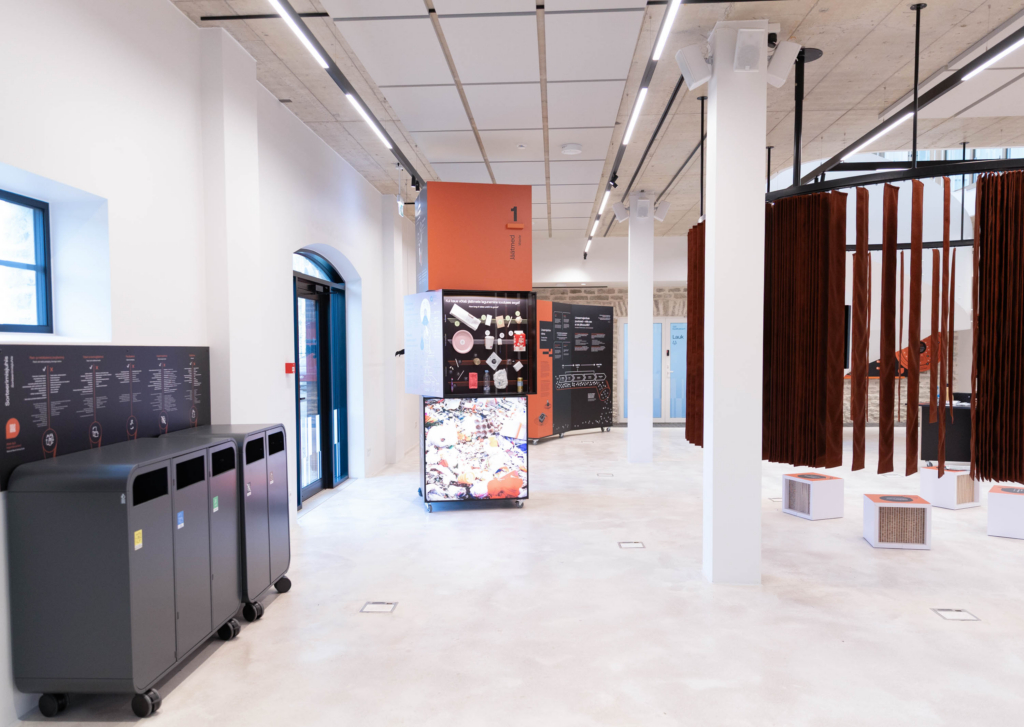
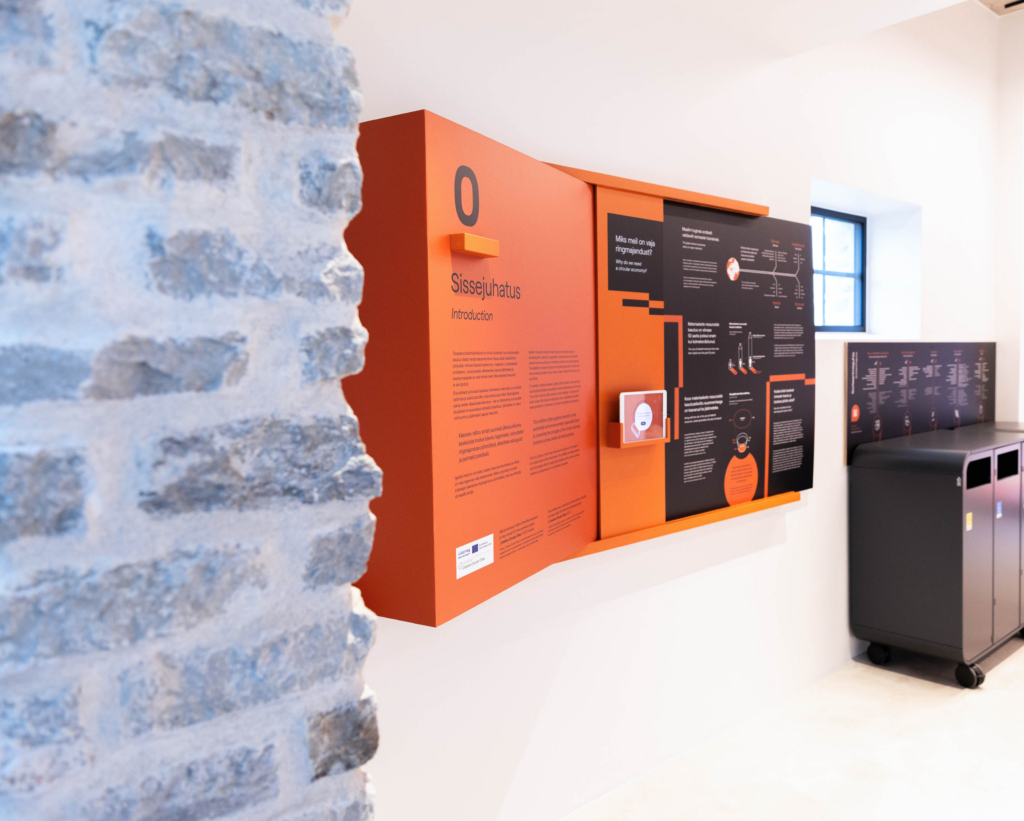
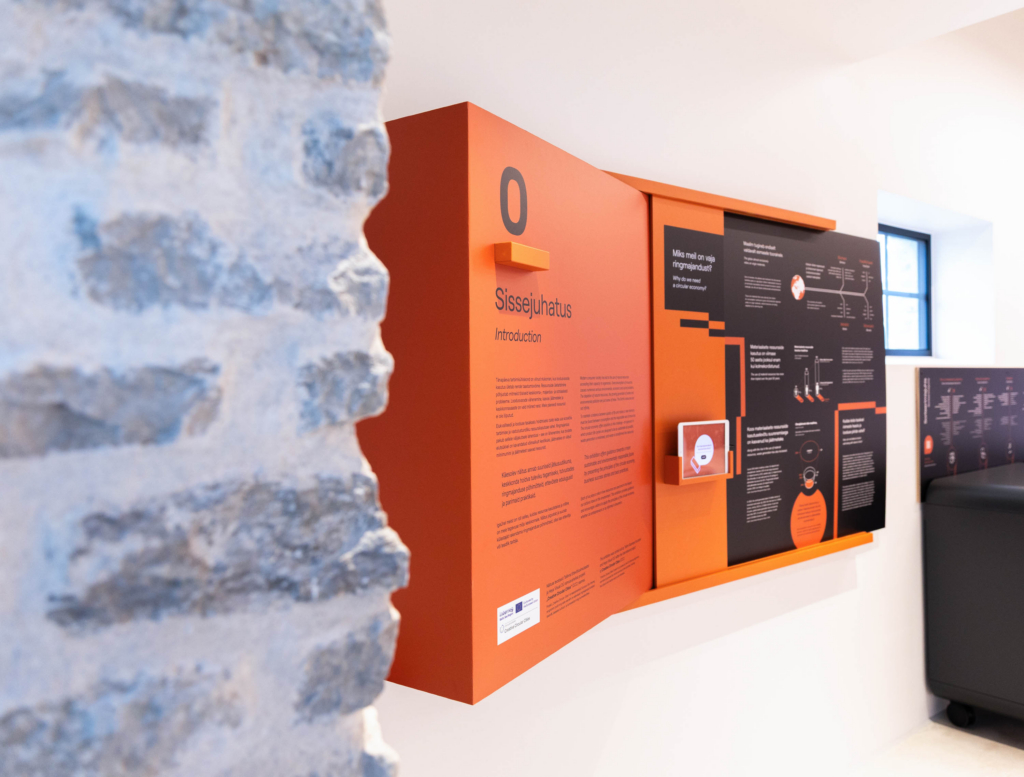
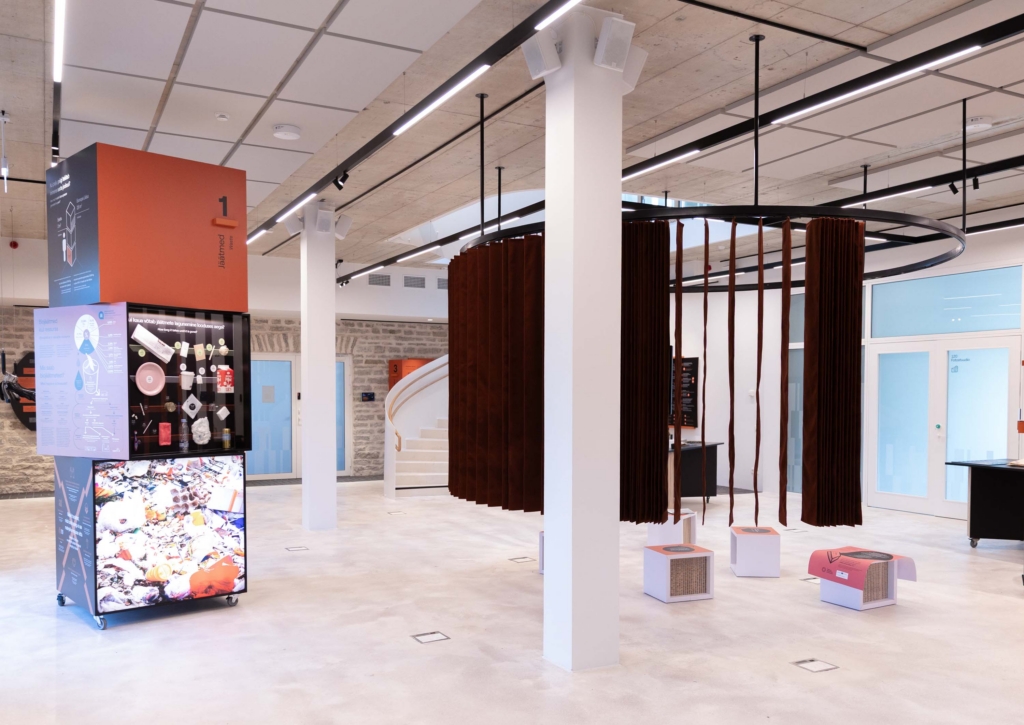
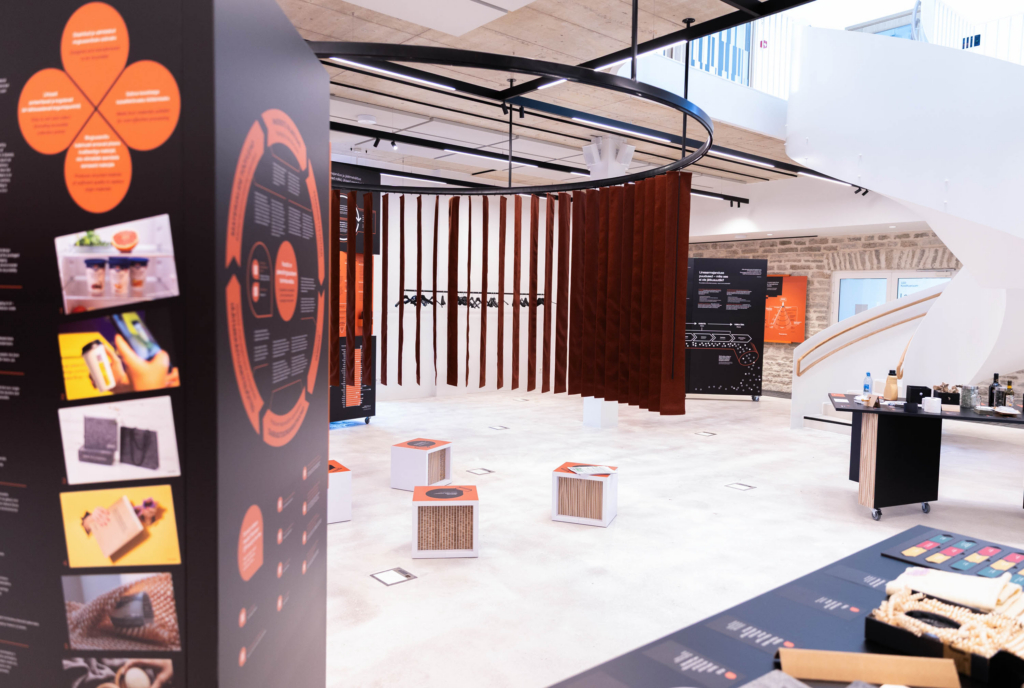
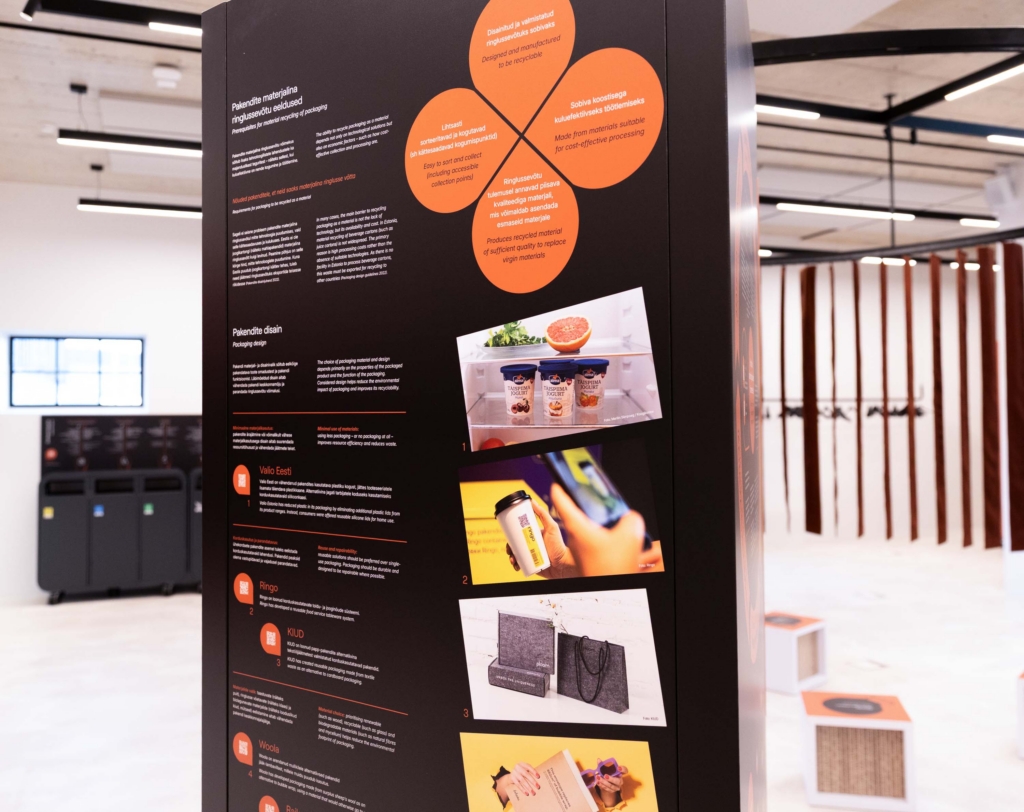
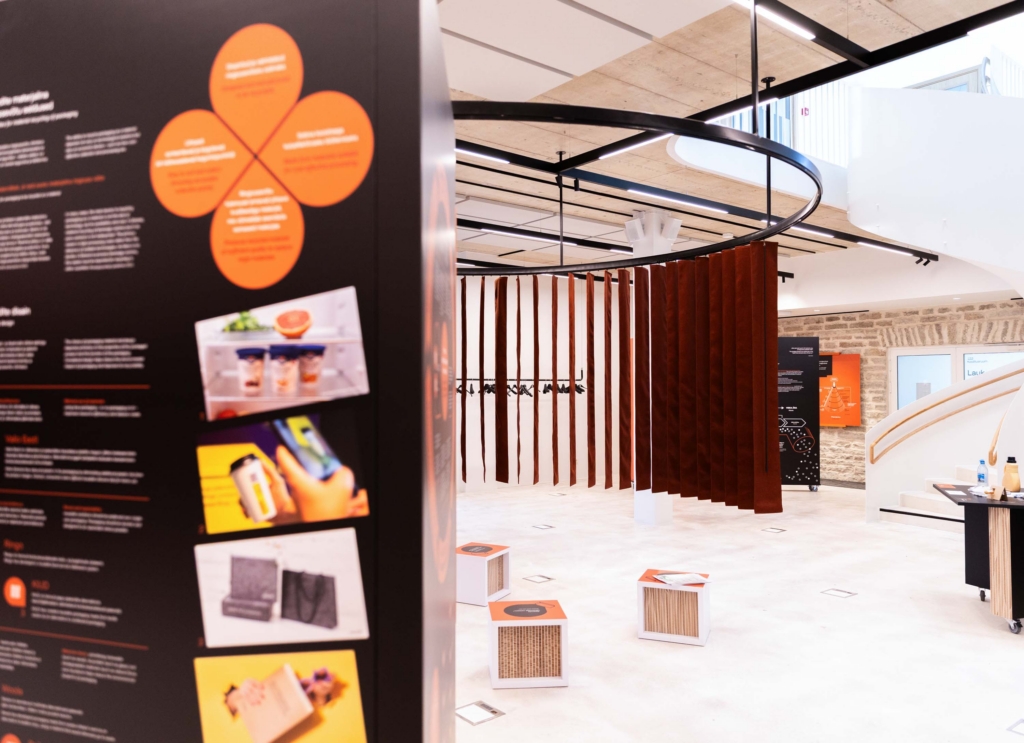
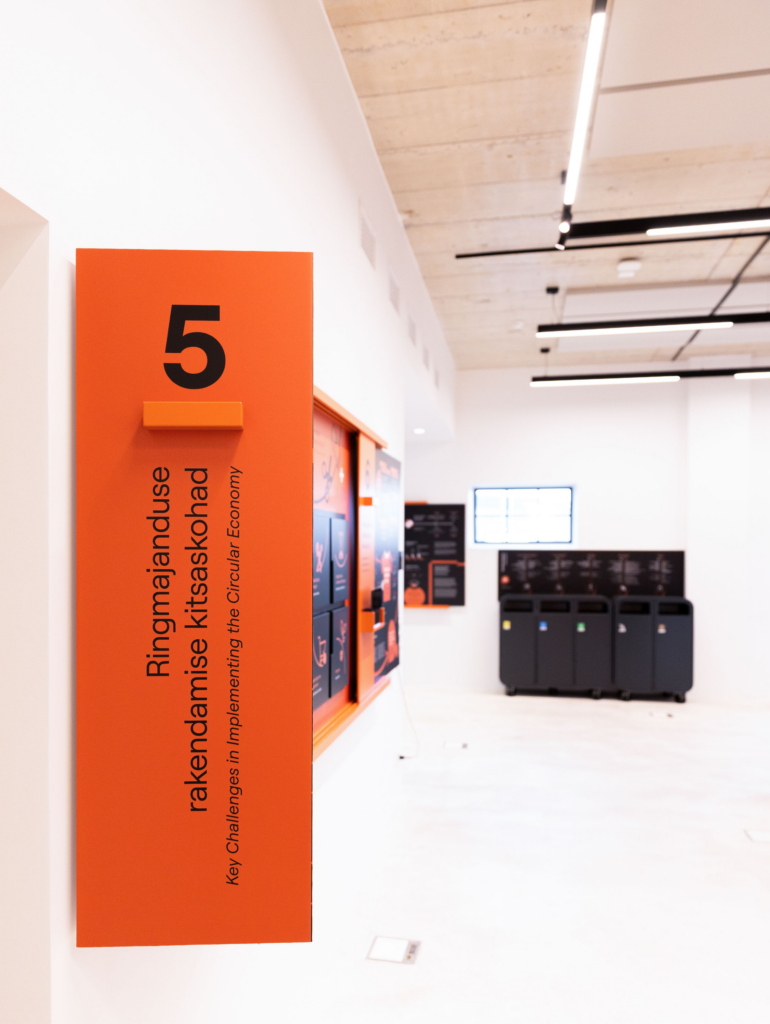
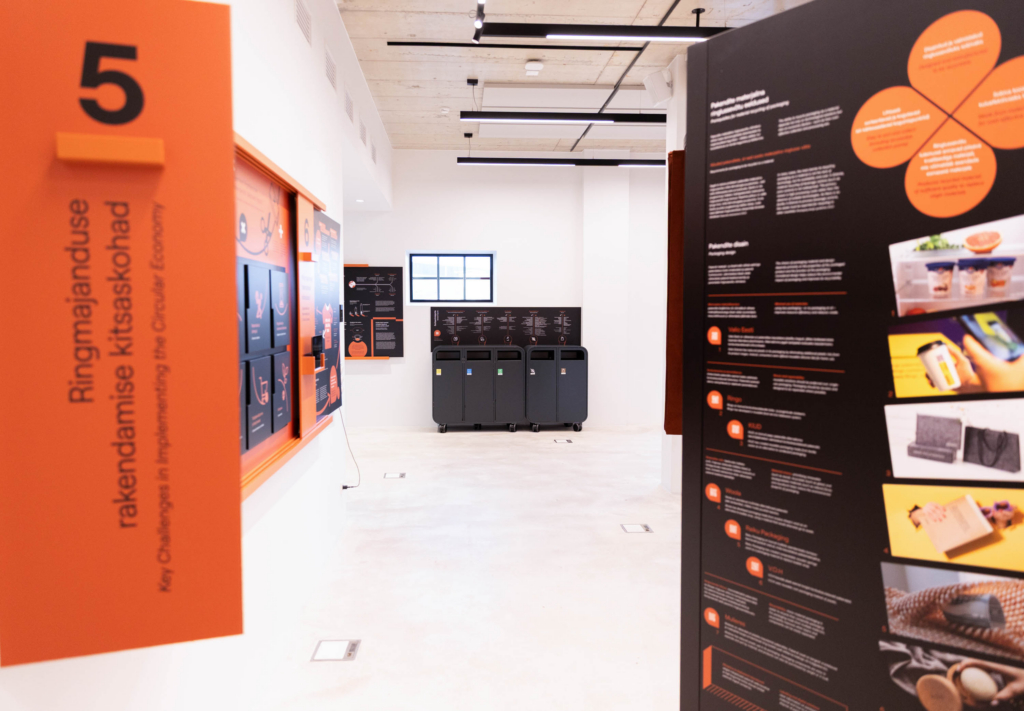
Tallinn Business Incubator has opened a circular economy-themed exhibition as the first display in the exhibition hall of its new building. Created within the framework of the international Creative Circular Cities (CCC) project, the exhibition invites both businesses and city residents to explore the principles of the circular economy and discover new opportunities in the field. The exhibition was produced by the Tallinn Business Incubator and Heya Visual.
The development of consumer society has led to increasing use of natural resources, bringing with it environmental, social, and economic challenges. Growing waste generation, pollution, and the depletion of natural resources make it increasingly important to introduce and promote circular economy principles. At the same time, the circular economy is not only an environmental issue – it is a systemic change that affects production, consumption, and values. It is based on sharing, borrowing, reusing, repairing, refurbishing, and recycling existing materials and products for as long as possible. This helps create a balanced future in which the economy and the environment work together rather than at each other’s expense.
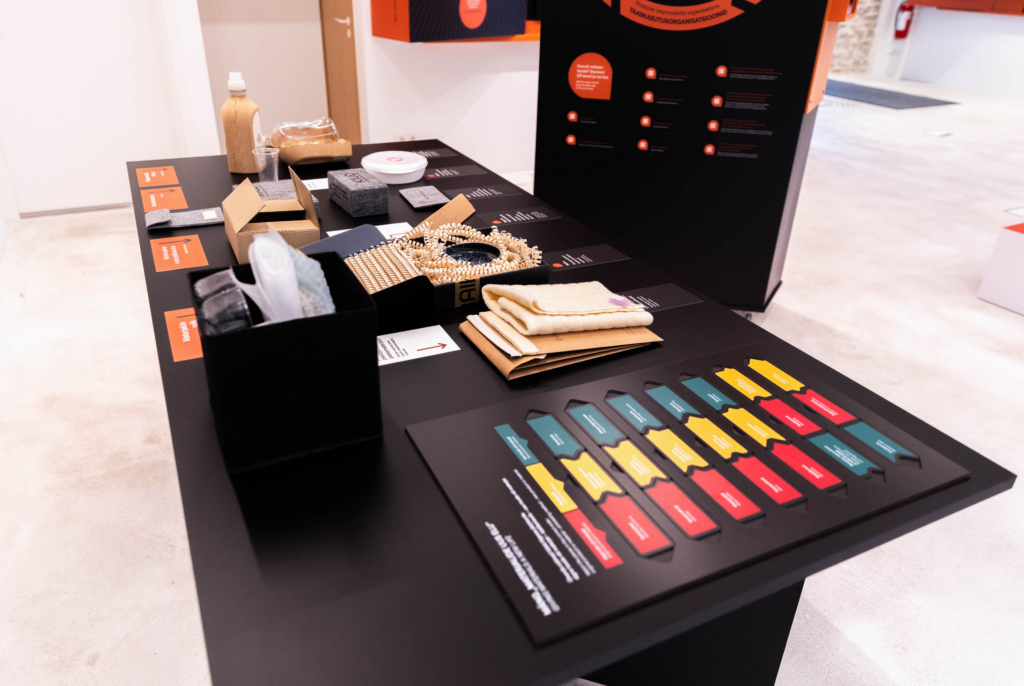
The new exhibition helps visitors understand these topics in a practical and interactive way, offering opportunities to test their knowledge, experiment with new ideas, and gain inspiration for making more conscious choices.
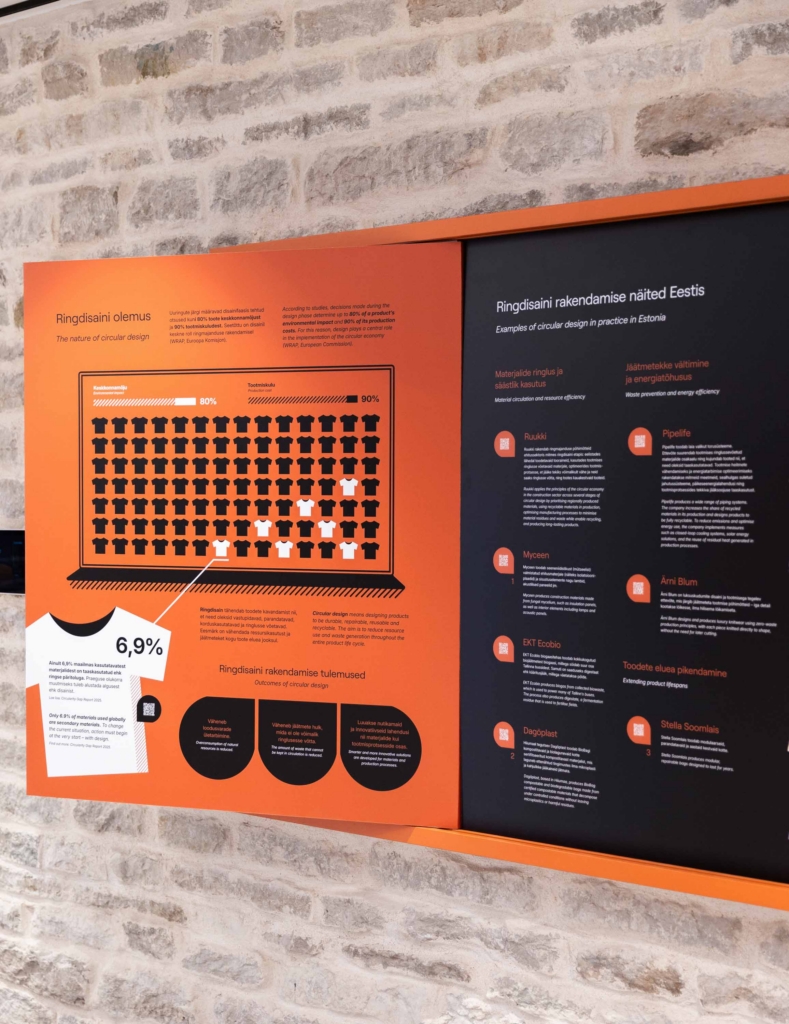
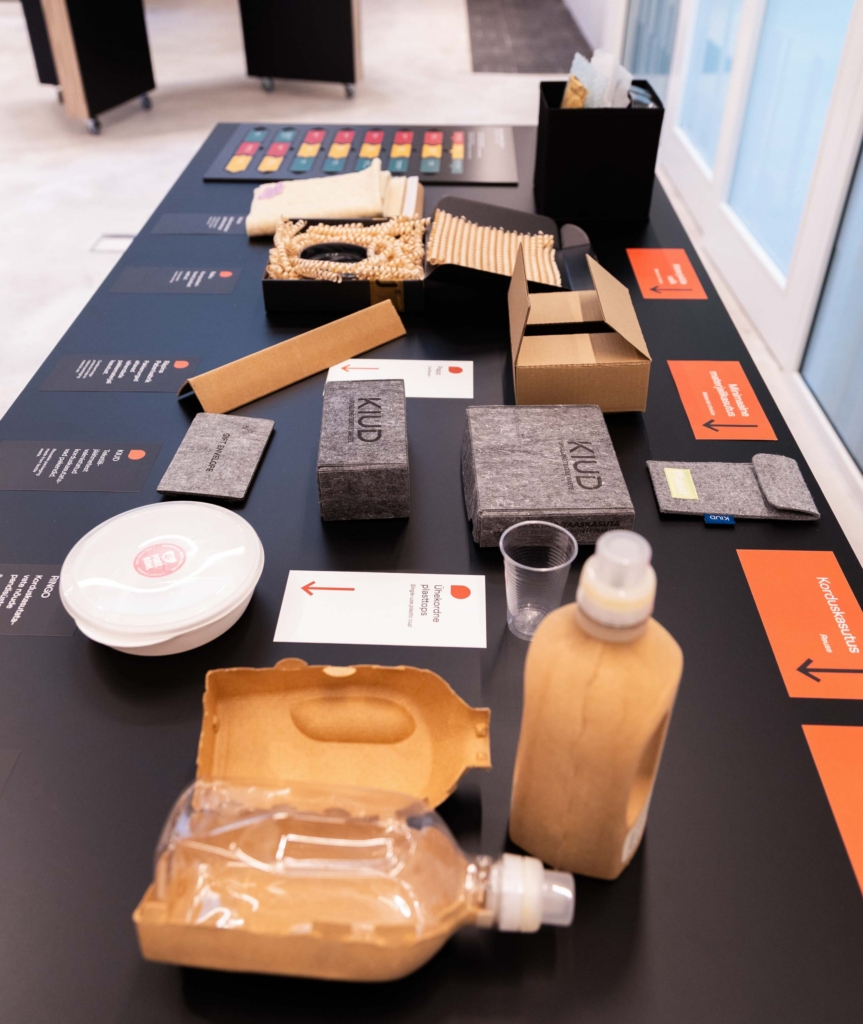
“We are pleased that, in cooperation with Heya Visual and circular economy experts, we have created a comprehensive educational exhibition introducing the circular economy through numerous examples and displays. Developing the exhibition required working through a large amount of background information, but the goal was to bring visitors the most important topics, practical information, and clear guidance. Real-life examples from companies that are already successfully implementing circular economy principles were also a key priority. These are presented through videos, texts, and products. The exhibition offers significant added value for visitors to the incubator and enables us to introduce the foundations of the circular economy to companies participating in our programmes and trainings, as well as guests attending other events, conferences, and seminars,” said Kristel Mõistus, Project Manager at the Tallinn Business Incubator.
The exhibition created by Heya Visual is designed as a complete journey introducing the principles of the circular economy, business success stories, and best practices. It encourages visitors to think about how everyone can apply circular economy principles in their daily lives and business activities, and what impact our choices have on the future. The exhibition provides guidance and understanding that our shared future depends on everyone’s contribution. The circular economy is not only a topic for businesses or policymakers – it concerns us all.
The Heya Visual team included Kaia Lõun, Jüri Lõun, Raivo Randoja, and Sigrid Randoja. The exhibition was also created with the involvement of circular economy experts Margit Rüütelmann and Kaia Lõun, as well as the Estonian Circular Economy Companies Association, Katarina Papp and Liina Kanarbik from the Tallinn Strategic Management Office, Simo Ilomets from Tallinn University of Technology, Marianne Sepp from Zero Waste Estonia, Borg, Eesti Pakendiringlus, EKT Ecobio, Green Gravels, Killumeister, KIUD, Leemans Greencircle, Neular, Mulieres, RAIKU, Räpina Paper Mill, Tallinn Waste Recovery Centre, Weerec, Woola, and the CCC project partners.
The new exhibition at the Tallinn Business Incubator offers a valuable experience for everyone who wishes to better understand the opportunities of the circular economy and its role in shaping a resource-efficient future society.
The exhibition was created as part of the Creative Circular Cities (CCC) project, co-funded by the European Union’s Interreg Baltic Sea Region Programme. The project promotes the circular economy at the local level by involving the cultural and creative sectors and creative enterprises. In the pilot cities of Aarhus, Kiel, Gdynia, Riga, Tallinn, and Turku, partner organisations showcase how the creative sector can support the circular economy, foster responsible consumption, and help businesses implement circular practices. The Tallinn exhibition is one of the key outcomes of this international cooperation project.
Tallinn Business Incubator and EKA brought international biomaterial innovation to Tallinn
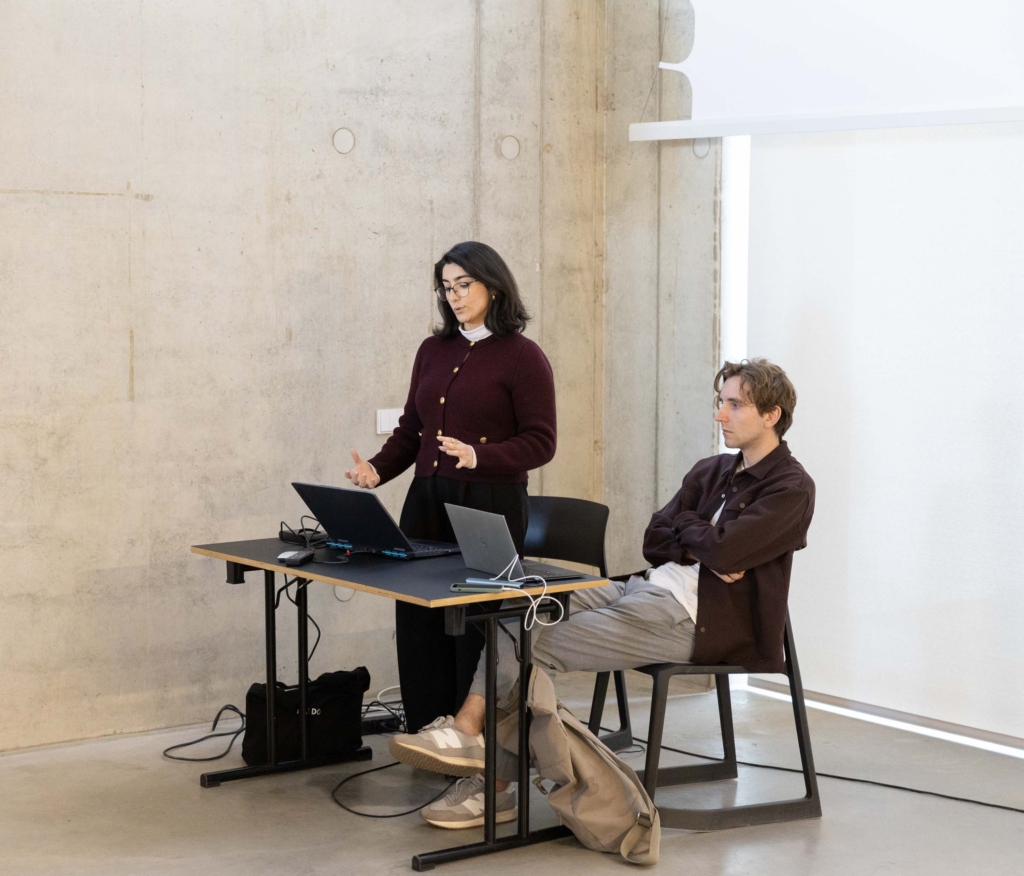
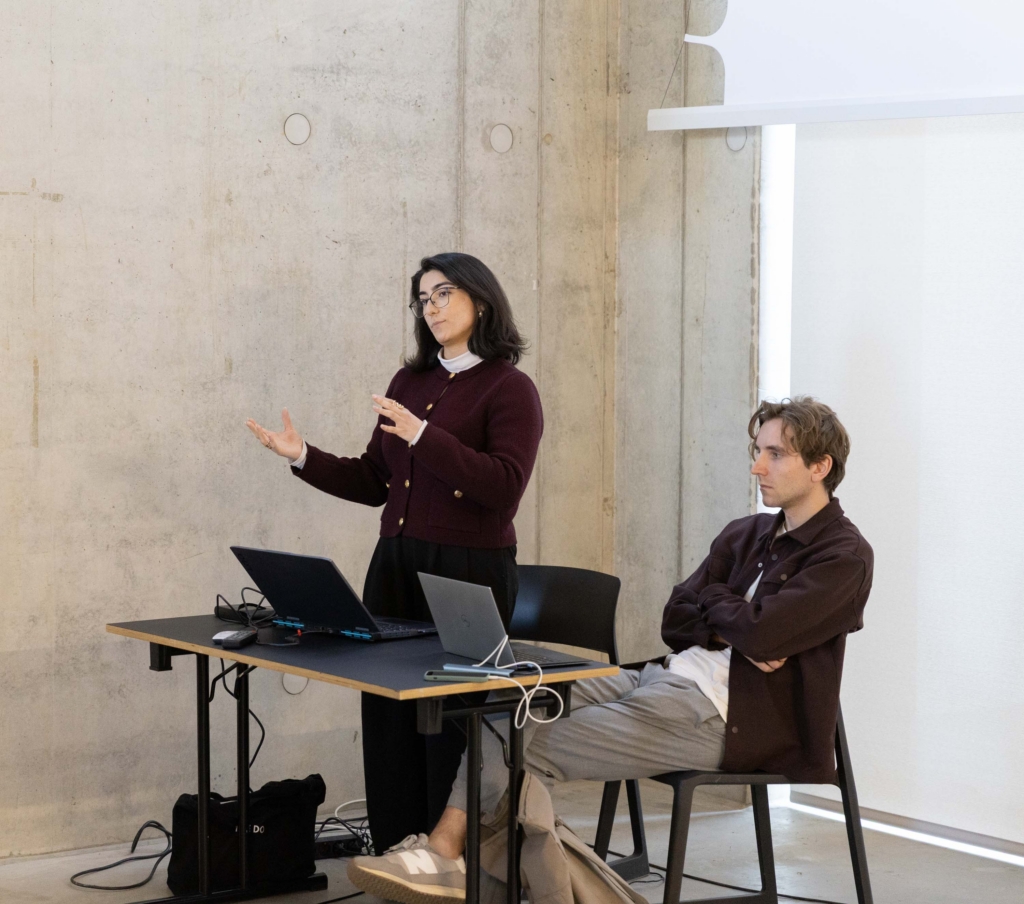
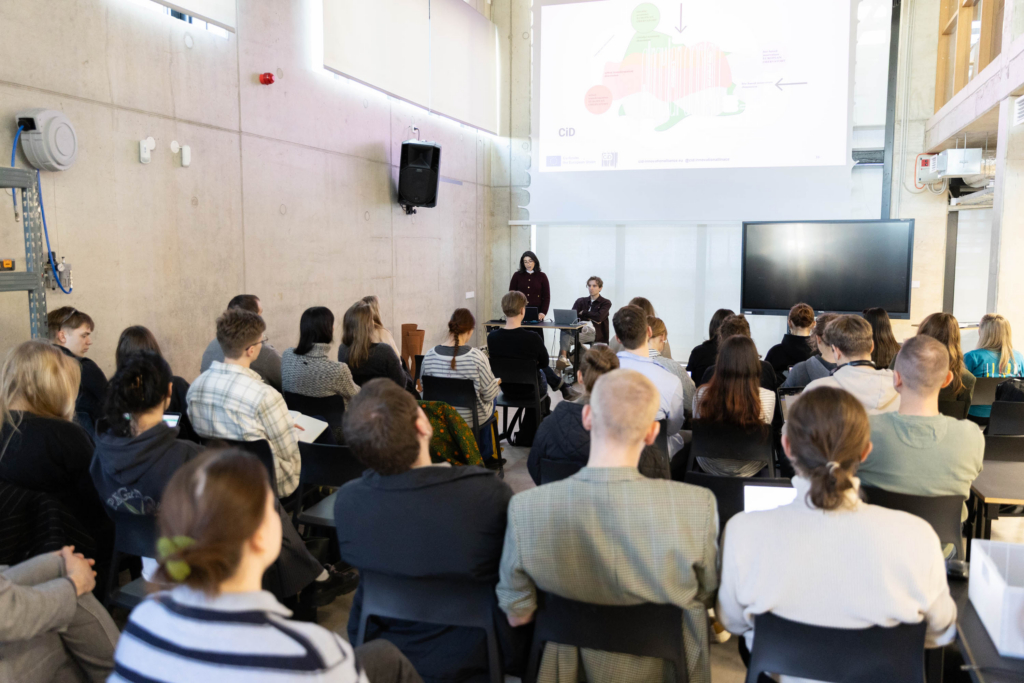
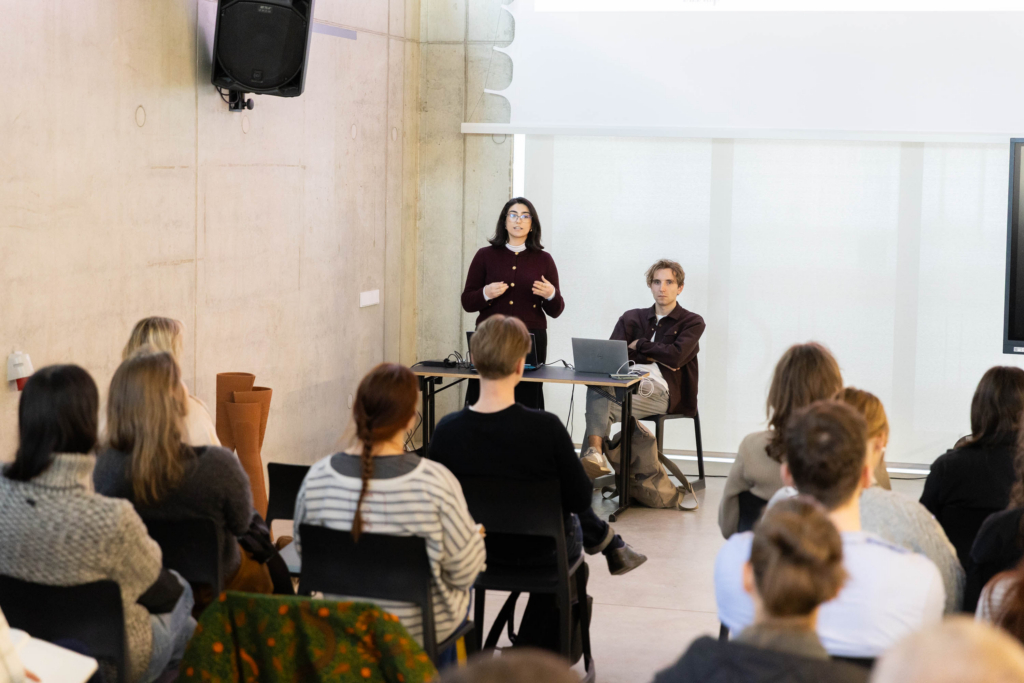
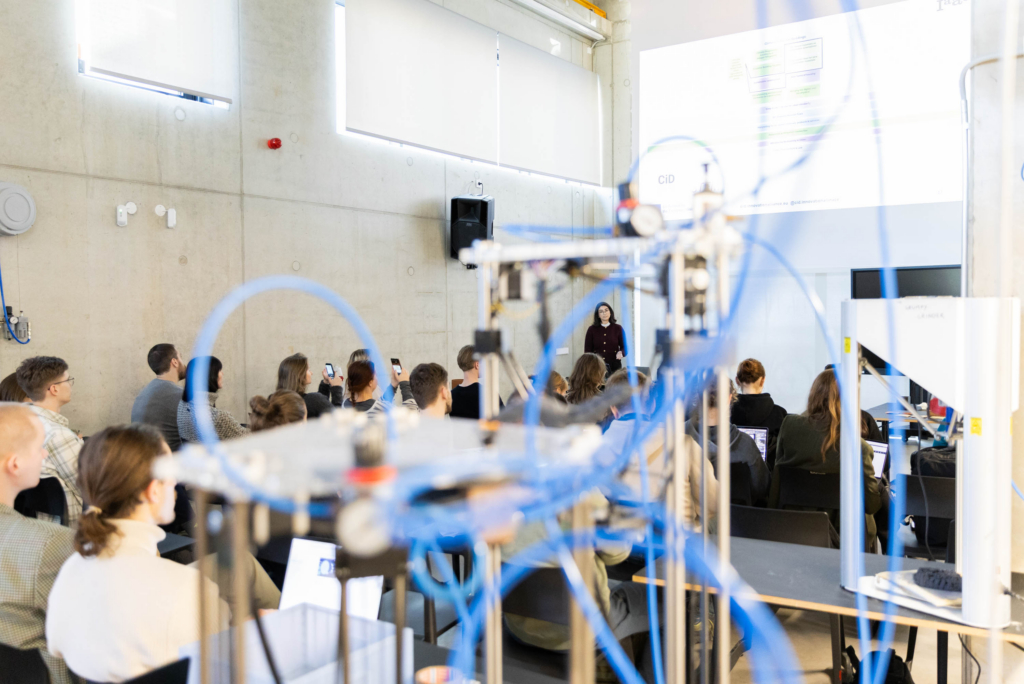
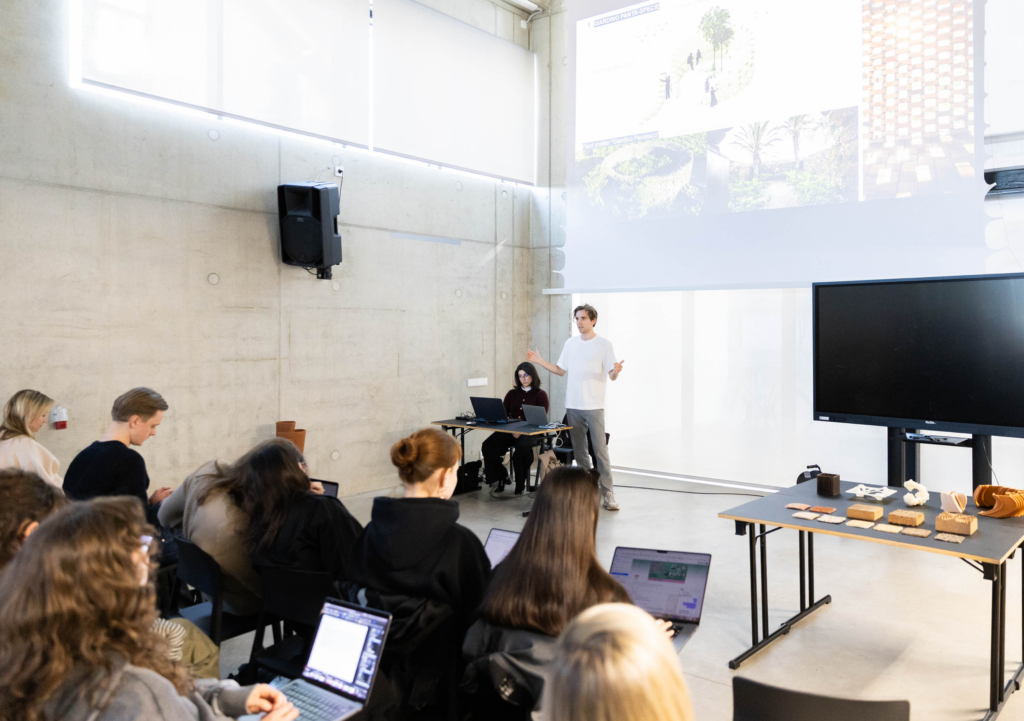
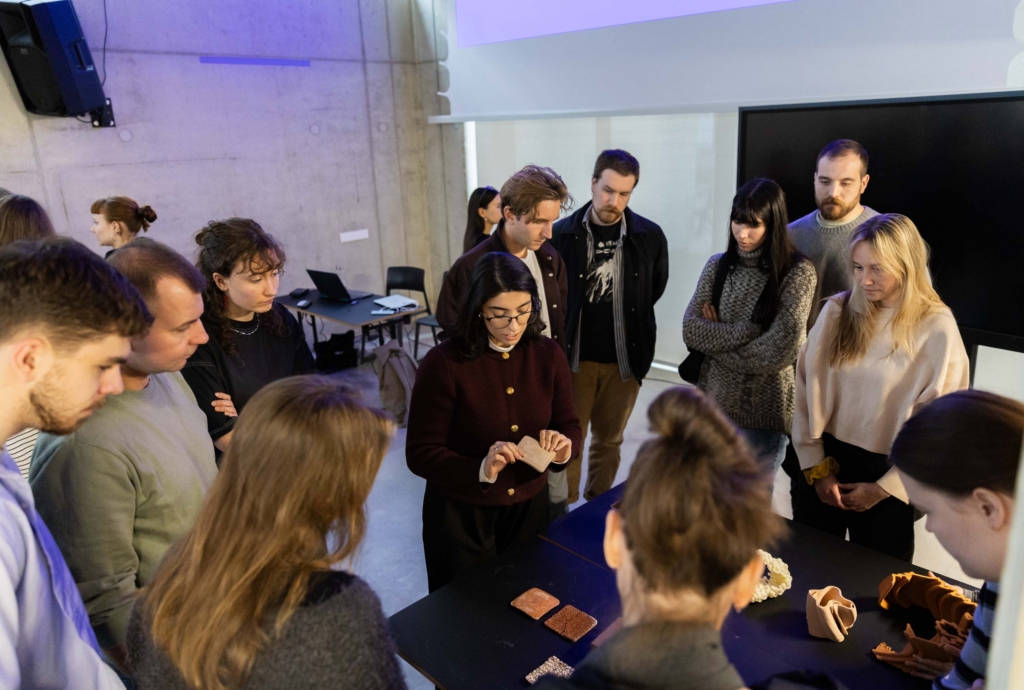
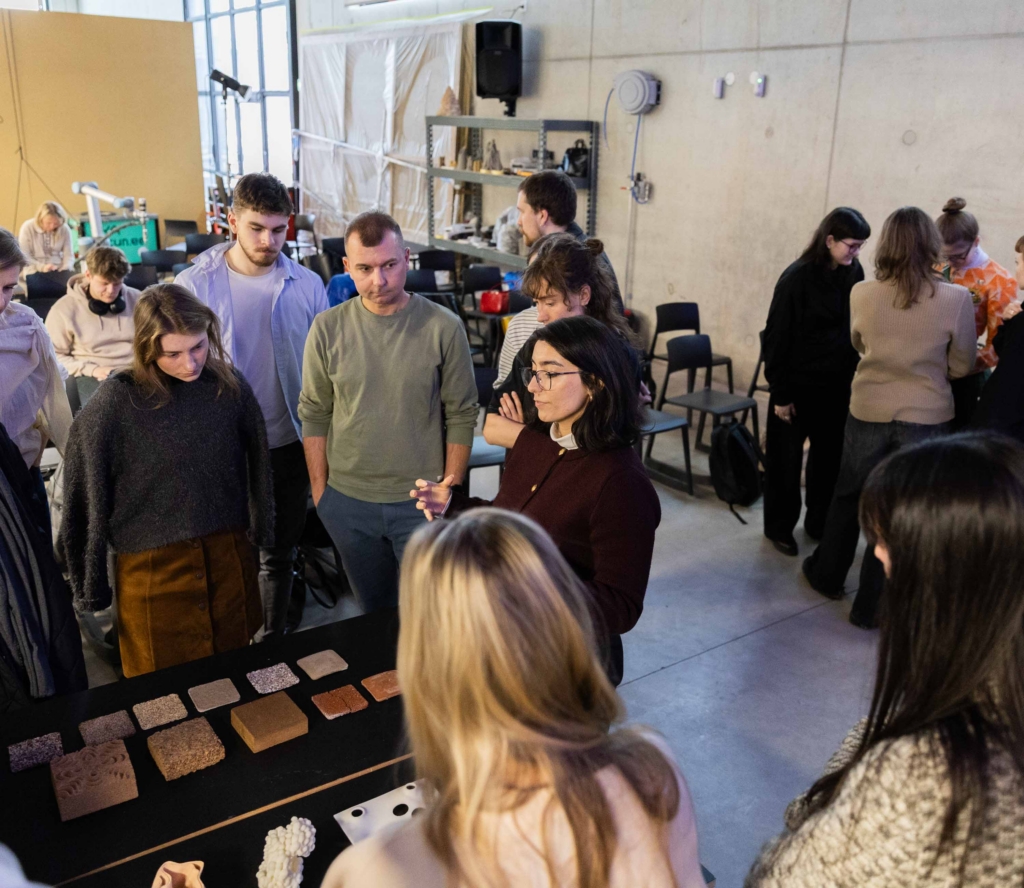
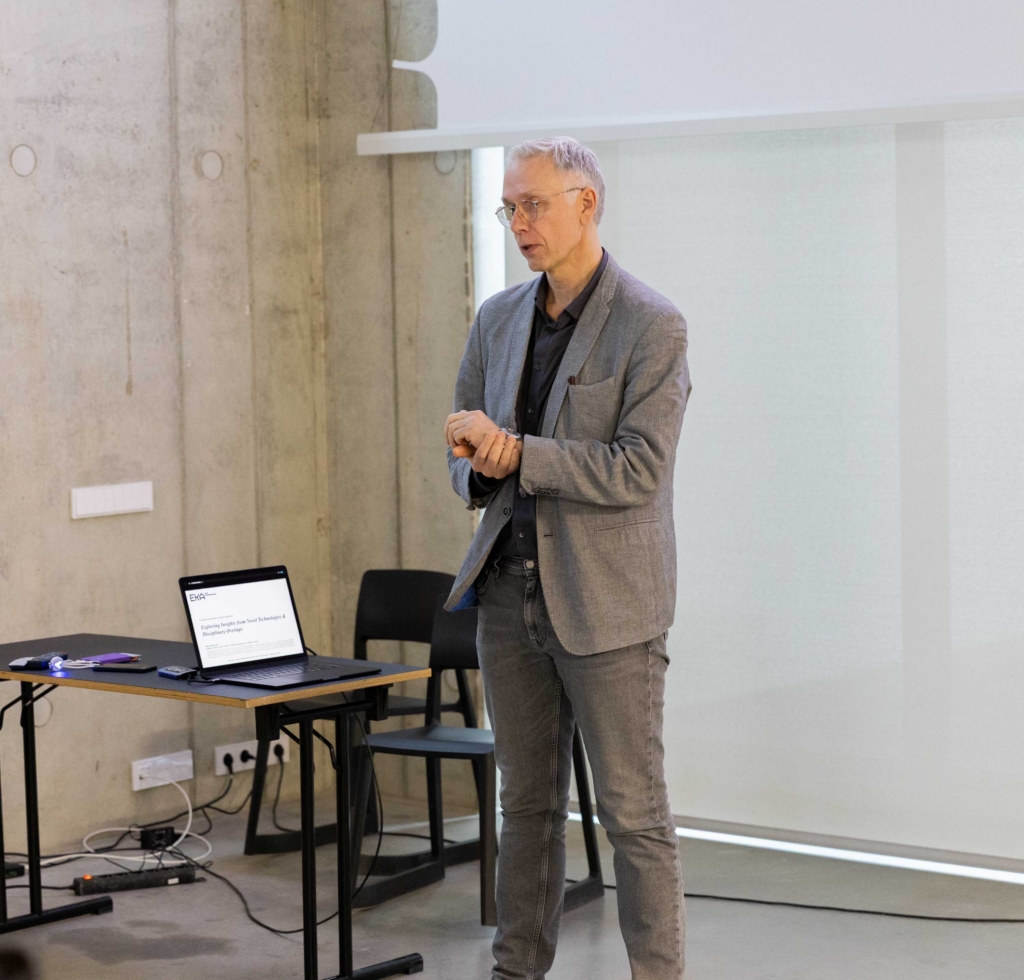
From March 23–25, the international event series From Lab to Market: Biomaterial Innovation took place in cooperation between Tallinn Business Incubator and the Estonian Academy of Arts. The series focused on the intersection of biomaterials, digital fabrication, and sustainable entrepreneurship in built environments. The seminars were held as part of the CiD Innovation Alliance project.
The three-day course brought together students, entrepreneurs, and field experts to explore how bio-based materials are transforming product development and what new business opportunities they create. The events offered participants practical workshops as well as forward-looking discussions.
On the opening day, March 23, the seminar was led by biomaterials researcher and designer Pilar Bolumburu from Materiom. Participants explored how artificial intelligence can support material research and accelerate innovation, what the global production landscape of bio-based materials looks like, and what the main directions are in applying circular economy principles. The session also covered the role of green chemistry in sustainable product development and discussed how the end-of-life phase of biomaterials can be approached in ways that go beyond simple biodegradability.
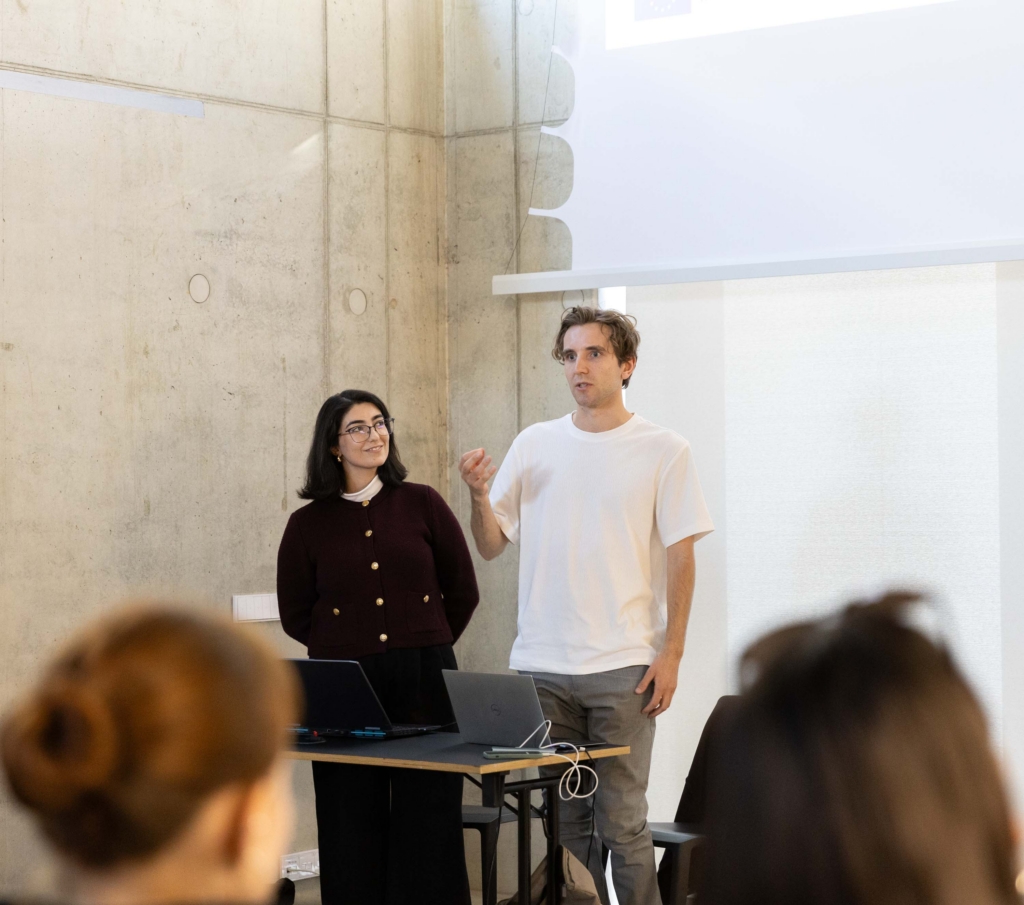
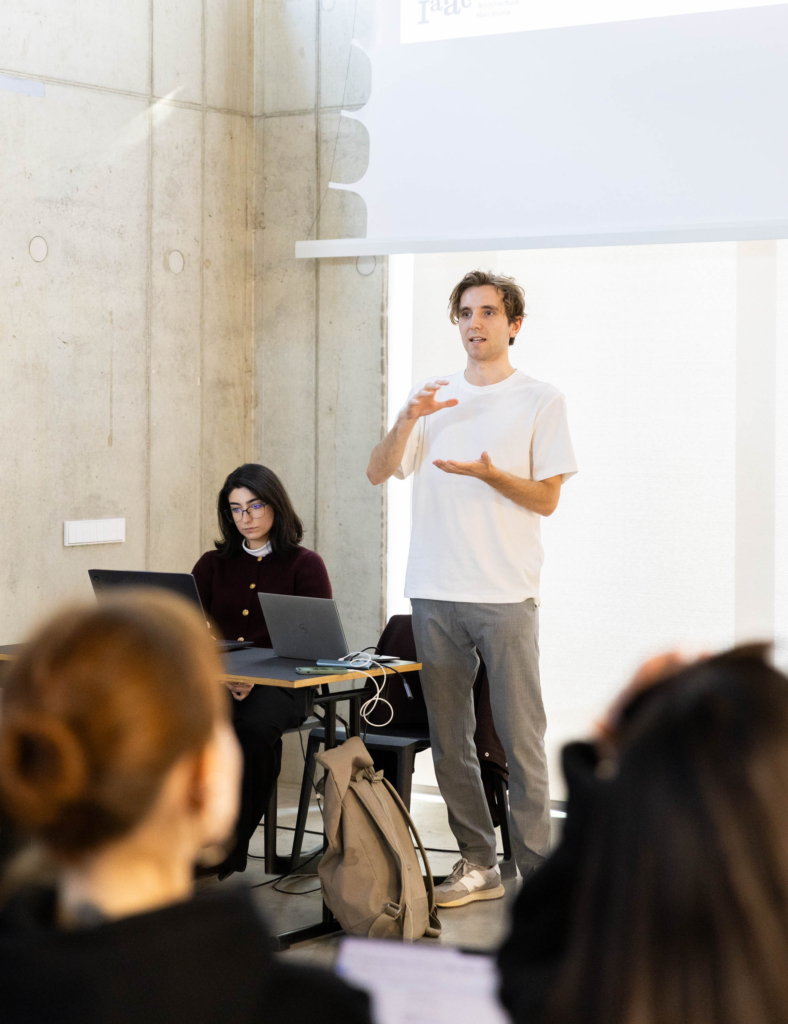
The second day focused on the integration of biomaterials and digital fabrication. Aleyna Gültekin and Tim Bruder introduced the methodologies of bio-based innovation and advanced manufacturing developed by the Institute for Advanced Architecture of Catalonia (IAAC), as well as contemporary projects demonstrating the practical use of different materials, digital production, and innovative technologies. Participants also received an overview of how sustainable business models can be built around material and fabrication innovation, alongside selected IAAC startup case studies.
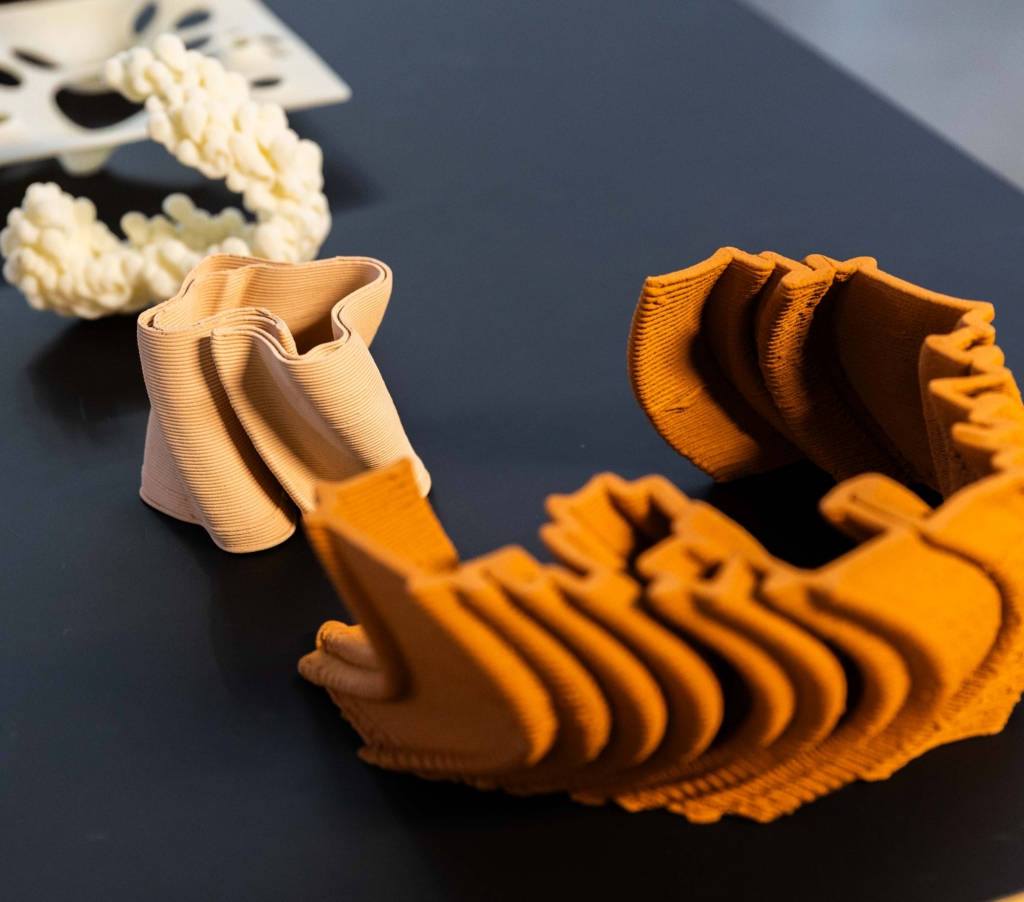
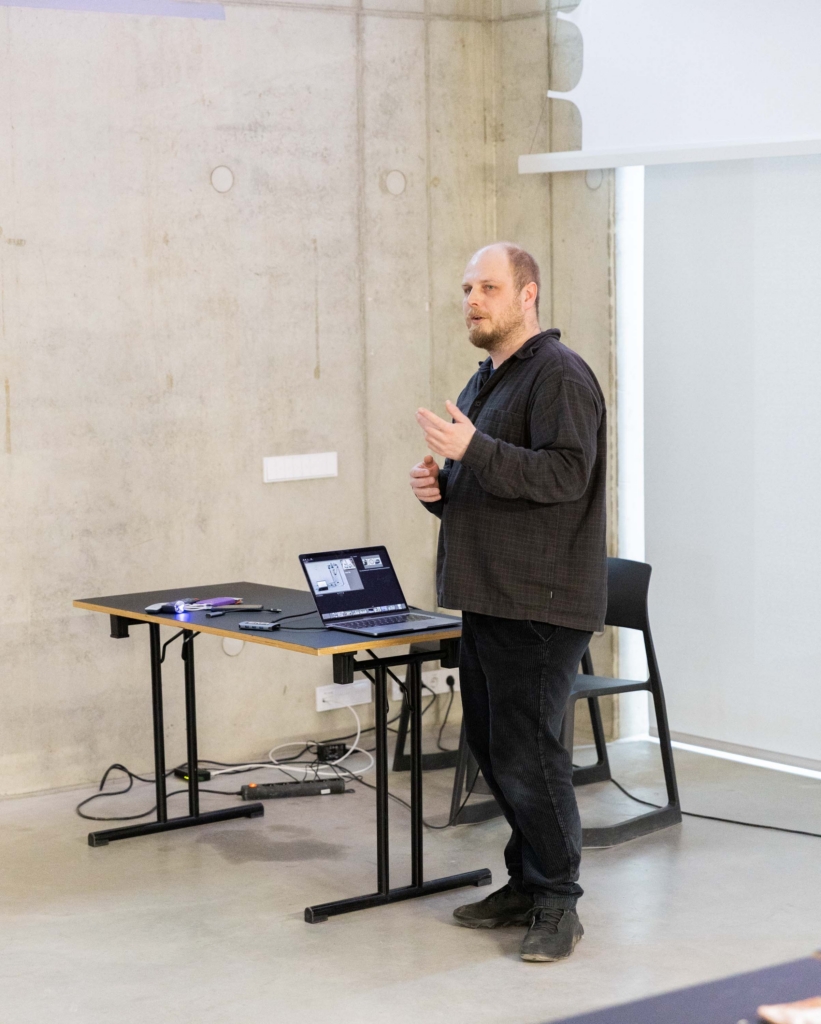
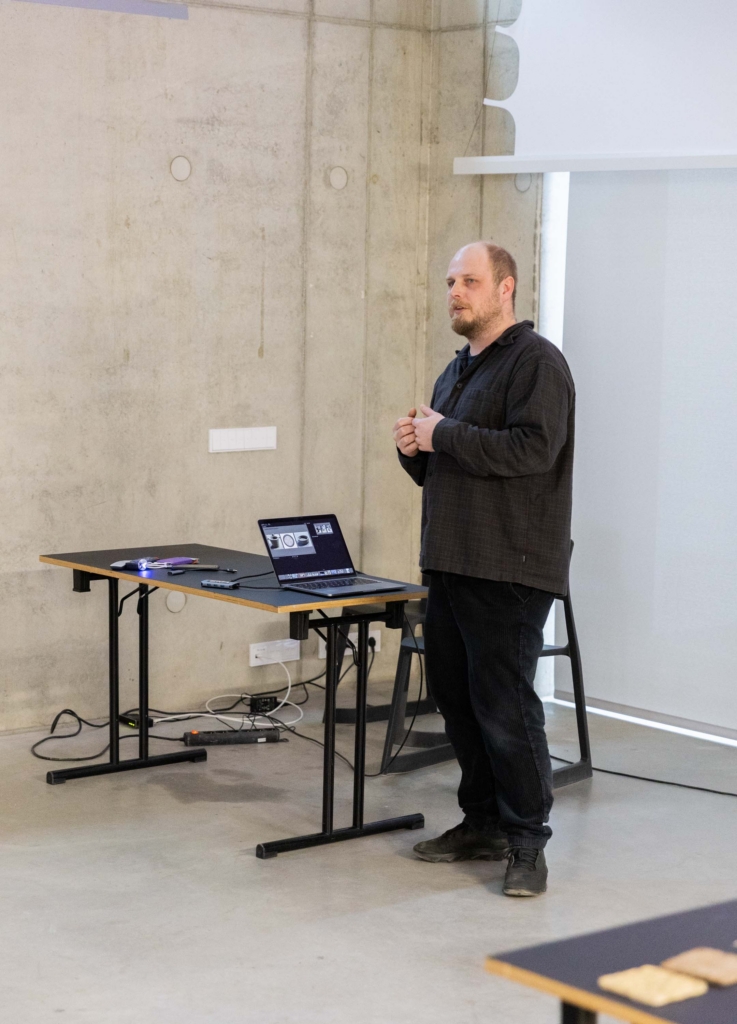
In the second part of the day, Martin Melioranski, Kaiko Kivi, and Lauri Kilusk presented local experimental projects focusing on robotic clay 3D printing, custom digital tools, spatial design development, and material research in the context of art and architecture. The day concluded with a live laboratory and technology demonstration.
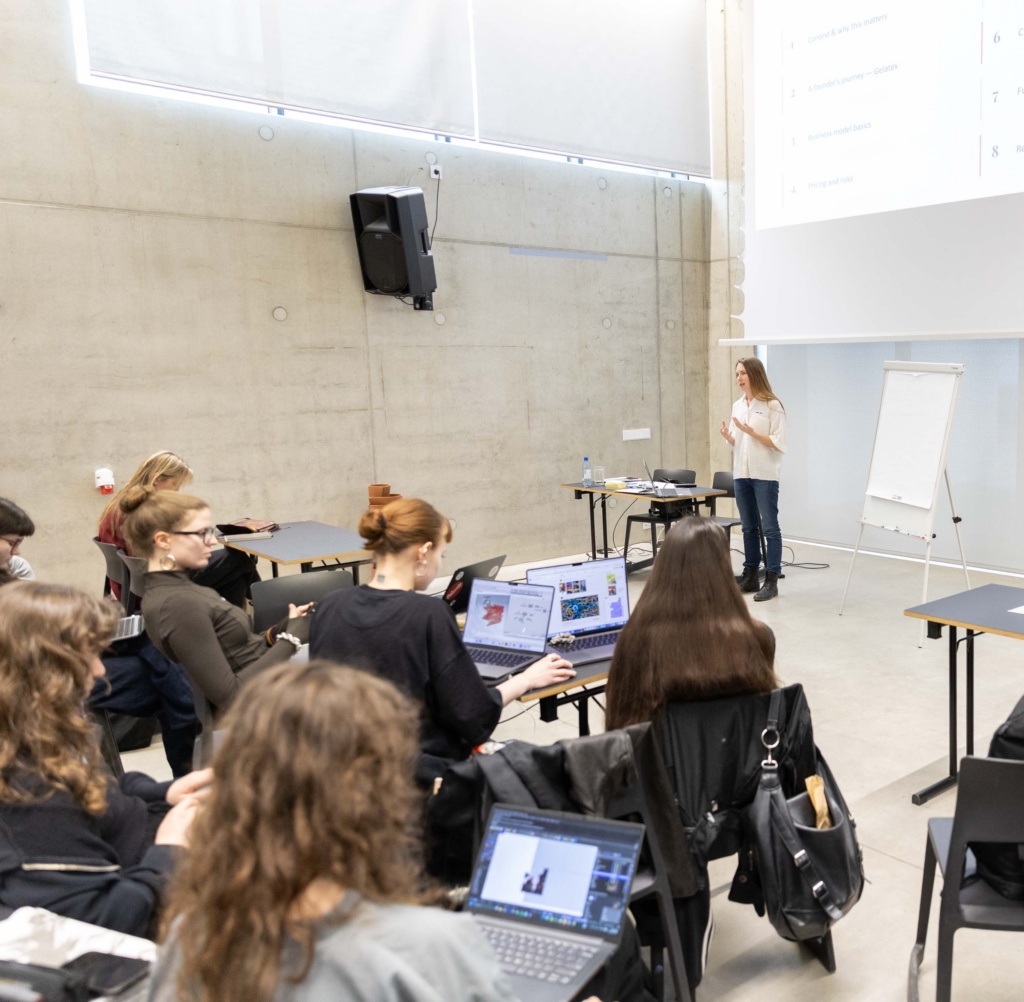
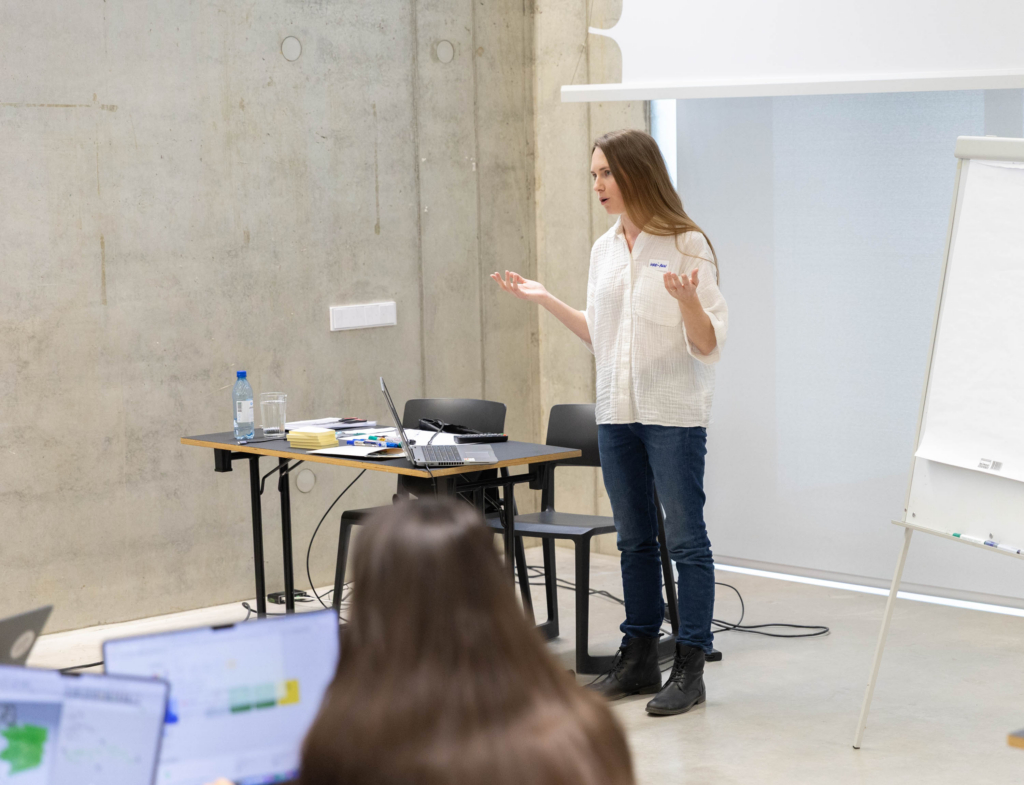
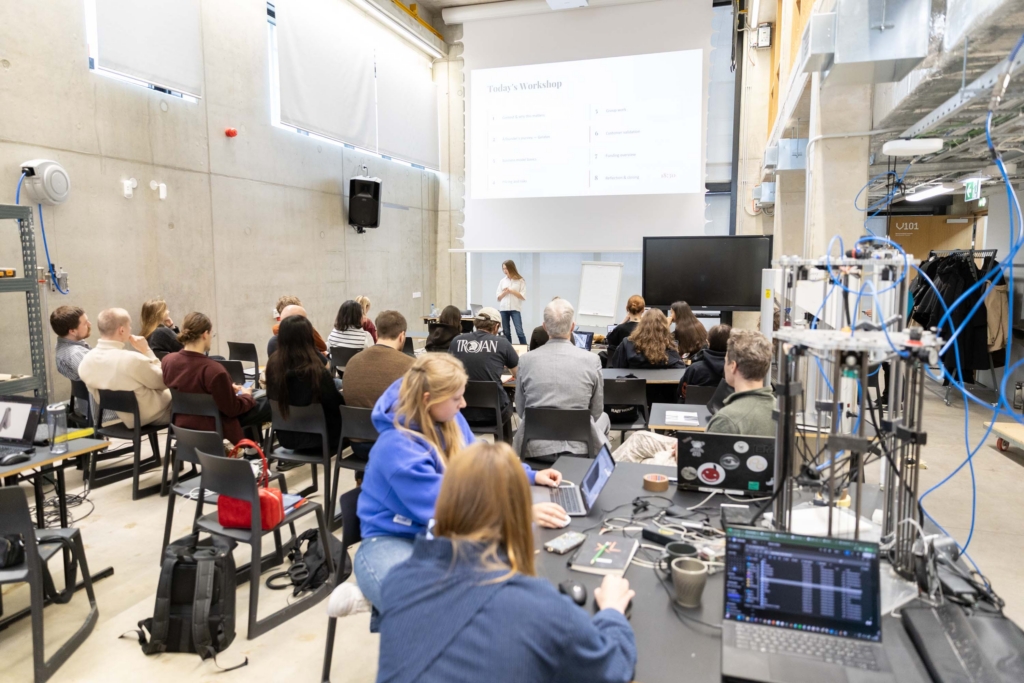
The third day focused on entrepreneurship and business models related to biomaterials. The training was led by Mari-Ann Meigo Fonseca, founder of Gelatex Technologies and an experienced mentor and business expert. Participants gained practical insight into how to bring new materials to market, what the industry logic and risks are, and how to develop ideas into customer-validated and investment-ready solutions. Funding strategies were also discussed, along with the advantages and challenges of different revenue models, highlighting the importance of customer interaction.
The event series confirmed that biomaterials and related technologies are rapidly becoming an important direction in design, construction, and entrepreneurship.
The event series was organised by Tallinn Business Incubator and the Estonian Academy of Arts as part of the CiD Innovation Alliance project. The project is co-funded by the European Union through the European Education and Culture Executive Agency (EACEA) under grant agreement no. 101111686.
Tallinn Business Incubator Launches International Training Series for the Cultural and Creative Sectors This Spring
Tallinn Business Incubator is organising several in-depth and practical training series in spring 2026 within the incubation programme of the Creative Circular Cities (CCC) project, aimed at professionals in the cultural and creative sectors. The programme offers specialised training modules focused on business development, internationalisation, and the implementation of circular economy solutions.
The CCC incubation programme is intended for experts in the cultural and creative sectors, entrepreneurs and start-ups, designers, visual artists, students, and all others interested in developing their professional practice and increasing their impact both locally and internationally.
- How to Design a Sustainable Product? (20.02, 27.02, 03.04, 04.04)
This four-part English-language training focuses on the principles of circular product design and their application across the entire product lifecycle. Participants will learn to understand the differences between linear and circular systems, design durable and repairable products, assess environmental impact, and connect circular design to practical business decisions.
The training is led by internationally awarded designer and strategist Maximilian Mauracher, who has worked with numerous global companies and cities on circular economy and sustainability topics.
More information and registration
- How to Design a Sustainable Service? (20.03, 24.03)
This two-part English-language series introduces how to apply circular and sustainable design principles to services, digital platforms, and organisational processes. The focus is on mapping the environmental impact of services, reducing digital and operational footprints, and developing a practical action plan.
The trainer is Maximilian Mauracher, who combines strategic thinking with hands-on tools.
More information and registration
- How to Tell Stories That Build Trust and Action? (27.03, 08.04, 10.04)
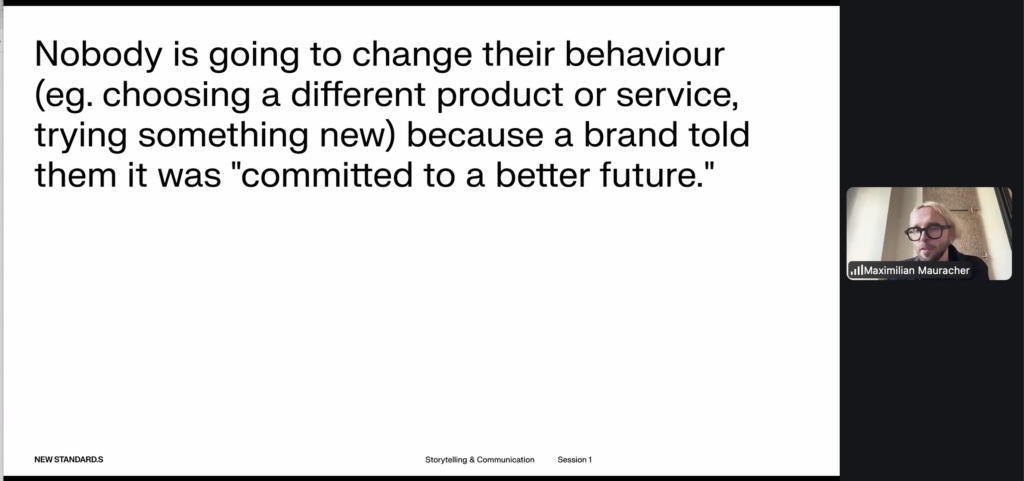
This three-part English-language training series focuses on credible and impactful sustainability communication. Participants will learn how to avoid greenwashing, create convincing narratives, develop strong pitches, and adapt messages for different audiences and channels.
The training combines strategic communication, storytelling, and practical exercises, led by Maximilian Mauracher.
More information and registration
- How to Present and Stand Out as an International Visual Artist? (16.04)
This four-part training series is designed for visual artists who wish to better position their practice, strengthen their professional self-presentation, and build purposeful international collaborations.
The first three trainings are in Estonian, but the fourth one will be in English. The case study session takes the form of a conversation between Kadri Laas-Lepasepp and New York–based gallerist Margot Samel, examining professional relationships in contemporary art through the case study of Margot Samel Gallery.
Margot Samel is an Estonian-born gallerist and art dealer based in New York. Kadri Laas-Lepasepp has over 15 years of experience in organizing and leading international contemporary art projects.
More information and registration
- In addition to these topics, a series titled Getting Ready for International Markets will also take place. Detailed information will be announced soon.
The events are part of the Creative Circular Cities project, co-funded by the European Union’s Interreg Baltic Sea Region Programme 2021–2027. The aim is to support the transition to a circular economy at the local level by actively involving the cultural and creative sectors.
The Time for (S)heroes project workshop brought drama pedagogy and visions for the future of sustainable fashion design to Saaremaa
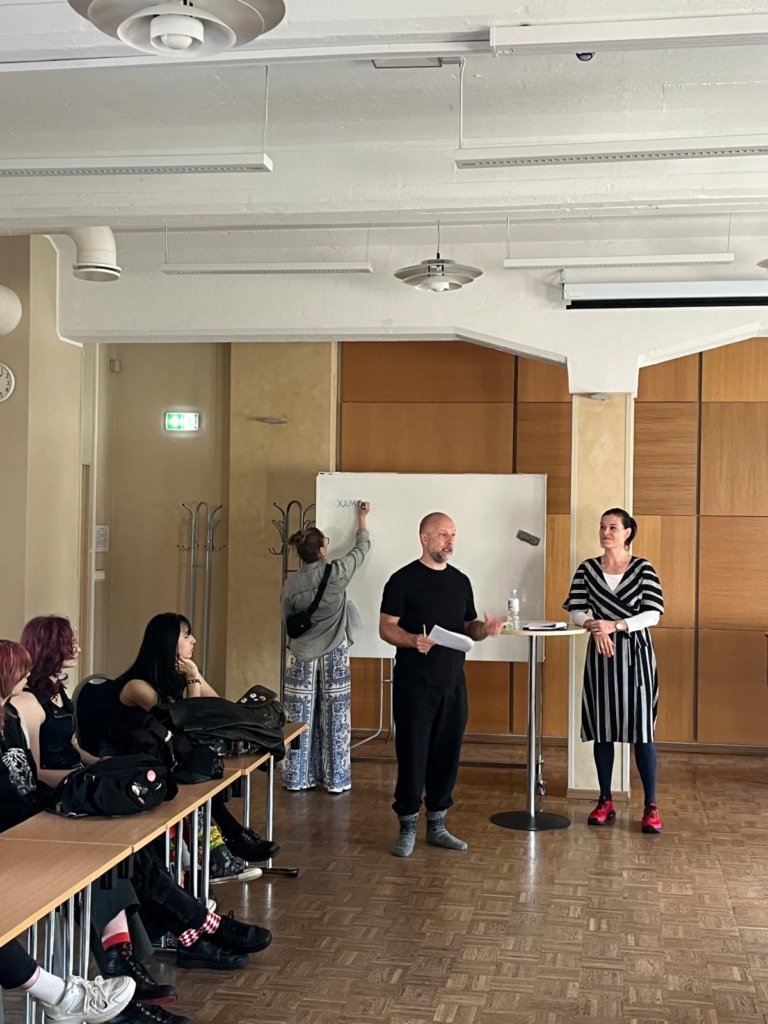
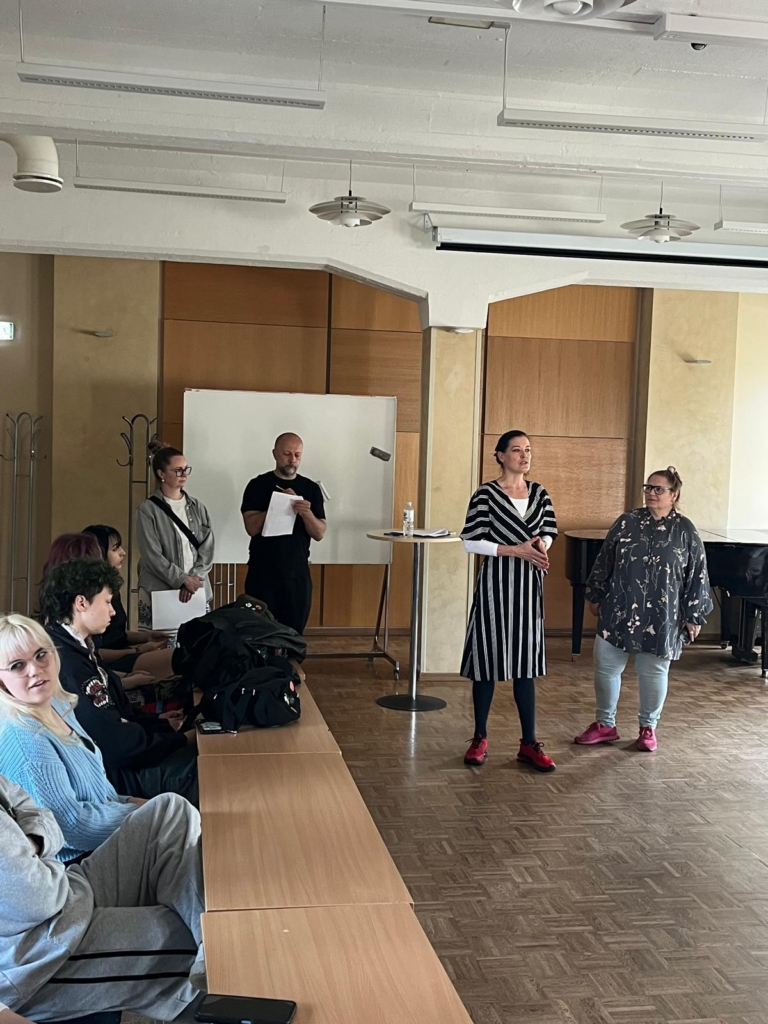
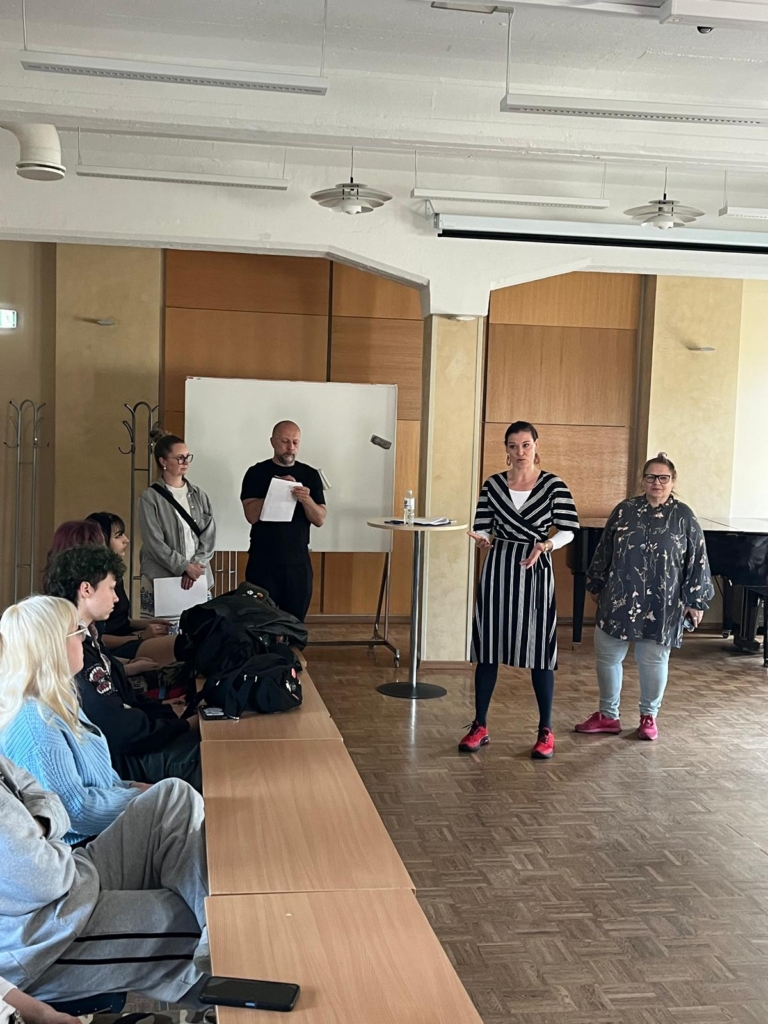
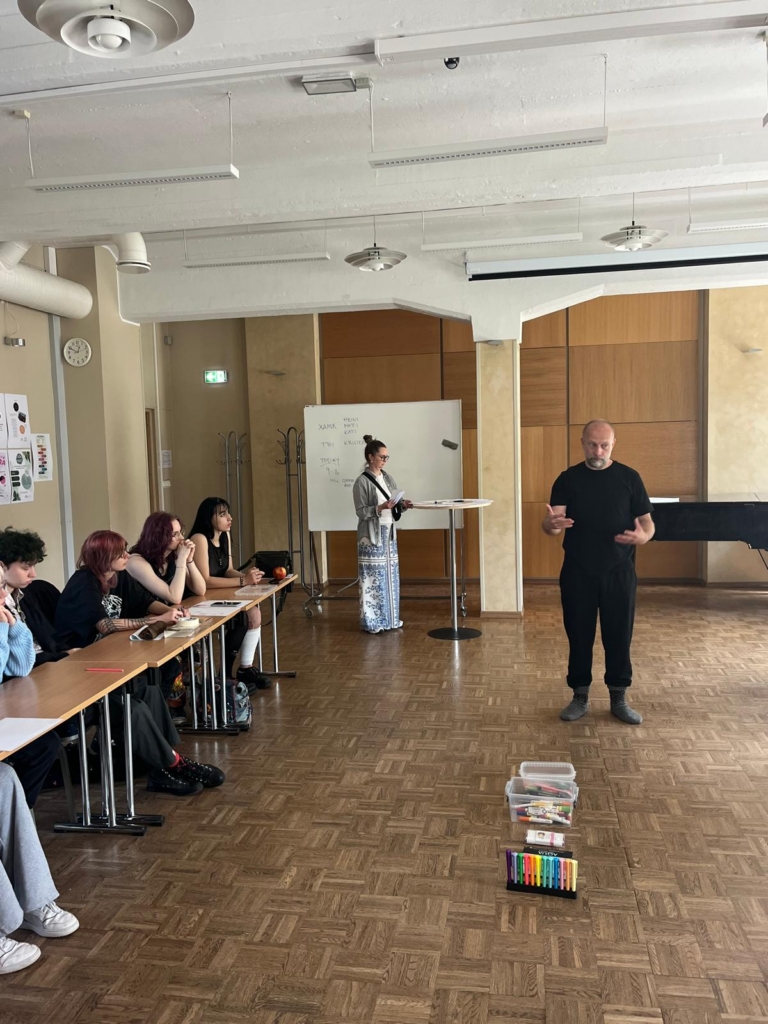
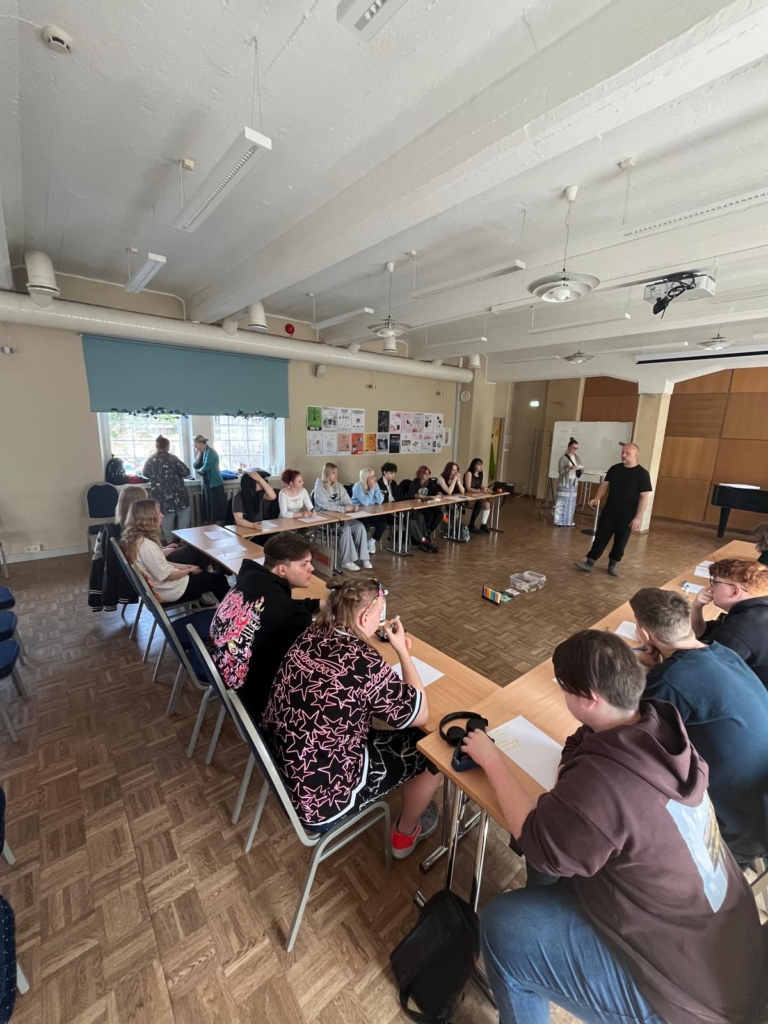
On June 10–11, students from Kuressaare Vocational School participated in the international Time for (S)heroes workshop to explore the meaning of sustainable heroism through drama pedagogy. Organized with the involvement of the Tallinn Business Incubator, the Time for (S)heroes project aims to develop sustainable and collaborative practices in the fields of fashion and costume design.
The workshop was facilitated by experienced drama- and arts-based education experts Heini Haapaniemi, Kati Viljakainen, and Matti Halén from South-Eastern Finland University of Applied Sciences (Xamk). The Time for (S)heroes workshop applied drama and arts-based learning methods rooted in experiential and collaborative learning. It was a creative process in which participants explored identity, values, and the role of the designer through movement, visual form, words, and active engagement. Everyone was encouraged to join from their own starting point – with the aim of creating a safe space for experimentation, reflection, and peer learning. The facilitators supported the process through questions, creative stimuli, and by helping the group find its own rhythm – without offering ready-made answers.
Creativity, Identity, and Heroes
Over two days, participants explored a wide range of themes: from personal identity and creative self-expression to collaboration, the concept of heroism, and the societal impact of designers. They discovered how personal values and worldviews can be expressed and made visible through art, fashion, and costume – through form, color, and material choices.
A particular focus was placed on meaningful presence and co-creation. For example, participants discussed what “the voice of the hero” might mean in the age of artificial intelligence, and how every designer can shape a more thoughtful and sustainable future through their work. The structure of the workshop encouraged experimentation, reflection, and thinking outside the box – not just acquiring knowledge, but living through it together.
Research and International Collaboration
The workshop also included a research component: Aalto University doctoral researcher Heini Haapaniemi conducted a parallel study focusing on the application of drama pedagogy in creative education. The research includes workshop observations, participant responses to pre- and post-workshop online surveys, and qualitative data analysis. The aim of the research is to map how experiential and collaborative learning supports the development and identity formation of young designers.


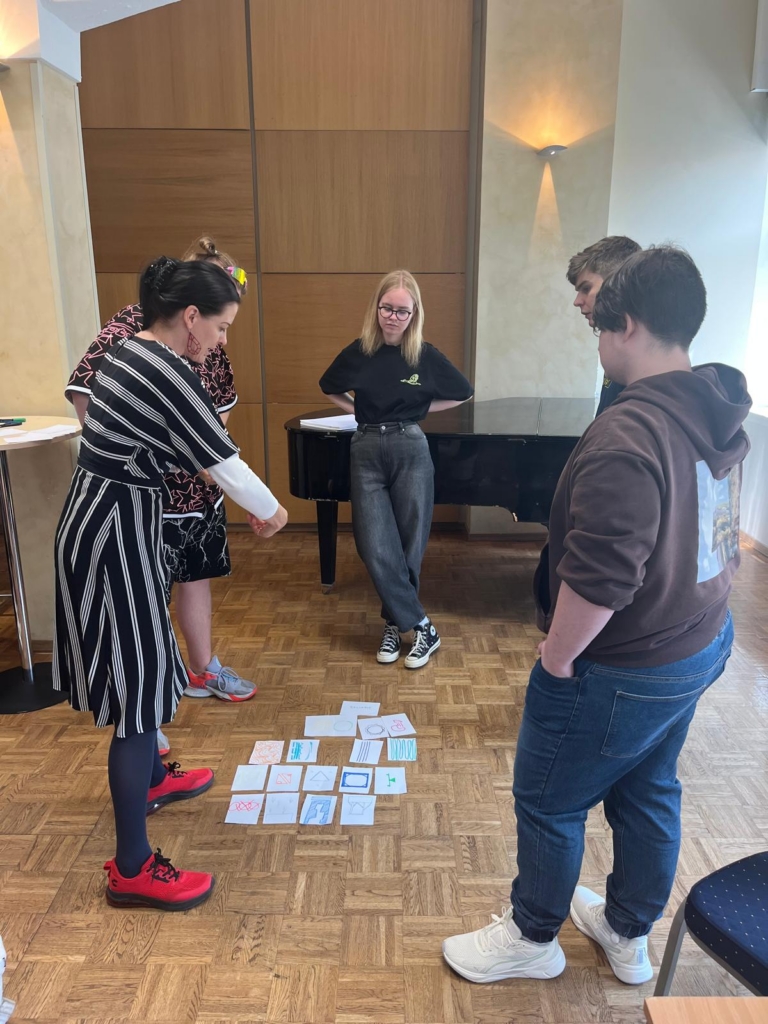
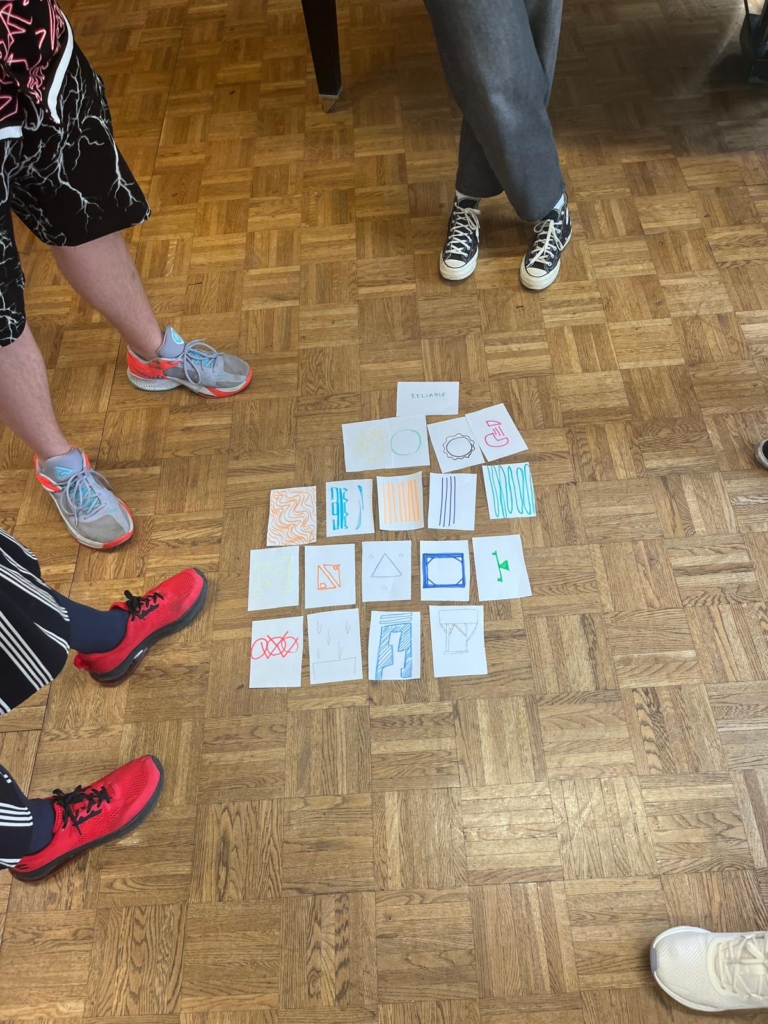
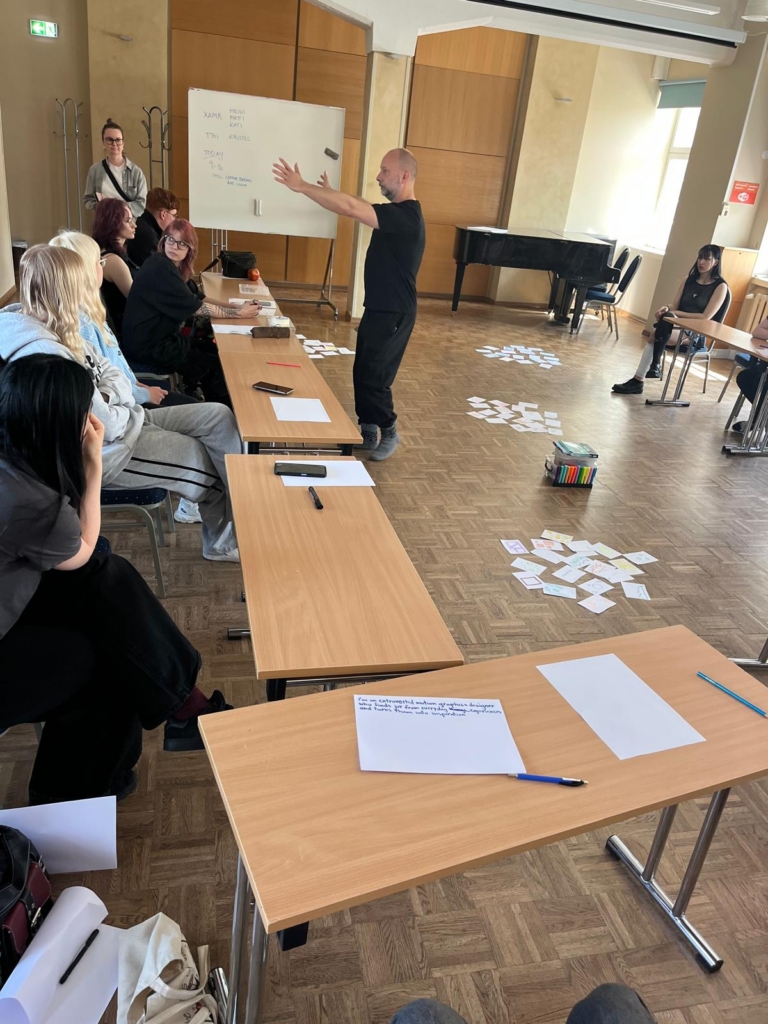
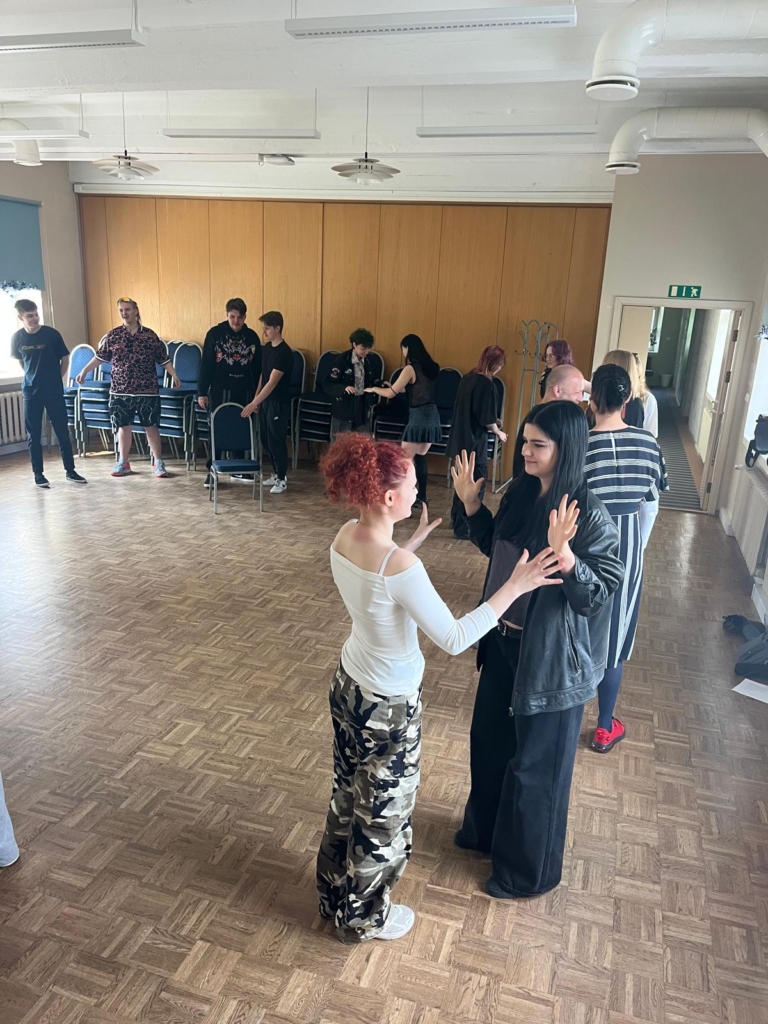







The Time for (S)heroes project runs from 2024 to 2028 and includes workshops, residencies, and research activities across several European countries. The project involves the Tallinn Business Incubator and is led by the South-Eastern Finland University of Applied Sciences – Xamk, in collaboration with various other art universities and creative sector organizations.
Open Call | Tenders for the project Creative Circular Cities: Development of the PR Toolkit explanatory movie
The Creative Circular Cities project is seeking a professional animator or movie maker to produce a short animated film that explains and promotes its integrated approach to circular transitions driven by cultural and creative sectors. The selected expert will develop a concept, storyboard, script, and visual design in close alignment with the project’s goals, and the film will illustrate the CCC methods, showcase pilot city actions, and communicate the project’s message to municipalities, business support organisations, and NGOs in the Baltic Sea Region and beyond. The production period runs from June to September 2025, with a total budget of up to EUR 10,890.
Proposals, including a creative concept, relevant portfolio, team information, and estimated budget and timeline, are to be submitted by May 18, 2025.
Read the call for tenders below and submit your proposal by May 18, 2025!
To access the active links (e.g., examples), you can access the document as a PDF here: https://ndpculture.org/wp-content/uploads/2025/04/CCC_MOVIE_OPENCALL_TENDERS.pdf
Tallinn Business Incubator’s circular economy exhibition will be created by Heya Visual
Tallinn Business Incubator has announced the winner of its recent exhibition procurement, aimed at creating a new and engaging circular economy-themed exhibition for its soon-to-be-opened building at Poldri 3/1 in Tallinn. The winning proposal was submitted by Heya Visual, whose concept stood out for its creativity and inclusive approach.
Consumer society has led to an ever-increasing use of resources, bringing with it numerous environmental challenges such as the depletion of natural resources and the growing volume of waste—alongside social and economic issues. However, Earth’s resources are not infinite. That’s why it is essential to raise awareness about the need for balance between consumption and sustainable development. The upcoming exhibition will introduce to the entrepreneurs and citizens the principles of circular economy and various topics related with a modern interactive display, where everyone can playfully test their knowledge and test new ideas.
Heya Visual’s winning design concept is built as a cohesive journey, introducing circular economy principles, highlighting success stories and best practices from companies. At the same time, encouraging visitors to reflect on how each of us can apply circular economy principles and make sustainable choices both in our personal and professional lives. By creating the exhibition, we want to give visitors guidelines and an understanding that the future depends on the contributions of every individual.
The winning team from Heya Visual includes Jüri Lõun, Raivo Randoja, Sigrid Randoja, and Kaia Lõun, with circular economy experts Margit Rüütelmann and Kaia Lõun also contributing to the project.
The exhibition is being developed as a part of the Creative Circular Cities (CCC) project, co-funded by the EU’s Interreg Baltic Sea Region Programme. The project promotes circular economy solutions at the local level by involving the cultural and creative sectors. In the demo cities—Aarhus (DK), Kiel (DE), Gdynia (PL), Riga (LV), Tallinn (EE), and Turku (FI)—partner organizations showcase how the creative industries can support circular economy, encourage responsible consumption, and help businesses implement circularity in their business models. This exhibition is part of Tallinn’s activities as a demo city.
Further development of the concept will continue in collaboration with Tallinn Business Incubator’s team. The exhibition is scheduled to open at the end of 2025.
The contractor for the exhibition was selected through the procurement titled “Commissioning the idea, construction, and installation of a circular economy-themed exhibition at the new building of Tallinn Business Incubator at Poldri 3/1.”
Turn Your Game into a Business: Pre-Incubation Programme for Game Developers Now Open for Applications
Aspiring game developers, storytellers, graphic designers and all interested now have a unique opportunity to gain essential business and development skills through the Pre-Incubation Programme, launched by Tallinn Business Incubator. The programme is designed to help game creators transform their ideas into successful, market-ready products by providing expert-led training, mentorship, and hands-on guidance in game business development.
A Programme Designed for Success
The gaming industry is one of the fastest-growing creative sectors, but developing a great game is only half the challenge. To be successful, developers must understand funding, business strategies, marketing, and legal aspects. This programme focuses on these key areas to give participants the skills they need to launch their games with confidence.
Through six intensive sessions, participants will receive insights from experienced game developers, marketing specialists, and business experts. The programme concludes with a Steam release event, where all teams will publish their game or demo, gaining real industry exposure.
Key Topics Covered
- Game Design & Market Fit – Understanding game genres and audience needs (April 5)
- Art Style & Project Management – Selecting the right tools and improving teamwork (April 19)
- Funding & Legal Basics – Exploring funding options and protecting intellectual property (May 3)
- Pricing Strategies – Maximizing revenue potential (May 14, Online)
- Marketing & Promotion – Effective marketing techniques and audience engagement (May 17)
- Steam Release & Wrap-Up – Preparing for a successful game launch (June 11)
Trainers
- Jordan Morris – Creator of Haiku the Robot and Rusty’s Retirement, a successful indie developer with over 500,000 copies sold.
- Andrejs Rusinovskis – CEO of GameDev Estonia and GameDev HUB, HR at Ringtail Studios, and manager of Ringtail Academy.
- Karl Kontus – Co-founder of Video Game Insights, former NBA 2K commercial strategist at 2K, specializing in pricing and market analysis.
- Jelizaveta Lazonen – Intellectual Property Strategy consultant with expertise in copyrights, business structures, and IP monetization.
- Ahmed El Shenawy – Game developer, guest lecturer at Tallinn University, and contributor to Death and Taxes and Broken Alliance.
- Julia Sereda – CEO & Co-founder of Rhea Games, former Art Director at Ready Player Me, experienced in production pipelines and team leadership.
Who Should Apply?
The programme is open to game developers in the early stages of their projects, teams looking to refine their business strategy, and anyone interested in game funding, marketing, and business fundamentals. Whether you’re an developer or part of a small studio, this is an opportunity to take your project to the next level.
Application & Participation Details
The programme starts on April 5, 2024, and will be conducted in a hybrid format (online and in-person). Participation fees are 50€+VAT for companies (up to five members) and 60€+VAT for individuals.
The deadline for applications is March 31, 2024: https://inkubaator.tallinn.ee/sundmused/game-development-pre-incubation/
At the CiD project meeting in Genoa, the structure of the project’s study programmes and accelerator was finalized
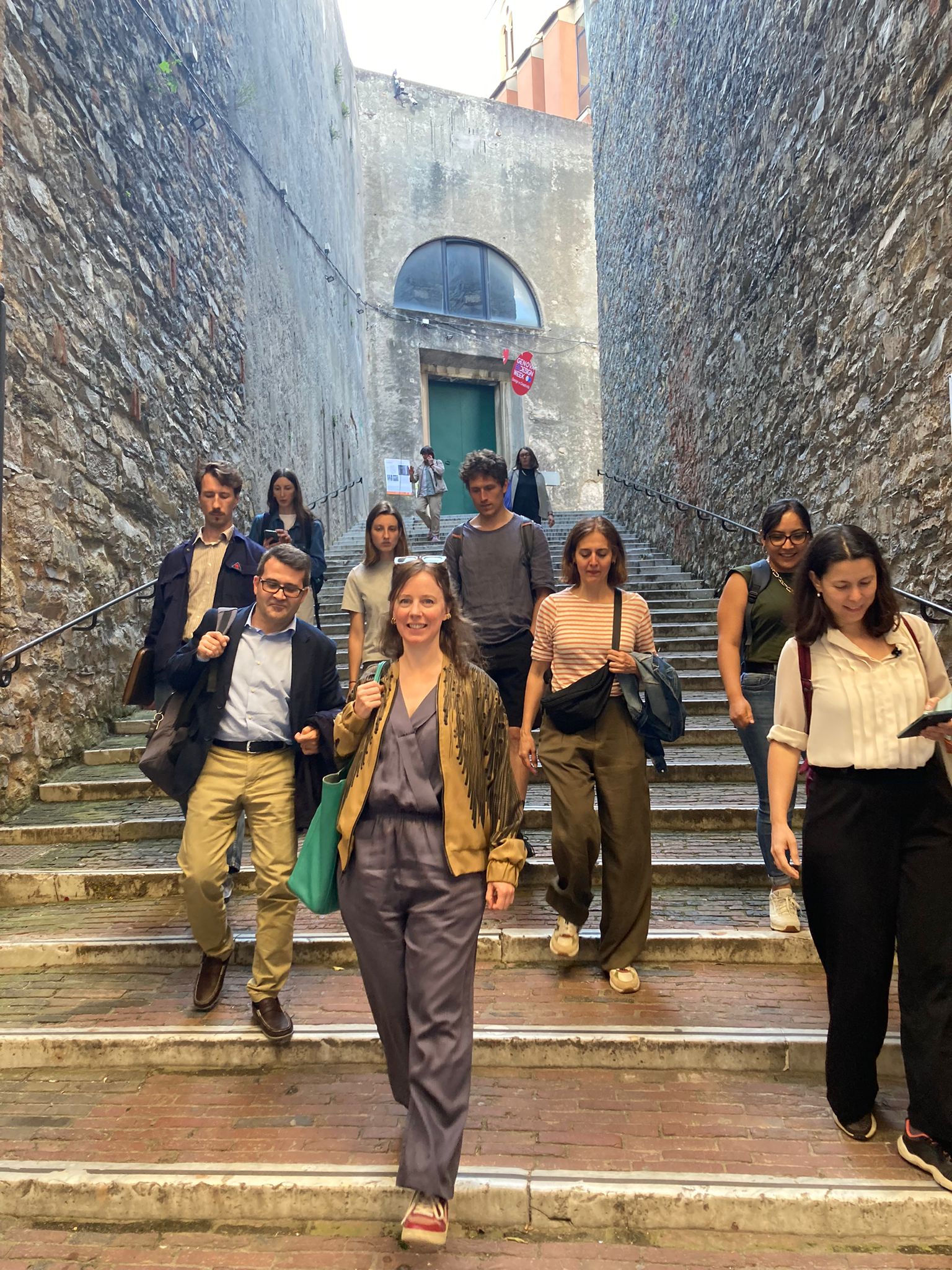
The CiD project meeting in Genoa, held June 12th-14th 2024, has been a significant gathering of partners collaborating to define guidelines for Academic, Continuous Education and Accelerator courses. It took place at the Architecture and Design Department of the University of Genoa, in a beautiful setting overlooking the roof garden of the historical university building.
During the Academic Programme Session, partners from UNIGE, LUH, and IAAC presented their academic timelines for 2025. This session emphasized the importance of defining and validating the guidelines for the CiD Course and explained the strategies for implementation. Collaborative activities focused on creating and completing the guidelines template and validating the curriculum guidelines in small groups, ensuring diverse input and adjustments from all participants.
The Tallinn Accelerator session followed, where TEI shared their vision for competition selection criteria. The group worked together to define and validate the guidelines for the CiD Accelerator Programme, sharing visions and strategies.
In the afternoon, the Continuous Education Session led by ARCES involved defining guidelines for continuous education, brainstorming, and validating curriculum guidelines in small groups. This session highlighted the importance of continuous improvement and feedback in educational programmes, also discussing in detail the most relevant topics both from a cross-disciplinary point of view and also specifically related to the target groups.
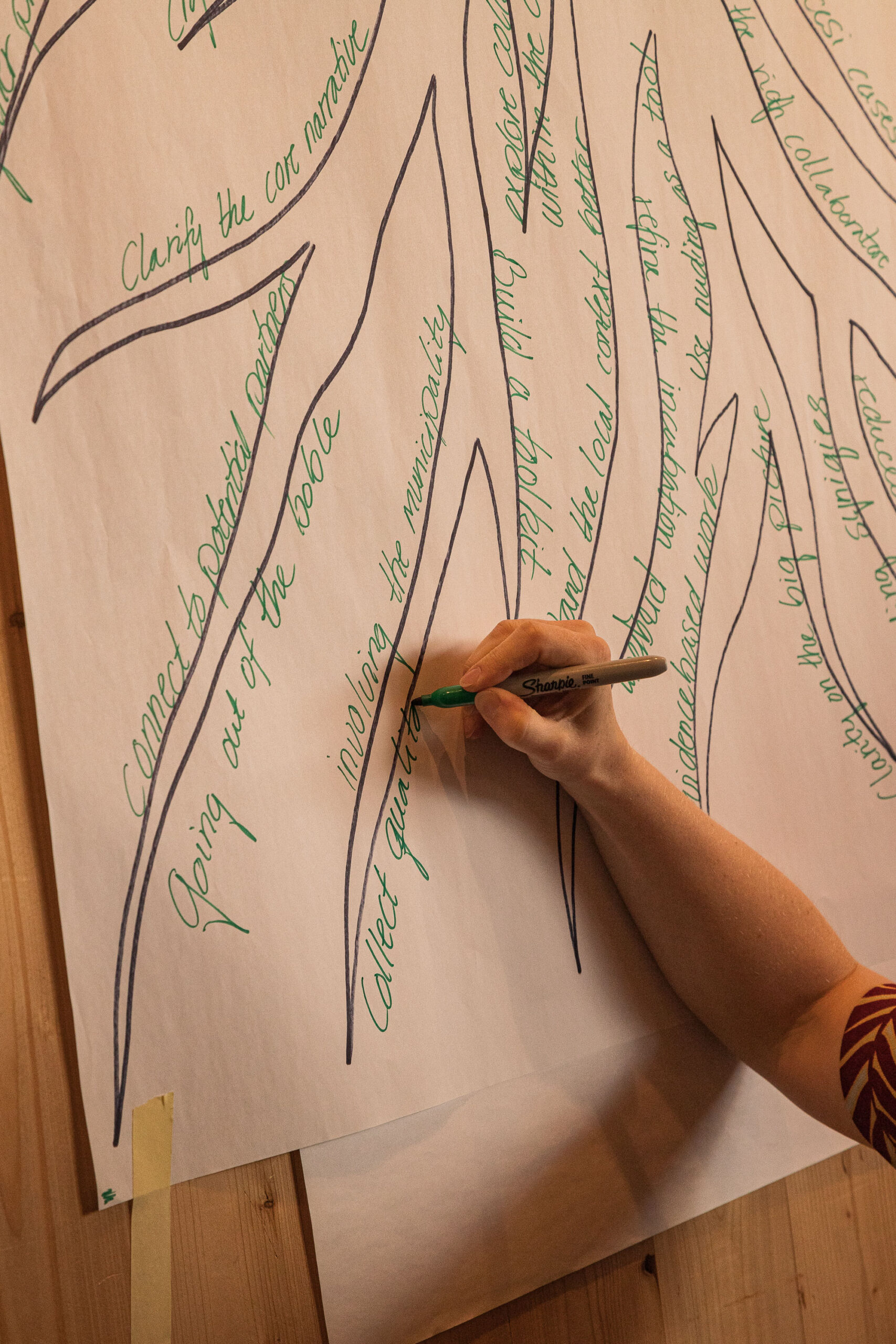
Later, the Sustainability Roadmap & Skill Tree diagram session led by ERSILIA involved mapping the skills tree for each curriculum and validating good practices across different educational programmes. This session was crucial for ensuring the sustainability and quality of the CiD project, and developing personas embracing real needs of CiD learners.
On June 13th, the focus shifted to flipped class and transversal sessions. Participants discussed the CiD ‘pill’ and ‘chapter’ format for videos, their technical features, and the organization of flipped classrooms. This session was vital for validating a list of important themes to be highlighted during the flipped classrooms and for enhancing the flipped teaching methodology and find transversal topics for future developments between programs.
The day continued with discussions on research, multiplier events, and publications led by LUH. Participants reviewed dissemination events, publication strategies, and the CiD Publication series, reinforcing the importance of sharing knowledge and findings widely.
In the afternoon, the Observatory Update & Workshop focused on curriculum feedback. Partners completed feedback templates and discussed inputs recollected by observatories,. This session also explored stakeholder involvement and resource allocation, ensuring that the academic programme benefited from expert inputs and diverse perspectives.
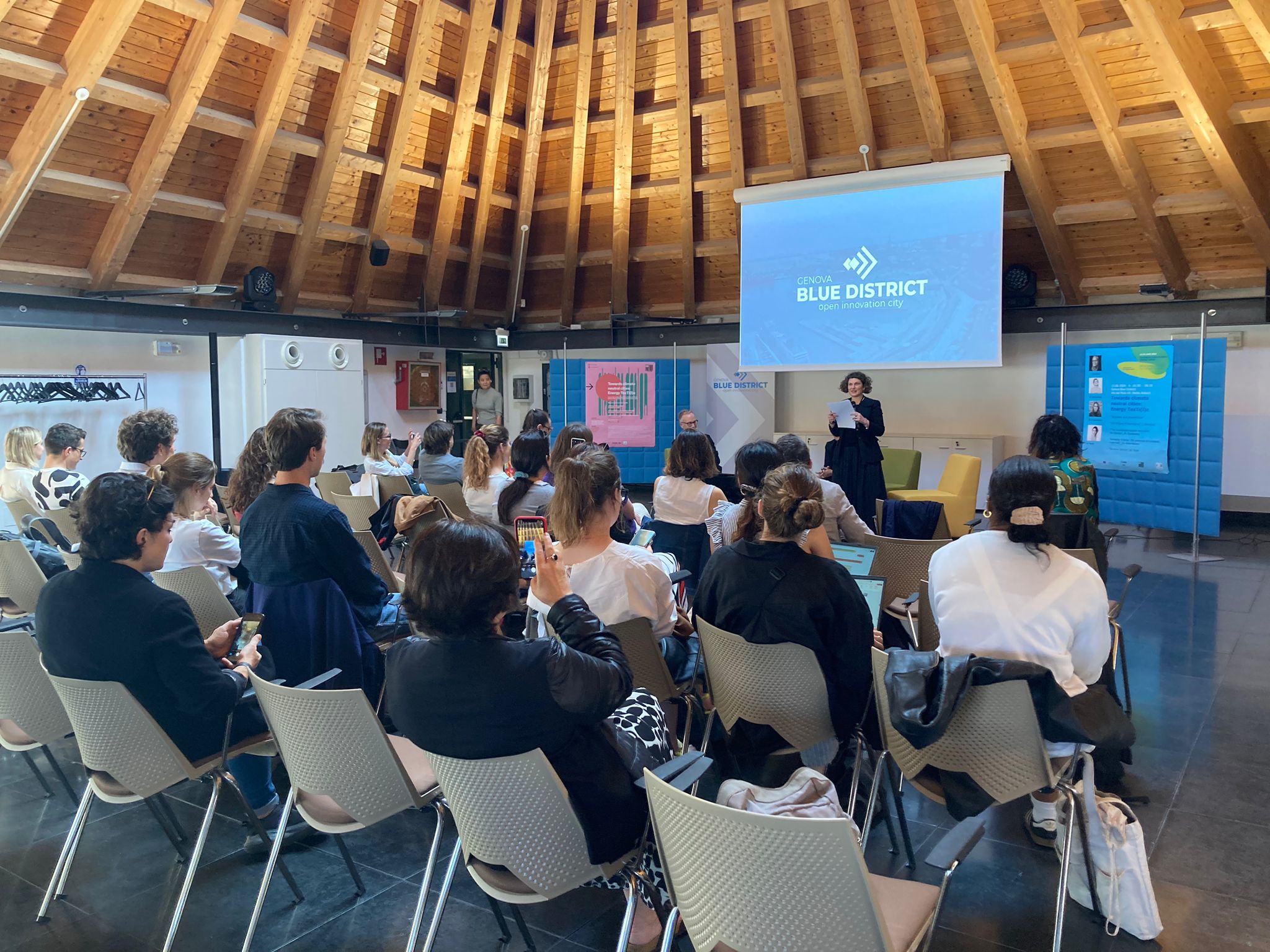
The day concluded with a participation in the EUSEW Event at Genoa Blue District, where partners presented various aspects related to CiD project and discussed sustainable textile innovations case-studies.
On June 14th, the CiD Steering Committee Meeting was held, followed by an Academic Launch Event and a session on Crossing Formats & CiD Resources. This final workshop involved mapping skills for each curriculum, brainstorming resource definitions, and validating CiD resources and formats. The workshop ended with a presentation of results, feedback, and adjustments, setting the stage for the next steps and deadlines.
During the workshop, the collaboration of all partners was evident, with a significant emphasis on the definition and validation of guidelines for flipped courses and instructional videos. This participatory approach ensured that the CiD project benefited from different expertise and perspectives, paving the way for a successful implementation.
Read more about the project here.
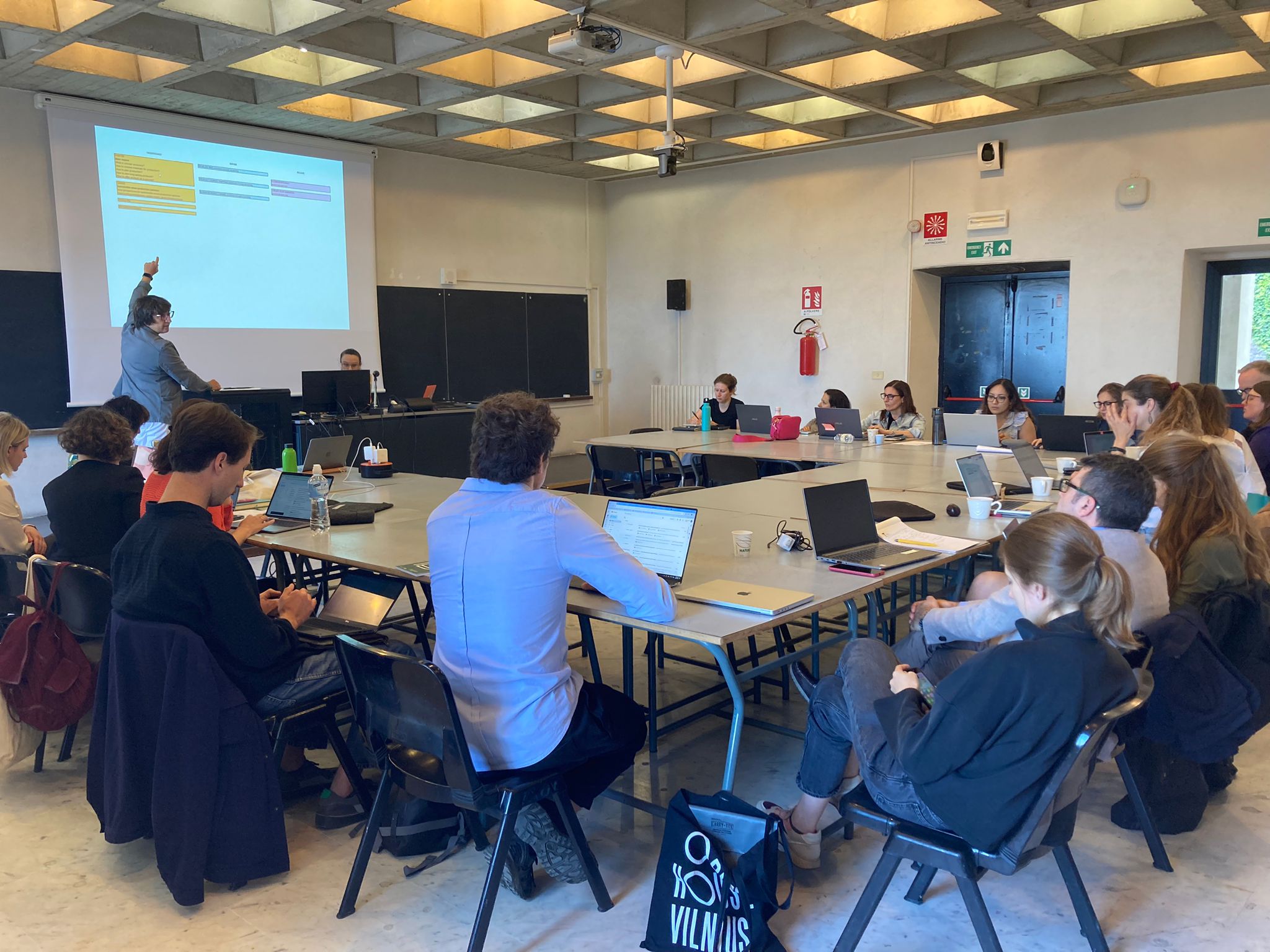
CCC cities refine their business incubation pilots in Aarhus
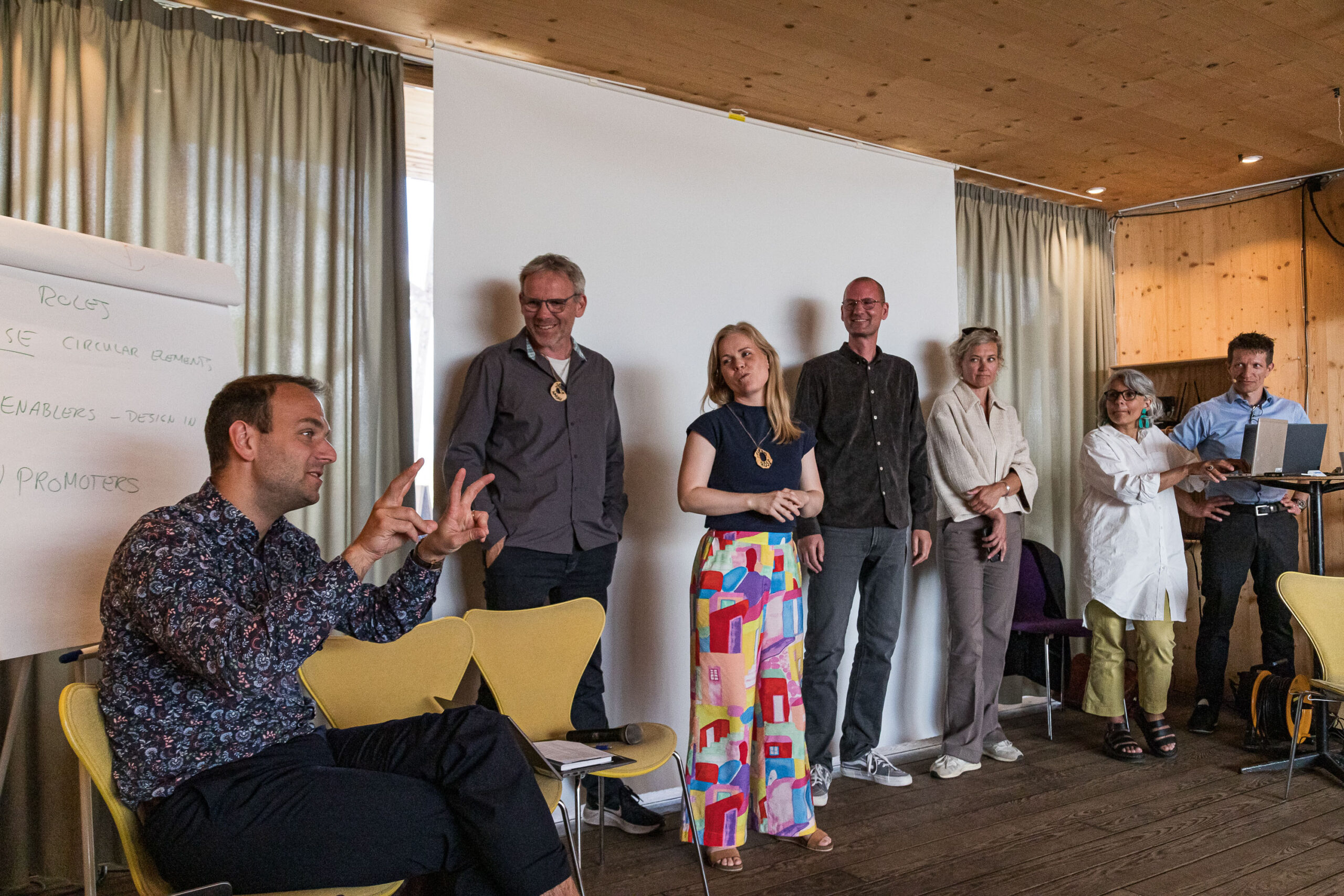
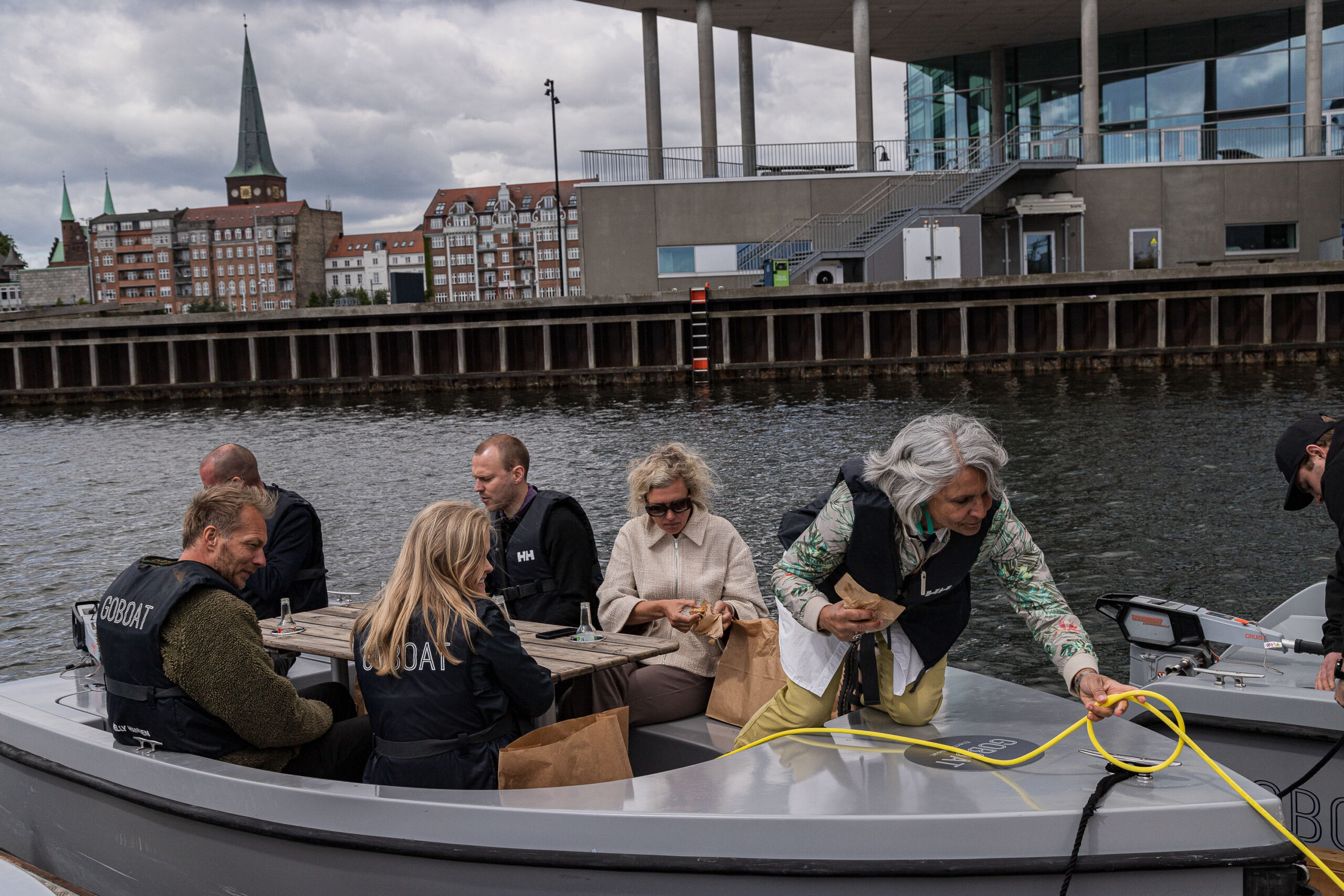
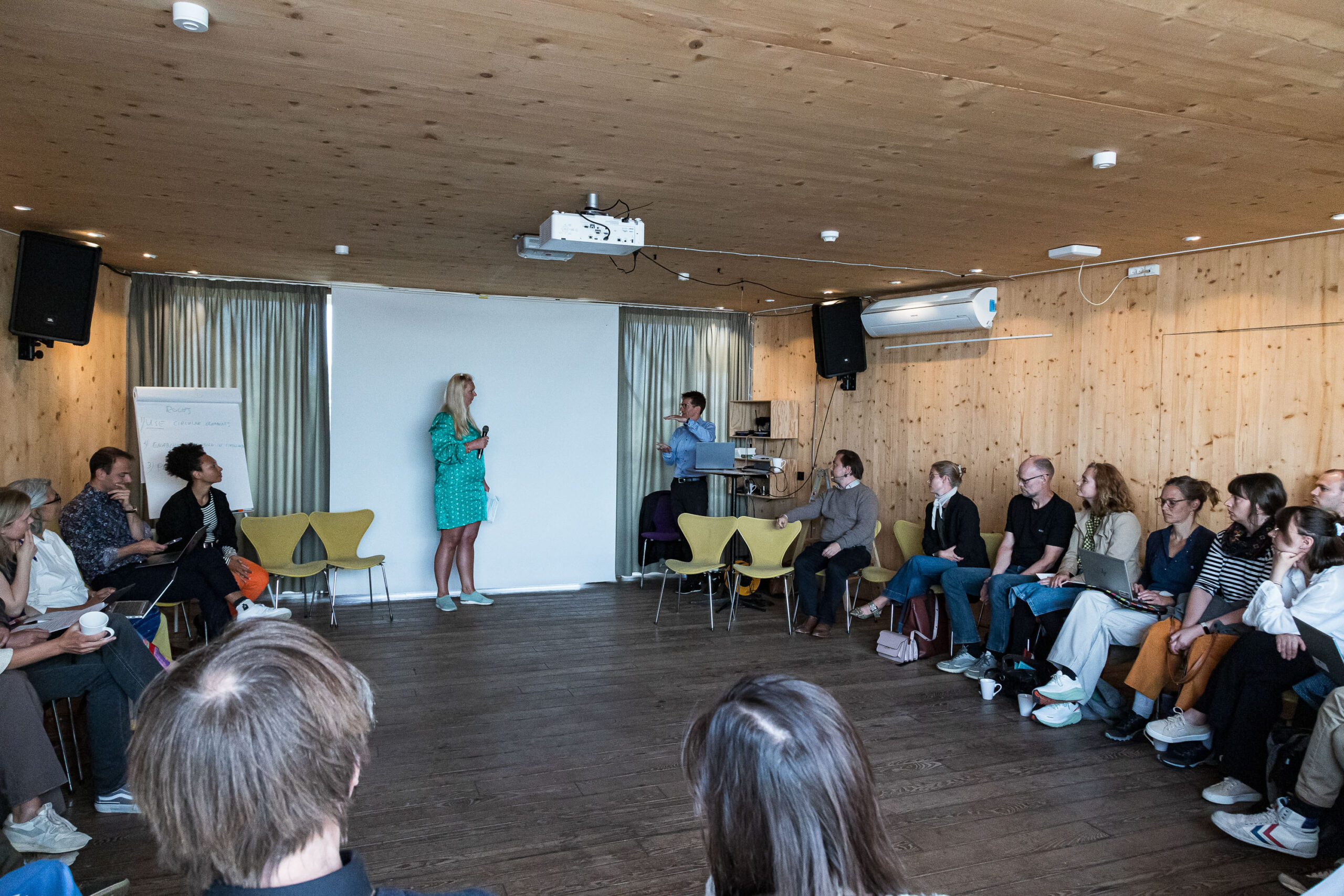
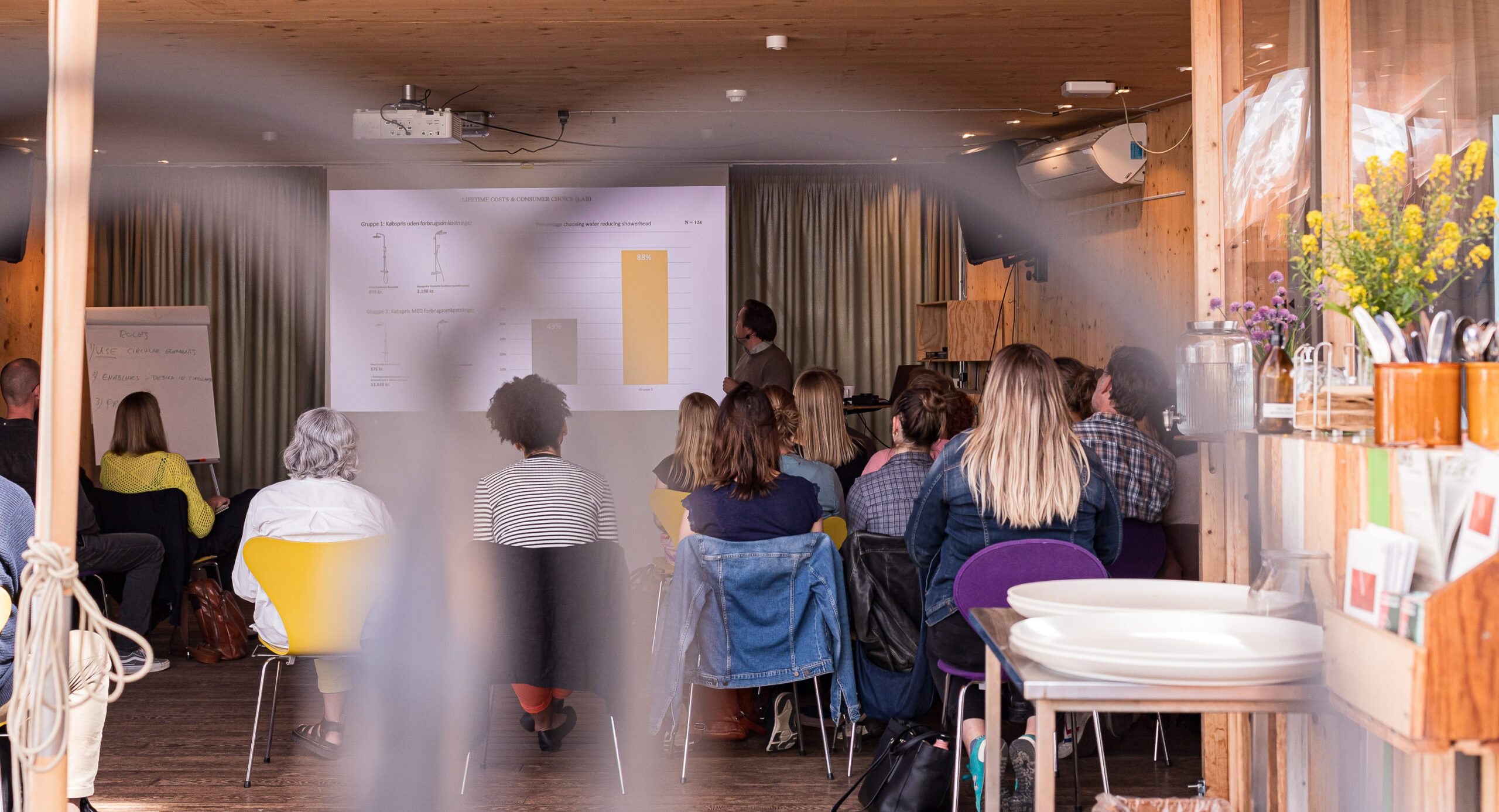
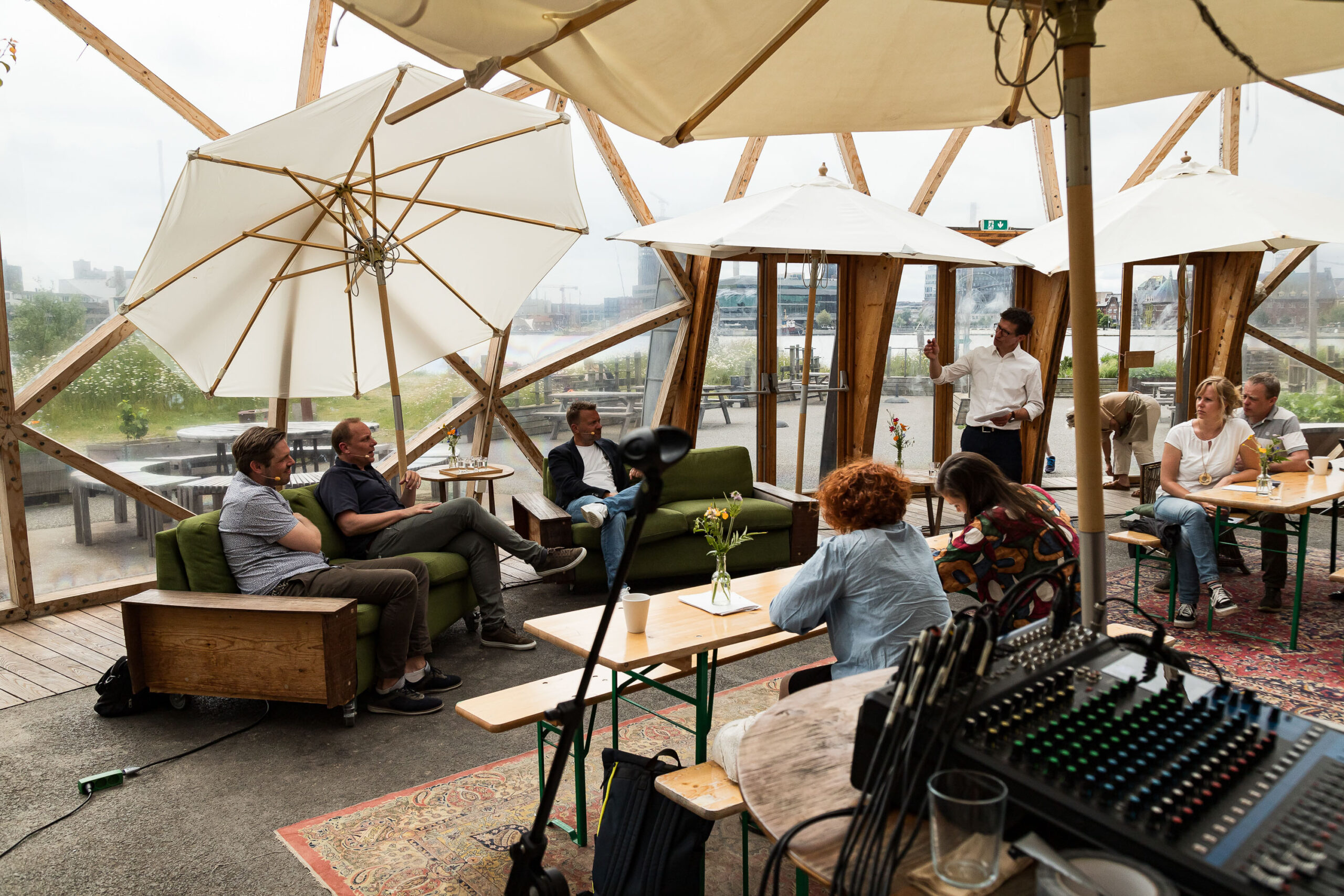
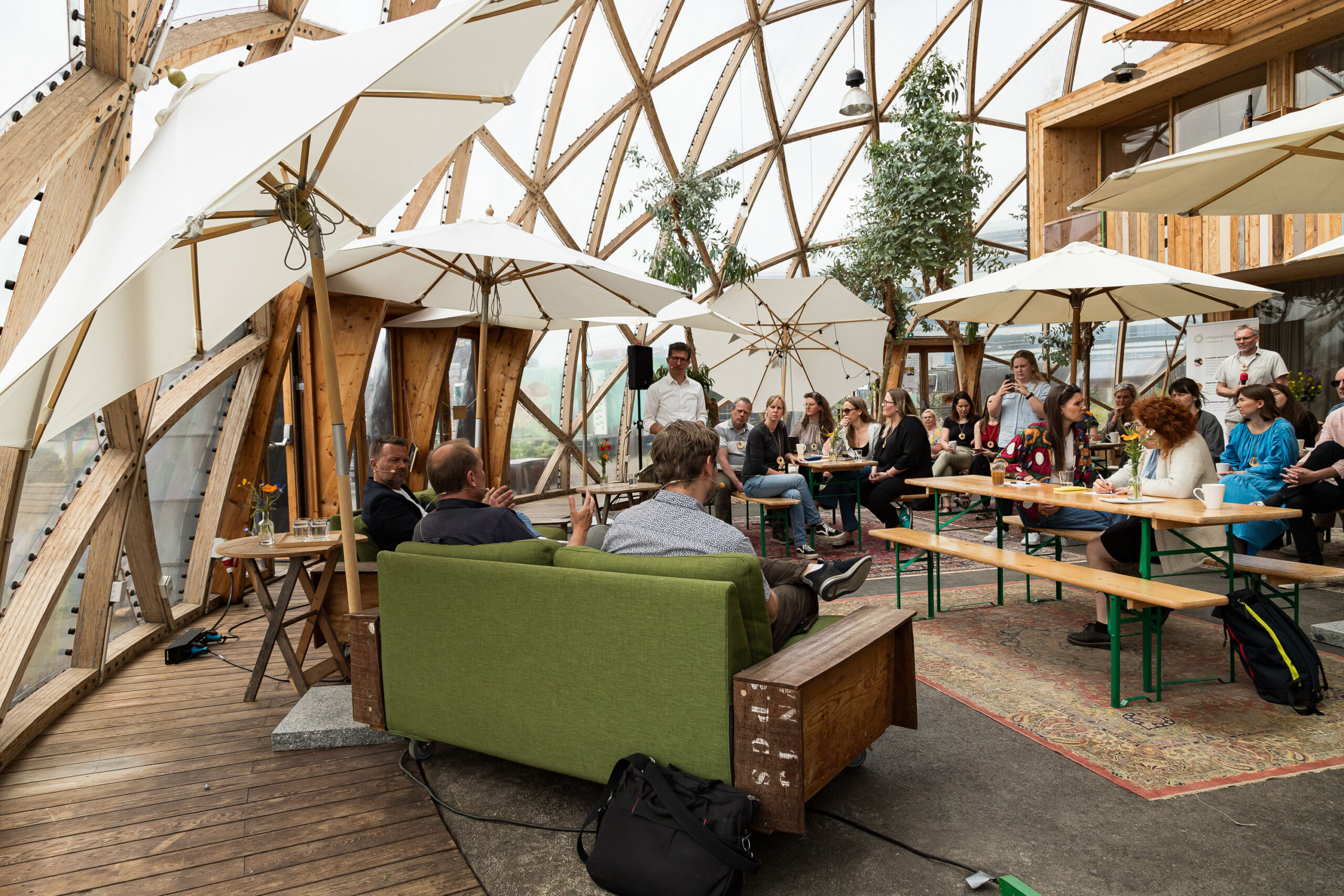
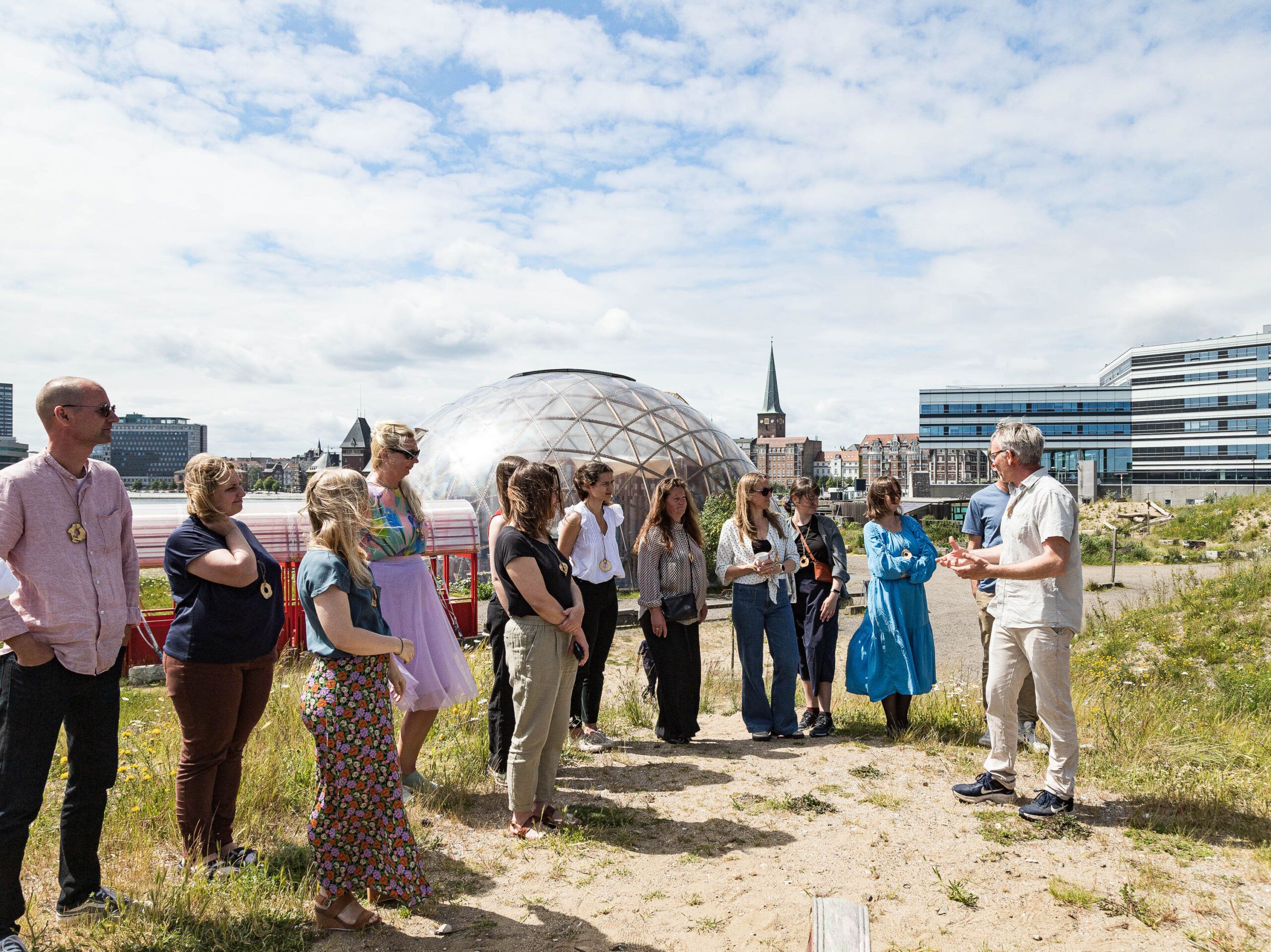
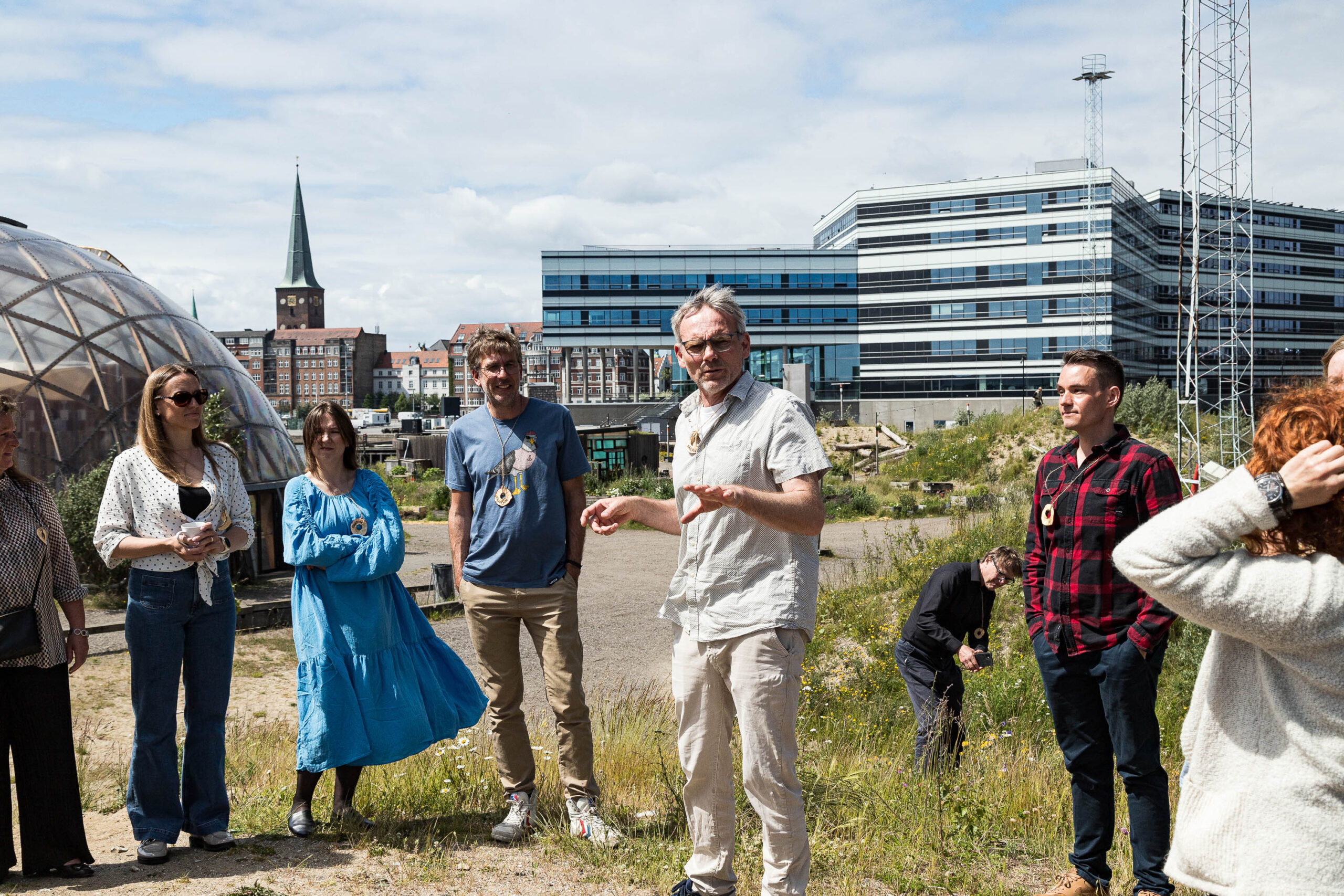
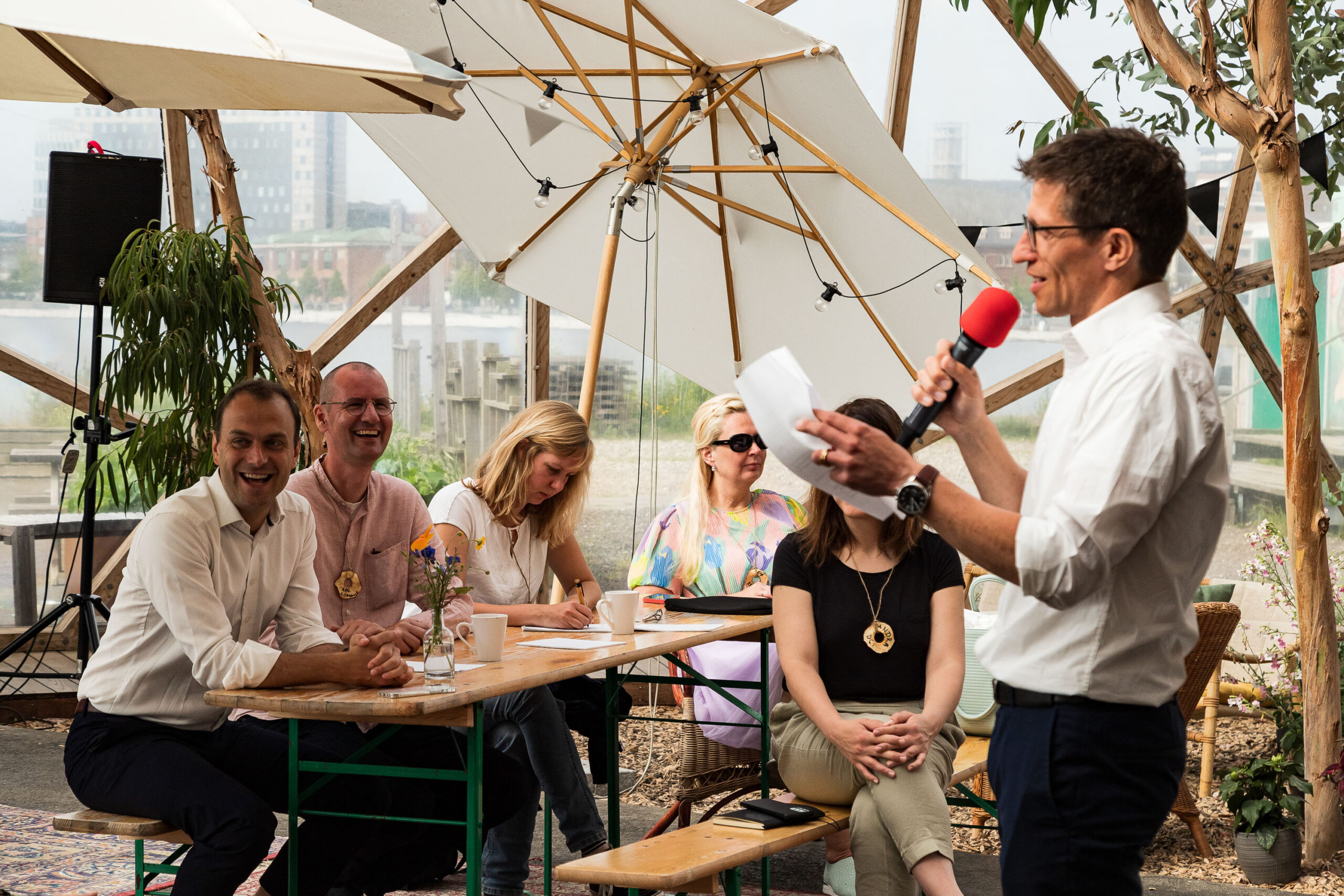
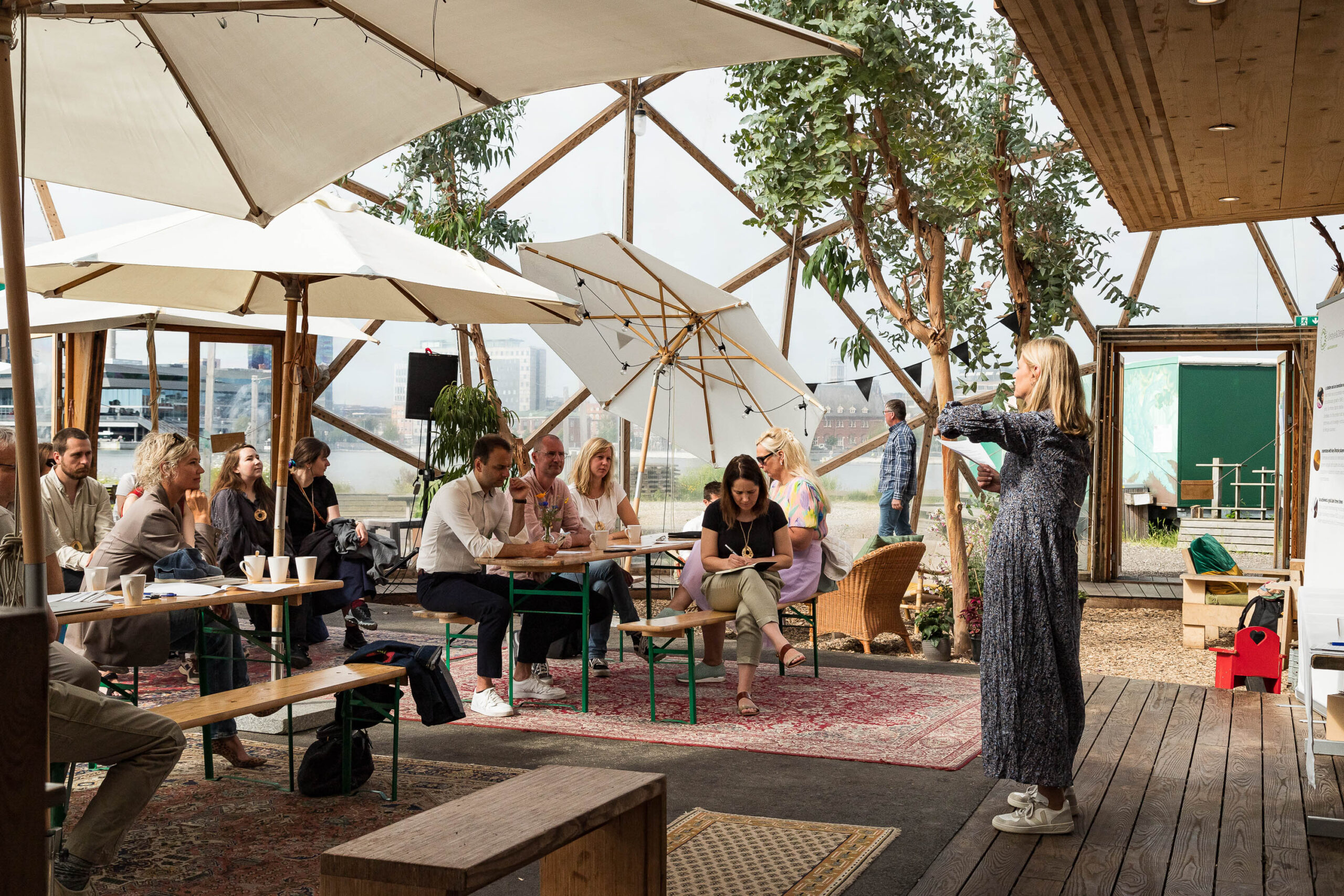
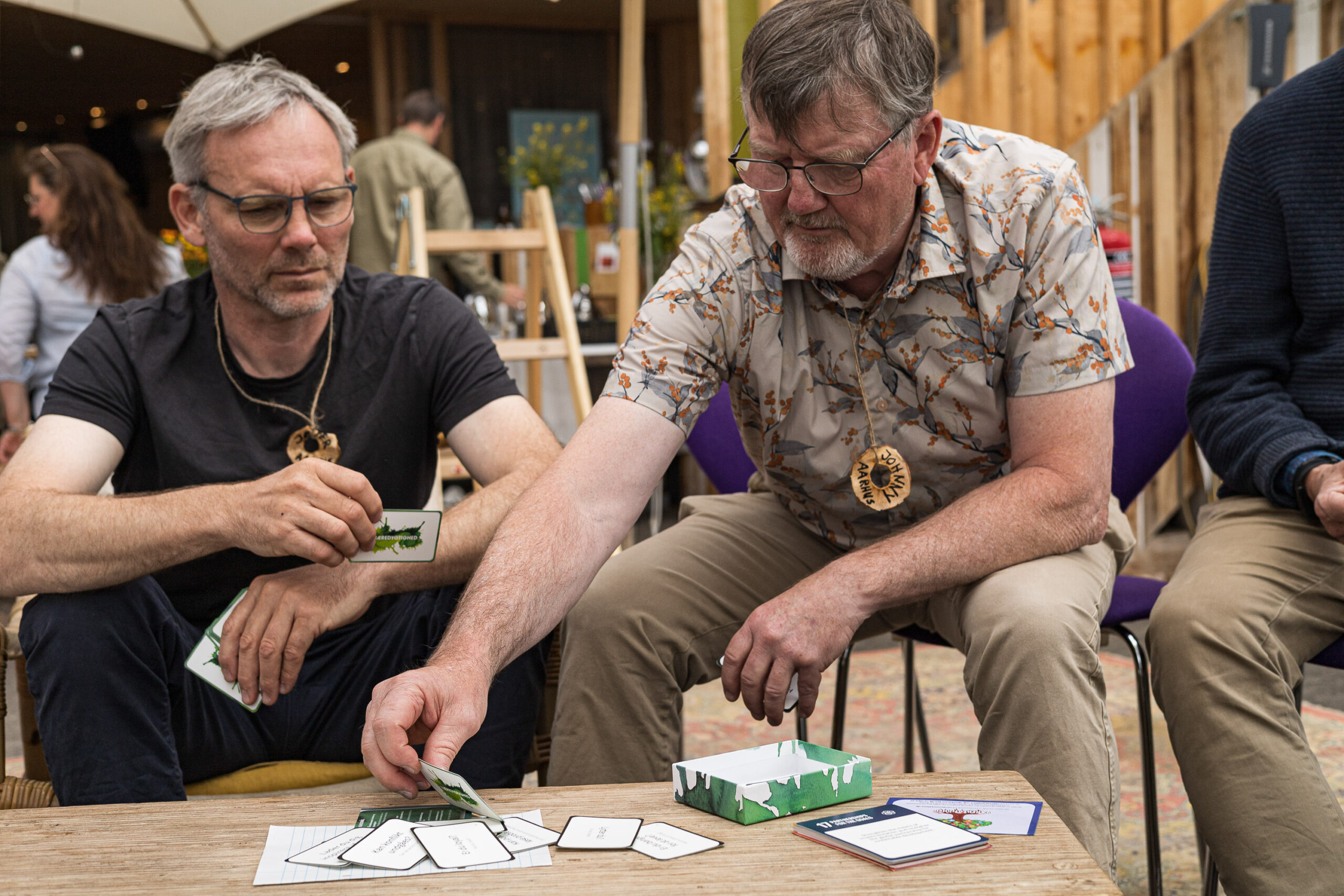
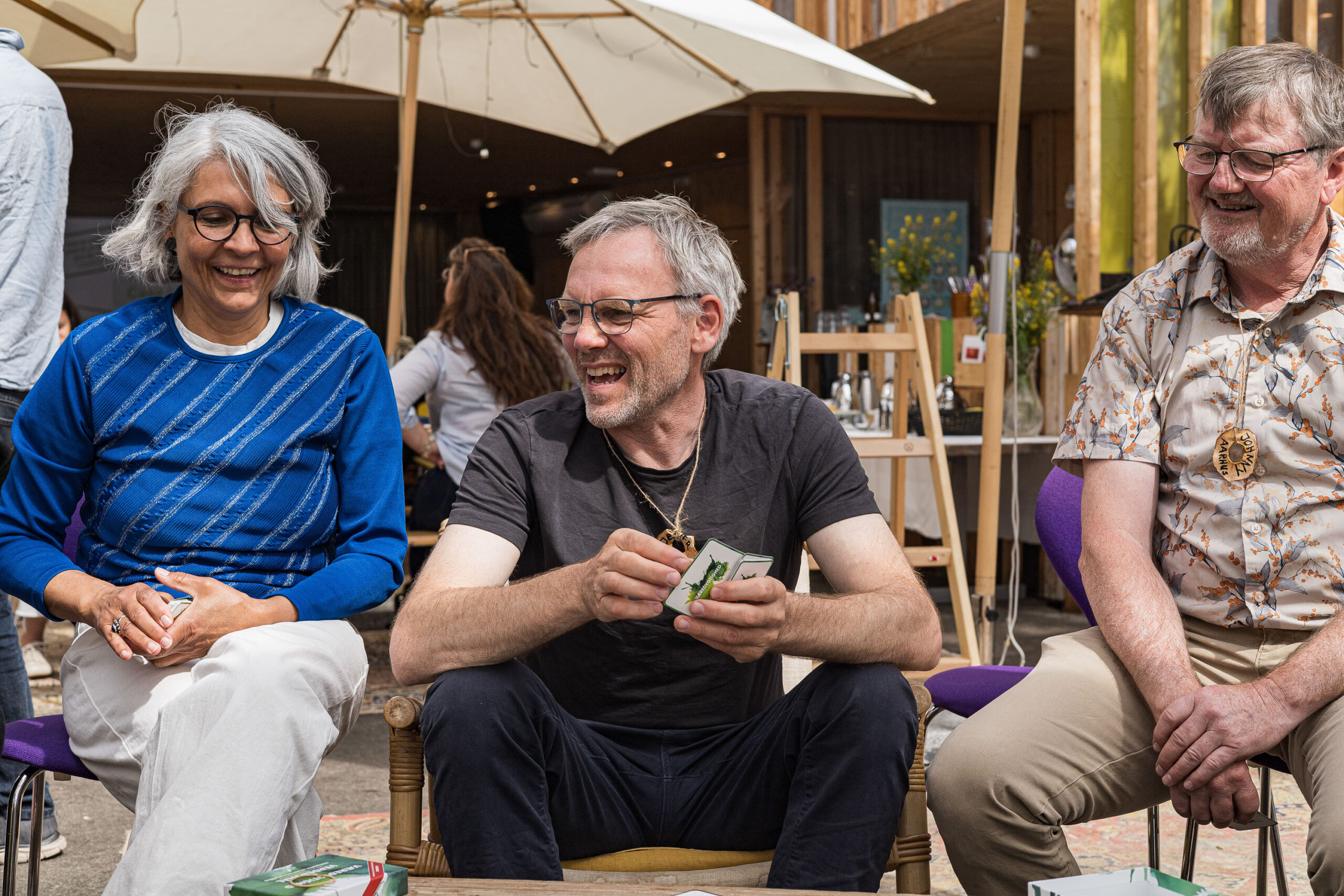
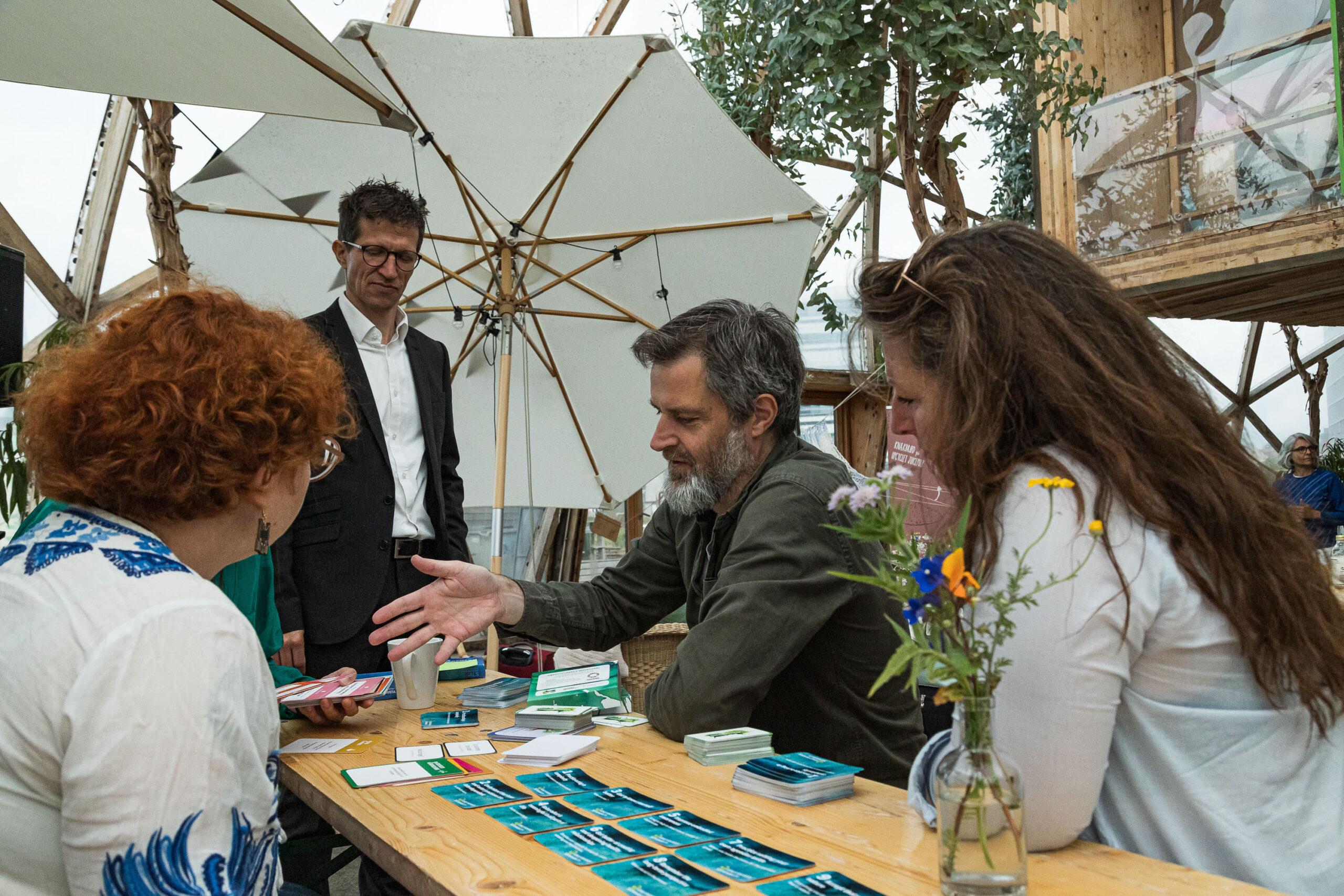
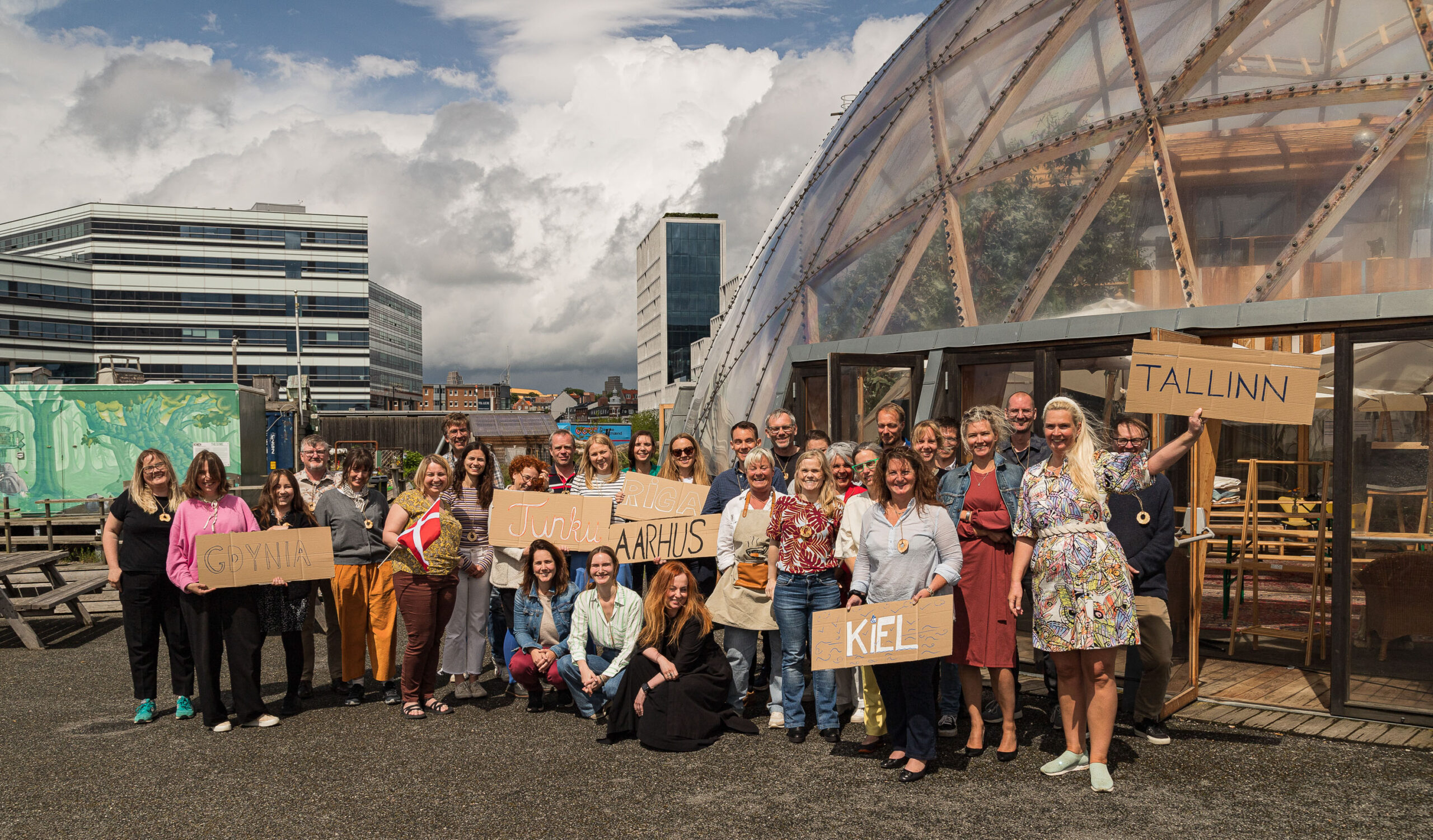
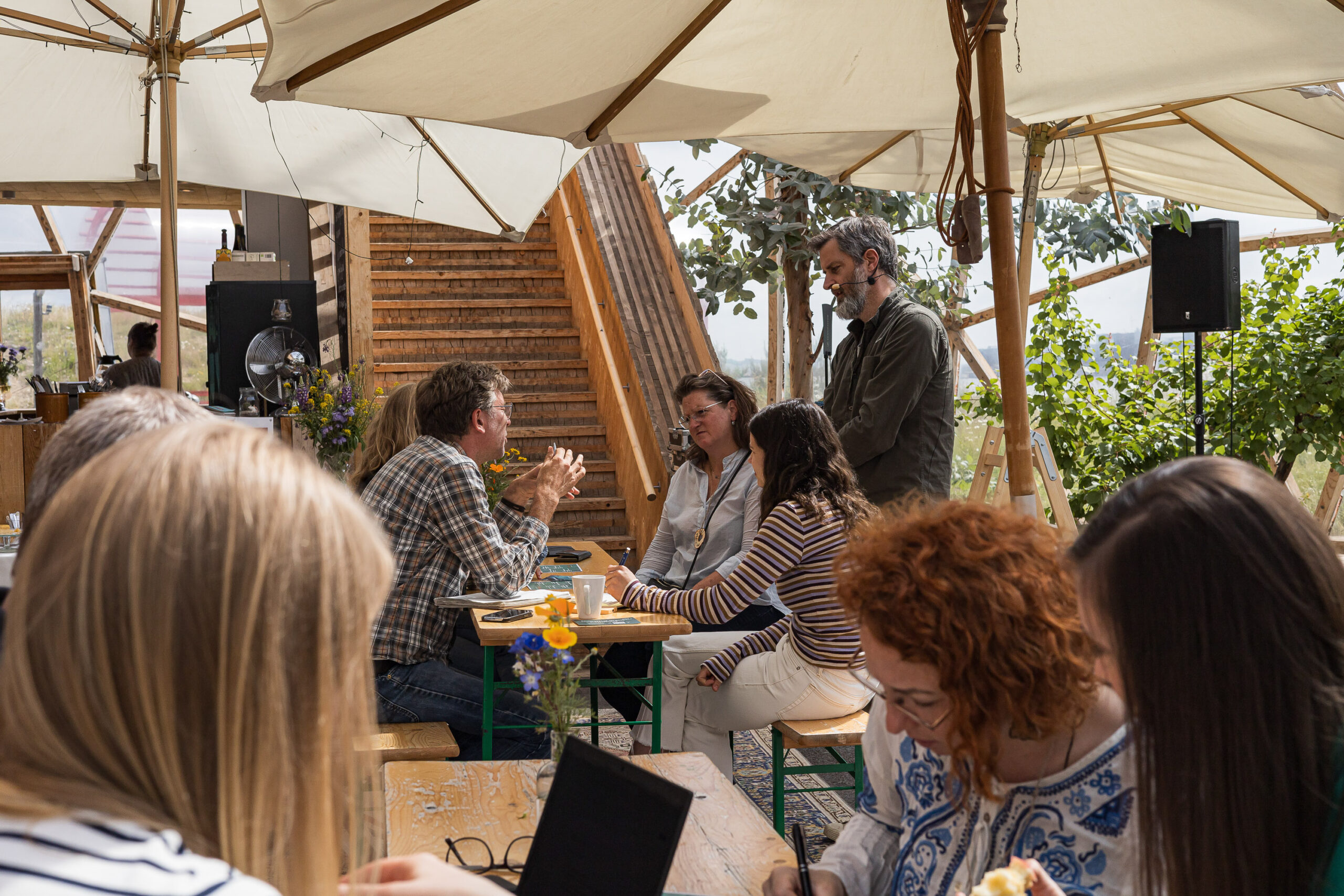
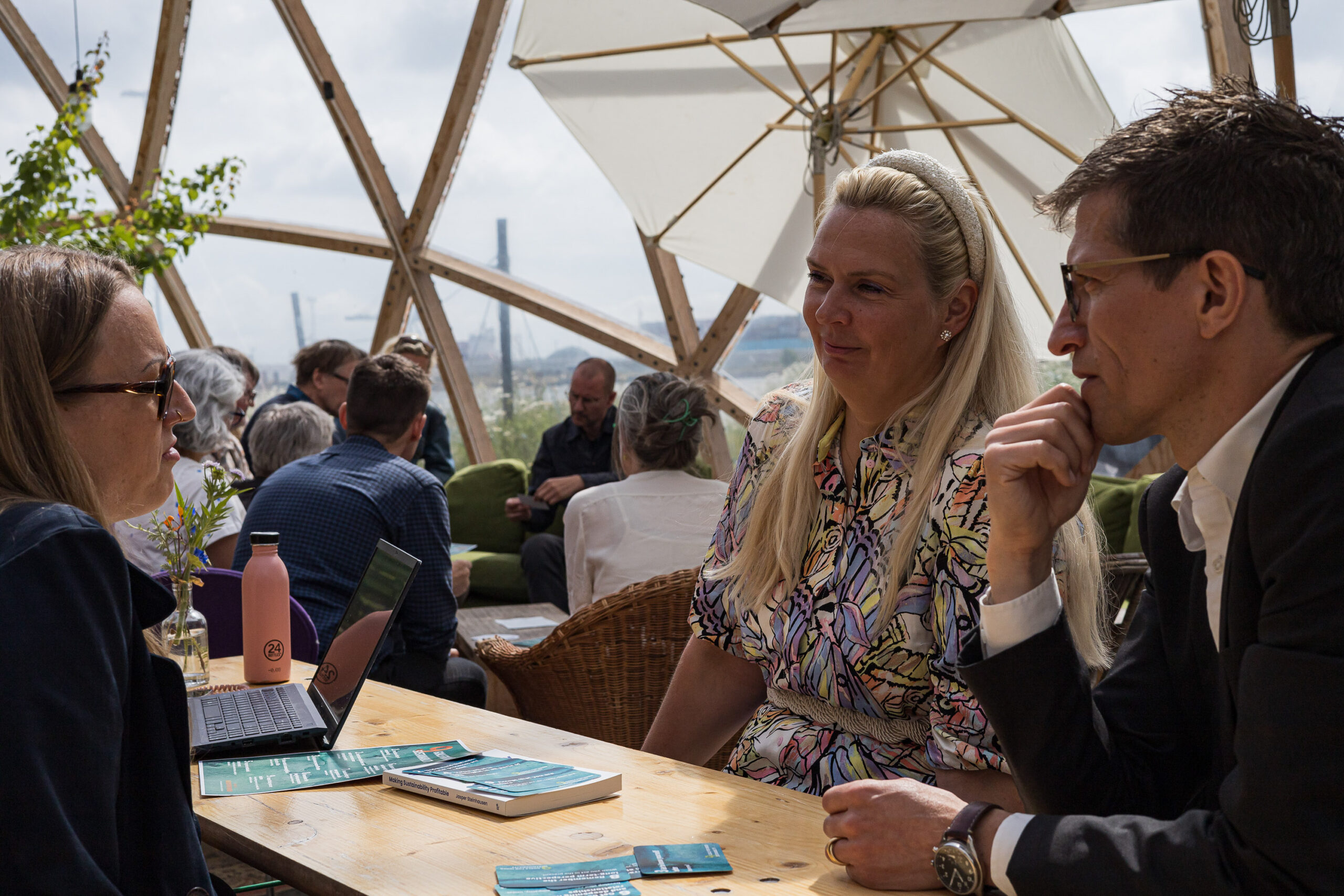
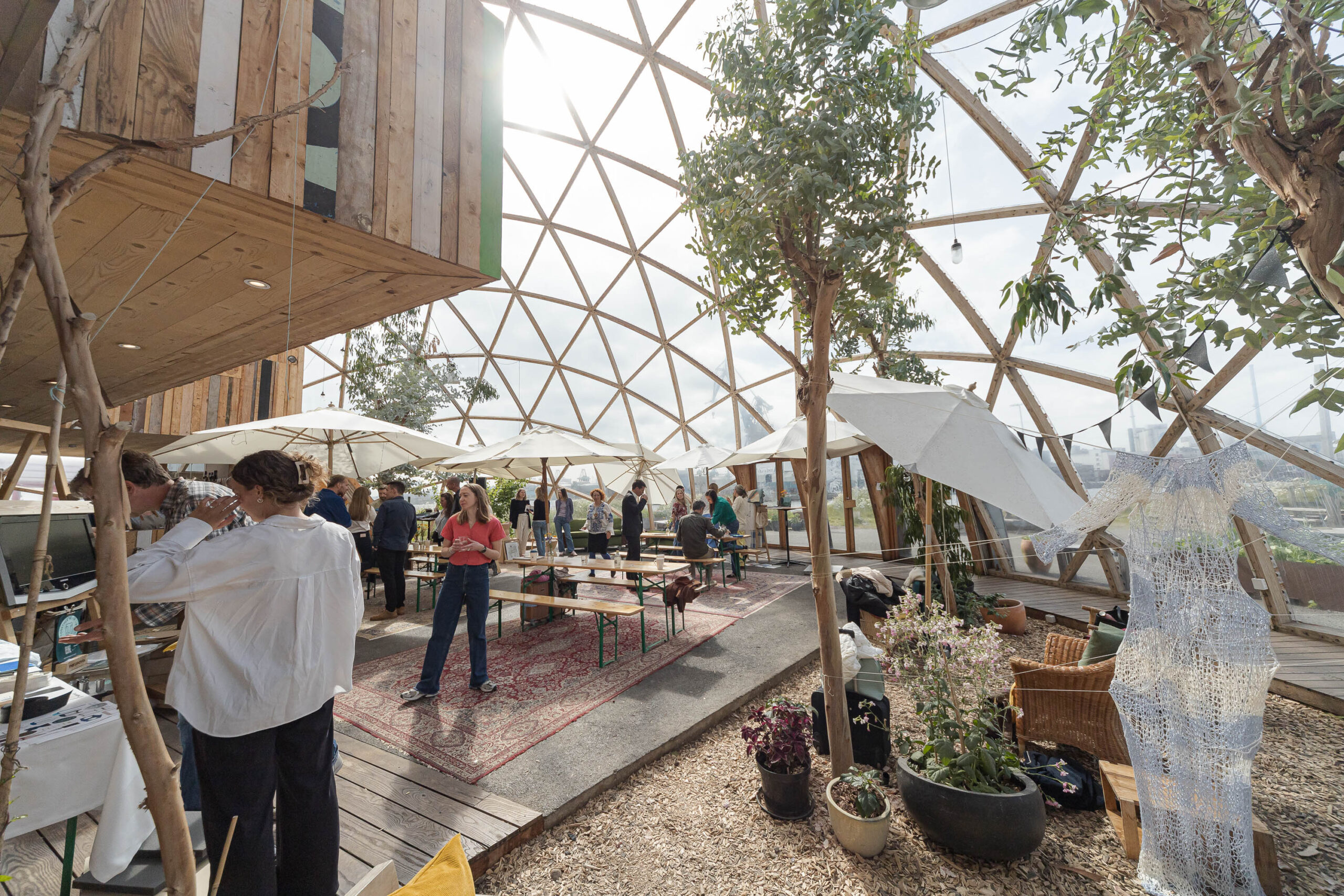
From 4 to 6 June the municipality of Aarhus in cooperation with Lifestyle and Design Cluster hosted the second workshop of the “Creative Circular Cities” project – a Business Lab. During the Lab the six cities taking part in the project – Aarhus, Gdynia, Kiel, Riga, Tallinn and Turku – refined their business incubation pilots for facilitating CCSI-supported circular business models.
The dynamic three-day workshop was led by sustainable business advisor Jasper Steinhausen and along with the director of the partnership “Trace” Anette Juhl, behavioral scientist Pelle Guldborg Hansen and the leader of the association “Rethink Human Being” Christian Dietrichsen, they delivered inspiring keynotes and expert sessions.
“If you want to create impact, solve business problems,” Jasper Steinhausen said about the essential mindset regarding circular economy. He further stressed the importance of collaborating and helping companies in reframing their approach to become greener.
Despite Denmark’s many circular efforts, Denmark is just 4% circular so far, said Anette Juhl, the director of the partnership Trace which brings together 90 public and private institutions and companies to work on common projects with focus on circular economy in the plastics and textile industries. Anette shared her insights about leading the partnership, emphasizing the importance of finding synergies across different projects and “playing with the ones that want to play with you”.
Pelle Guldborg Hansen introduced the participants to behavioural insights and nudging approaches and advised them “not to create behavioural change through forcing anyone”, but rather through different forms of signaling. If we want to influence people’s behaviour, we need to identify behavioural patterns and find “small things where people could do something different”, said Pelle.
Christian Dietrichsen gave insights to the concept of “inner sustainability”, emphasizing that external changes require an internal transformation, and challenged the project partners in questioning the business incubation pilots’ core values as a means of specifying the business plan.
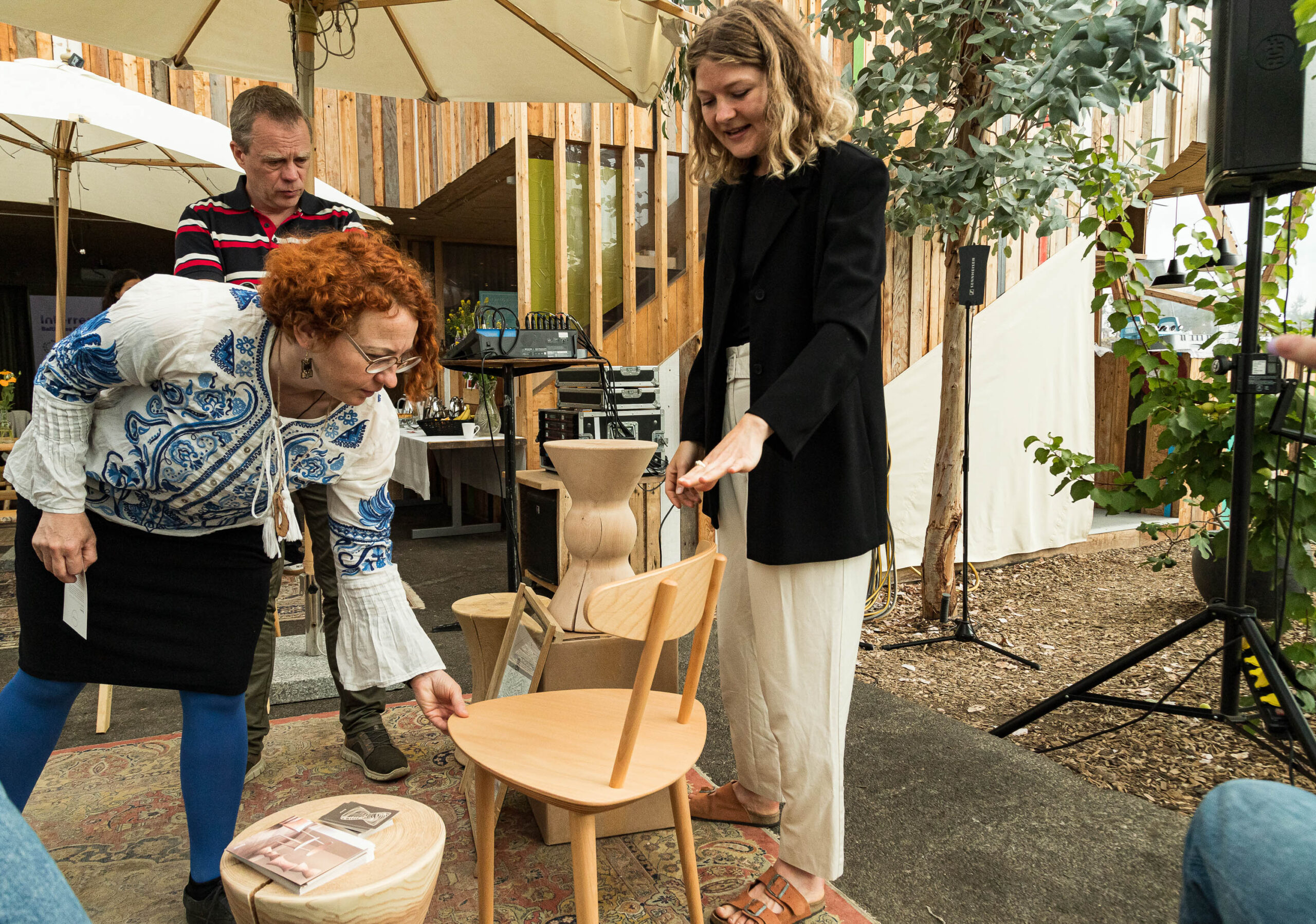
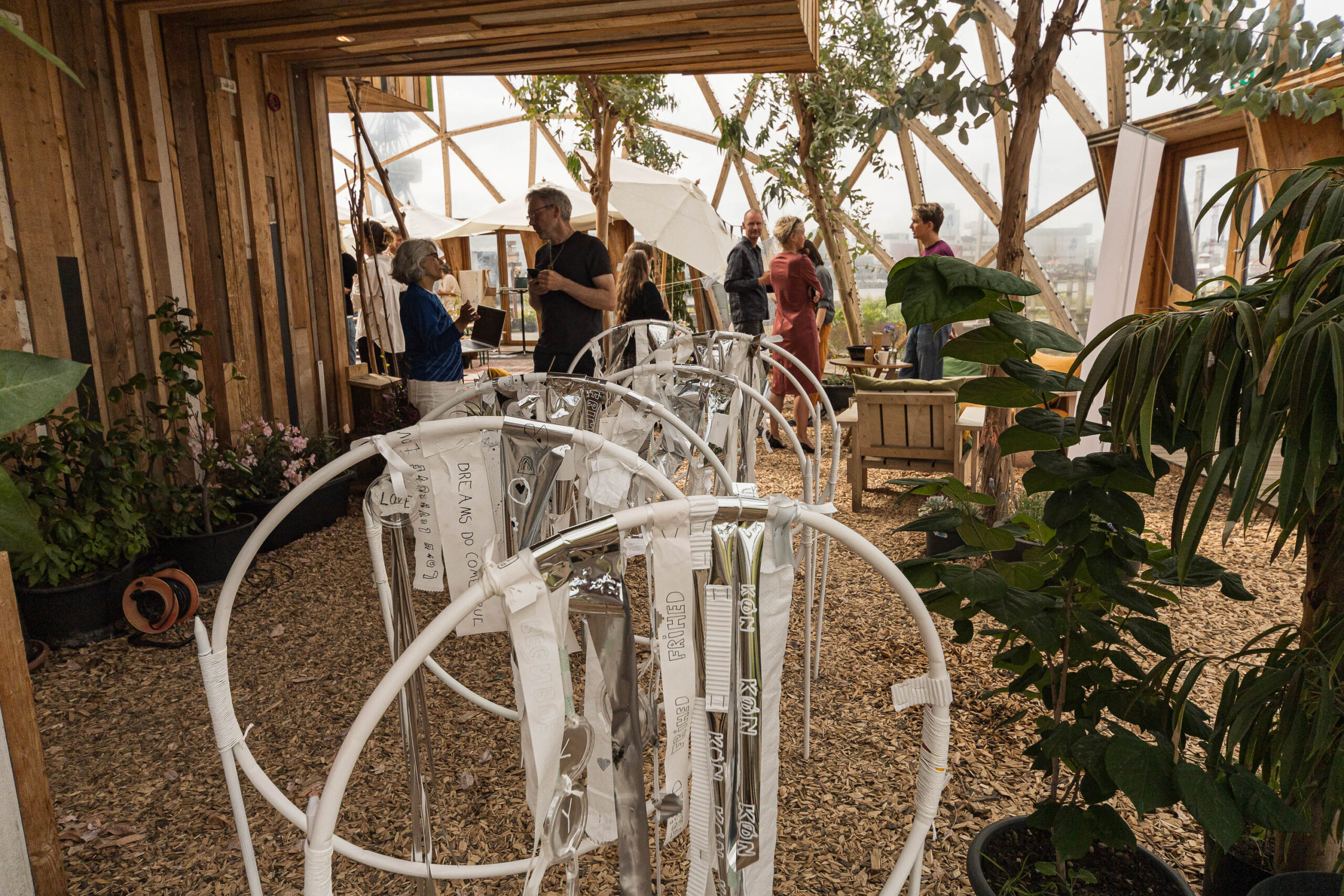
During the Lab local actors from Denmark, that focus on circular solutions, showcased their ideas, products and business models, one of the highlights being a dress from milk yarn designed by Amalie Ege. Project partners from Gdynia, who are working on a bulk waste collection platform, could get inspired from “The Upcycle” – a platform matching industry with excess materials to companies that can put them to use. The project partners could also learn about the Reusable Cup solution – a deposit system for coffee cups, that is currently being tested in Aarhus.
The company “Noeje”, present at the Lab, showcased their design furniture that is produced in collaboration with local craftsmen and suppliers, but “I tråd med Verden” shared their social business model – they produce clothes and accessories from textile leftovers and employ women who have suffered from depression and want to make their way back to the job market.
“Creative Circular Cities” is co-funded by the EU’s Interreg Baltic Sea Region Programme to promote circular transition at local level by involving the culture & creative sectors and industries.
For more information about the project and updates on future events, stay connected through our website https://interreg-baltic.eu/project/ccc/ or reach out directly.