Greenful Journey: Crafting a Greener Future from Textile Waste
In the context of the BALTIC2HAND project, Tallinn Business Incubator organized a webinar, where Toomas Allikas, who has led Greenful Group as CEO, recounted the company’s journey, and dived into the staggering figures of global textile waste problem.
As an introduction, Toomas Allikas painted a vivid picture of the crisis “There are 92 million tonnes of textile waste produced worldwide with approximately 12 million tons in Europe. One garbage truck of textile waste is landfilled or incinerated every single second.” The magnitude of the problem is staggering. It’s estimated that fast fashion will increase by 300% in the next three years, which adds fuel to the problem. Currently, only around 1% of textile waste is recycled, with projections of maybe reaching 10% in the future. While extended producer responsibility is on the horizon, its impact remains indirect.
Greenful is a company that offers a practical solution to the issue of recycling textile waste. They produce a range of eco-friendly products using textile waste such as wall panels, decorative boards, structural insulated panels, and paving bricks. To provide a visual perspective – one Greenful factory covers 30,000 square meters, employs nearly 100 individuals, and requires 35,000 tons of textile waste annually.
One piece of advice that changed how the idea for Greenful was born, was advice given to Toomas from one mentor: “If you want to succeed in the waste recycling business, you have to remember one rule. Start your business at the size where tomorrow your problem is also a government problem.”
The mission of Greenful Group was grounded in transformative ambitions. Toomas emphasized the company’s strategy for tackling this waste by stating, “It entails finding large-scale solutions with a standardized business model that can be implemented across Europe simultaneously.” He was candid about the scale of the challenge, acknowledging that “to solve European 5.2 million ton of textile waste problem, it would take 148 Greenful factories.” But he also offered a realistic strategy, suggesting, “But if governments in Europe would just pick approximately 20 impactful solutions and then would completely finance them, it would take like 7 factories from each solution to solve the textile waste in Europe within five years.”
The principles behind Greenful Group’s products were clear and non-negotiable. Toomas declared, “Number one, they all must be made from recycled waste. Not a single polluting chemical will be used in our panels and all the materials are recyclable at the end of life. So that’s the three rules of everything.”
Their flagship product, the Greenful panel, was a testament to these standards, offering a sustainable alternative to traditional materials, described by Toomas as “100% recyclable and load-bearing construction material that can be used inside, outside, underwater, wherever. It’s stronger than plywood.” Addressing the innovations and future plans, Toomas revealed, “Currently we are working on the large construction blocks – we call them lego blocks made from mixed plastic waste. We have roof tiles, paving bricks, sound insulation panels are coming soon and many other innovations are on the way.”

The Greenful Group’s commitment to the environment was evident as Toomas highlighted their impact: “Every cubic meter of Greenful panel sold saves 353kg of CO2 from the environment.” He was proud to showcase Greenful’s latest innovation, the Greenful Zip panel, “which should be one of the first construction materials that completely meets the EU green requirements.”
Allikas didn’t shy away from discussing the business challenges, including the importance of selecting the right partners and the complex landscape of fundraising. Greenful Group had overcome these by attracting multinational clients, indicative of a significant market interest in sustainable materials. Allikas shared his experience in seeking partnerships, noting that “from over 50 requests I sent, only three decided to proceed with us and only one partner succeeded.” This highlighted the resilience needed to innovate in this space.
For starting start-ups and young entrepreneurs in the circular sector he recommended participating at different accelerators and incubators: “You need publicity to be heard, so participate at contests, and incubators and be visible.” The other thing to remember is that most brands do not want to be sustainable. “They just lose money with that and even if you have the best solution and you are so excited. But they will reject you many times. So just keep on going. It is challenging but it’s interesting.”
Through his presentation, Toomas Allikas delivered more than just an account of Greenful Group’s journey; he offered a narrative of innovation and resilience. He impressed upon his audience the necessity for large-scale solutions to effectively tackle Europe’s monumental textile waste problem. Allikas concluded, “It’s pure mathematics, yes, it takes large-scale facilities, but it is completely doable.” This statement, along with the detailed account of Greenful’s strategies and philosophies, underscored the urgency of a collective response to the textile waste problem – a sentiment that permeated throughout his inspiring call to action.
The webinar was organized by Tallinn Business Incubator in the context of the BALTI2HAND project. The project is funded by an Interreg Central Baltic Programme 2021-2027 project that is co-funded by the European Union. Partners in the project: Tallinn Creative Incubator, Laurea University of Applied Sciences, Latvian Chamber of Commerce and Industry, Turku University of Applied Sciences, Sustainability InnoCenter.
Cities present their plans in the CCC kick-off event in Riga
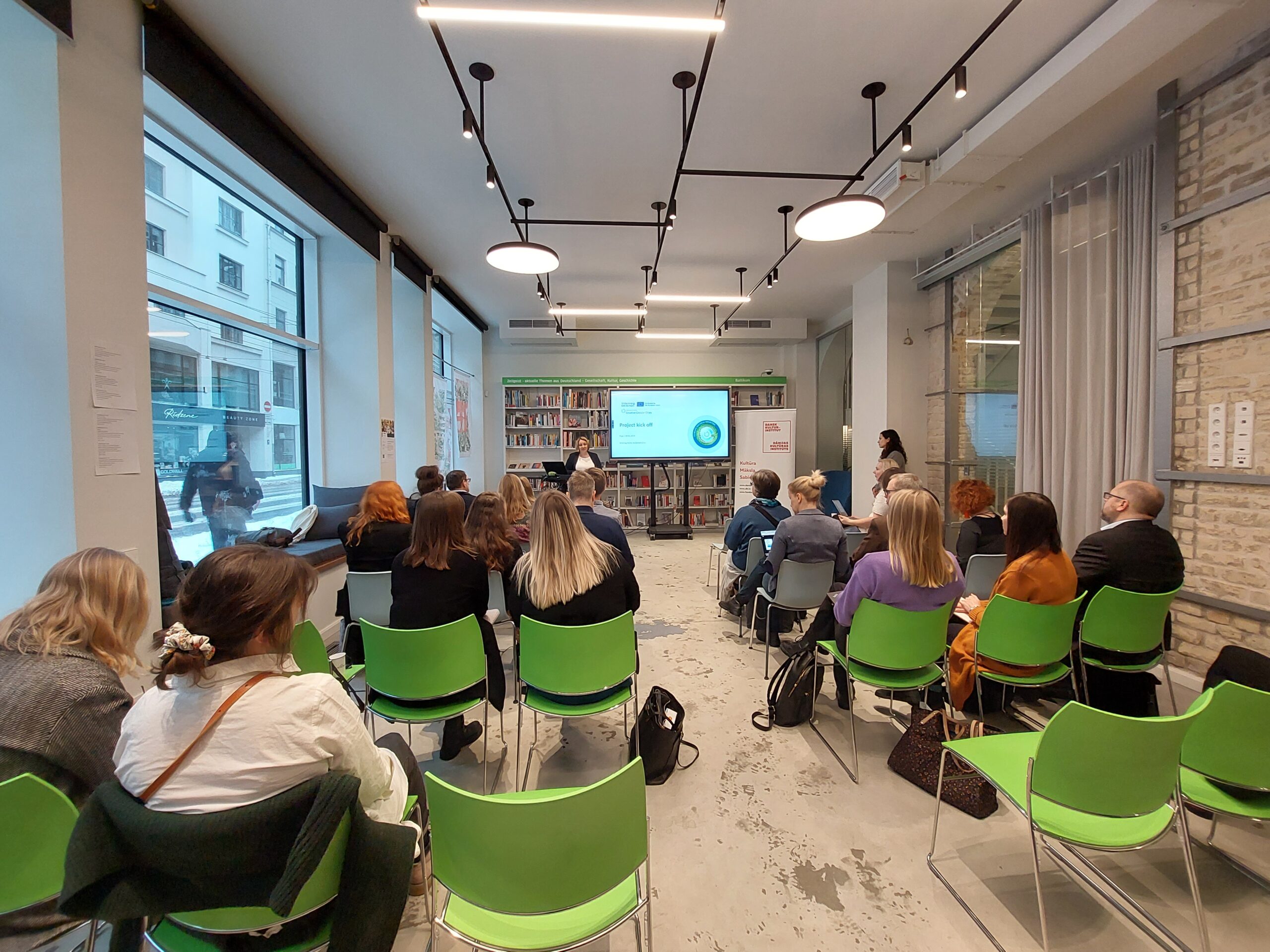
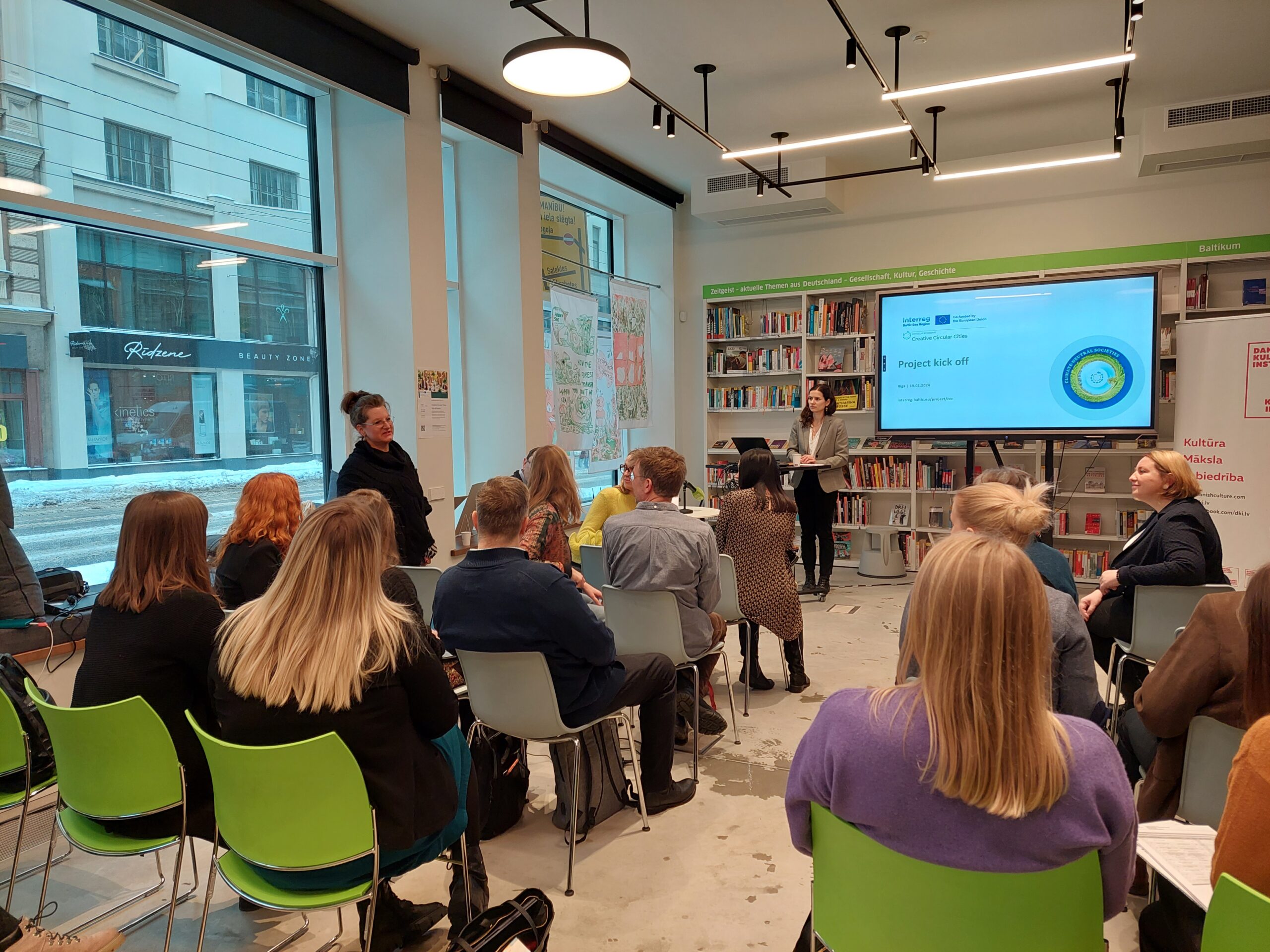
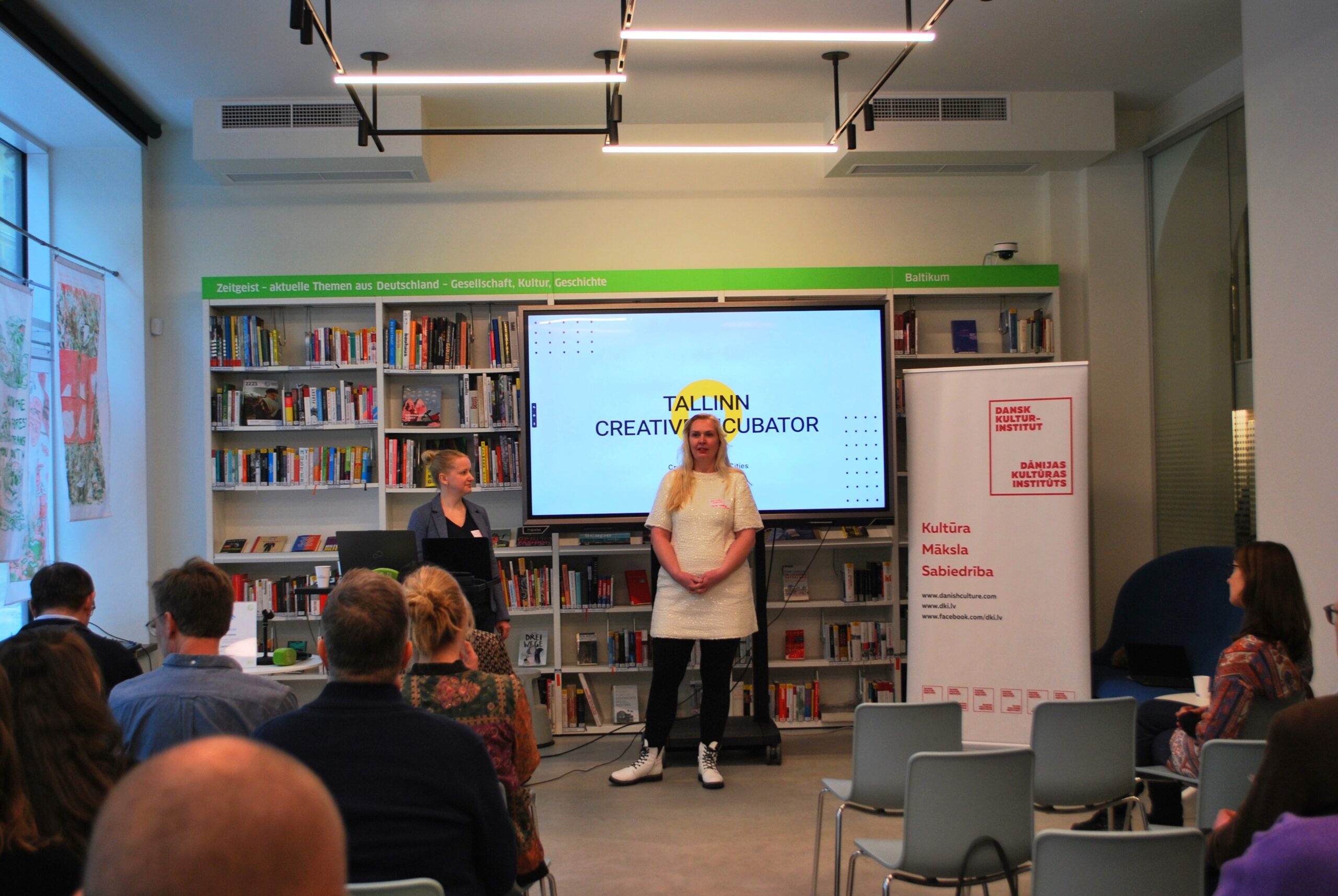
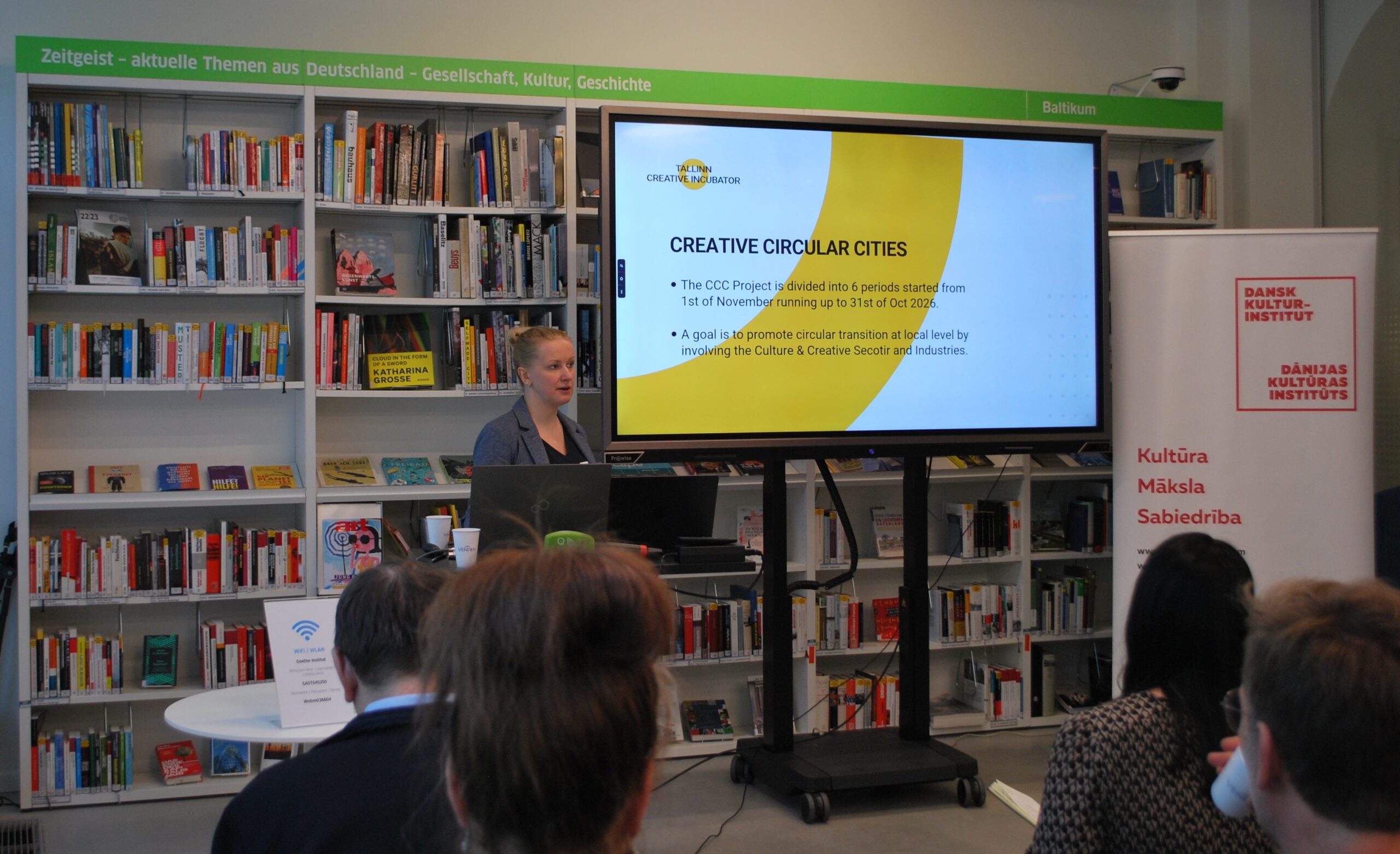
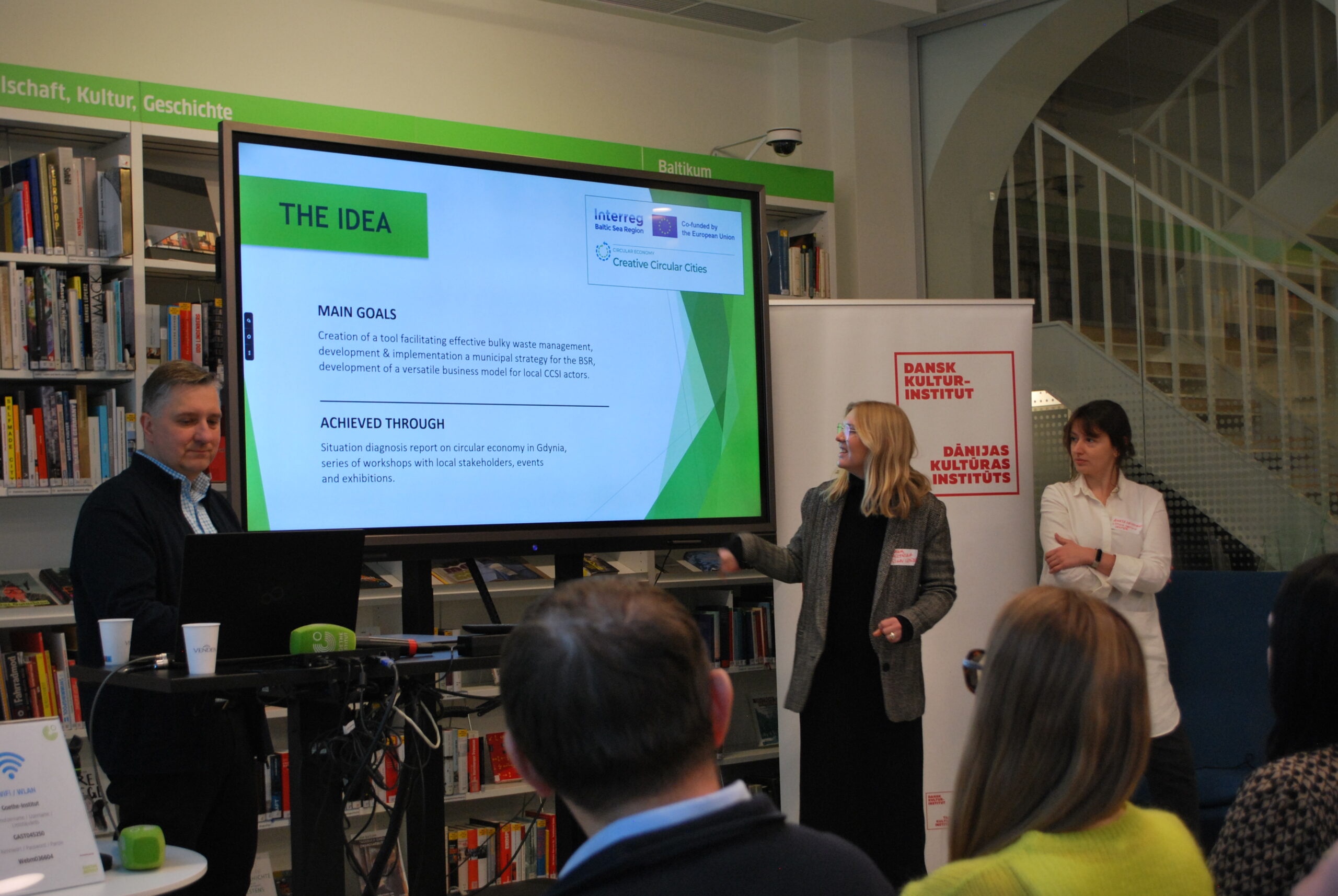
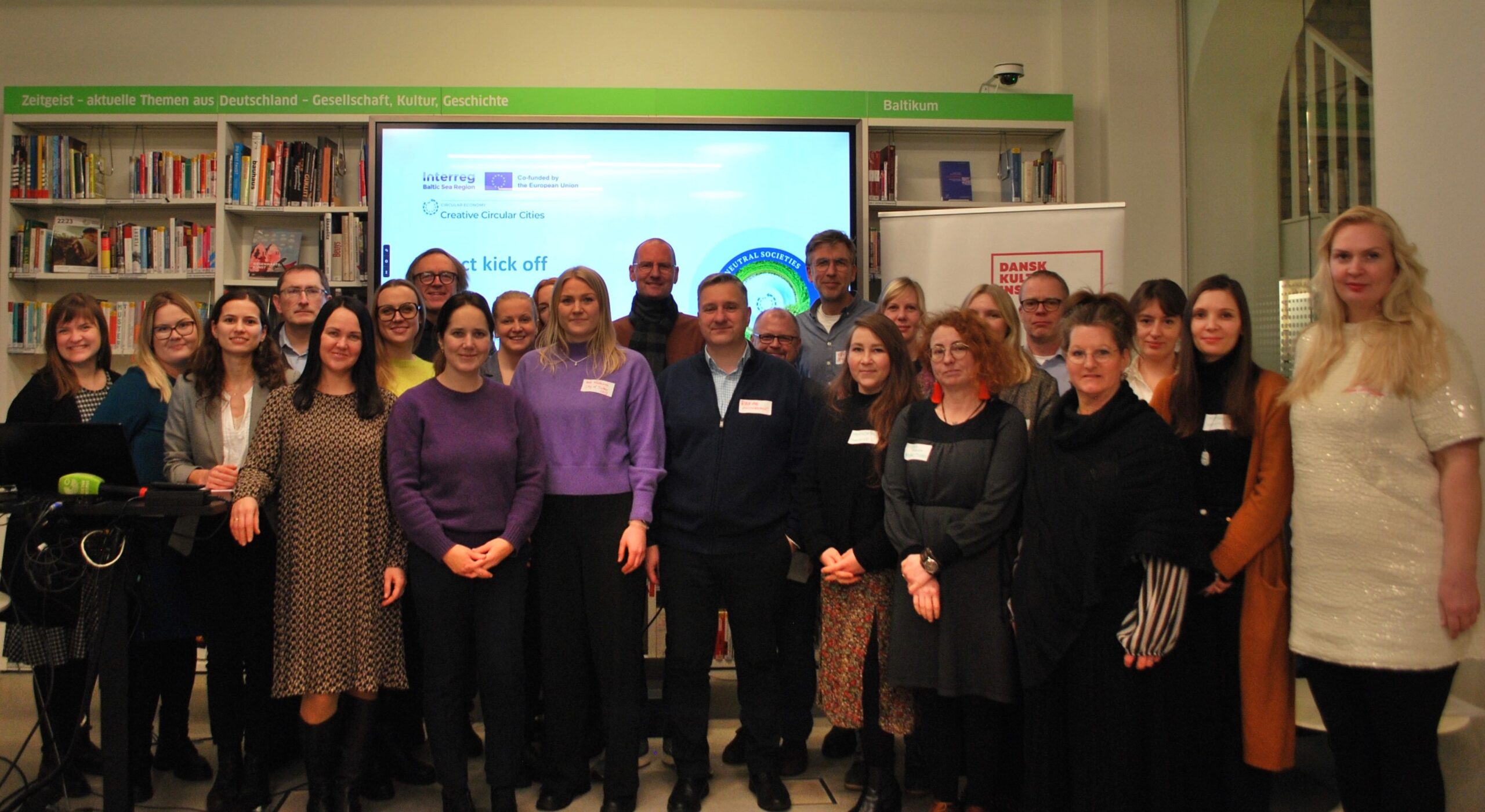
In the CCC project kick-off event in Riga the six demo cities involved in the project – Aarhus, Gdynia, Kiel, Riga, Tallinn and Turku – presented their initial plans for activities during the project.
Bulky waste as a resource
In Gdynia the project is implemented by two partners – the Design Centre which represents the municipality and the association “Pomorskie in the European Union”.
Within the project the Design Centre plans to create a strategy and pilot a waste management program in Gdynia. This will be done by organizing a series of workshops and training sessions addressed at the design and business sector, and by organizing some educational activities involving the inhabitants of Gdynia.
The final goal of the project in Gdynia is to update the existing website for bulky waste management or to create a new website if it is necessary. Every phase of the project will be based on data collected from local research and listening to the experience of Gdynia’s citizens. The „givers” and „takers” of bulky waste will be mapped and effective cooperation between the public and business sectors will be initiated.
“Together with partners from the Baltic Sea Region, we will support and inspire each other in our pursuit of waste reduction, including bulky waste. Each one of us has a big role to play,” says the CCC project manager at Design Centre Natalia Kawczynska.
Testing CE business models in the Circular Economy Carnival in Turku
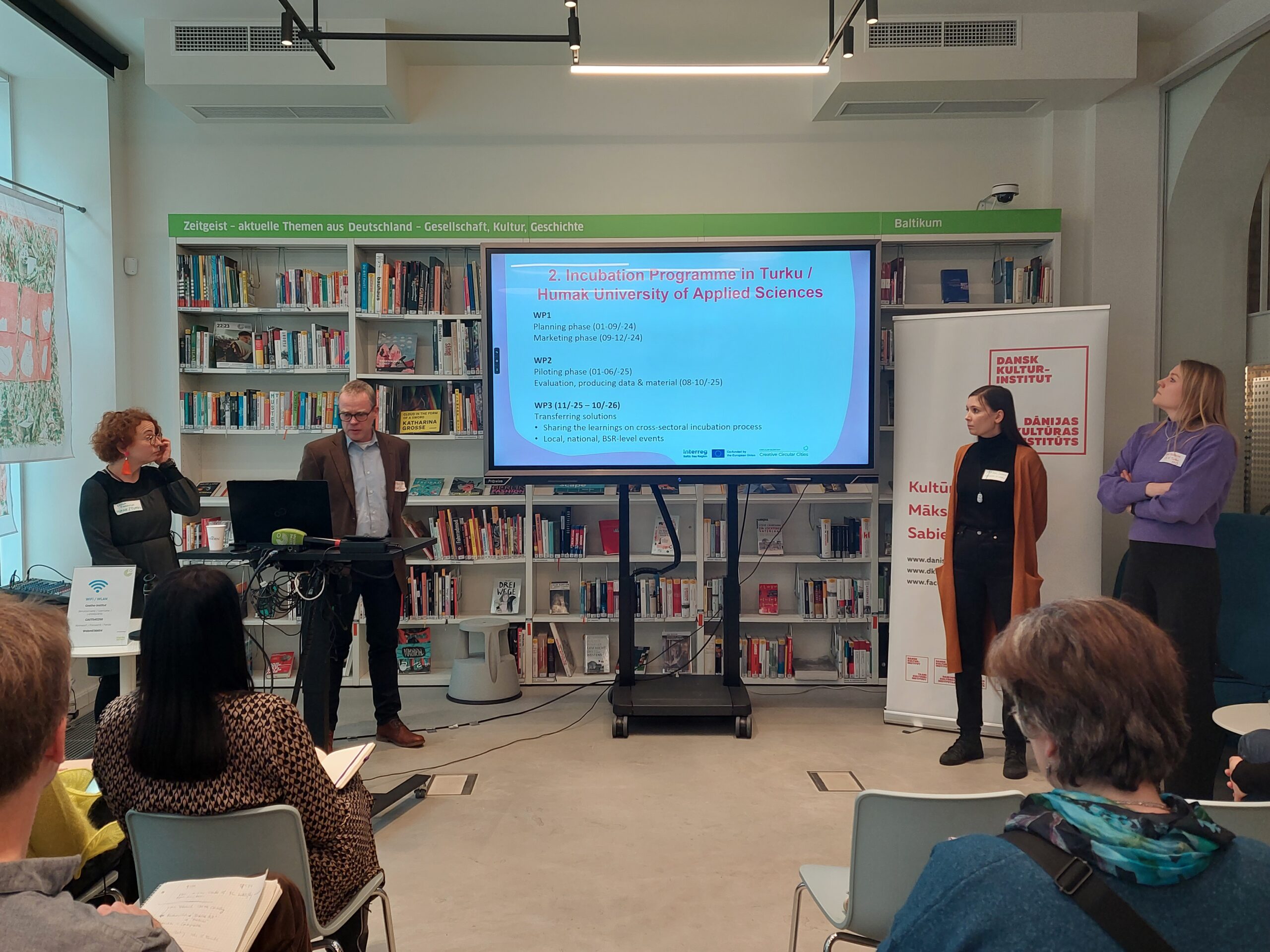
Turku’s project plan consists of the incubator process created by Humak University of Applied Sciences, the Circular Economy Carnival created by Valonia/Regional Council of Southwest Finland and the co-creation arena led by the city of Turku.
The incubator will bring together experience industry businesses and artists to create new circular economy business models by using creative methods. The Circular Economy Carnival works as a platform for testing the business ideas and making circular economy visible for the residents through activities such as surplus food dinners, flea markets, goods exchange, repair services, shared use solutions, art exhibitions in the spirit of circular economy etc. The CE carnival is planned and implemented in cooperation with local residents, resident associations, entrepreneurs, schools, civil society actors and other stakeholders.
Turku’s pilots will be steered by the CCC co-creation arena which will bring together the key circular economy, culture, and business stakeholders in Turku for a regular dialogue. The arena will be integrated with the Circular Turku Roadmap and the Climate Team, which focus on promoting circular economy in Turku in the long-term.
CCC project adding momentum to Kiel’s circularity initiatives
As the first certified Zero Waste City of Germany, Kiel is currently working on a comprehensive transformation of the local society to become sustainable through a respectful treatment of valuable resources. With more than 70 initiatives in Kiel currently working on circularity there is a huge potential to reach a positive tipping point – leading to an established system of urban mining. In this context the CCC project is a great chance for Kiel to support the creative and cultural sectors and industries (CCSI) to become major actors within this process.
The three local project partners – Heinrich Böll Foundation Schleswig-Holstein, Anschar GmbH and Zero Waste Kiel e.V. – have set themselves the goal of implementing several projects that support the CCSI-driven circular economy. As a first step, a steering group consisting of the above-mentioned partners, local authorities and identified stakeholders will be set up to help develop a joint strategy for the circular economy in Kiel.
Further the project partners will help to disseminate their knowledge on citizen’s engagement as well as strategy development among the international CCC project community through the conduction of two labs. It is planned to engage citizens of Kiel in two action labs in their local neighborhoods to encourage circular lifestyles.
To strengthen the business sector three projects will be implemented and replicated in 2025 and 2026: a circular catalyst, a circular sandbox and a circular stage. All of them will provide actors with relevant information for creating a circular start-up, assist with the implementation as well as inform the public about circularity within the creative sector.
As a last step, Kiel will organize and host a national conference on circular economy within the creative and cultural sector and industries in 2025.
Engaging Riga citizens in creating a “circular garden”
The Riga Energy Agency, representing Riga municipality in the project, is developing a long-term circular economy strategy for the city, to which the CCC project will contribute.
Withing the project there will be activities engaging the citizens, as well as the business support organizations and creative businesses. Riga citizens will be involved in the creation of a garden, based on principles of Circular Economy, by the municipality library in the remote suburb of Bolderāja. Riga business support specialists will have the opportunity to acquire new knowledge about the development of circular business models and business incubator programs, while representatives of creative industries will be able to meet on Business Days and get feedback on their business ideas from the perspective of circular economy principles.
Aarhus in the transition to circular economy
The City of Aarhus is committed to transitioning to a circular economy, aiming to curtail consumption, streamline material flows, and minimize waste. The municipality recognizes the urgent need for a paradigm shift in consumption patterns at both city and community levels.
As an initial step, the city acknowledged the necessity of adopting sustainable practices within its administrative functions. Consequently, an interdepartmental Circular Economy team was established in 2022. This internal team is dedicated to fostering a culture of prevention, challenging conventional administrative norms, and promoting innovative, interdisciplinary thinking.
In CCC specifically, Aarhus will draw on experiences from the internal circular economy network as a model of interdisciplinary collaboration on circular economy. It will be applied at the community level targeting textiles, recycling, and establishing a more cohesive and holistic approach to the right to repair, just transition and industry practices. This will be the setting of a local co-creation arena with authorities, industry clusters, NGO’s and citizens, and local CCSI actors.
Aarhus is committed to expanding this model in collaboration with Baltic Sea partners and the local partner Lifestyle and Design Cluster, promoting innovation and sustainability on a broader scale. One of the project milestones that Lifestyle and Design Cluster is looking forward to is the creation of a new green incubator with young entrepreneurs working with circular economy.
Tallin Creative Incubator training companies to become more sustainable
As one of six demo cities, there are multiple activities planned by the Tallinn Creative Incubator within the project of the Creative Circular Cities.
Within the CCC project several workshops and trainings for companies will take place, for example, on the development of sustainable business models, lifetime of products and packaging, industrial waste sharing, recycling of industrial waste, circular services etc. Also, there will be mentoring, best practice and case study sharing sessions and networking events to encourage entrepreneurs to start co-operation. Furthermore, a considerable amount of sustainable material samples will be collected and categorized in the Library of Sustainable Materials. In addition to that, there will be a comprehensive and informative exhibition about sustainable lifestyle.
“Circular Creative Cities” is funded by the EU’s Interreg Baltic Sea Region Programme to promote circular transition at local level by involving the culture & creative sectors and industries.
More info about the project: https://interreg-baltic.eu/project/ccc/
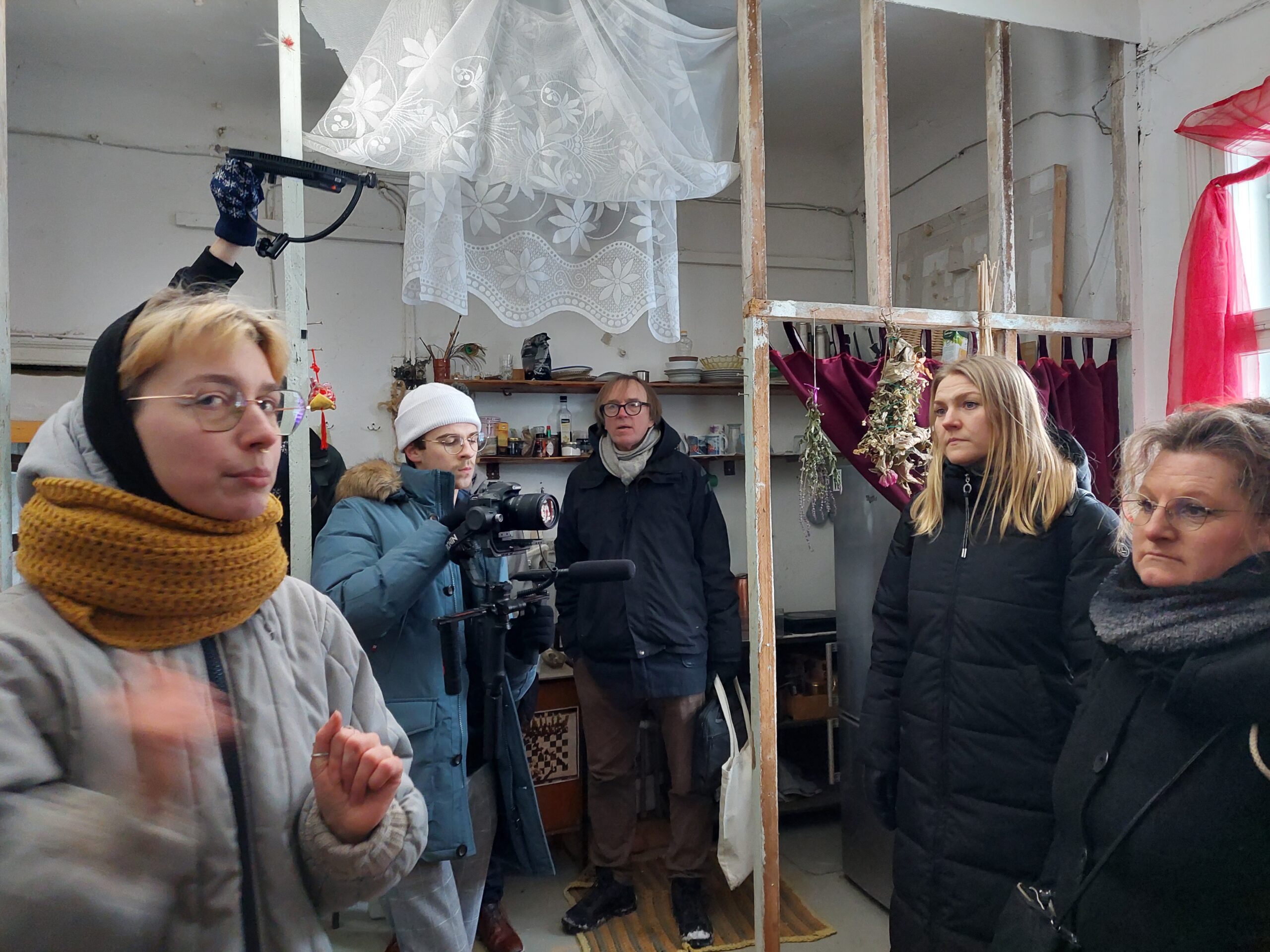
Tisora Studio: Graphic design as a balance between arts and making it functional
Tisora studio is a graphic design studio born in Barcelona and based in Tallinn. They develop contemporary visual strategies for worldwide enterprises, ventures, and people committed towards culture, innovation, and a fairer and more sustainable world. We sat down with our incubant and the company’s creator Jordi Serrano and asked him, how he decided to start his graphic design studio and why he decided to set up the business in Estonia.
What is your background?
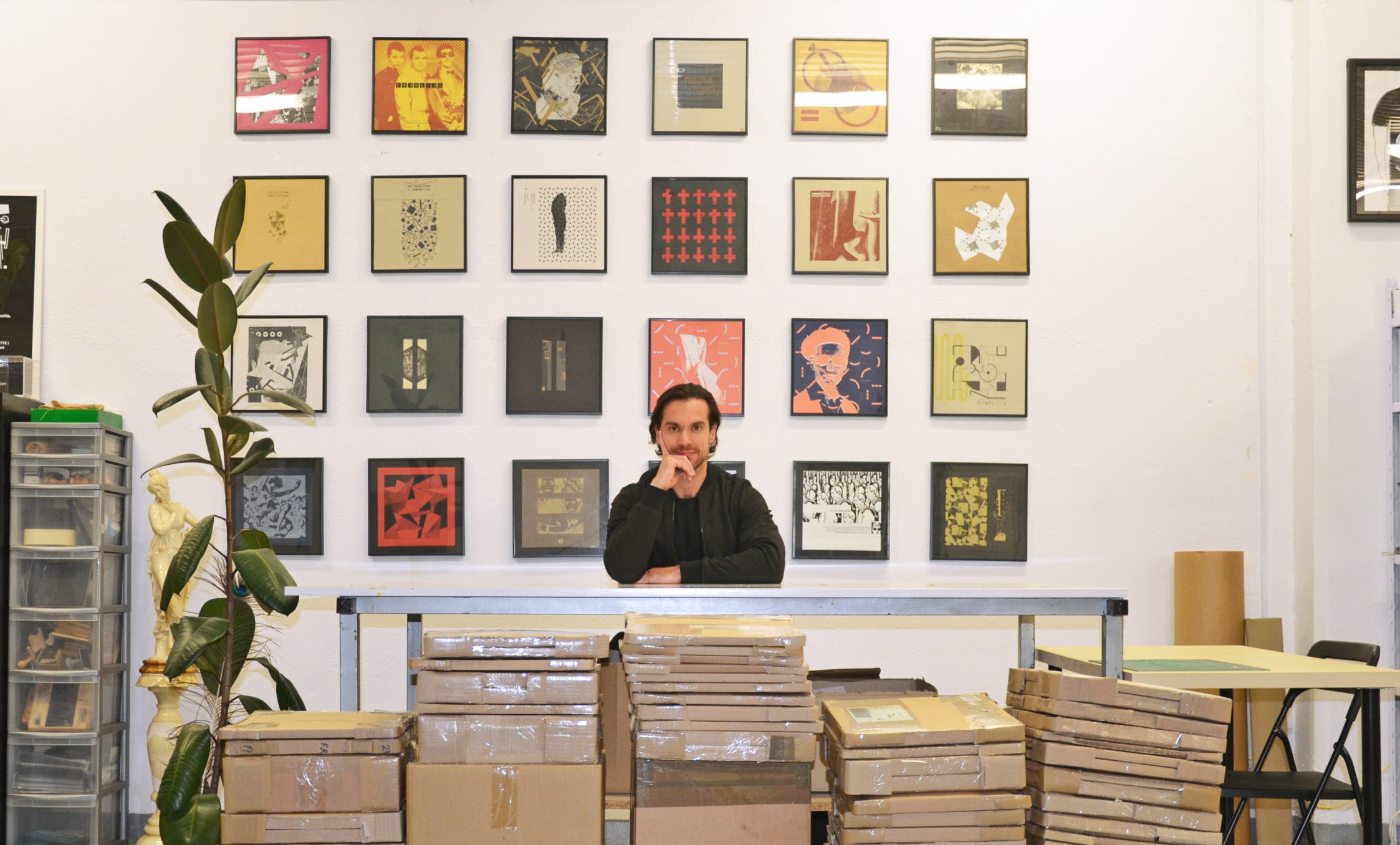
I first started studying sociology at the university in Barcelona. But then I realized that I needed to find some balance between the things, I’m very good at – which has always been related to arts and also how to make some money from it. So I decided to quit the sociology and started studying graphic design.
Just before finishing the degree, I launched a record label Domestica Records (Barcelona, 2010-2020), which was just a hobby at the beginning. But things went very well. I realized that if I increase the releases, maybe I could make a living from that record label. The record label had very good reviews and nice feedback from customers and I decided to stay focused on that project. Two years later, I was able to make a living from that record label. I was very young then – maybe 27. For me, it was like a dream come true – to be working on things that you’re passionate about.
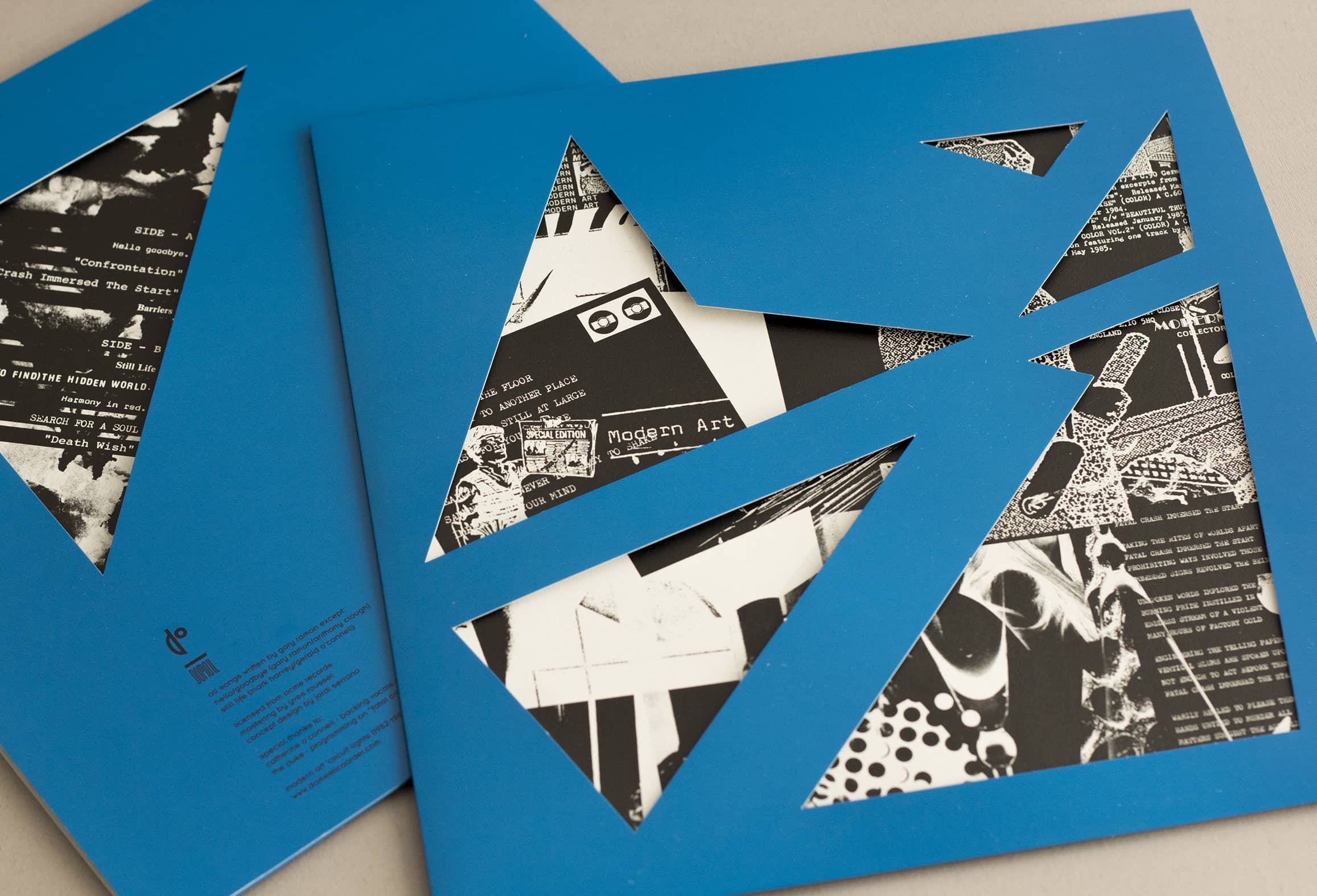
Photo: Tisora Studio work
I was releasing music on vinyl. It was like a kind of archaeological work because I was focused on recovering art from the 80s – electronic music, which was originally released on a demo tape, or self-released by the bands. I learned a lot of things from that project.
It was also an excuse to design the record covers for the bands, as it allowed me to develop my own identity as a designer – experimenting a lot with different kinds of printing methods, and papers. And because I was completely free, I was my own client. But I learned a lot of things because I handled this record label all by myself. Had to develop a lot of new skills, like promotion, contracts with the bands, graphic design – all of the things, which are related to releasing physical music in contemporary times. I spent 10 years doing this and focused on the record label. I learned the basics about how a company can be a success. I learned that first of all, it’s important to be passionate about the project, be obsessed about it. But most important is to offer something new or different and believe in it.
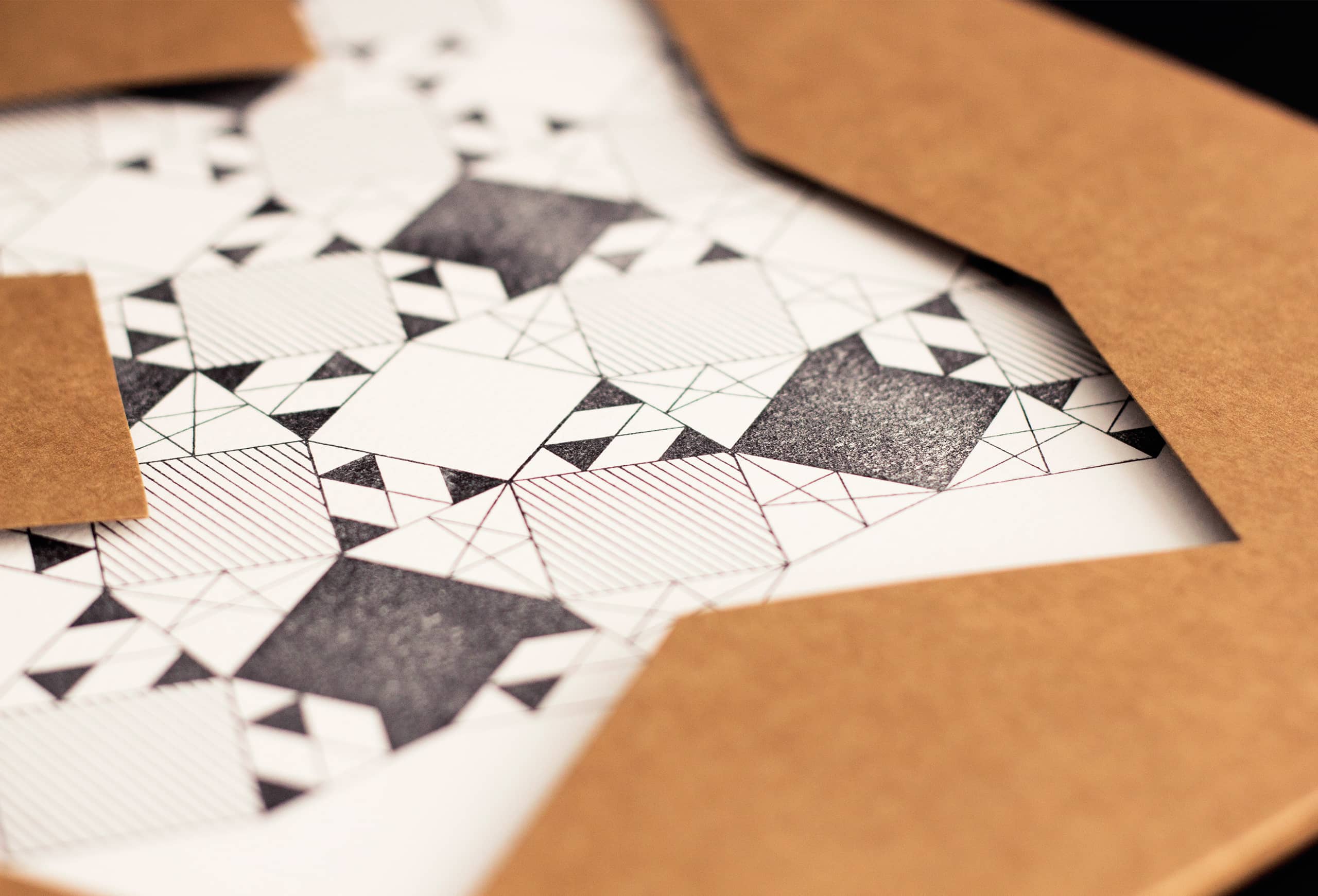
Photo: Tisora Studio work
And at some point, I realized that I had become more like a bureaucrat releasing this kind of music. The pleasure that I had on this project was over because everything I had to say with the label, was already done.
That’s why the label grew up and had some interest in the media and also customers because I was doing something unique. Not only in terms of releasing music, but it was also in terms of esthetics. Every copy was a unique piece handprinted you know, and a very limited edition.
When did you decide to focus more on graphic design?
My background has always been related to graphic design. For a long time, I had in mind that at some point of my life to really stop the label or just continue the record label as a hobby. I started Tisora Studio because I wanted to be only focused on the graphic design field.
So 10 years later, I decided to do that, because it was taking up my time and energy. I stopped all the activities to be only focused on Tisora Studio. The experience I had with the record label gave me valuable knowledge – not only in graphic design but also in managing, promoting. And also when I stopped with a record label, it allowed me to move from Barcelona because as I was working with physical stuff, I was attached to my warehouse or store. Even if I had a lot of chances to travel, especially in Europe, because people invited me also to play some music. In Vilnius, for example, was the first time I stepped into the Baltic region. But after finishing up with the record label, I was completely free to move.
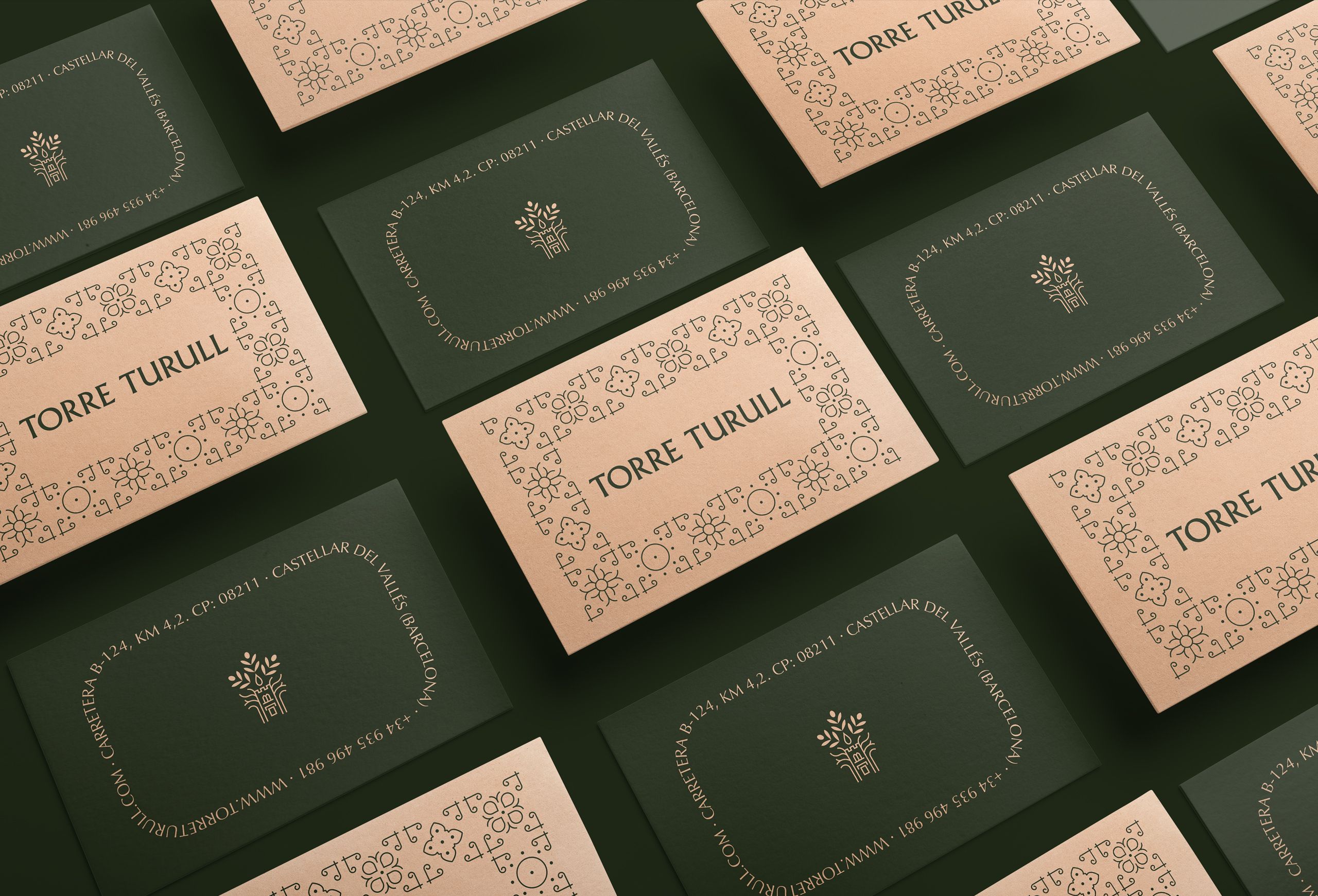
Photo: Tisora Studio work
How did you decide to set up your business in Estonia?
When I stopped the record label, I decided to move away from Barcelona. I was free to decide where I want to go. And my intuition brought me to Estonia. I didn’t know anyone, and I had never been here before. I wanted to go to a country where I didn’t know anyone – to feel that I’m starting from scratch. I must stay completely focused on my life now.
So Estonia was super interesting. The environment in Estonia is very good in terms of developing projects and own enterprises. If you have a good attitude, you will find your way here, but it’s not easy. Of course, there are a lot of things which may be as difficult as any other place.
Also before coming here, I knew about Tallinna Loomeinkubaator and I had in mind to apply here. It was nice to discover that there are places, who want to help new enterprises. Especially projects, that are related to art or design. For example in Spain, it is especially difficult, because these kinds of projects have no support from the government. All the structure related to enterprises are focused on the big ones, not the small ones. And bureaucracy here is super fast and easy. I could register the studio in 20 minutes through the internet. I think Estonia is probably one of the best countries in Europe in that sense.
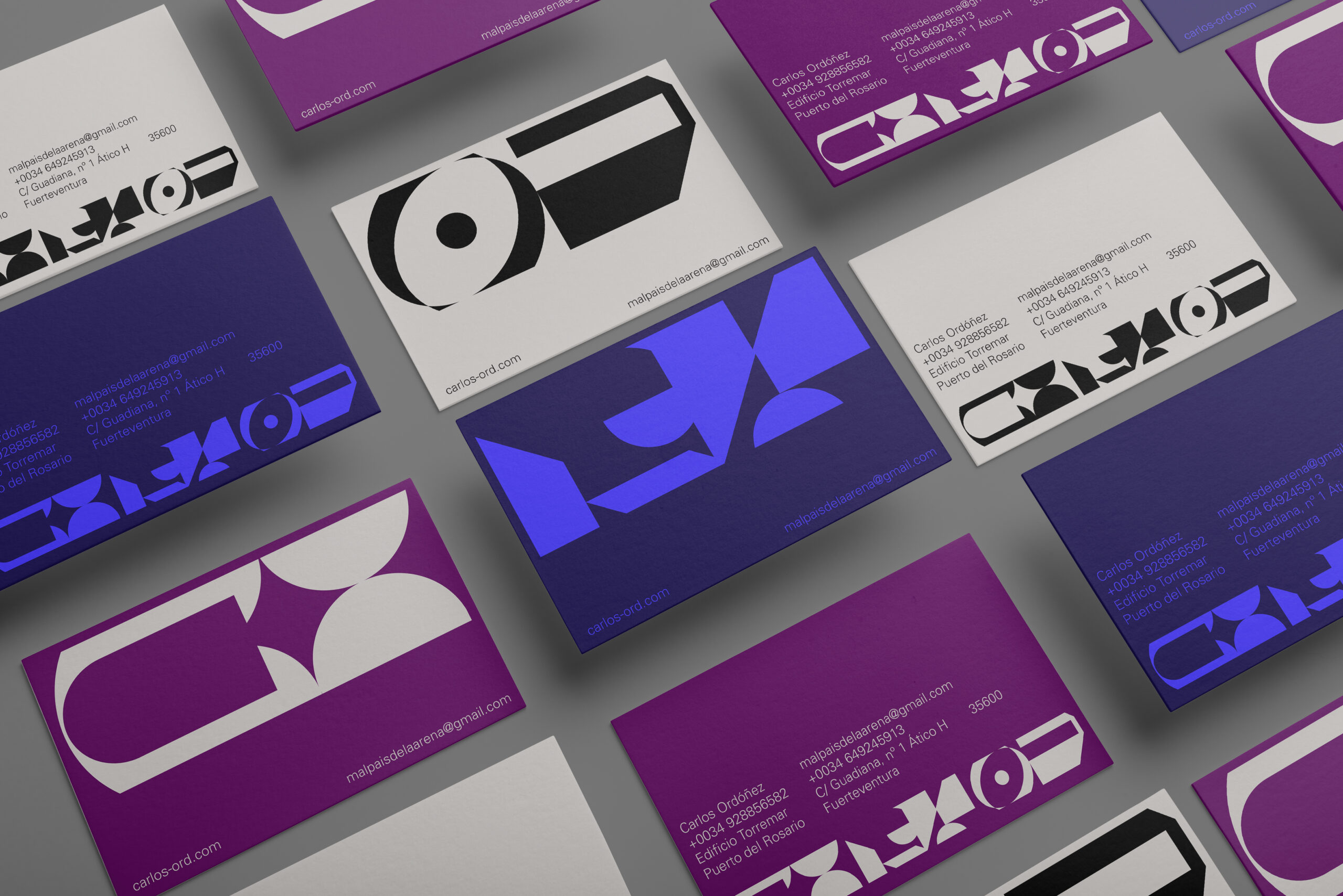
Photo: Tisora Studio work
What is your goal with Tisora Studio?
It’s a graphic design agency specializing in branding, identity, editorial design. I have a very specialized profile. My goal is to help other agencies to develop this side of the job, which I am specialized at. Tisora Studio is devoted to producing exclusive design aesthetics through a genuine and contemporary approach with an emphasis on traditional and hand-cract printing techniques, bringing about not only exclusivity but also sustainability through the printing system.
I’m also trying to create a network of other studios, freelancers who are specialized in their field and that way also offer services to the agencies.
Who is your client?
Tisora is a company that cares for their clients and the environmental impact of their actions, producing distinctive and exclusive products; more fit into the small and middle-size business with a customer oriented work. Some examples are ateliers and artisan shops (jewelry, clothing, ceramic, painting) event-planning companies, high-quality food products (or suppliers), architecture firms, creative agencies, theatre or performance companies, music industry, restaurants, fashion shops.
Where does the name Tisora come from?
Tisora means ‘scissors’ in Catalan, a word that conveys images of manual activity on physical media. It’s like a connection with the physical product – when you are working with scissors, means that you are working with your hands. And when working on a project, I try as much as I can, to work with my hands, because it’s something I enjoy.
Where do you get your inspiration?
When I started the record label, the graphics created by Neville Brody were the main source of inspiration. I looked at his iconography and translated it into a personal language. Then there are a lot of very interesting studios, which may inspire me a lot from time to time. Bruno Munari is another artist I like. I think these two are probably one of my two points of like or references.
All in all, I think everything comes together – your mindset, the way you see life, and your job – especially if you’re working in some kind of arts and creative stuff. Because you are trying to express in some way, but I am not an artist. Someone can say – oh, you’re an artist, but no because I have a goal there. I am a graphic designer, I’m trying to achieve a goal here. The result is always according to a final goal that you have to achieve because you’re working for a client and this client has needs, and you have to understand the needs and make it work. It’s this balance between arts and making it functional.
What do you think has been the biggest challenge or lesson that you’ve had to learn or overcome during your time being an entrepreneur?
I think maybe the most how important is to follow a routine. And be completely focused on your short-term goals and long-term goals. And you have to believe in what you are doing. If you do not believe, then just step aside and try to do another things you know. And do not be scared to follow your instincts. I always make mistakes when I have a mind full of things. And there was always something good brought to me when I followed my instincts. It’s not easy to follow them – because there’s a lot of input out there trying to tell you just the opposite. You have to get rid of this. And stay focused on yourself.
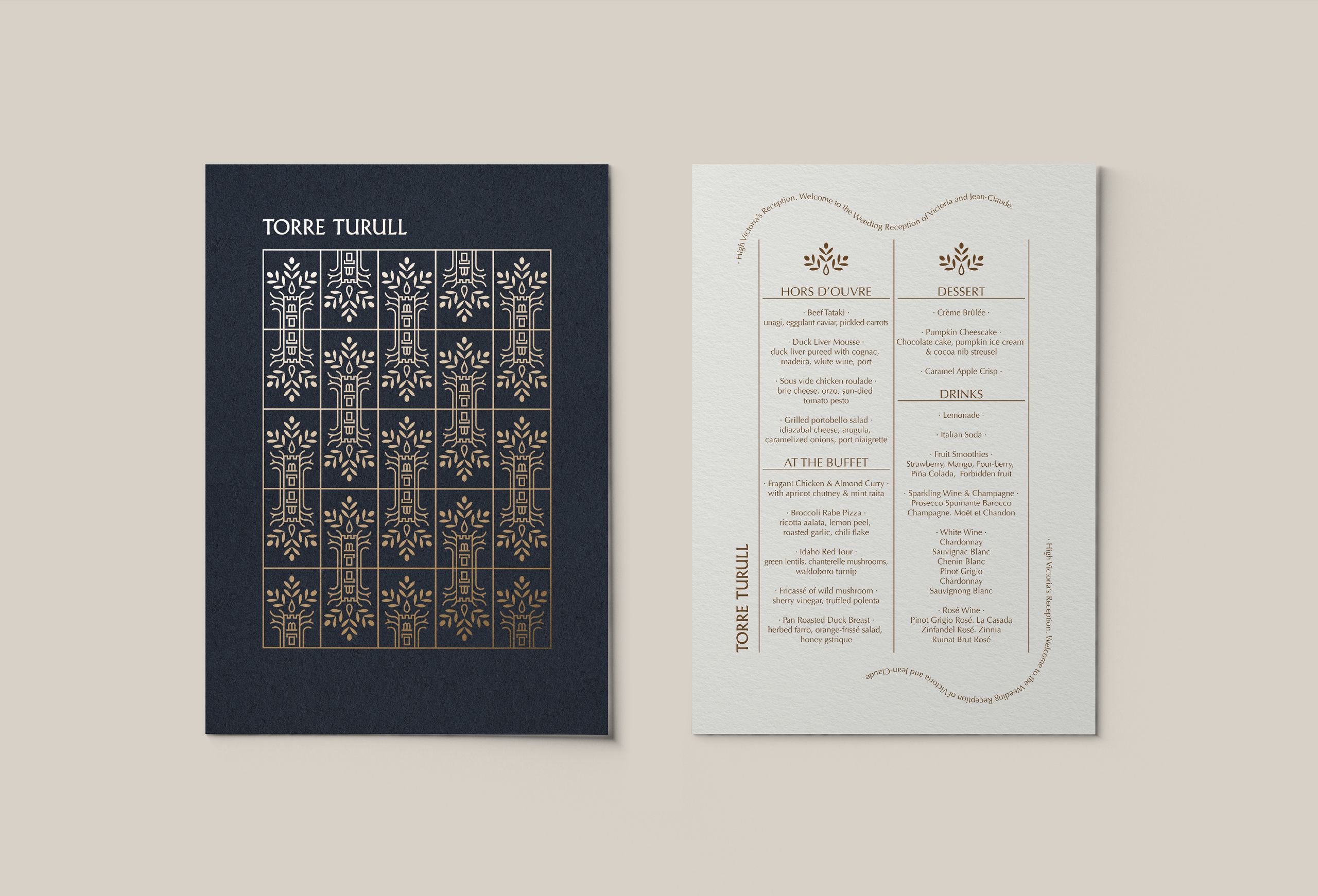
Photo: Tisora Studio work
Discover Tisora Studio at their homepage HERE.
Follow Tisora Studio on Instagram: @tisorastudio
Liebre Style: Export Success Story
In May, Tallinn Creative Incubator organized international Export Speed Mentoring, that brought together designers and mentors form Estonia, Sweden, Poland and Germany. In addition to 84 mentoring sessions, successful brands shared their success stories with exporting. One of them was Liebre Style brand from Poland.
Elena Gasulla from Liebre Style (Poland) introduced their journey with export. Elena Gasulla launched Liebre Style in 2017 and the brand offers leather bags and shoes, that are inspired by elegant textiles around the world.
How did Liebre Style start?
Libre Style founder Elena Gasulla says that they are textile hunters and travel to different countries to gather textiles in their traditional markets. They take a lot of time to discover these materials, which are later used in their collections. They are designers, but everything they make is handcrafted by artisans in Portugal. They have found different families, who have been working in leather crafting for many years.
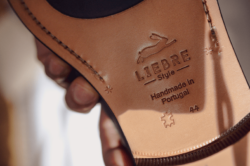
This is important differentiation for the Liebre Style brand. When they created Liebre Style, they wanted to do something that would be very meaningful – they wanted to create a brand, that would be always cherished by someone, who wears that.
The products need to have a soul, it needs to have a meaning for the person who buys them.
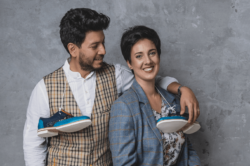
Each design in Liebre Style features a unique textile handpicked by Elena and Israel in traditional markets and artisan around the world. The classic but creative brand aesthetic, the attention to details, and the craftsmanship used to create high quality leather shoes and accessories, is the foundation behind Liebre Style.
Timeline of the success
Liebre Style launched in 2017. They first launched the website, but in the beginning, there were no sales.
In 2018, Liebre Style expanded through retail stores. First, they researched different stores in different countries, that would be suitable for their brand. Then they travelled to the stores, trying to see if anybody is interested – trying to convince stores, to sell their shoes. 99% of them said no – because the brand is too new, they don’t know them, or are too expensive. This can be discouraging, especially for a new brand. But if one person agrees to sell your products in their store, this is still valuable – the ratio is bad, but it still matters. The stores, that Liebre Style tried to sell their products in, were in Hamburg, Berlin, Warsaw, etc.
The only way the stores would accept the products, was by consignment. This means that the stores would borrow the stock and pay only when they manage to sell it. If they don’t sell them, the stock would be sent back.
In 2018 it was getting challenging for Liebre Style to do that because their online business was starting to move forward. They were faced with a situation, where a client would order the product from the United States, but the shoes were in a store in Berlin. Since their products were one of a kind, they would need to get the shoe first back from the store and then send to the client. So they decided to stop consignments and continue with their online store, unless someone was willing to buy their stock for a wholesale store.
In 2019, Liebre Style changed its approach to selling. They started to travel to different pop-up events – e.g., Stuttgart, Vienna, Copenhagen, Vienna, Luxembourg, Warsaw. They traveled yearly to about 50 events. This meant that for a whole year, they would leave on Fridays, exhibit on Saturdays and Sundays and come back on Mondays.
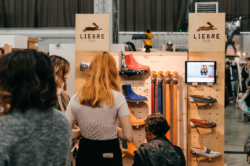
This gave Liebre Style huge exposure, especially through direct customers. They visited design events, where visitors had to pay the entrance fee, which meant that they were already prepared to spend money at the event. Many customers bought their shoes at the pop-up events and later transformed to Liebre Style social channel followers.
For brands, who are just starting with pop-ups, Elena Gasulla would advise to start with design events, rather than make your own. Because, then the event organizers are in charge of making people come to the event.
Pop-up events were gamechanger for Liebre Style. They started to attract more customers who followed their website and social channels. And without looking, they found wholesale accounts, who were willing to buy their stock. One was in Kuala Lumpur, who found the brand through Instagram and the other was in Hamburg, who they met at the pop-up event.
In 2019, they started visiting exhibitions, to give wholesalers another chance. Exhibitions, even at the time before Covid-19, were starting to go down. The problem is that multibrand stores are already stacked with so many brands, that they are not that interested to include another brand in their stores. So at many exhibitions, that Liebre Style visited, the visitors were visiting brands, that they are already selling to place orders for new collections. If you were new player, you were ignored. This channel brought Liebre Style zero results.
Due to Covid-19 situation, all the pop-up events were cancelled. Although all the customers, that they had met through different channels, were successfully transformed to Liebre Style online channels.
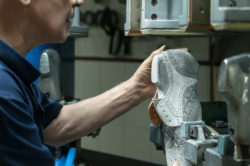
So Liebre Style decided to open a store in their hometown, Szczecin (Poland). Even though people did advise not to open the store there, since it is a small town, half of their sales are currently coming through this channel. As Elena Gasulla noted in her presentation: “If you do what everyone else is doing, you might miss opportunities, that could be valuable. It is hard for small companies with small budgets, but sometimes it is worth to risk and try, what everybody says you shouldn’t try.”
Right now Liebre Style is selling mostly in Germany, Austria, Poland and in the United States.
Check out Liebre Style webpage HERE.
Read more about the Eport Speed Mentoring event HERE.