This three-day course explores the intersection of biomaterials, digital fabrication, and sustainable entrepreneurship in the built environment.
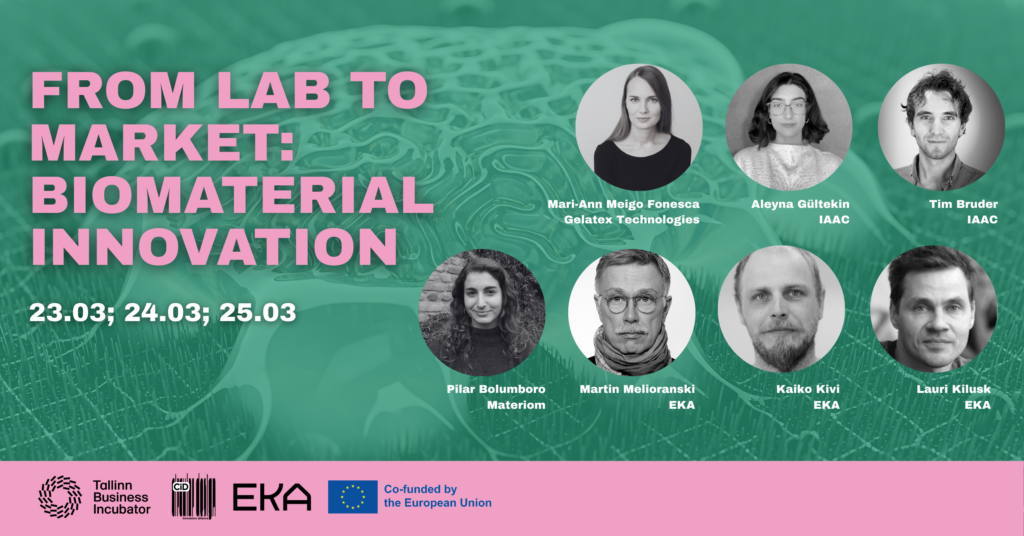
Bio-based materials are changing how products are developed. As these materials behave differently from traditional ones, the companies that work with these materials also need to adapt their business activities.
The event series offers a hands-on and forward-looking perspective on how innovative materials and digital tools are shaping the future of design, construction, and business. The course is designed for entrepreneurs and students who wish to deepen their understanding of biomaterial applications and explore new business opportunities in this emerging field.
23.03 at 15.00-18.00 EET: Innovations in Biomaterials
Trainer: Pilar Bolumburu, researcher and designer specialising in bio-based materials at Materiom (UK).
During the session participants will explore:
- How AI can support material research and accelerate innovation
- The global production landscape of bio-based materials
- Key innovators shaping the field today
- Circular approaches to material development
- The journey from raw feedstock to functional biopolymers
- The role of green chemistry in sustainable product design
- End-of-life strategies that go beyond simple biodegradability
- The composition and performance characteristics of bio-based materials
- Real material samples and their practical applications
24.03 at 15.00-19.00 EET: Exploring Biomaterials and Digital Fabrication
Trainers: Aleyna Gültekin, Tim Bruder, Martin Melioranski, Kaiko Kivi, Lauri Kilusk
Participants will gain insight into:
- IAAC’s and its methodology in biobased innovation and advanced manufacturing
- The integration of digital and novel fabrication technologies
- State-of-the-art IAAC projects showcasing diverse materials and techniques
- How sustainable business models are built around material and fabrication innovation
- Selected IAAC startup case studies
The training also showcases a presentation about collaborative artistic and architectural research exploring robotic clay 3D printing in ceramics. Bringing together Martin Melioranski, Kaiko Kivi and Lauri Kilusk, the project combines conceptual design, bespoke digital tools and material experimentation through a Do-It-With-Others (DIWO) approach. The presentations will be followed by a live demonstration of the laboratory and the technology in action.
- Martin Melioranski’s presentation will focus on conceptual development of spatial assignments.
- Kaiko Kivi will continue with technical development of bespoke tools and digital workflows.
- Lauri Kilusk concludes it with material investigation and development in art practice.
25.03 at 15.00-18.45 EET: Entrepreneurship and Business Models
Trainer: Mari-Ann Meigo Fonseca
This practical session will give participants an understanding of how business models for new materials are built, including industry logic, risks, pricing, and moving from idea to customer-validated, investment-ready solutions.
You will have a overview of:
- Lessons from textile and medical materials, changes in business models, and combining revenue models
- Business models in the context of new materials
- Customer validation: testing business model hypotheses
- Funding and capital strategy
- Pros and cons of different revenue models, importance of customer interaction
The event is FREE, but registration is requiered! All the sessions will take place at Estonian Academy of Arts, EKA (Põhja pst 7).
- Registration gives access to all trainings!
Trainers:

Pilar Bolumburu is a materials researcher and designer specialising in bio-based materials and fabrication technologies, with a strong focus on sustainability and education. At Materiom, she leads community-driven projects and collaborates with local partners to advance research and support bio-based and regenerative material developments. In addition to her professional work, she is pursuing a PhD in Design at Loughborough University.
Materiom leverages data and AI to support scientists, producers, and brands to develop next-generation bio-based materials, faster.

Aleyna Gültekin is an architect, researcher, and designer from Turkey with a Master’s degree in Advanced Architecture from IAAC, Barcelona. After graduating, she founded NERA ECO CONSTRUCTION, a startup revolutionising the construction industry through bio-based materials, energy efficiency, and carbon sequestration.
Currently, she works as a Junior Project Manager and Researcher at the Advanced Architecture Lab of IAAC.

Tim Bruder is a designer, architect and researcher operating with complex geometries, bio materials and living matter. His work focuses on bridging research outcomes with industrial production or speculative scenarios and seeks for the integration of complex design systems both on the level of material and geometry into objects and buildings of different scales. His work includes the development of 3D printed urban furniture pieces exhibited in Barcelona, studies of biophotovoltaic batteries powered by algae and plants, a 3D printed bone glue paneling system, and the speculative approach of using plant roots as a material composite on an architectural scale.
* Institute for Advanced Architecture of Catalonia
The Institute for Advanced Architecture of Catalonia (IAAC) is a Center of Education, Research, and Innovation that envisions, designs, and prototypes the future, from Barcelona to the world.
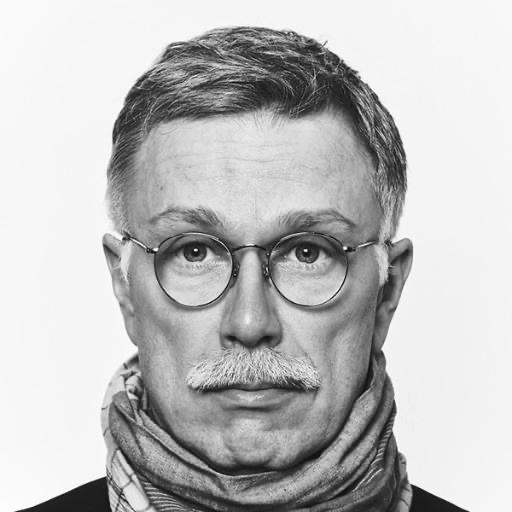
Martin Melioranski is a licensed architect whose design practice ranges from high-end loudspeakers to installations, from residential neighborhoods to high-rise buildings and multifunctional centers. His scope also reaches experimental material culture and contributions to historic buildings and transformation of territories.
Since 1999, he has taught architecture, interior architecture, and design students at Estonian Academy of Arts – EKA and Columbia University GSAPP in New York from 2001 – 2002. Since 2005, he has been the director of 3DL, which he co-founded at EKA, Faculty of Architecture.
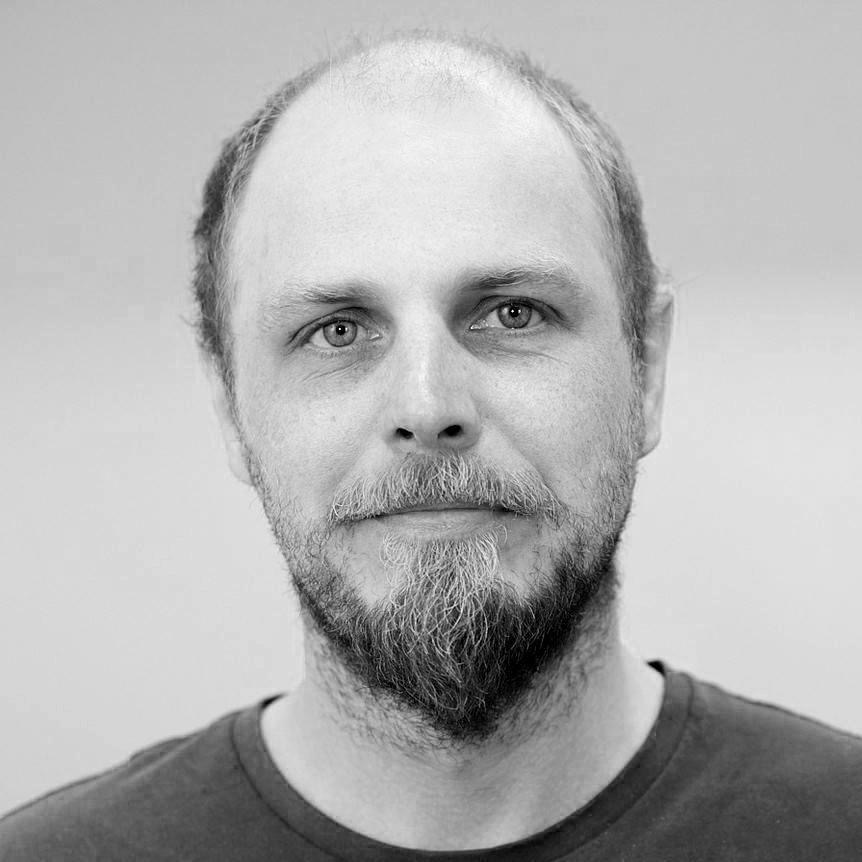
Kaiko Kivi is an architect, who has been researching and developing digital algorithms aided design and production in arts and architecture, integrating digital, industrial and craft methods in a creative symbiosis. He is a PhD early stage researcher in architecture and city planning at the Estonian Academy of Arts. He is also a partner in an architecture studio Mudel architects and has founded and participated in start-up enterprises. He has diverse experience from architectural and computational design, arts and installations and fabrication.
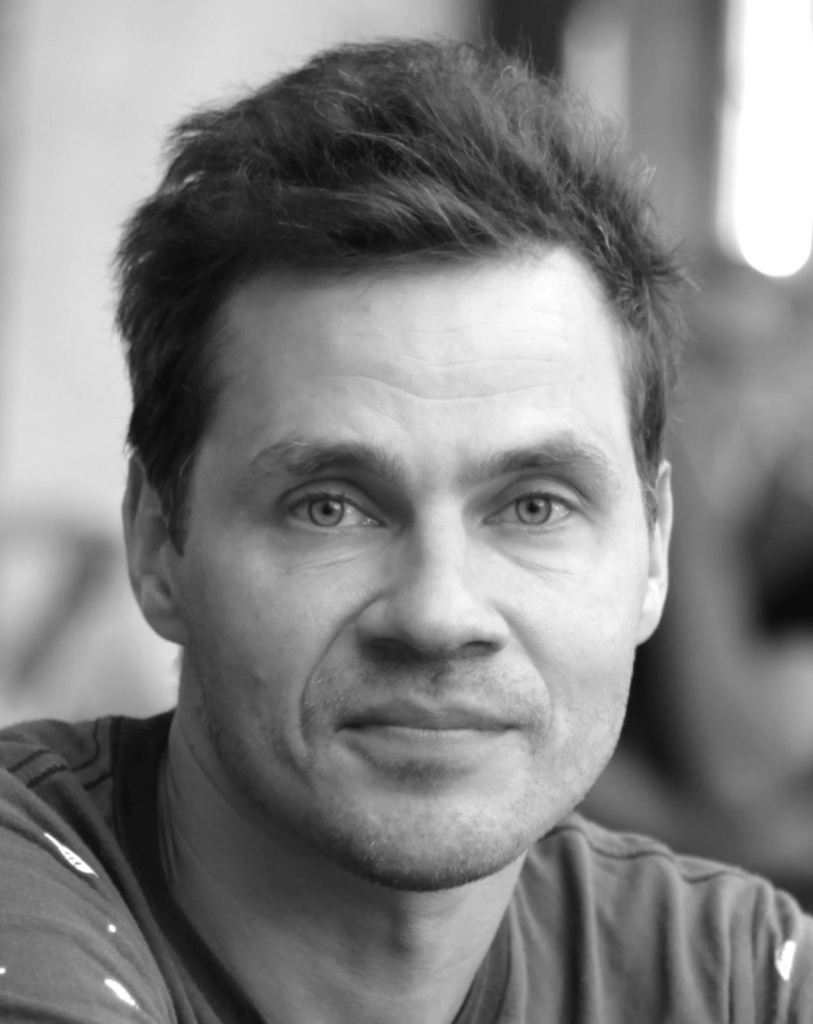
Lauri Kilusk is a ceramics artist and researcher at the Estonian Academy of Arts, specializing in innovative 3D-printing methods with extrudable materials. His work encompasses a wide range of processes, including 3D modeling, programming, mechanics, and material studies, all aimed at expanding the possibilities within the versatile world of clay.
* EKA – Established in 1914, the Estonian Academy of Arts is the only public university in Estonia providing higher education in fine arts, design, architecture, media, visual studies, art history, and conservation.
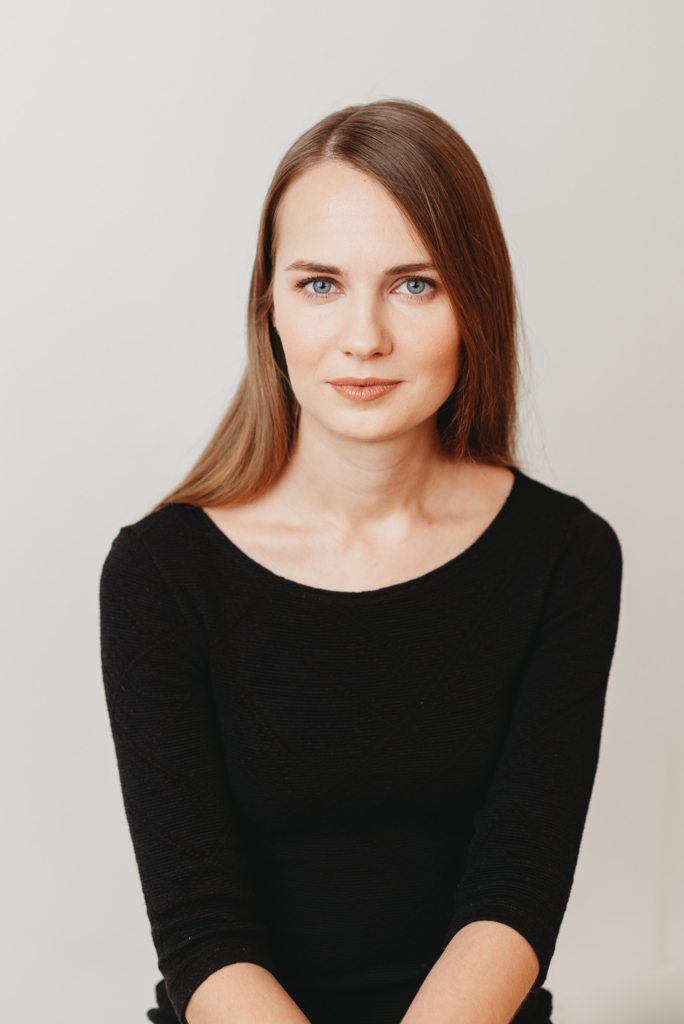
Mari-Ann Meigo Fonseca is the founder of Gelatex Technologies, established in 2016. She also has broad experience in the startup ecosystem, including participation in international accelerator and training programmes such as Climate-KIC and Techstars.
In addition, Mari-Ann has worked as a mentor, business consultant, and project manager. Beyond her work in business and innovation, she is also a children’s book author and publisher, a community builder, and a member of a local municipal council.
The event series is organised by Estonian Academy of Arts and Tallinn Business Incubator as part of the CiD Innovation Alliance project. The project is co-funded by the European Union through the European Education and Culture Executive Agency EACEA under grant agreement no 101111686.