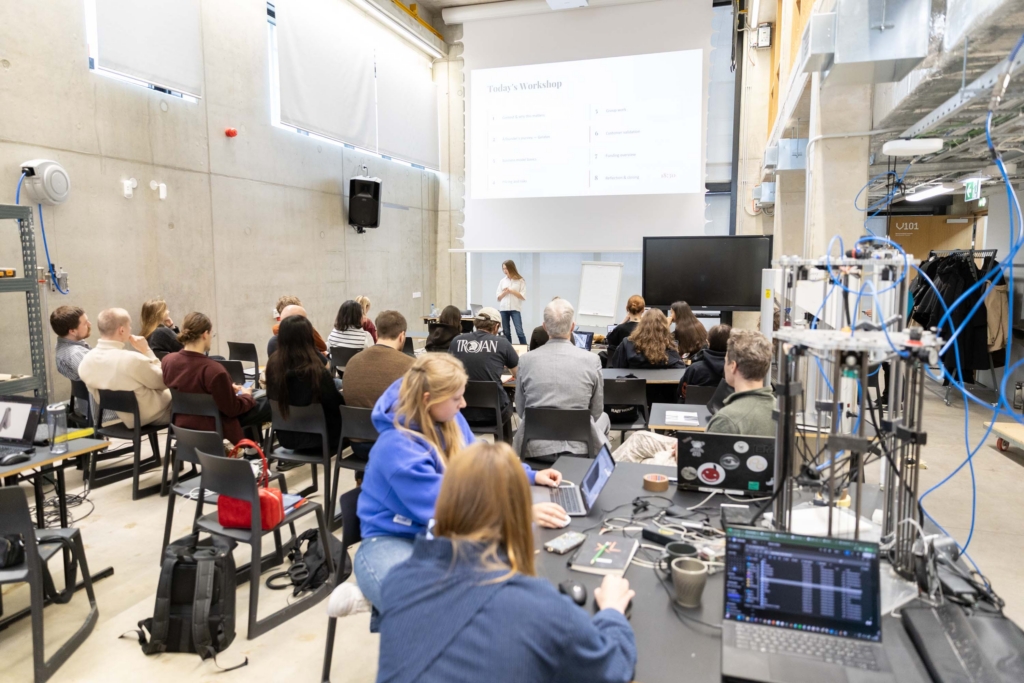
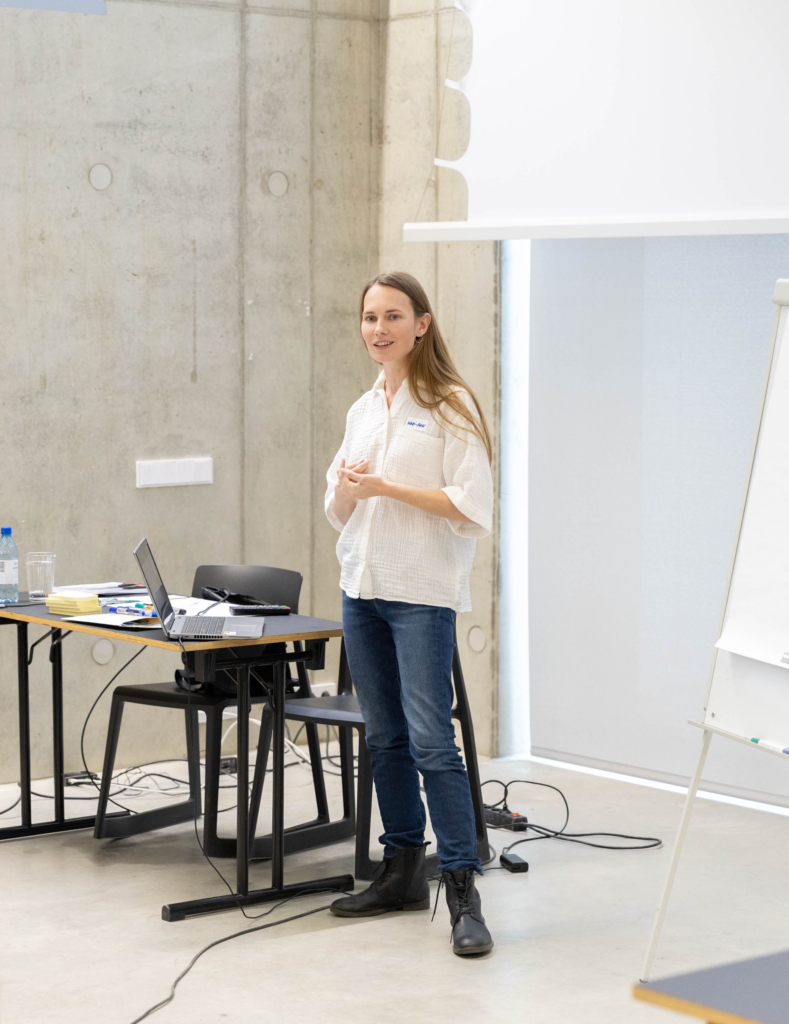
Tallinn Business Incubator Kicks Off Its New Business Season
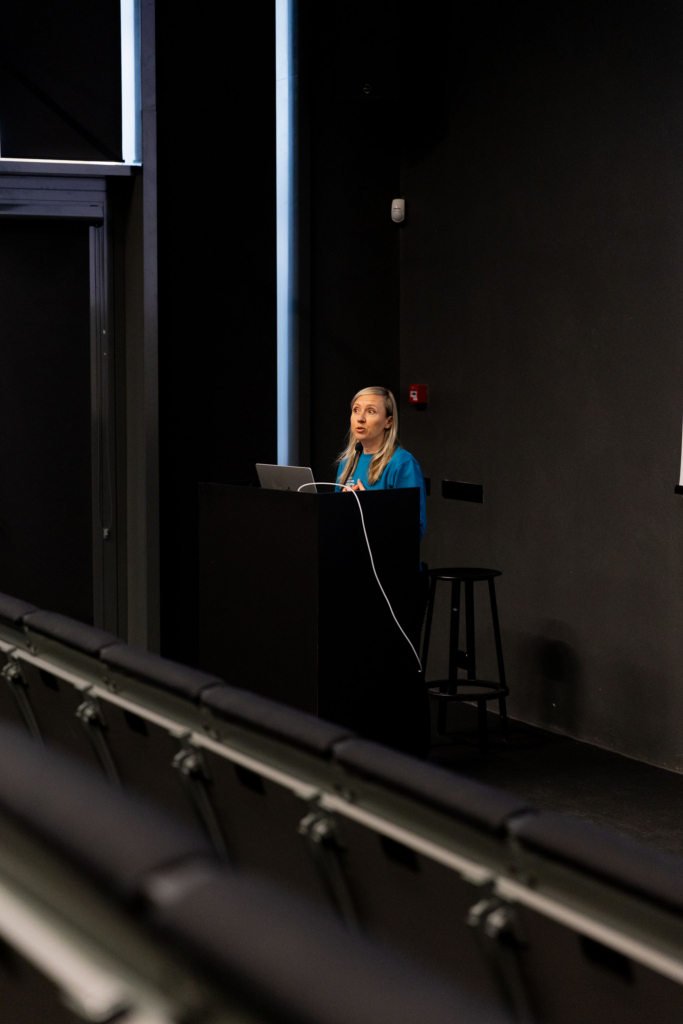
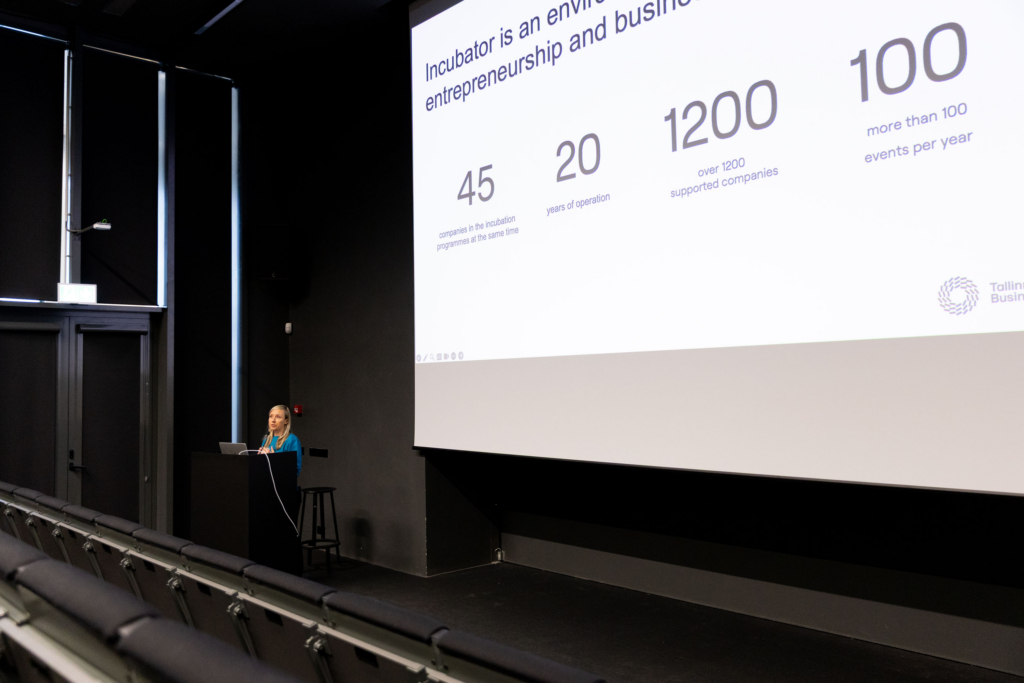
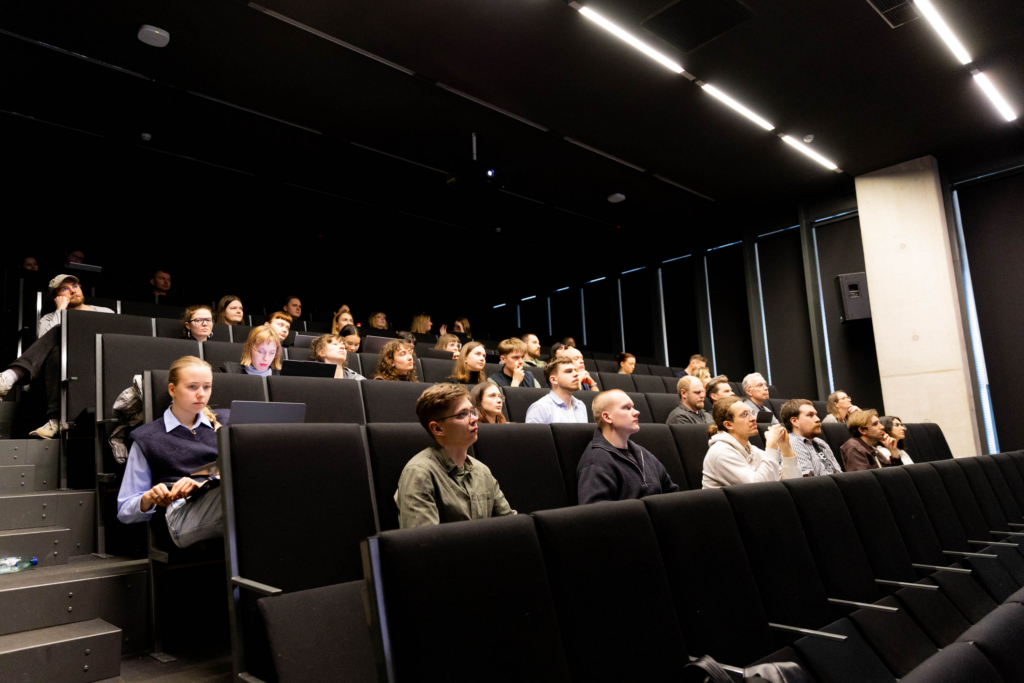
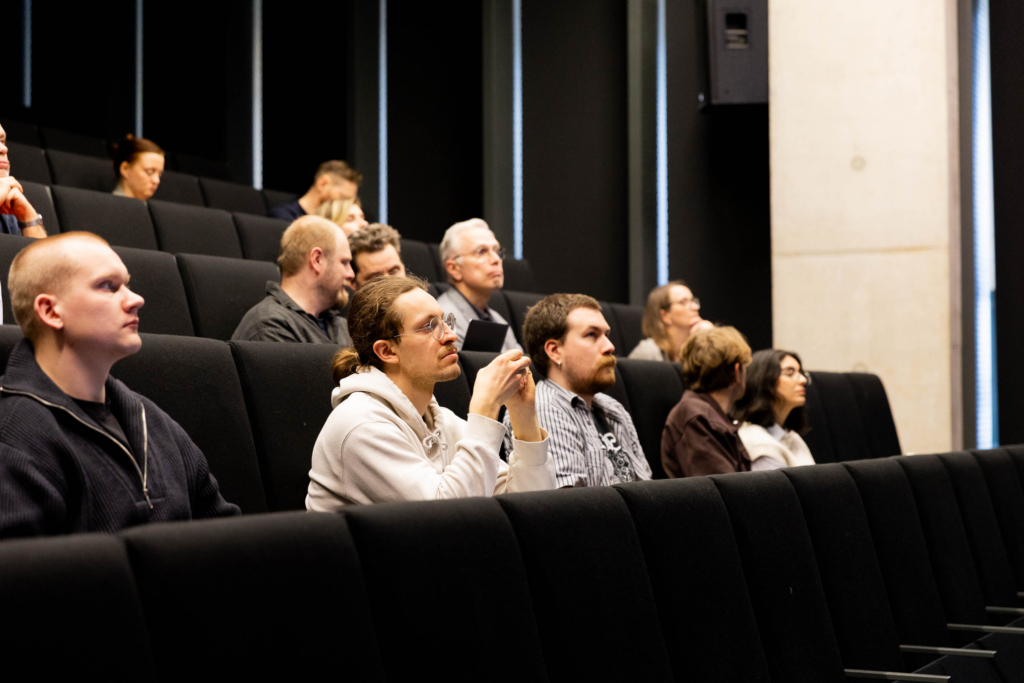
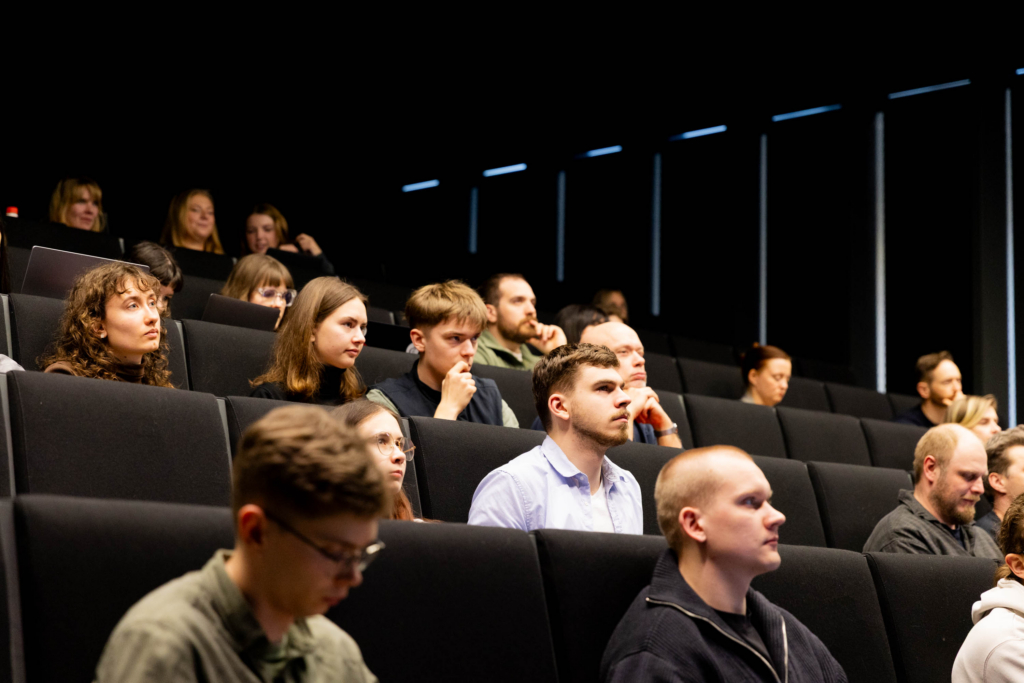
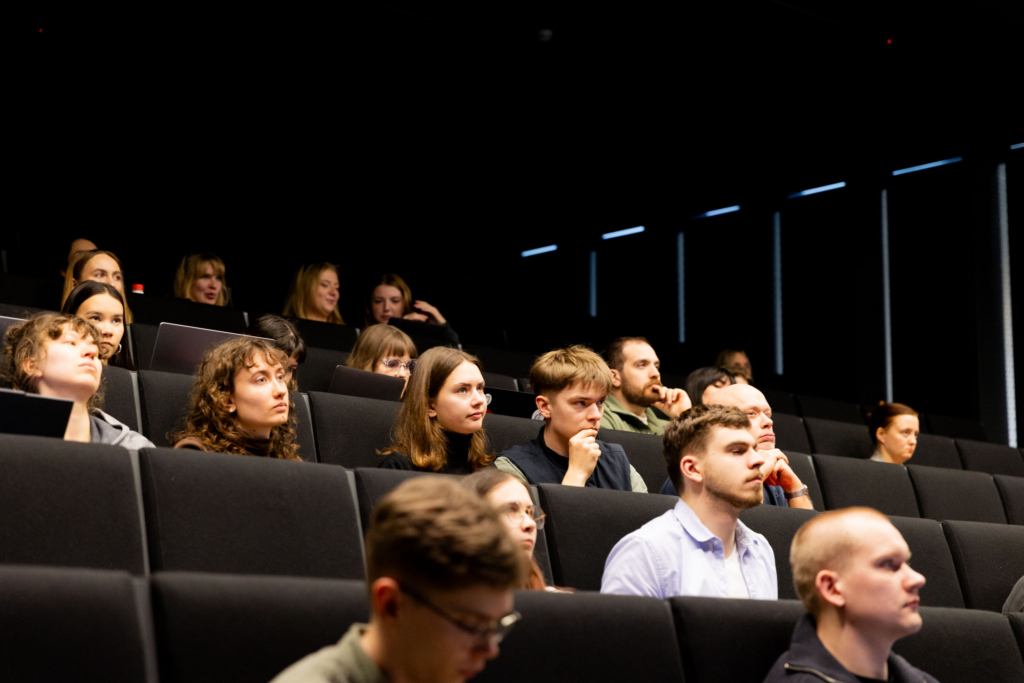
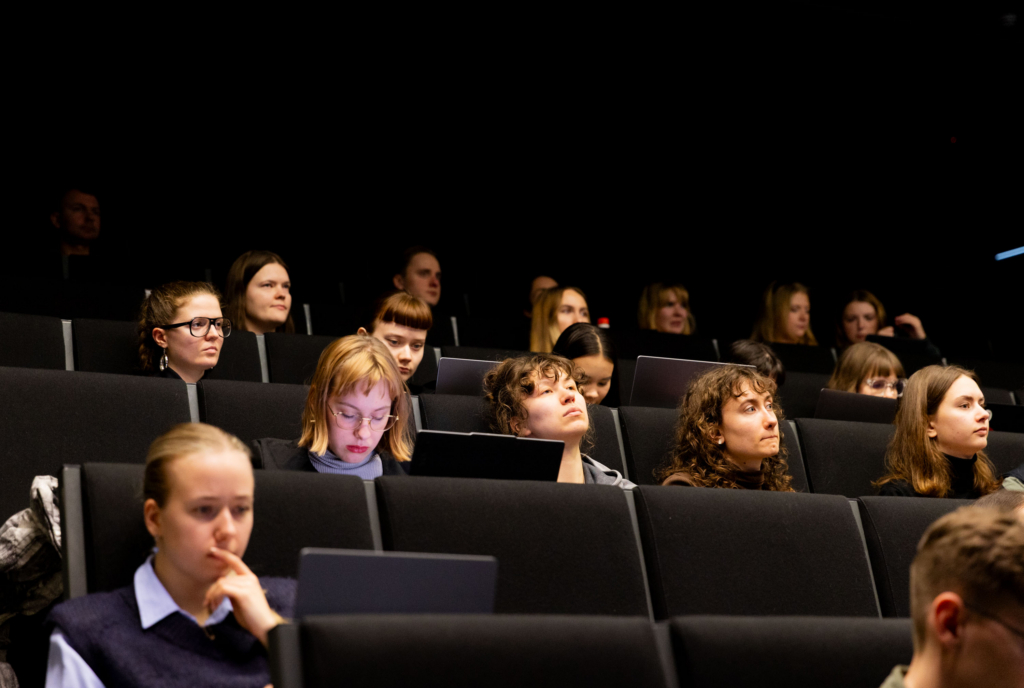
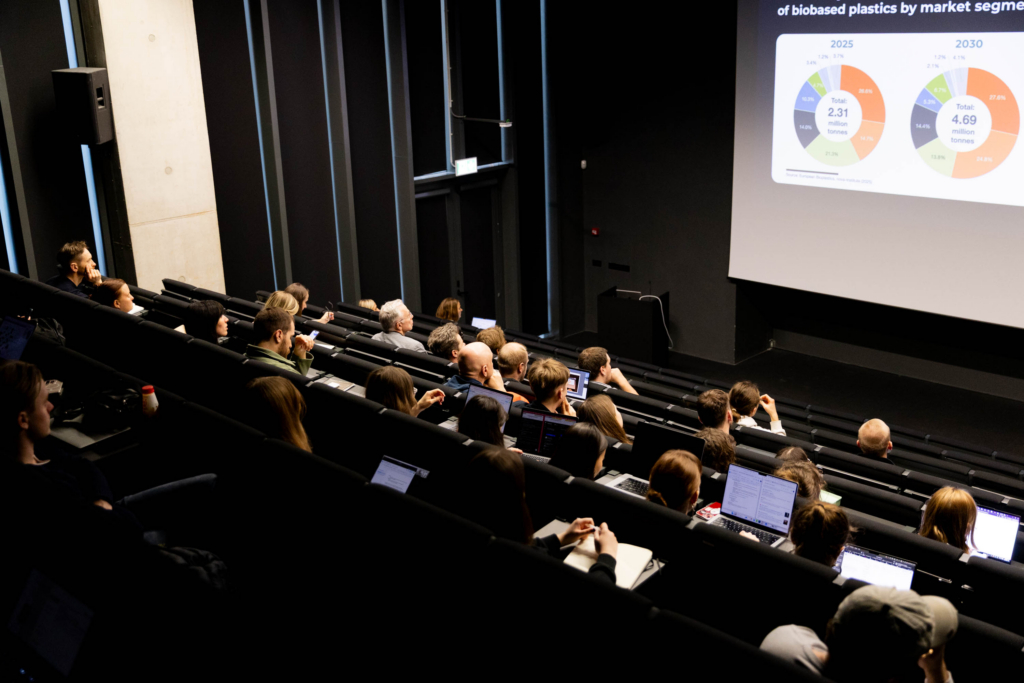
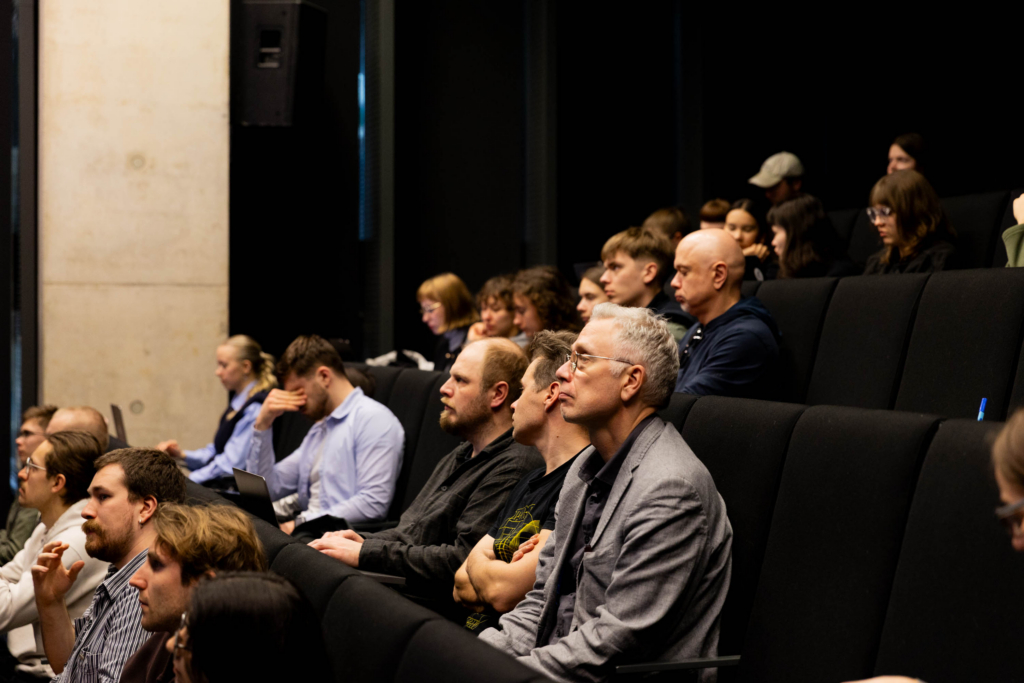
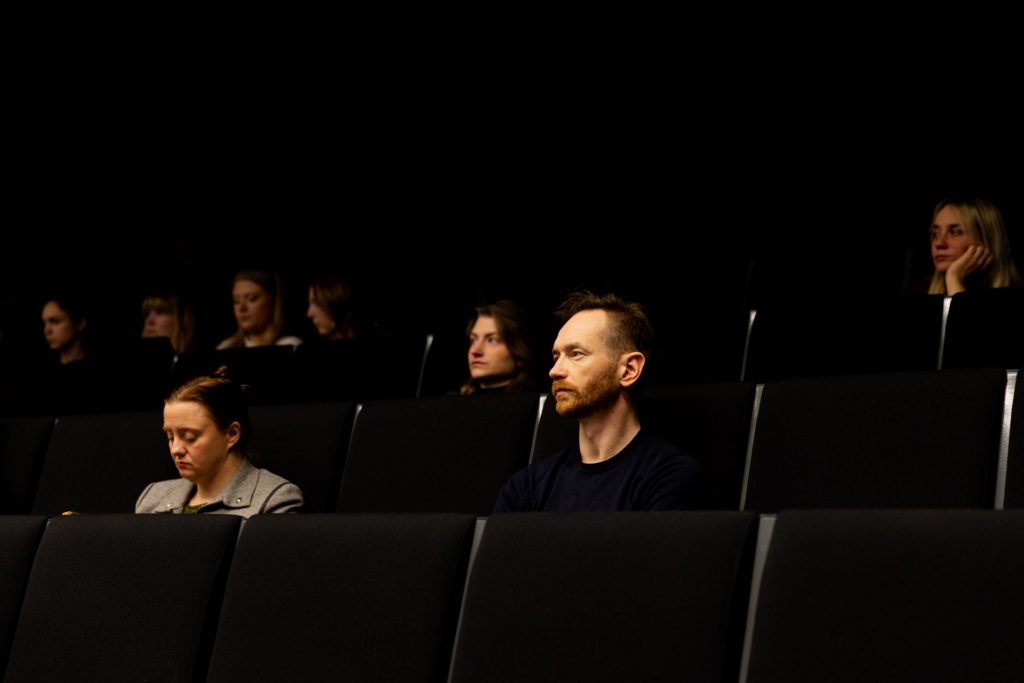
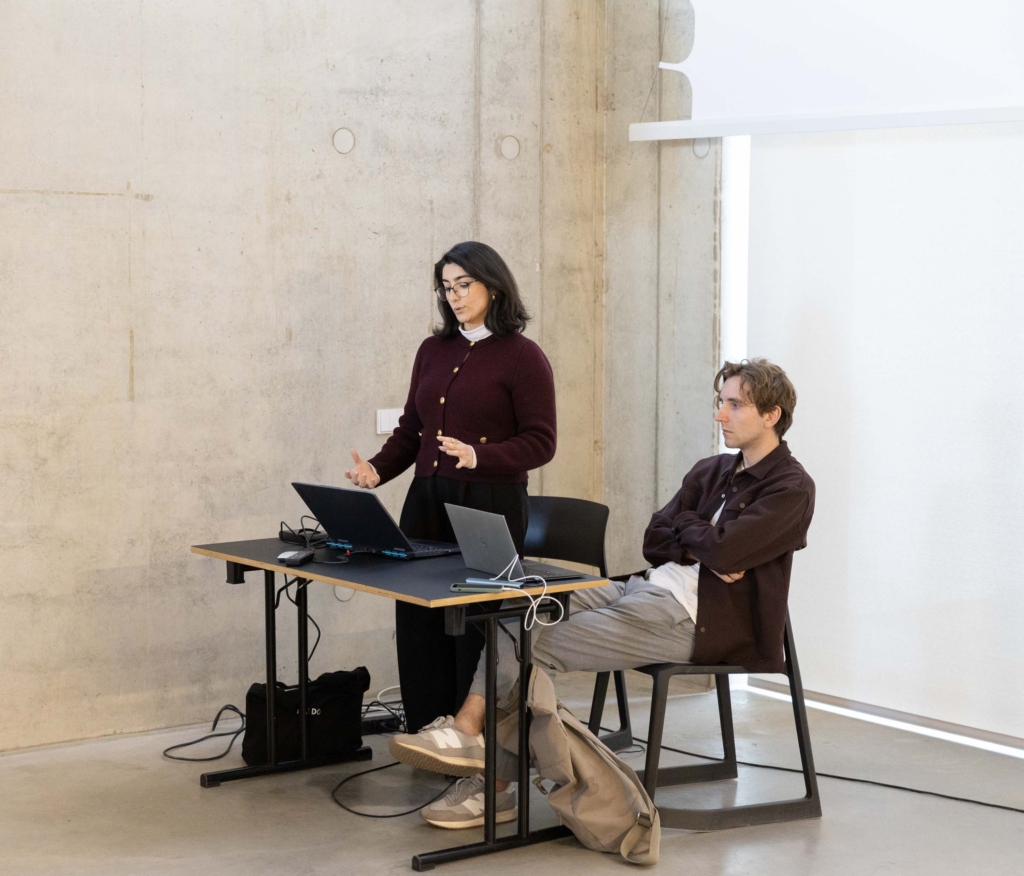
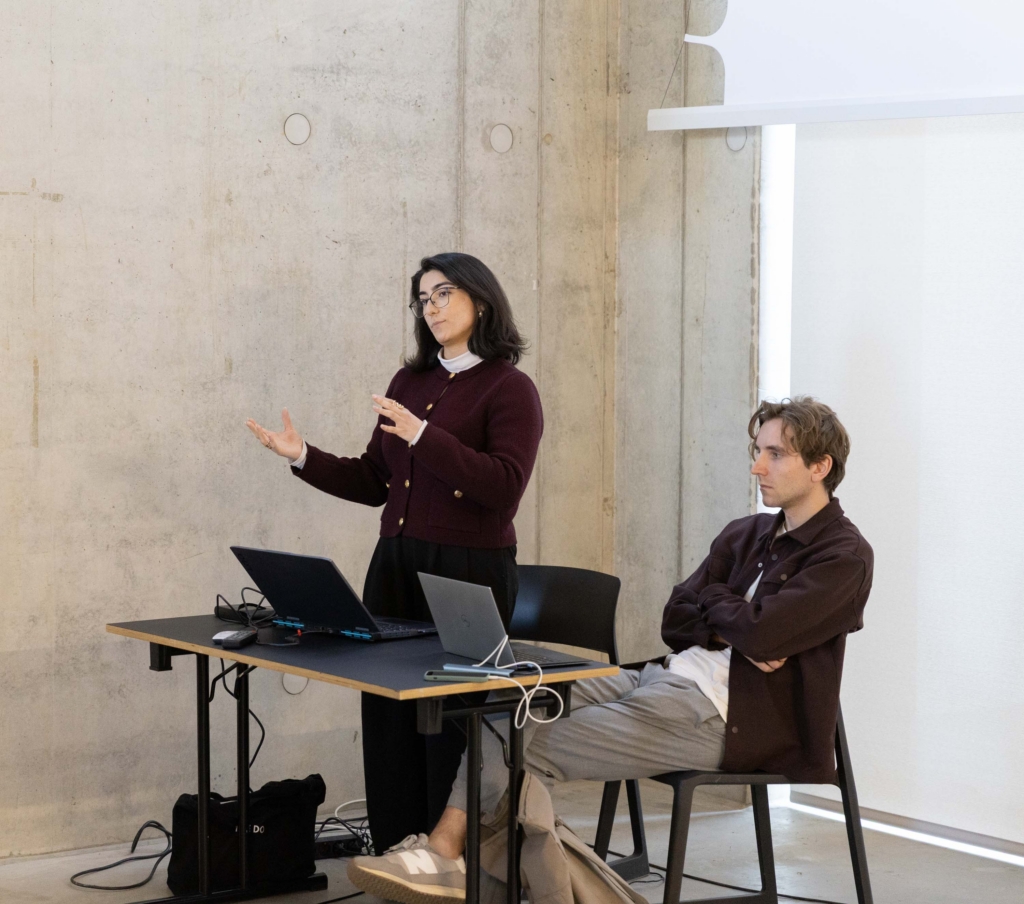
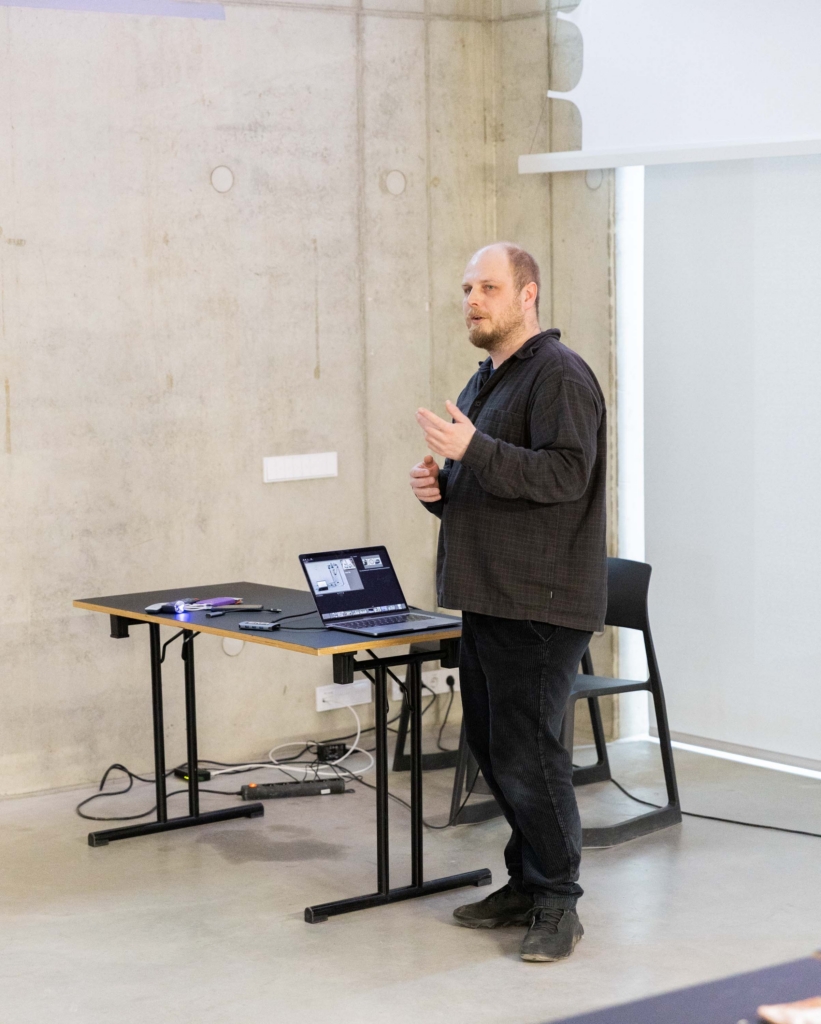
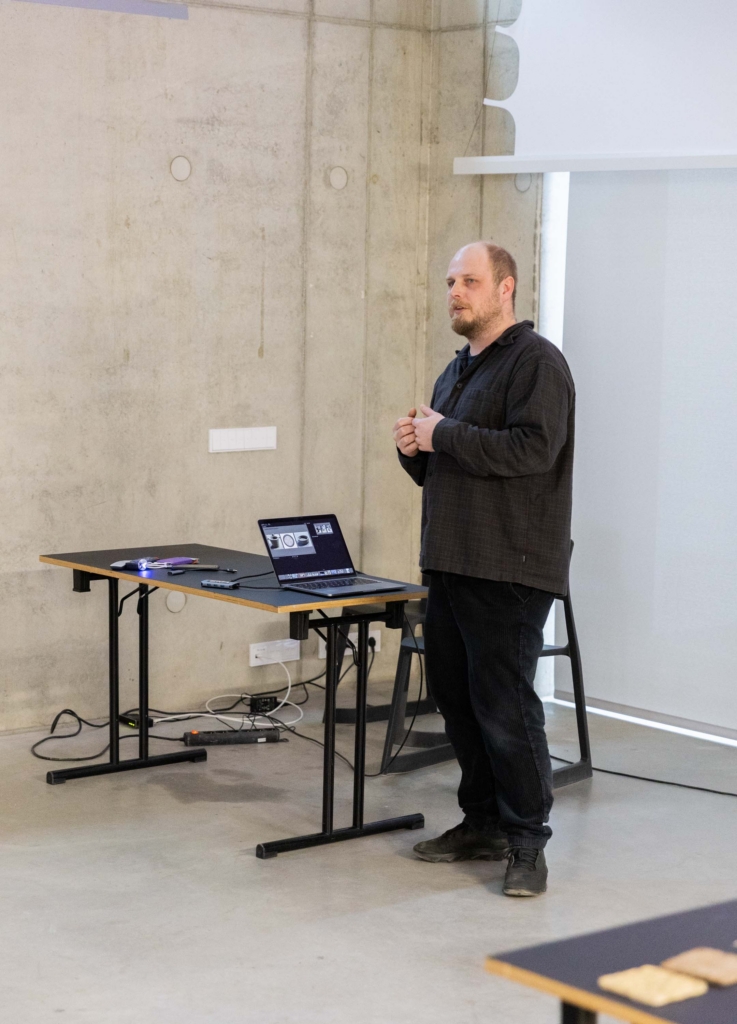
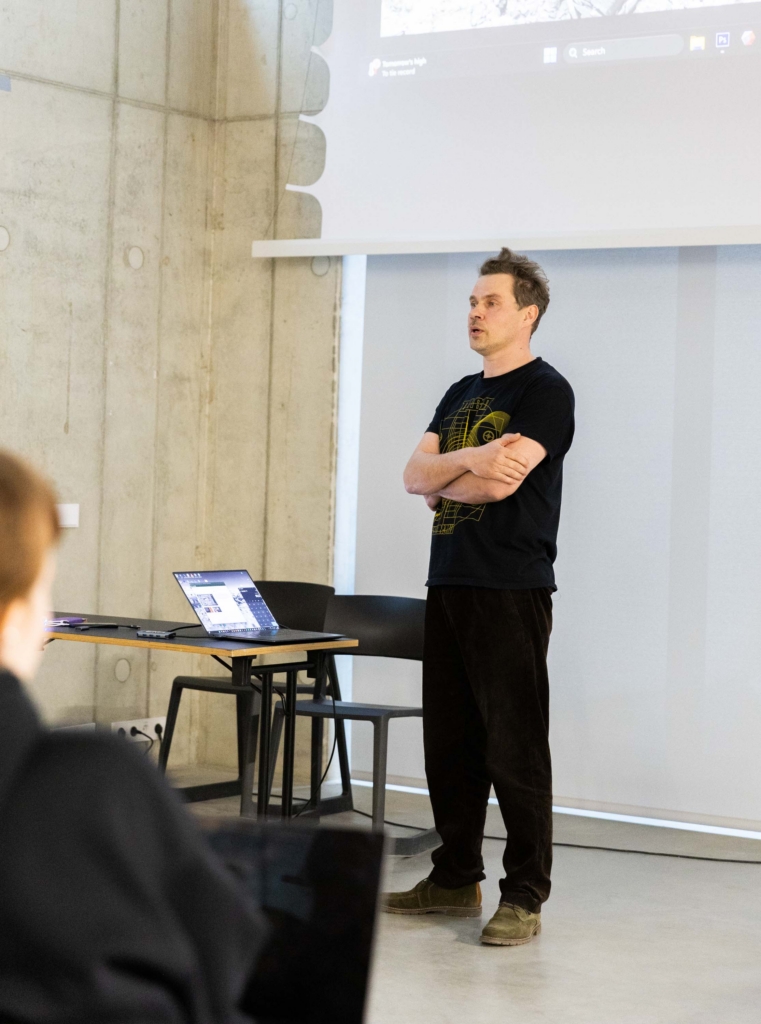
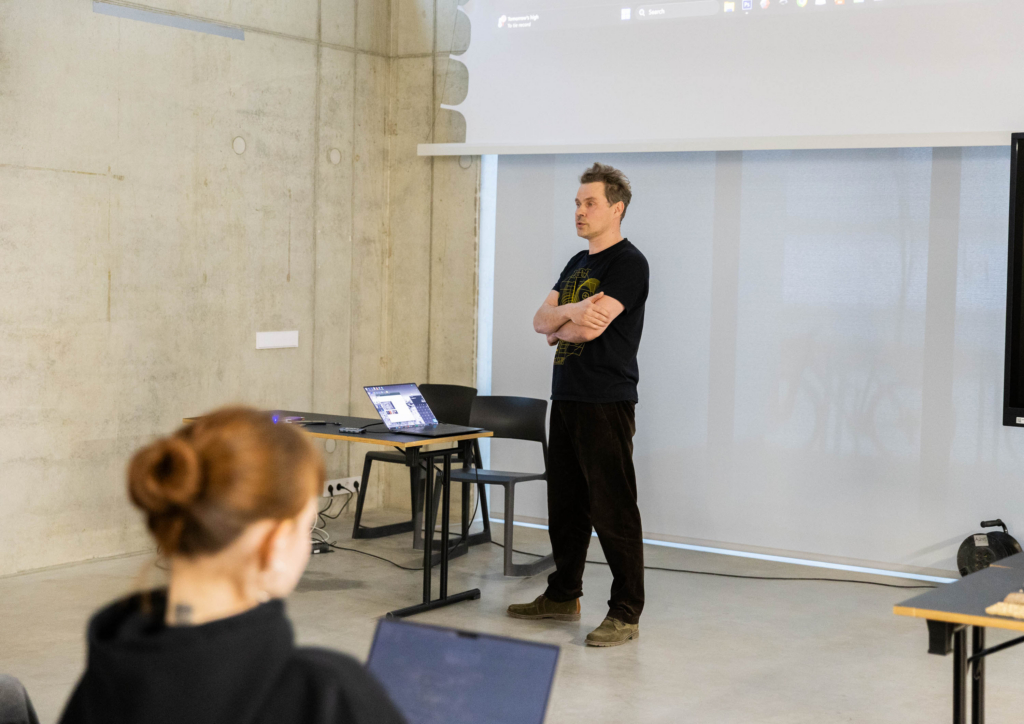
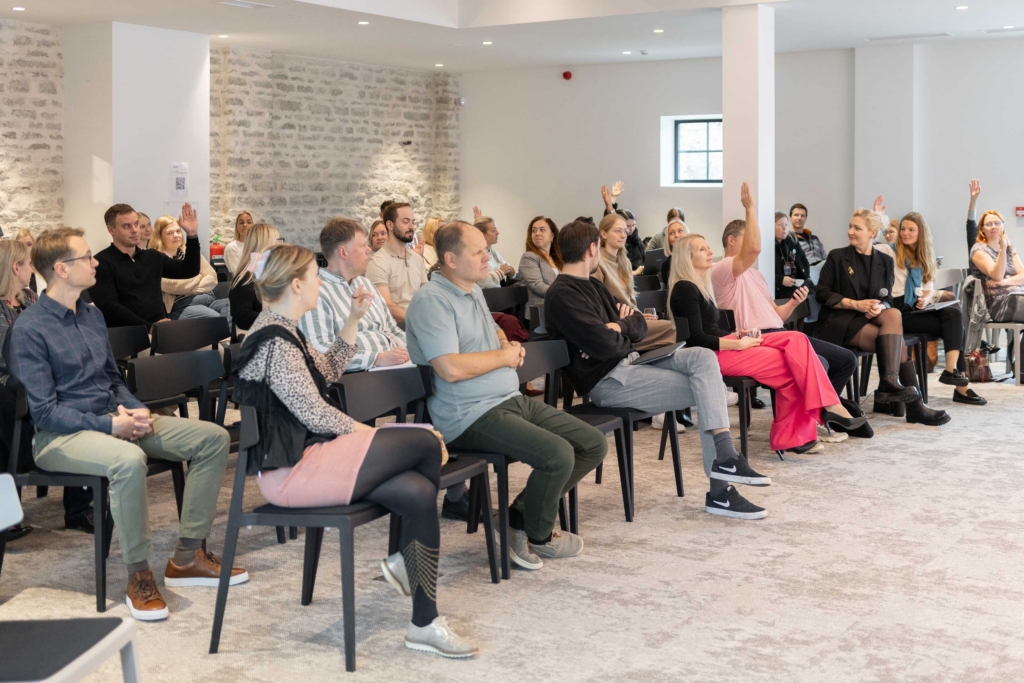
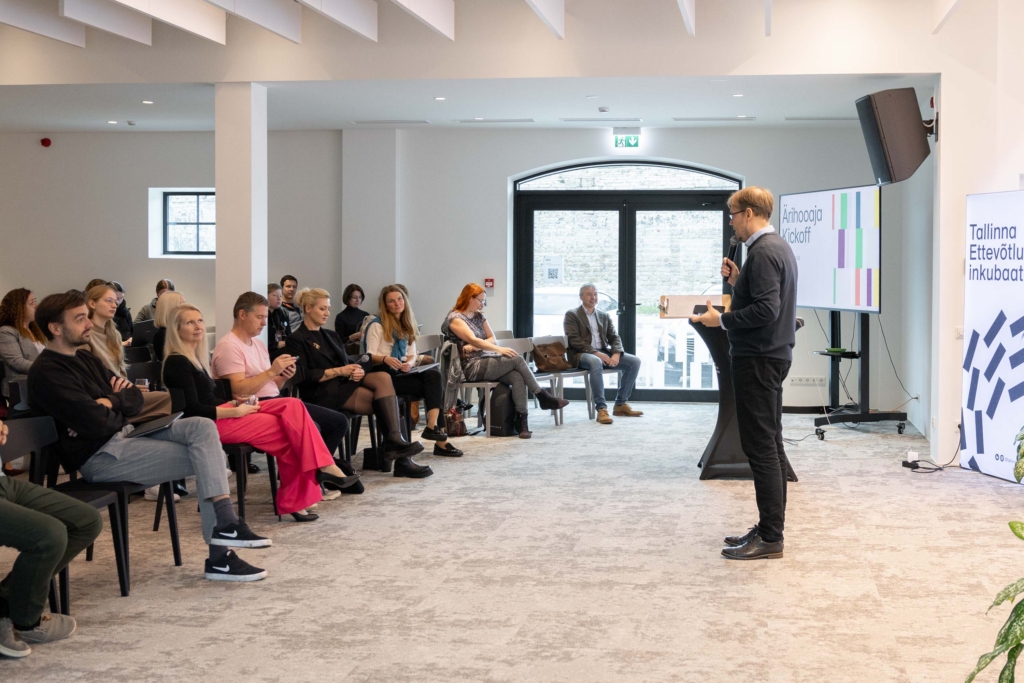
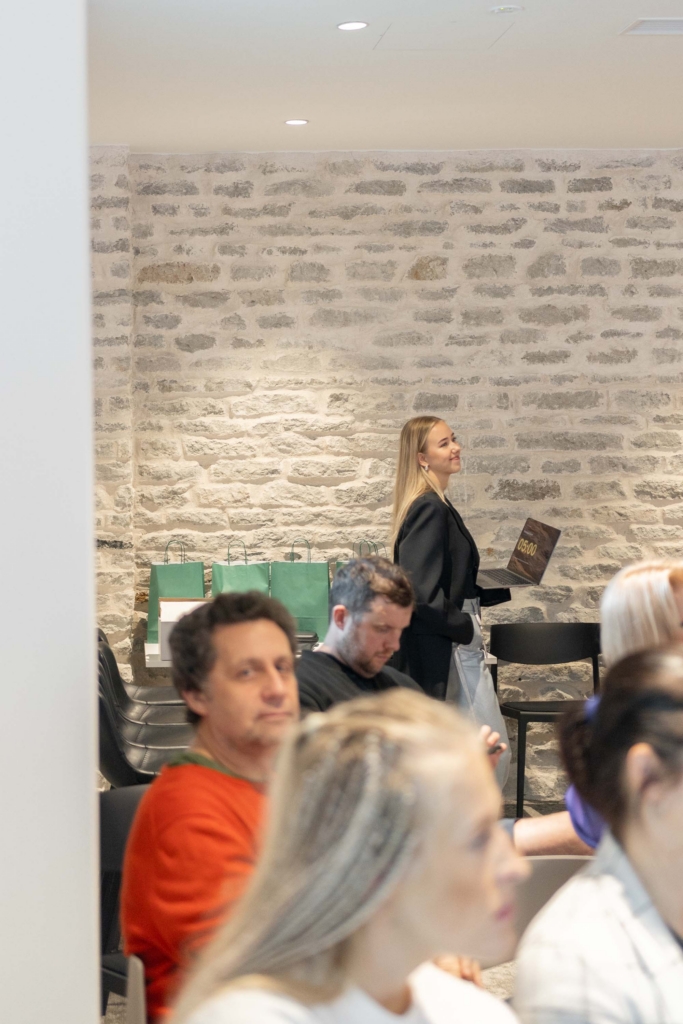
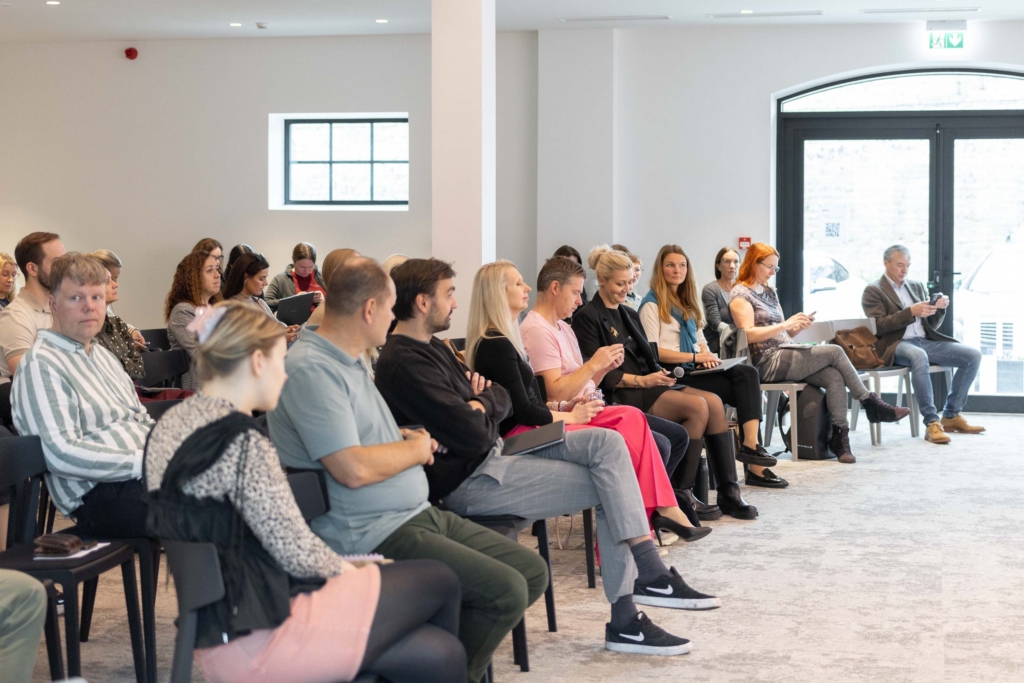
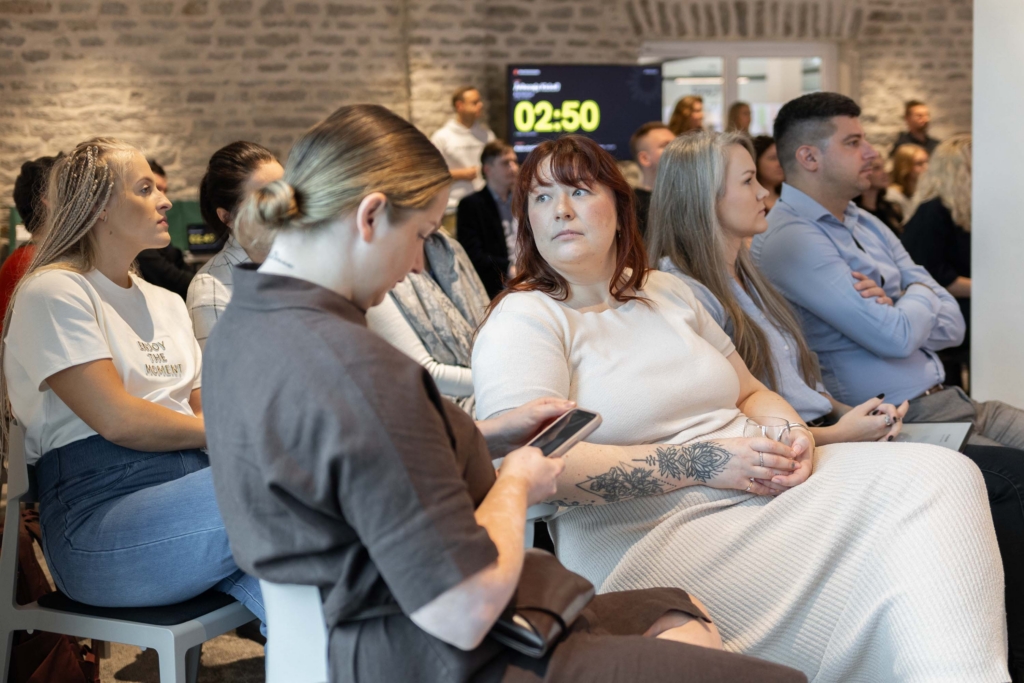
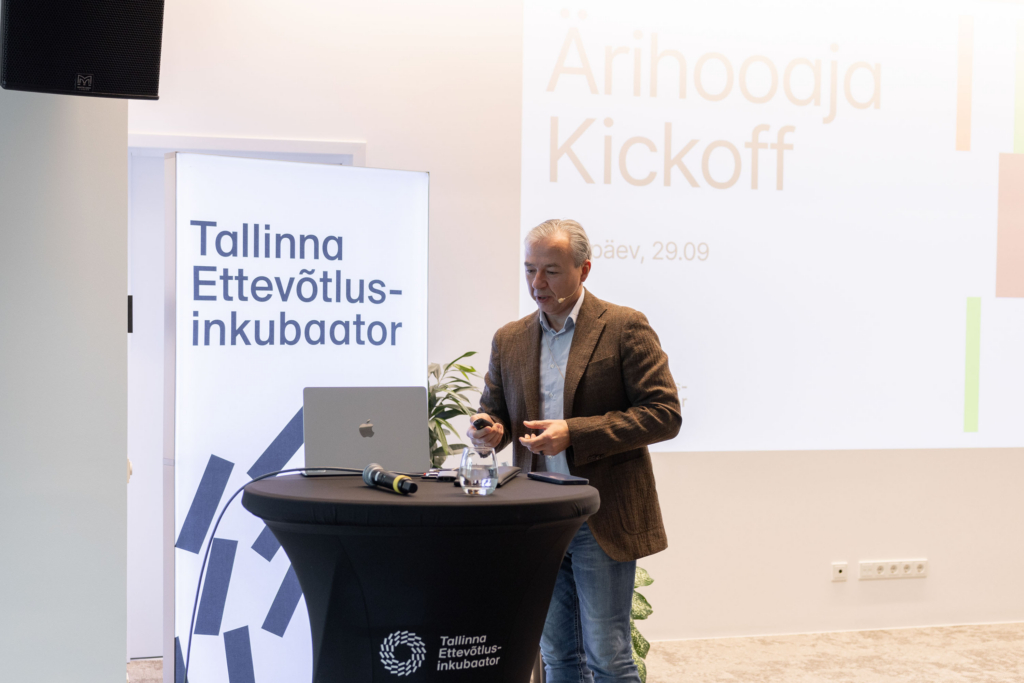
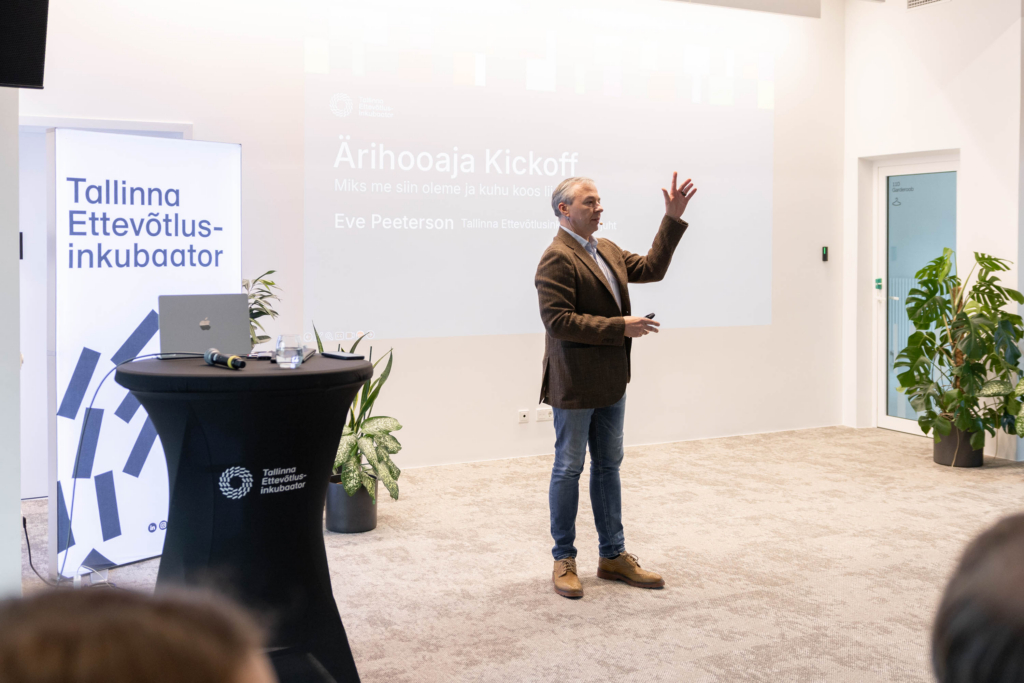
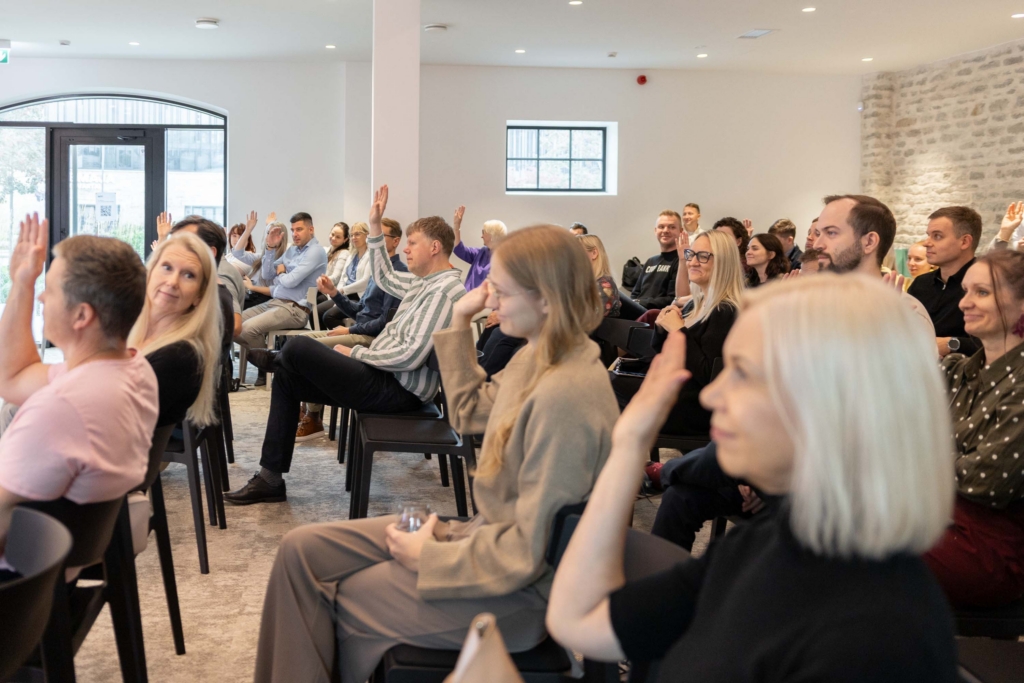
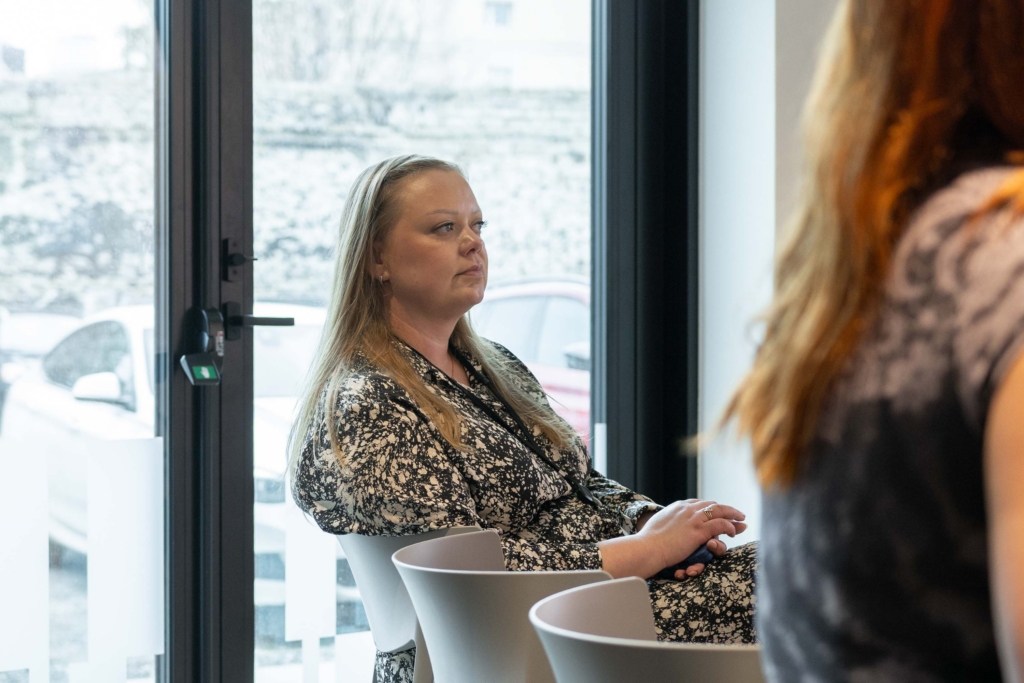
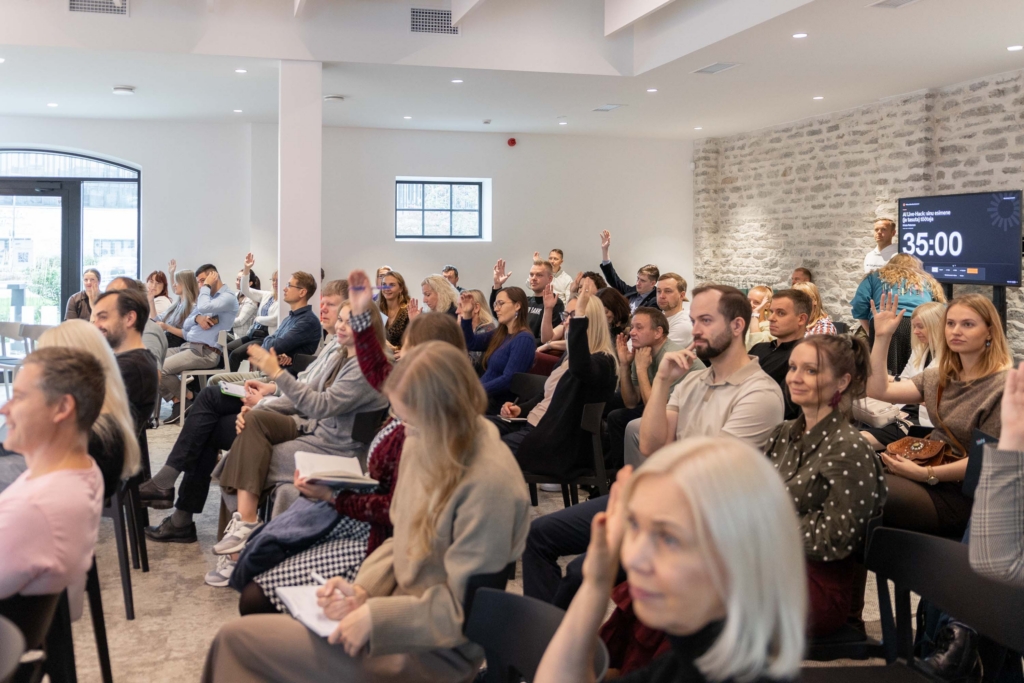
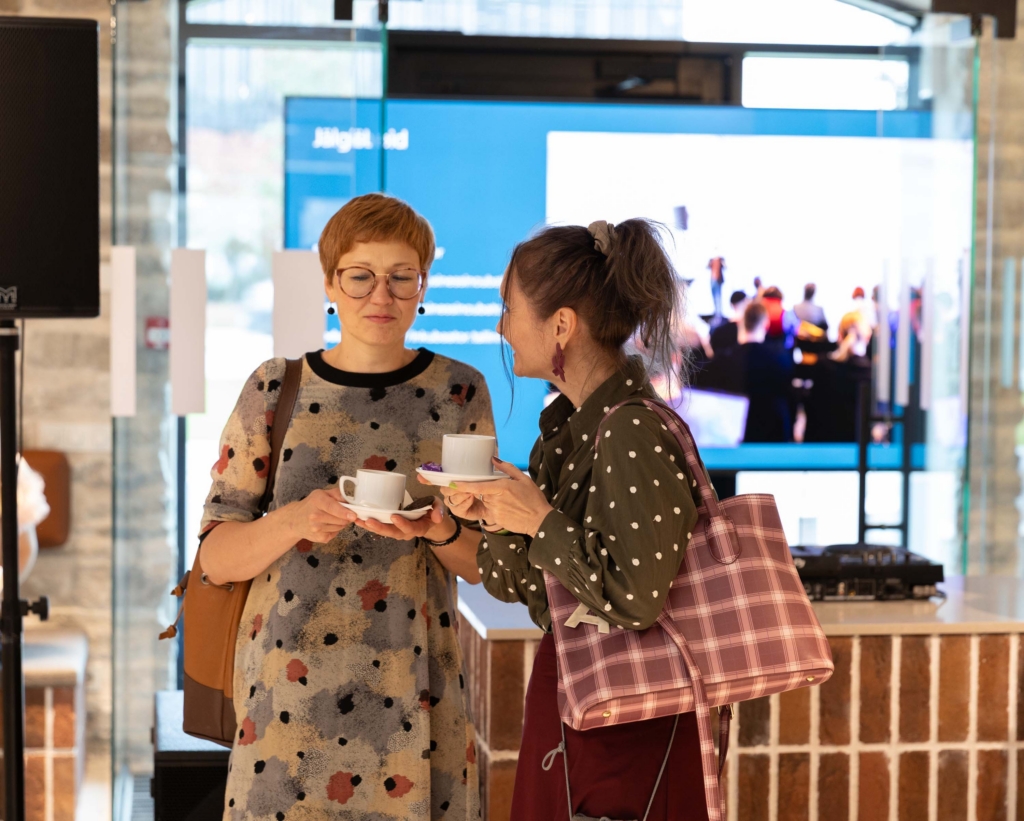
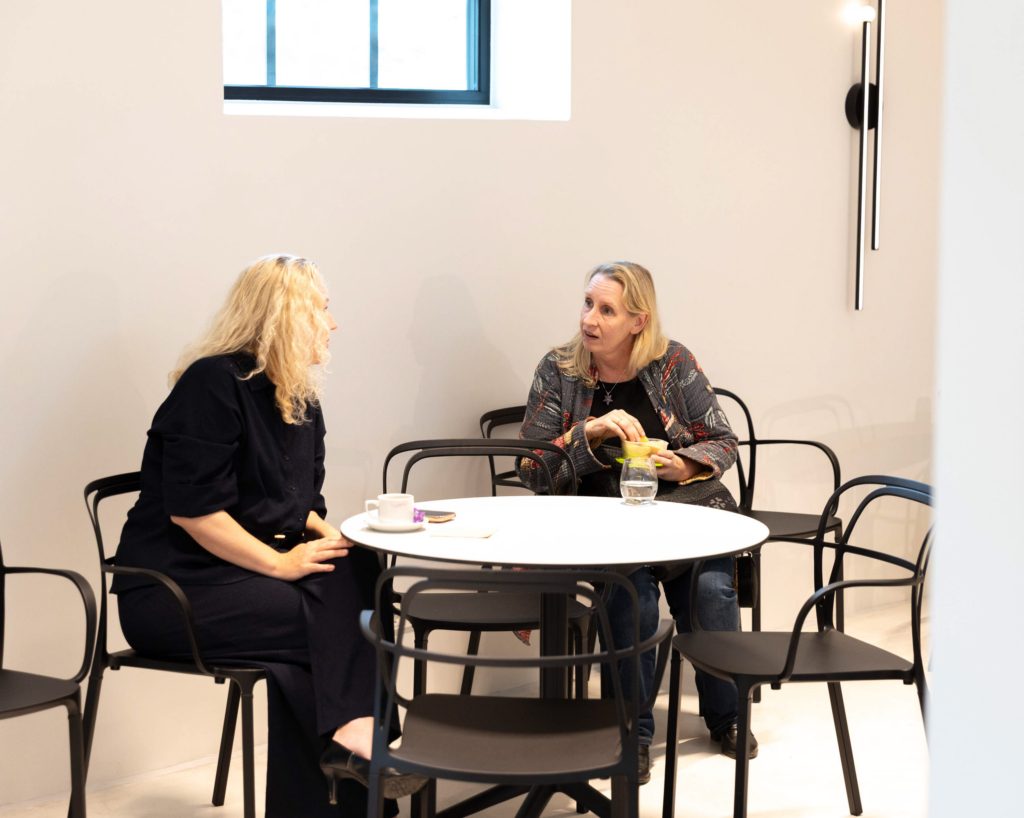
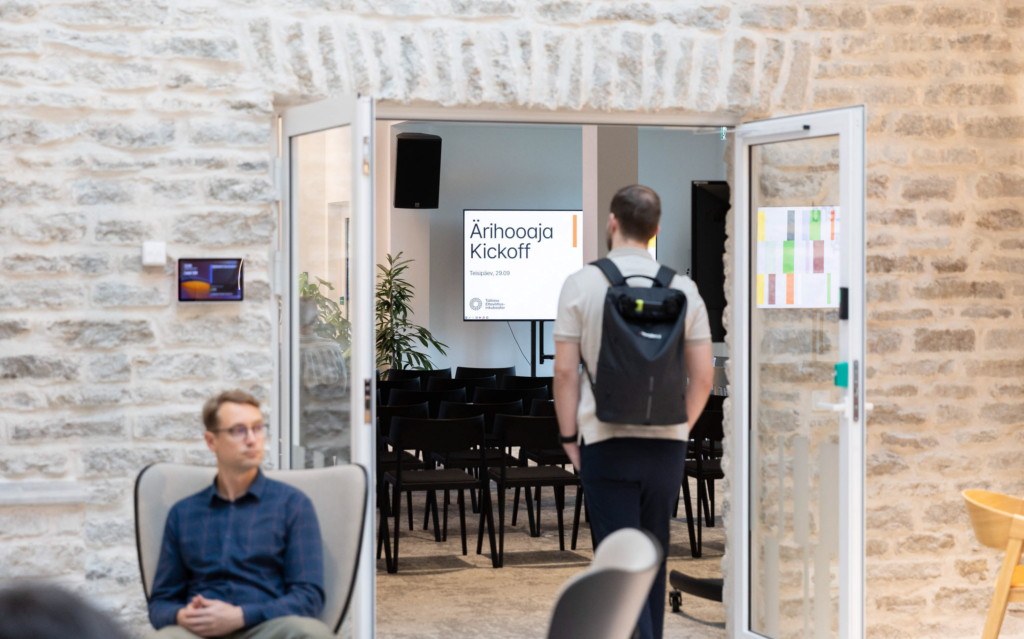
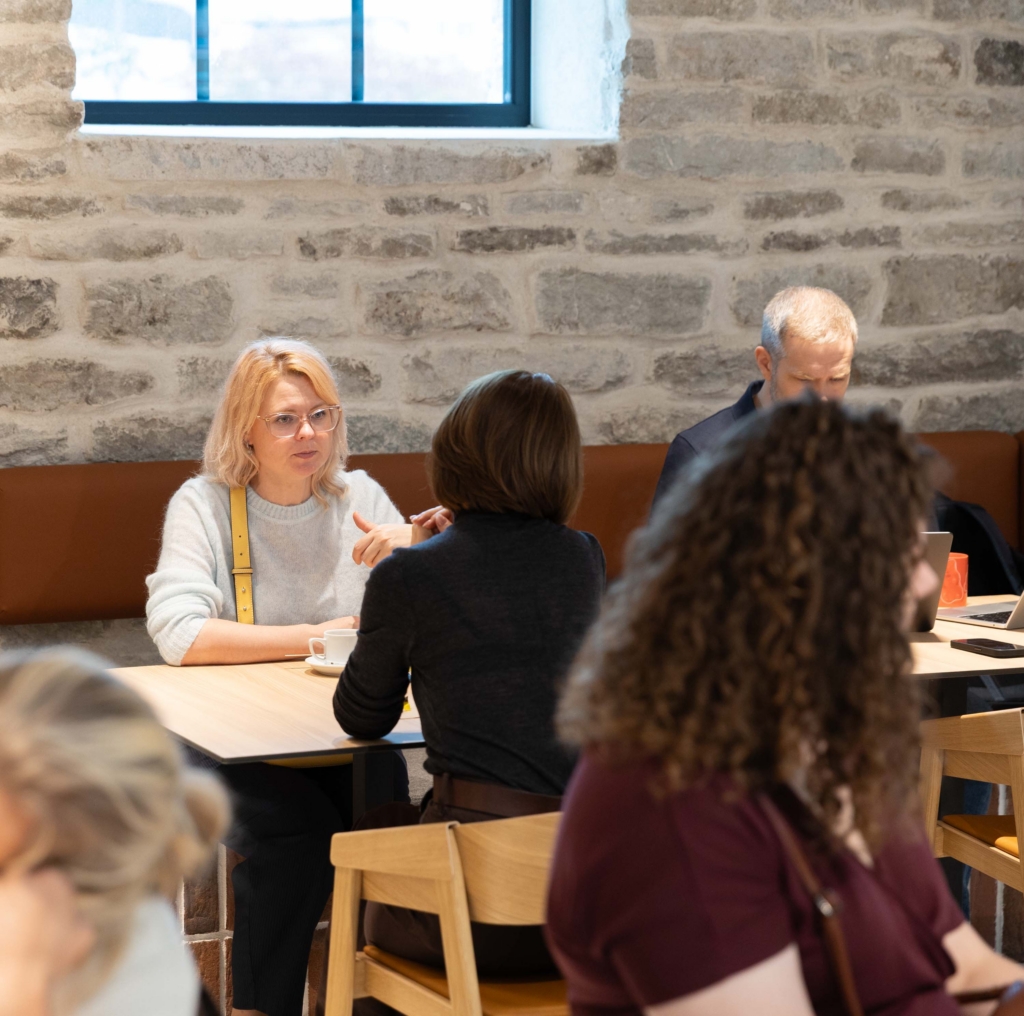
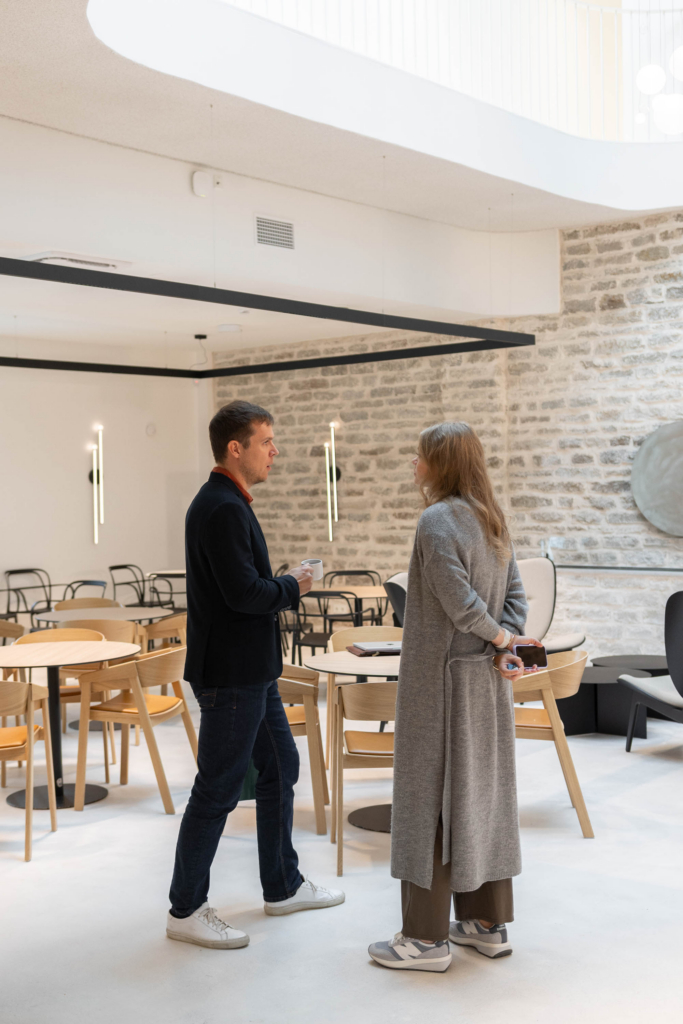
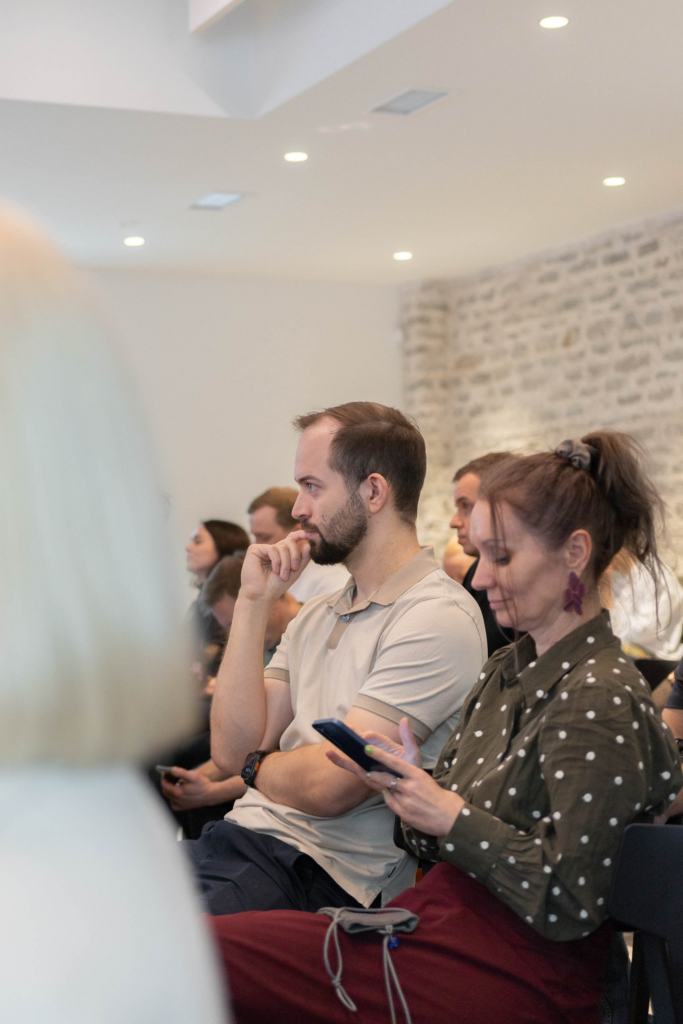
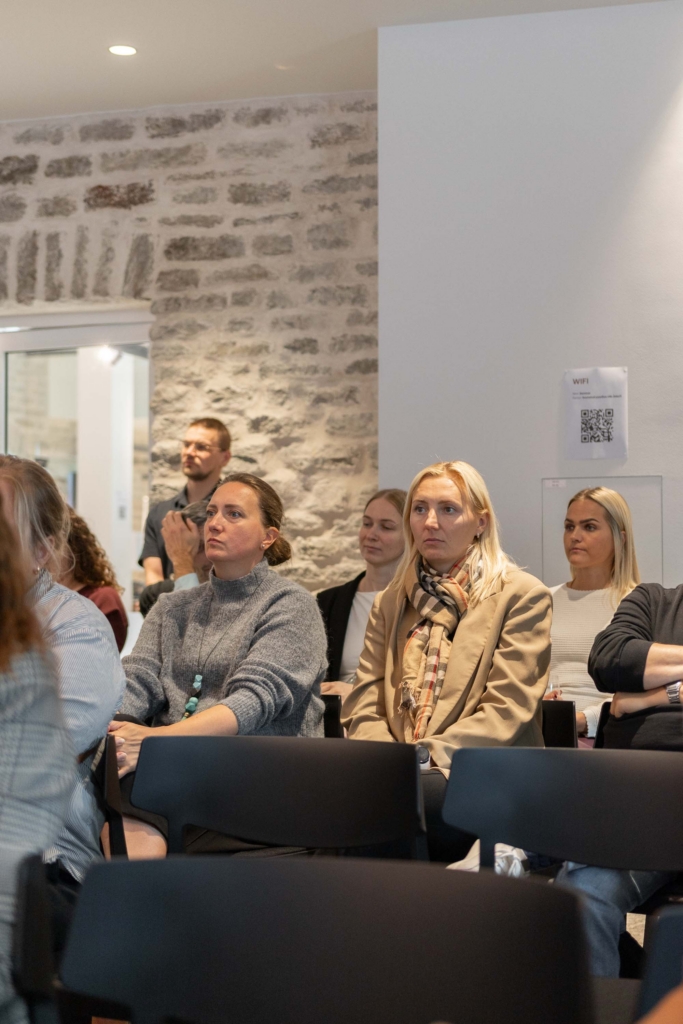
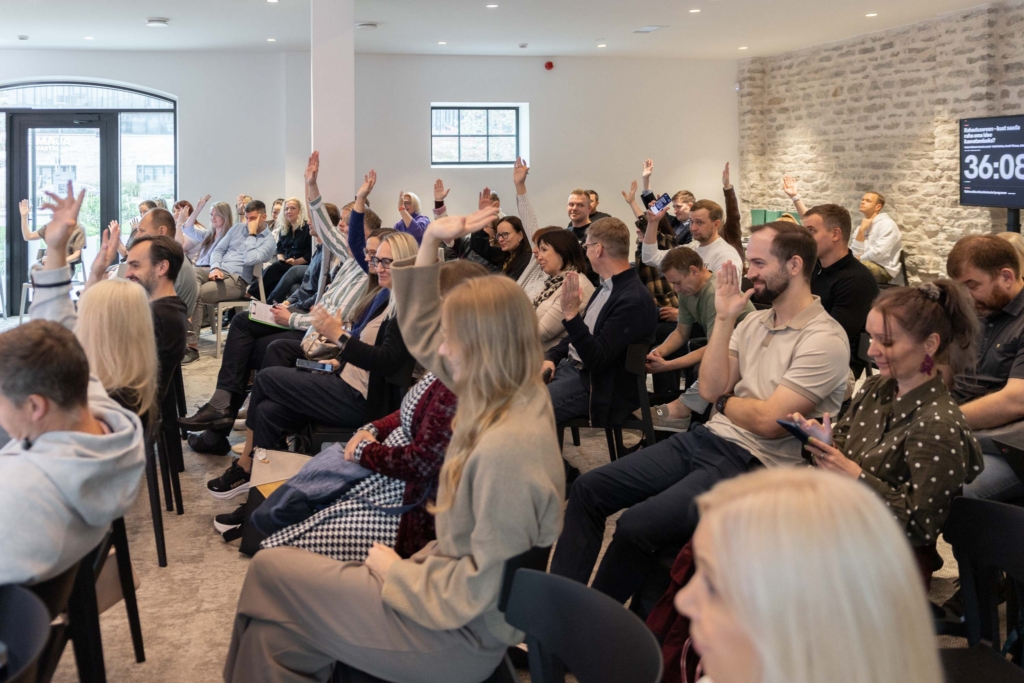
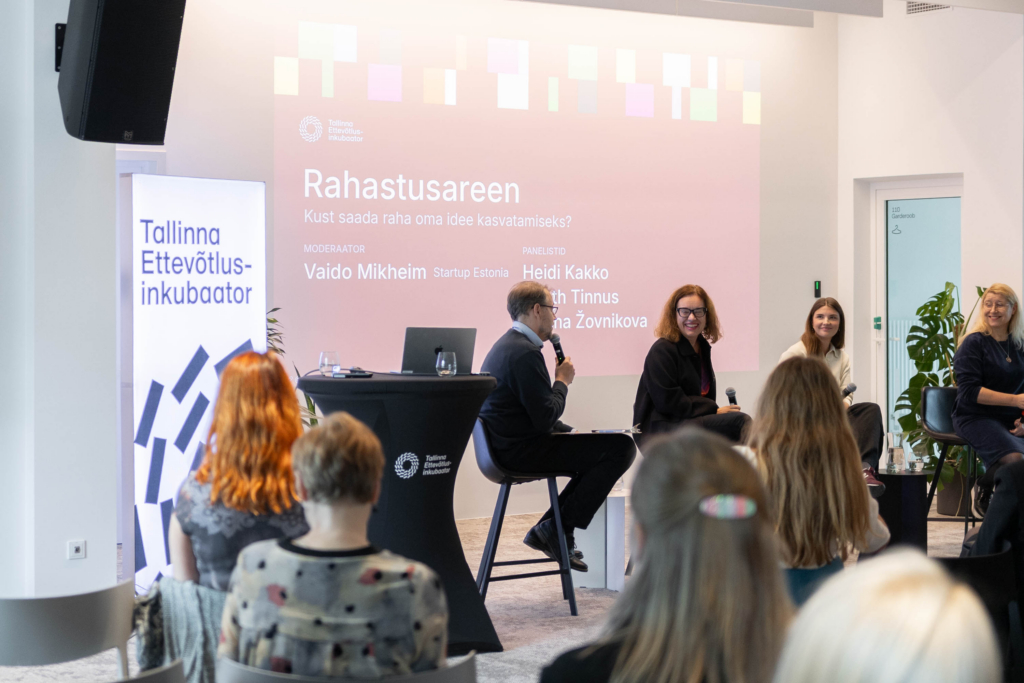
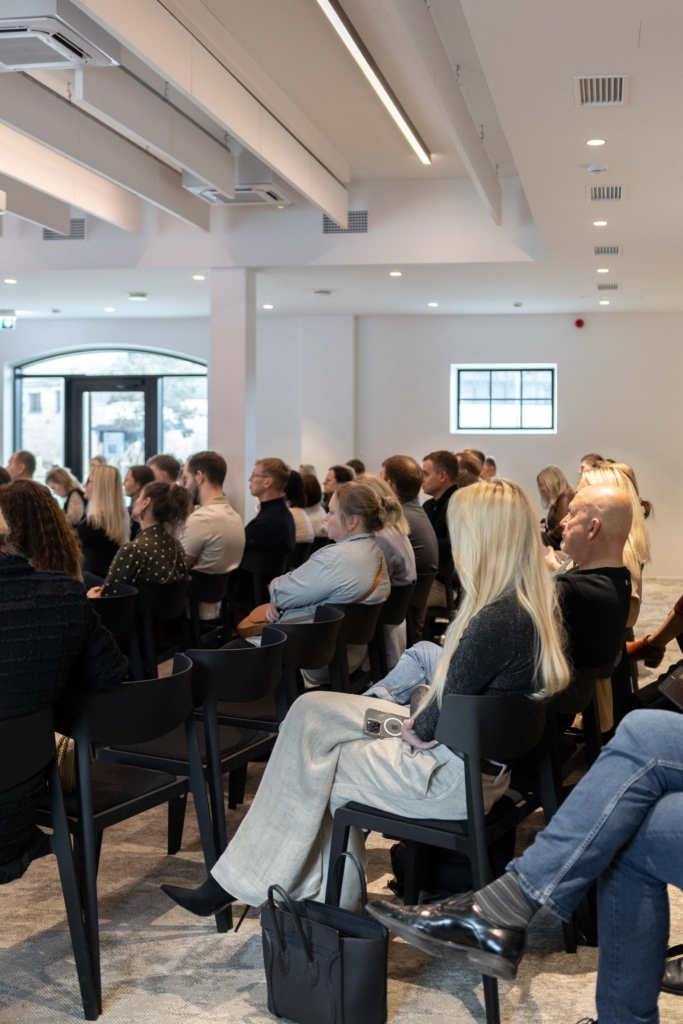
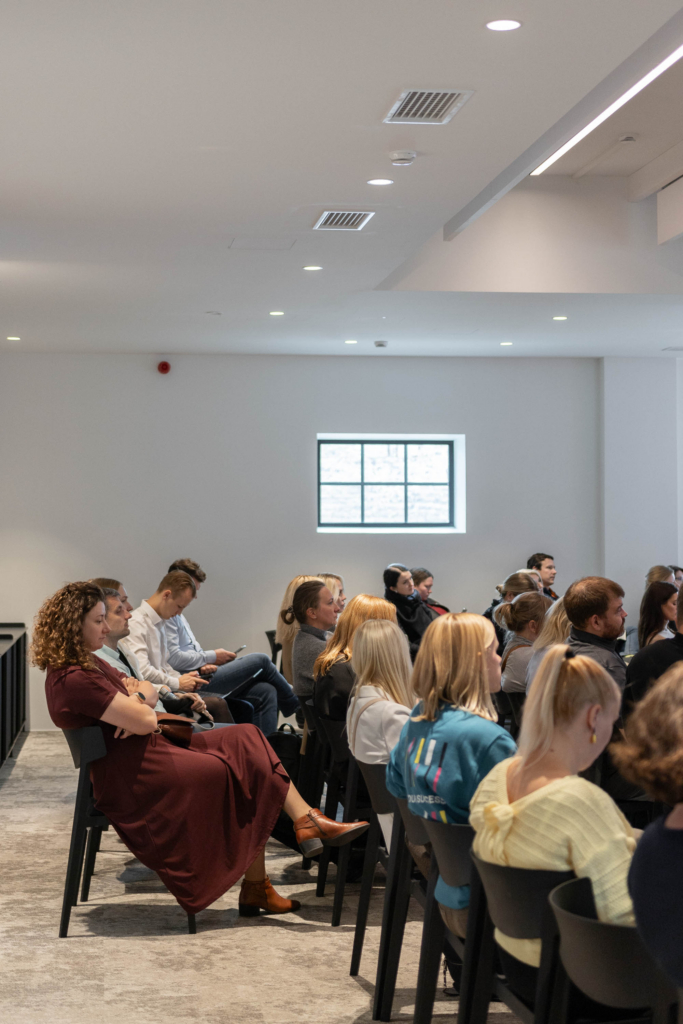
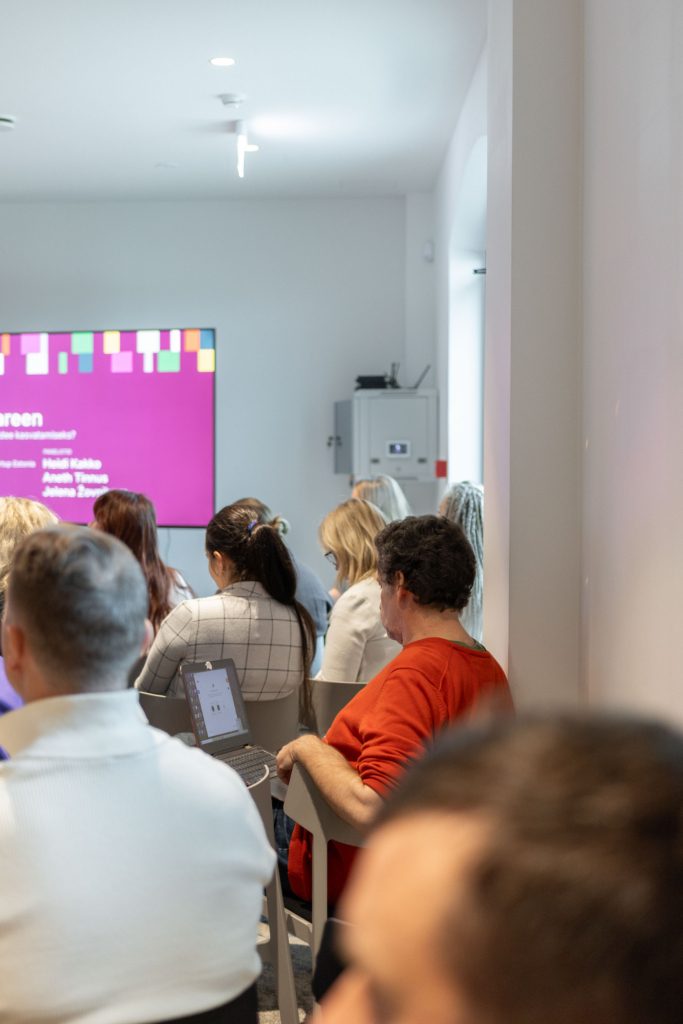
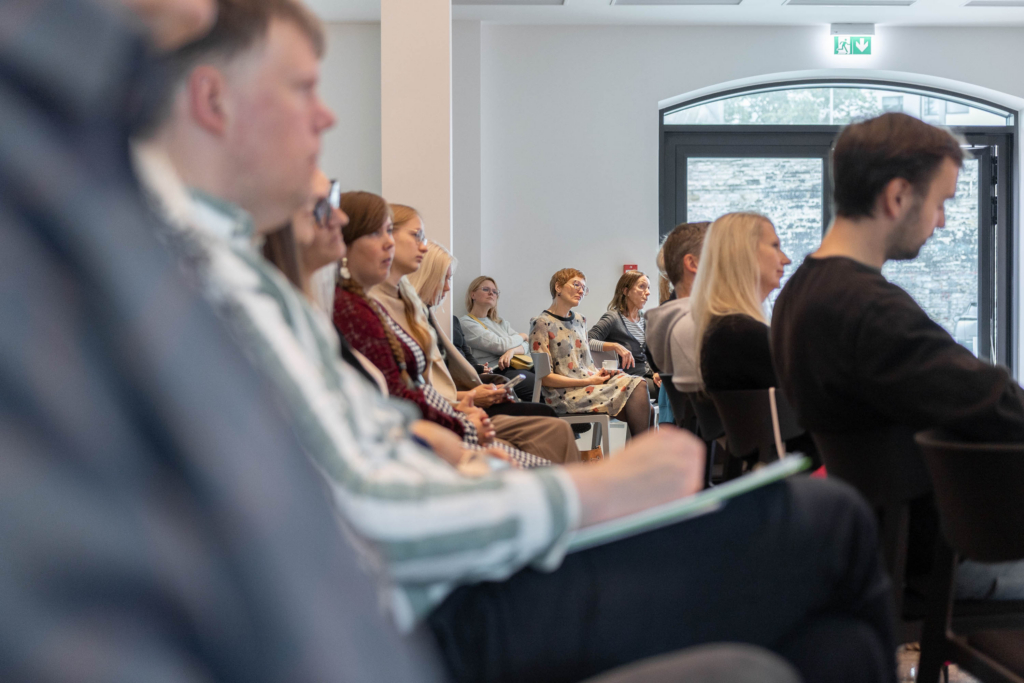
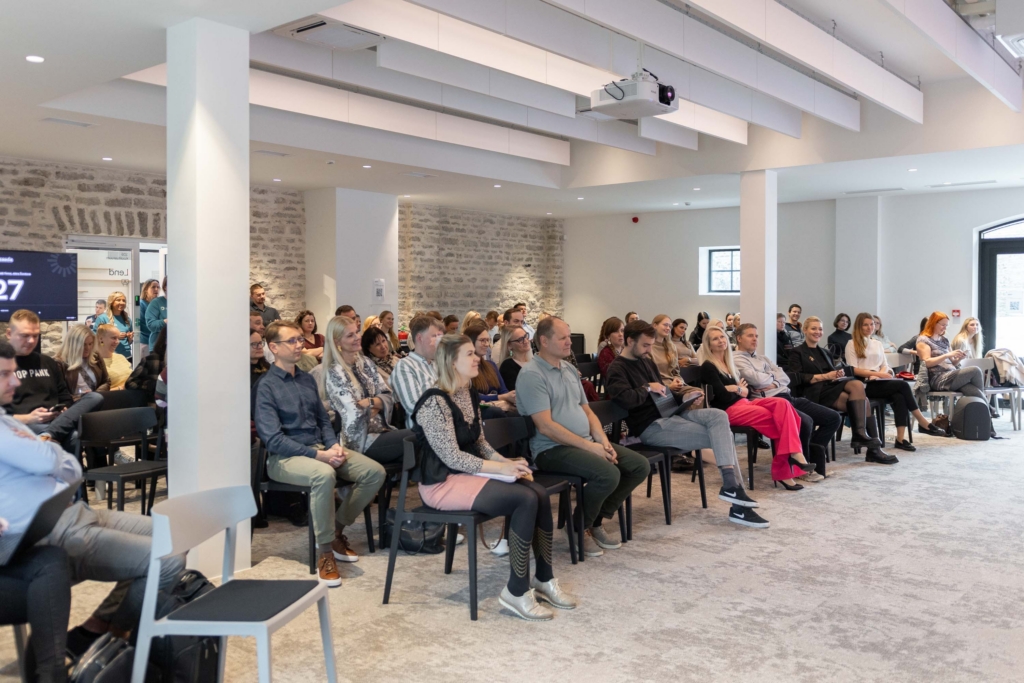
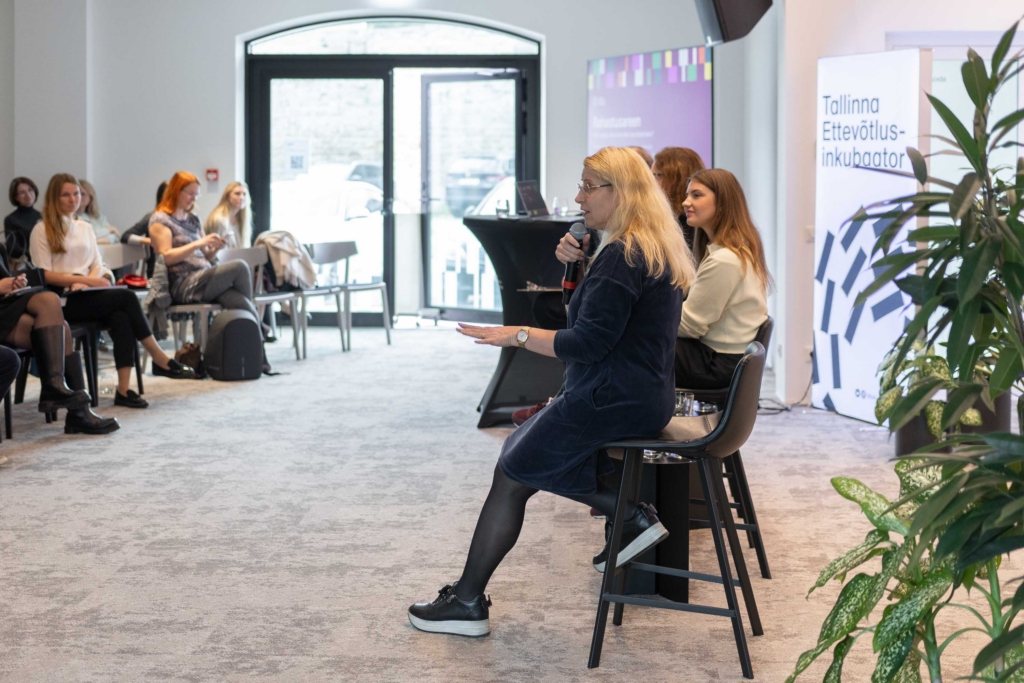
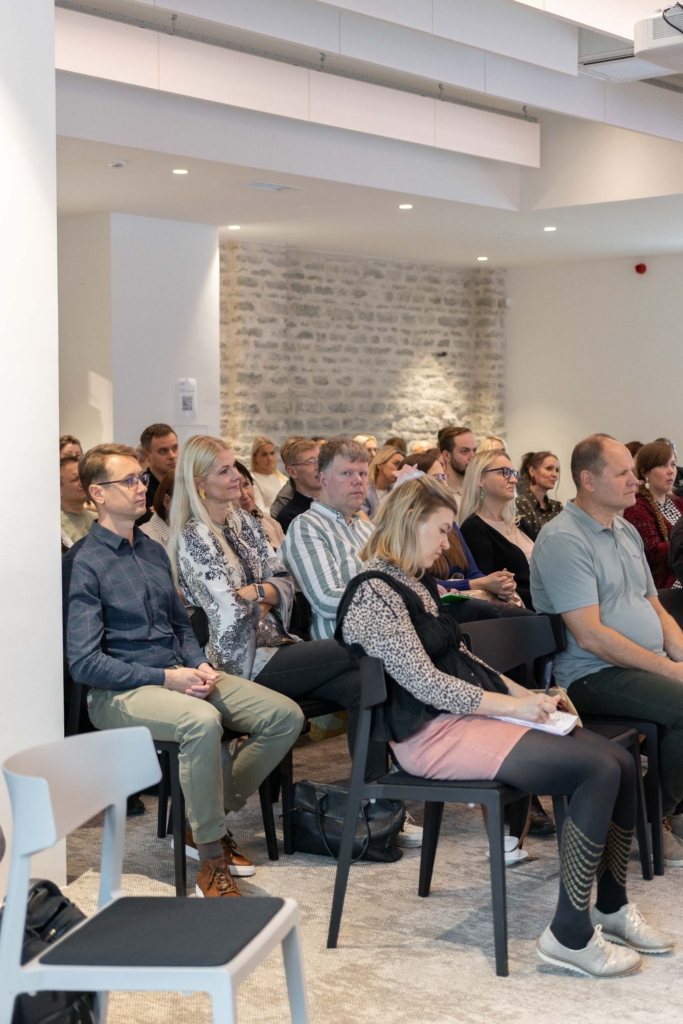
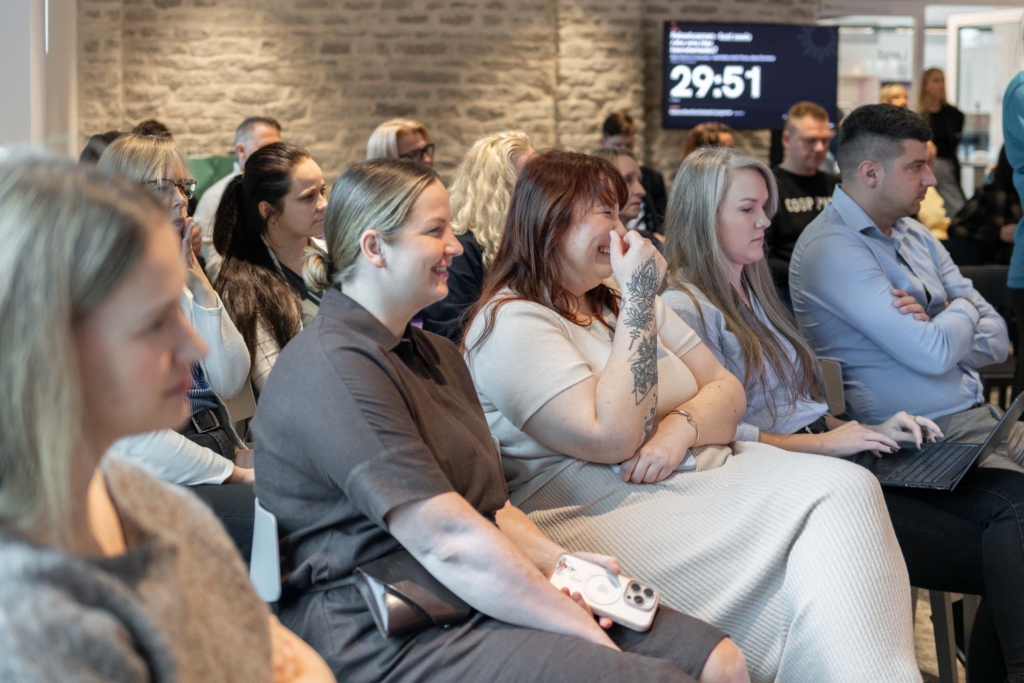
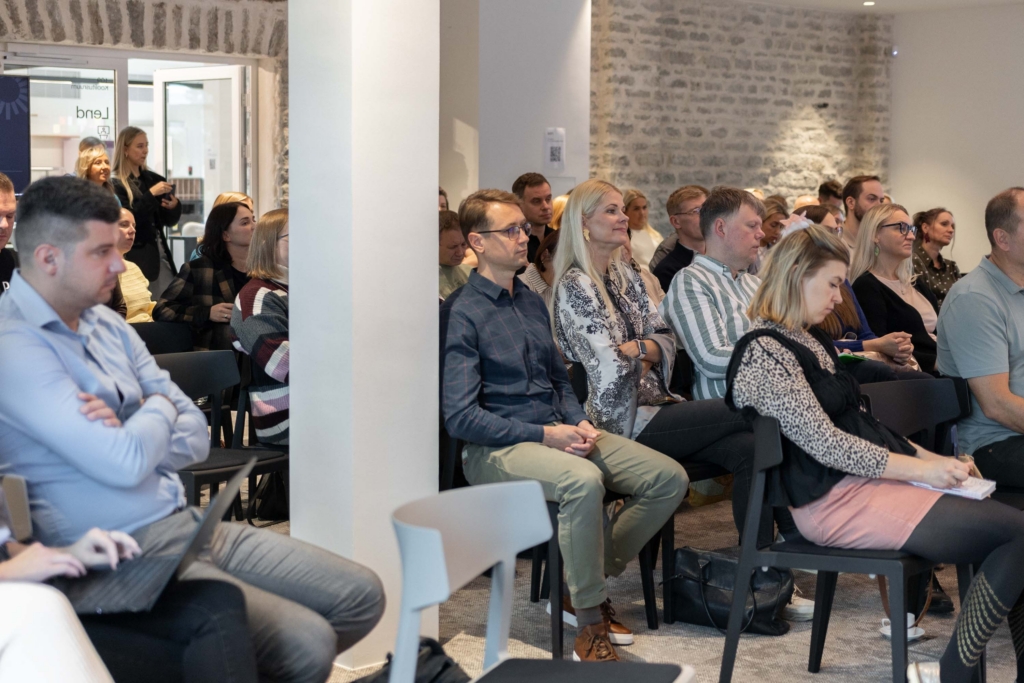
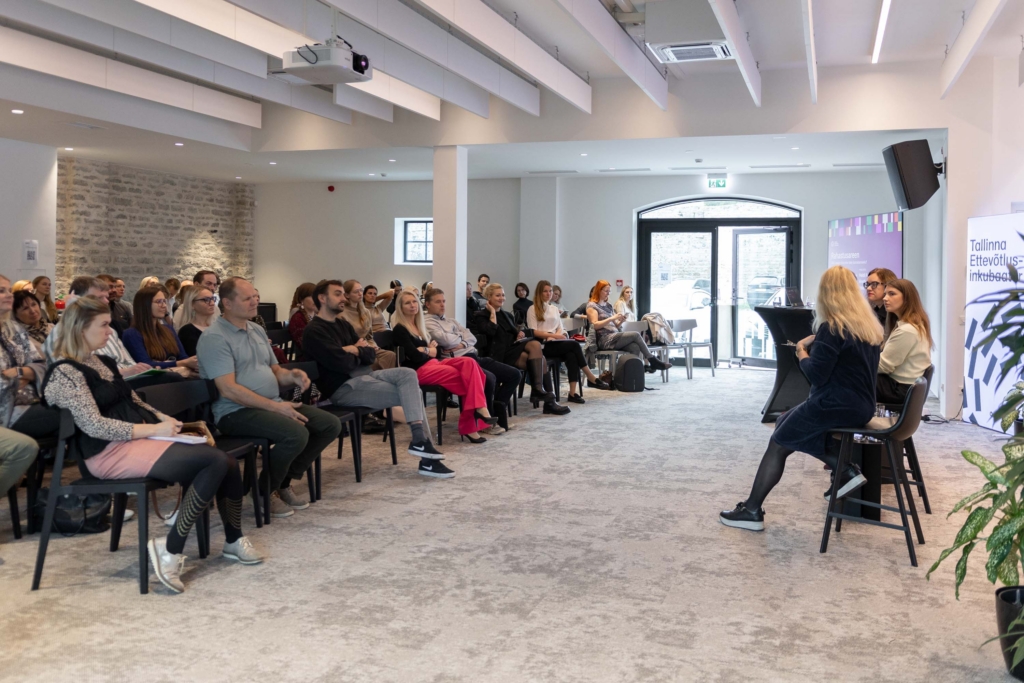
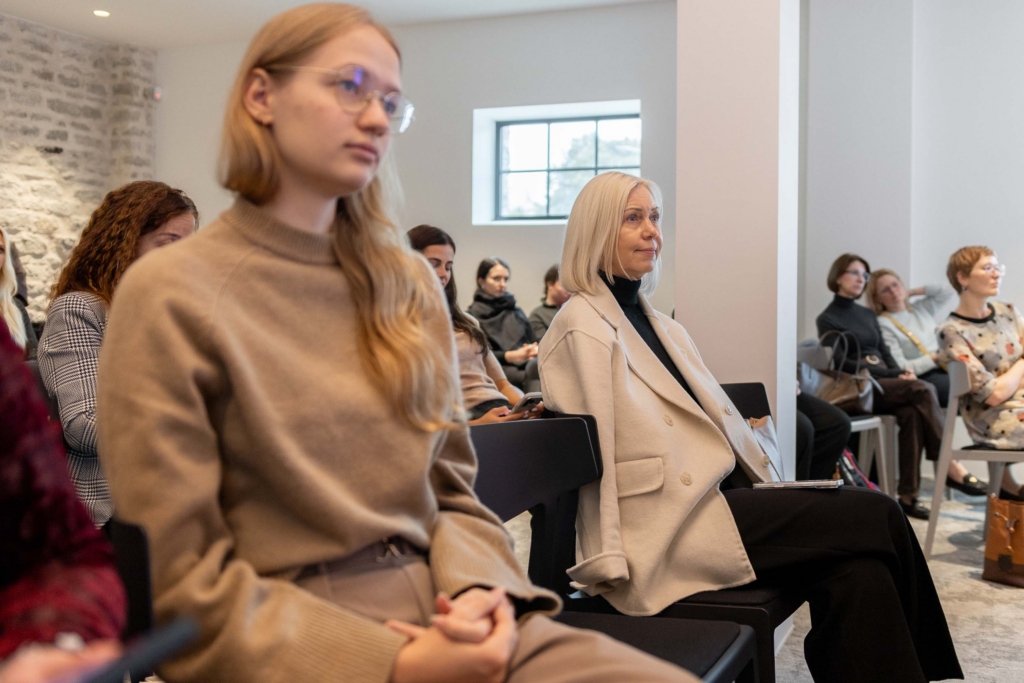
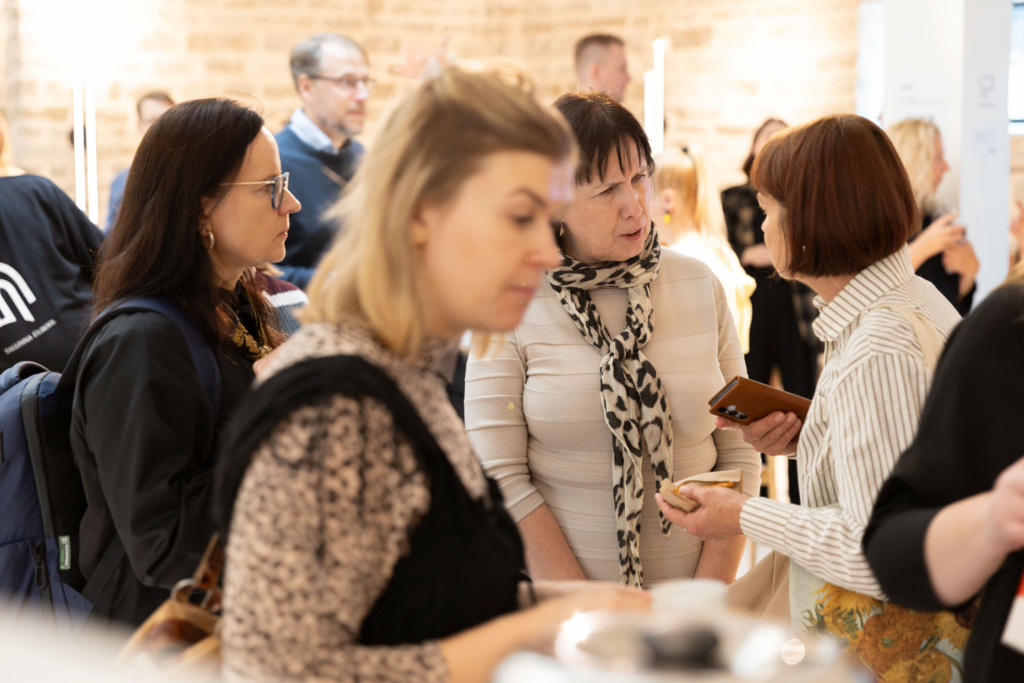
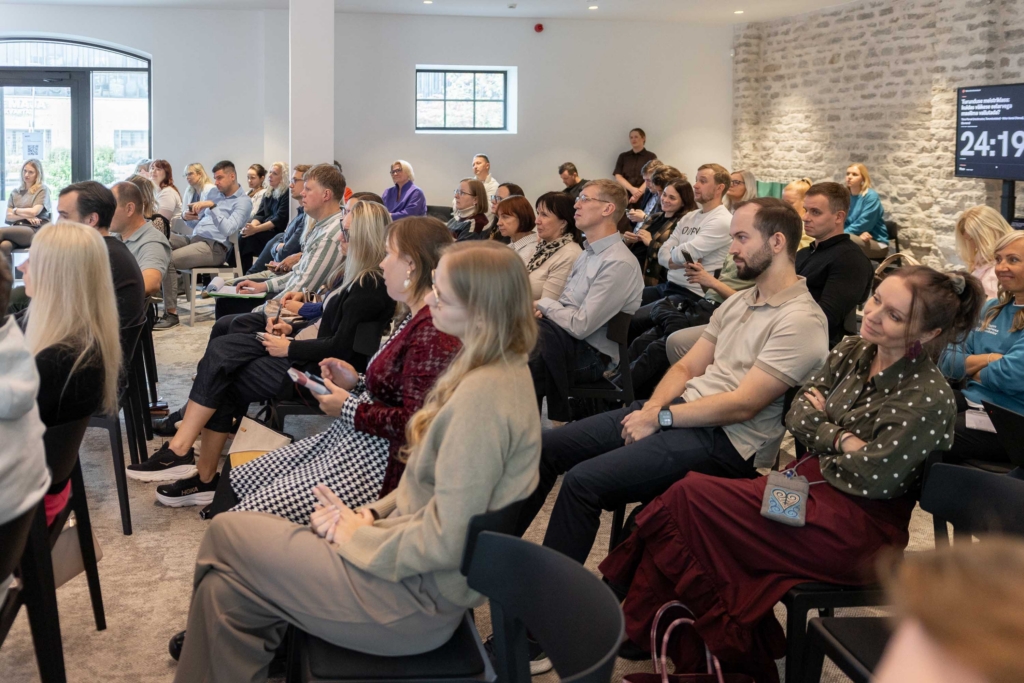
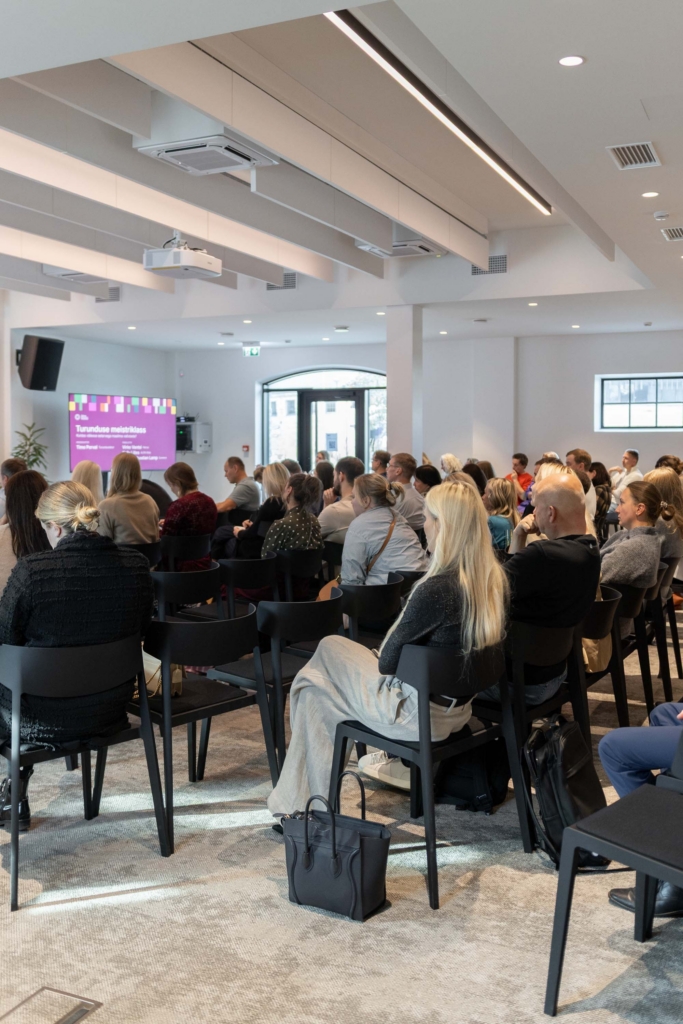
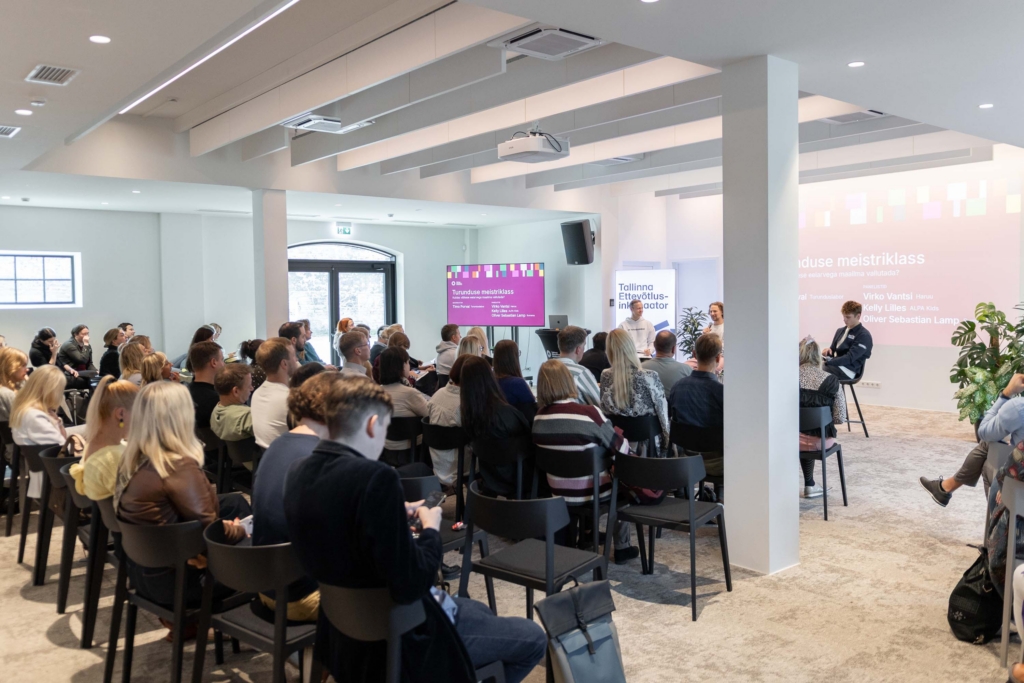
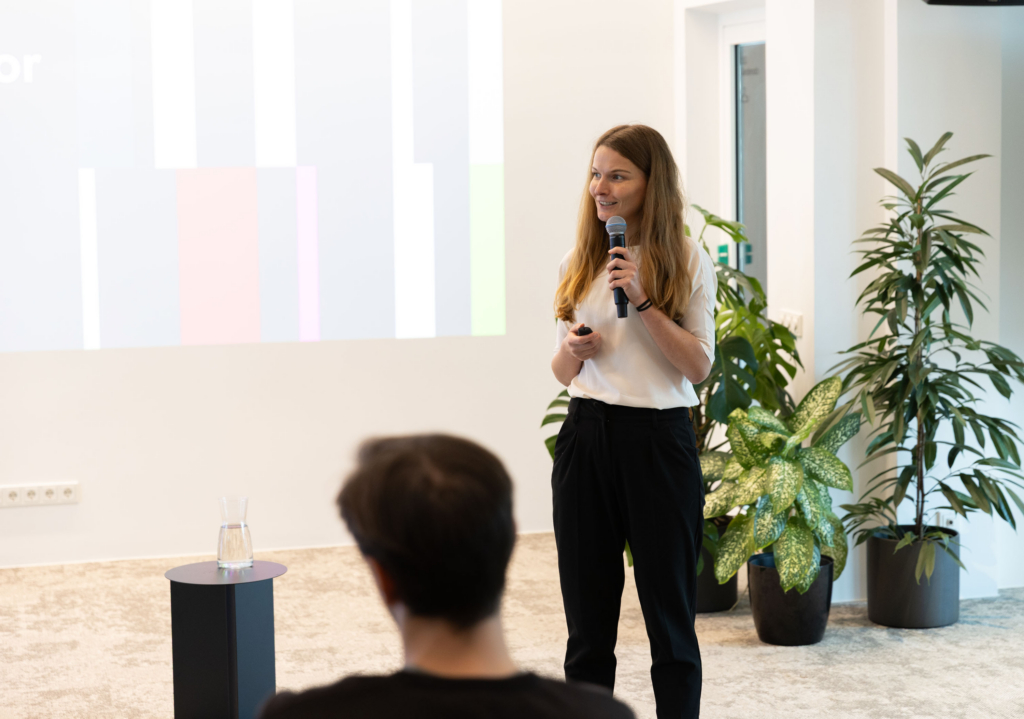
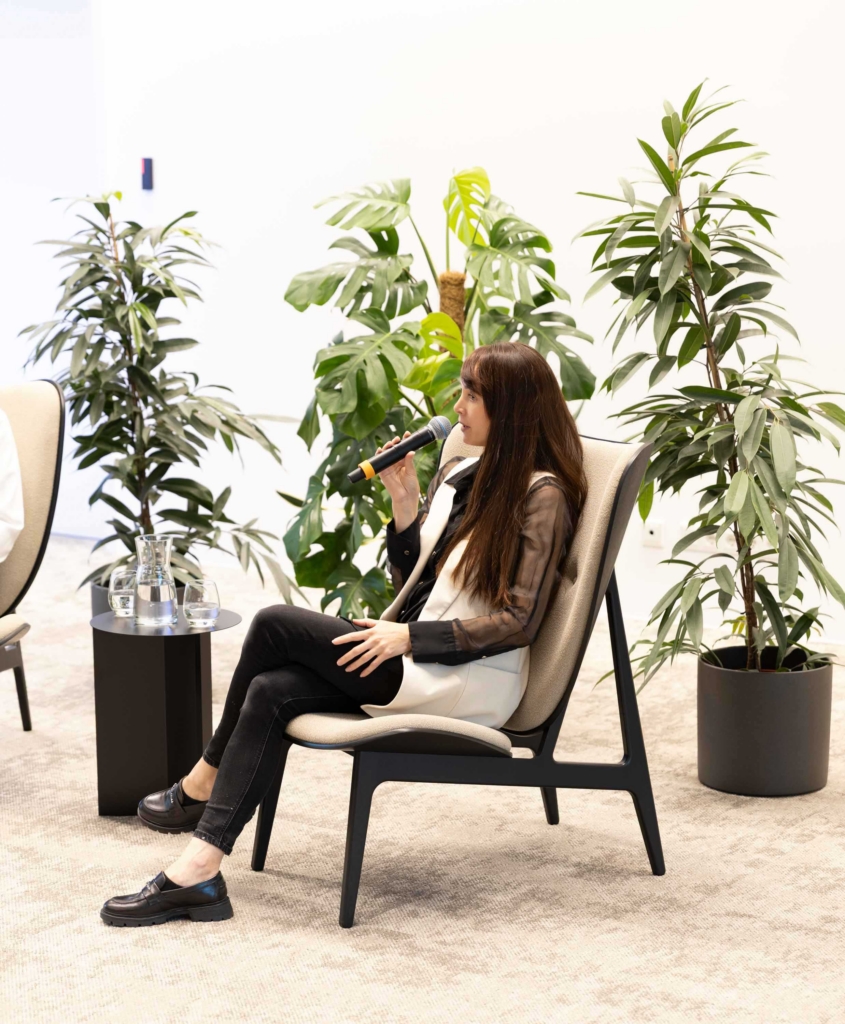
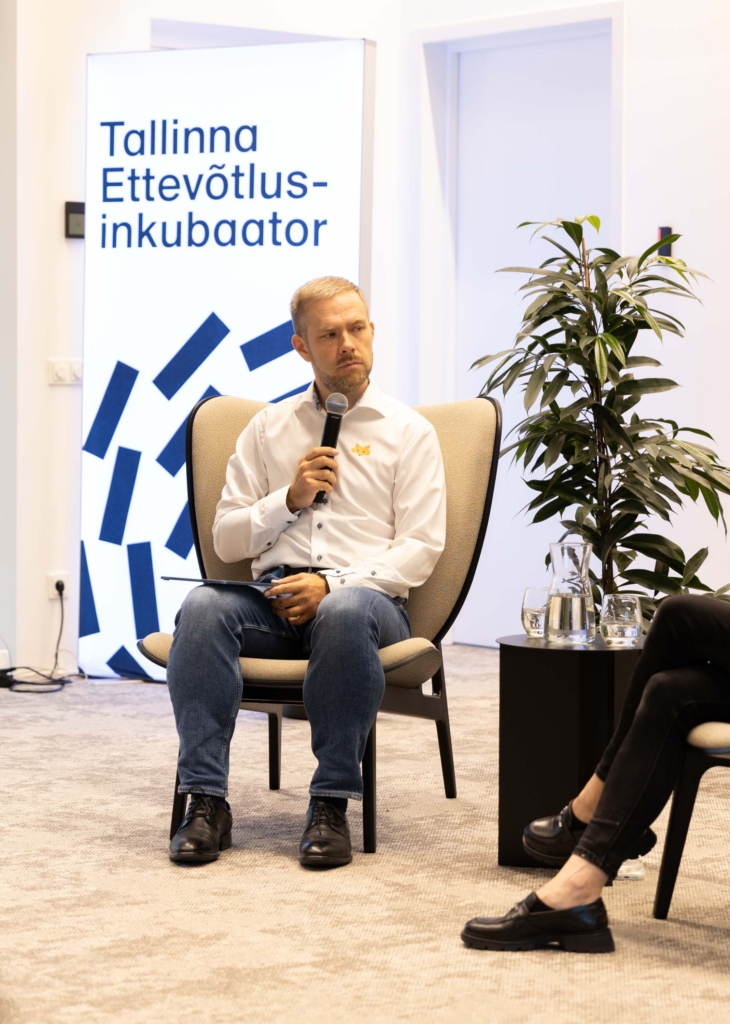
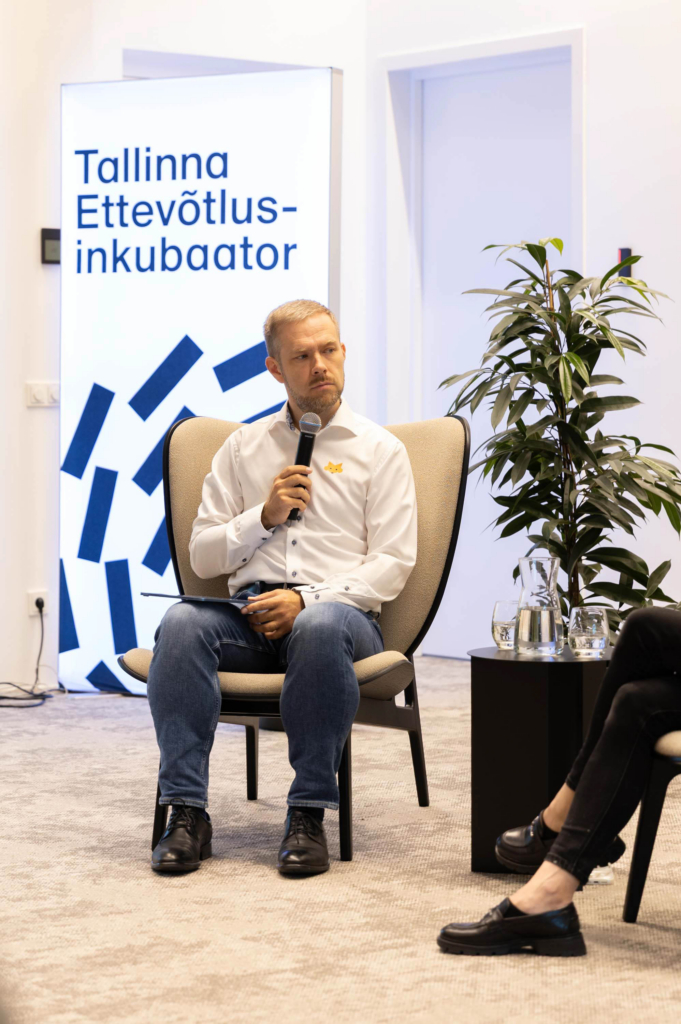
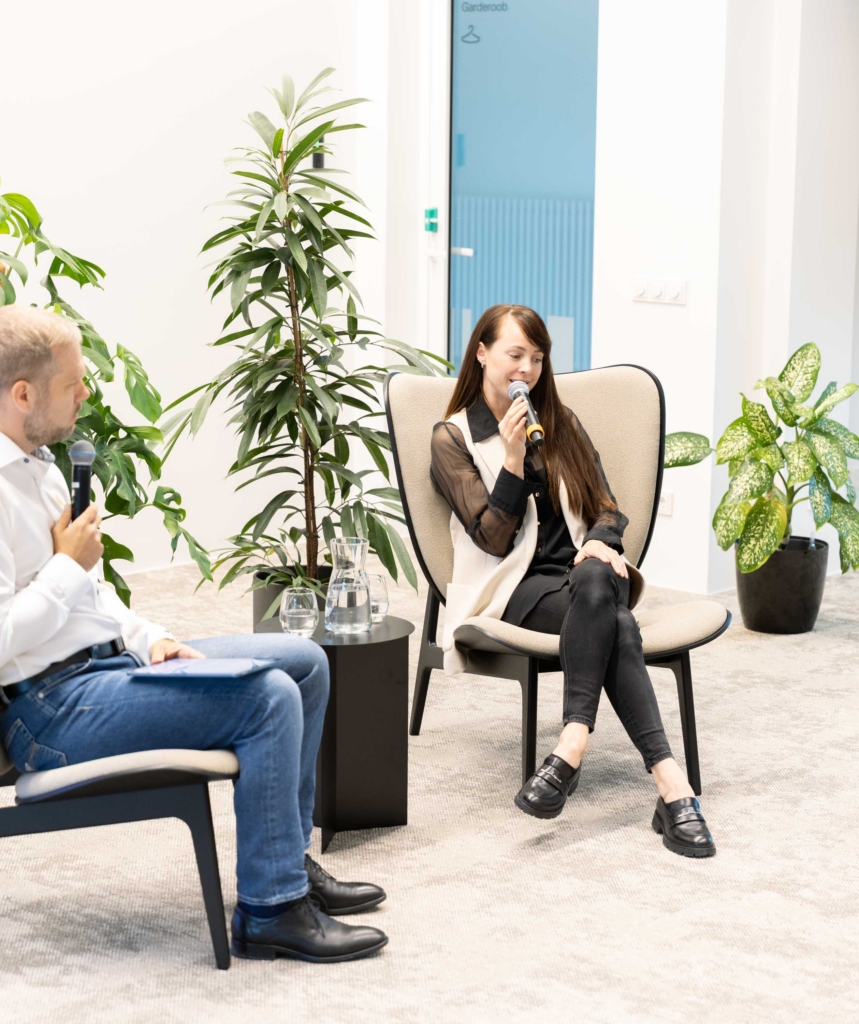
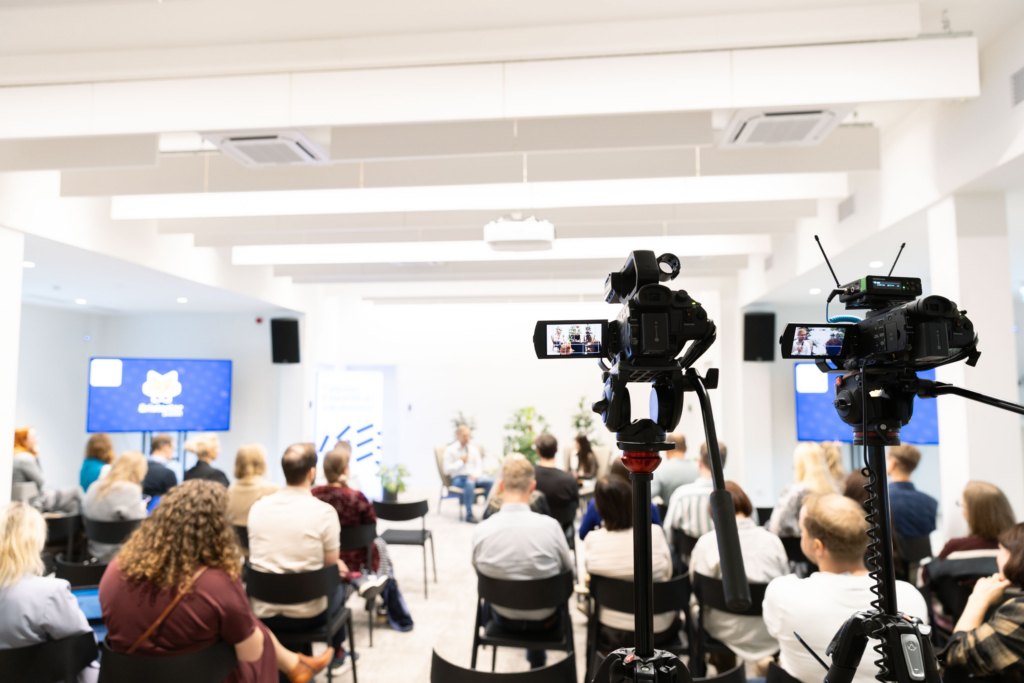
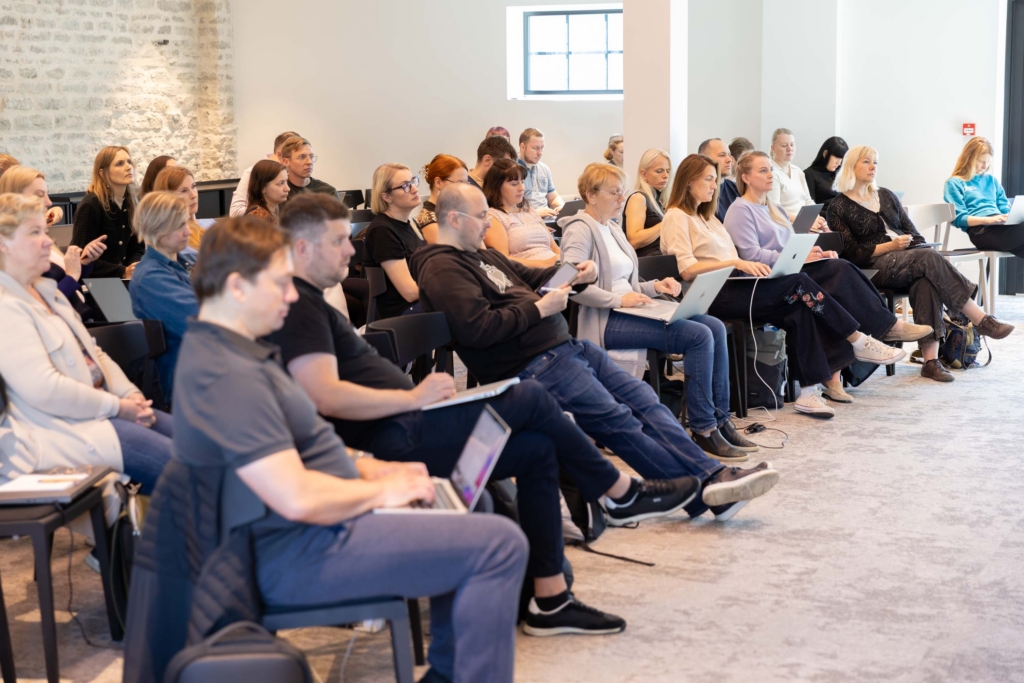
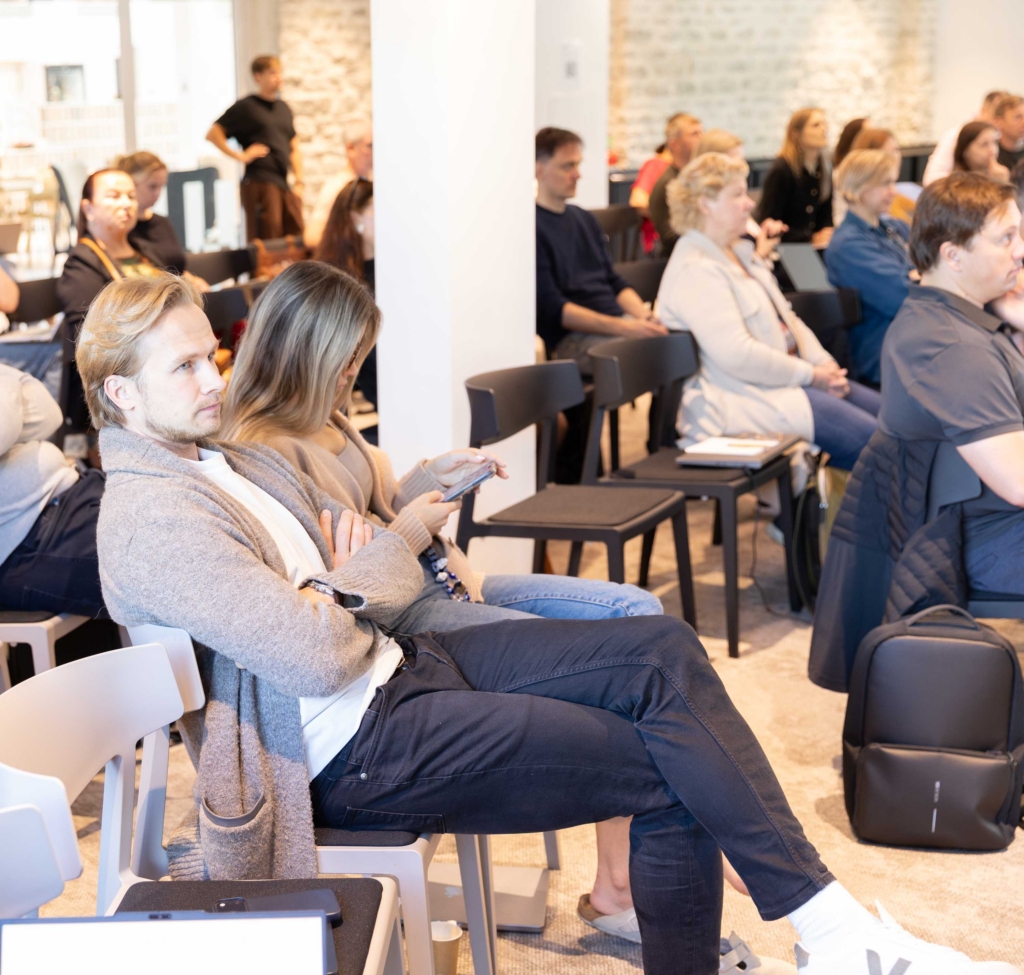
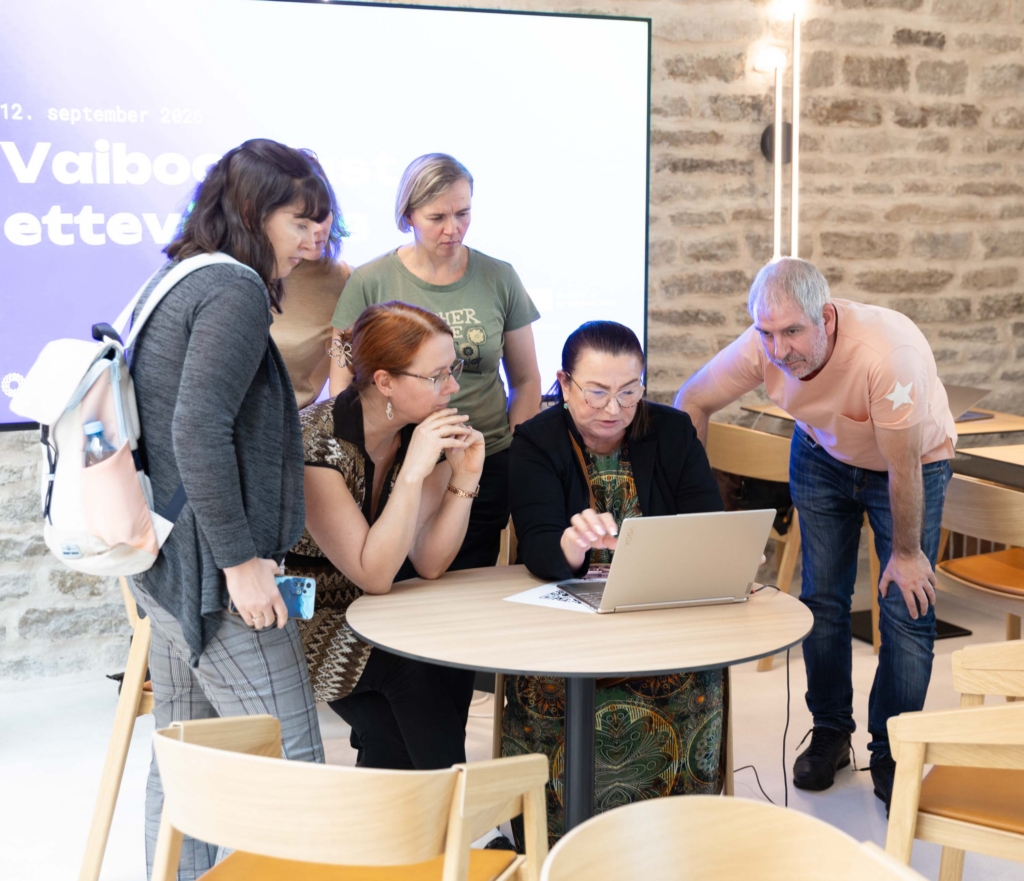
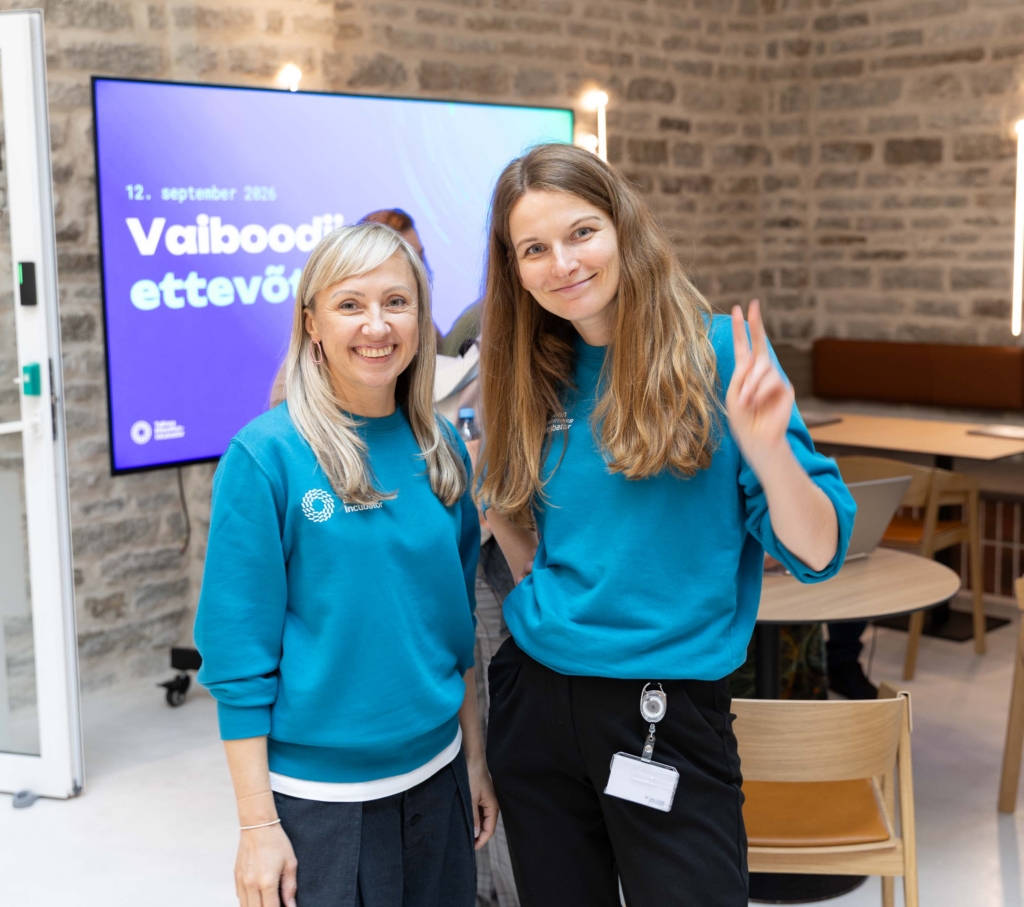
On 29 September, a new business season began at the Tallinn Business Incubator. Over the course of a single day, the Business Season Kickoff brought together entrepreneurs, experts, investors, mentors, partners and the incubator community to talk about what really matters in business: a good idea, artificial intelligence, funding, marketing and growing a company.
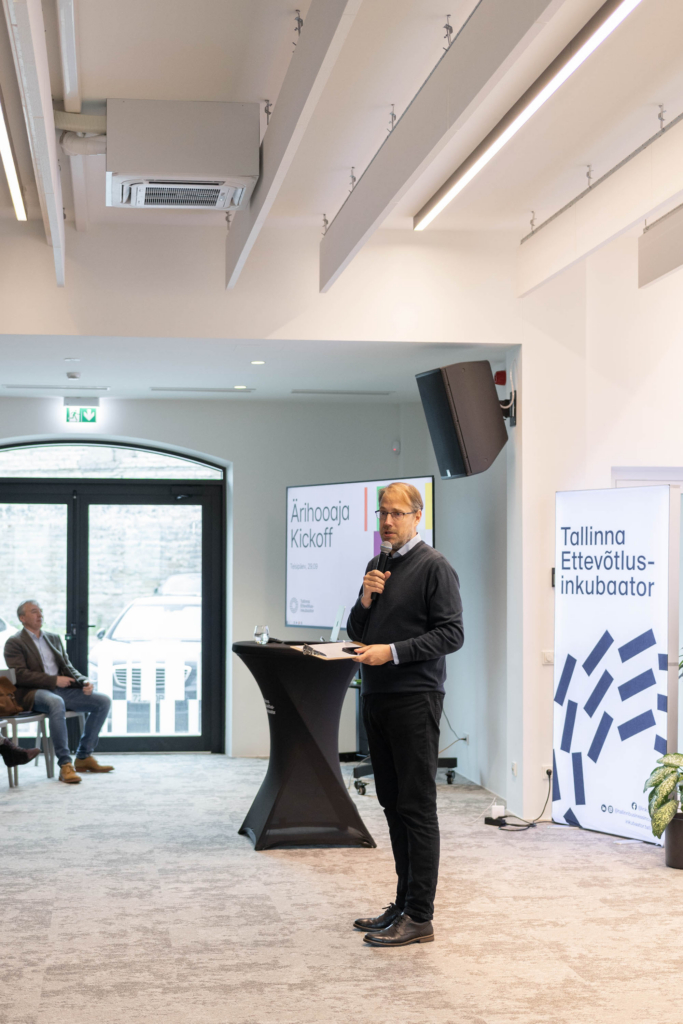
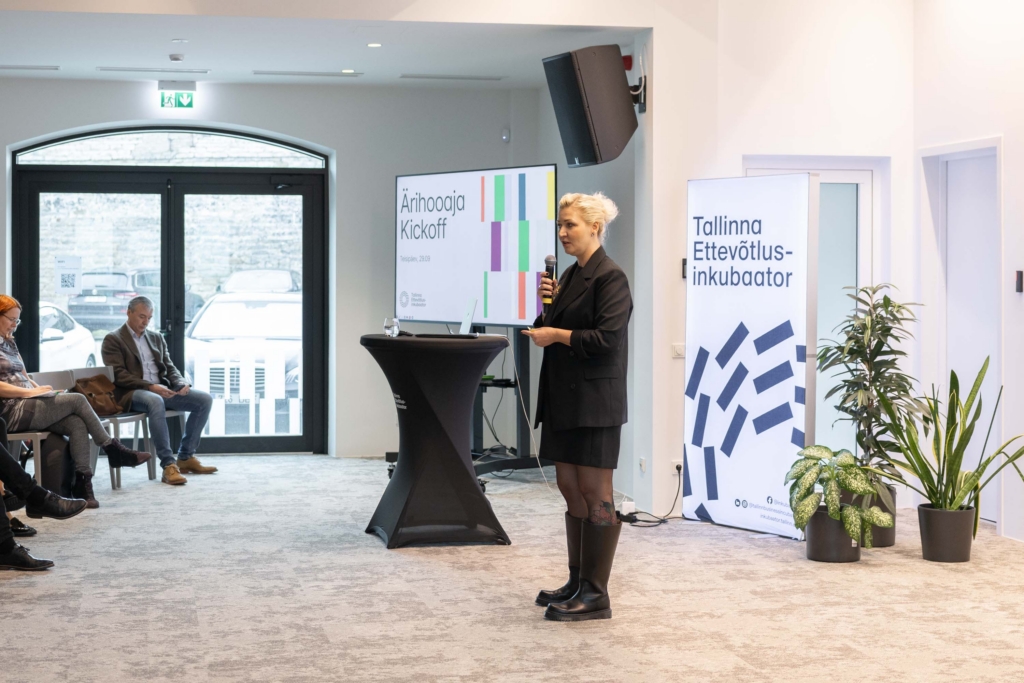
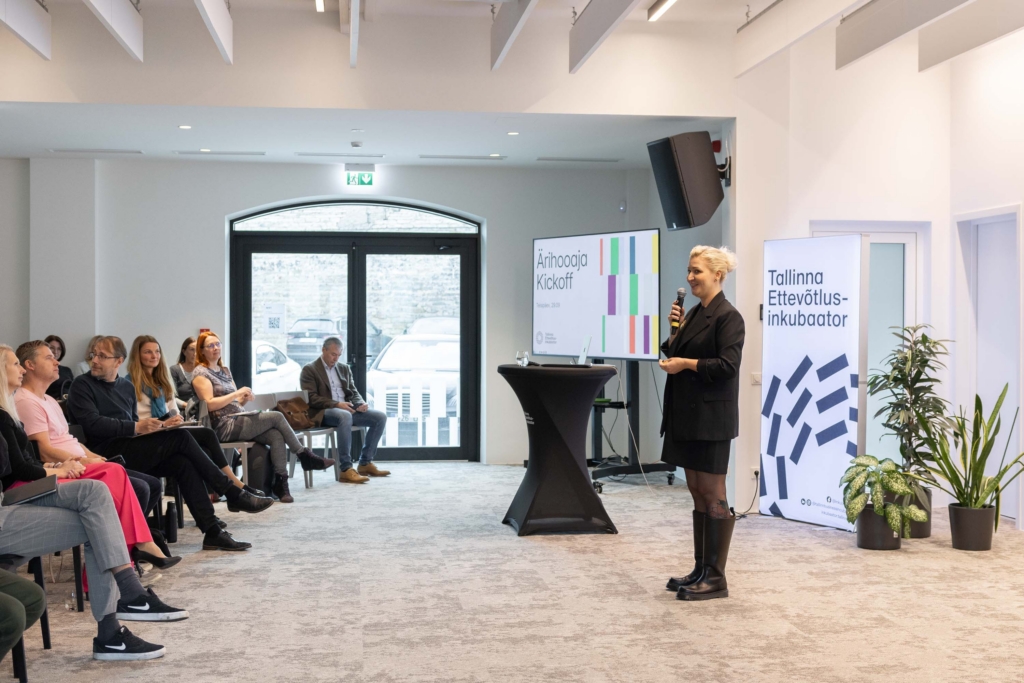
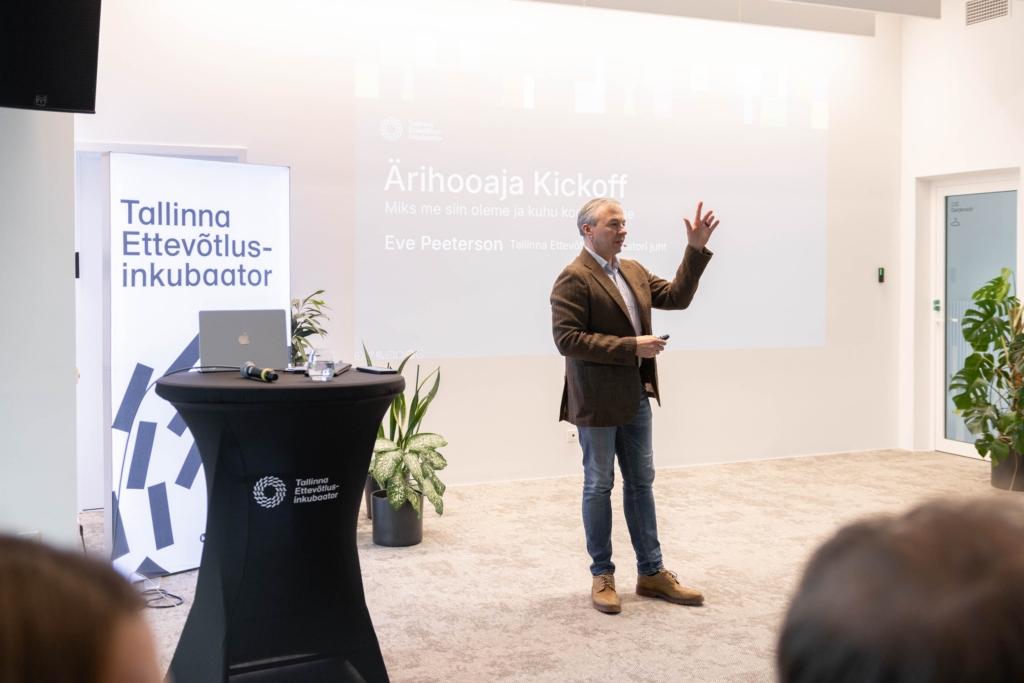
The day was opened by Eve Peeterson, Head of the Tallinn Business Incubator, who fired the starting shot for the new business season and spoke about where the incubator community is heading together.
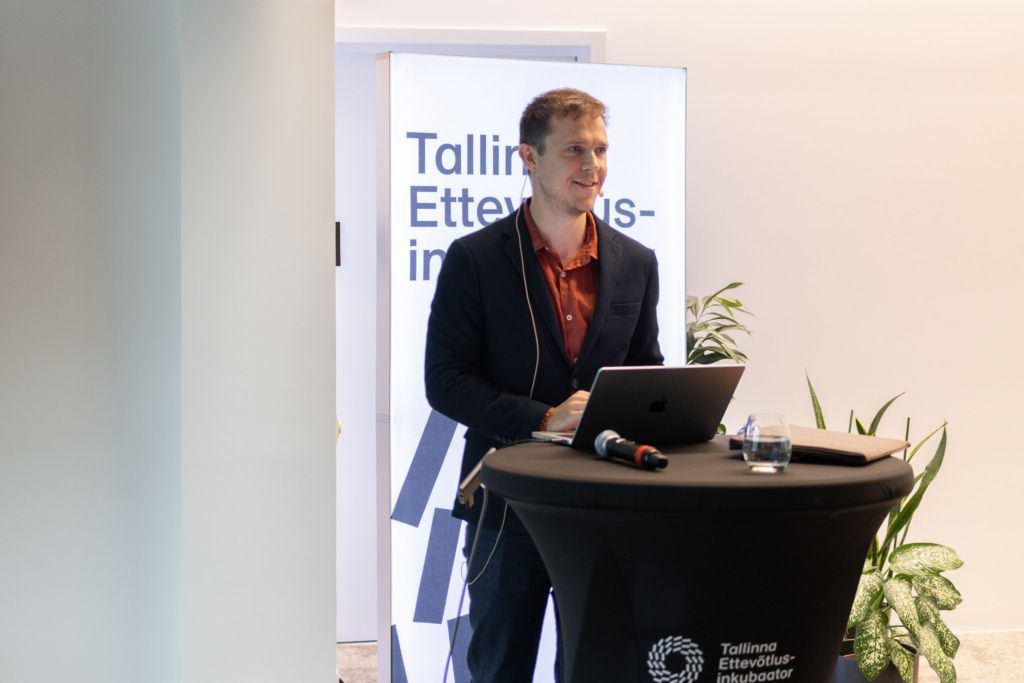
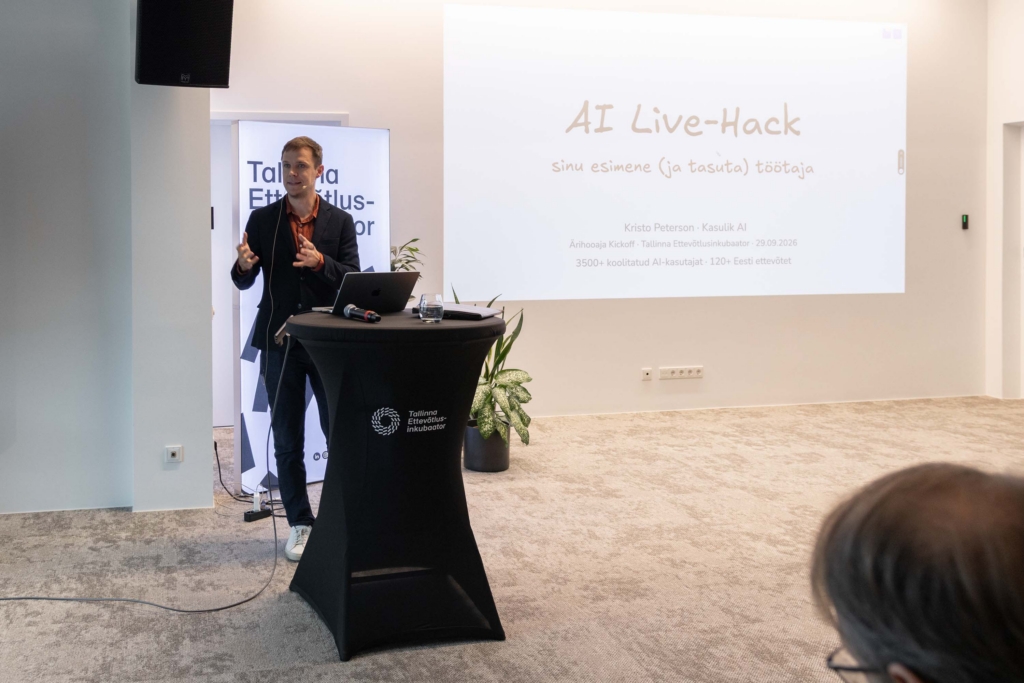
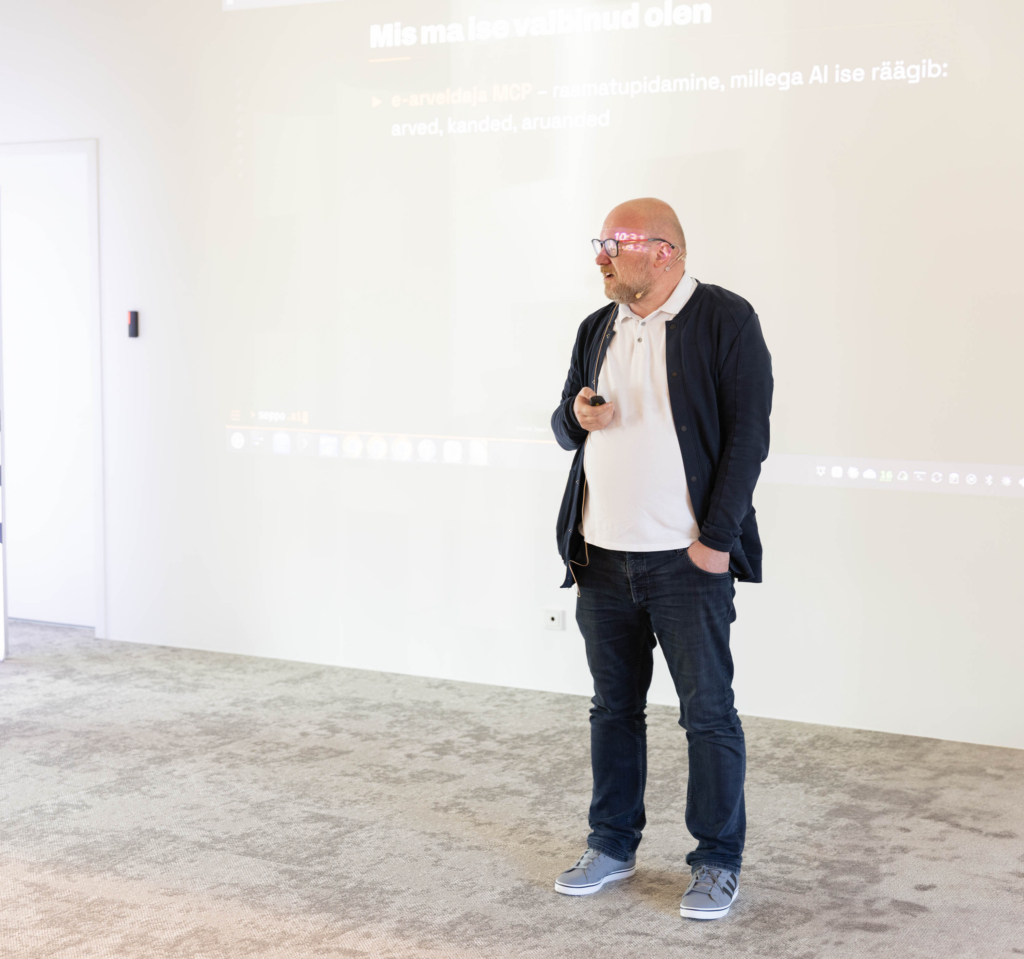
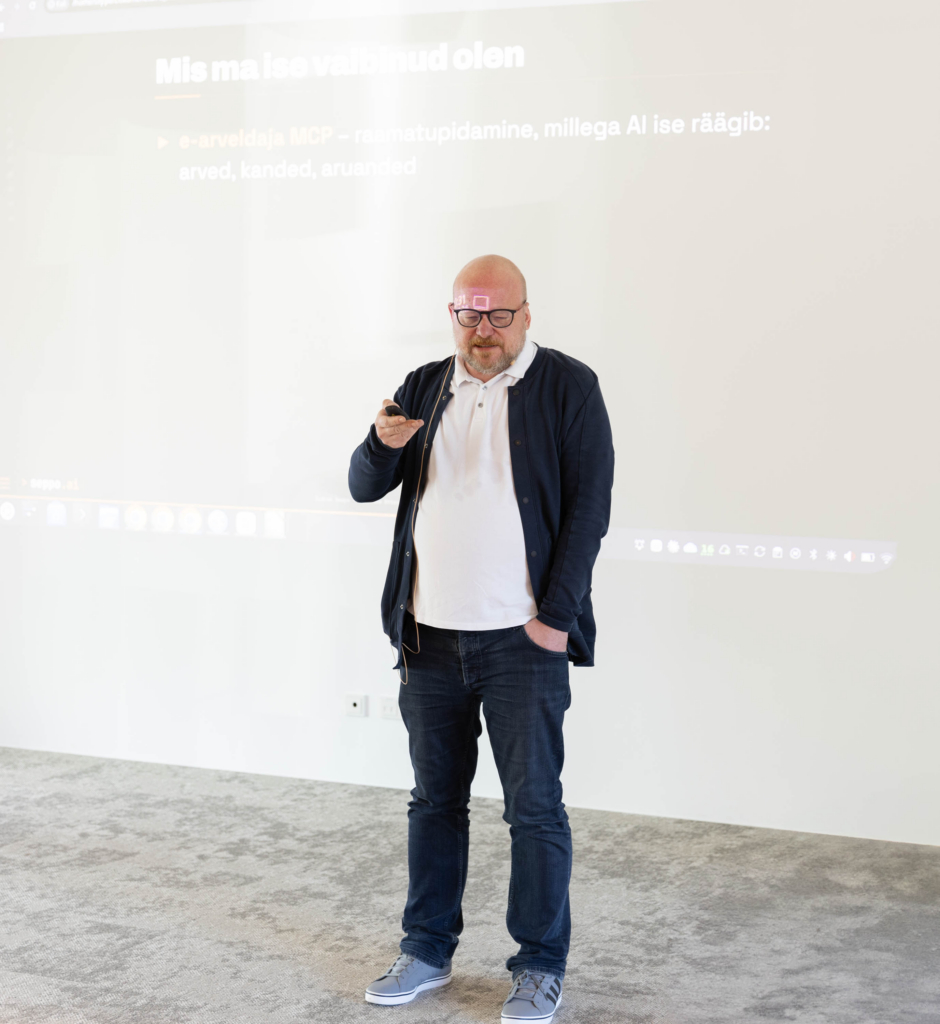
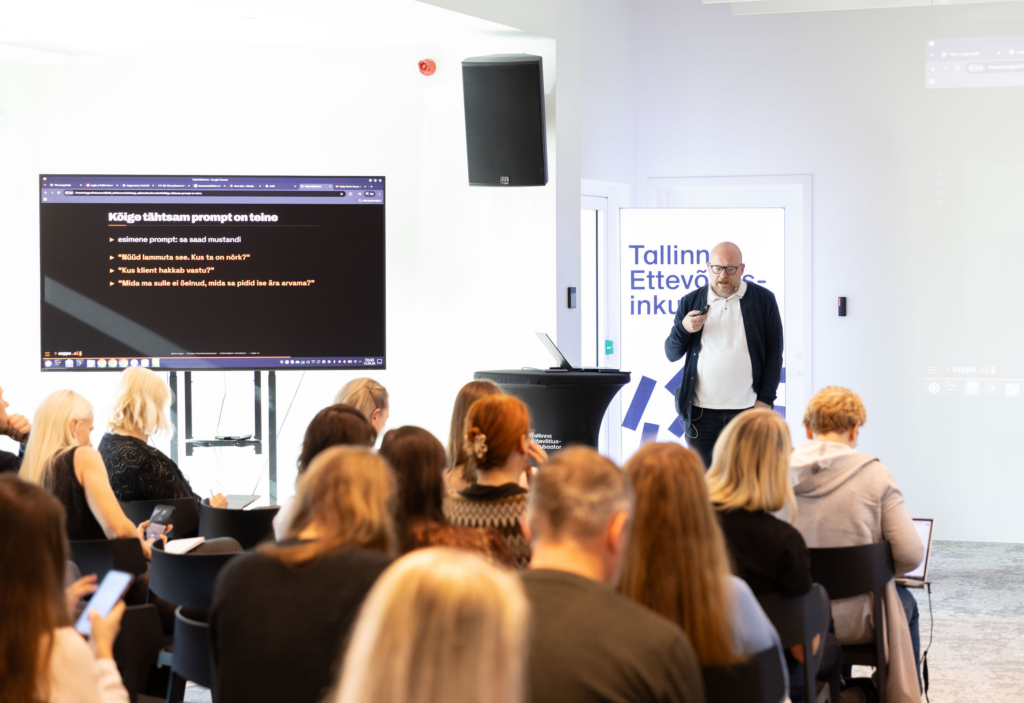
The first practical insight came from Aleksander Gansen, who talked about how good business ideas are born and what it takes to actually get from idea to action. This was followed by Kristo Peterson’s AI Live-Hack, a hands-on look at how to use artificial intelligence so that it becomes something like a first free employee for an early-stage entrepreneur.
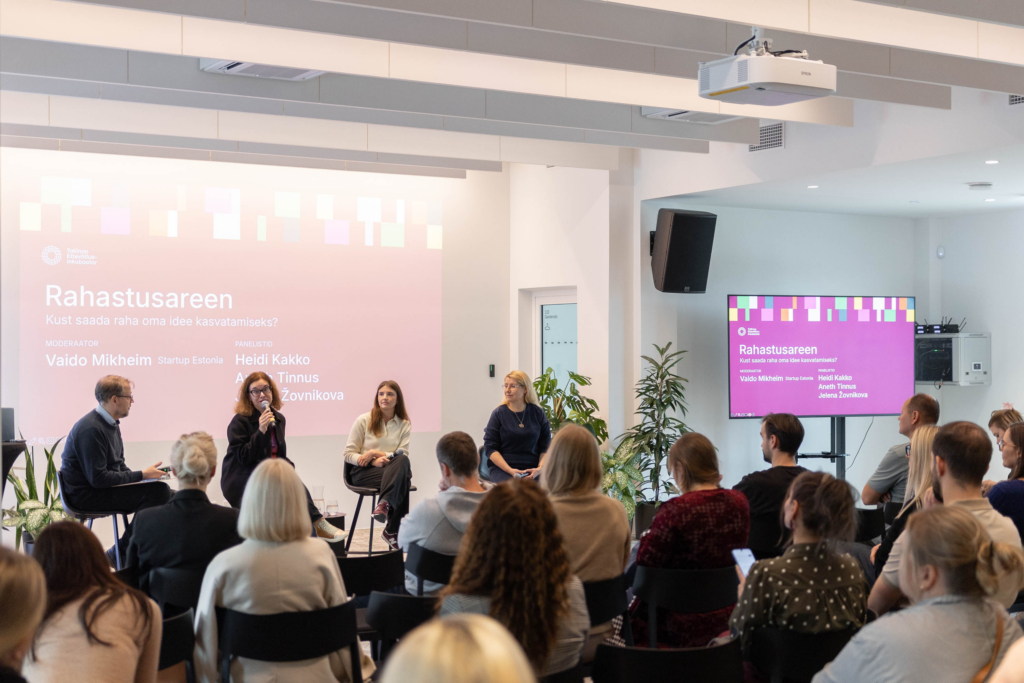
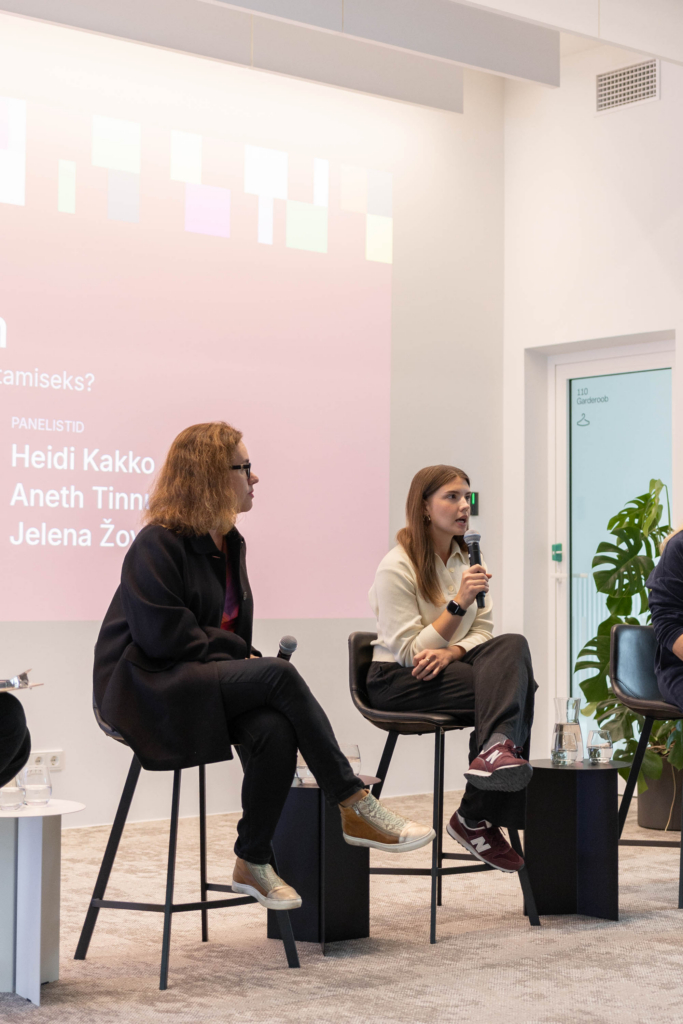
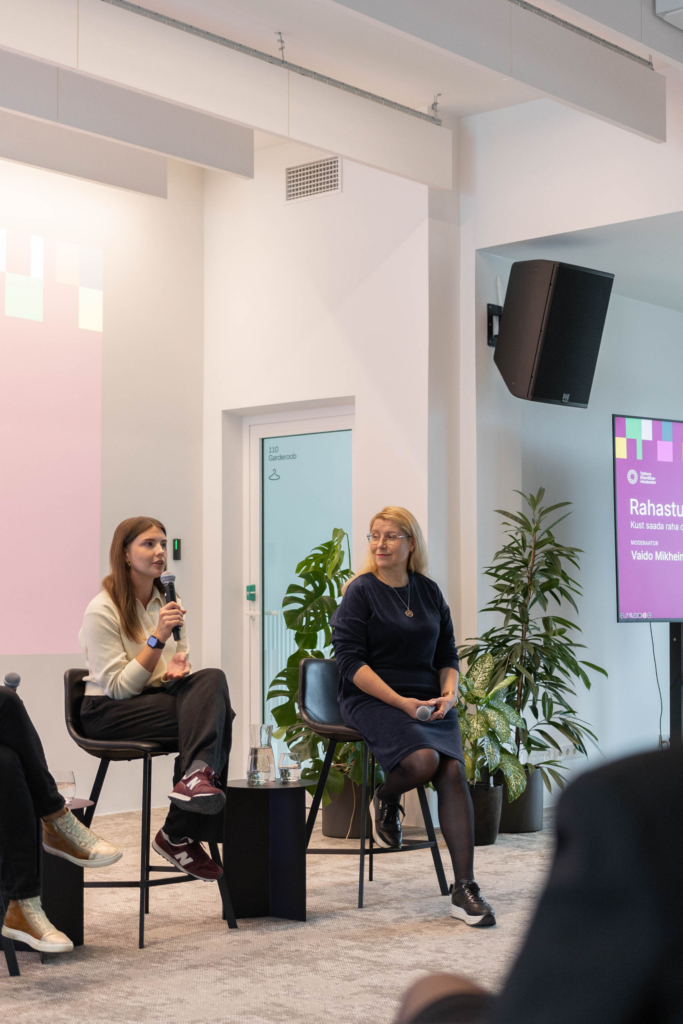
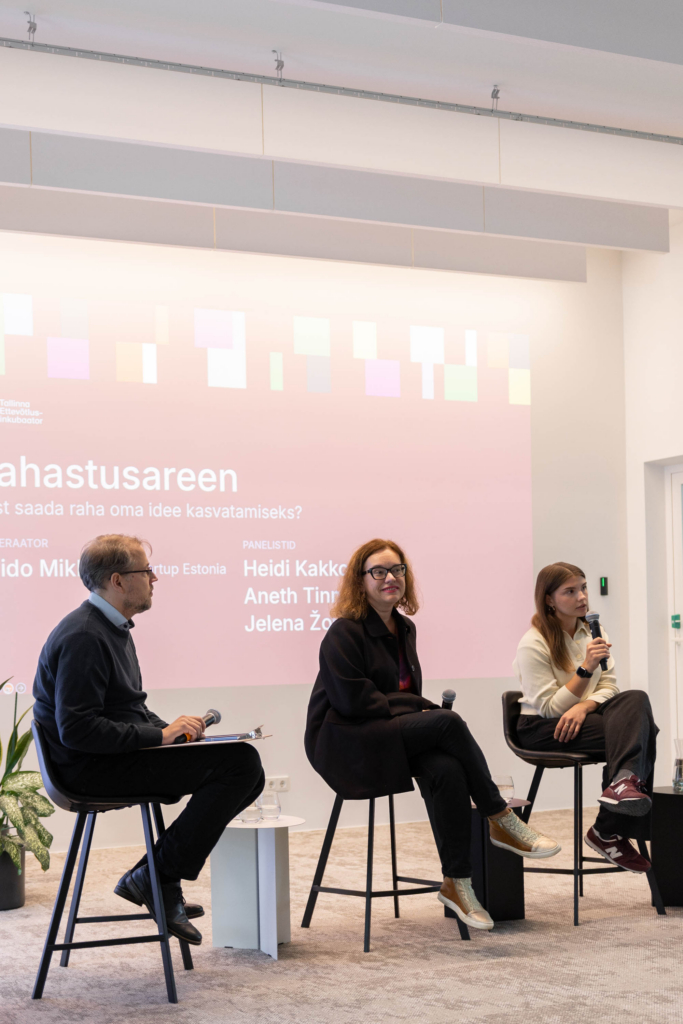
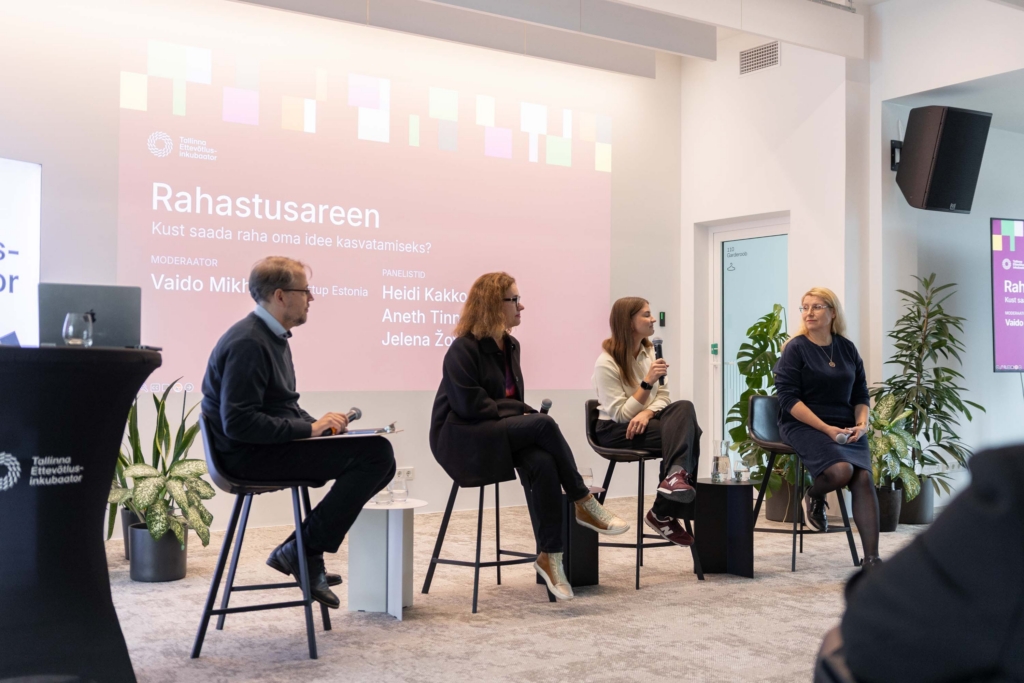
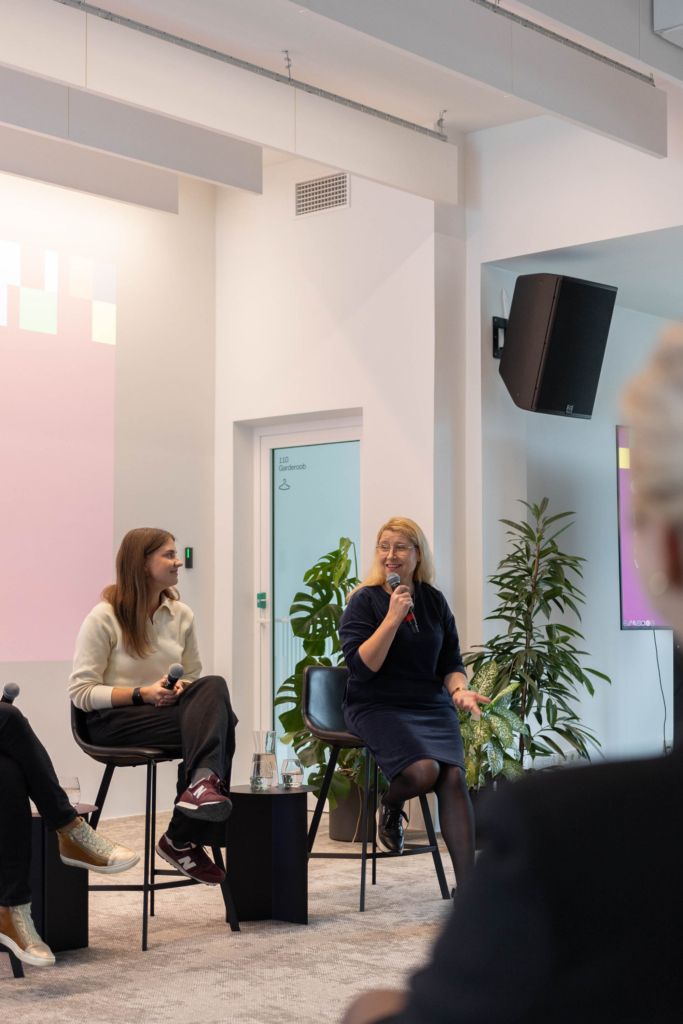
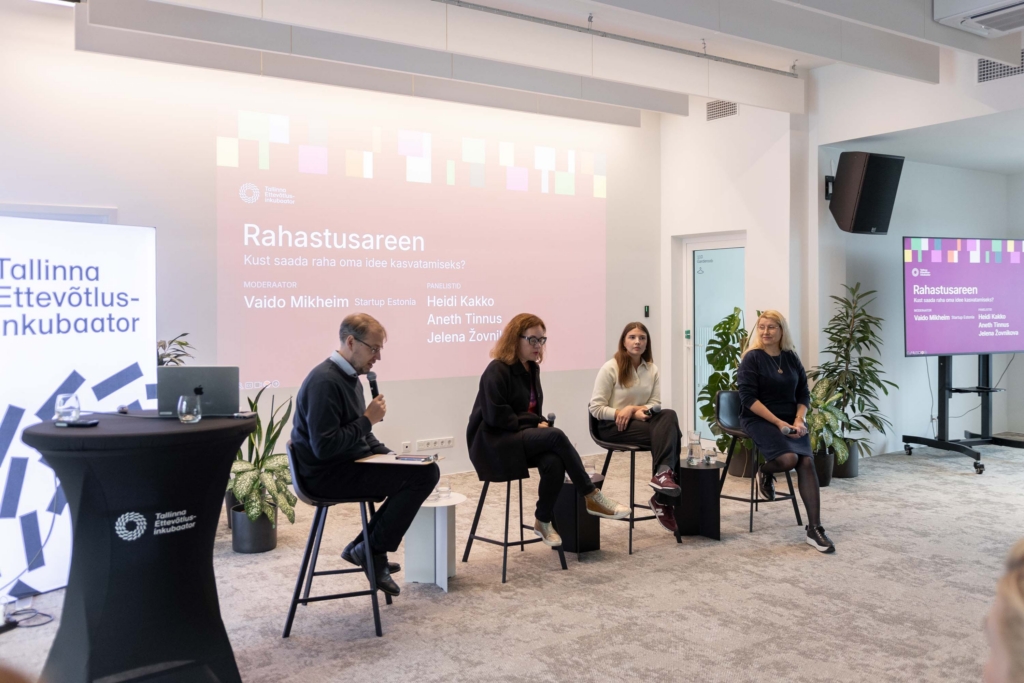
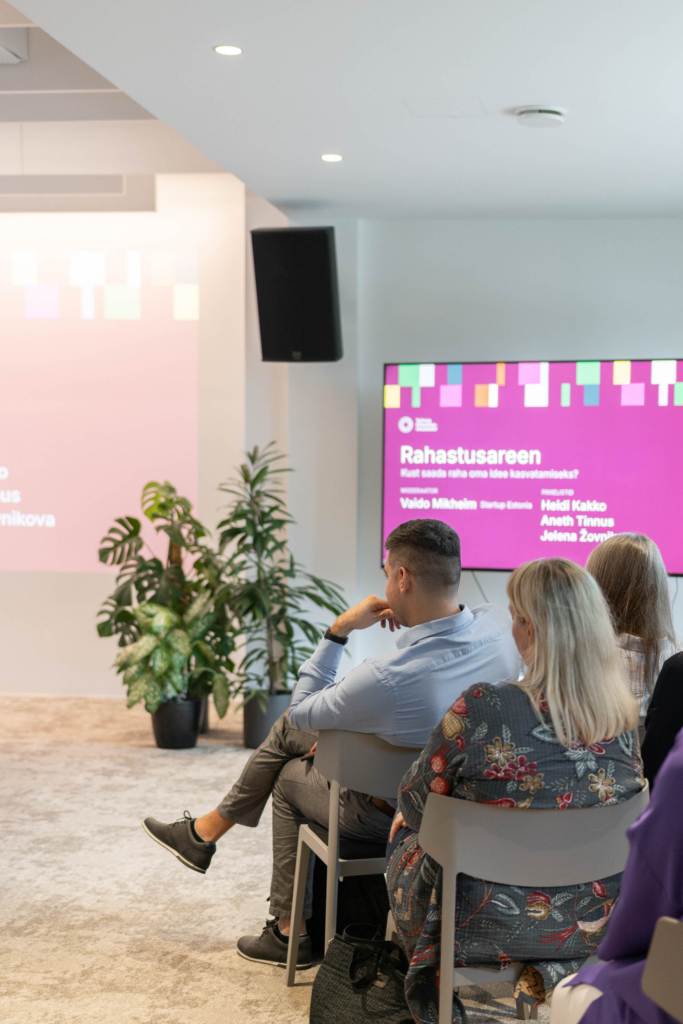
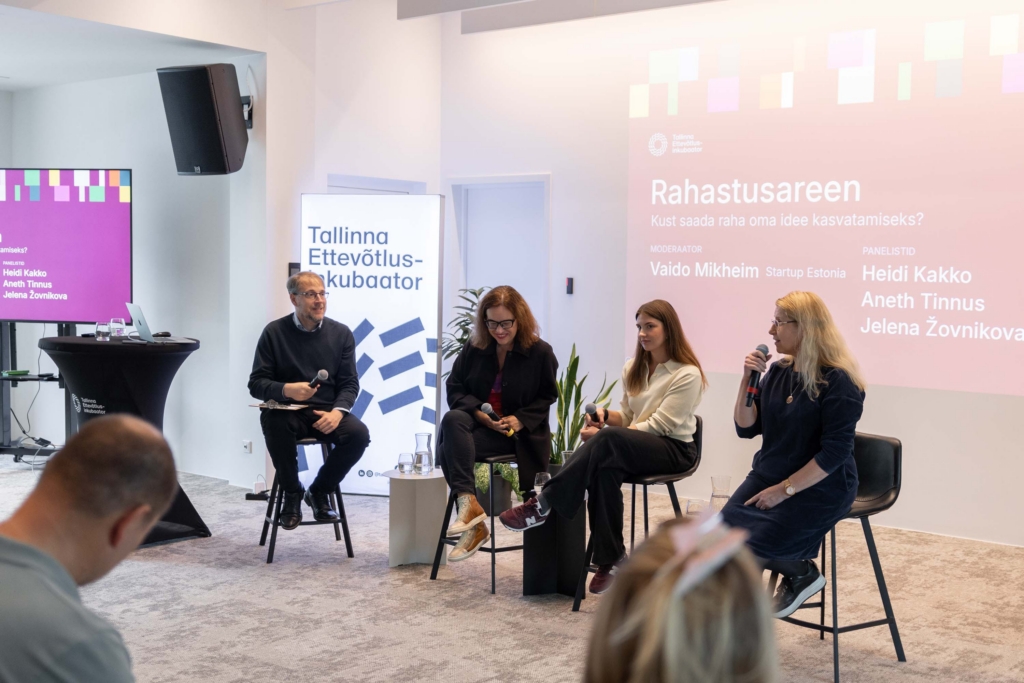
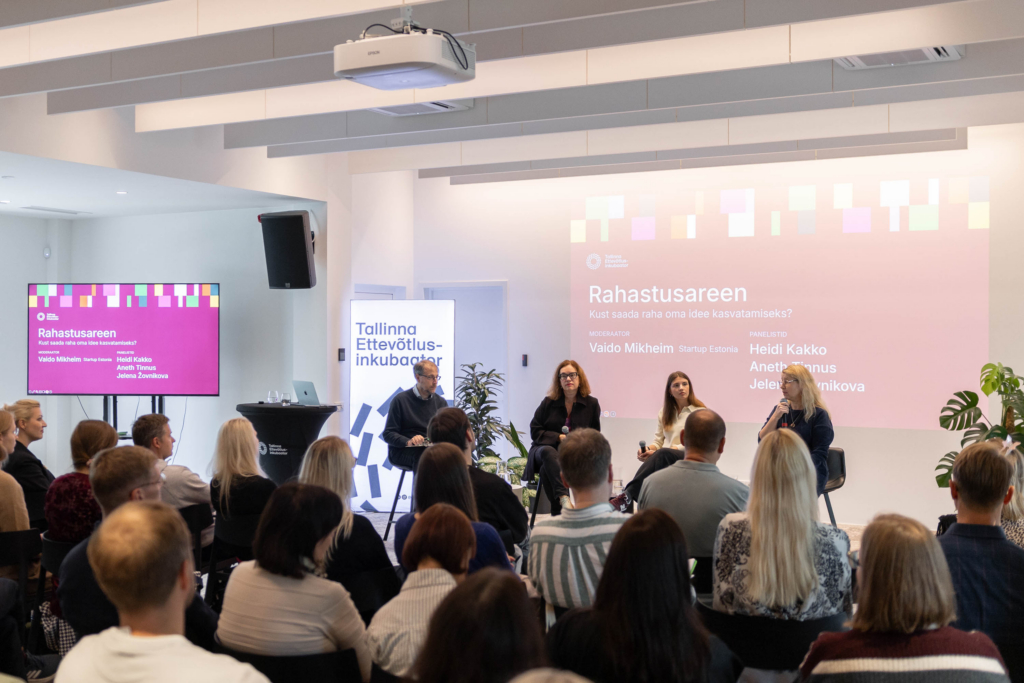
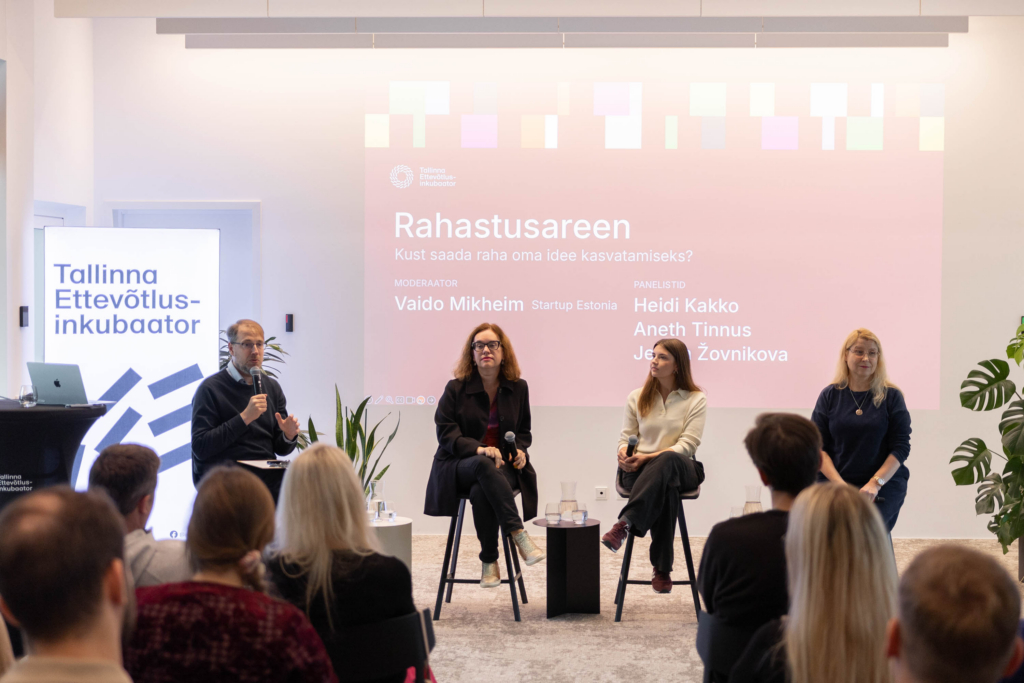
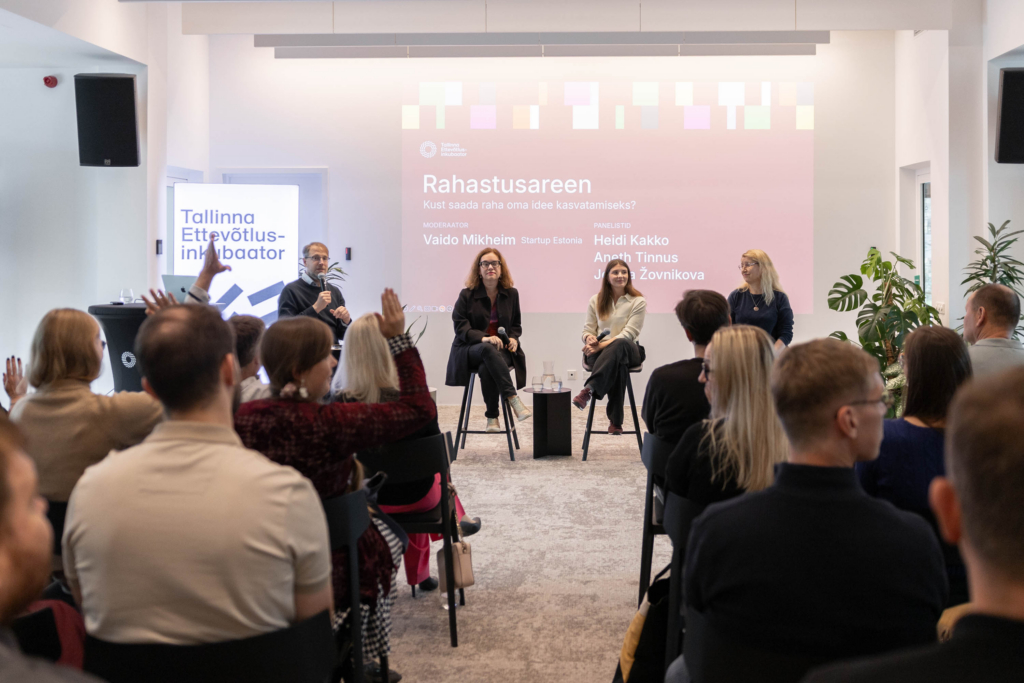
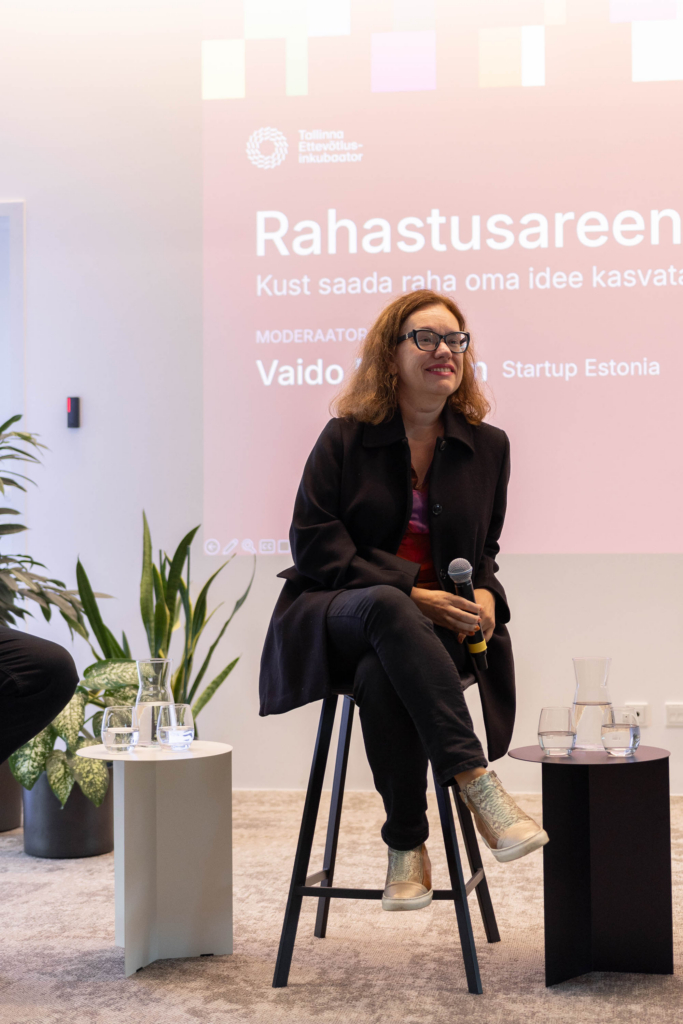
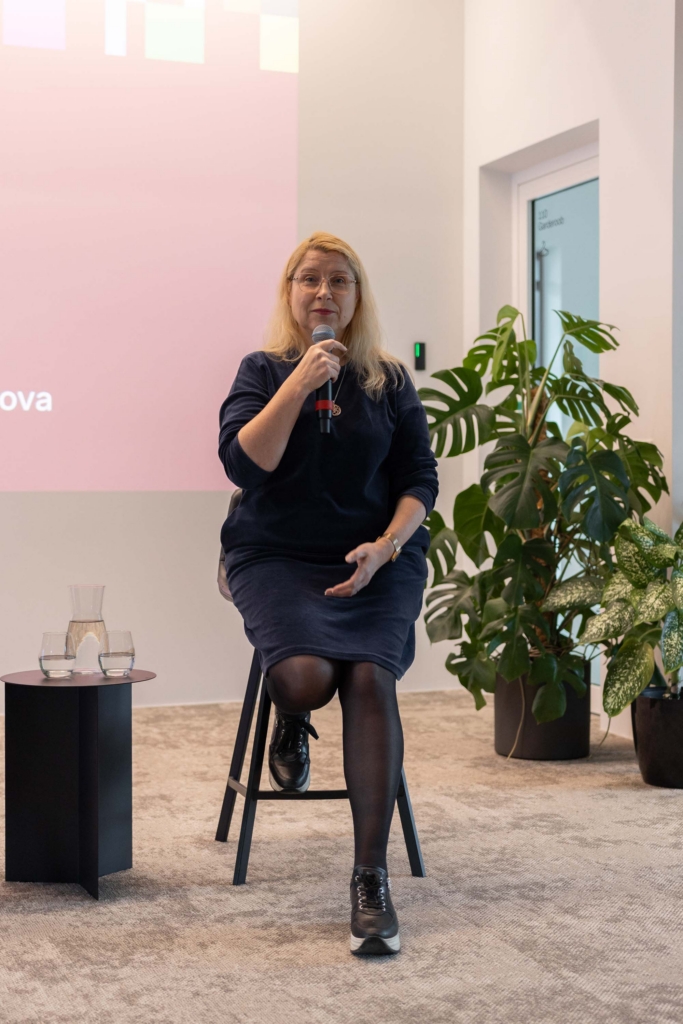
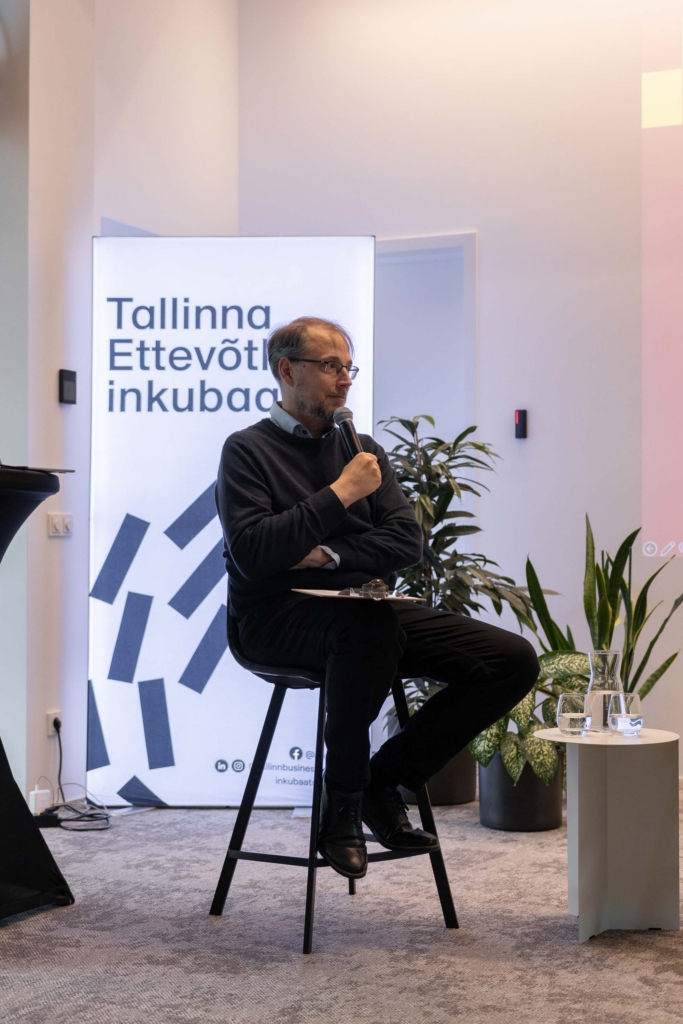
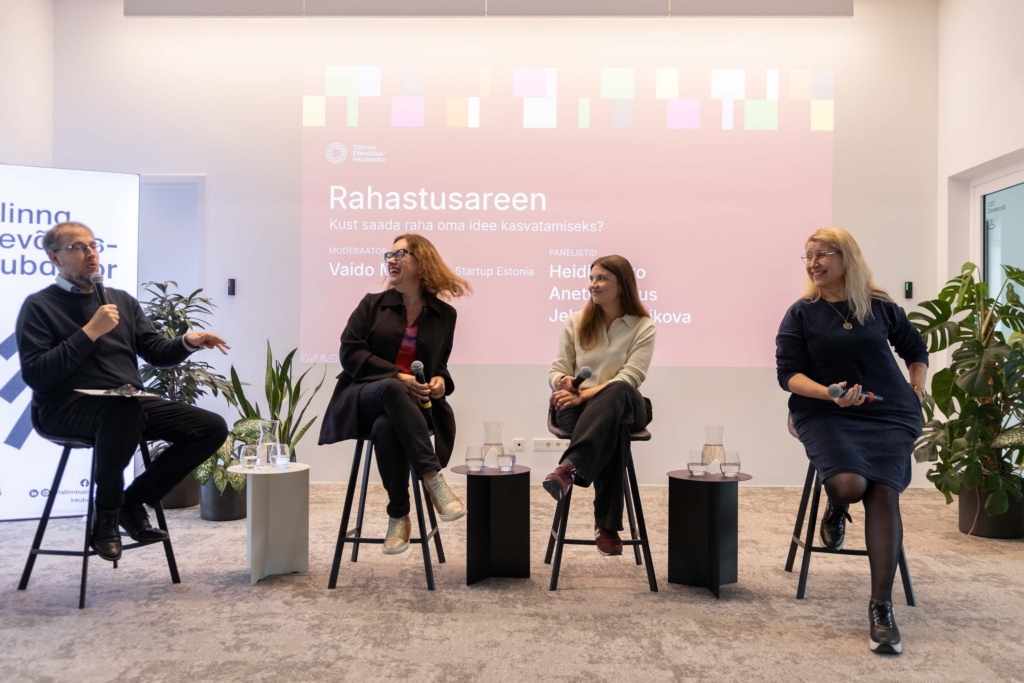
Funding was the focus of the “Funding Arena”, moderated by Vaido Mikheim (Startup Estonia). Panellists Heidi Kakko, Aneth Tinnus and Jelena Žovnikova discussed different funding options and what investors and other funders really expect from entrepreneurs.
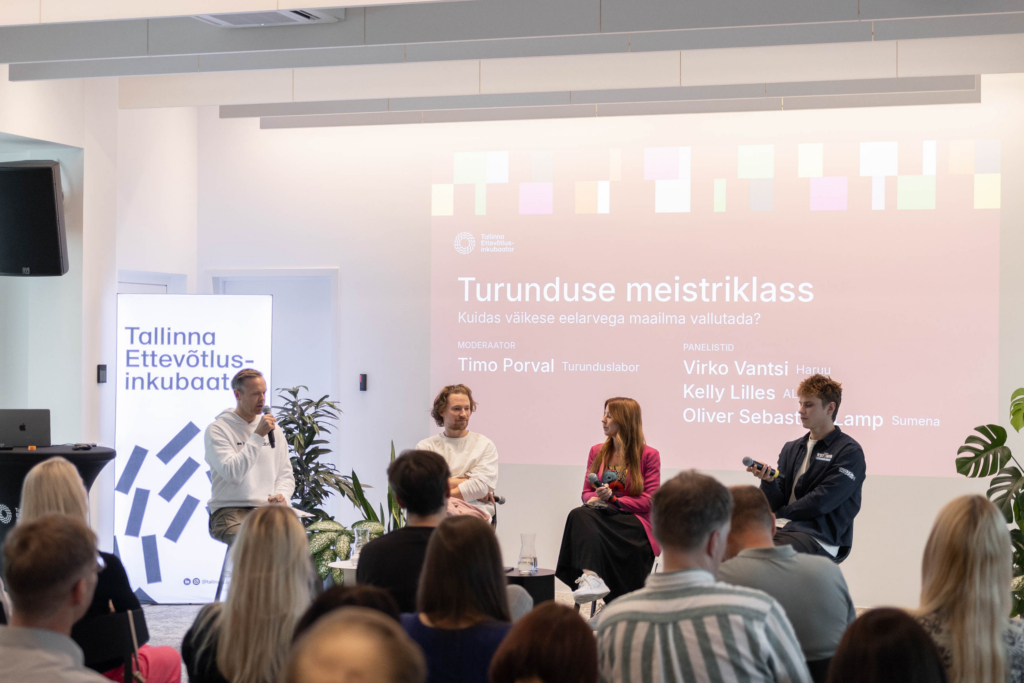
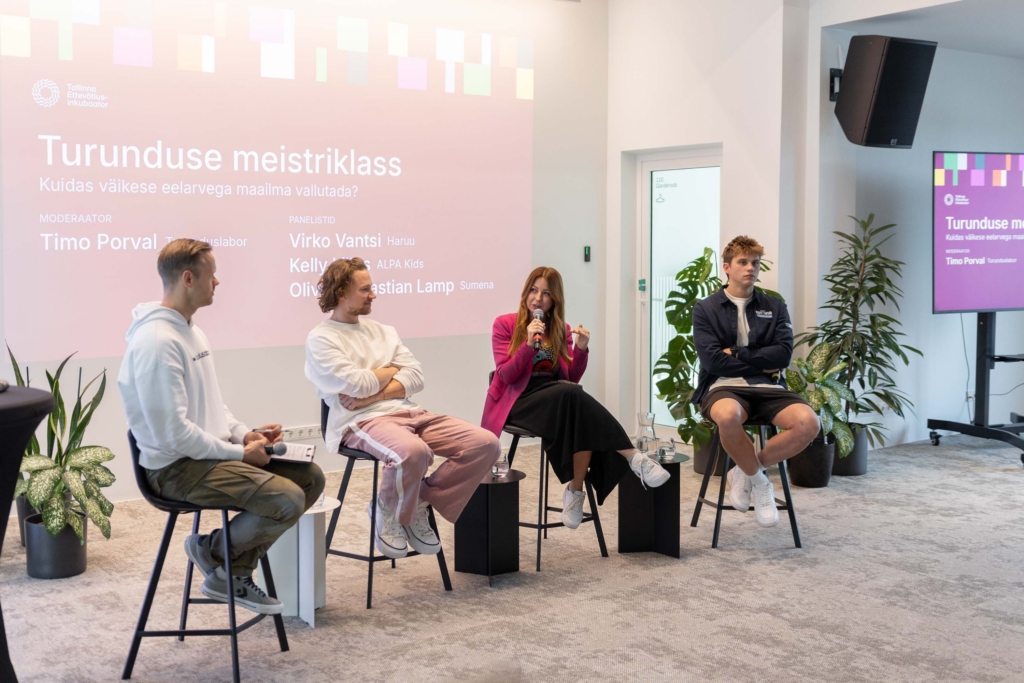
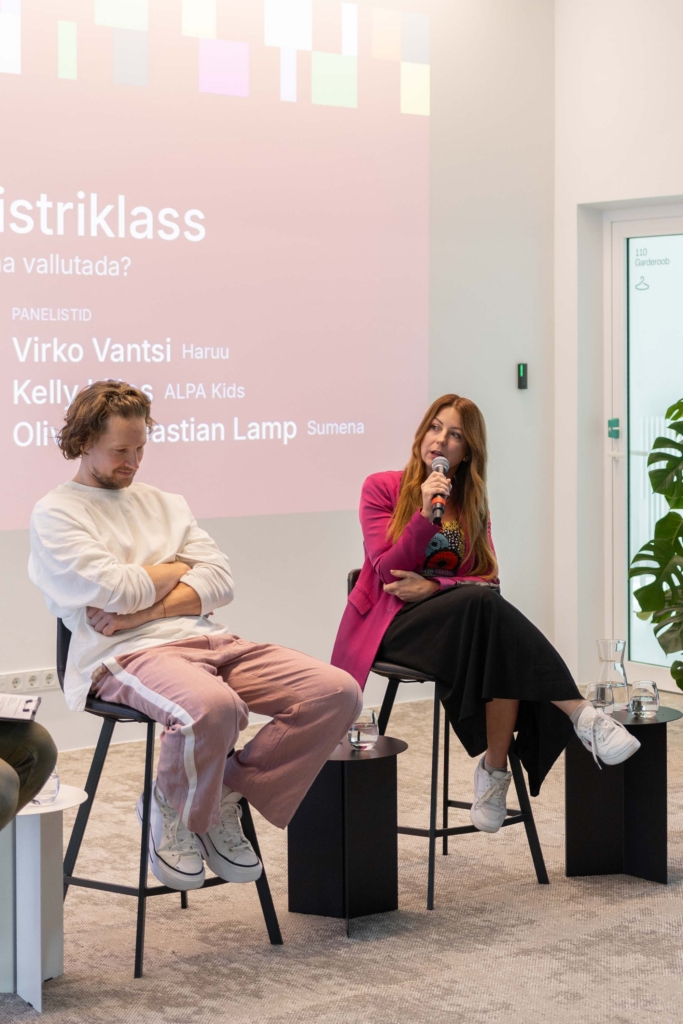
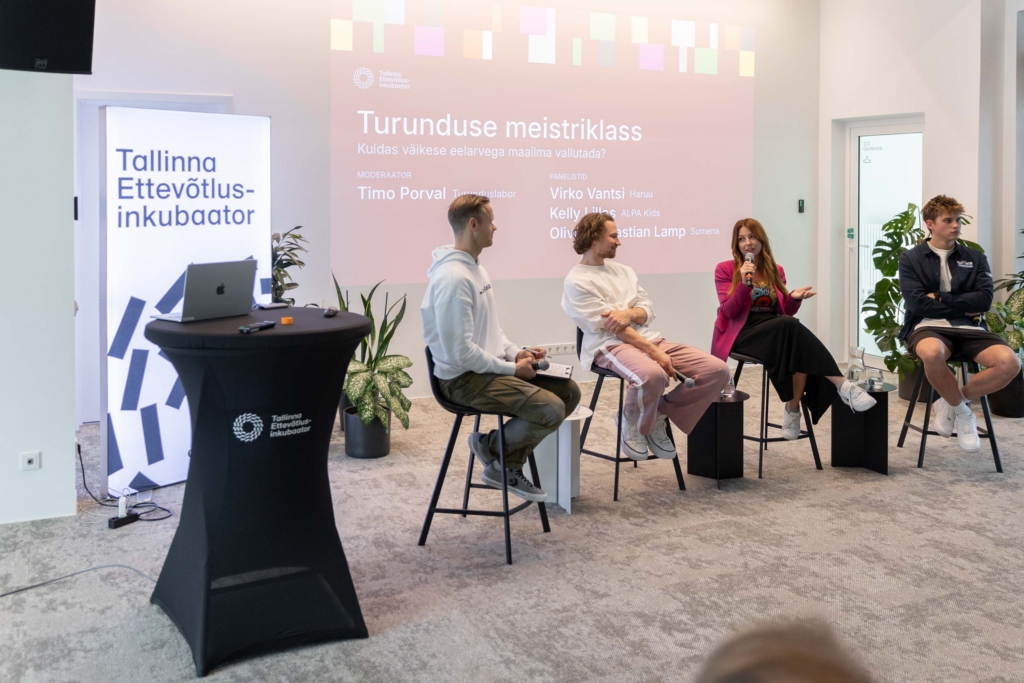
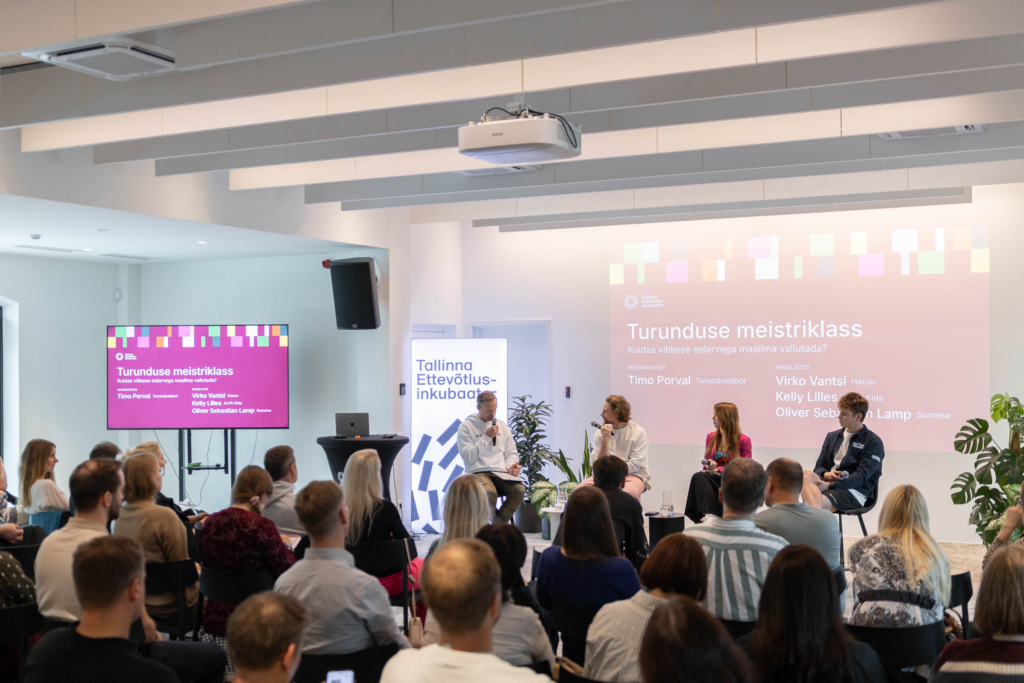
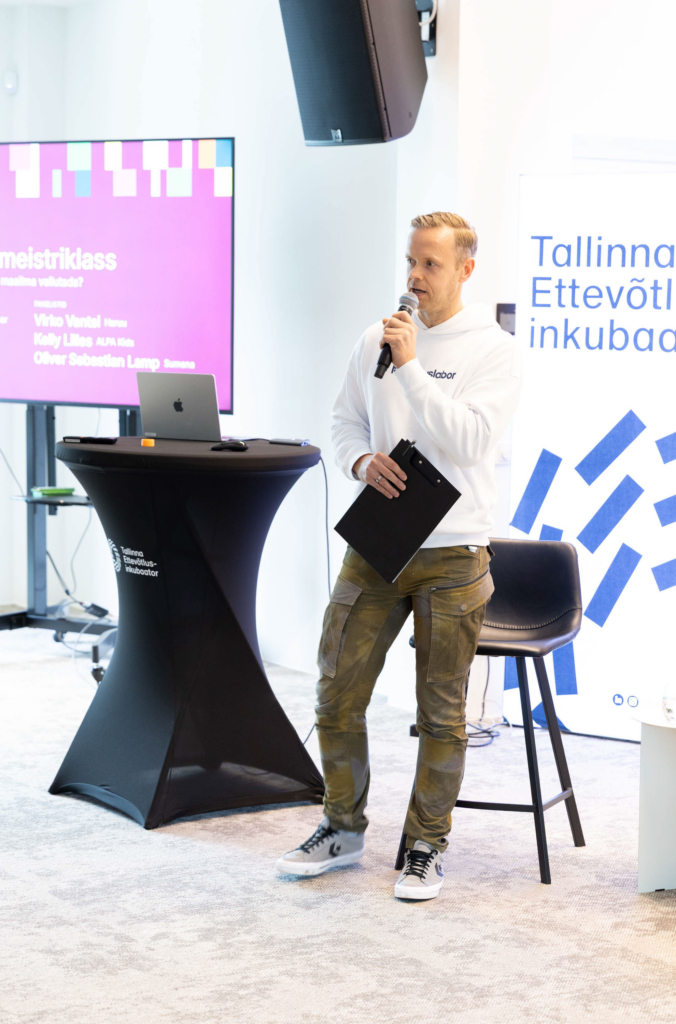
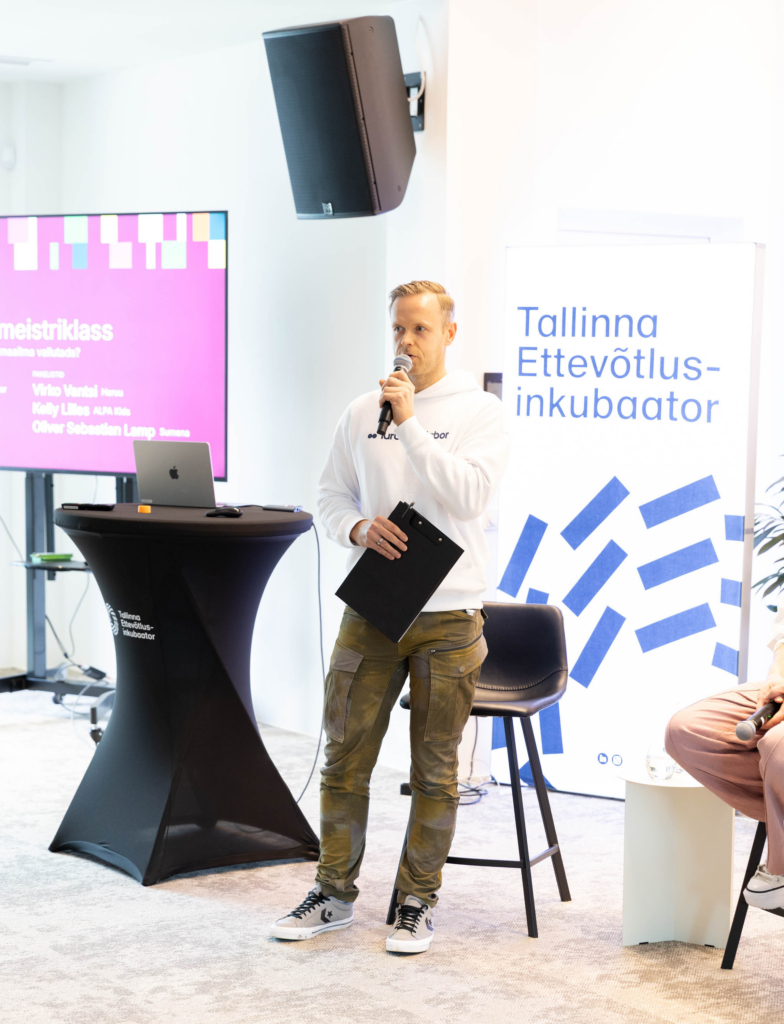
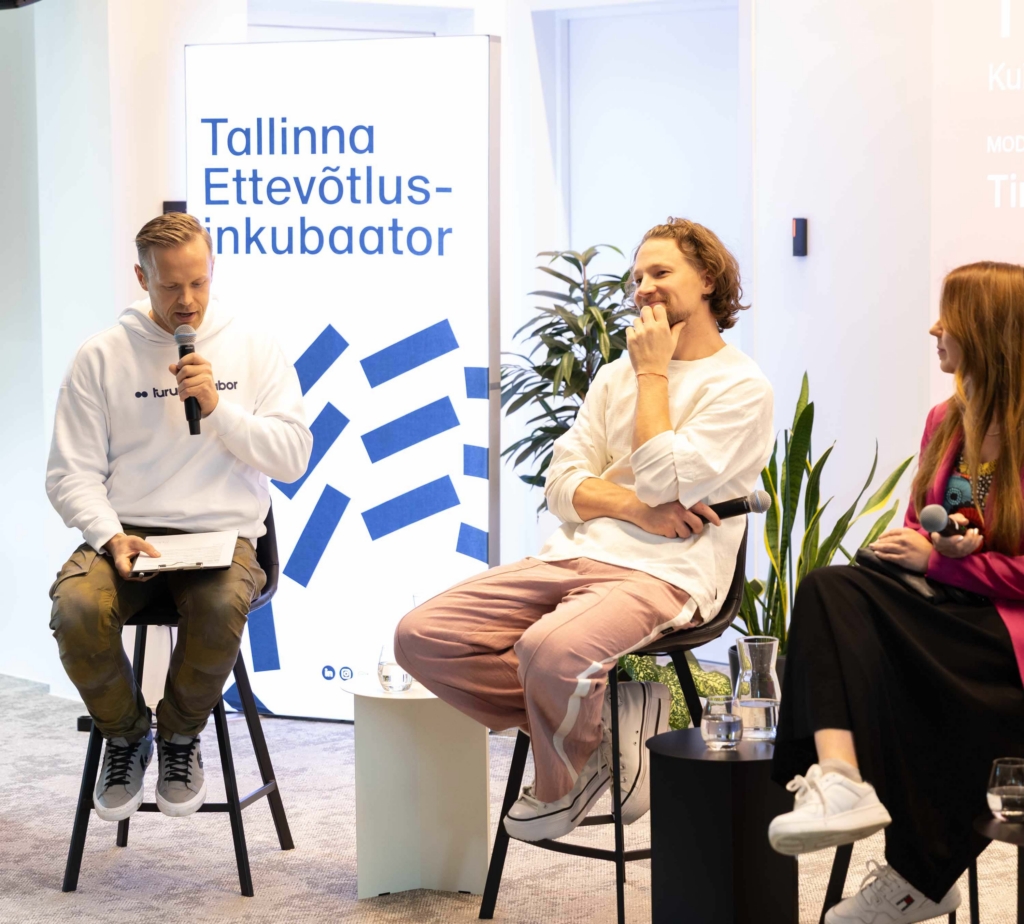
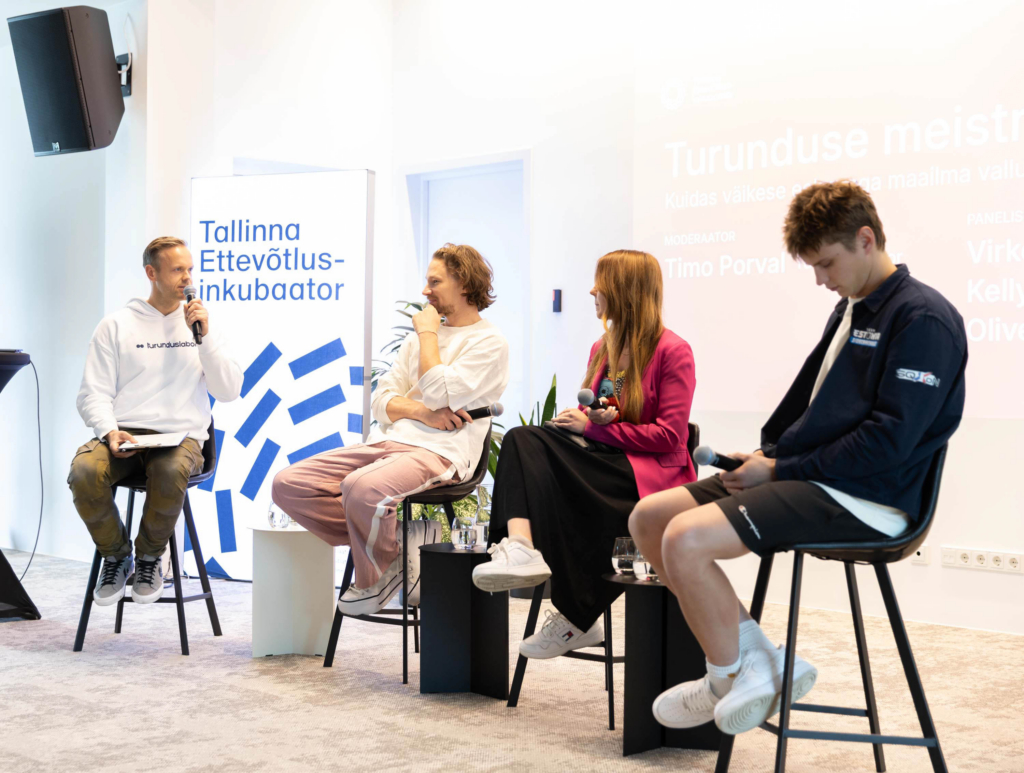
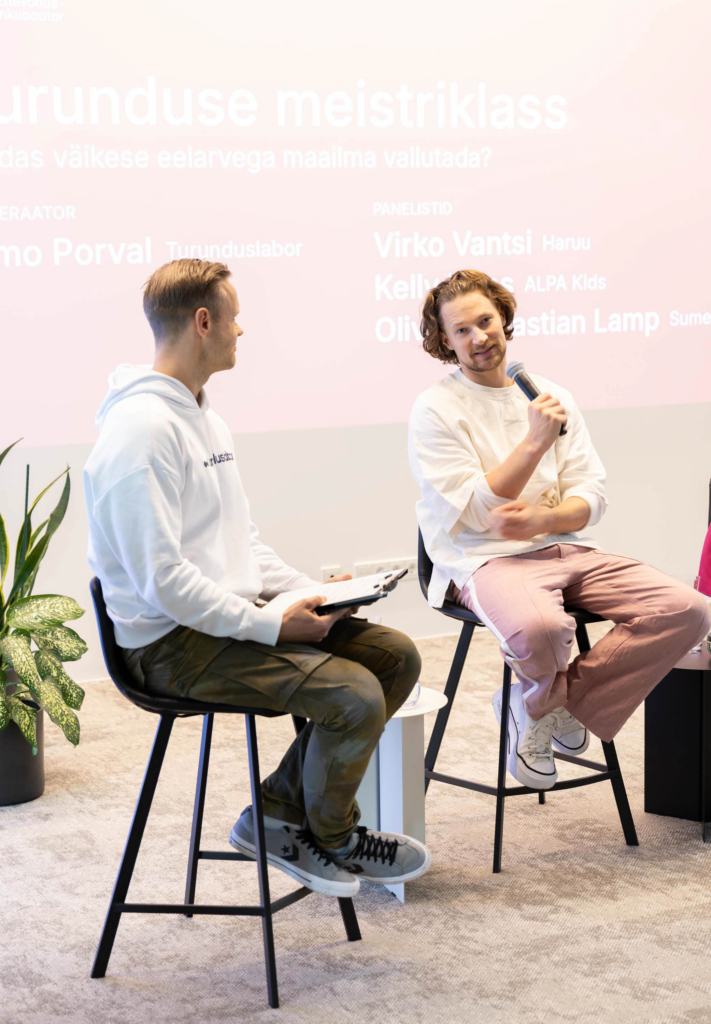
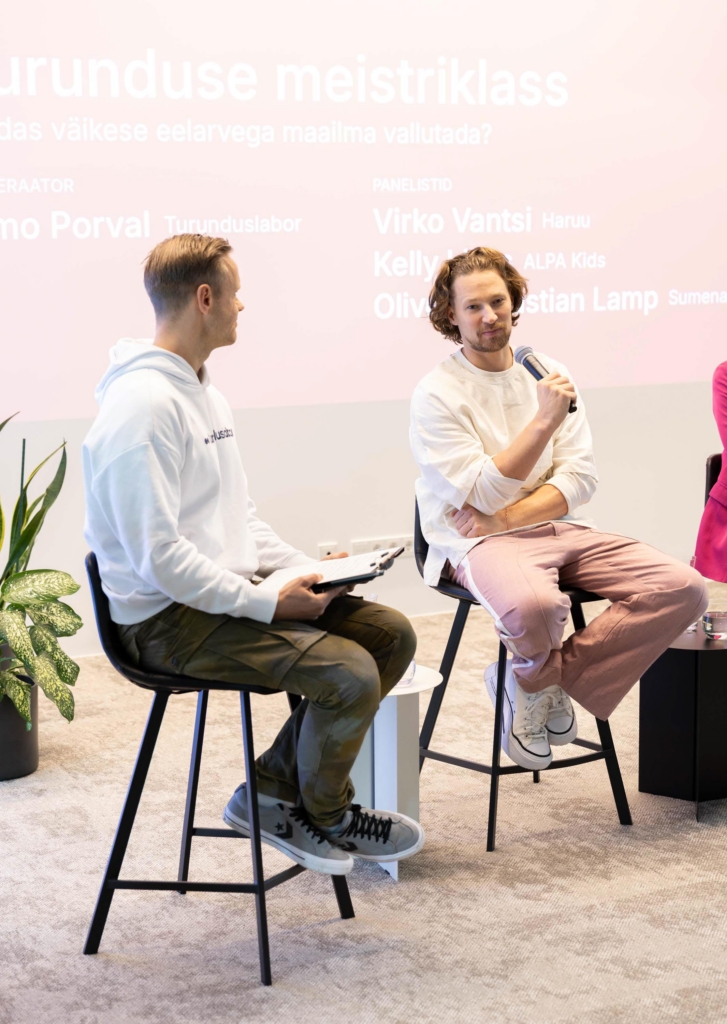
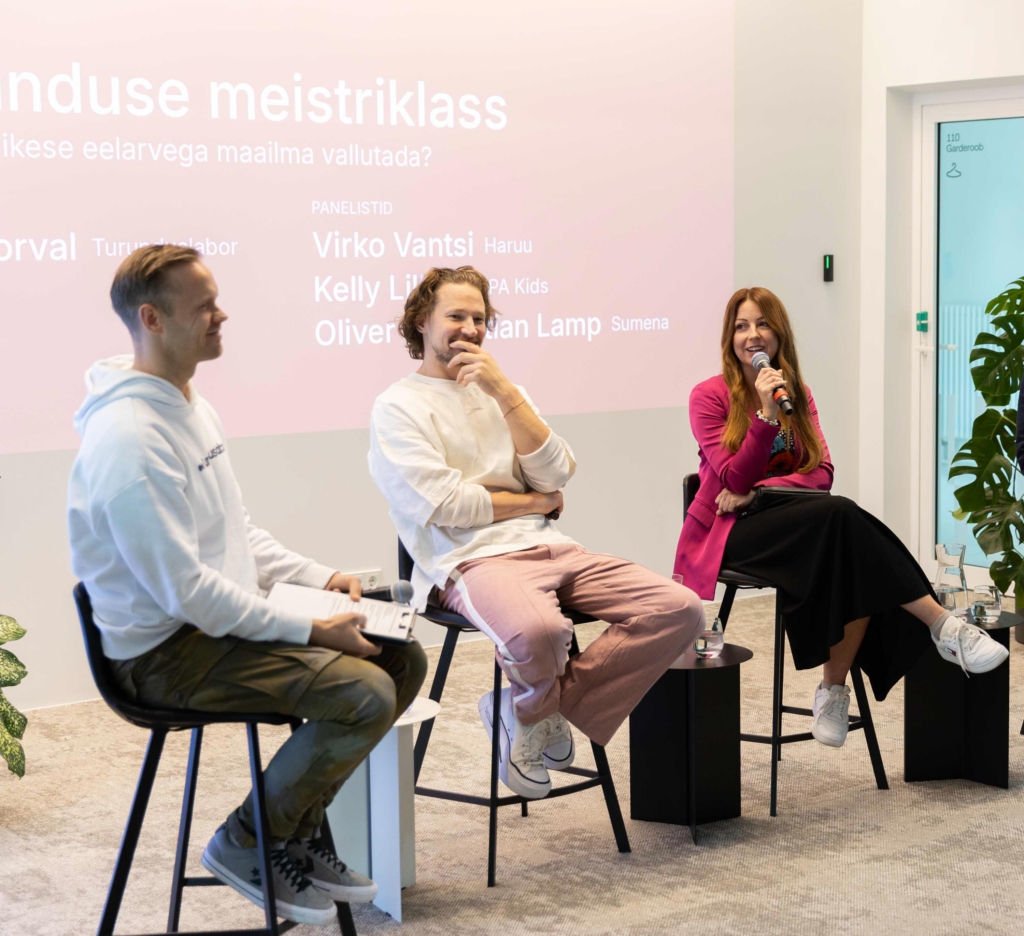
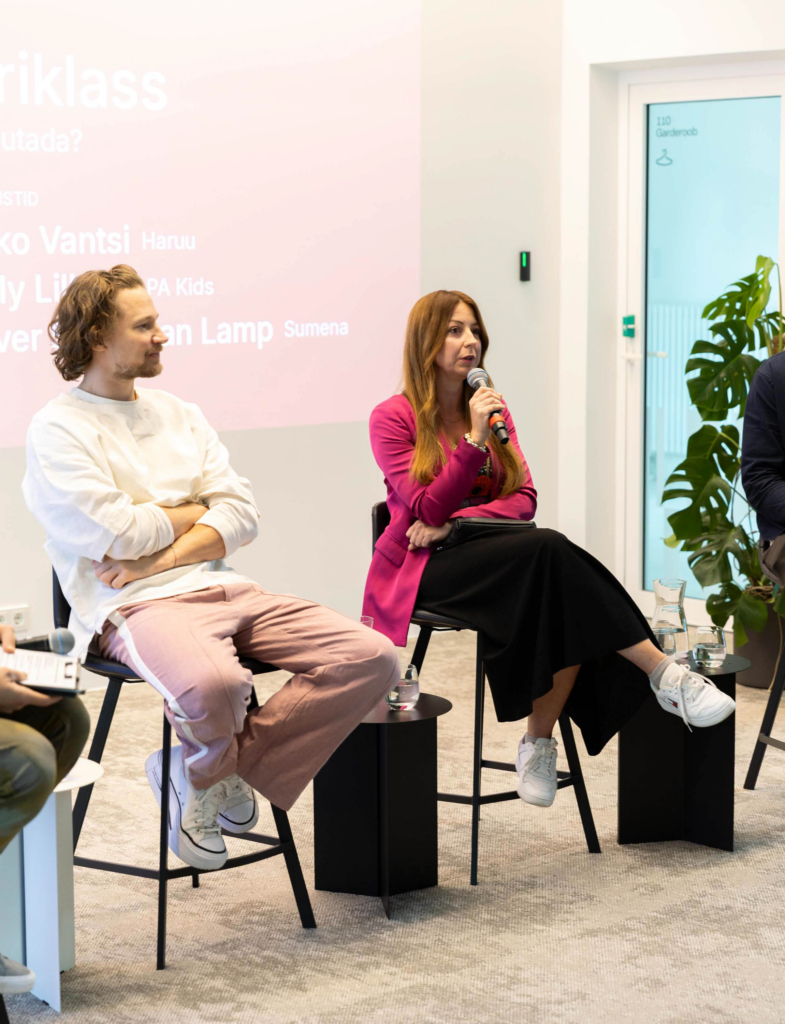
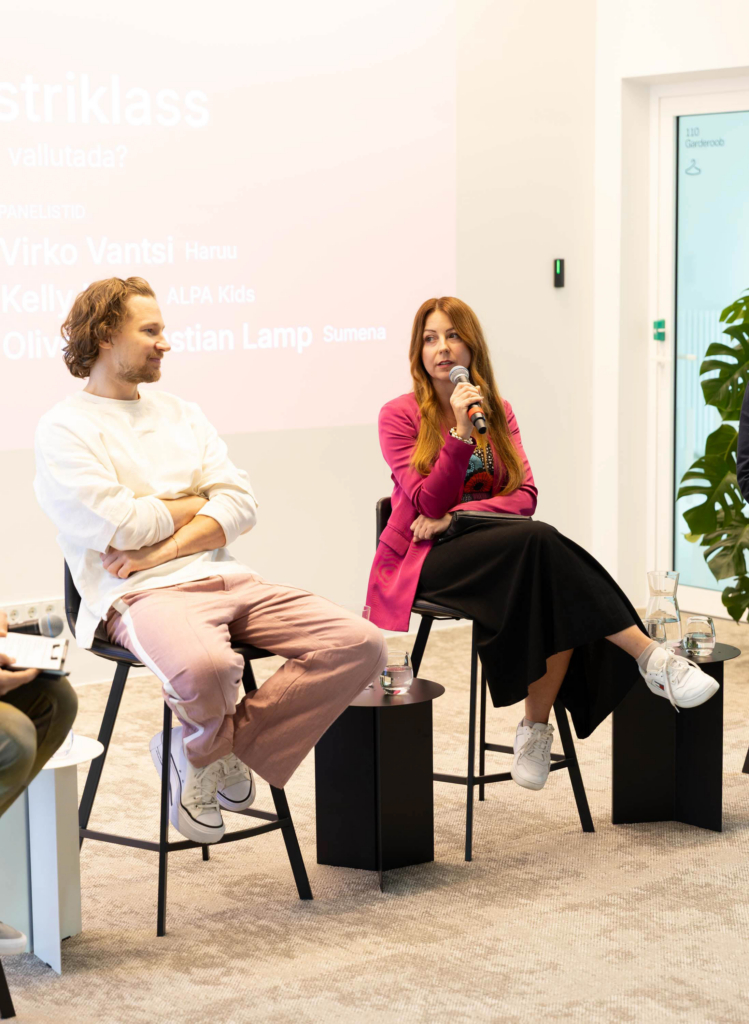
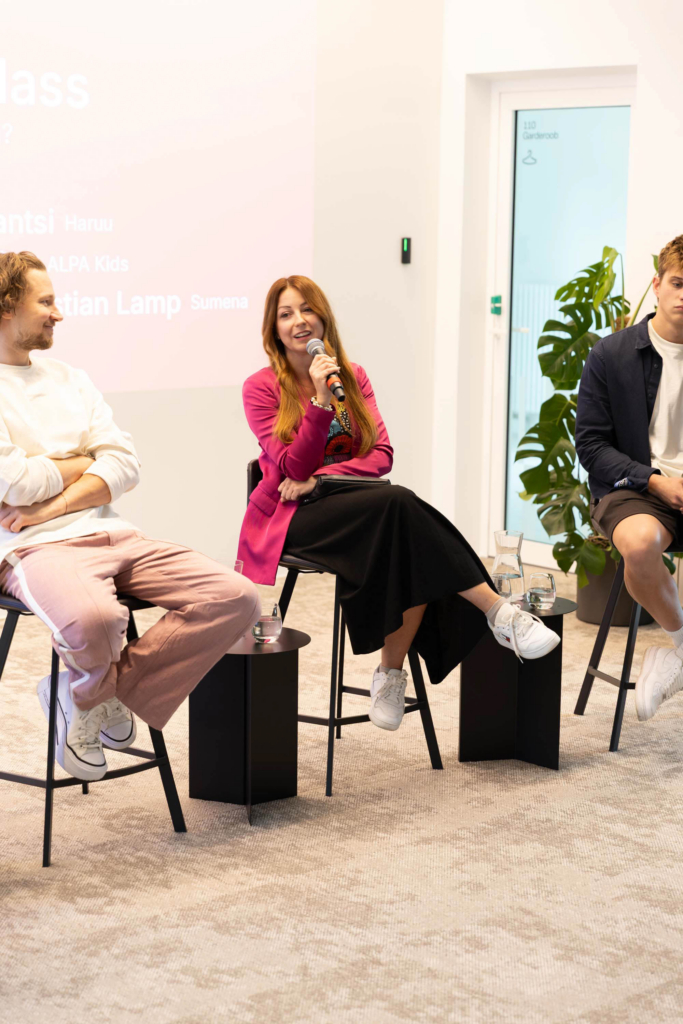
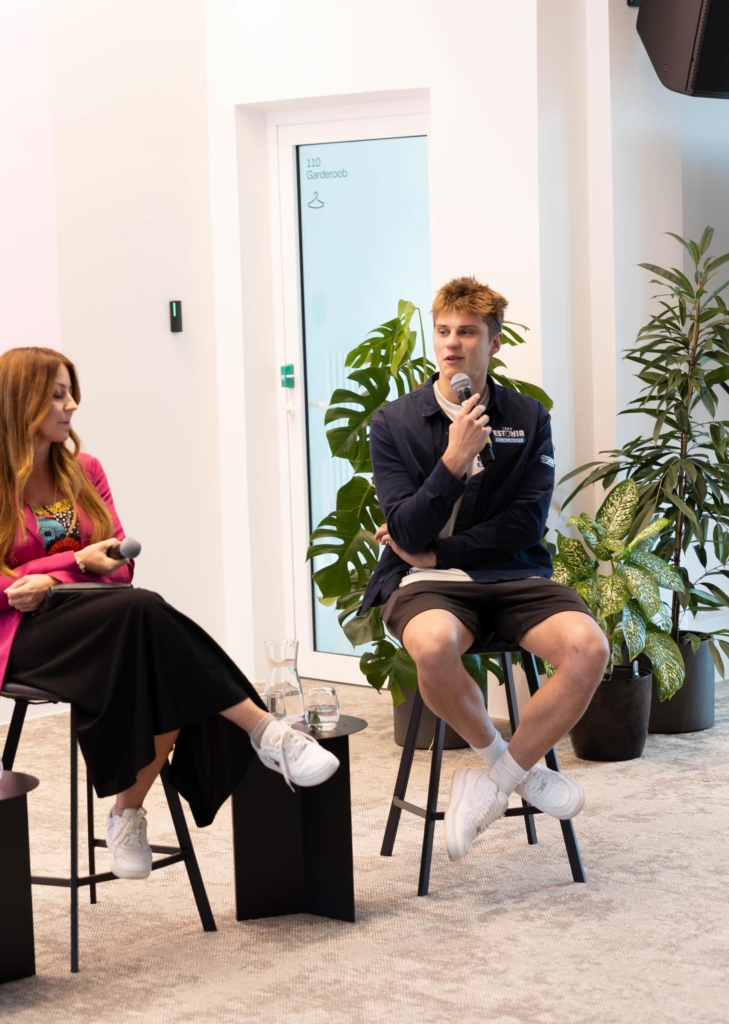
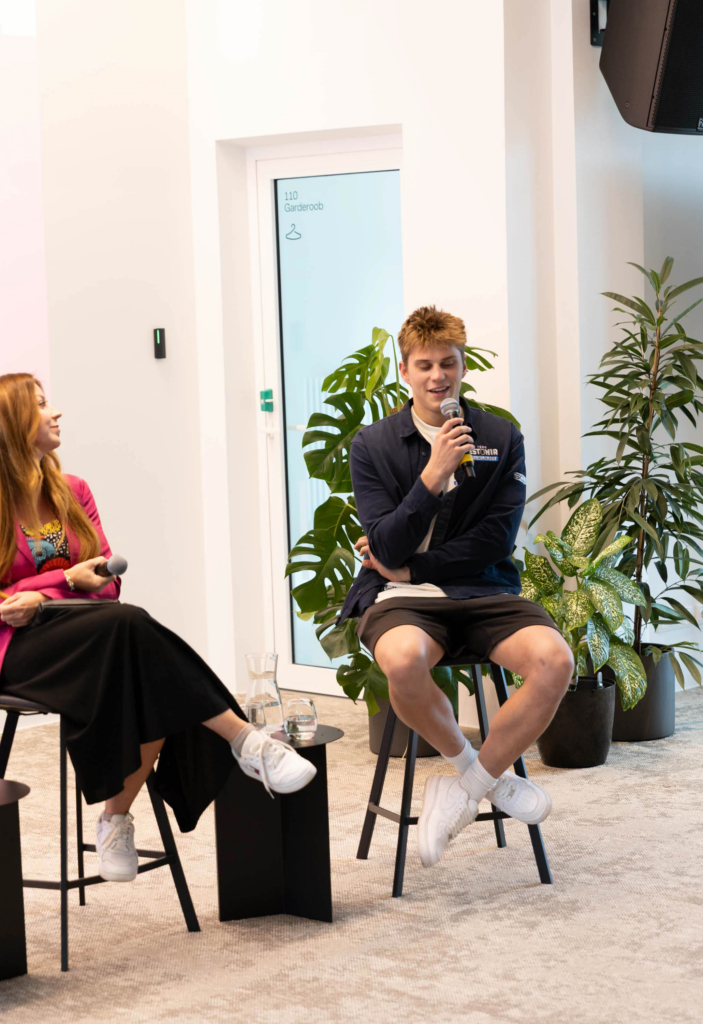
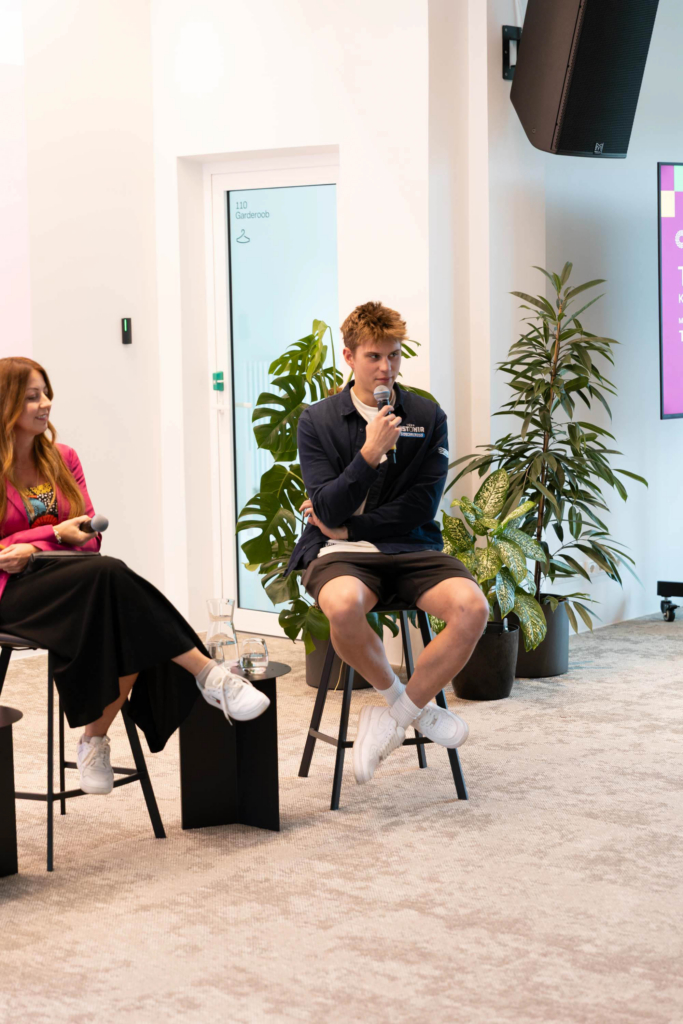
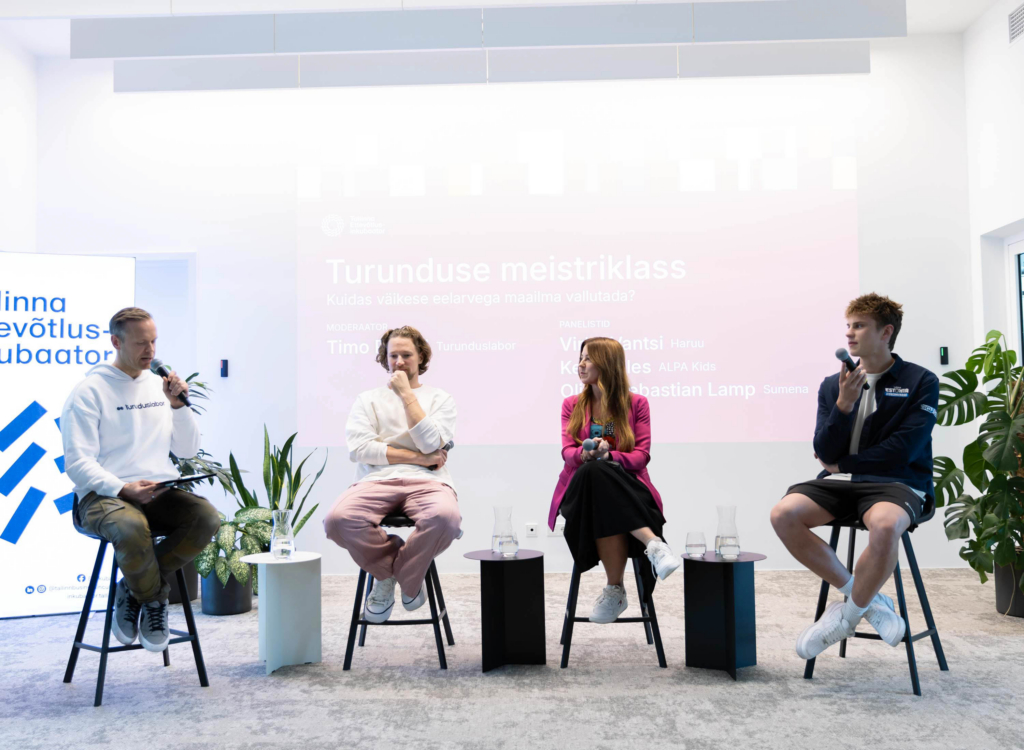
The second half of the day turned to marketing. In the “Marketing Masterclass”, Timo Porval (Turunduslabor), Virko Vantsi (Haruu), Kelly Lilles (ALPA Kids) and Oliver Sebastian Lamp (Sumena) discussed how to reach the right customers on a limited budget, do more with fewer resources and build a brand that sticks in people’s minds.
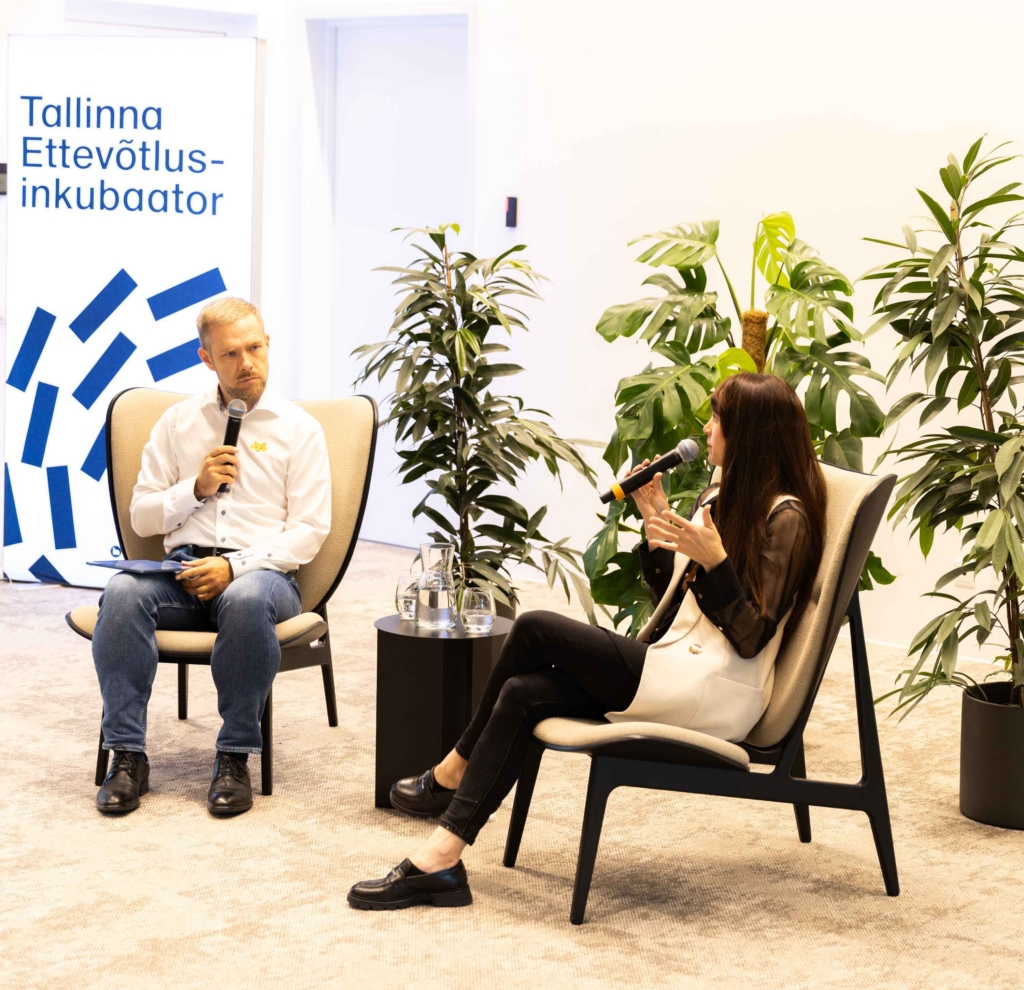
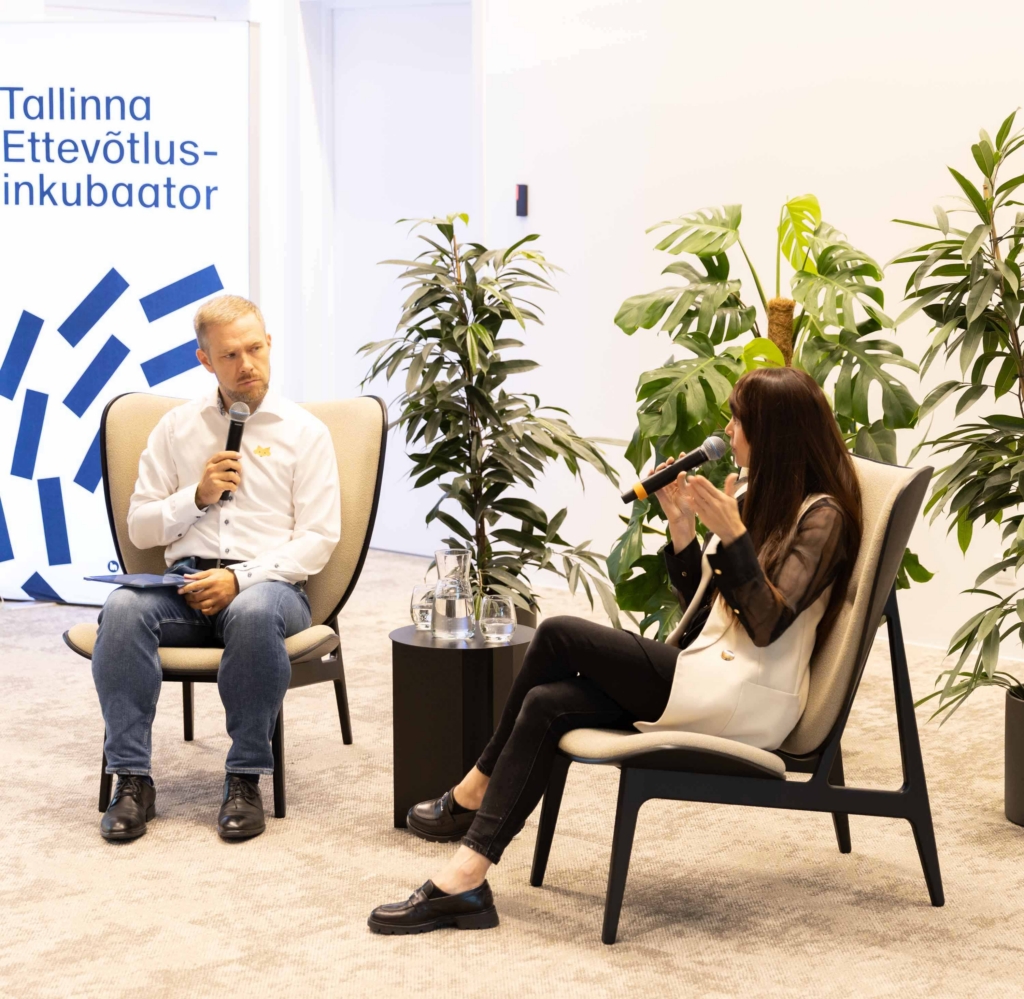
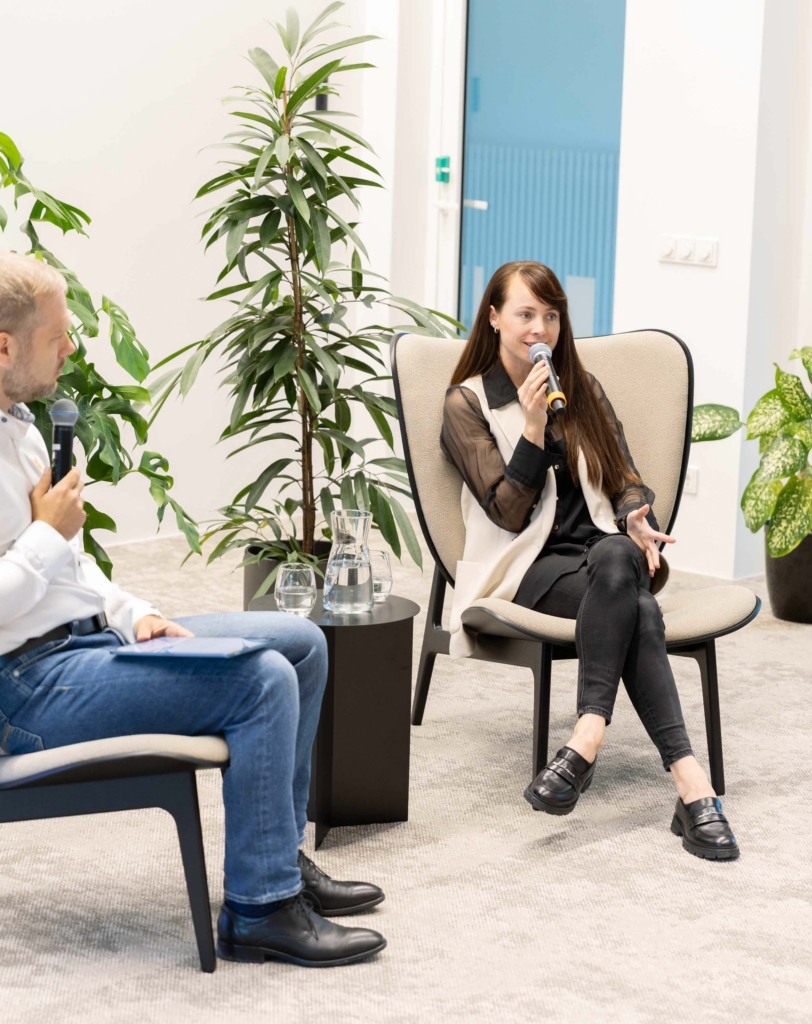
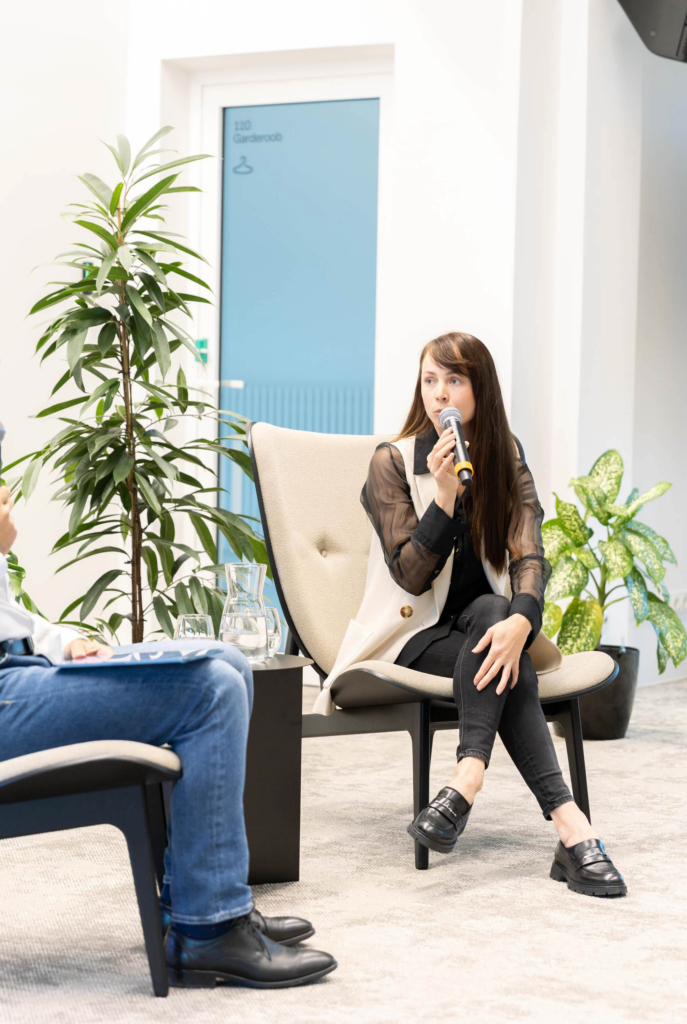
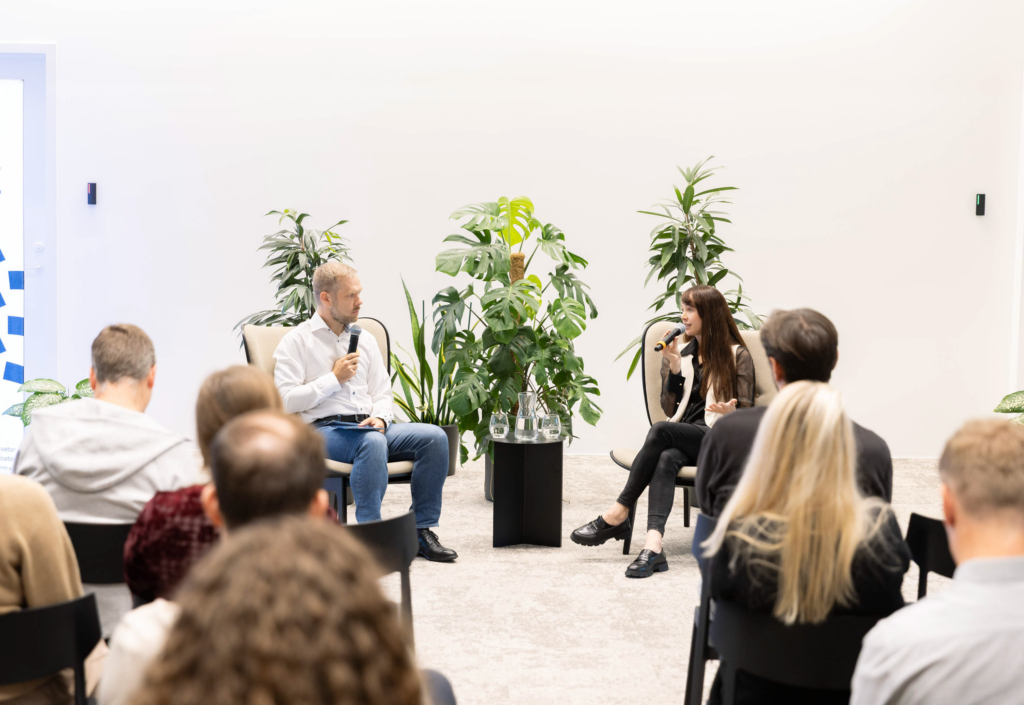
The real life of entrepreneurship was brought to the stage by Kerli Luks, founder and CEO of the health technology startup Muun Health. In a special episode of Äristarter, she spoke candidly about her entrepreneurial journey, and the decisions, lessons and moments that come with the path from an idea to a growing company. The conversation was hosted by Tõnis Bramanis.
The day was moderated by Vaido Mikheim (Startup Estonia), who helped tie the different topics and discussions into a coherent whole.
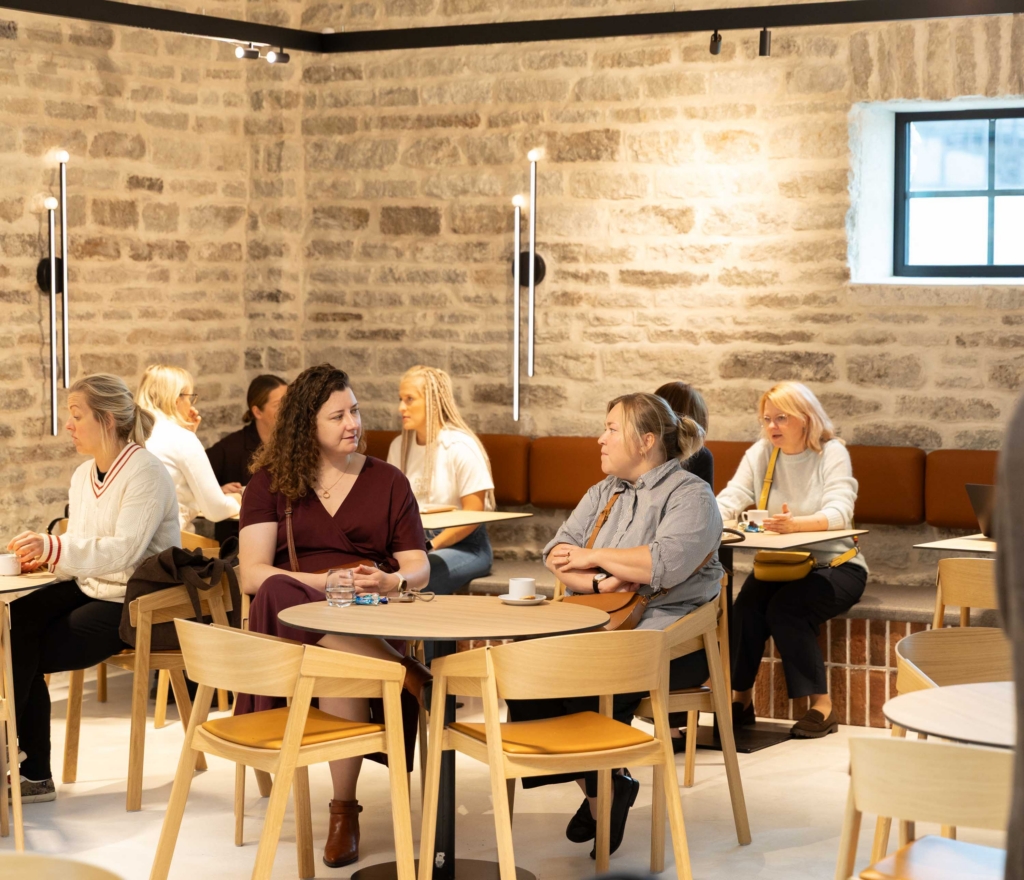
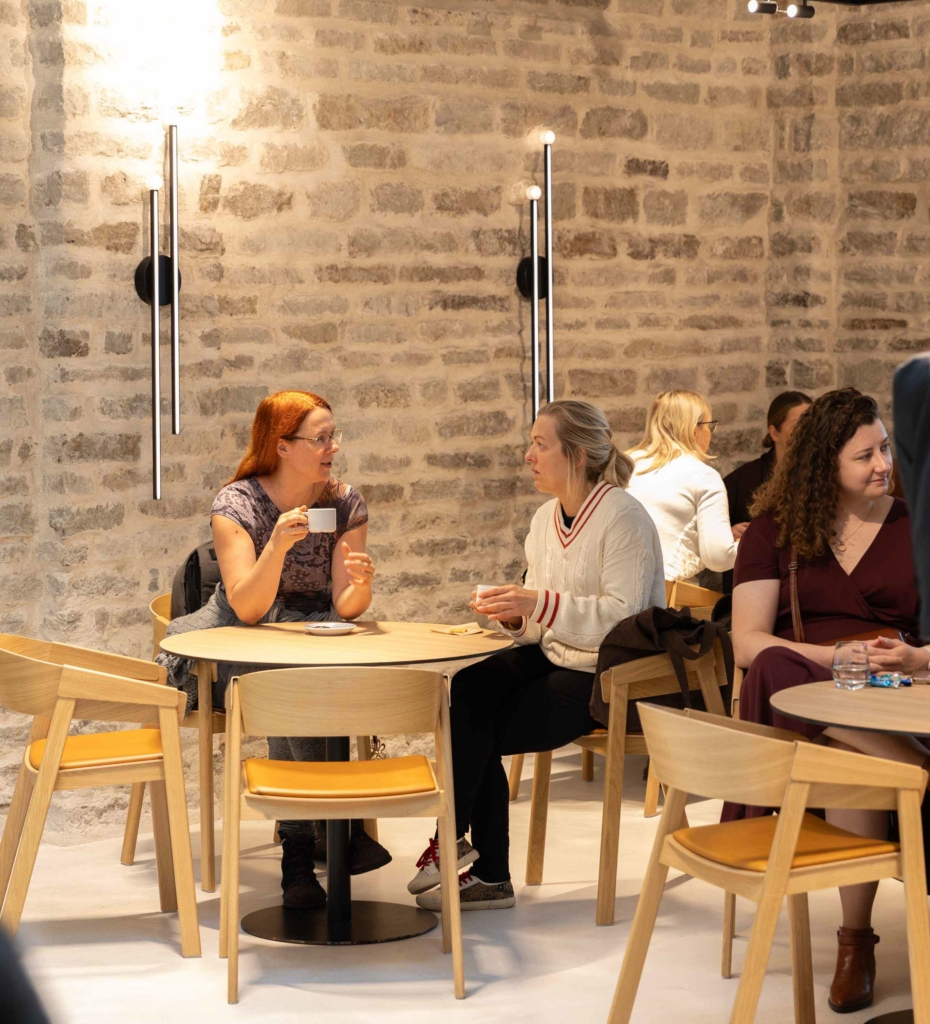
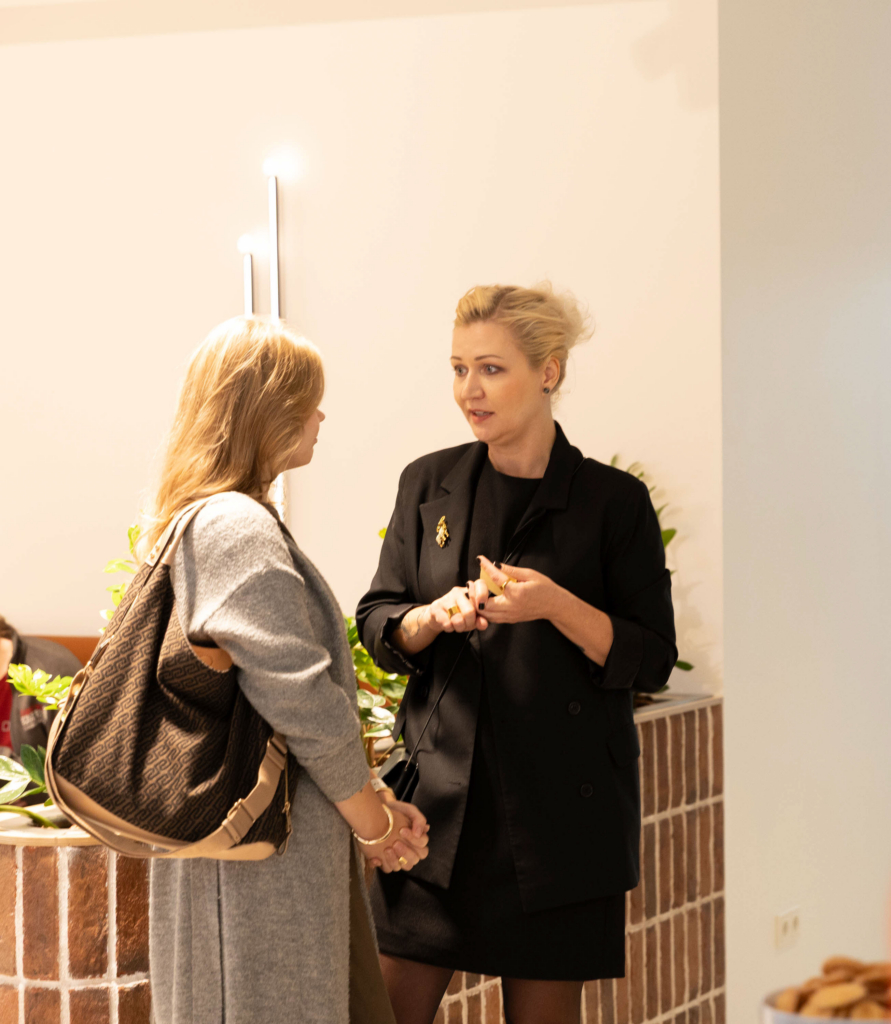
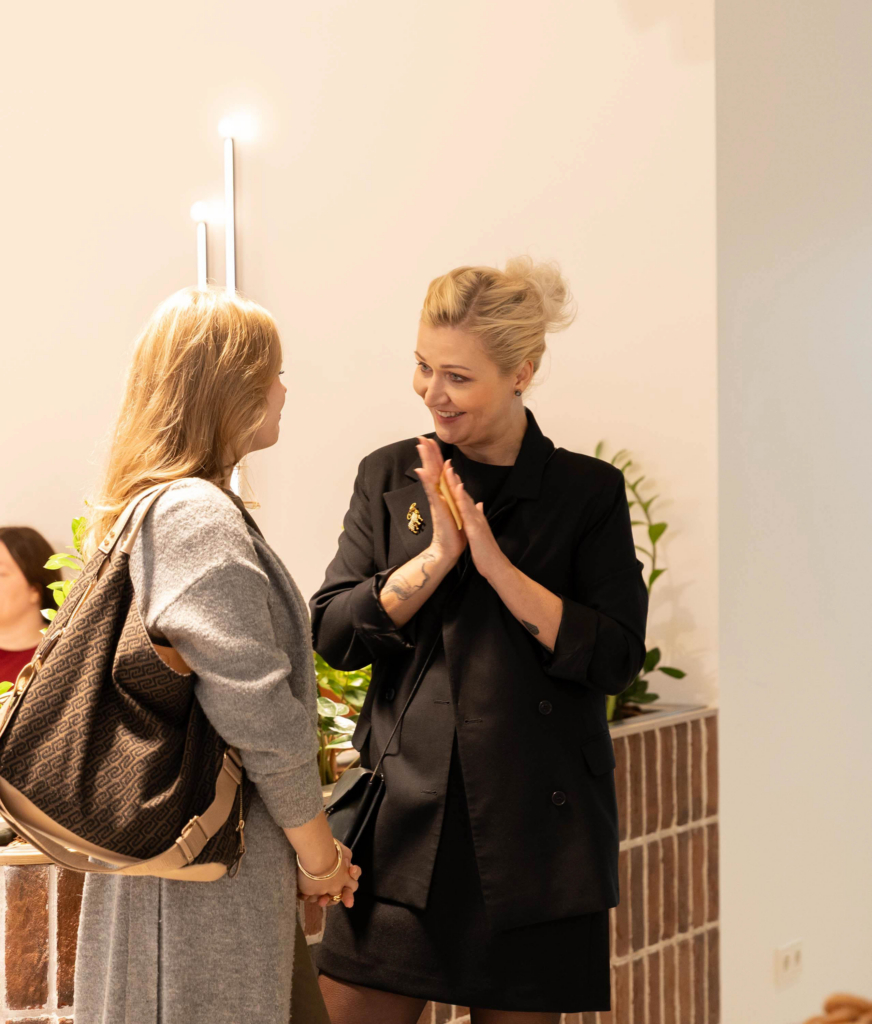
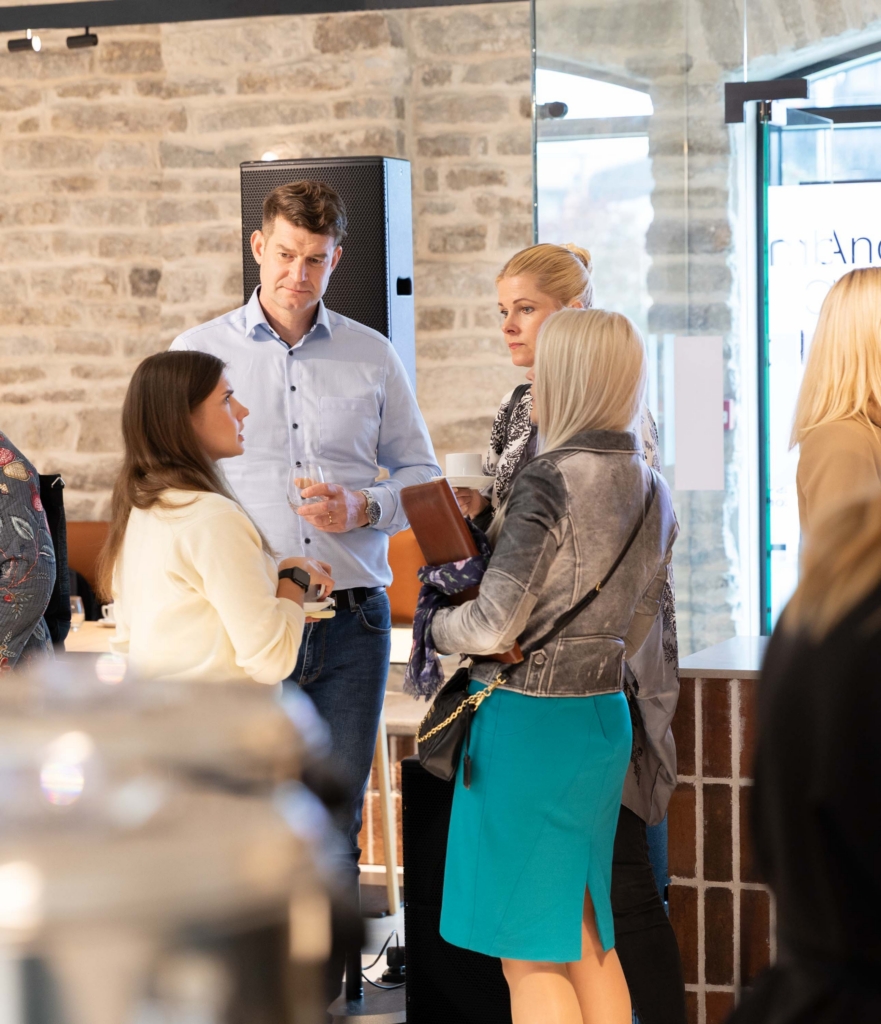
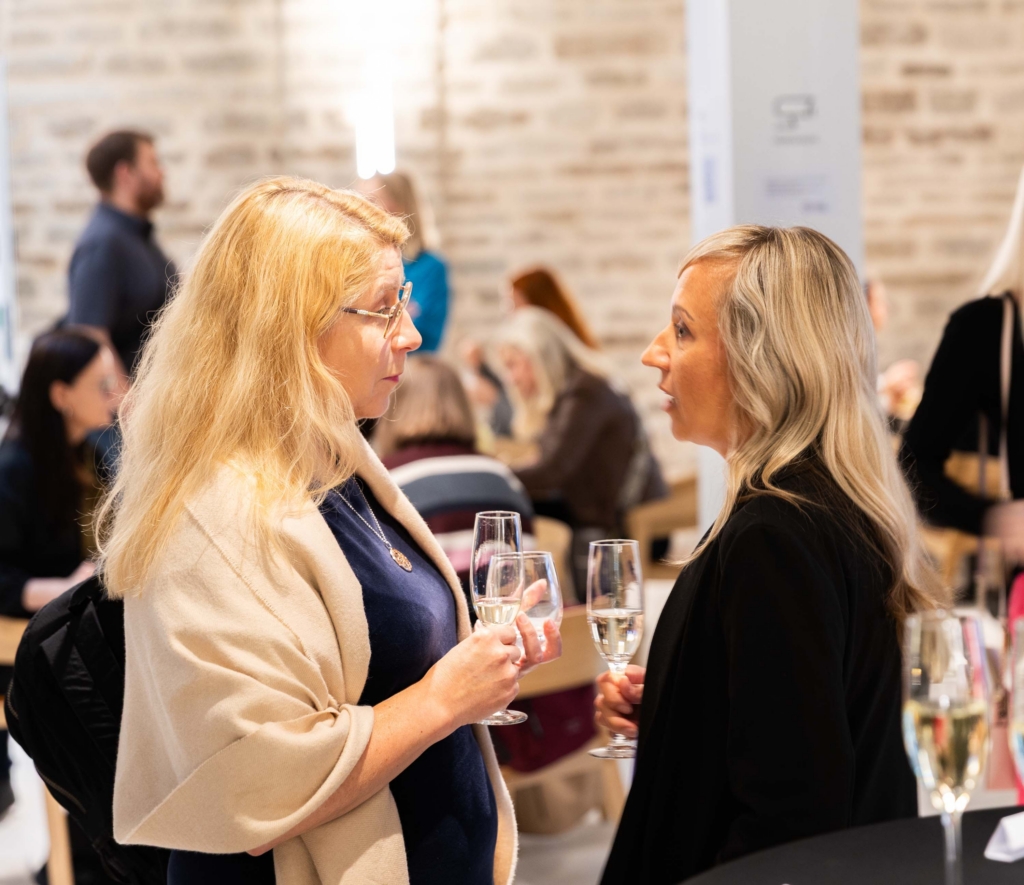
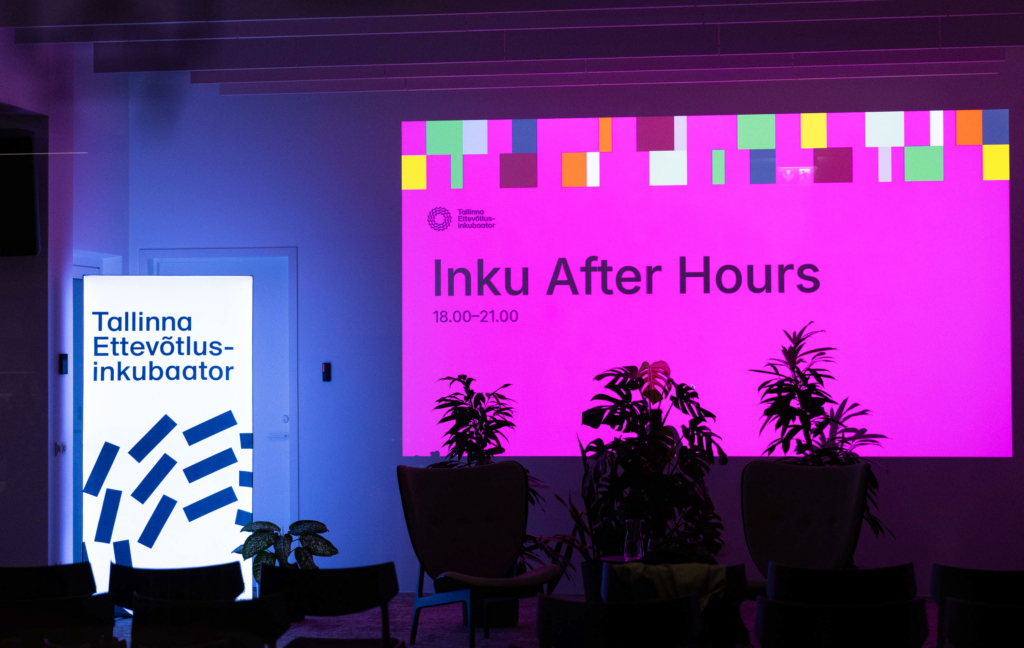
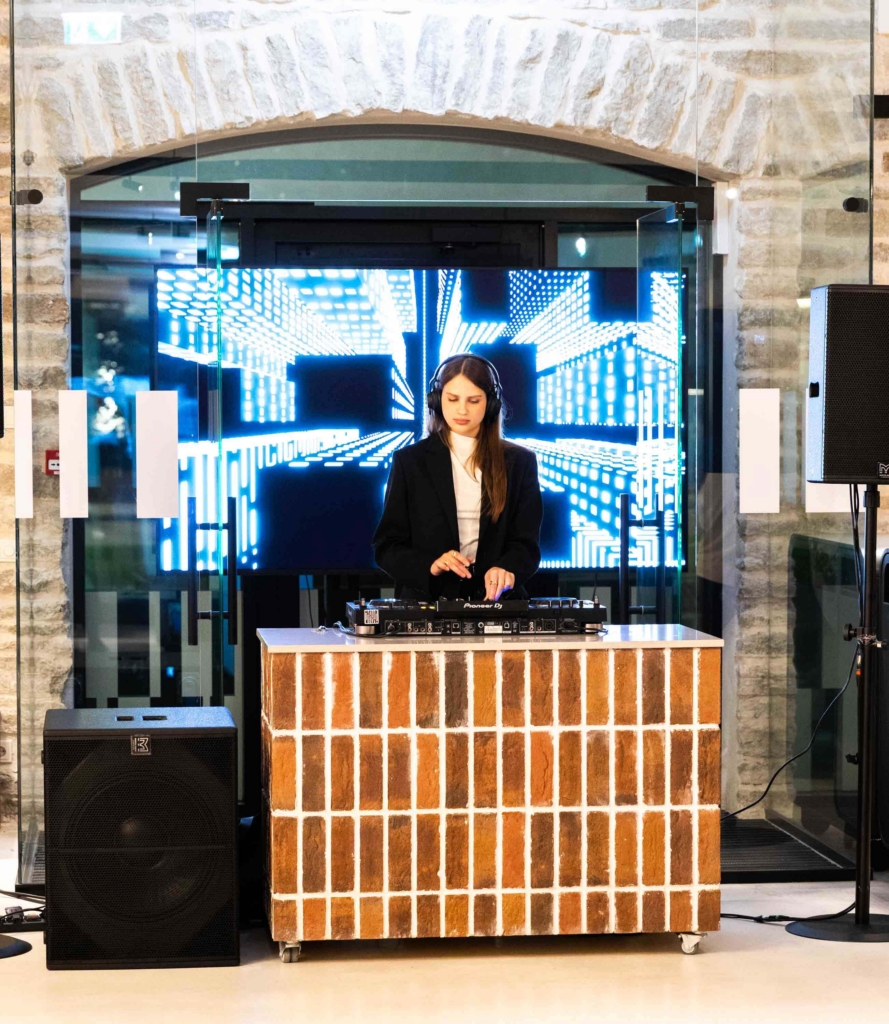
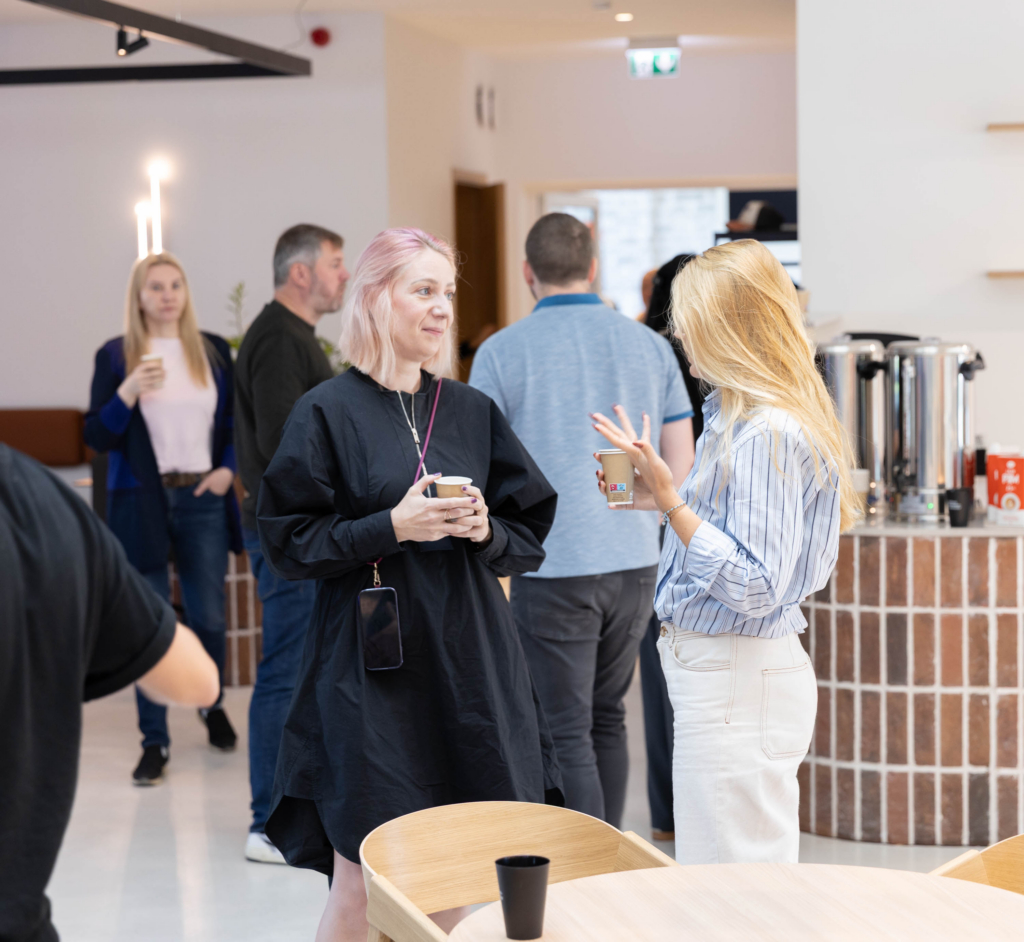
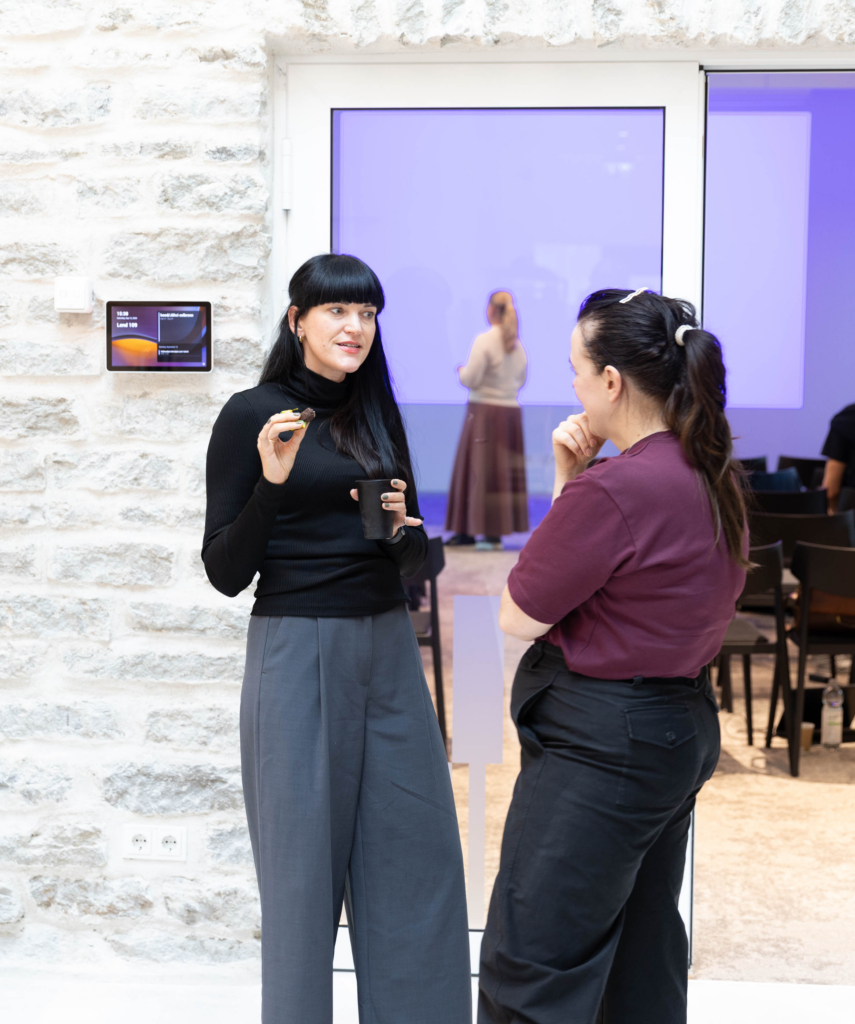
When the daytime programme ended, the evening was not yet over. “Inku After Hours” brought together entrepreneurs, mentors, partners and friends from the incubator community. In a relaxed atmosphere, the conversations, exchange of ideas and making of new contacts continued.
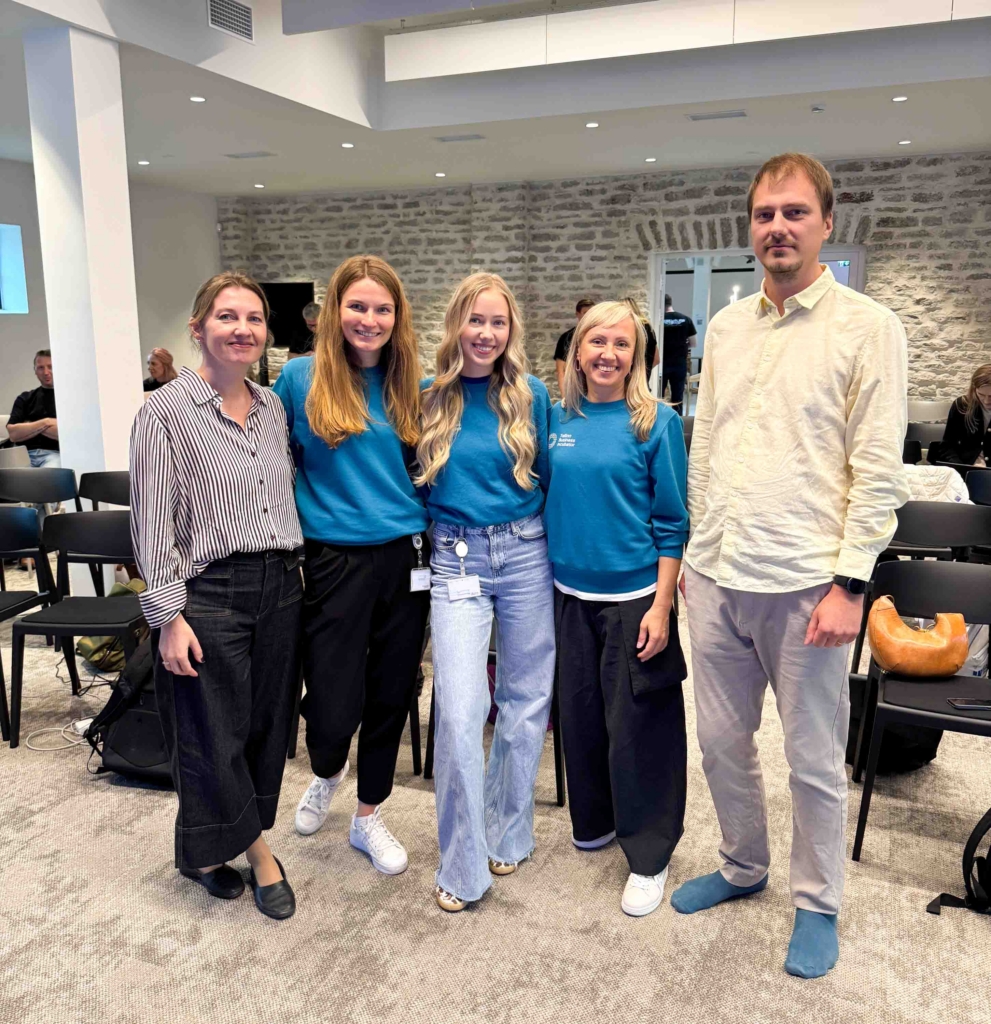
A big thank you to all the speakers, moderators, participants and partners who helped give the Tallinn Business Incubator’s 20th business season such a meaningful and energetic start!
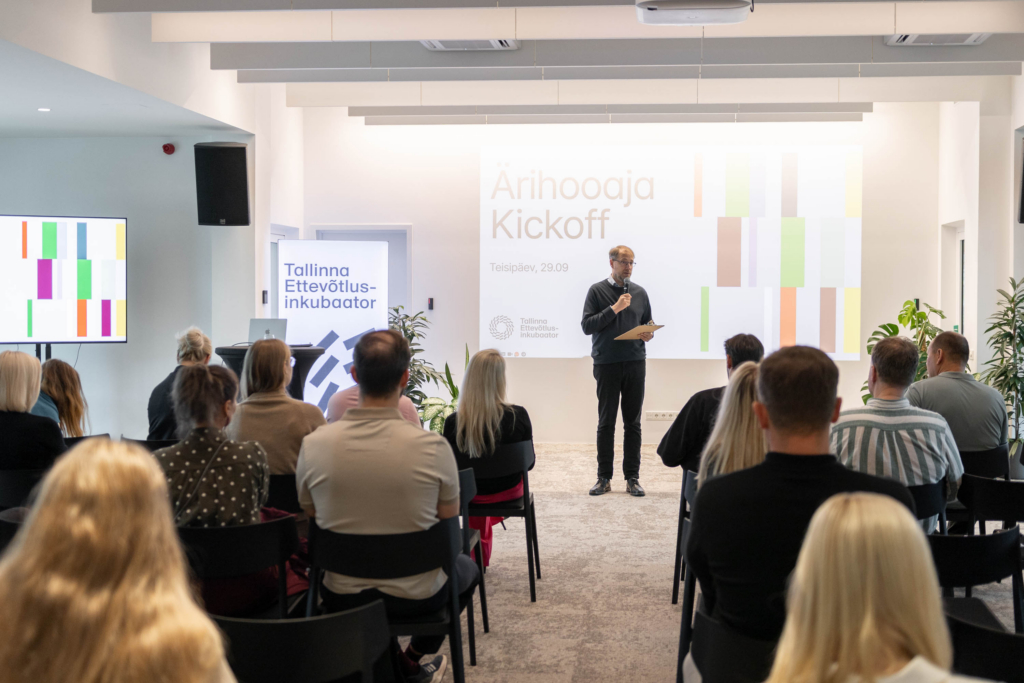
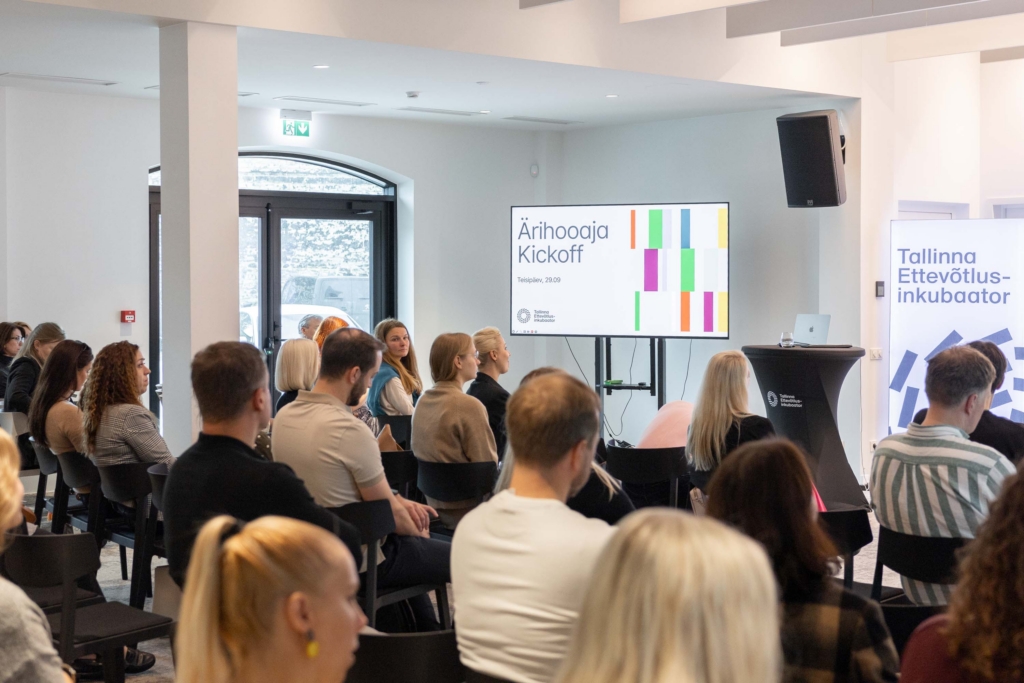
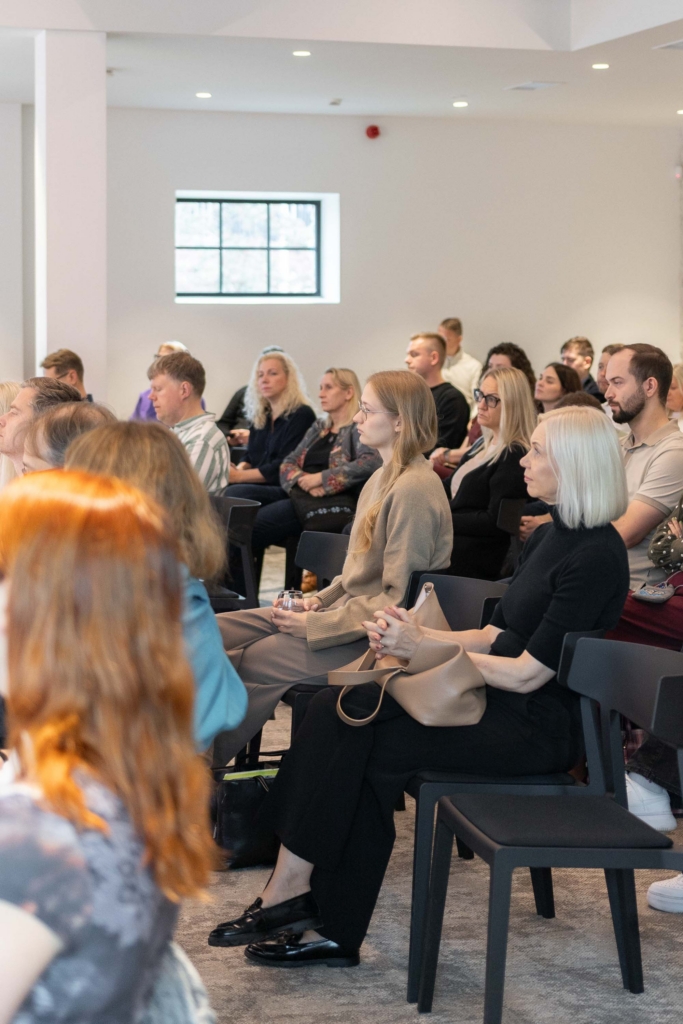
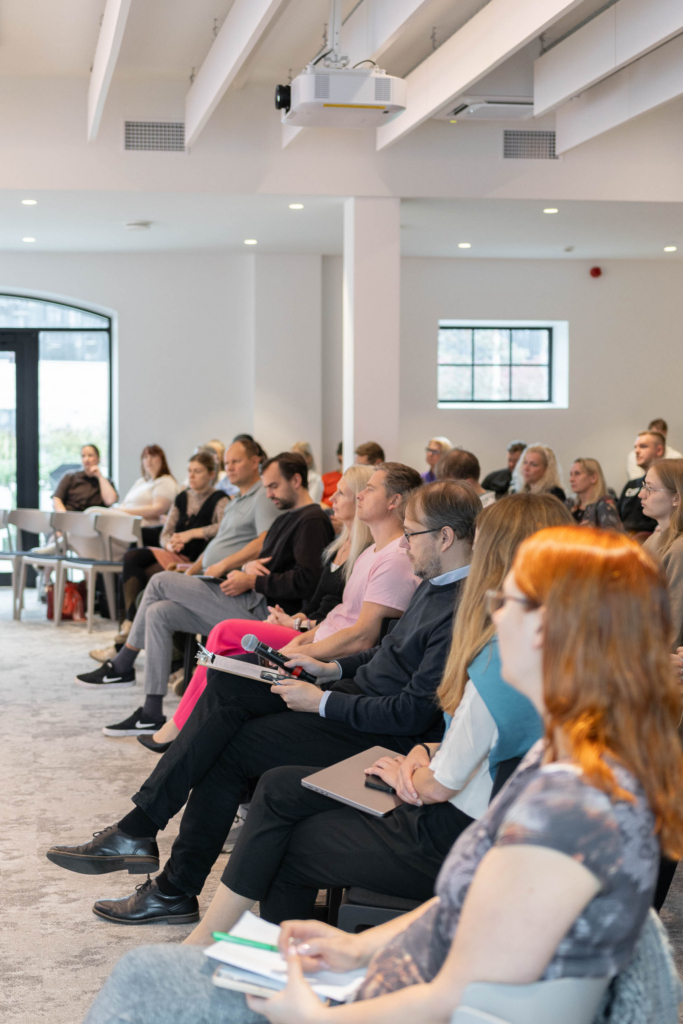
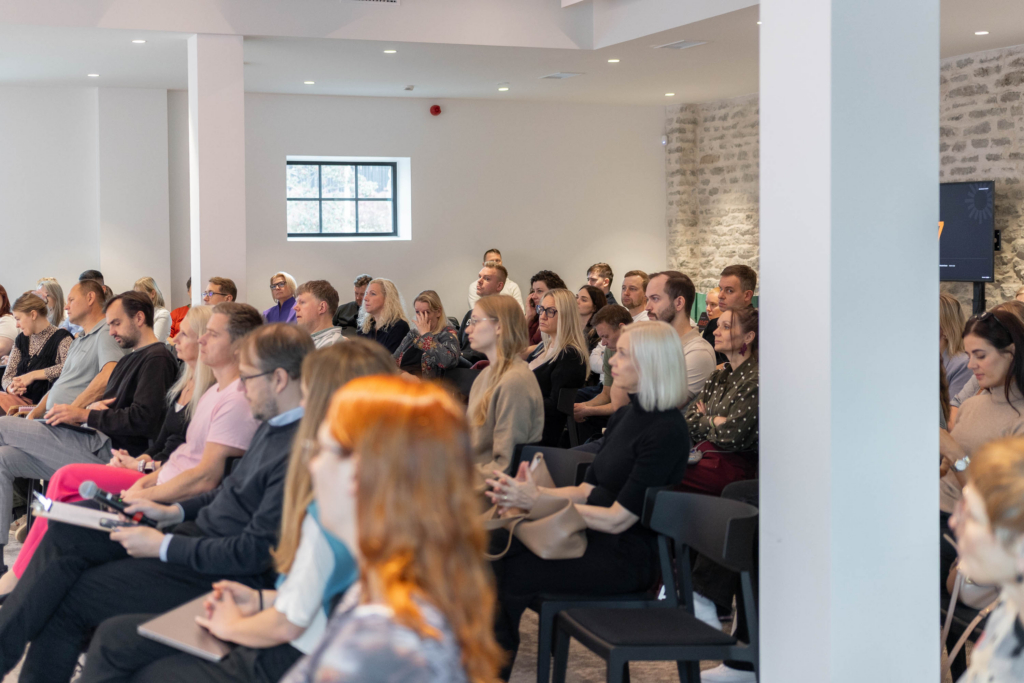
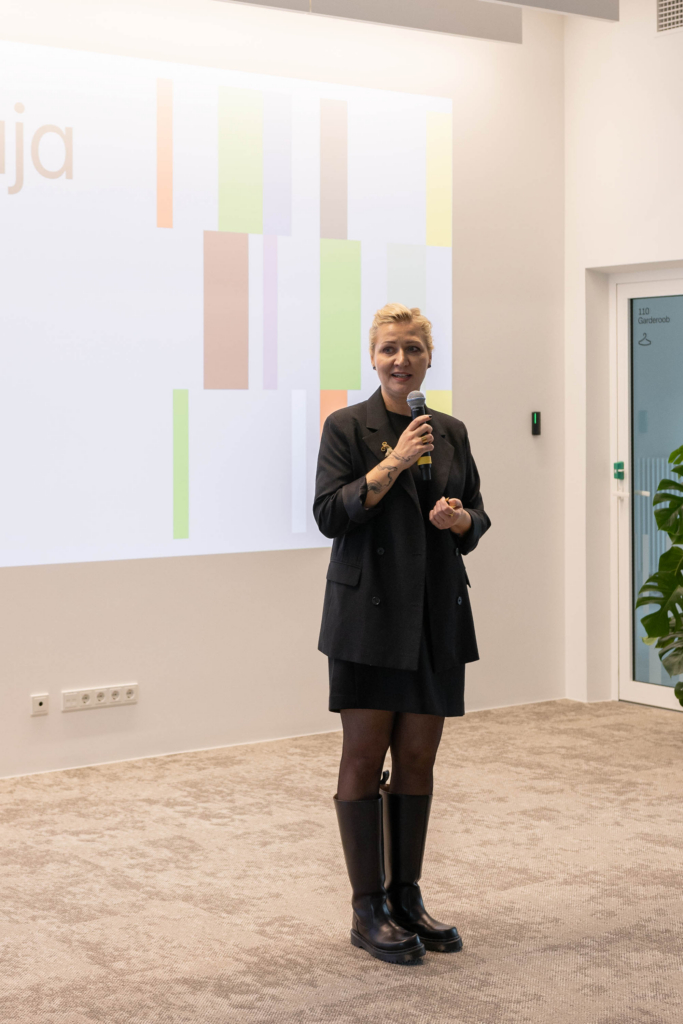
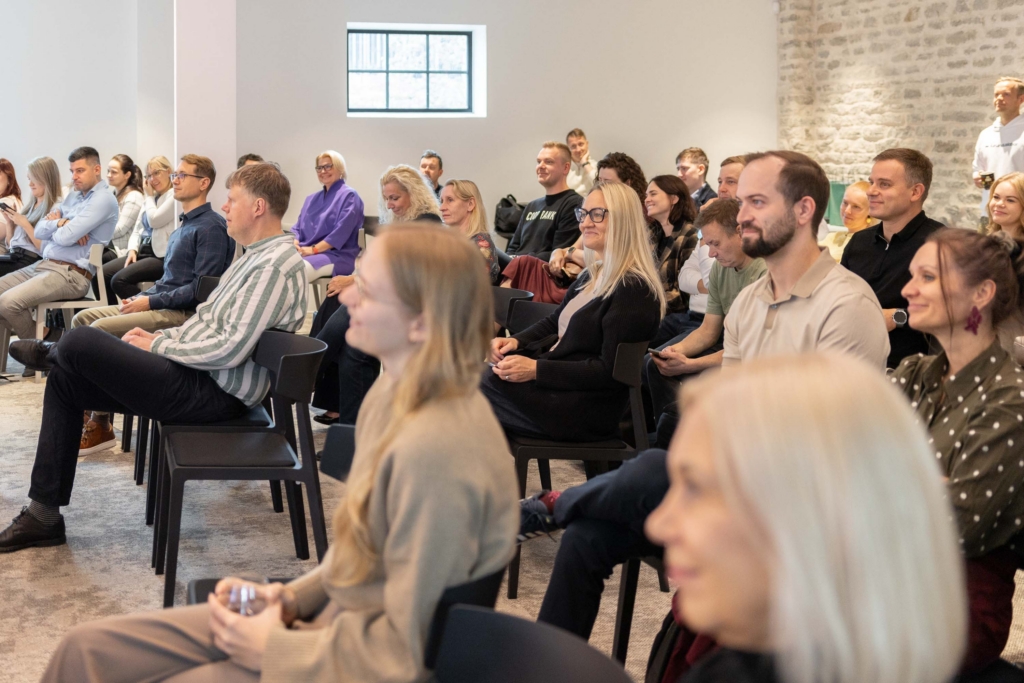
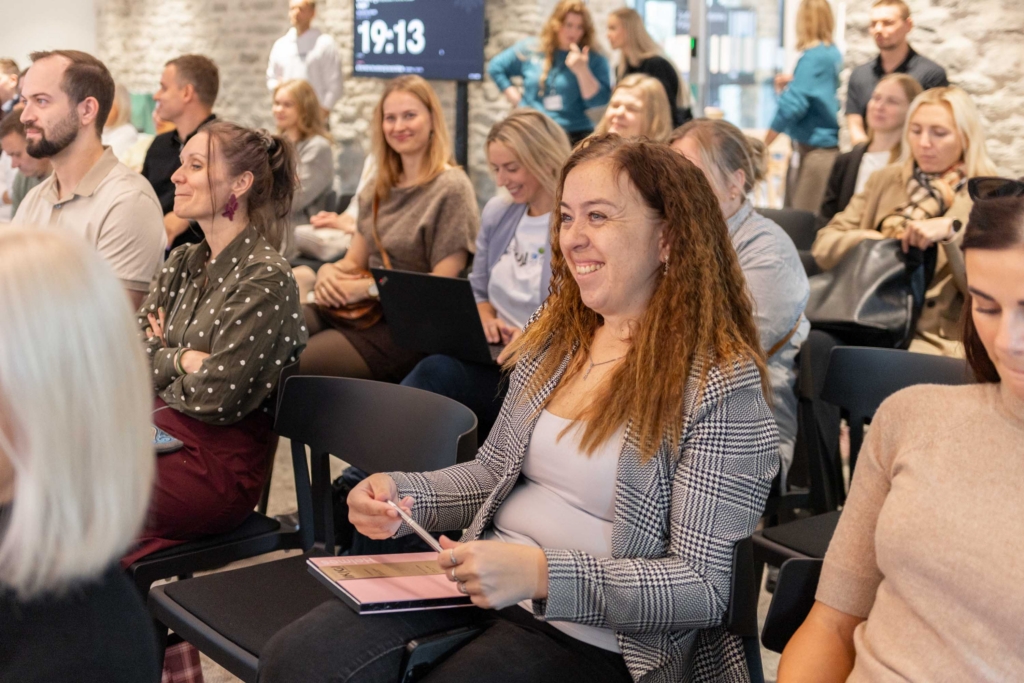
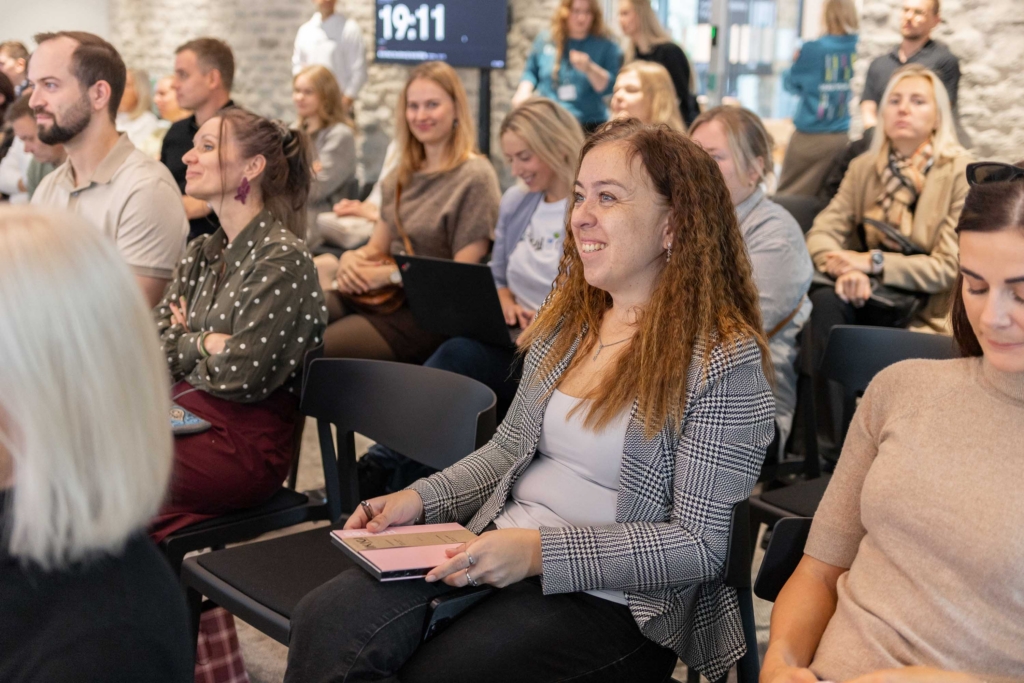
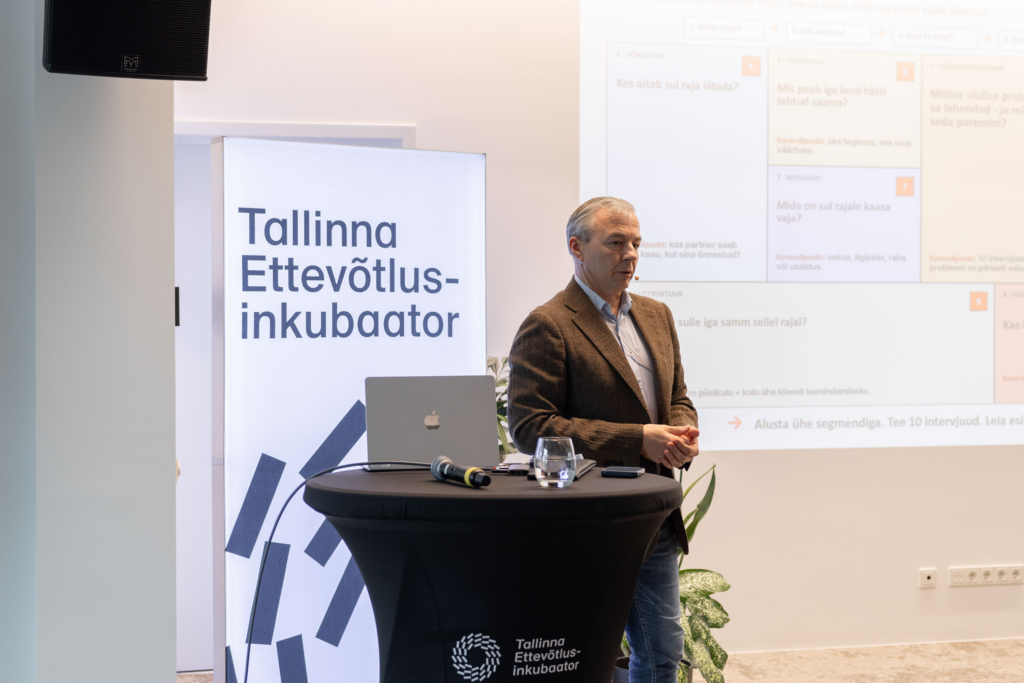
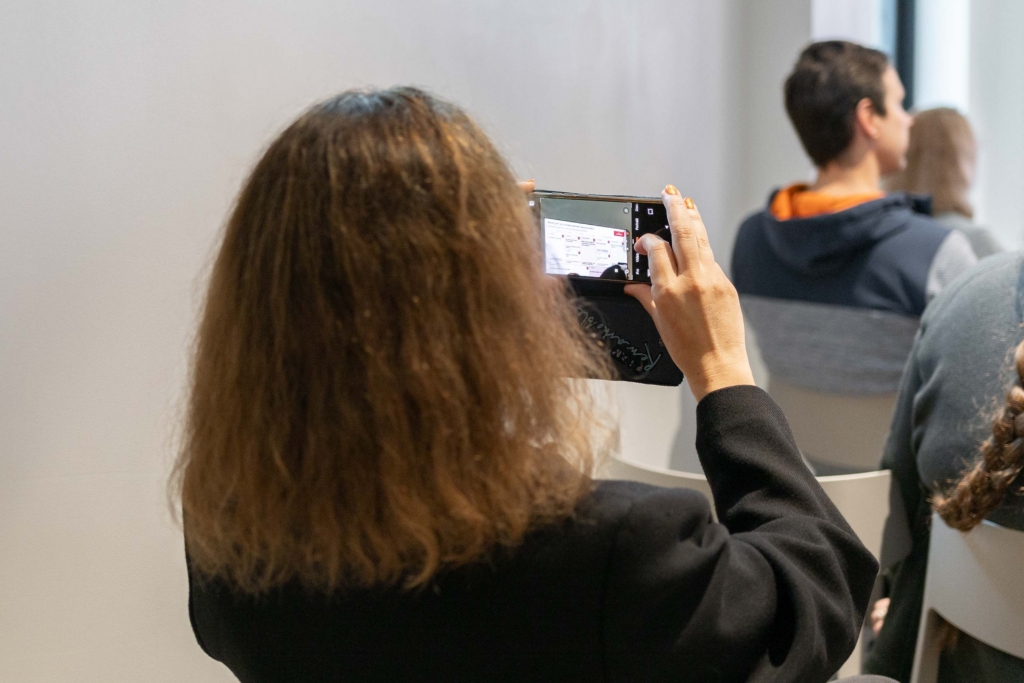
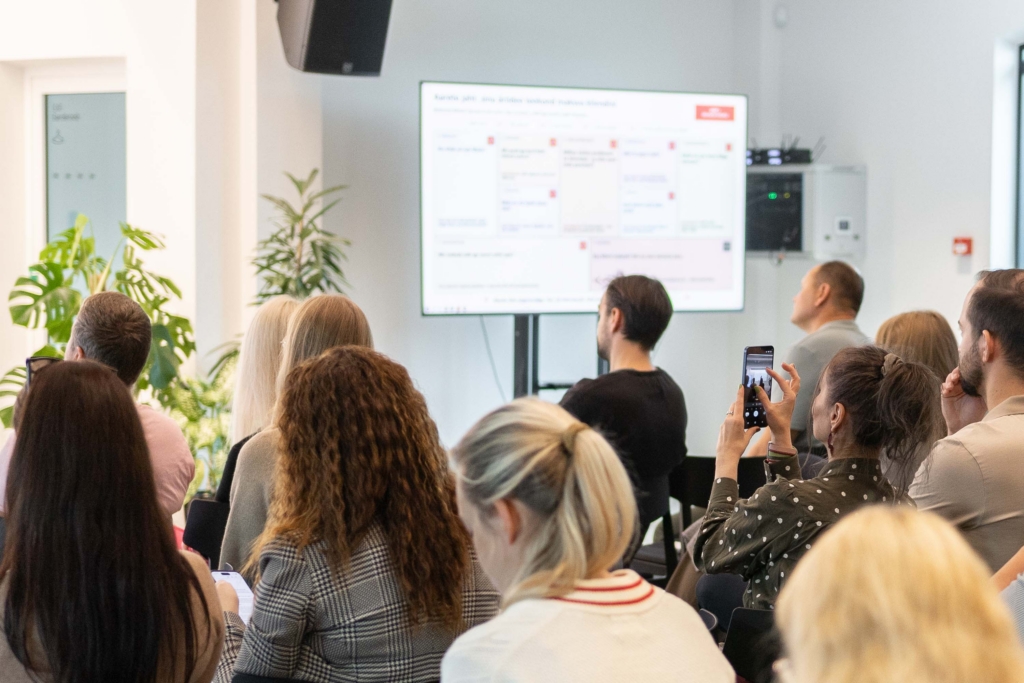
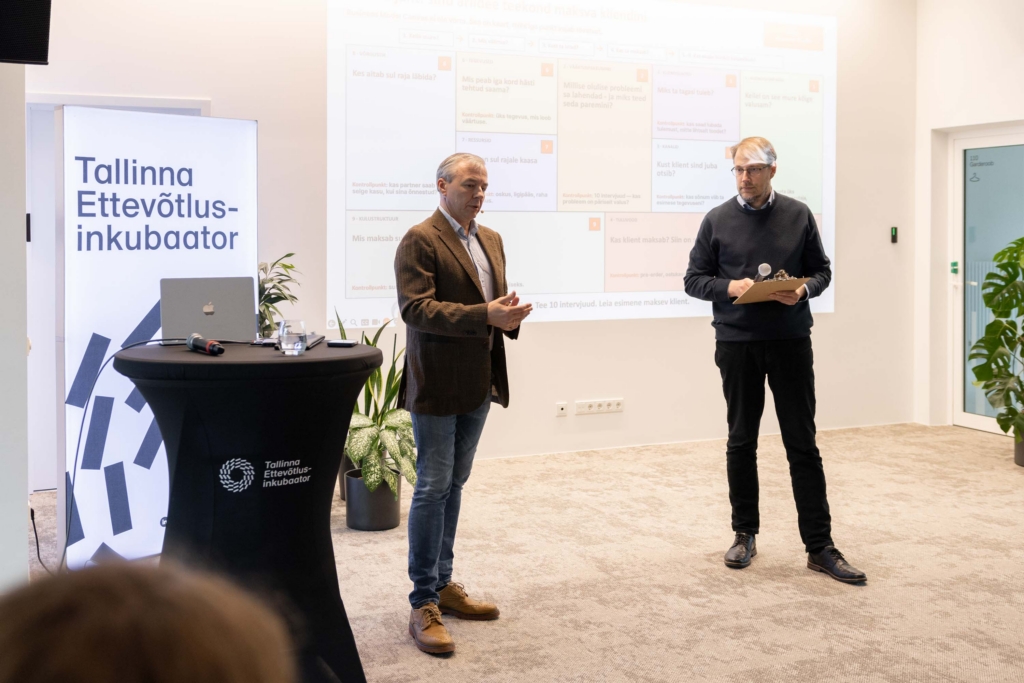
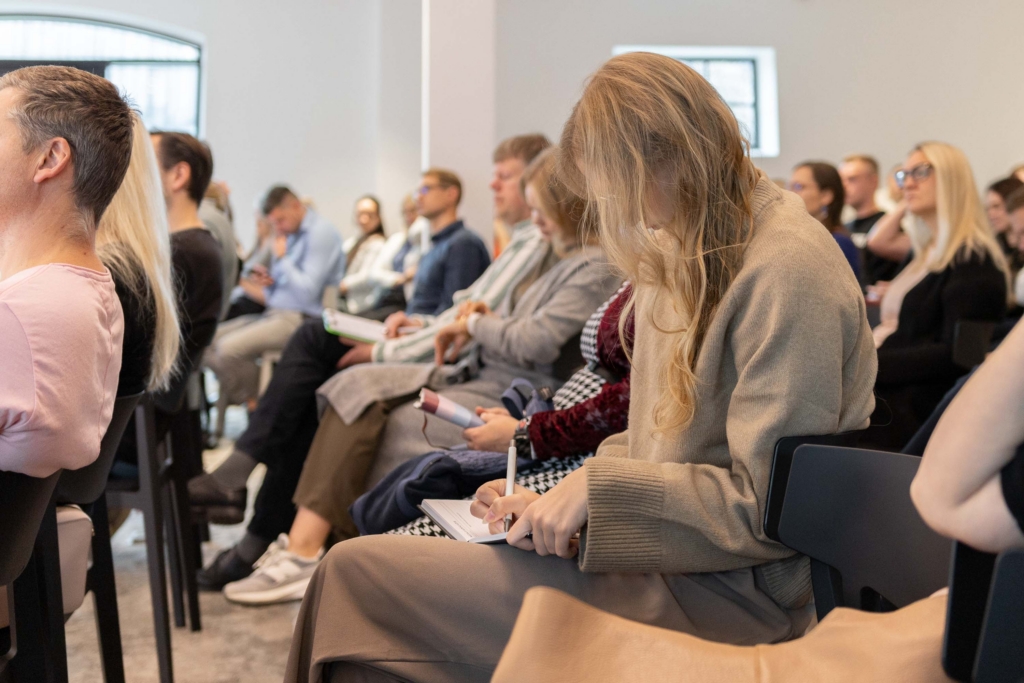
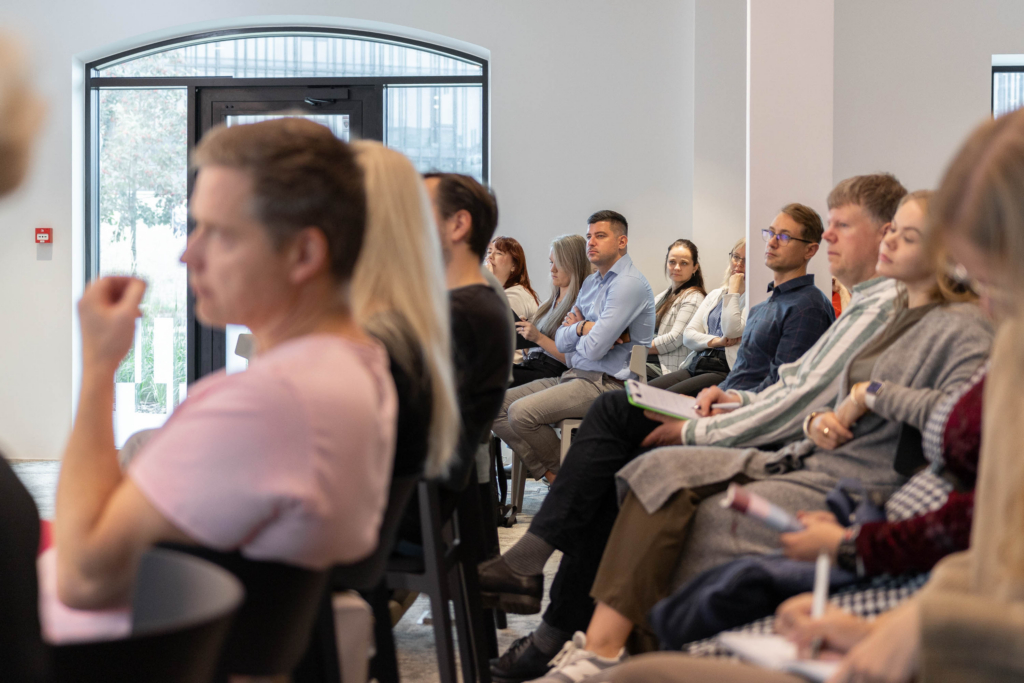
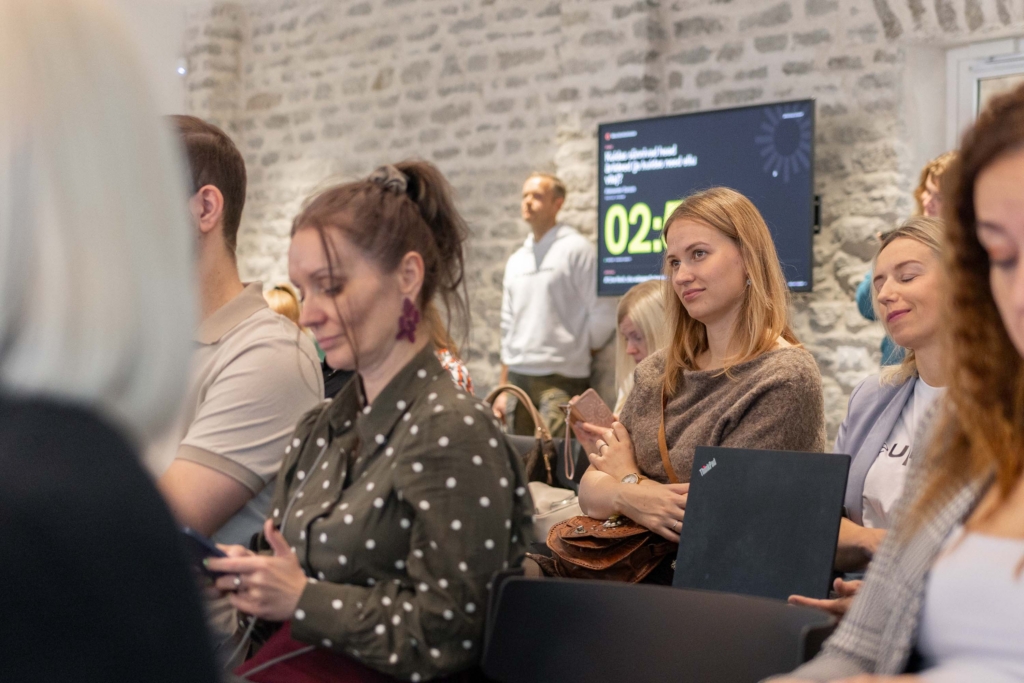
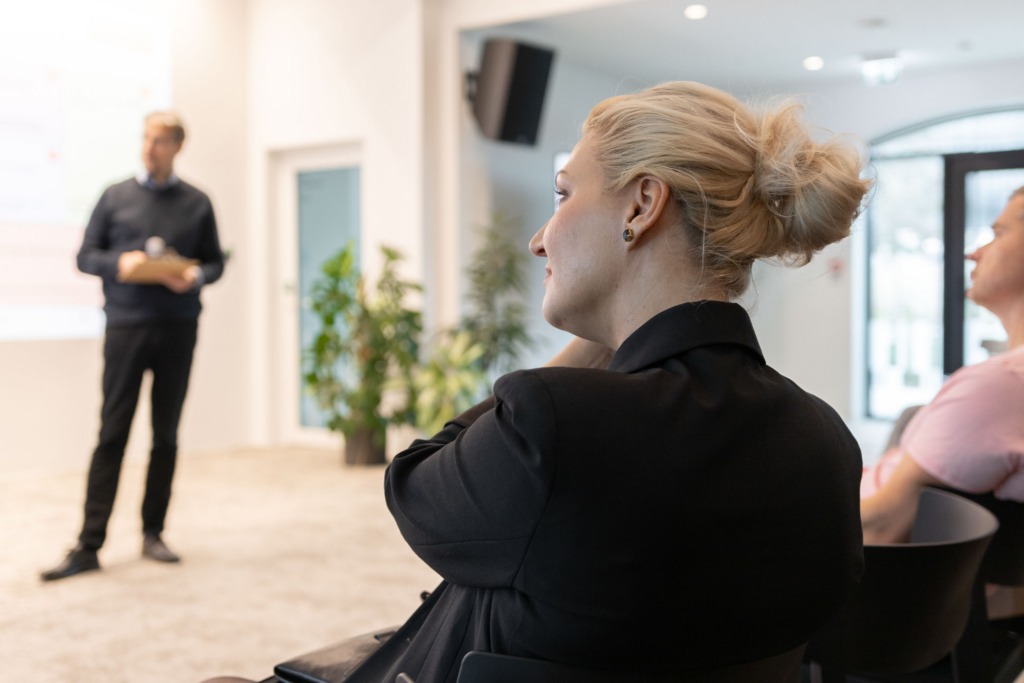
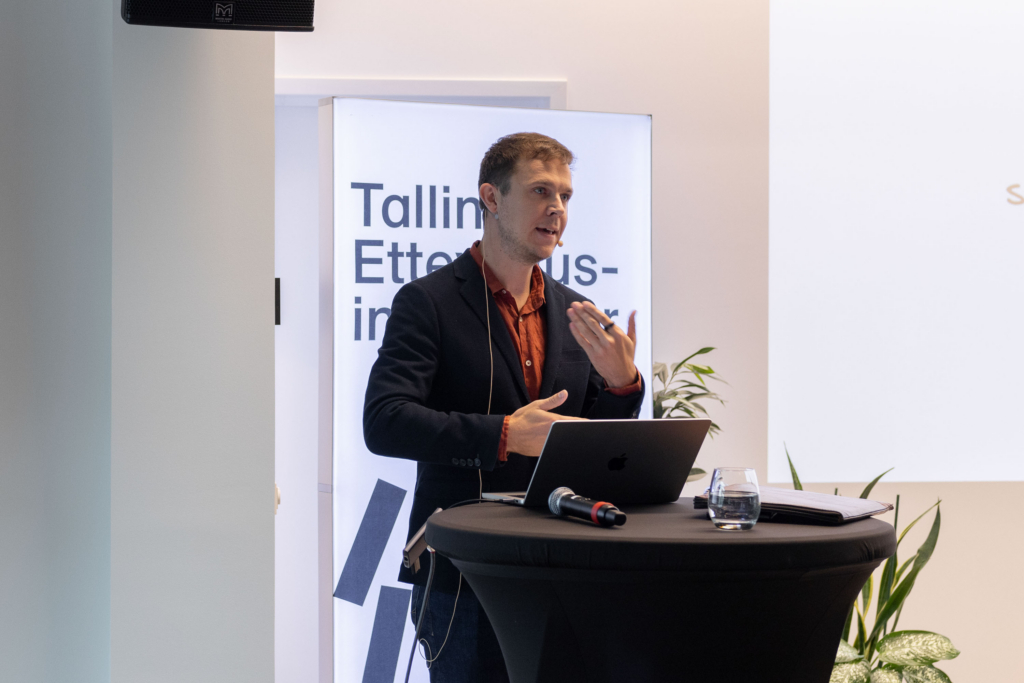
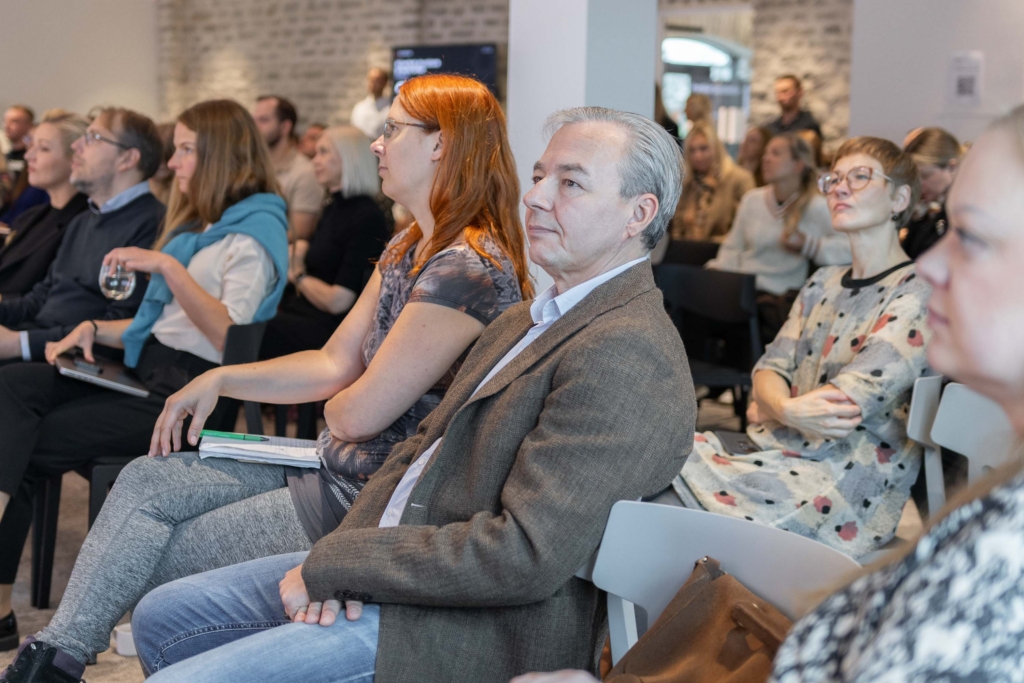
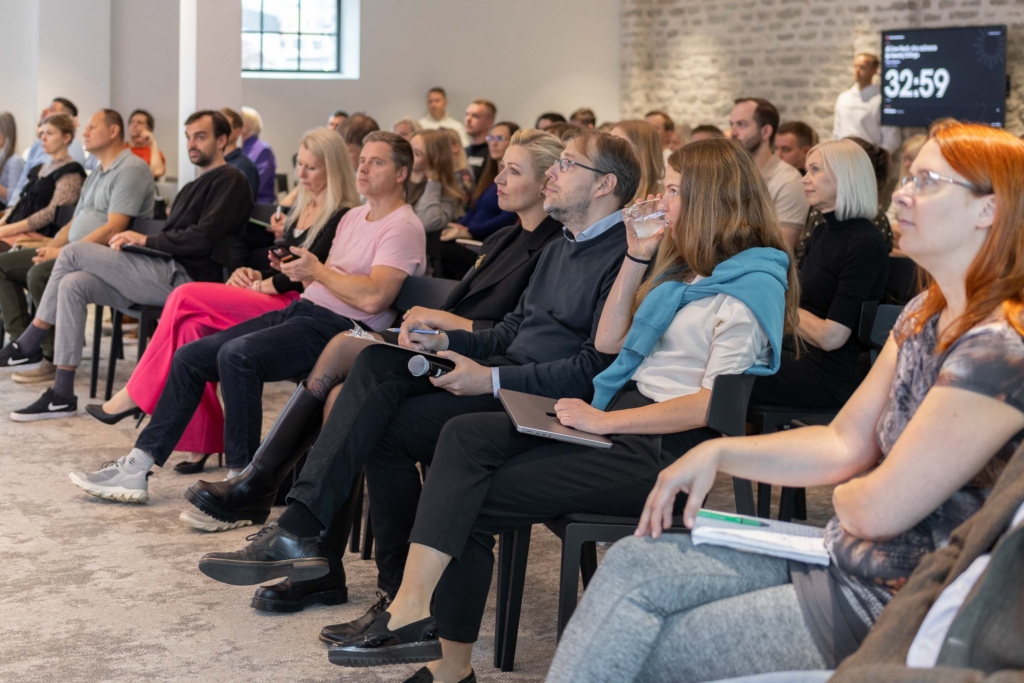
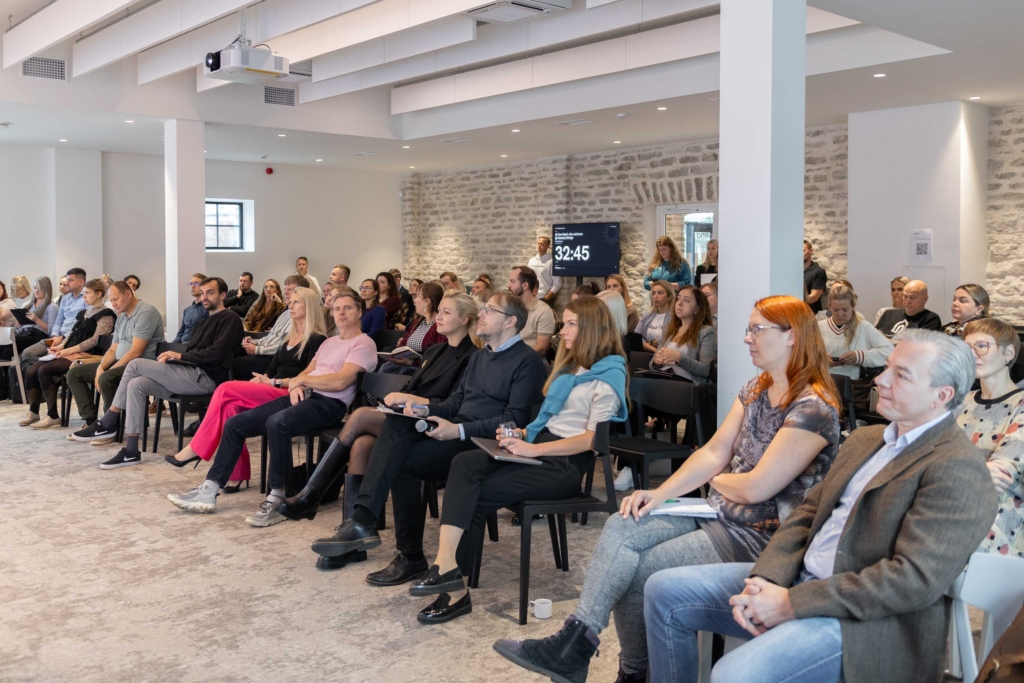
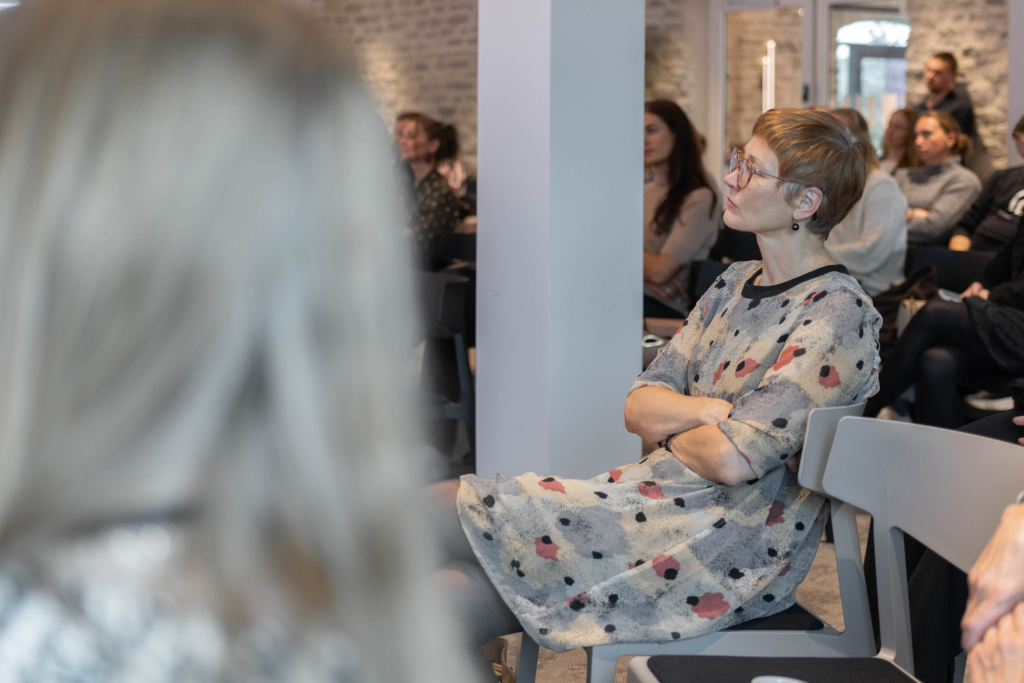
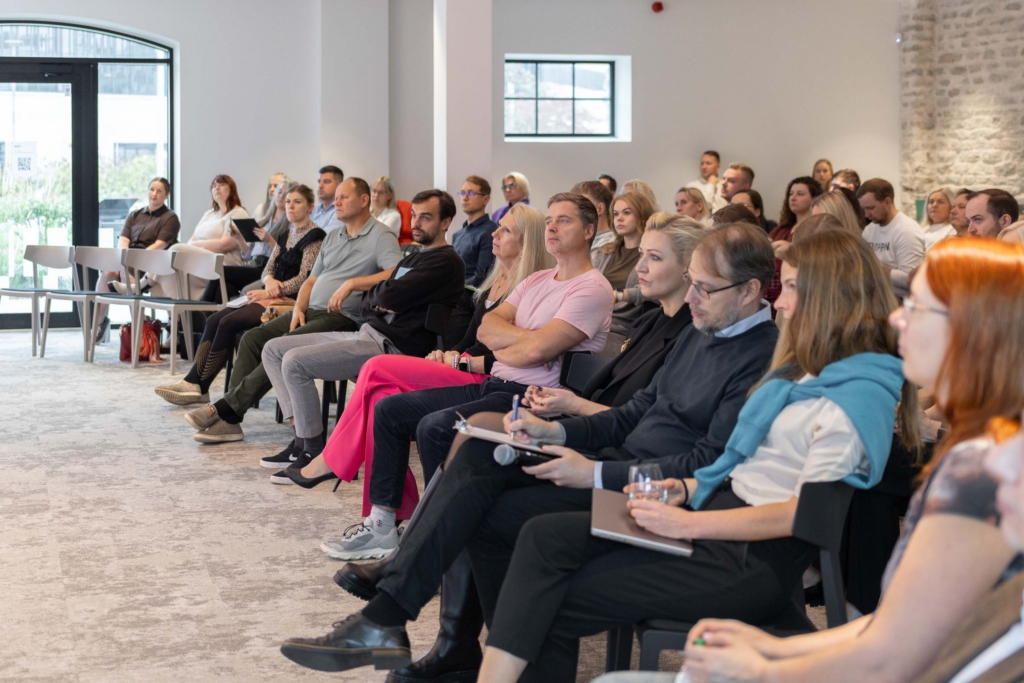
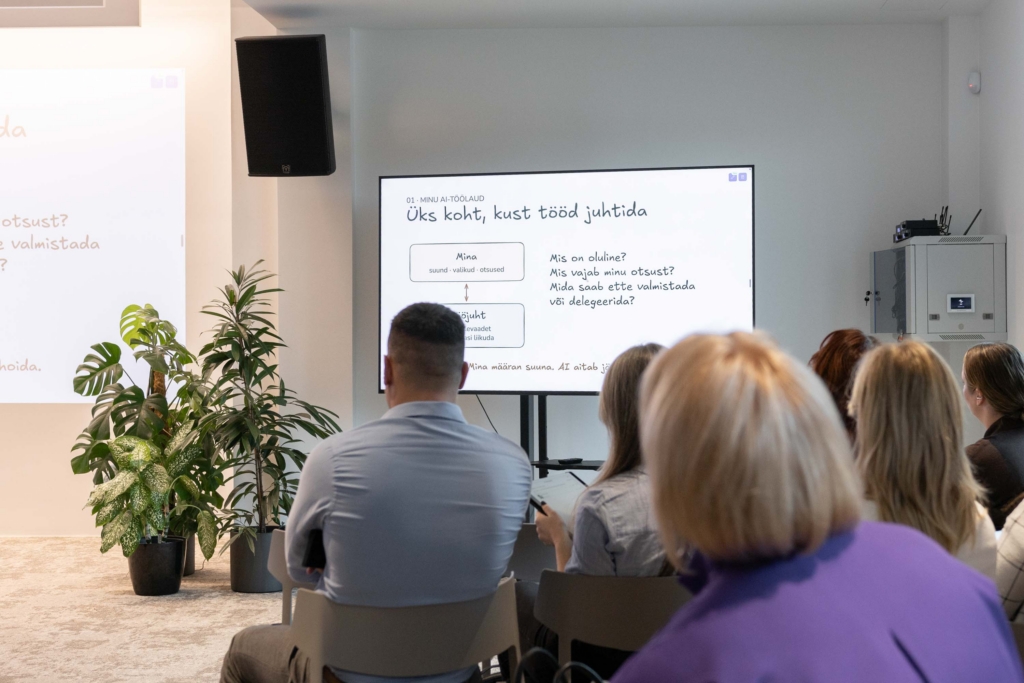
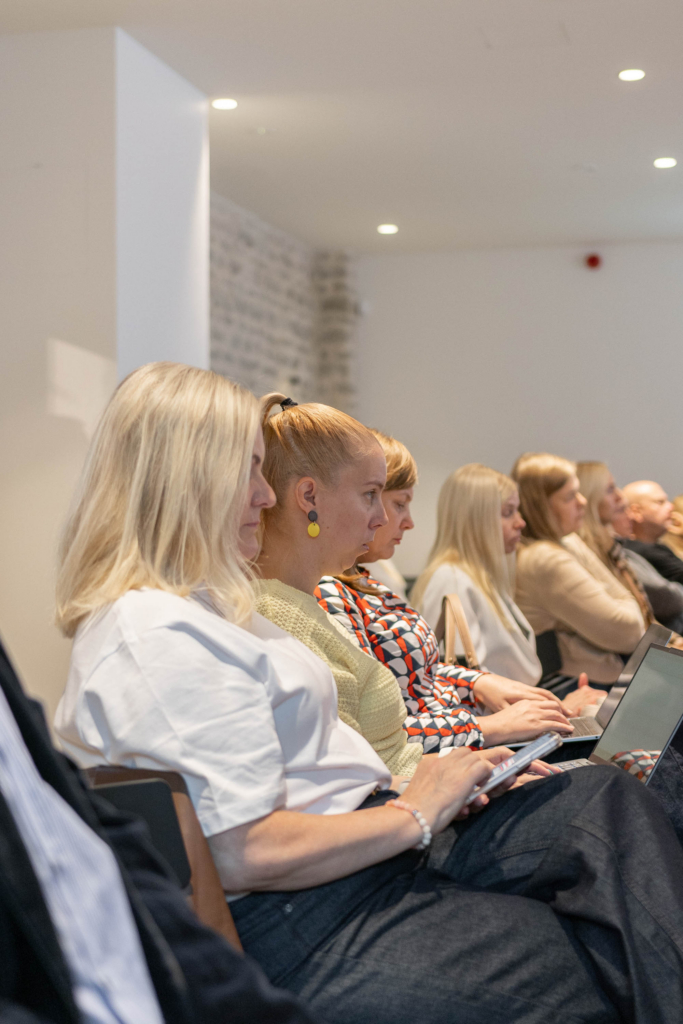
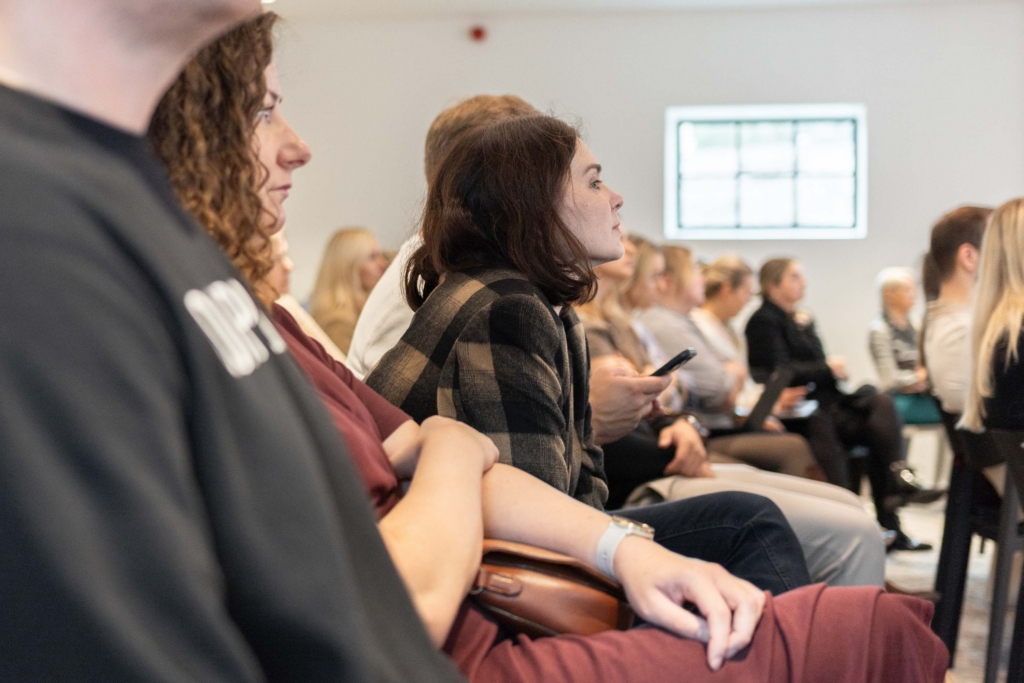
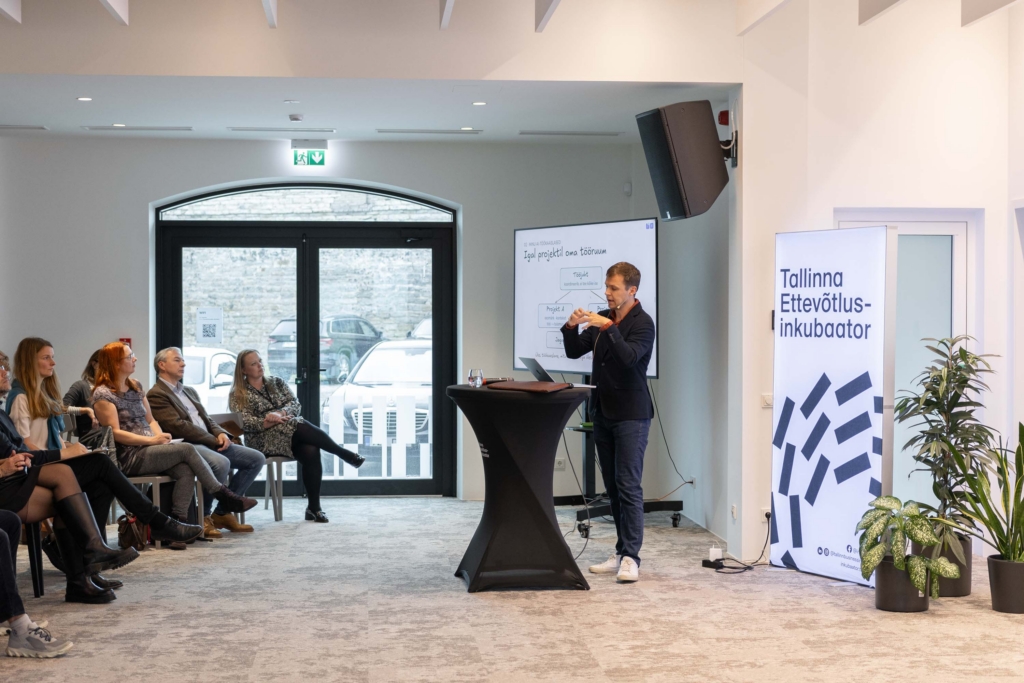
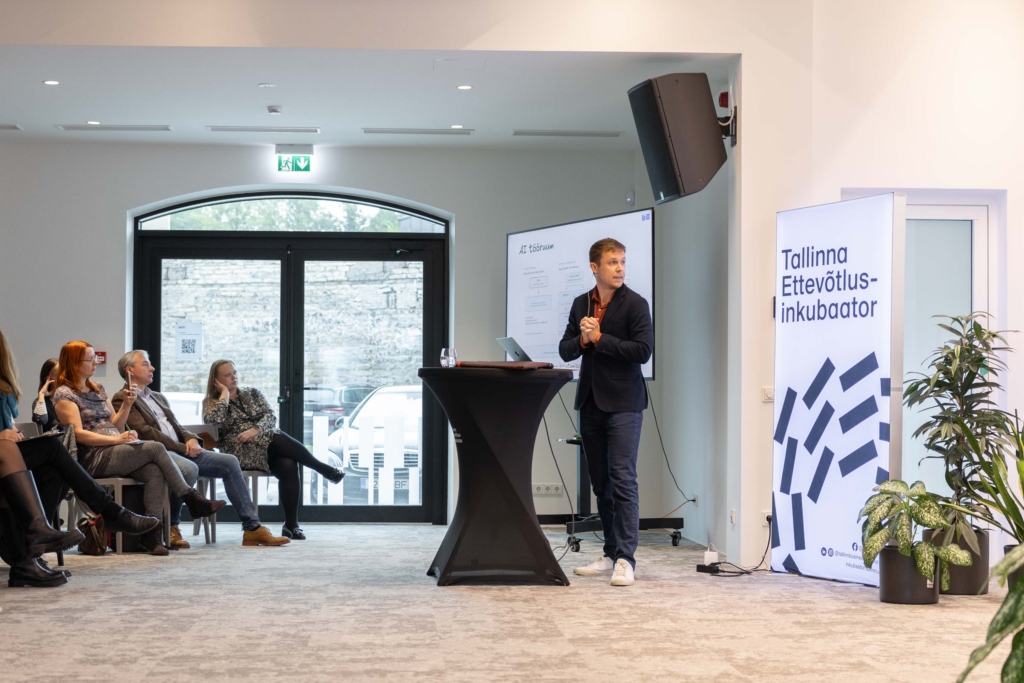
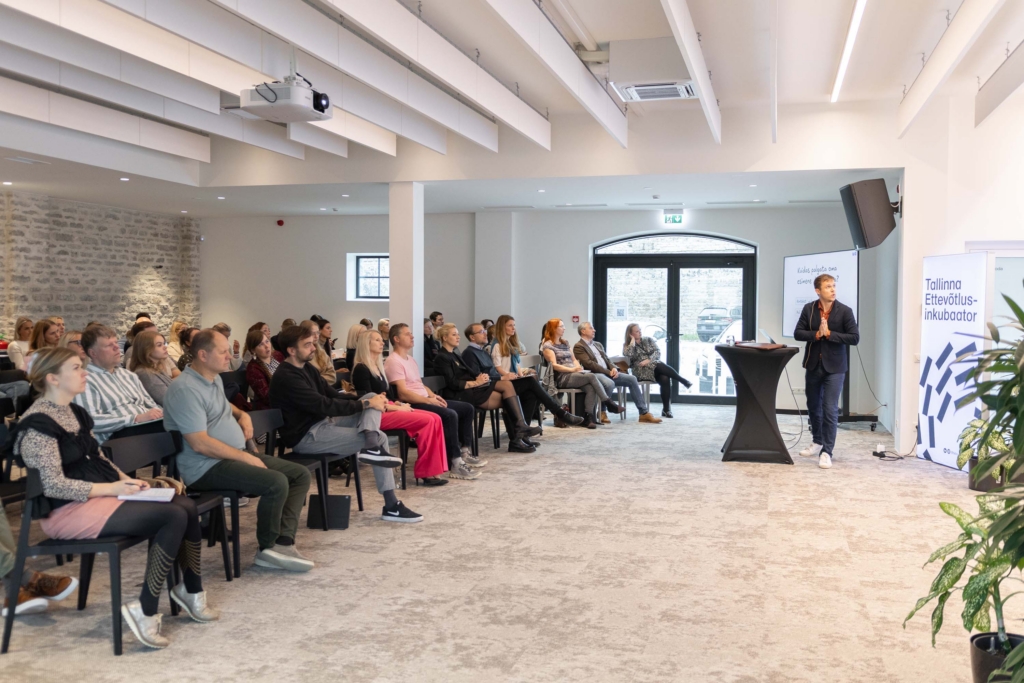
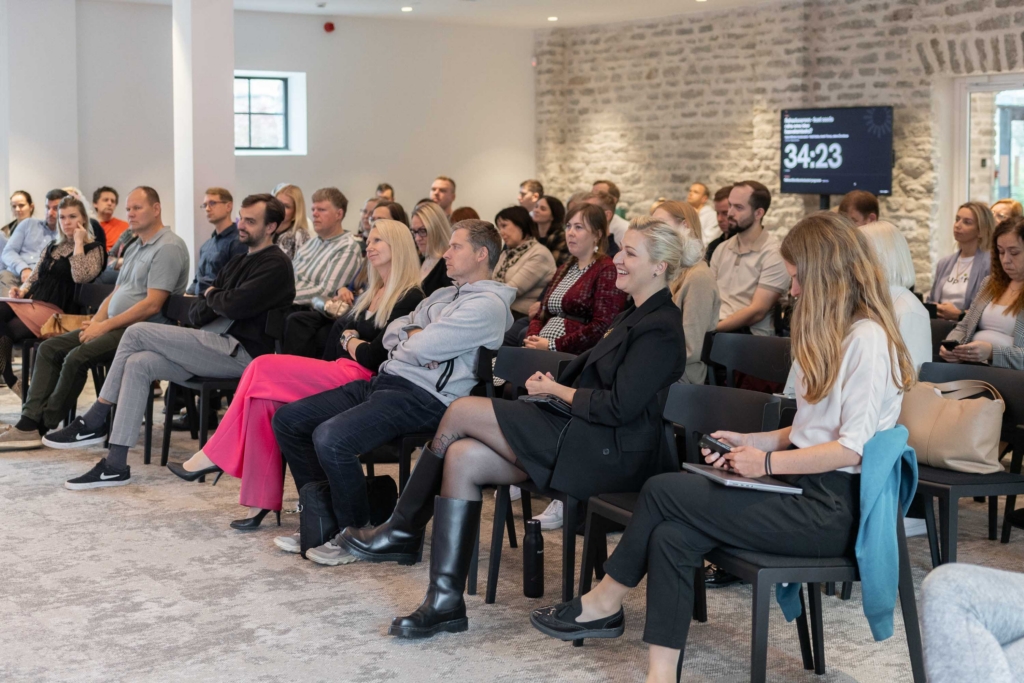
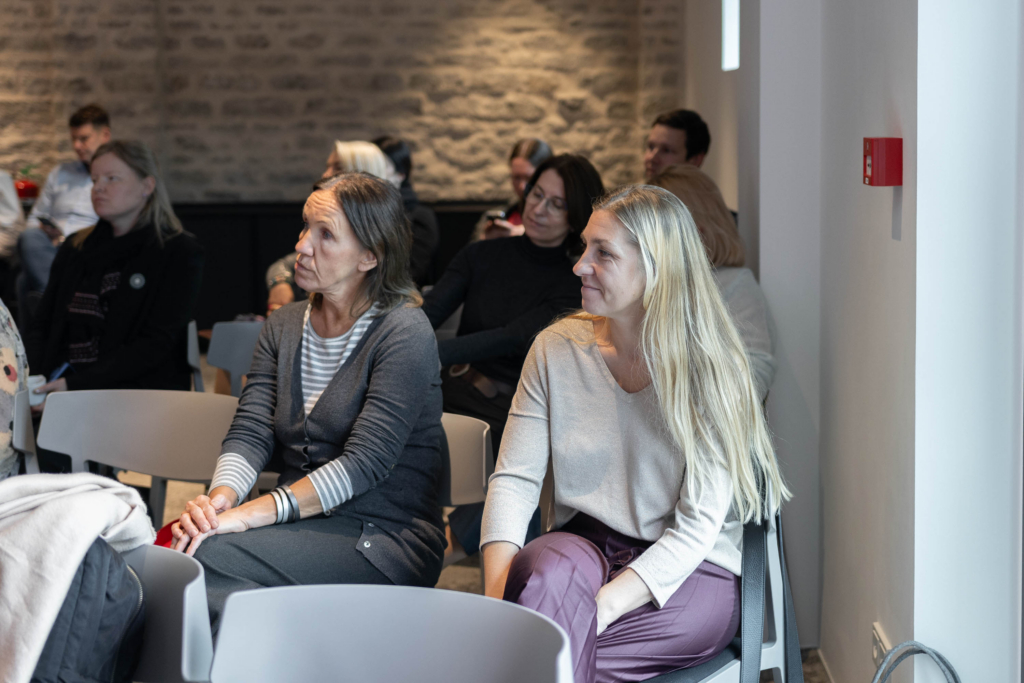
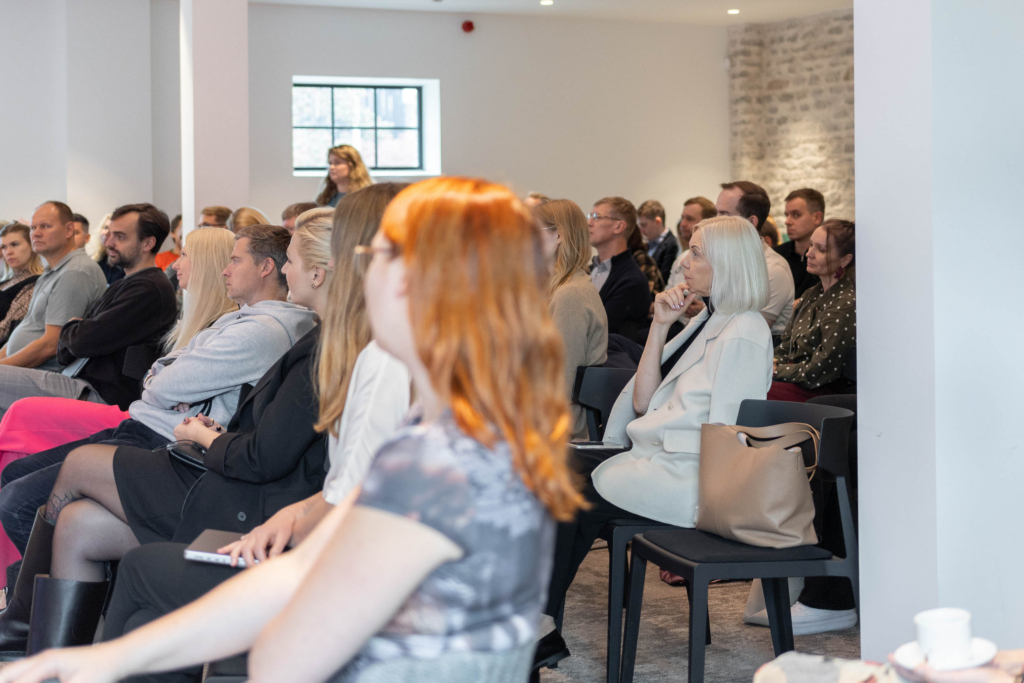
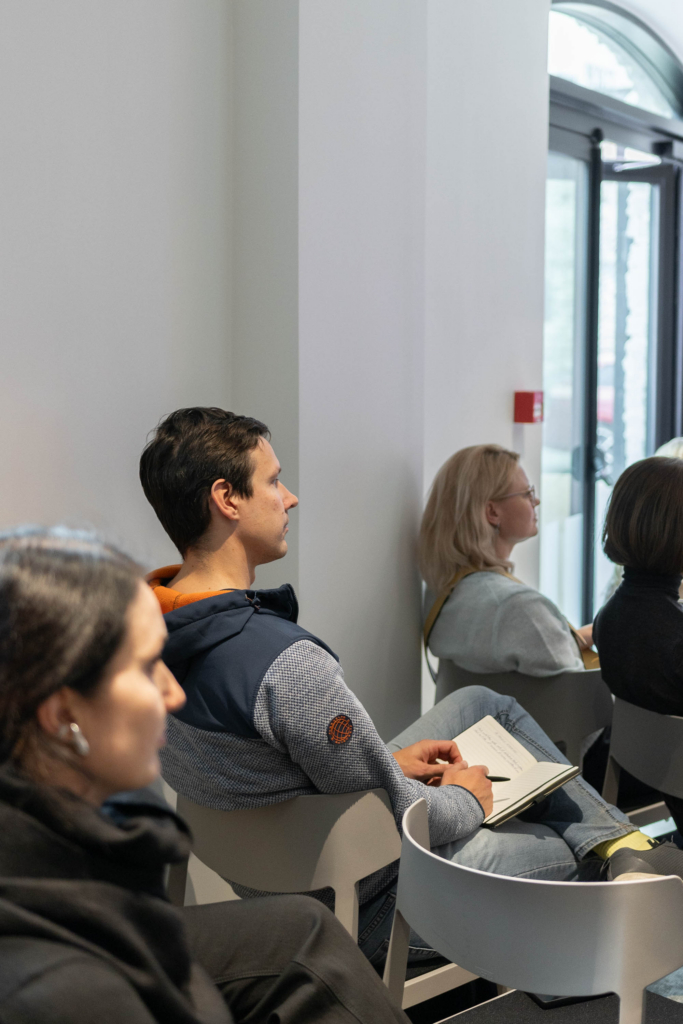
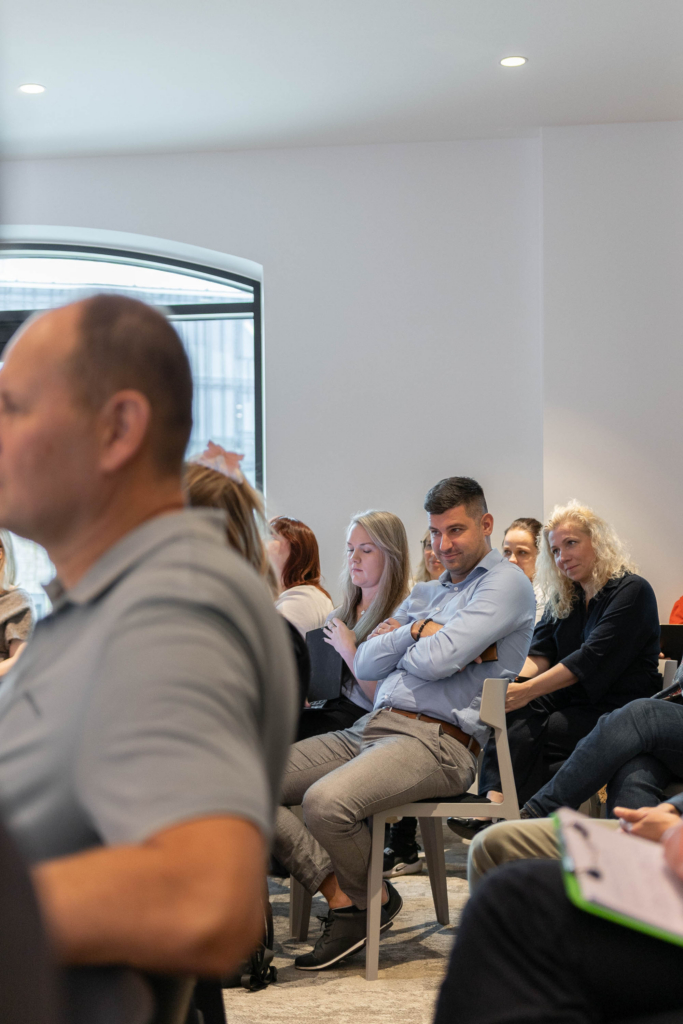
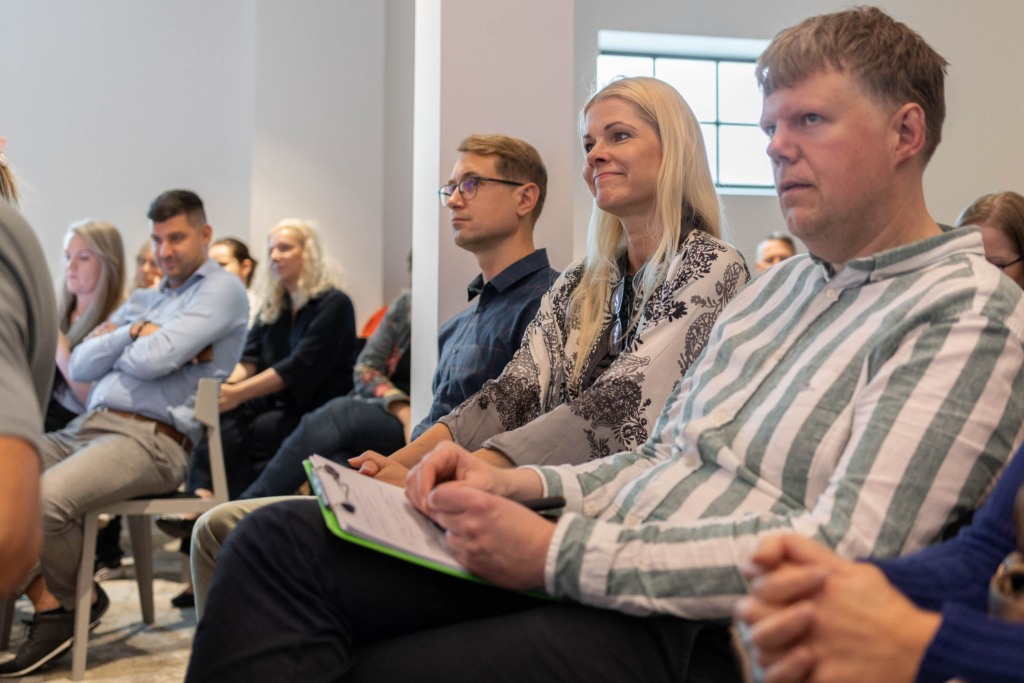
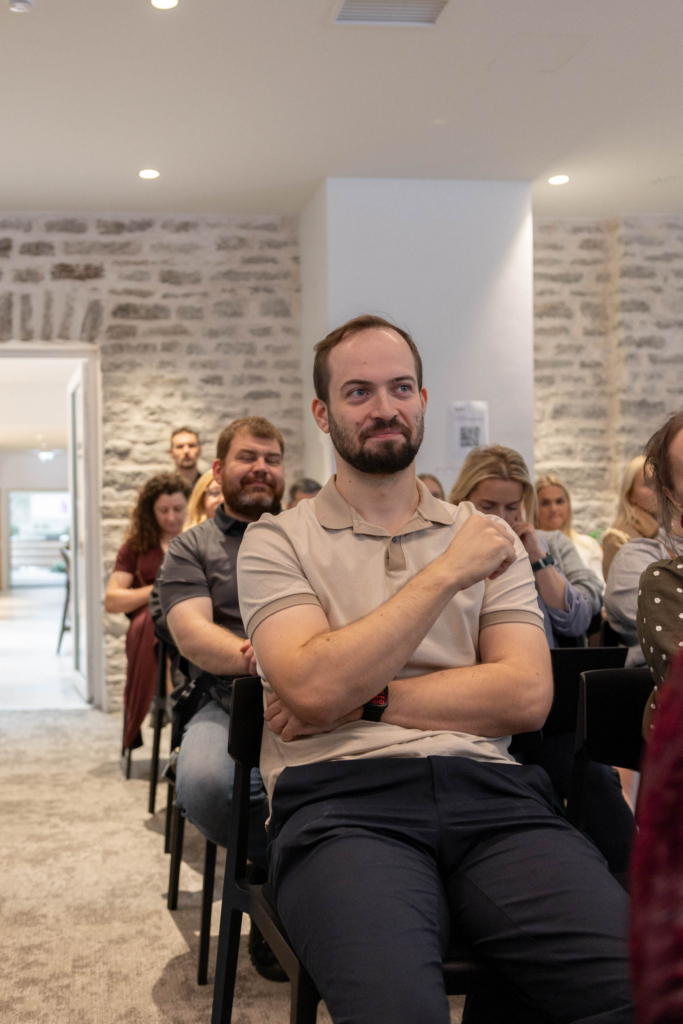
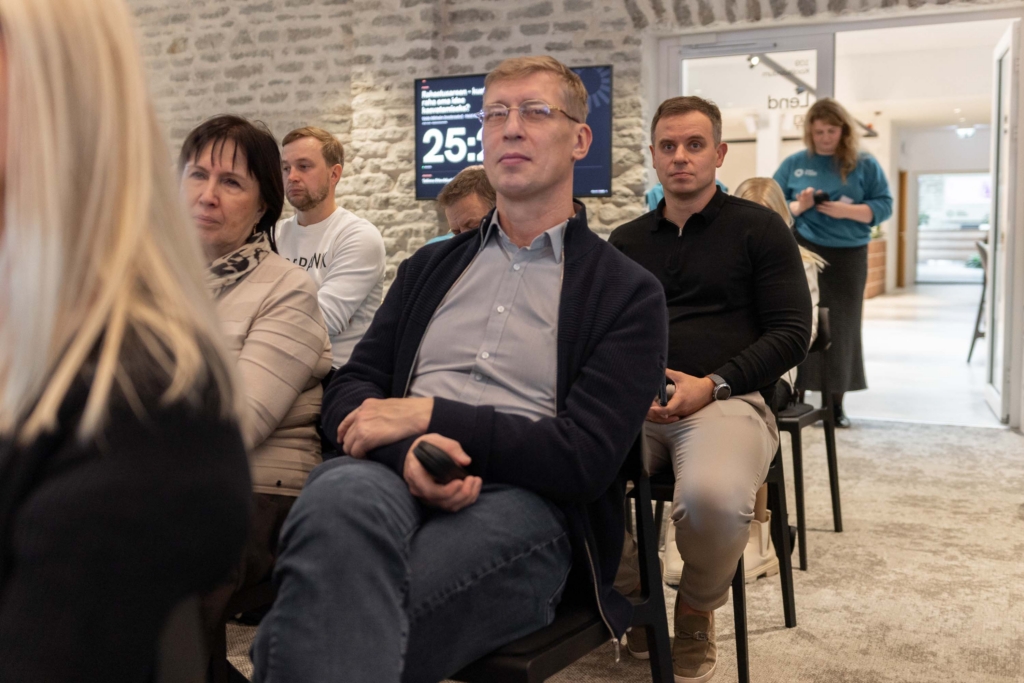
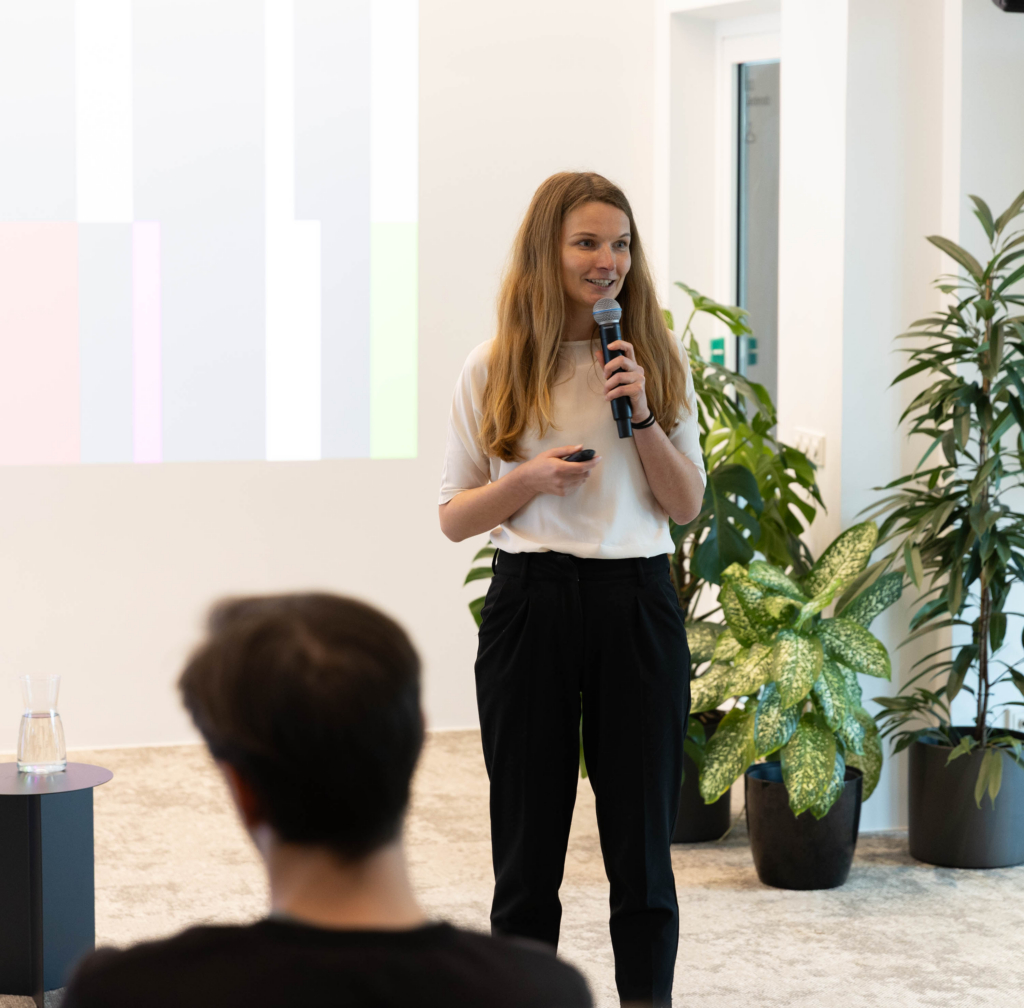
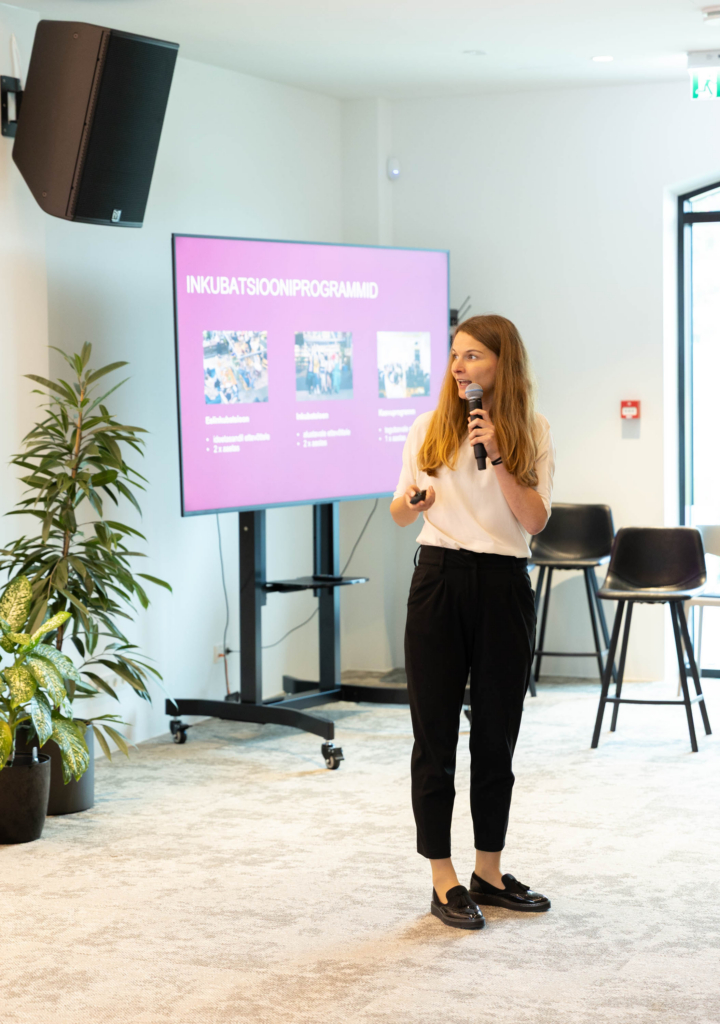
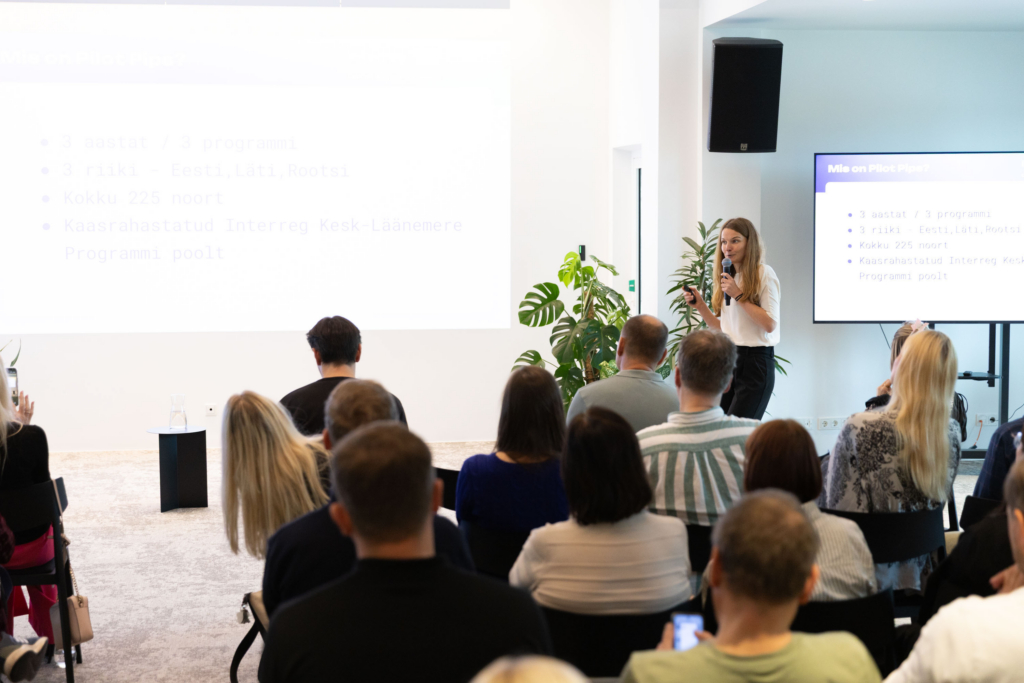
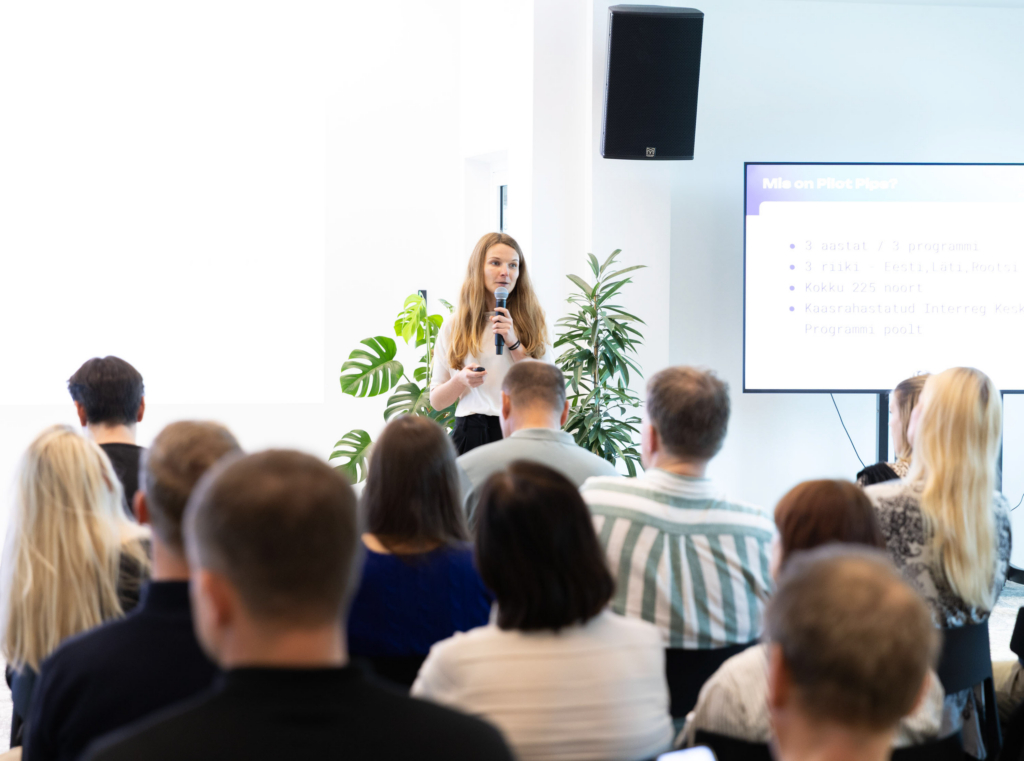

“From vibe coder to entrepreneur” showed how quickly an idea can become a prototype
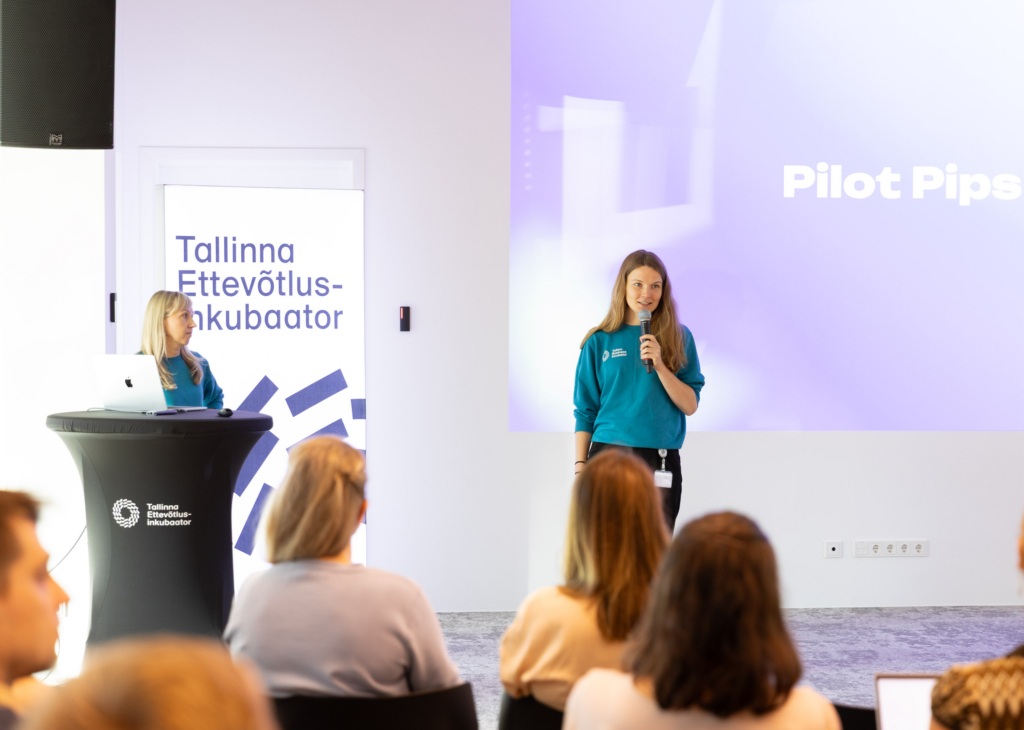
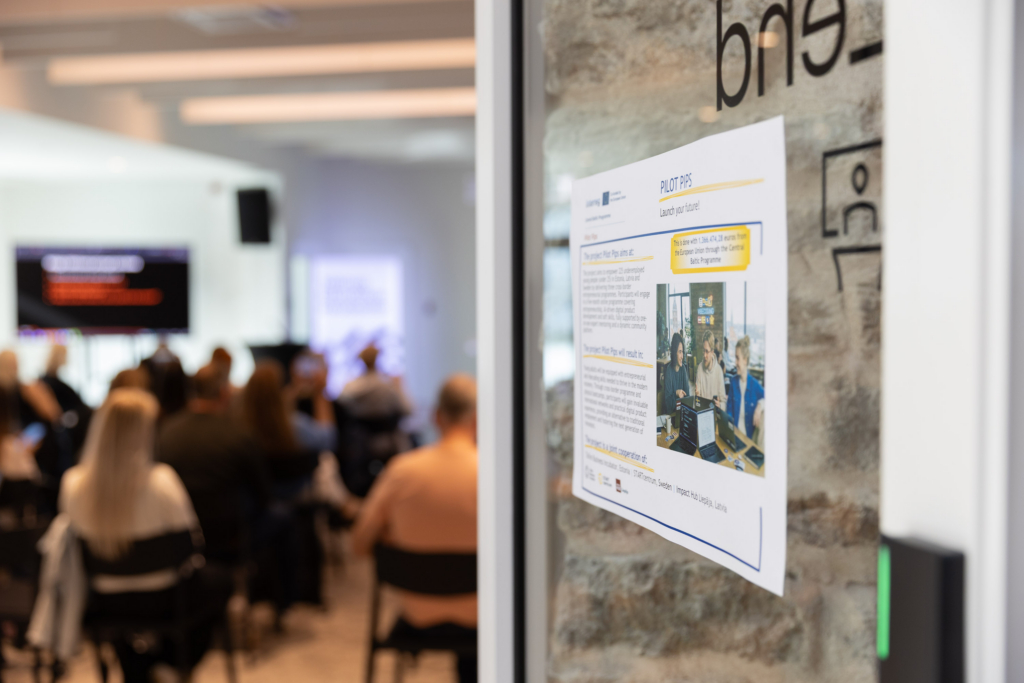
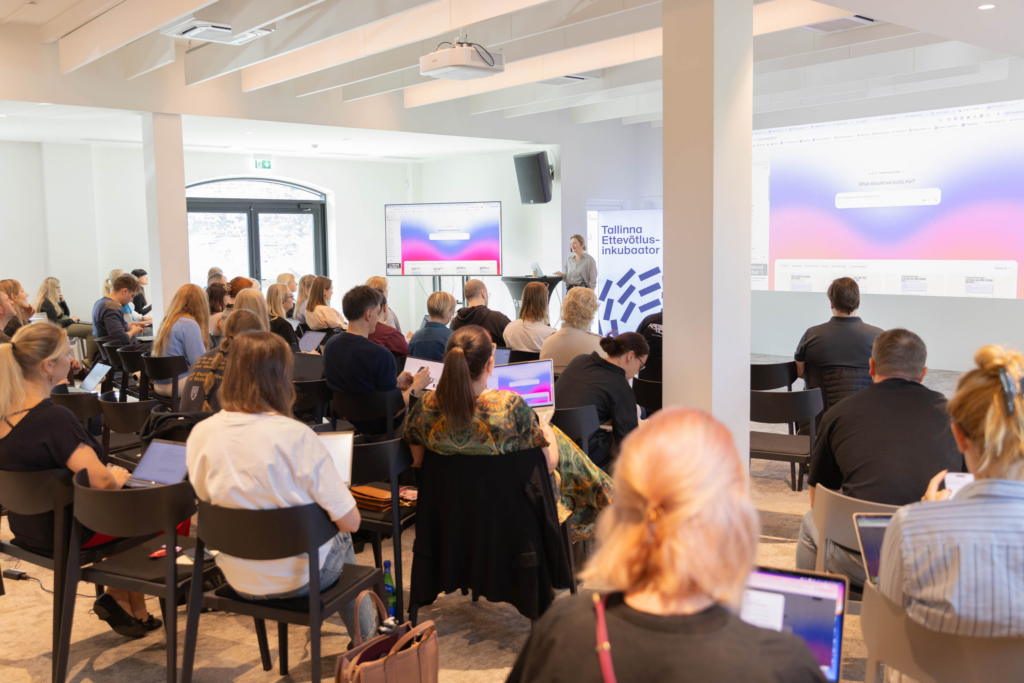
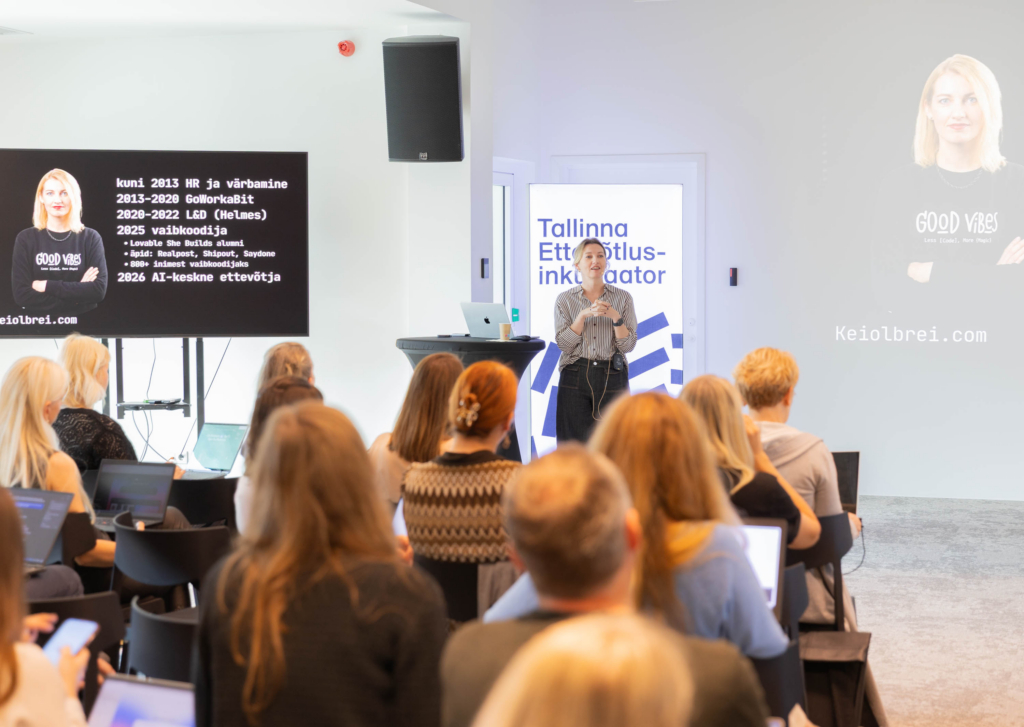
In September, activities began for the international project Pilot Pips, led by the Tallinn Business Incubator, which aims to support the development of entrepreneurial capacity among young people under 25 in Estonia, Latvia, and Sweden. As the project’s first public event, the “From vibe coder to entrepreneur” inspiration day took place, open to everyone interested in vibe coding and the possibilities of AI. The event offered a practical introduction to topics that will be explored in greater depth in the program starting in November.
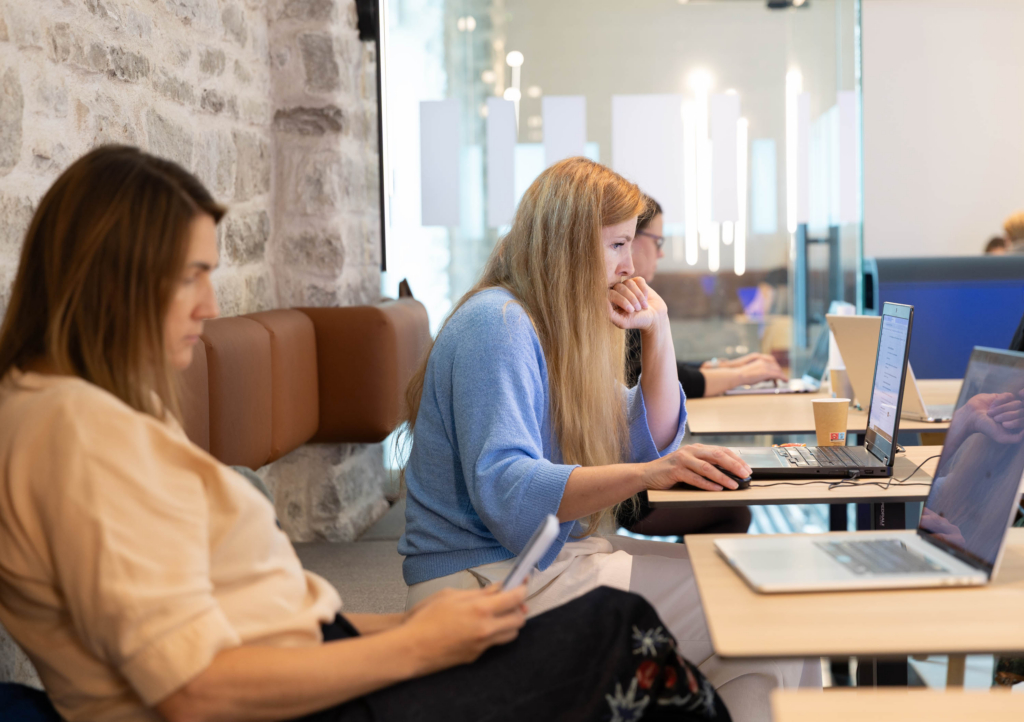
At the heart of the day was the question of how to move quickly forward with your idea using AI — from formulating the problem and designing a solution to building a working prototype. Participants gained practical knowledge and the opportunity, in a workshop, to actually start bringing their ideas to life with AI tools.
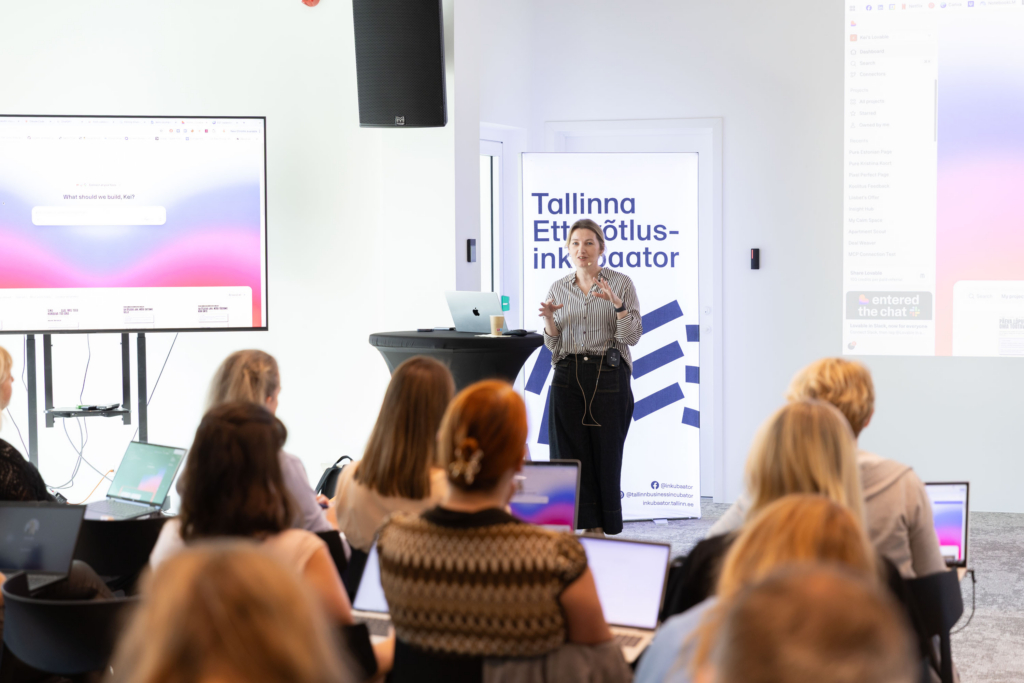
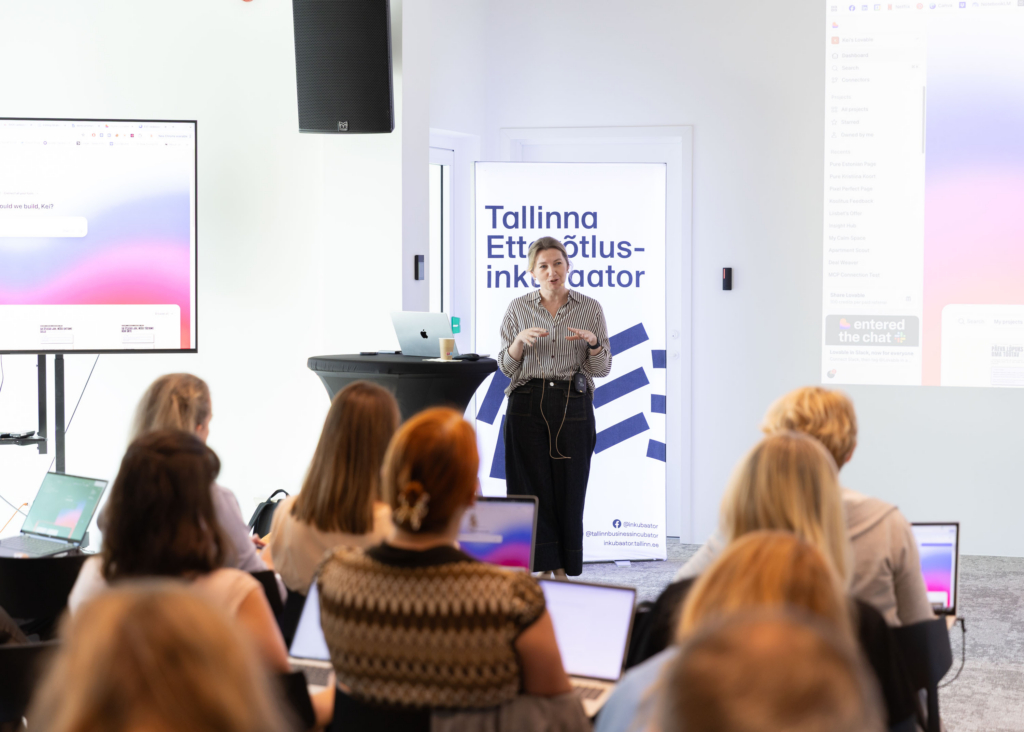
The day was opened by Indrek Seppo, who talked about how to use AI not only to get answers, but also as a thinking partner. The focus was on refining a business idea, discovering new opportunities, and shaping a solution. Kei Olbrei then guided participants through a vibe coding workshop, where everyone could work on their own idea or a problem in need of solving, and try to build a working prototype from it step by step.
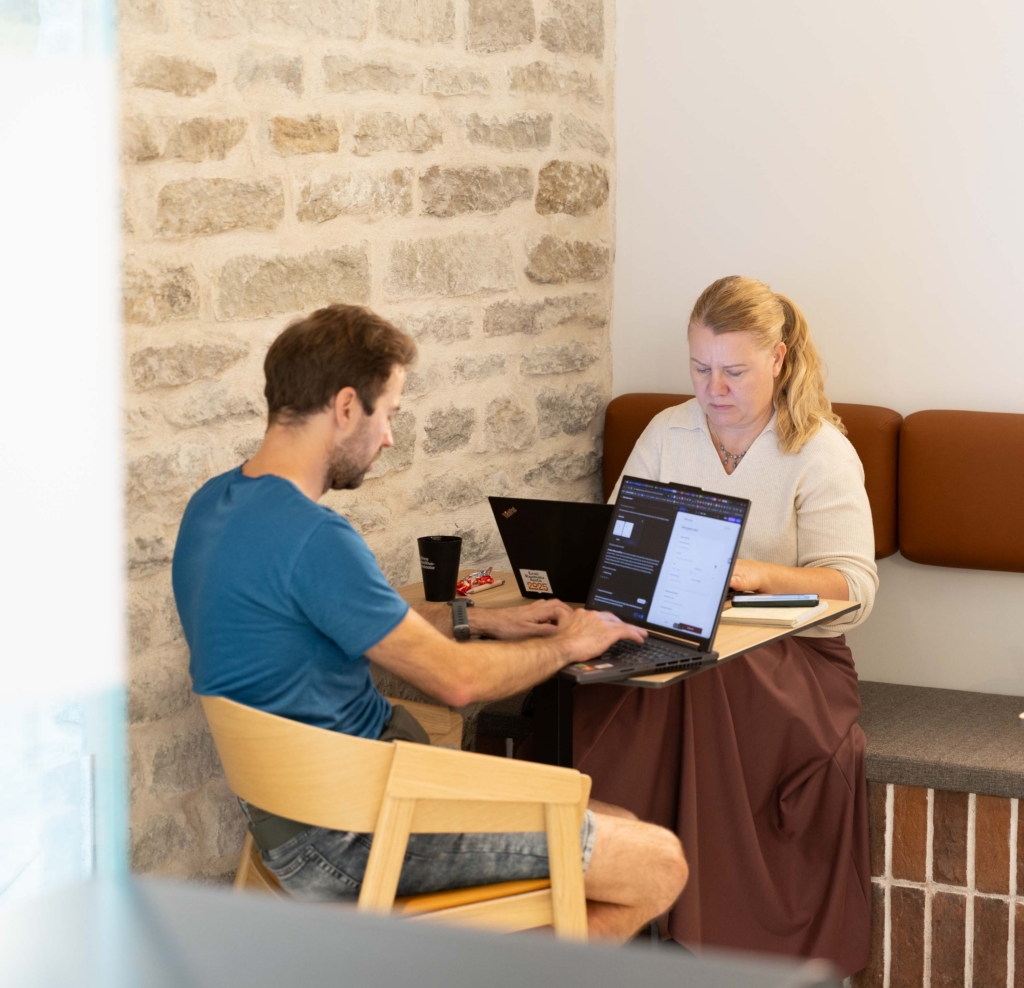
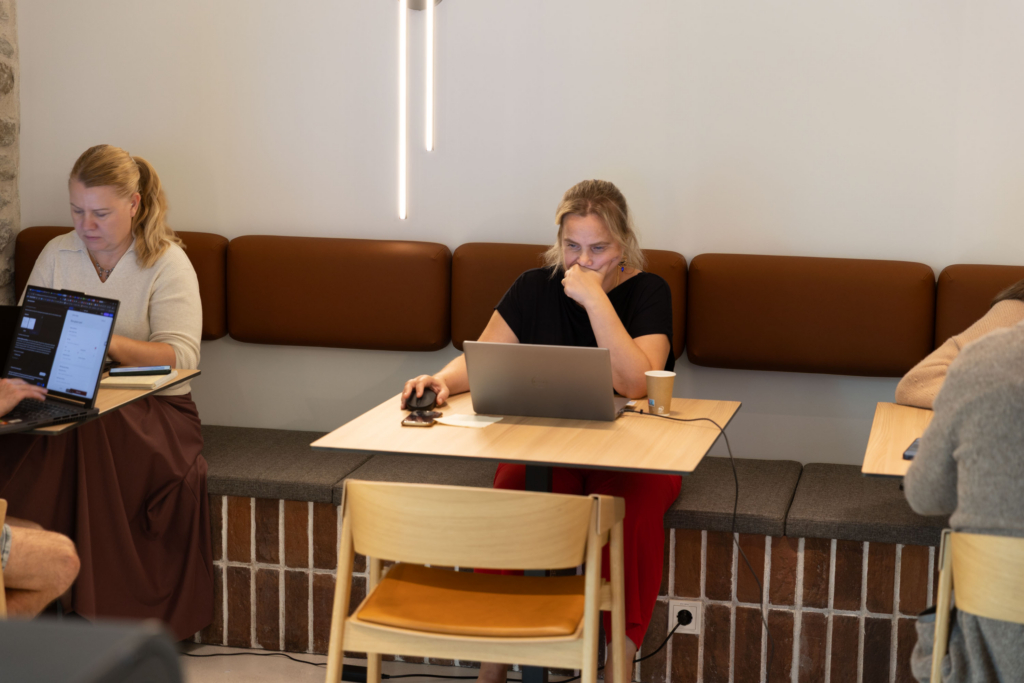
In the second half of the day, the practical work with prototypes continued. Participants got to test how far it is possible to get in a single day with the help of AI and vibe coding. A recurring theme in the feedback was that vibe coding made creating something with your own hands unexpectedly easy for many, and gave them the courage to experiment with new tools and platforms. Participants also valued the chance to dedicate a whole day to their idea while receiving support and feedback from experts.
According to the participants, the day helped them better understand where and why vibe coding is a good fit in their business. Vibe coding gives creative people the chance to test and prototype their ideas faster, without the initial development necessarily having to become a large investment. At the same time, participants pointed out that alongside rapid prototyping, it is important to remain critical and to think through who the solution is really for and what problem it actually solves.
In addition to the hands-on work, inspiration was shared from solutions that have already been built, that have found users and are genuinely generating revenue. This helped show that vibe coding is not only a tool for experimentation, but can also be a way to move from an idea to a real digital product or service.
The day was closed by programmer Krister Viirsaar, who focused on the risks that come with building quickly using AI. Topics included data protection, security, and well-considered product architecture. Rapid prototyping offers the chance to test an idea quickly, but when creating a working solution, you also have to account for what lies beyond the initial “well, it works” moment. A thought that came through in participants’ feedback was that it is worth having a finished prototype reviewed by a programmer, and that before developing it further, it is important to understand what is being built, why, and for whom.
“From vibe coder to entrepreneur” gave participants the chance to combine entrepreneurial thinking and new technologies in a practical way. By the end of the day, participants came away with new knowledge, inspiration, and concrete results — whether a clearer business idea, a first prototype, or the next step in bringing an idea to life.
The event took place at the Tallinn Business Incubator and was free for participants. All participants had the opportunity to use the 100 free credits provided by Lovable as part of the event to further develop their ideas in the workshop.
The event was held as part of the international project Pilot Pips, led by the Tallinn Business Incubator and co-financed by the Interreg Central Baltic programme. The project’s goal is to strengthen the entrepreneurial capacity of young people under 25 in Estonia, Latvia, and Sweden.
CCC Mentoring Programme: get mentoring from international experts
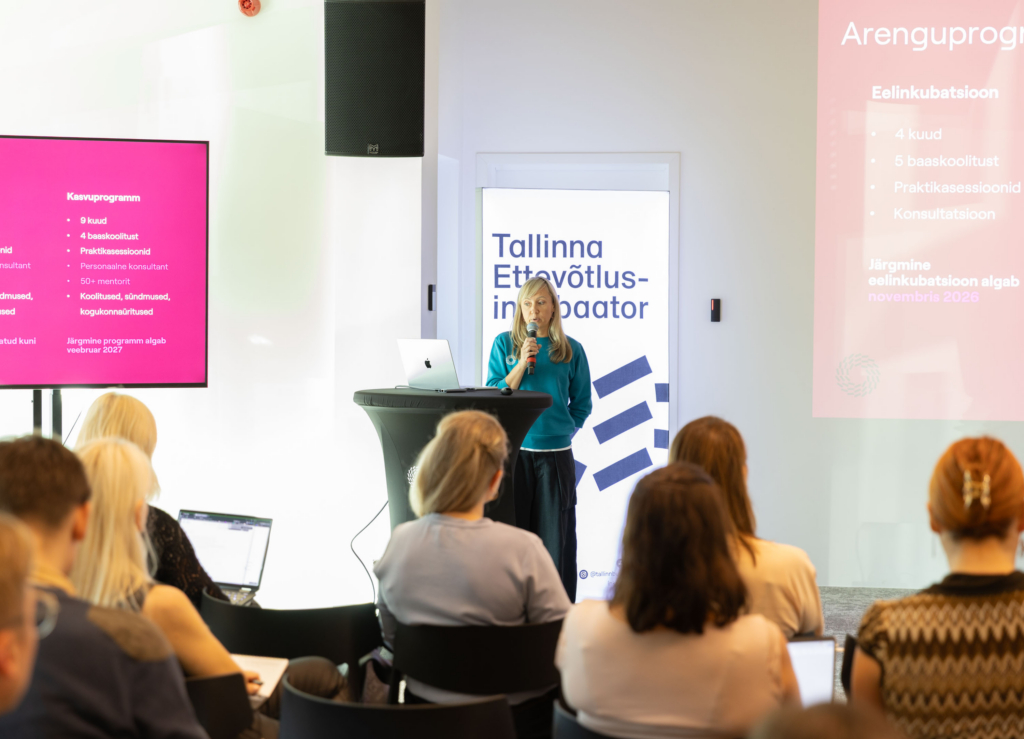
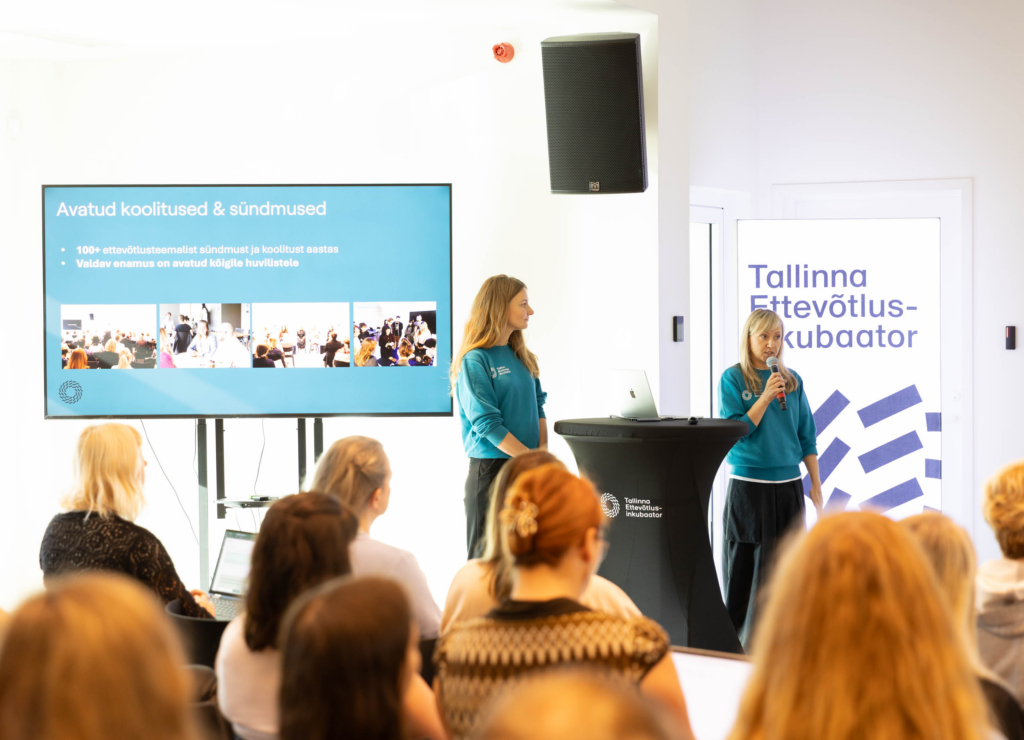
The Creative Circular Cities (CCC) Mentoring Programme helps people in the creative sector take their product, brand or artistic practice to the next level. The programme is intended for designers, visual artists, entrepreneurs, start-ups, students and other creative professionals who want to develop their activities, reach new markets or grow their international visibility. Applications are open until 22 September!
One-to-one mentoring adapts to your goals and needs. You are supported by experienced practitioners who help you find concrete, practical solutions.
For whom?
The programme is open to experts in the cultural and creative industries, start-ups, entrepreneurs, designers, visual artists, students and other interested parties.
How to apply?
Fill in the programme’s join form and choose the mentoring areas that suit you. There is no limit on the number of mentoring sessions – you may choose one or several according to your needs and goals. One mentoring session lasts 60 minutes and takes place online.
We review applications on a rolling basis, and admission is open until 22 September or until the programme’s budget is filled. We recommend submitting your application as early as possible.
Mentoring sessions take place until 16 October.
Fill in the application here: https://forms.gle/2fFaGat8gqtptG3p8
Mentoring areas and mentors
The programme offers mentoring in the following areas:
- Circular design, sustainable product development and material innovation — Rolf Ekroth
- Circular economy metrics and impact assessment — Maximilian Mauracher
- Target market analysis, including competitor and market fit assessment — the Nordic countries (Andrus Kiisküla), Germany (Maximilian Mauracher) and the USA (Farid Singh)
- Adaptation of products and marketing materials — the Nordic countries (Andrus Kiisküla), Germany (Lea Baudner) and the USA (Petra Kaksonen)
- Digital marketing and sales strategies — the Nordic countries and the USA (Andrus Kiisküla)
- B2B sales, retail partnerships and distribution channels — the Nordic countries (Minna Storm), Germany (Lea Baudner) and the USA (Petra Kaksonen)
- Professional presentation of the visual artist (portfolio, CV and artist statement) — Laura Köönikkä
- Strengthening the international visibility of visual artists and expanding collaboration networks — Laura Köönikkä
The mentors taking part in the programme are Rolf Ekroth, Maximilian Mauracher, Andrus Kiisküla, Farid Singh, Lea Baudner, Petra Kaksonen, Minna Storm and Laura Köönikkä.
Detailed descriptions of each mentoring area (learning objectives and the mentor’s background) are provided below.
Descriptions of the mentoring areas and mentors
Circular design, sustainable product development and material innovation
- Identify opportunities to improve product sustainability through material choices and design decisions.
- Learn practical approaches to integrating circularity into product development processes.
- Apply mentor recommendations to strengthen the environmental value of your own products and brand.
Mentor: Rolf Ekroth is a Finnish fashion designer and founder of the independent fashion label Rolf Ekroth. He studied fashion design at Aalto University and has worked professionally in fashion since 2016 — across fashion design, product development and creative entrepreneurship, with a strong focus on sustainable and circular approaches.
As founder and creative director, Rolf is involved in the full product development process – from research and material sourcing to design, prototyping, production and commercialisation. His collections make extensive use of deadstock, recycled and other existing materials. His work has been presented internationally, including at Copenhagen Fashion Week and Pitti Uomo, and he has collaborated with organisations such as Novita, Fiskars and Fortum’s Bio2X initiative.
Much of Rolf’s experience comes from finding practical ways for a small independent brand to work more sustainably – building collaborations around existing materials, waste streams and new material solutions, and turning these into actual products and collections. As a mentor, he shares his experience in circular design, material choices, developing collaborations and finding realistic ways to bring sustainability into the creative process.
Circular economy metrics and impact assessment
- Understand key circular economy metrics and sustainability indicators relevant to your brand or organisation.
- Learn how to assess and communicate product and business impact.
- Identify measurement tools suitable for your business model.
- Develop an action plan for improving sustainability performance and reporting.
Mentor: Maximilian Mauracher holds an MA in Communication Design (Graphics and Advertising) from the University of Applied Arts Vienna. From 2015 to 2020 he worked as Creative Director and Communication Strategist in marketing and advertising agencies, and has completed the Leading Sustainable Corporations Programme at Saïd Business School, University of Oxford, as well as a certificate in Life Cycle Assessment at MIT Professional Education.
Since 2020, Maximilian has been co-founder, managing director and circular strategist at NEW STANDARD.STUDIO, a Berlin-based, B Corp-certified consultancy working at the intersection of circular economy and communication. With more than 10 years of experience in sustainability and circularity, he advises both international corporates and local start-ups on developing circular business models, products and services and on measuring their impact — spanning circular economy strategies, product development, material innovation and environmental impact assessment for companies and public bodies.
Target market analysis of the Nordic countries, including competitor and market fit assessment
- Understand the characteristics of the Nordic target markets.
- Conduct a competitor and market fit analysis for the Nordic countries.
- Identify customer needs and market opportunities in the Nordic countries.
- Develop a market entry strategy for the Nordic countries based on mentor feedback.
Mentor: Andrus Kiisküla is a marketing consultant and founder of KNOL OÜ with extensive experience in marketing, market development and business growth. His work has included market and competitor analysis, brand positioning, channel strategy, localisation and campaign development for Estonian and international brands. He has been a mentor at Tallinn Business Incubator since 2022 and has worked in marketing and market development since 2006; previously he worked at Tallink Group, Äripäev, Airborne Mechatronics, Gmotors UK and AS Delfi.
Andrus has worked on the Finnish and Swedish markets for seven years, from almost every angle a business can approach them: passenger and hotel services at Tallink, physical products both onboard and in e-commerce, sauna heaters sold across Scandinavia through importers at HUUM, supplements and beauty products in Finland, franchise support for a food brand, and a design-led product sold direct through a Shopify store. That experience taught him that the Nordics are not one market and that most market entry plans fail because of the route chosen rather than the quality of the product. In this module he helps participants map who they are really competing with, understand what buyers already expect, and find the route that fits their product, margin and capacity – so that the participant leaves with a competitor map, a clear sense of their position, and a short list of assumptions worth testing before spending money.
Target market analysis of Germany, including competitor and market fit assessment
- Understand the characteristics of the German target markets.
- Conduct a competitor and market fit analysis for Germany.
- Identify customer needs and market opportunities in Germany.
- Develop a market entry strategy for Germany based on mentor feedback.
Mentor: Maximilian Mauracher holds an MA in Communication Design (Graphics and Advertising) from the University of Applied Arts Vienna and has completed the Leading Sustainable Corporations Programme at Saïd Business School, University of Oxford, as well as a certificate in Life Cycle Assessment at MIT Professional Education. From 2015 to 2020 he worked as Creative Director and Communication Strategist in marketing and advertising agencies.
Since 2020 he has been co-founder and managing director of NEW STANDARD.STUDIO, a Berlin-based, B Corp-certified consultancy working at the intersection of circular economy and communication. After a decade in advertising and marketing, Maximilian supports B2B and B2C businesses entering the DACH market, helping them navigate the challenges of saturated or category-defining markets — drawing on experience in circular economy strategies, new business models, resource efficiency, material recovery and the development of circular products and services.
Target market analysis of the USA, including competitor and market fit assessment
- Understand the characteristics of the US target markets.
- Conduct a competitor and market fit analysis for the USA.
- Identify customer needs and market opportunities in the USA.
- Develop a market entry strategy for the USA based on mentor feedback.
Mentor: Farid Singh is an internationally experienced expert in entrepreneurship, innovation and market entry, with over 20 years of experience across technology, telecommunications, investment, innovation and entrepreneurship. Over the past 12 years, his work has focused particularly on product-market fit, market entry and international growth.
Farid holds an MBA from INSEAD and engineering degrees from the University of Leeds. He has provided over 3,000 hours of mentoring and worked with more than 250 startups across 50 countries. He also leads the Business Design Coaches at INSEAD and has mentored companies and creatives across the creative, design and technology sectors.
His expertise lies in identifying new market opportunities, assessing demand and competition, and preparing businesses to enter international markets. Farid has extensive experience with the Nordic and international markets, as well as direct experience in the creative sector as a mentor for the Learn2Fringe programme.
Adaptation of products and marketing materials for the Nordic countries
- Understand how cultural differences influence product presentation and communication.
- Learn how to adapt marketing materials for the Nordic markets.
- Improve product positioning for target audiences.
- Develop a localisation plan for products and brand communication.
Mentor: Andrus Kiisküla is a marketing consultant and founder of KNOL OÜ with extensive experience in marketing, market development and business growth. His work has included market and competitor analysis, brand positioning, channel strategy, localisation and campaign development for Estonian and international brands. He has been a mentor at Tallinn Business Incubator since 2022 and has worked in marketing and market development since 2006.
For Andrus, the most important thing in localisation is not what to change, but what not to change: the very thing that makes a brand distinctive is usually the first to disappear when a brand tries to sound local. He has marketed a minimalist design product across Scandinavia, is responsible for the brand and product presentation of an Estonian manufacturer selling to demanding Nordic buyers, and has adapted supplements and beauty products for the tightly regulated Finnish market — and has also adapted international brands for local audiences. In this module he works through participants’ actual materials and positioning (product descriptions, images, website — everything a buyer sees before making a decision), so that the participant leaves with a checklist of what needs to change in order to sell, and what needs to change in order to be trusted.
Adaptation of products and marketing materials for Germany
- Understand how cultural differences influence product presentation and communication.
- Learn how to adapt marketing materials for the German market.
- Improve product positioning for target audiences.
- Develop a localisation plan for products and brand communication.
Mentor: Lea Baudner is a strategic designer and DACH-focused business developer, currently Lead Strategic Designer at Trinidad Wiseman, where she has previously also worked as a Customer Experience / User Experience Design Consultant and Digital Business Lead. She holds a Bachelor’s degree in Creative Business and a Master’s degree in Data-Driven Design from the University of Applied Sciences Utrecht, and her work spans multi-market research, competitive positioning, user research and translating research findings into concrete business and design recommendations.
Having grown up in Germany and being a native German speaker, Lea has a strong understanding of German traditions, values, cultural norms and business expectations, which she combines with experience in service and UX design, communication and storytelling. Her mentoring helps participants adapt their product presentation and marketing materials to the needs, language preferences and expectations of German audiences.
Adaptation of products and marketing materials for the USA
- Understand how cultural differences influence product presentation and communication.
- Learn how to adapt marketing materials for the US market.
- Improve product positioning for target audiences.
- Develop a localisation plan for products and brand communication.
Mentor: Petra Kaksonen is a Vancouver-based Finnish designer and Art Director with more than 25 years of experience in design, branding, publishing and advertising, including more than 12 years in the North American media and marketing sectors. Her career includes roles as Art Director at the magazines Westcoast Homes & Design and Business in Vancouver, and Design Manager at the newspapers The Vancouver Sun and The Province, where she specialised in integrated brand and consumer marketing campaigns — among them major initiatives such as the Vancouver 2010 Winter Olympics.
She has led design teams and delivered award-winning campaigns across print, digital and social media, websites and large-scale trade shows; she has in-depth knowledge of marketing to North American consumers and more than 10 years of mentoring experience.
Digital marketing and sales strategies for the Nordic countries
- Understand the digital marketing practices relevant to the Nordic markets.
- Identify suitable online sales and communication channels.
- Learn how to create market-specific digital marketing strategies for the Nordic countries.
- Improve customer acquisition and online sales performance.
Mentor: Andrus Kiisküla is a marketing consultant and founder of KNOL OÜ with extensive experience in marketing, market development and business growth, covering market and competitor analysis, brand positioning, channel strategy, localisation and campaign development for Estonian and international brands. He has been a mentor at Tallinn Business Incubator since 2022 and has worked in marketing and market development since 2006.
Andrus lectures on Meta advertising, TikTok advertising and email marketing at Estonian Business School and trained marketers at Äripäev Academy for seven years; previously he ran Tallink’s digital marketing and analytics in Finland and Sweden. He currently runs customer acquisition for supplements and beauty brands in Finland — two of the most competitive performance-marketing categories there — and has handled Meta ads, email and analytics for a small Shopify brand selling across Scandinavia. He pays particular attention to one thing: advertising platforms routinely claim credit for revenue they did not create, and on a small budget, spending against inflated numbers is the most expensive mistake there is. In this module he helps participants work out which channels are worth their time in the Nordic market to begin with, what a realistic first campaign looks like, and which numbers to trust when judging results across platforms.
Digital marketing and sales strategies for the USA
- Understand the digital marketing practices relevant to the US market.
- Identify suitable online sales and communication channels.
- Learn how to create market-specific digital marketing strategies for the USA.
- Improve customer acquisition and online sales performance.
Mentor: Andrus Kiisküla is a marketing consultant and founder of KNOL OÜ with extensive experience in marketing, market development and business growth, covering market and competitor analysis, brand positioning, channel strategy, localisation and campaign development for Estonian and international brands. He has been a mentor at Tallinn Business Incubator since 2022 and has worked in marketing and market development since 2006.
Andrus is currently CMO of HUUM, an Estonian manufacturer whose largest market is the United States, which means he makes decisions about that market every week. He has also sold design-led products directly into the US through Shopify and led the US launch of the European direct-to-consumer (DTC) brand Ecosh Life, covering paid media, positioning and conversion. In his view, selling from Europe to the US is less about advertising than people think and more about the arithmetic underneath it: shipping and returns, where the price sits against domestic competitors, and whether the realistic route is direct or through a partner — the answers that determine everything that follows. In this module he works through that arithmetic for each participant’s product and then helps decide which channels are worth testing first and what to measure.
B2B sales, retail partnerships and distribution channels in the Nordic countries
- Understand different B2B sales and distribution models.
- Identify suitable retail and wholesale partners in the Nordic countries.
- Learn effective approaches to international business development in the Nordic countries.
- Develop a partnership and distribution strategy for the Nordic markets.
Mentor: Minna Storm is CEO and founder of ECCA Nordic, a Nordic market-entry and internationalisation consultancy established in 2005. For more than 20 years, she has helped companies turn Nordic market opportunities into concrete market access through B2B market development, buyer and channel logic, partner development, market-entry strategy and practical business development. A native speaker of both Swedish and Finnish, she has particular depth at the Finland–Sweden business interface and extensive experience across the wider Nordic region. Her sector experience is especially strong in health and preventive health, wellbeing, food and nutrition, and smart living, complemented by work with industrial, technology-driven and other growth companies.
Minna is a Certified Management Consultant (CMC) and Approved Board Member (ABM), an experienced growth-company mentor and sparring partner, and was recognised by Kasvu Open as Business Coach of the Year in Finland in 2022. Her mentoring is practical and company-specific: which market to prioritise, how B2B sales and purchasing work in that market, who the relevant buyers and partners are, which route to market is commercially realistic, and what concrete steps are needed to move from market interest to business.
B2B sales, retail partnerships and distribution channels in Germany
- Understand different B2B sales and distribution models.
- Identify suitable retail and wholesale partners in Germany.
- Learn effective approaches to international business development in Germany.
- Develop a partnership and distribution strategy for the German market.
Mentor: Lea Baudner is a strategic designer and DACH-focused business developer, currently Lead Strategic Designer at Trinidad Wiseman, where she has also worked as a Customer Experience / User Experience Design Consultant and Digital Business Lead. She holds a Bachelor’s degree in Creative Business and a Master’s degree in Data-Driven Design from the University of Applied Sciences Utrecht, with experience in multi-market research, competitive positioning, stakeholder research and translating findings into concrete recommendations.
Having grown up in Germany, Lea understands the country’s traditions, values, cultural norms and business practices. Her background includes B2B partnership development in Germany and product ownership for a B2B platform in the semiconductor sector. Her mentoring helps participants identify suitable partners and sales channels, validate their market approach, and adapt their outreach to German business expectations.
B2B sales, retail partnerships and distribution channels in the USA
- Understand different B2B sales and distribution models.
- Identify suitable retail and wholesale partners in the USA.
- Learn effective approaches to international business development in the USA.
- Develop a partnership and distribution strategy for the US market.
Mentor: Petra Kaksonen is a Vancouver-based Finnish designer and Art Director with more than 25 years of experience in design, branding, publishing and advertising, including more than 12 years in the North American media and marketing sectors. She has led design teams and delivered award-winning campaigns for tier-one North American brands across print, digital and social media, websites and large-scale trade shows, including work connected to the Vancouver 2010 Winter Olympics.
Petra is also co-founder of Montuuk Apparel Inc. — a studio that designs and manufactures innovative lifestyle products — and her surface pattern work spans luxury rugs, bespoke home textiles and pattern licensing for independent brands and private hospitality clients across North America, Asia and Europe. She has extensive experience in B2B sales and working with retail partners in North America, and more than 10 years of mentoring experience.
Professional presentation of the visual artist, including portfolio development, CV and artist statement
- Improve the quality and clarity of professional presentation materials.
- Learn how to present your artistic practice to international audiences.
- Strengthen your portfolio structure and storytelling.
- Develop a professional artist profile suitable for international applications and collaborations.
Mentor: Laura Köönikkä is the founder and CEO of Finnish Art Agency (and Confidants Ltd) and has been active in the Finnish and international art field since 2003. She holds an MA in Art History from the University of Jyväskylä and is a certified business coach and work supervisor. She created the SHIFT mentoring programme and has led an international online mentoring programme for artists, with participants from Finland, the United Kingdom, Japan, Denmark and beyond, supported by generous guest professionals.
Through Finnish Art Agency, Laura works with visual artists on strategic career planning, artist profile development, portfolio and CV structuring, and curatorial guidance. In this module she focuses on portfolio development, CV preparation and the writing and refinement of artist statements, helping participants communicate their work, experience and artistic approach clearly and professionally for different contexts and audiences.
Strengthening the international visibility of visual artists and expanding international collaboration networks
- Understand strategies for increasing international visibility.
- Identify opportunities for international collaboration and networking.
- Learn how to build sustainable professional relationships.
- Develop a personalised international networking and visibility plan aligned with your artistic career goals.
Mentor: Laura Köönikkä is the founder and CEO of Finnish Art Agency (and Confidants Ltd) and has worked internationally in curating, producing and advising for more than 20 years. She created the SHIFT international artist mentoring programme and has guided and mentored numerous international artists and designers. Her curatorial career includes serving as curator and commissioner of the Finnish Pavilion at the Venice Biennale, artistic director of FRAME Finnish Fund for Art Exchange, chief curator at Tampere Art Museum and curator at Pori Art Museum, as well as exhibitions and projects across Finland, Norway, the United Kingdom, Italy, Ireland, Sweden and Japan. Her background is in art history and museum work, and she has been an entrepreneur since 2013.
In this module Laura focuses on identifying relevant international platforms, networks, partnerships and collaboration opportunities and on helping artists communicate their work effectively across different professional contexts. Through tailored guidance and practical insight, she supports participants in expanding their international networks and building sustainable pathways for cross-border collaboration.
The events take place within the Creative Circular Cities project, co-funded by the European Union’s Interreg Baltic Sea Region Programme 2021–2027. The aim is to advance the circular economy transition at local level by engaging the cultural and creative sector.
Become a Mentor in the Pilot Pips Programme!
Do you have an entrepreneurial background in technology? We are looking for experienced practitioners to mentor the next generation of founders.
About the programme
The Pilot Pips programme supports young entrepreneurs under the age of 25 who have business ideas that require vibe coding skills. Through a combination of trainings, events, and individual mentoring, the programme guides participants from an early idea through validation, value proposition, pricing, branding, and marketing to their first customers and ultimately towards a viable business.
The programme is financed by the Interreg Central Baltic Programme 2021–2027 and co-funded by the European Union.
The mentor’s role
Mentoring gives each participant individual, practical guidance from an experienced practitioner, complementing the trainings and events offered within the programme. Each mentor will be matched with five (5) entrepreneurs for a four-month period and will meet each participant online once a month – four (4) meetings per participant in total. During these sessions, the mentor provides feedback, advice, and support as the participant develops their business.
Who we are looking for
To qualify as a mentor, the person named in the tender must have work experience in technology business, preferably as a founder. Previous experience as a mentor or coach and experience working with early-stage founders or young entrepreneurs are an advantage and will be taken into account in the evaluation.
How to apply
This is a public procurement. Tenders are submitted by a legal entity (e.g. the mentor’s company) and must include:
the mentor’s CV, the offered hourly fee, the tenderer’s legal details and contact person, The full terms, requirements, and evaluation criteria are set out in the Invitation to Tender, which is the binding document for this procurement: HERE
The deadline for submitting tenders is 7th of August 2026 at 12:00. Tenders and any questions should be sent to Nele Plutus, nele@inkubaator.ee
Everything is designed – therefore everything can be redesigned
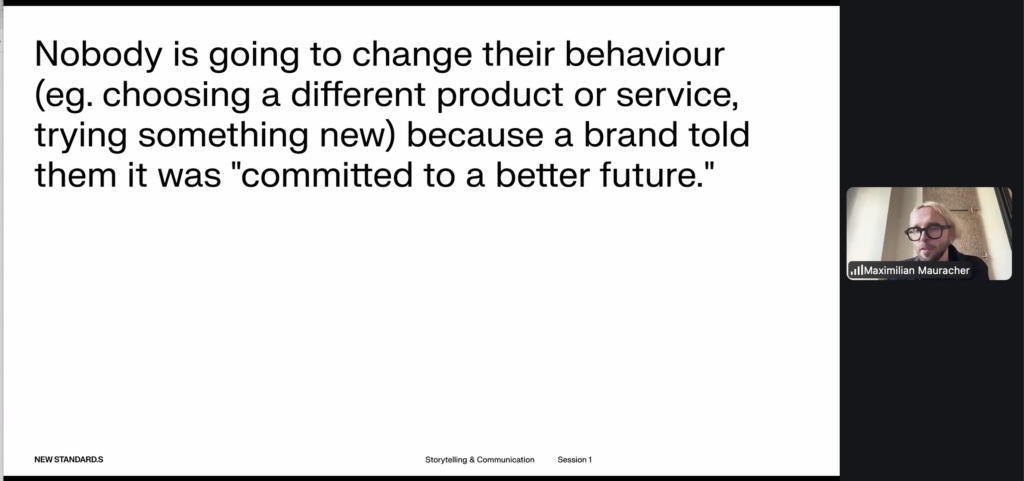
As part of the Creative Circular Cities (CCC) project incubation programme organized by the Tallinn Business Incubators, several international seminar series took place in spring 2026. These focused on applying sustainable and circular thinking to product and service design. The trainings How to Design a Sustainable Product? and How to Design a Sustainable Service? brought together professionals from the creative and cultural sectors, entrepreneurs, designers, and other interested participants to discuss how to create solutions that are user-centered, economically viable, and environmentally responsible.
At the core of both seminar series was the understanding that sustainability is no longer merely an ethical choice, but an important strategic direction. For both products and services, this means re-evaluating existing ways of working and seeking solutions that reduce environmental impact, keep resources in use longer, and create long-term value.
Sustainable product design begins with a shift in mindset
The four-part seminar series How to Design a Sustainable Product? focused on the principles of circular product development throughout the entire product lifecycle. Participants explored how to move from a linear “produce–use–dispose” model to more circular solutions, where materials remain in use as long as possible and products are designed with durability, repairability, modularity, and reuse in mind.
The seminar emphasized that sustainable product design is not only about introducing new materials, but primarily about a change in perspective. A product should not be seen as a standalone object, but as part of a larger system that includes usage patterns, future use cycles, repair possibilities, and end-of-life considerations. It was also highlighted that materials should not be treated merely as inputs in production, but as valuable resources whose quality and usability should be preserved for as long as possible.
Practical examples brought circular design closer to participants
The seminar was not purely theoretical; through participants’ own examples, it demonstrated how circular economy principles can be applied across a wide range of products and services. For instance, discussions addressed how to ensure that environmentally friendly packaging is also understandable for users. It was concluded that sustainable materials alone are not enough without clear information about who produced the item, how it can be reused, and where it should go at the end of its life. Suggested solutions included better labeling, QR codes, reuse instructions, and return or collection systems.
Another example involved the possibilities of recycled porcelain. It was noted that beyond material recycling, sustainable value can also be created through repair services, rental models, and refreshing or reglazing items. This highlighted that circular design does not always mean creating entirely new products, but often involves improving existing solutions, extending their use, and preserving their value.
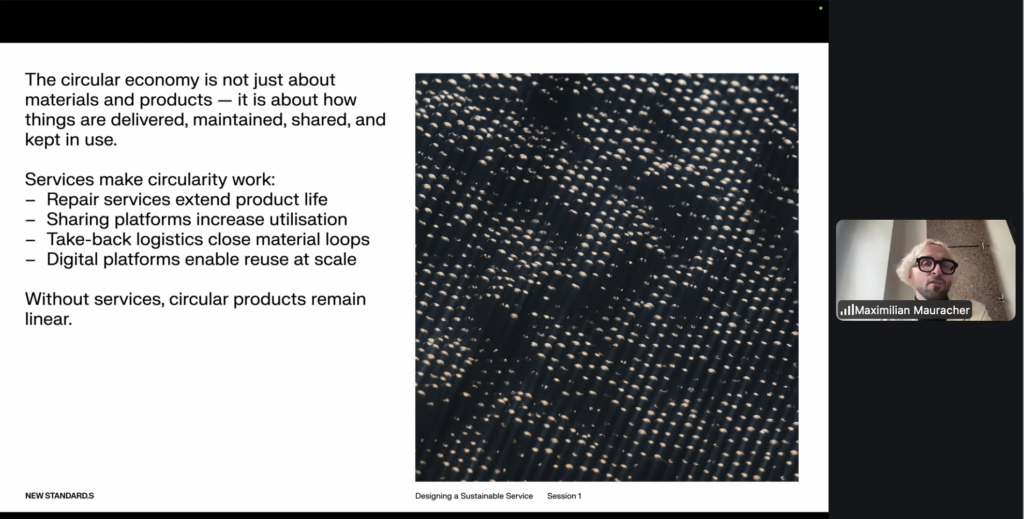
Services also shape environmental impact
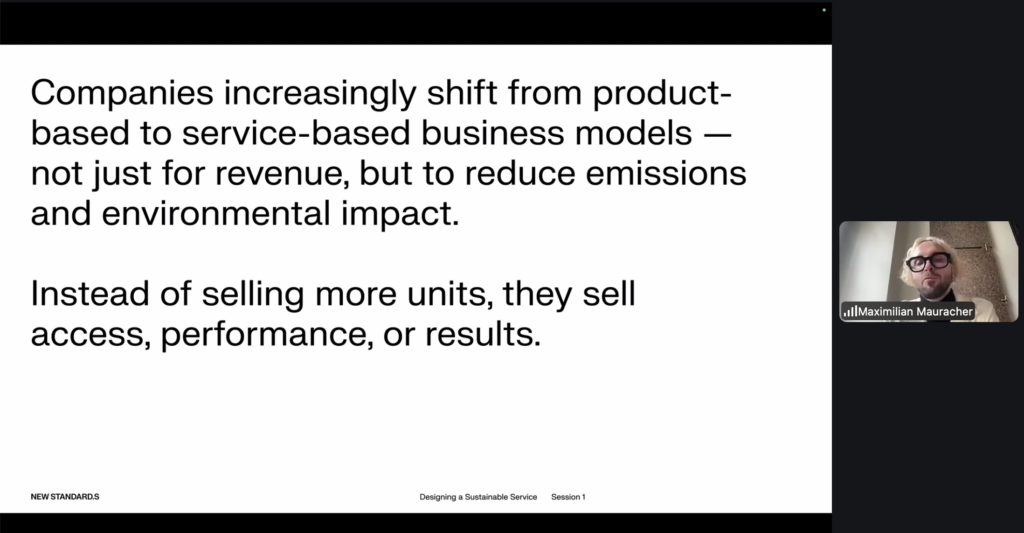
The two-part seminar series How to Design a Sustainable Service? expanded the sustainability discussion from products to services, digital solutions, and organizational processes. The training demonstrated that environmental impact arises not only from the production of physical goods, but also from service structures, digital workflows, data usage, infrastructure, and everyday operations.
Participants were given tools to assess the footprint of their services, map key impact sources, and identify ways to reduce them. The focus included optimizing services and digital systems, reducing digital waste, prioritizing renewable energy-based solutions, and integrating sustainable choices into organizational decision-making.
Discussions also highlighted that more sustainable service design often begins at the preparatory stage. For example, better collaboration before the development process can reduce unnecessary meetings, rework, and resource use. Early involvement of end users was also emphasized to ensure that services meet real needs and avoid unnecessary steps or burdens.
Why are these topics important for the creative and cultural sector?
For the creative and cultural sector, circular economy and sustainable design are becoming increasingly important, as they open new opportunities for innovation, international development, and responsible entrepreneurship. For both products and services, the issue is not only about reducing environmental impact, but also about creating solutions that are more durable over time, meaningful for users, and economically sustainable.
The seminar series showed that sustainability can manifest in many ways: better material choices, well-thought-out user instructions, enabling repair and reuse, more efficient service processes, or more conscious communication with clients and users. This holistic perspective helps make circular economy principles practical and applicable in everyday creative work and business.
Trainer Maximilian Mauracher combined strategy with practical experience
Both seminar series were led by internationally recognized designer, strategist, and creative director Maximilian Mauracher, whose work focuses on circular economy, sustainability, and design-driven transformation.
He studied at the University of Applied Arts Vienna and has worked for more than ten years with companies, cities, and organizations, including FREITAG, Decathlon, WWF, and the city of Berlin. As co-founder and CEO of NEW STANDARD.STUDIO, he helps international teams translate complex sustainability challenges into clear strategies, products, services, and narratives.
One of the central messages of the seminars was captured in the idea: “Everything is designed – therefore everything can be redesigned.” This reflects both the content of the seminars and the broader goal of the CCC project – to help creative and cultural sector professionals see change as an opportunity and discover new ways to create more responsible and impactful solutions.
The CCC project supports the transition to a circular economy
The seminar series took place as part of the the Creative Circular Cities project, co-funded by the European Union’s Interreg Baltic Sea Region Programme 2021–2027. The aim of the project is to support the transition to a circular economy at the local level by actively involving the cultural and creative sectors and providing practical knowledge, tools, and international collaboration.
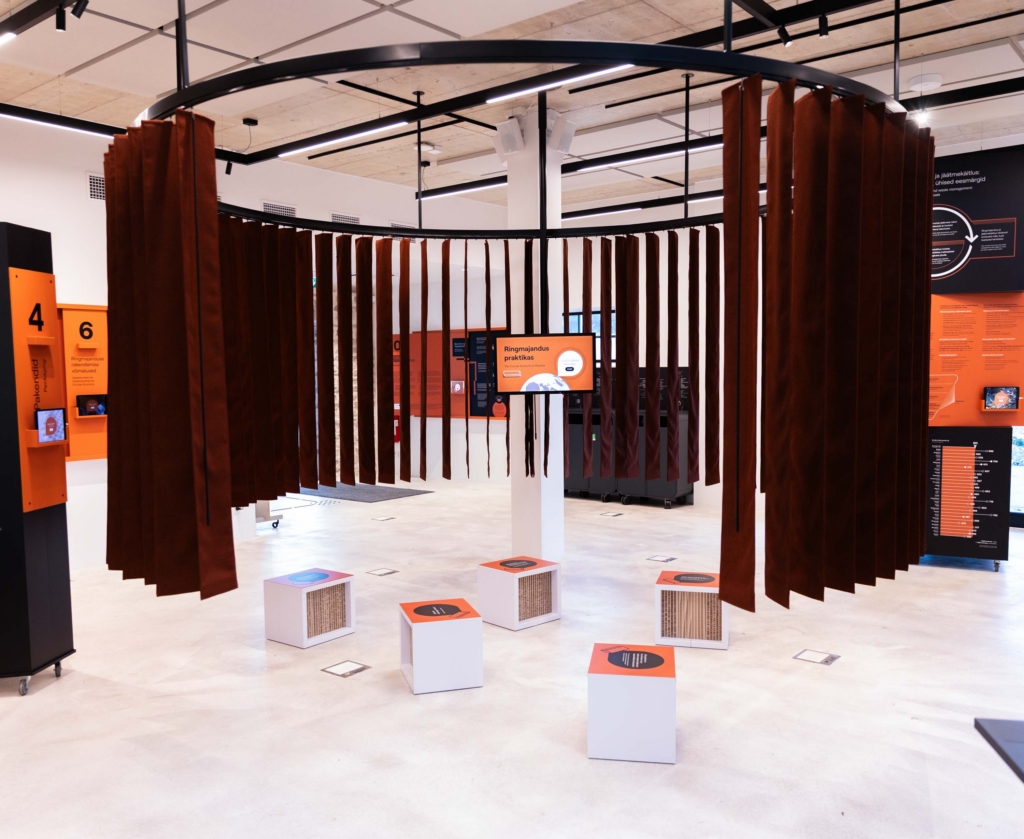
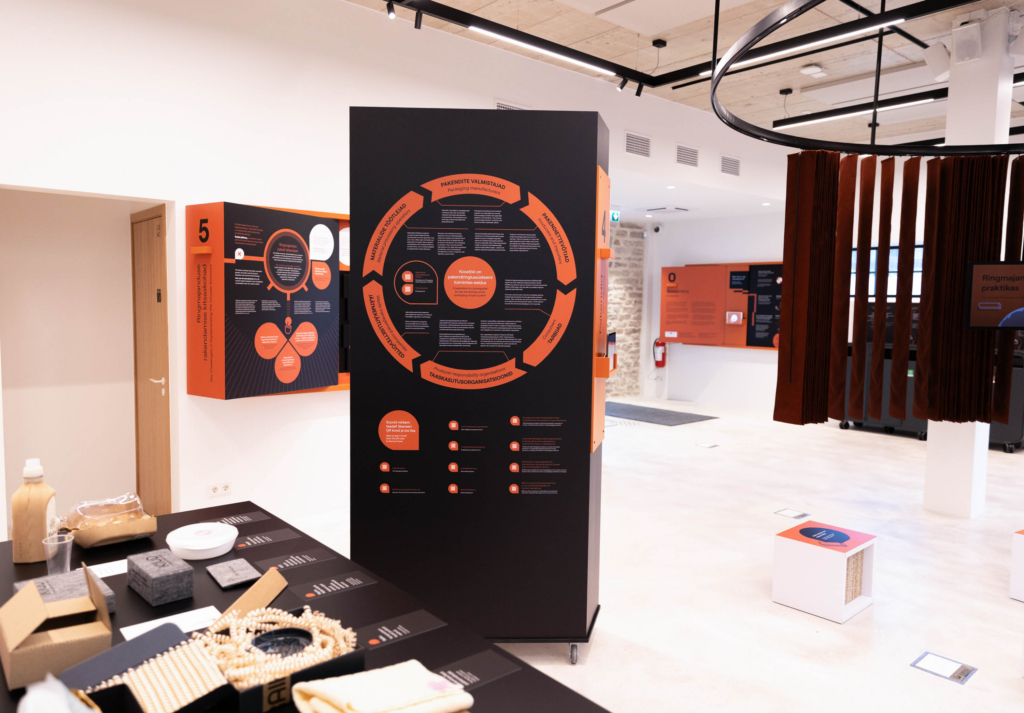
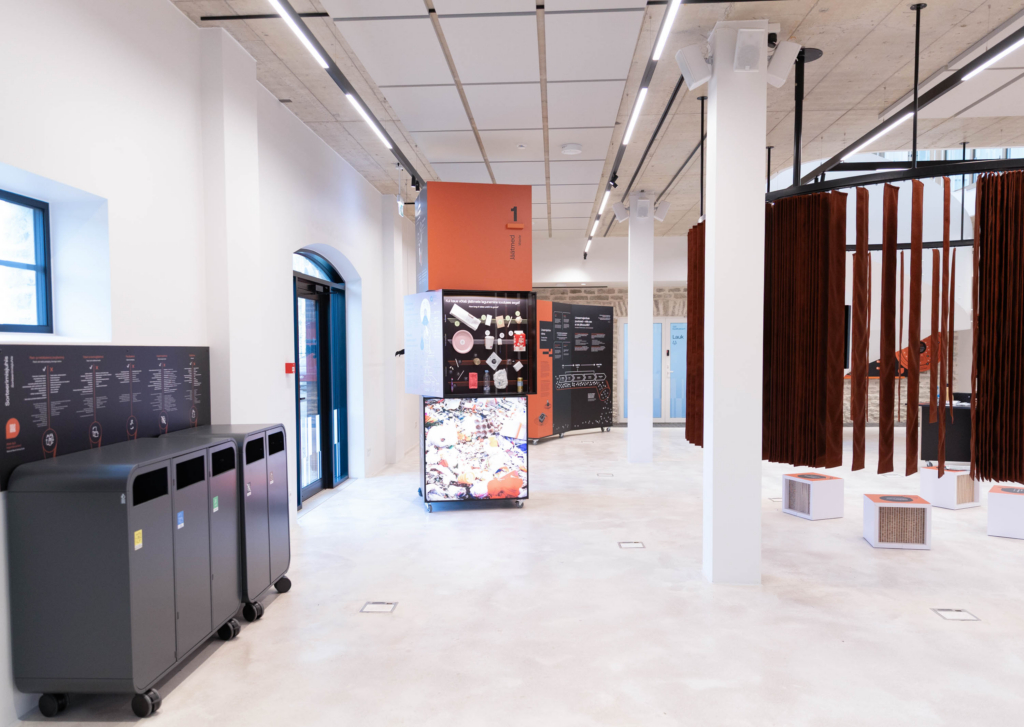
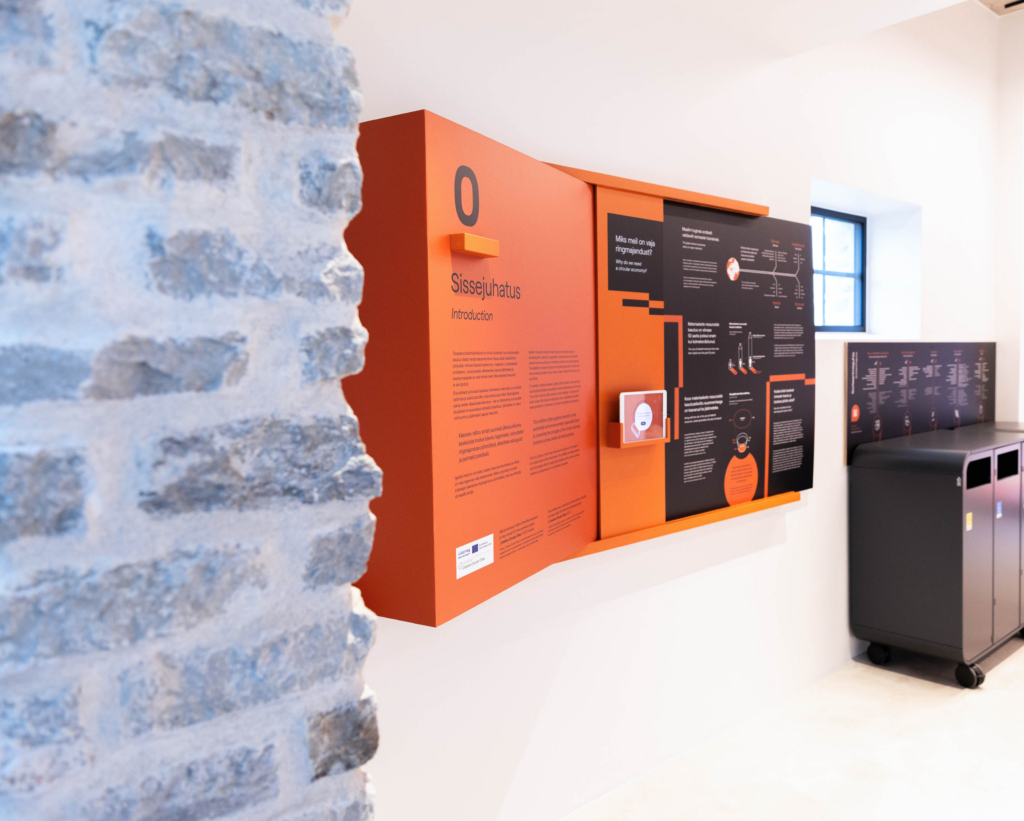
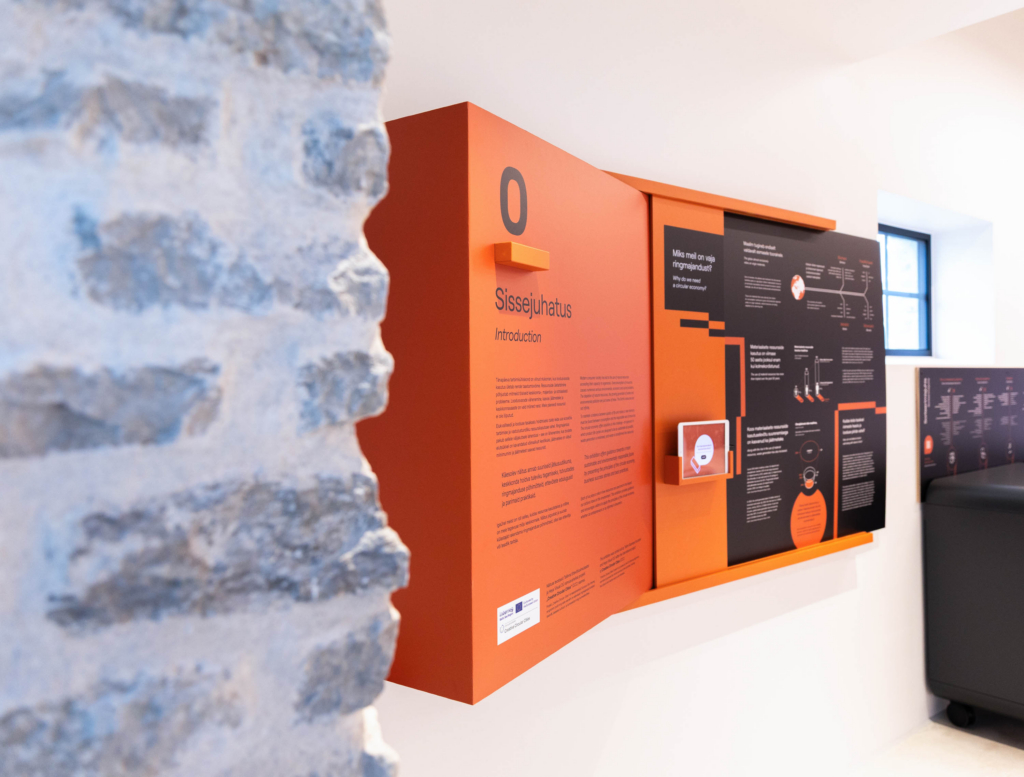
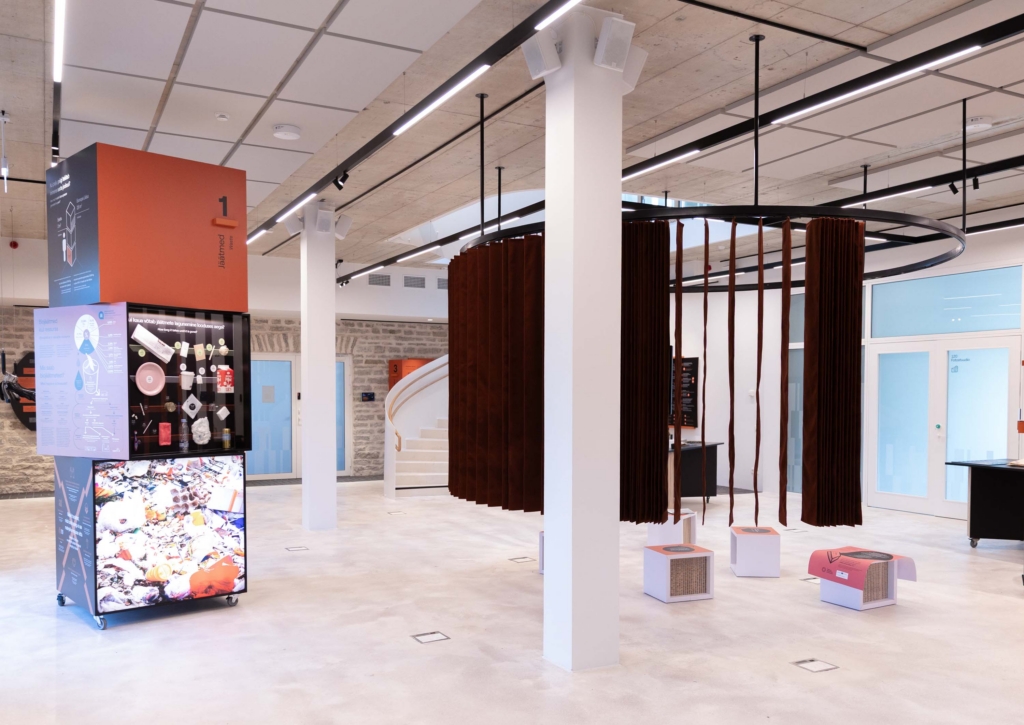
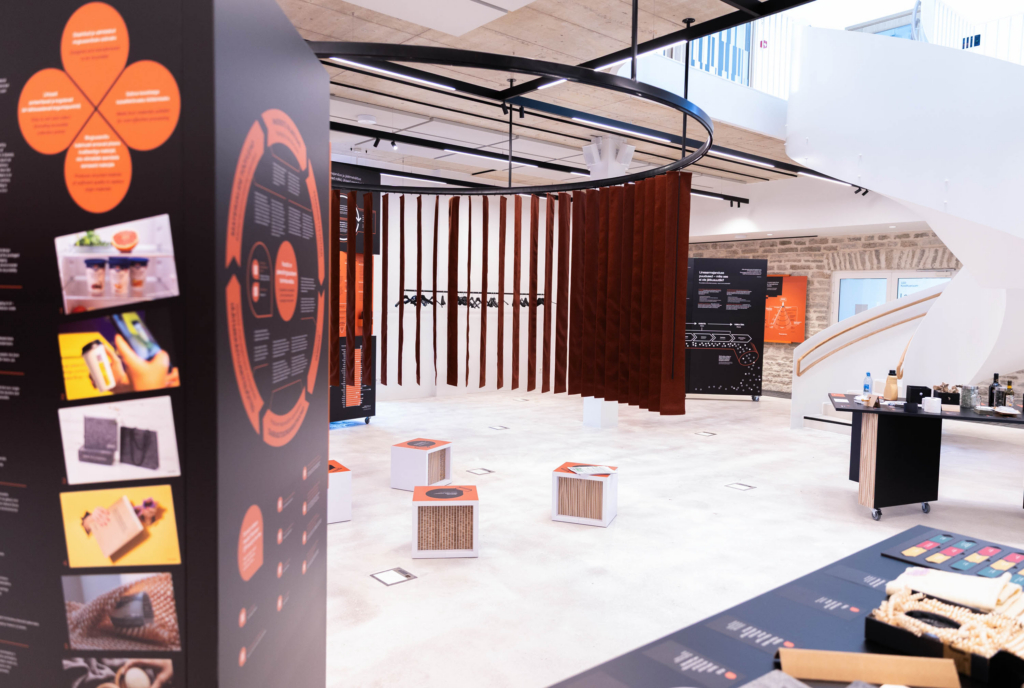
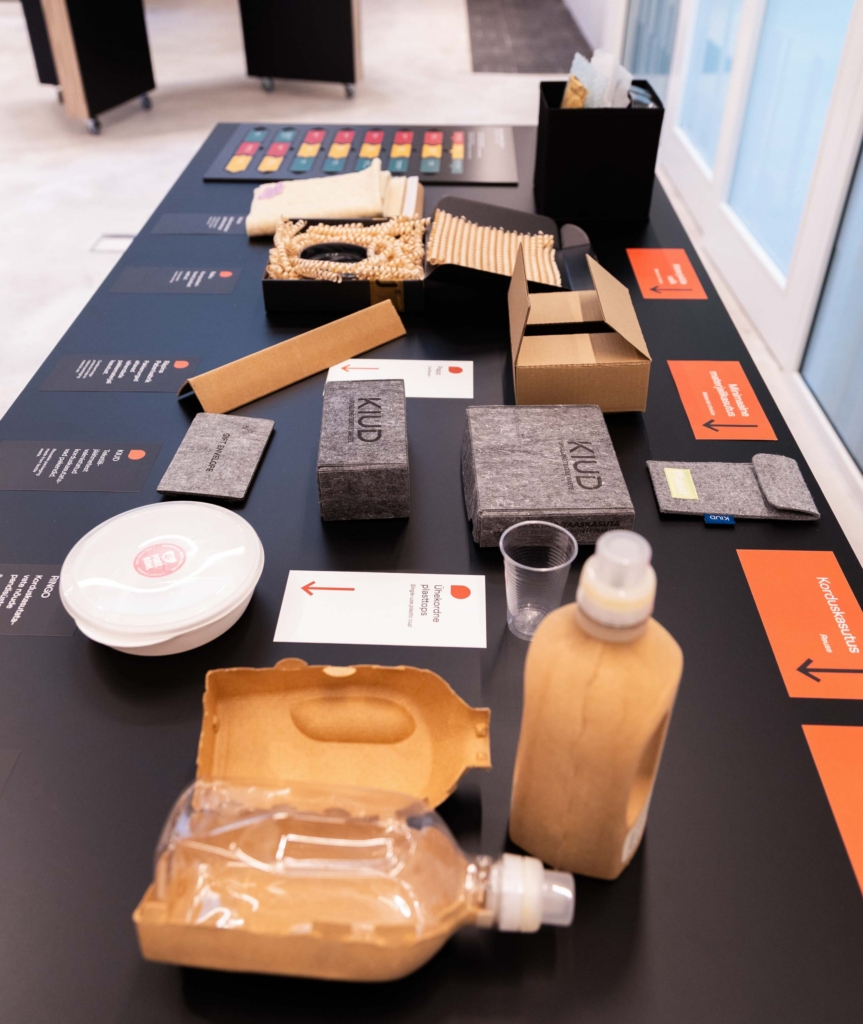
Tallinn Business Incubator Opens Exhibition Showcasing Circular Economy Opportunities as Part of the CCC Project
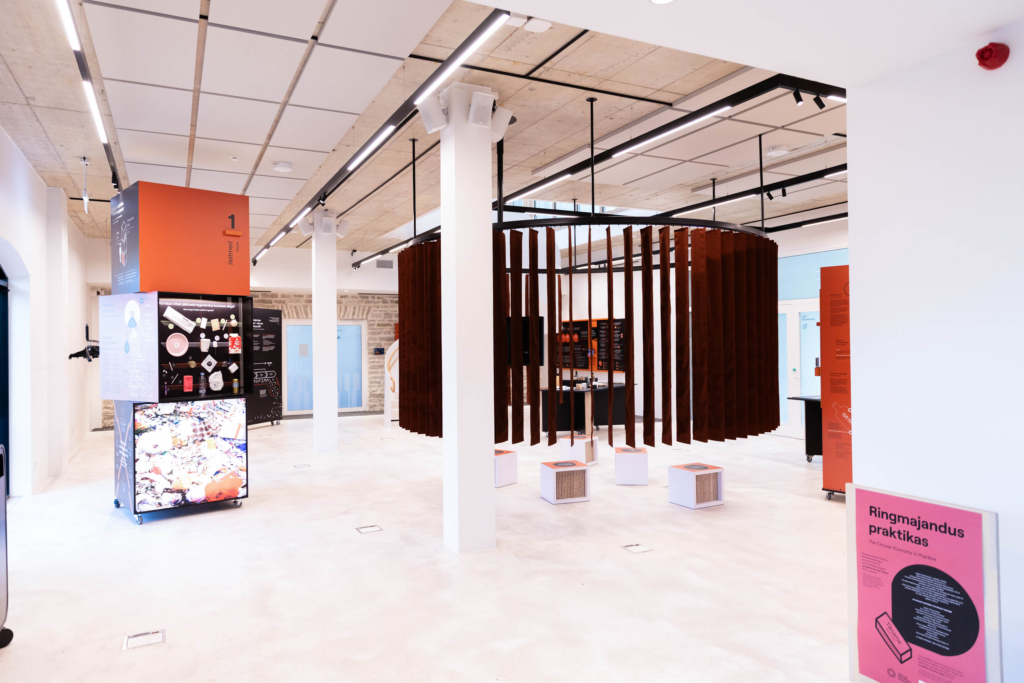
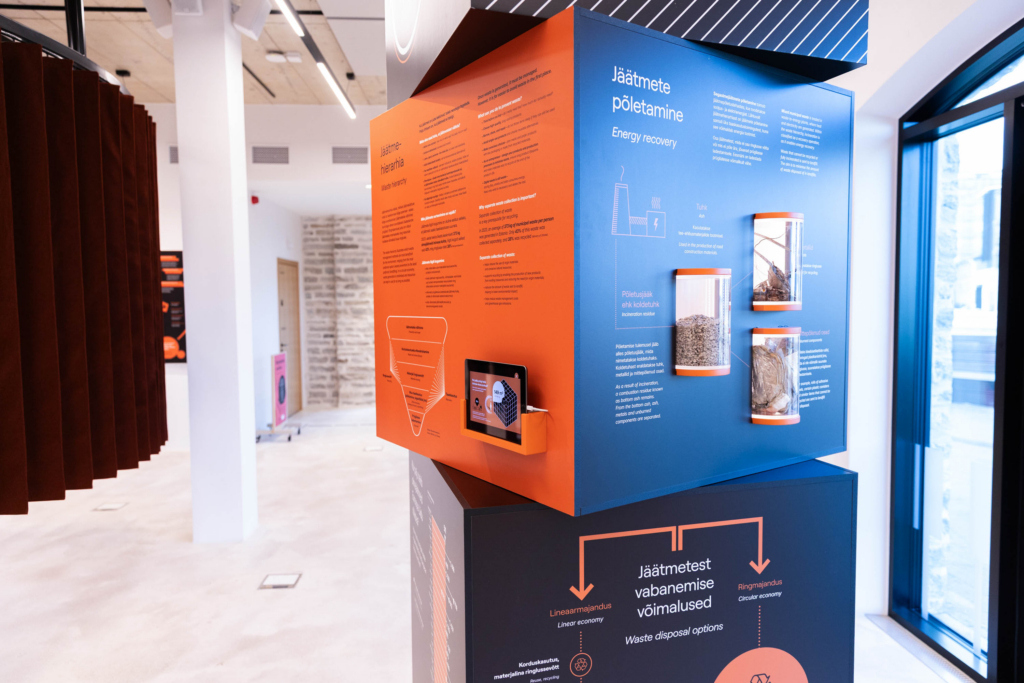
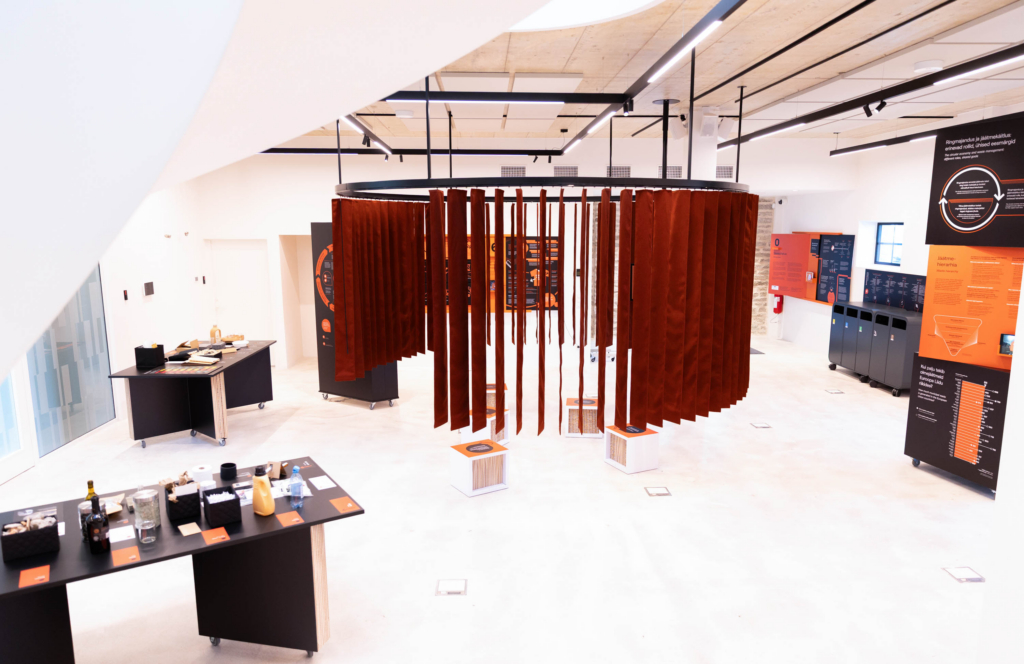
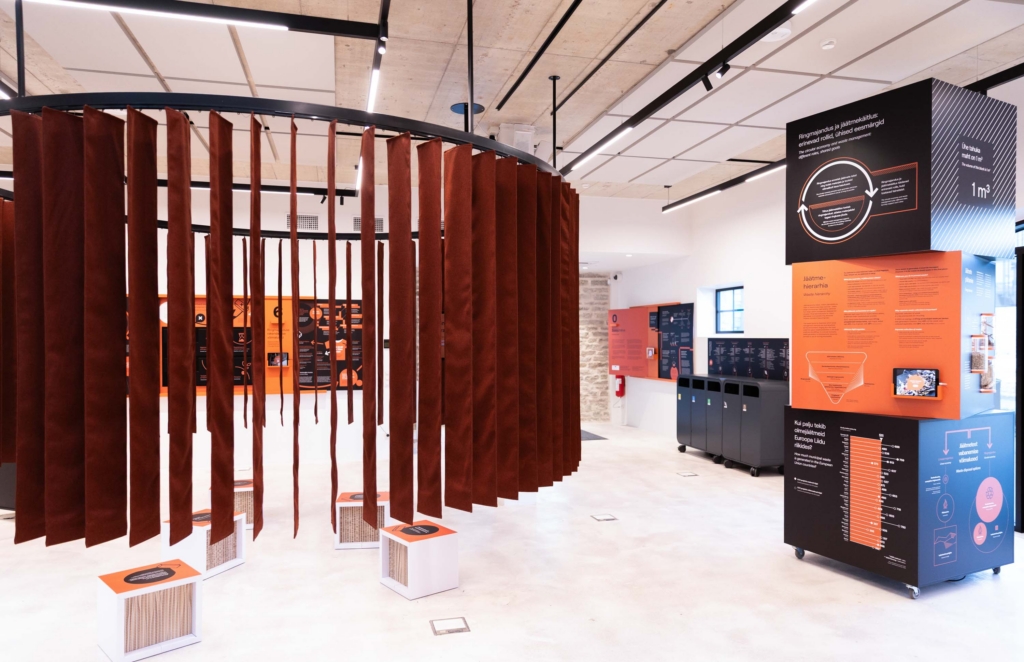
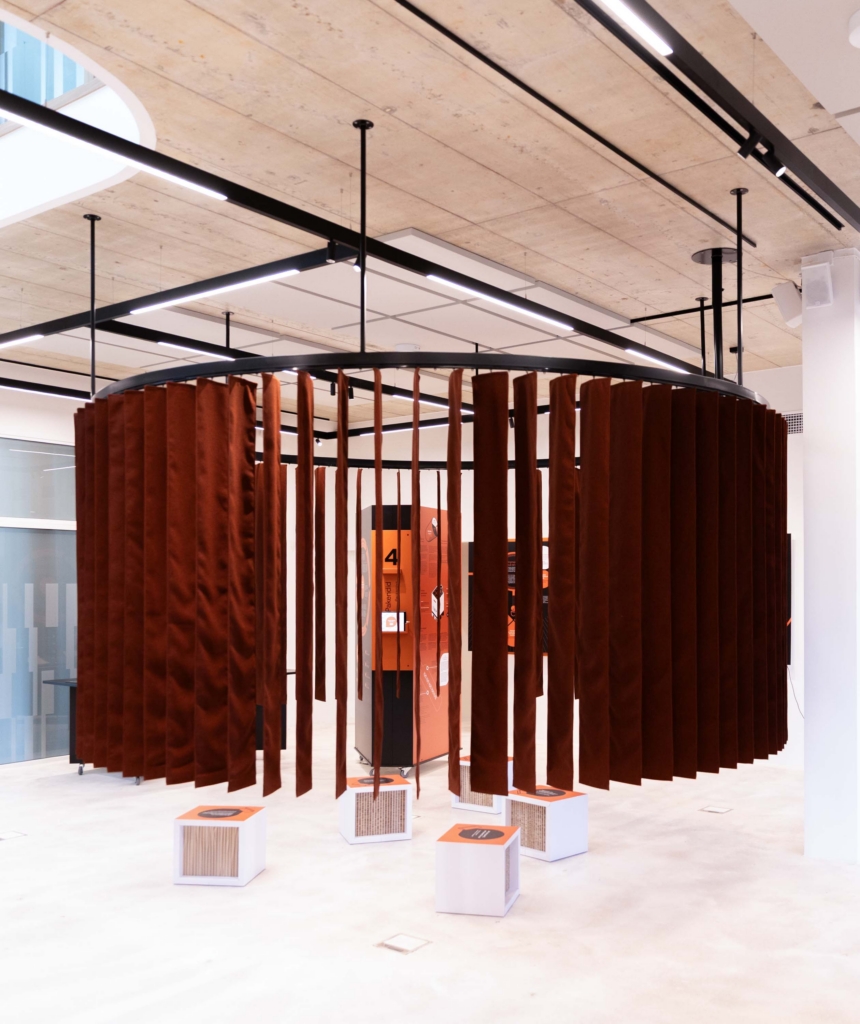
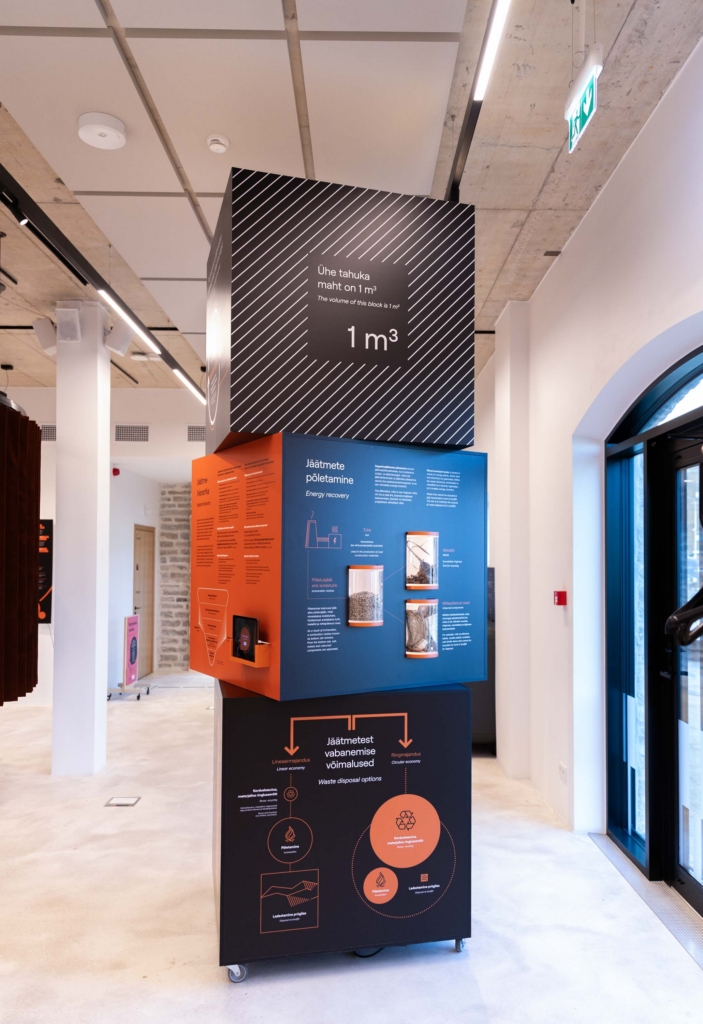
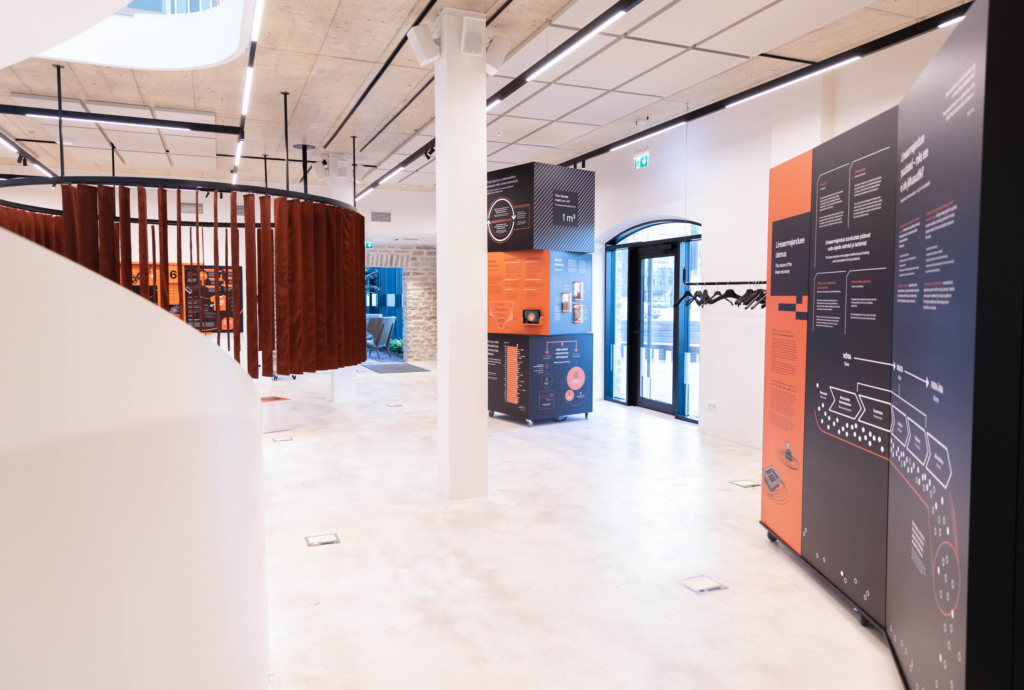
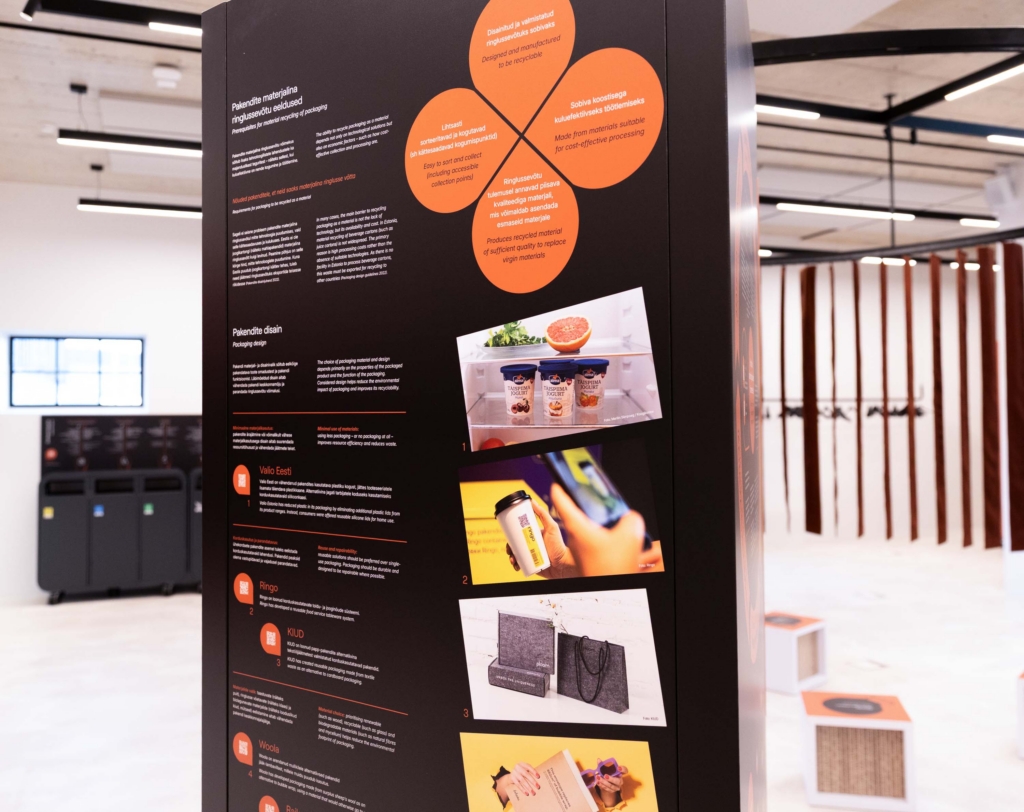
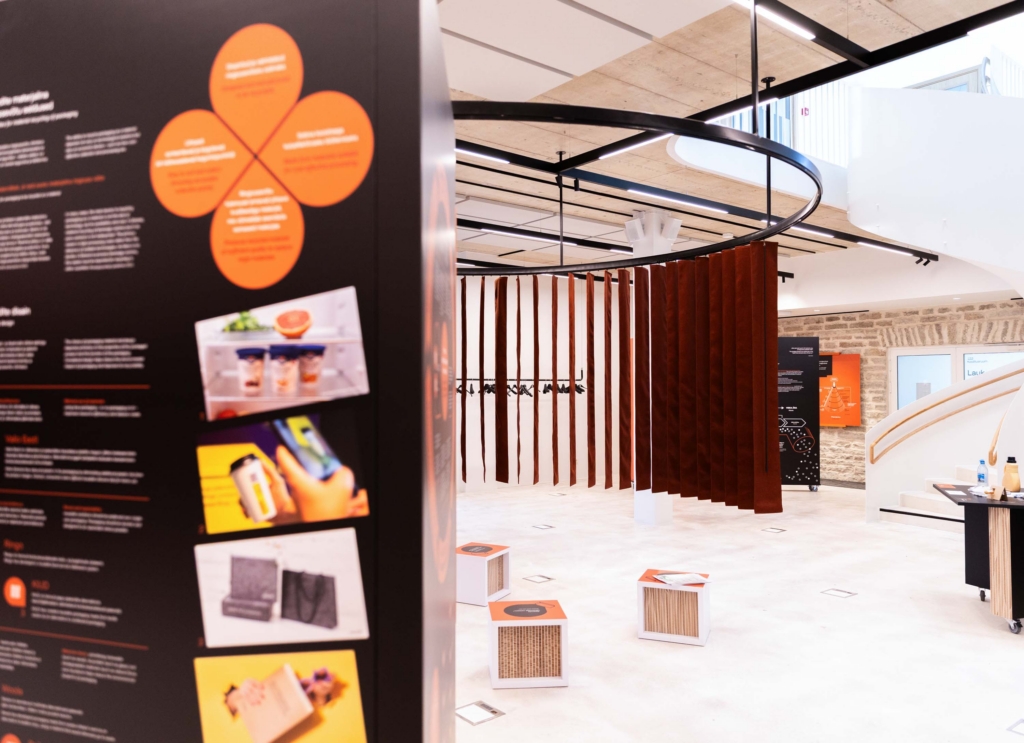
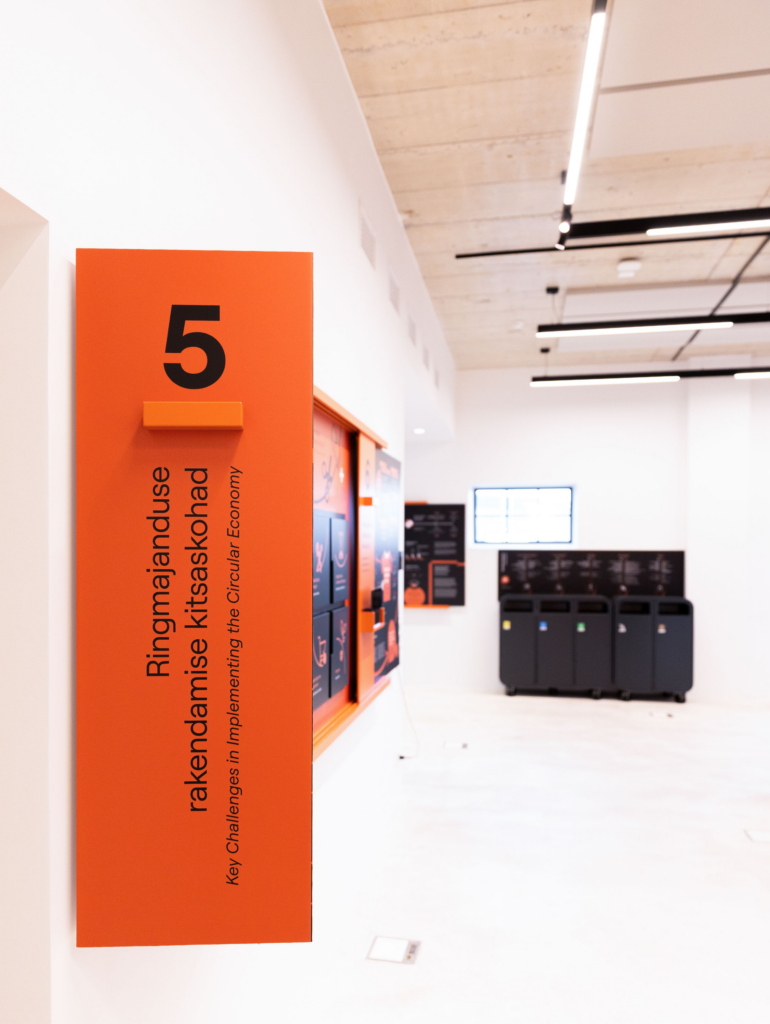
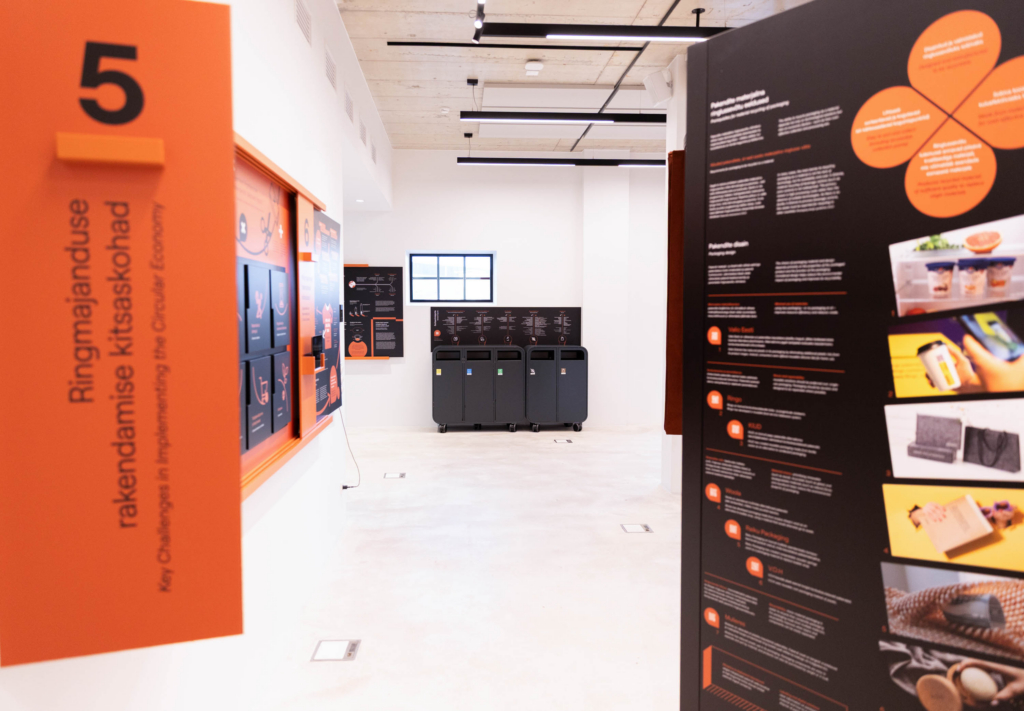
Tallinn Business Incubator has opened a circular economy-themed exhibition as the first display in the exhibition hall of its new building. Created within the framework of the international Creative Circular Cities (CCC) project, the exhibition invites both businesses and city residents to explore the principles of the circular economy and discover new opportunities in the field. The exhibition was produced by the Tallinn Business Incubator and Heya Visual.
The development of consumer society has led to increasing use of natural resources, bringing with it environmental, social, and economic challenges. Growing waste generation, pollution, and the depletion of natural resources make it increasingly important to introduce and promote circular economy principles. At the same time, the circular economy is not only an environmental issue – it is a systemic change that affects production, consumption, and values. It is based on sharing, borrowing, reusing, repairing, refurbishing, and recycling existing materials and products for as long as possible. This helps create a balanced future in which the economy and the environment work together rather than at each other’s expense.
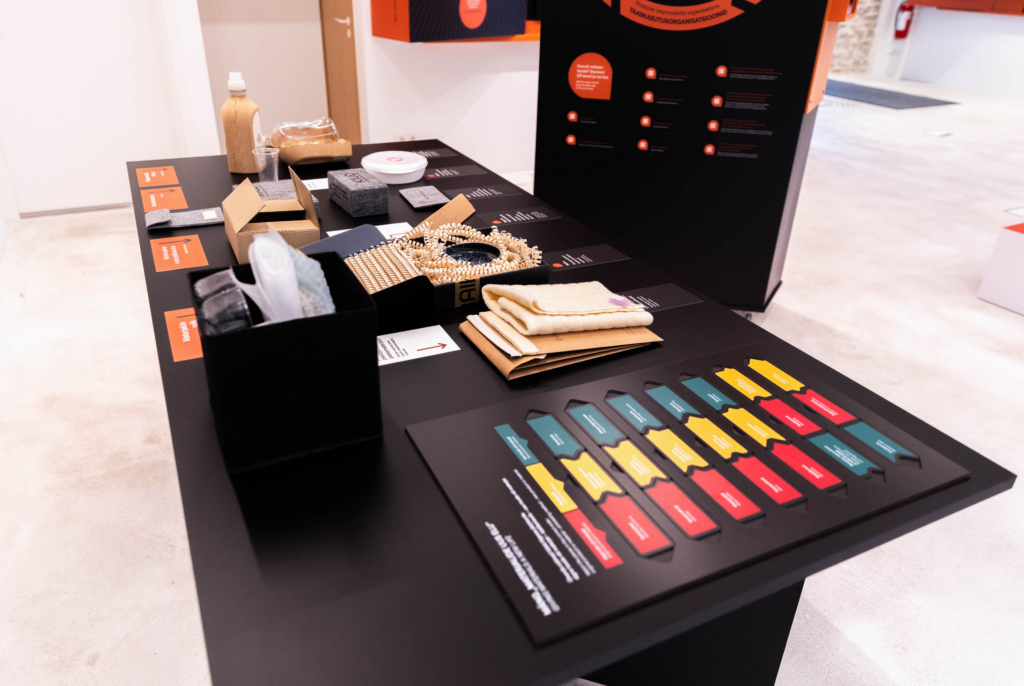
The new exhibition helps visitors understand these topics in a practical and interactive way, offering opportunities to test their knowledge, experiment with new ideas, and gain inspiration for making more conscious choices.
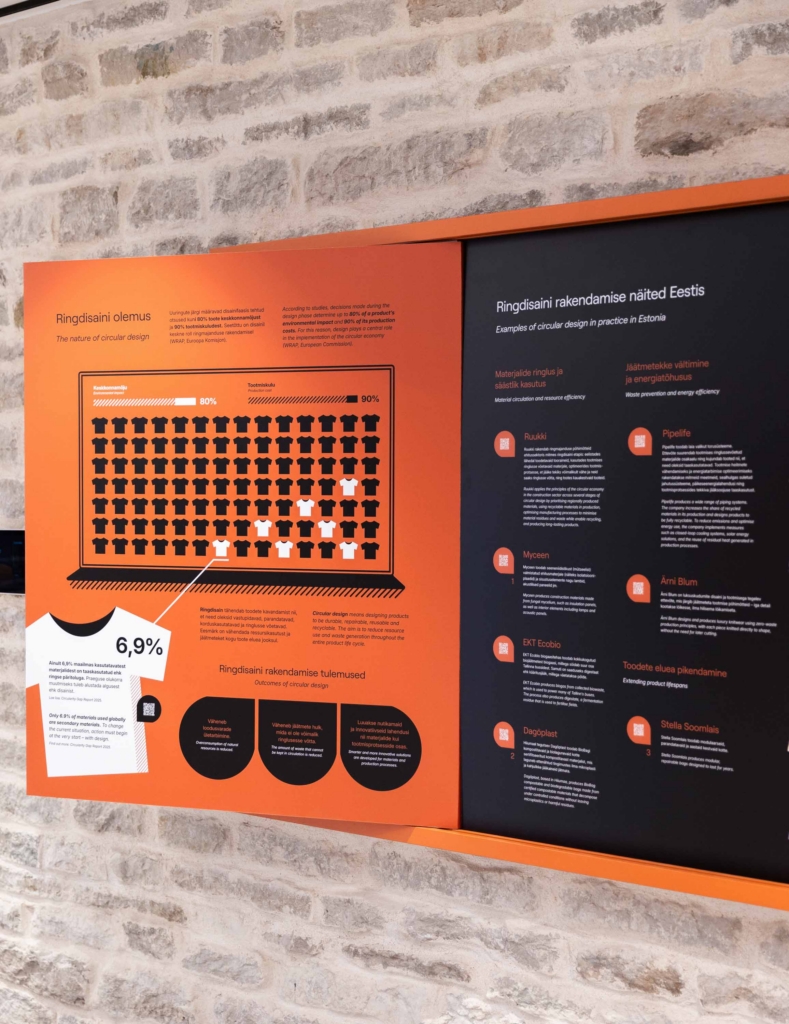
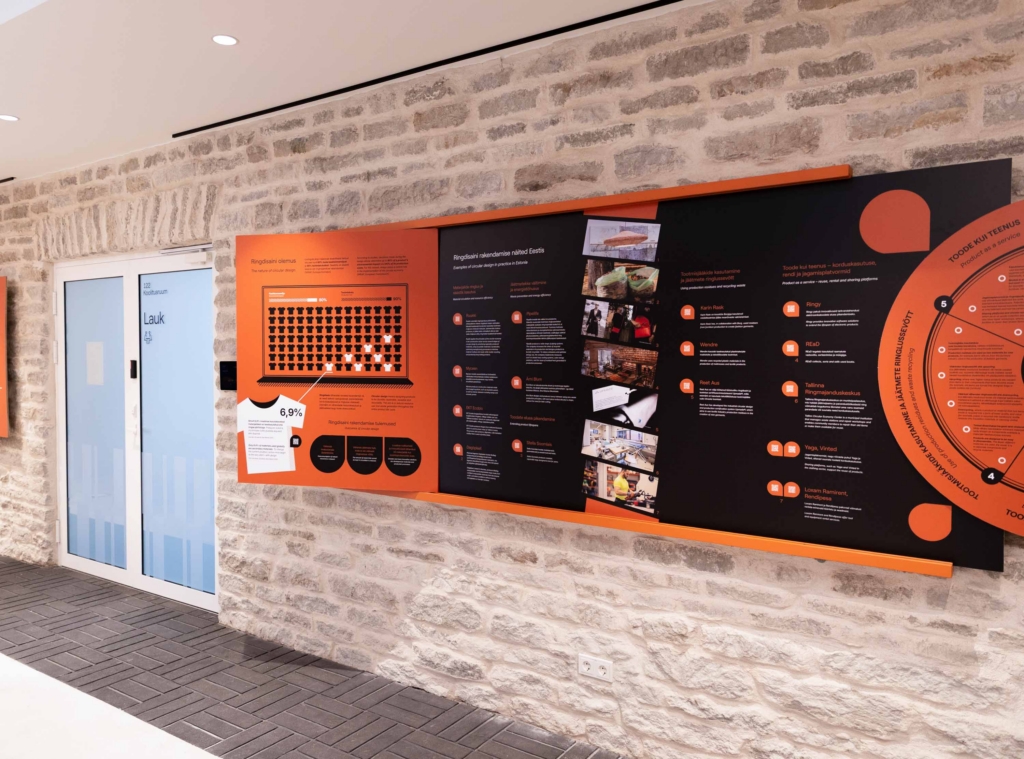
“We are pleased that, in cooperation with Heya Visual and circular economy experts, we have created a comprehensive educational exhibition introducing the circular economy through numerous examples and displays. Developing the exhibition required working through a large amount of background information, but the goal was to bring visitors the most important topics, practical information, and clear guidance. Real-life examples from companies that are already successfully implementing circular economy principles were also a key priority. These are presented through videos, texts, and products. The exhibition offers significant added value for visitors to the incubator and enables us to introduce the foundations of the circular economy to companies participating in our programmes and trainings, as well as guests attending other events, conferences, and seminars,” said Kristel Mõistus, Project Manager at the Tallinn Business Incubator.
The exhibition created by Heya Visual is designed as a complete journey introducing the principles of the circular economy, business success stories, and best practices. It encourages visitors to think about how everyone can apply circular economy principles in their daily lives and business activities, and what impact our choices have on the future. The exhibition provides guidance and understanding that our shared future depends on everyone’s contribution. The circular economy is not only a topic for businesses or policymakers – it concerns us all.
The Heya Visual team included Kaia Lõun, Jüri Lõun, Raivo Randoja, and Sigrid Randoja. The exhibition was also created with the involvement of circular economy experts Margit Rüütelmann and Kaia Lõun, as well as the Estonian Circular Economy Companies Association, Katarina Papp and Liina Kanarbik from the Tallinn Strategic Management Office, Simo Ilomets from Tallinn University of Technology, Marianne Sepp from Zero Waste Estonia, Borg, Eesti Pakendiringlus, EKT Ecobio, Green Gravels, Killumeister, KIUD, Leemans Greencircle, Neular, Mulieres, RAIKU, Räpina Paper Mill, Tallinn Waste Recovery Centre, Weerec, Woola, and the CCC project partners.
The new exhibition at the Tallinn Business Incubator offers a valuable experience for everyone who wishes to better understand the opportunities of the circular economy and its role in shaping a resource-efficient future society.
The exhibition was created as part of the Creative Circular Cities (CCC) project, co-funded by the European Union’s Interreg Baltic Sea Region Programme. The project promotes the circular economy at the local level by involving the cultural and creative sectors and creative enterprises. In the pilot cities of Aarhus, Kiel, Gdynia, Riga, Tallinn, and Turku, partner organisations showcase how the creative sector can support the circular economy, foster responsible consumption, and help businesses implement circular practices. The Tallinn exhibition is one of the key outcomes of this international cooperation project.
Tallinn Business Incubator and EKA brought international biomaterial innovation to Tallinn
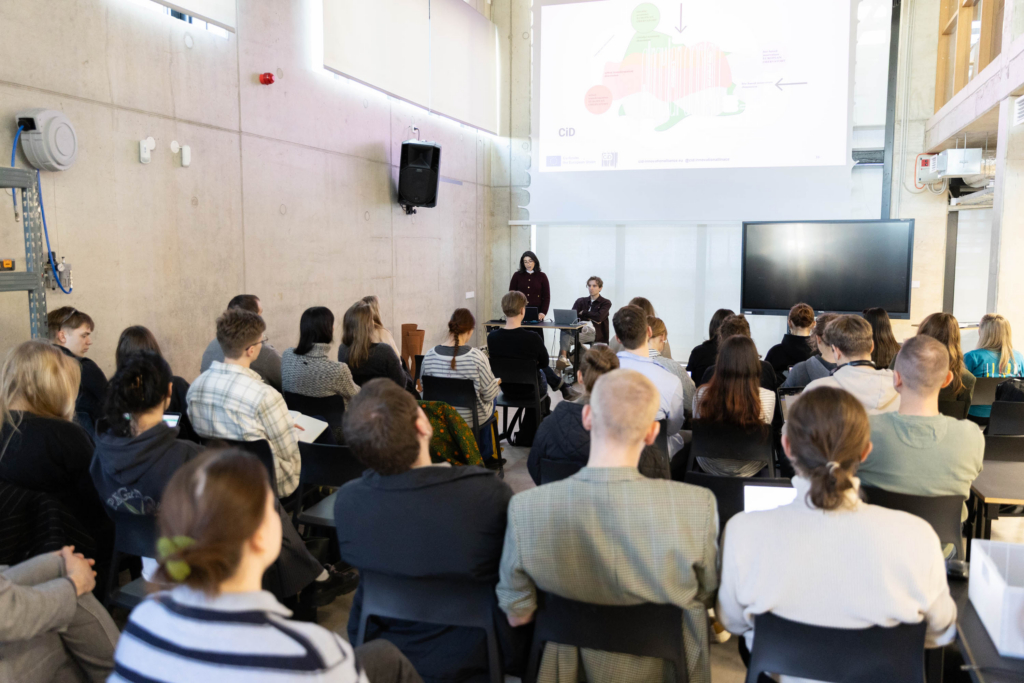
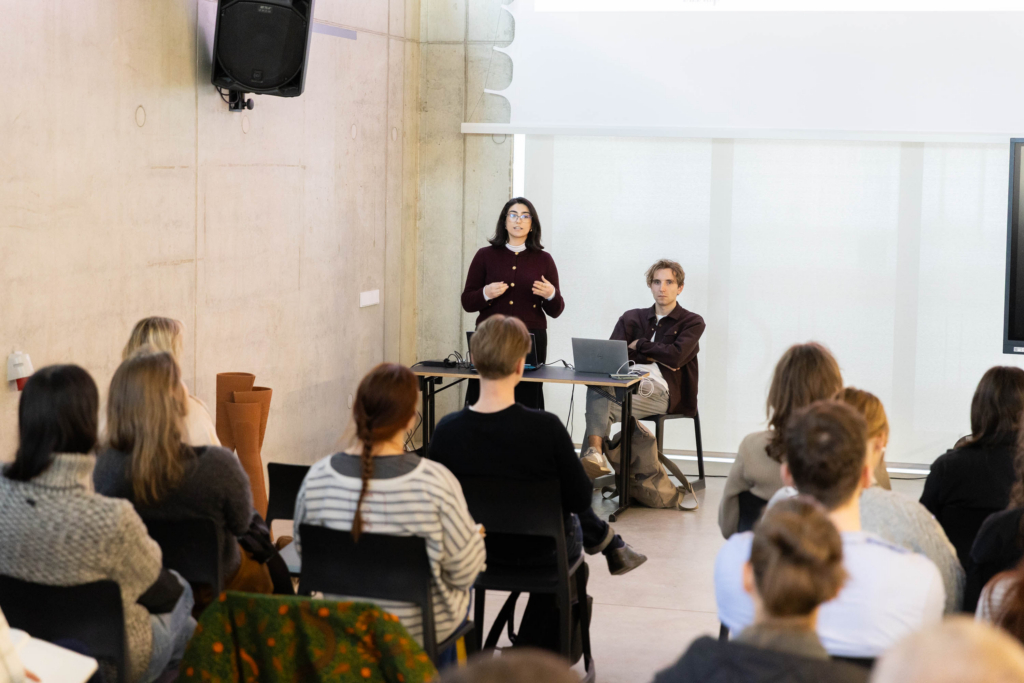
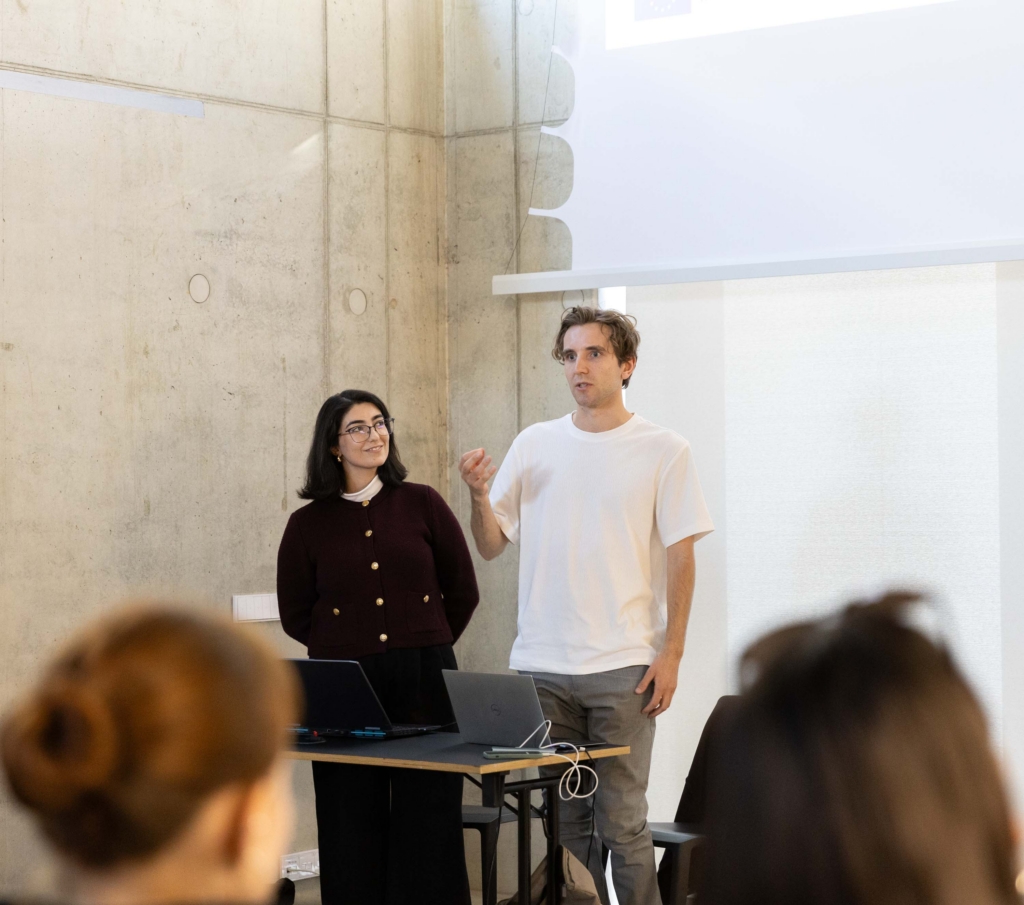
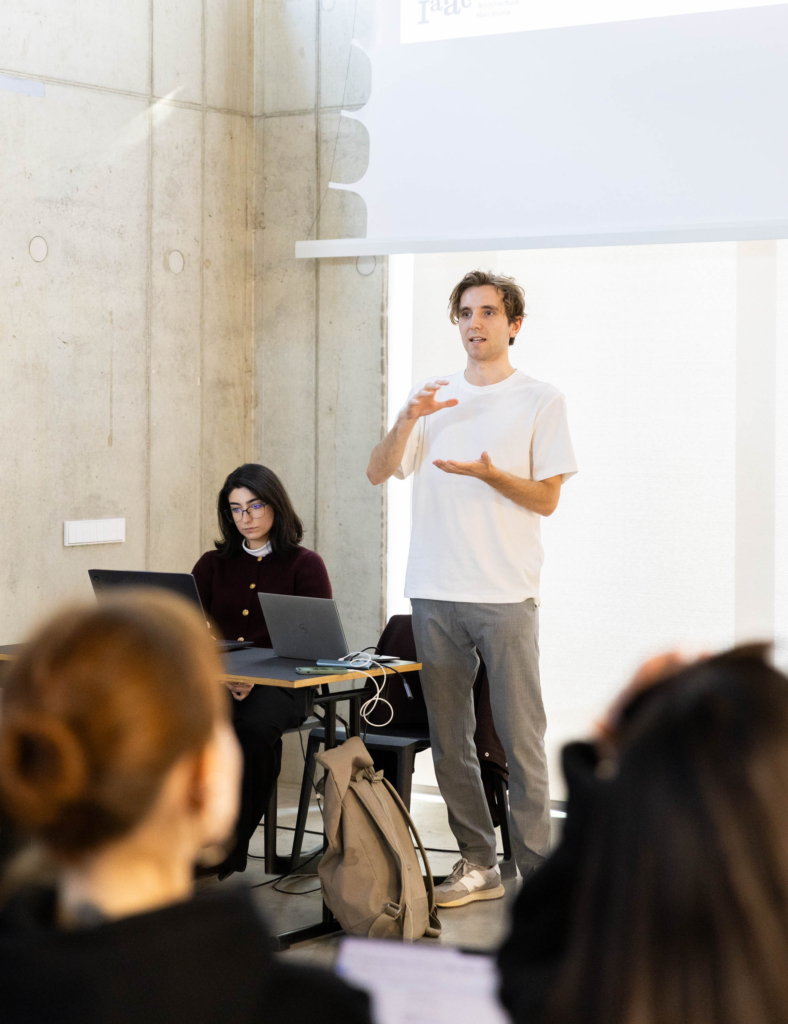
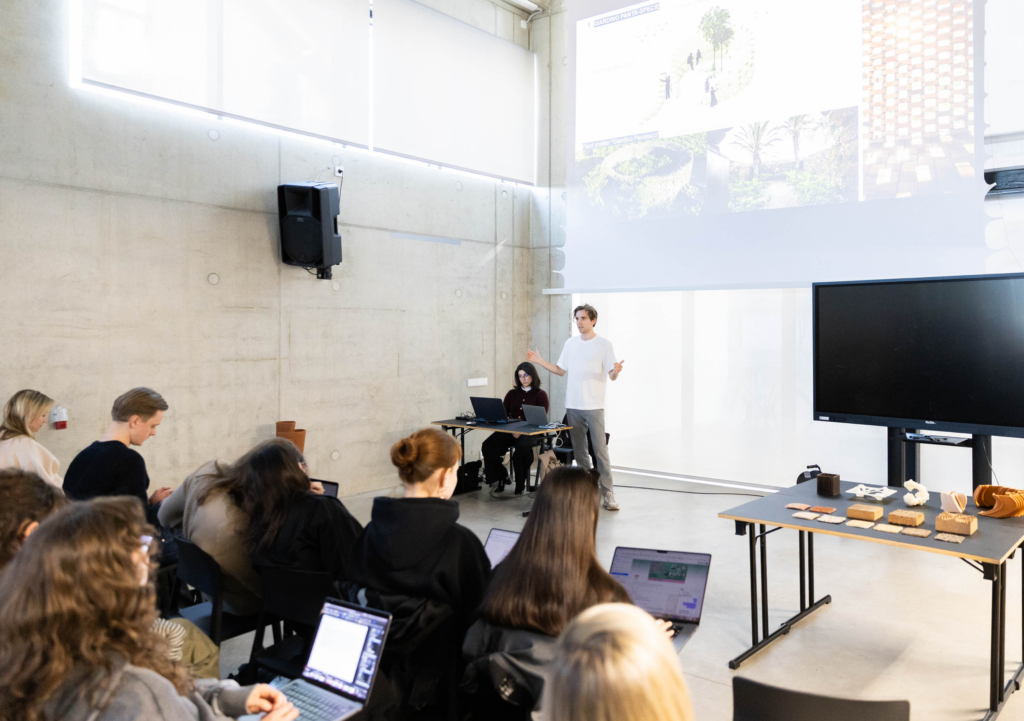
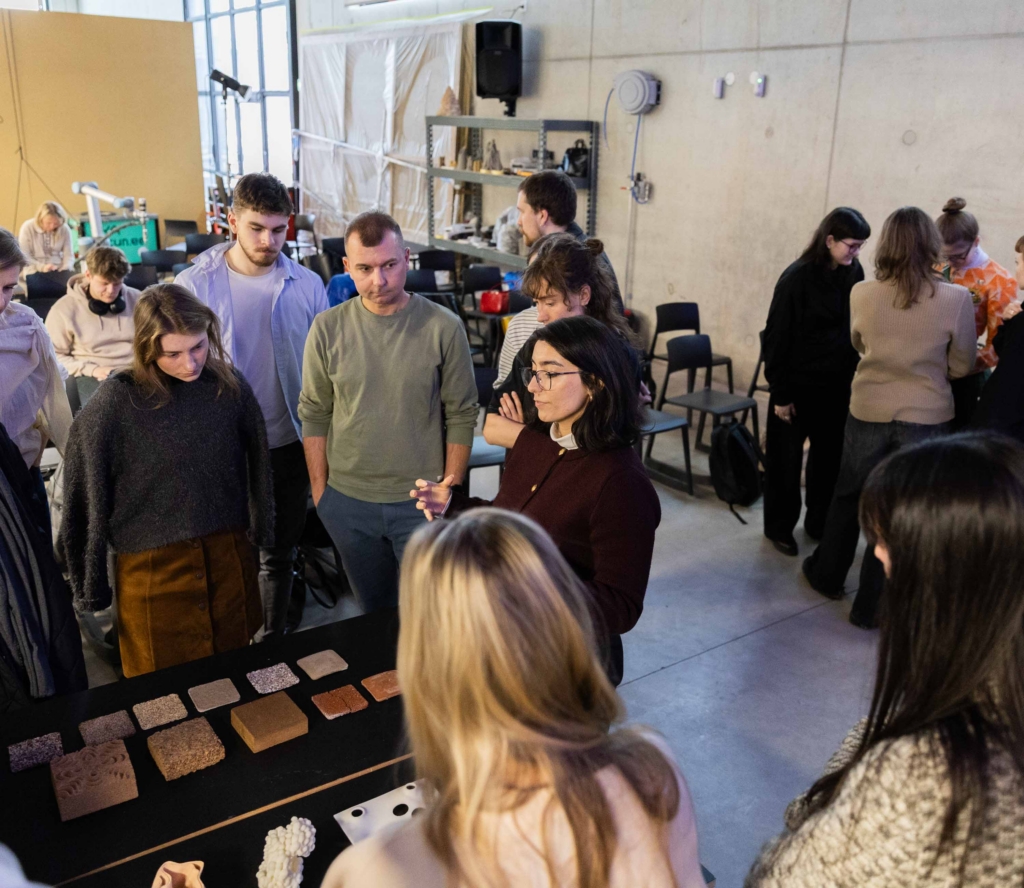
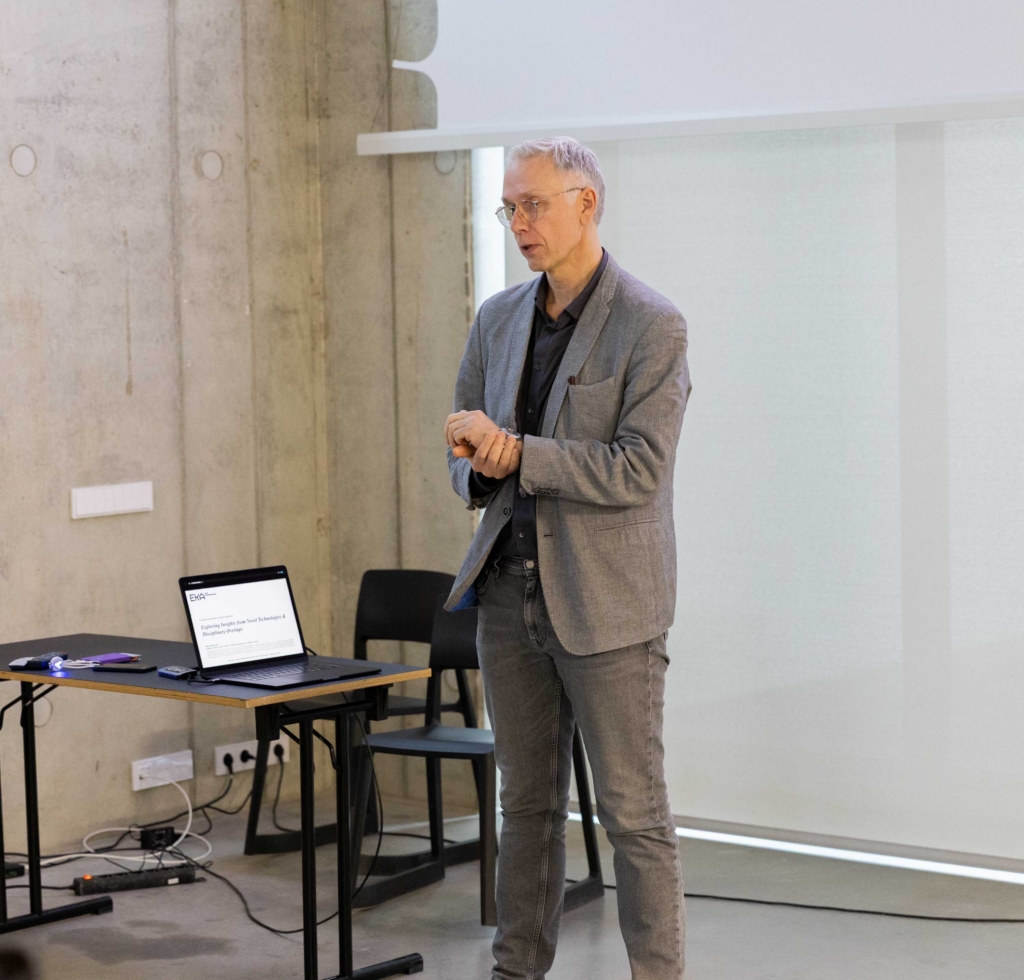
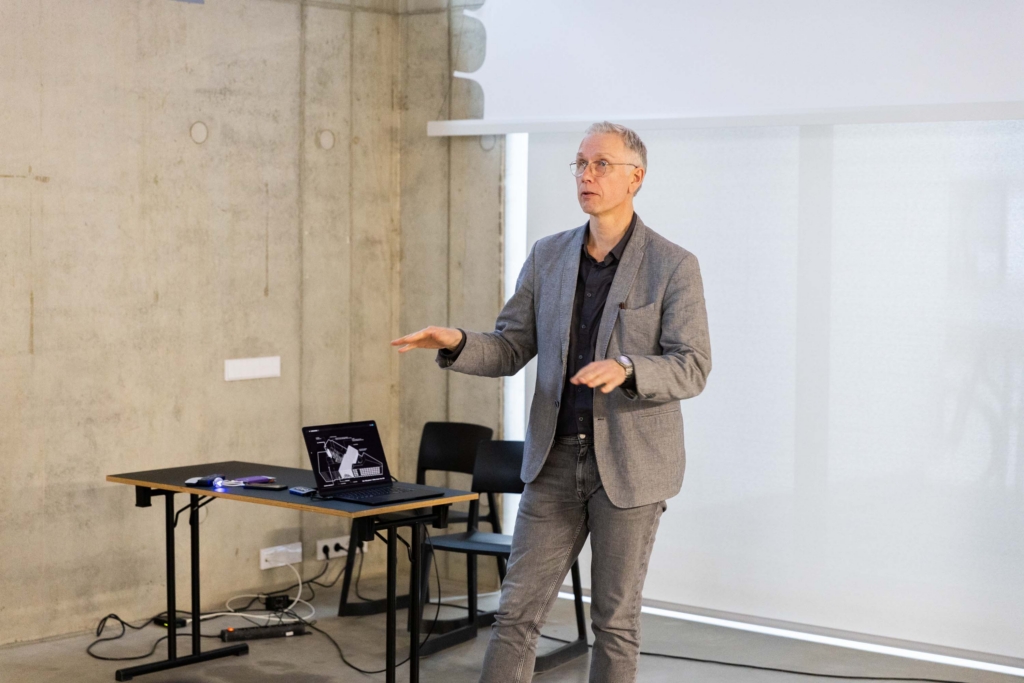
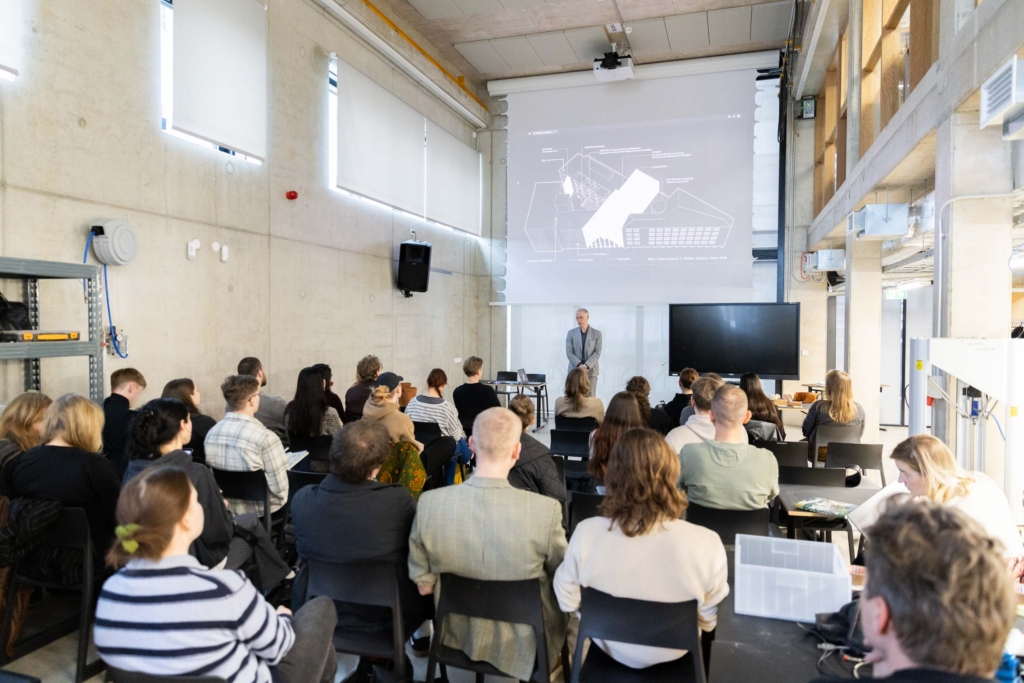
From March 23–25, the international event series From Lab to Market: Biomaterial Innovation took place in cooperation between Tallinn Business Incubator and the Estonian Academy of Arts. The series focused on the intersection of biomaterials, digital fabrication, and sustainable entrepreneurship in built environments. The seminars were held as part of the CiD Innovation Alliance project.
The three-day course brought together students, entrepreneurs, and field experts to explore how bio-based materials are transforming product development and what new business opportunities they create. The events offered participants practical workshops as well as forward-looking discussions.
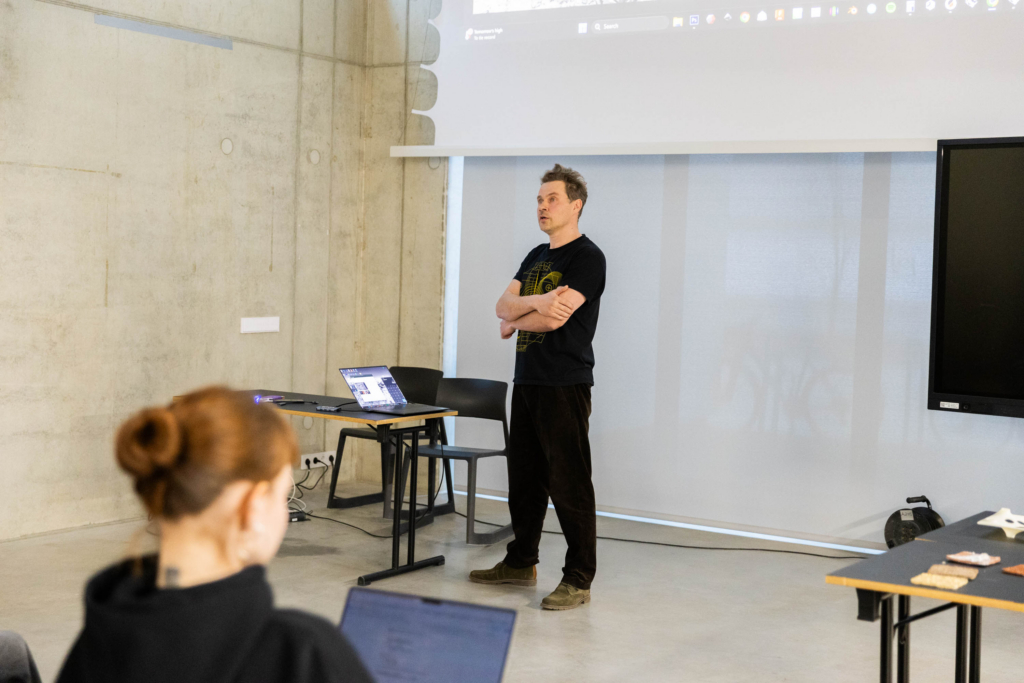
On the opening day, March 23, the seminar was led by biomaterials researcher and designer Pilar Bolumburu from Materiom. Participants explored how artificial intelligence can support material research and accelerate innovation, what the global production landscape of bio-based materials looks like, and what the main directions are in applying circular economy principles. The session also covered the role of green chemistry in sustainable product development and discussed how the end-of-life phase of biomaterials can be approached in ways that go beyond simple biodegradability.
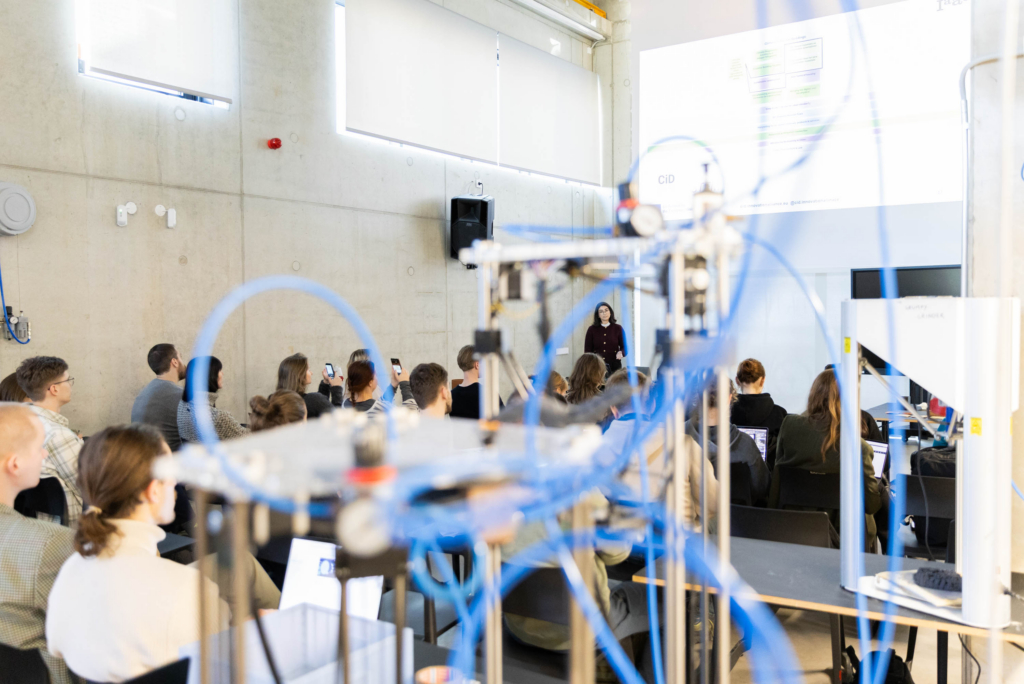
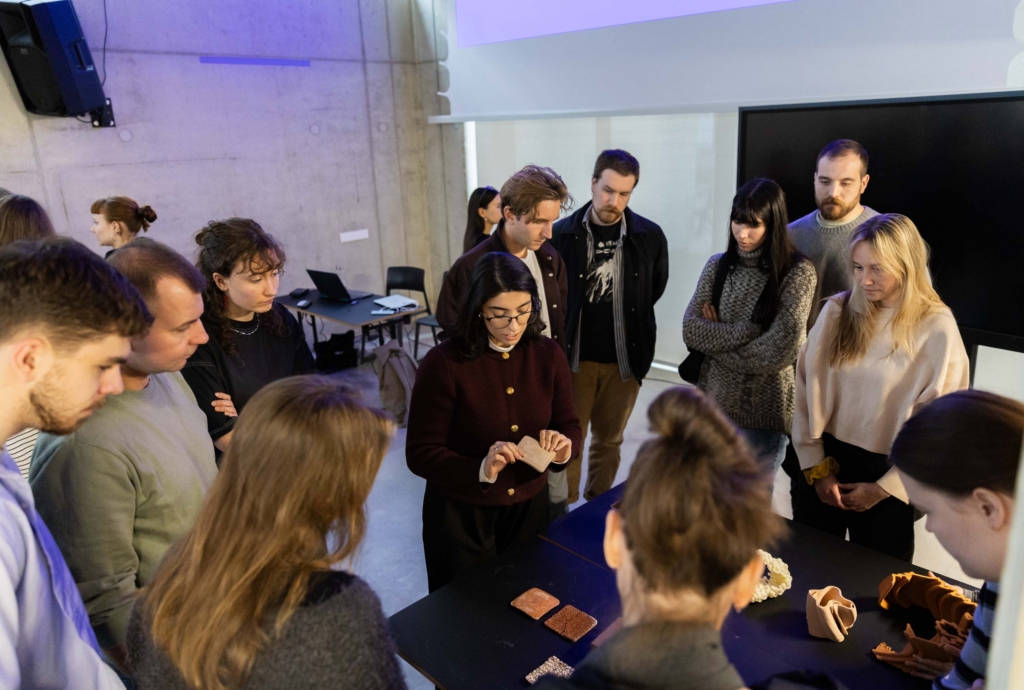
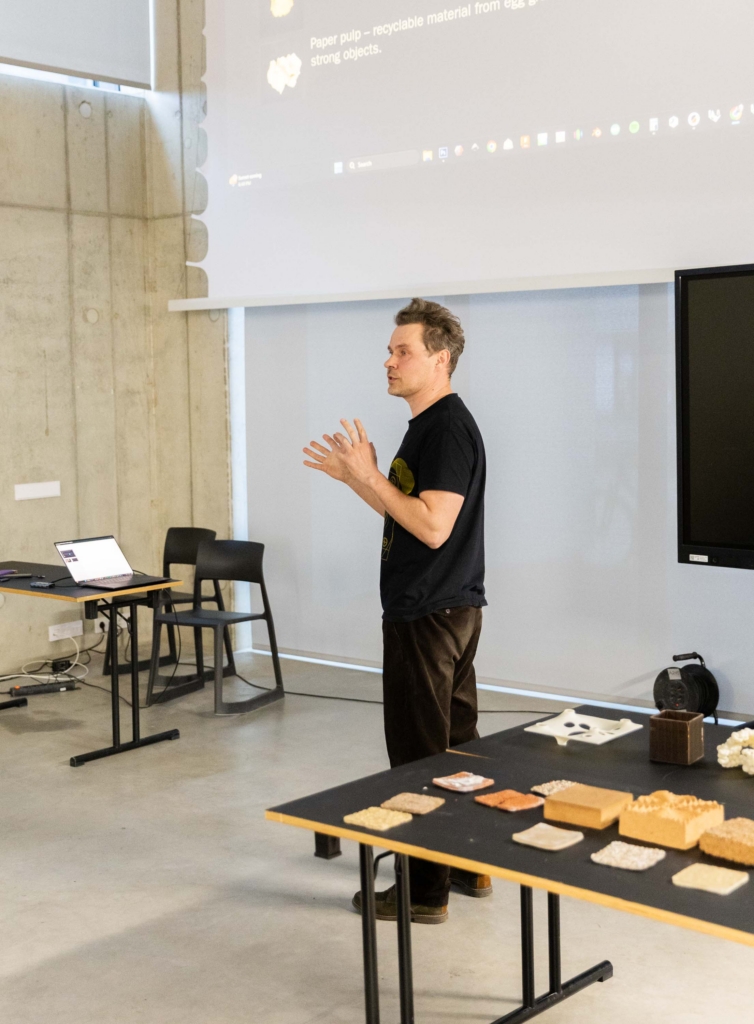
The second day focused on the integration of biomaterials and digital fabrication. Aleyna Gültekin and Tim Bruder introduced the methodologies of bio-based innovation and advanced manufacturing developed by the Institute for Advanced Architecture of Catalonia (IAAC), as well as contemporary projects demonstrating the practical use of different materials, digital production, and innovative technologies. Participants also received an overview of how sustainable business models can be built around material and fabrication innovation, alongside selected IAAC startup case studies.
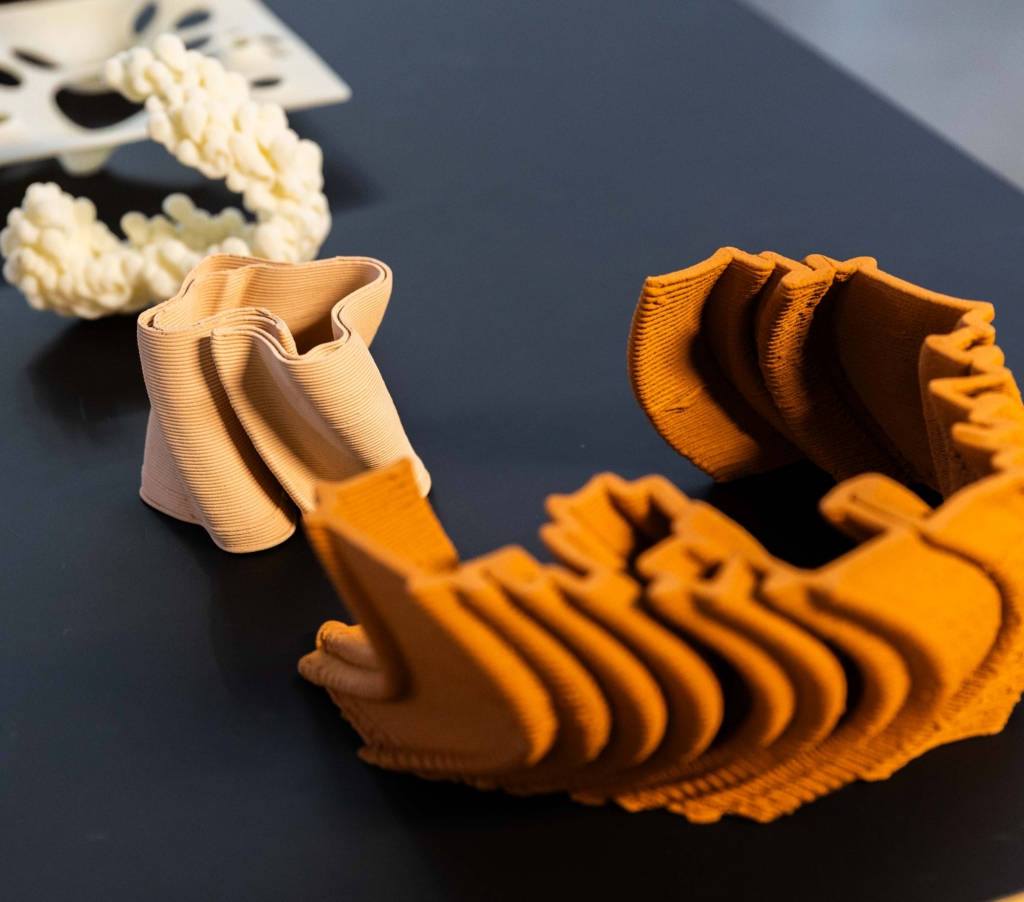
In the second part of the day, Martin Melioranski, Kaiko Kivi, and Lauri Kilusk presented local experimental projects focusing on robotic clay 3D printing, custom digital tools, spatial design development, and material research in the context of art and architecture. The day concluded with a live laboratory and technology demonstration.
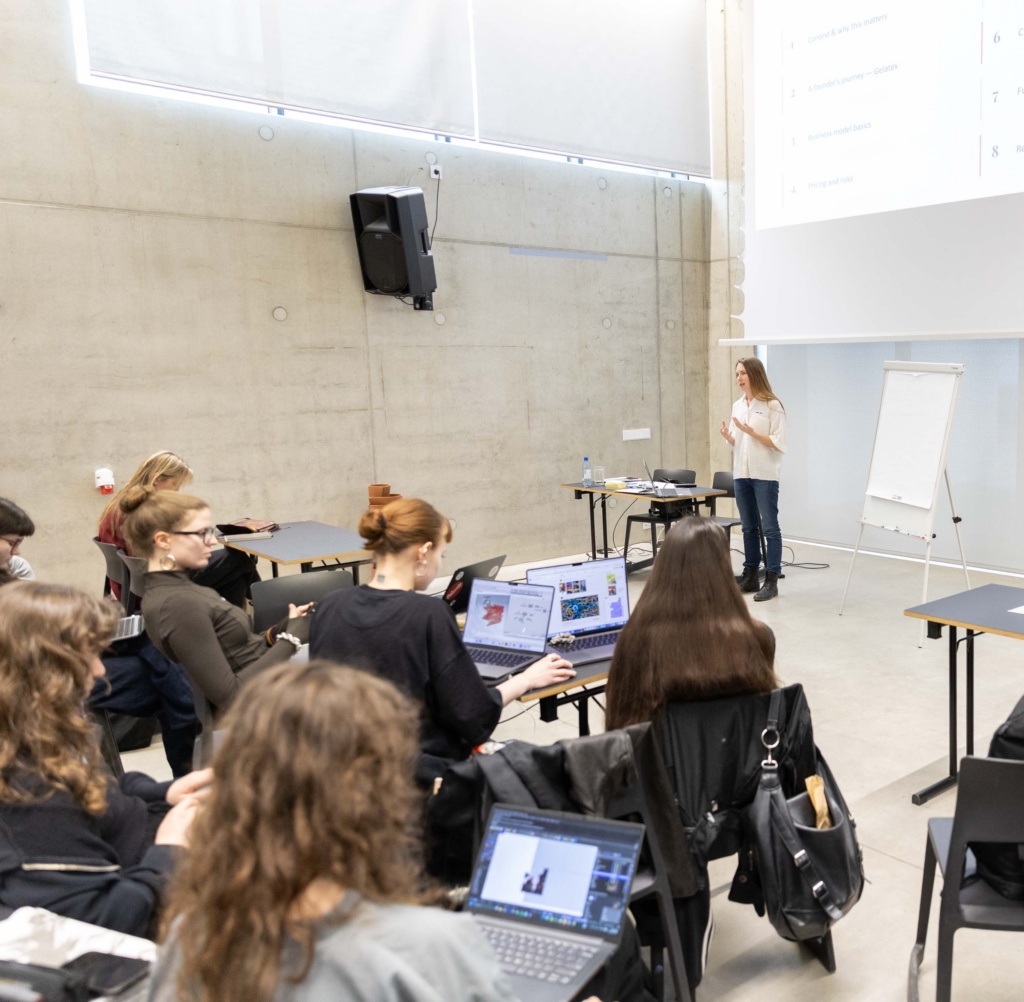
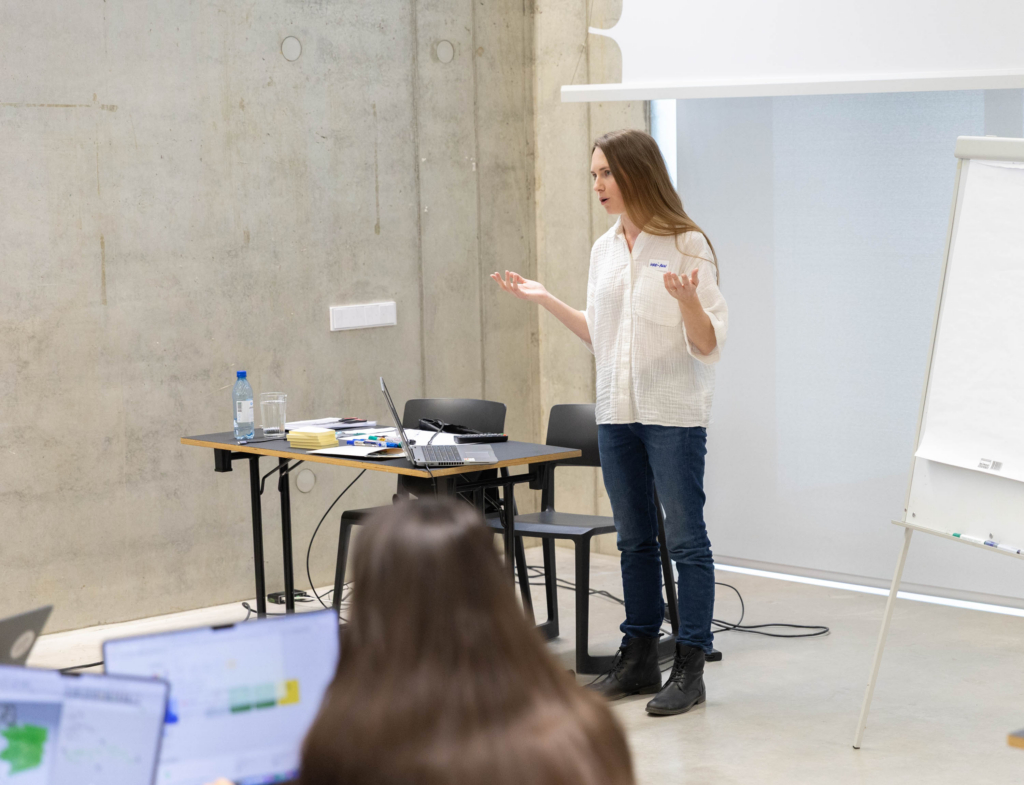
The third day focused on entrepreneurship and business models related to biomaterials. The training was led by Mari-Ann Meigo Fonseca, founder of Gelatex Technologies and an experienced mentor and business expert. Participants gained practical insight into how to bring new materials to market, what the industry logic and risks are, and how to develop ideas into customer-validated and investment-ready solutions. Funding strategies were also discussed, along with the advantages and challenges of different revenue models, highlighting the importance of customer interaction.
The event series confirmed that biomaterials and related technologies are rapidly becoming an important direction in design, construction, and entrepreneurship.
The event series was organised by Tallinn Business Incubator and the Estonian Academy of Arts as part of the CiD Innovation Alliance project. The project is co-funded by the European Union through the European Education and Culture Executive Agency (EACEA) under grant agreement no. 101111686.