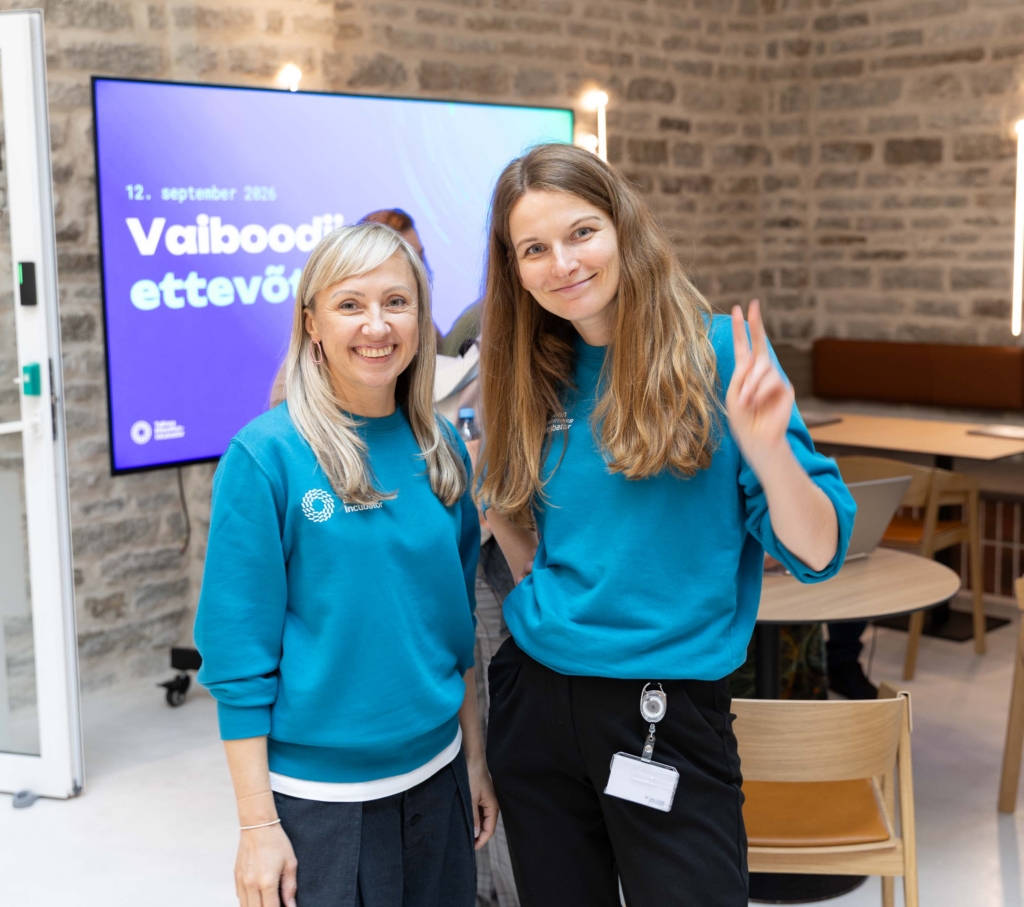
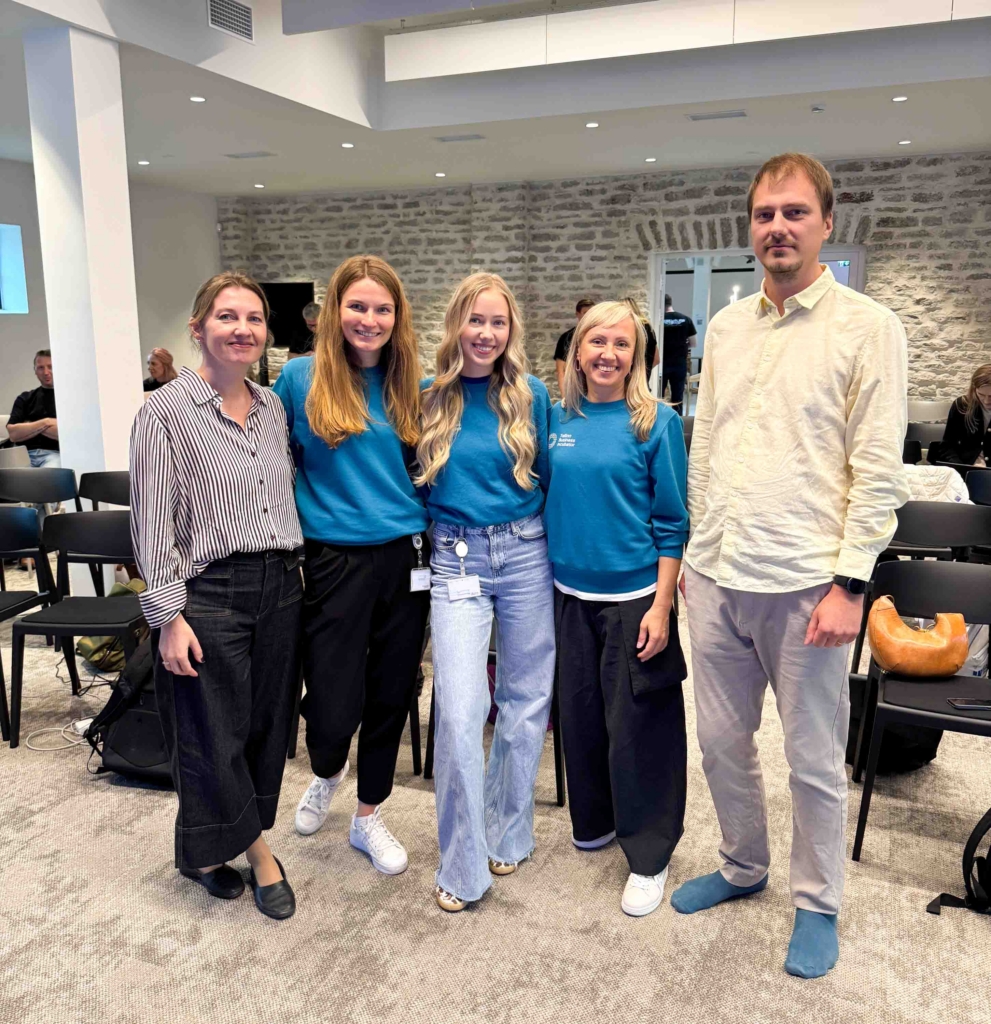
“From vibe coder to entrepreneur” showed how quickly an idea can become a prototype

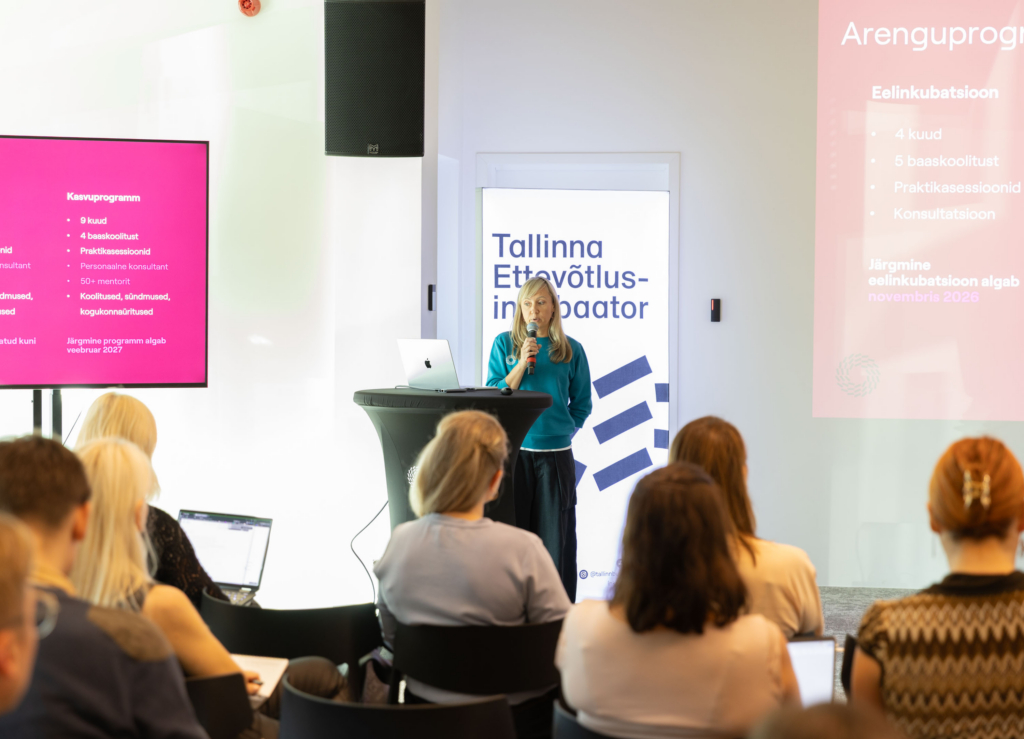
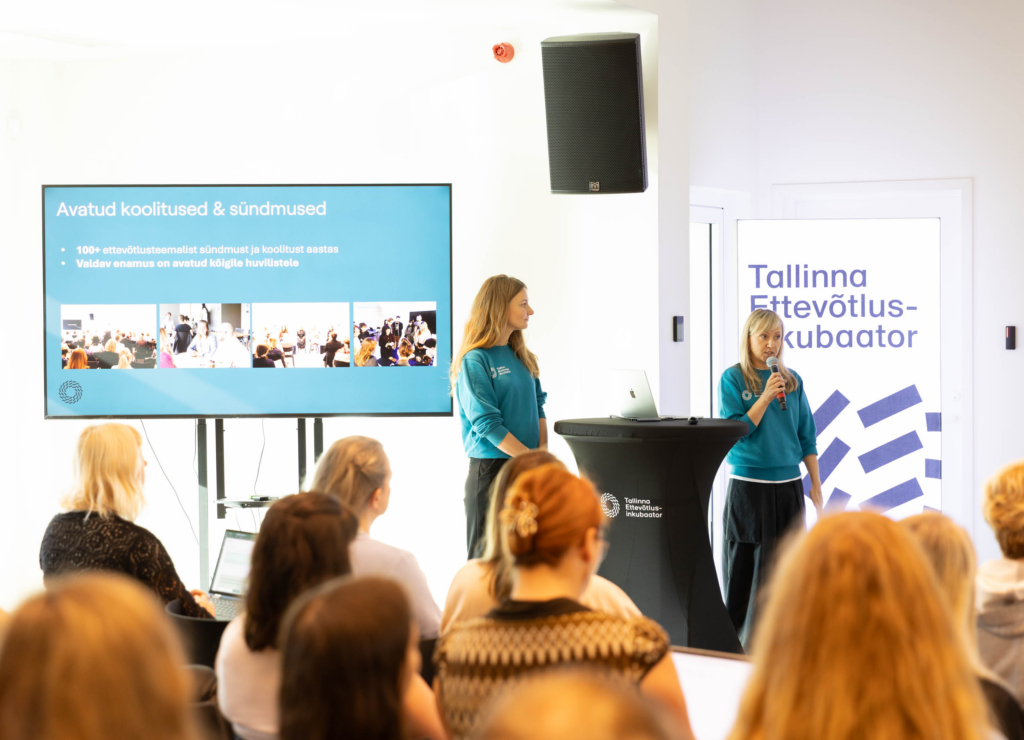
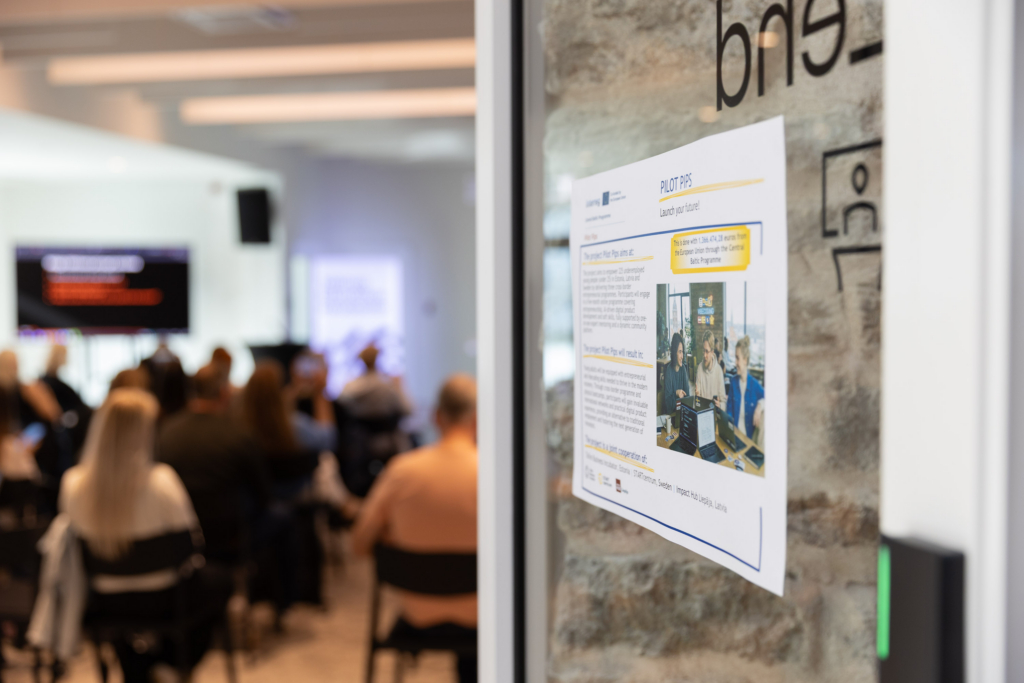
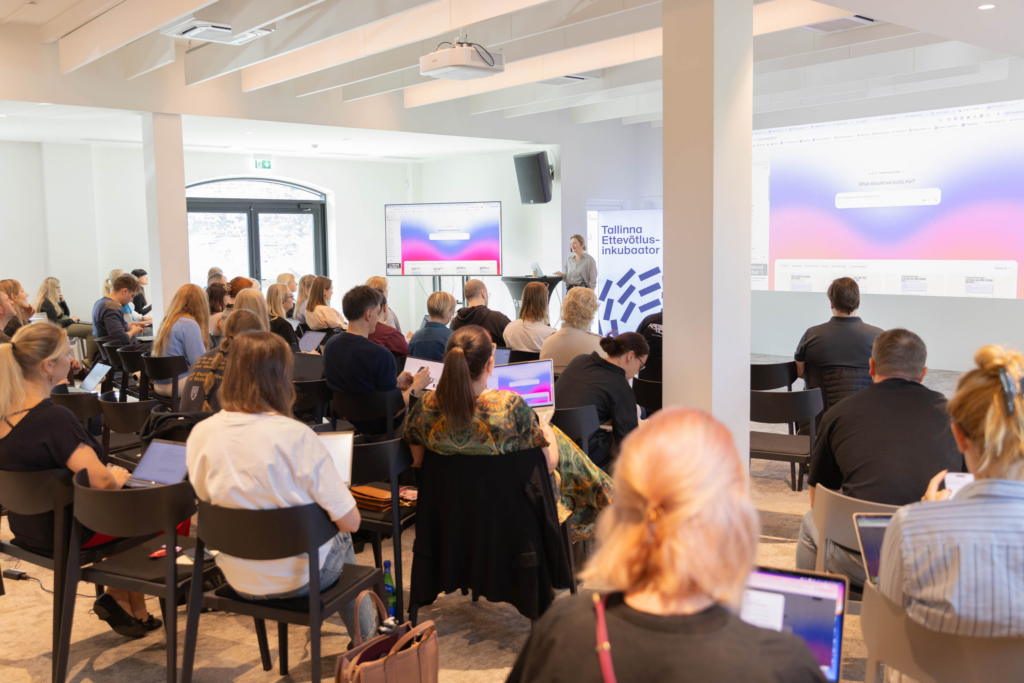
In September, activities began for the international project Pilot Pips, led by the Tallinn Business Incubator, which aims to support the development of entrepreneurial capacity among young people under 25 in Estonia, Latvia, and Sweden. As the project’s first public event, the “From vibe coder to entrepreneur” inspiration day took place, open to everyone interested in vibe coding and the possibilities of AI. The event offered a practical introduction to topics that will be explored in greater depth in the program starting in November.
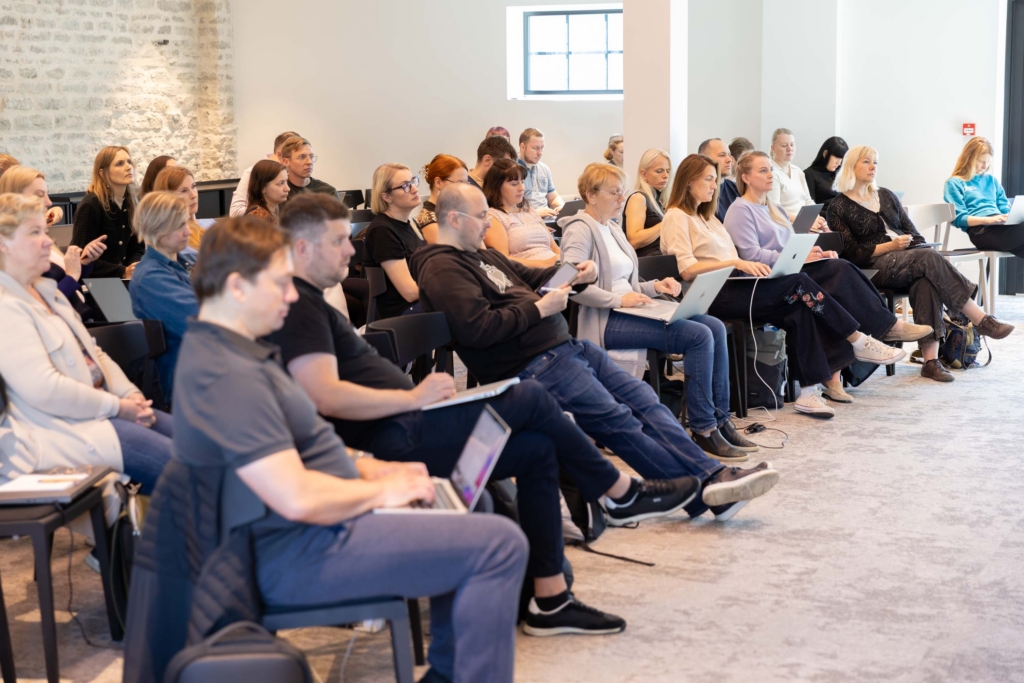
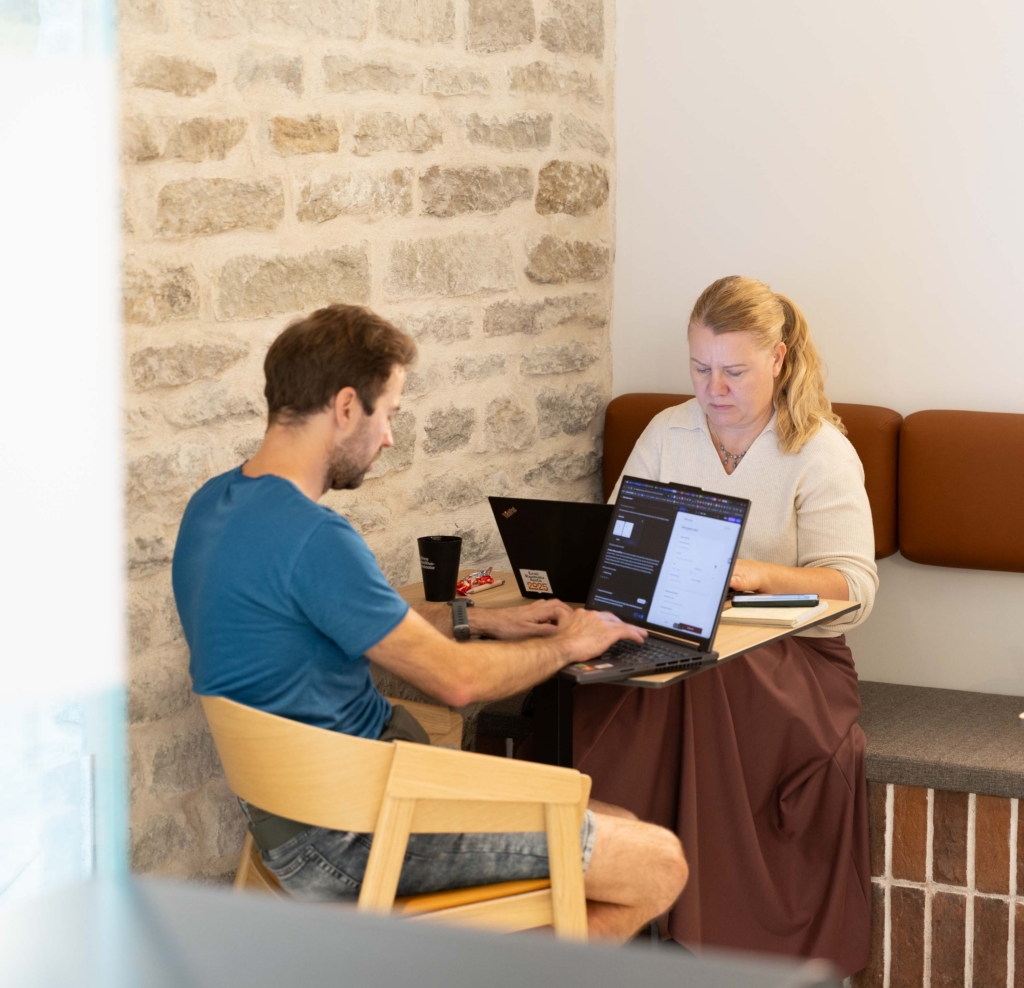
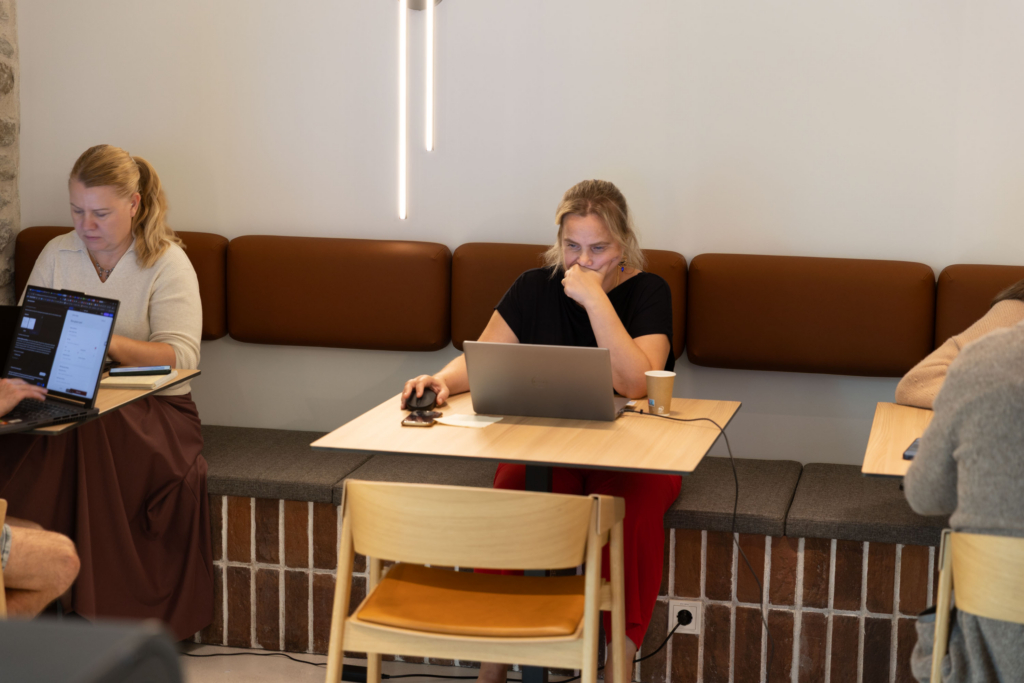
At the heart of the day was the question of how to move quickly forward with your idea using AI — from formulating the problem and designing a solution to building a working prototype. Participants gained practical knowledge and the opportunity, in a workshop, to actually start bringing their ideas to life with AI tools.
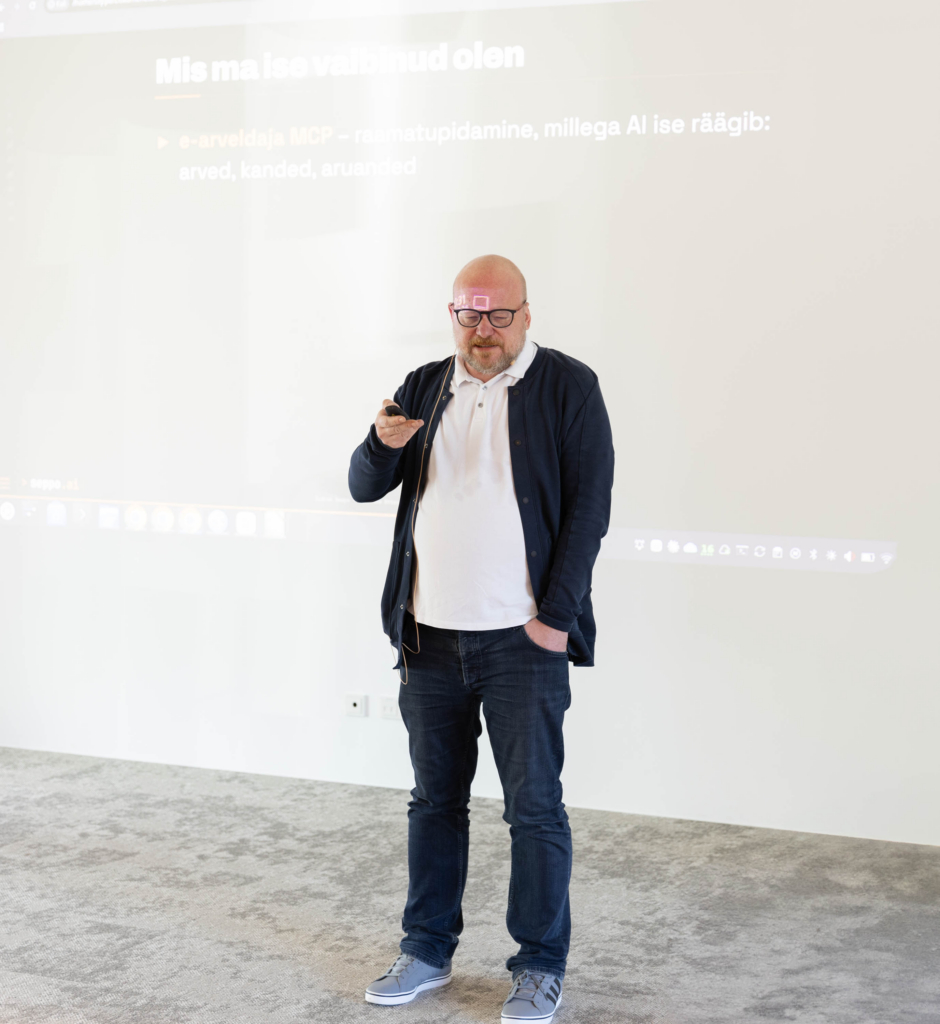
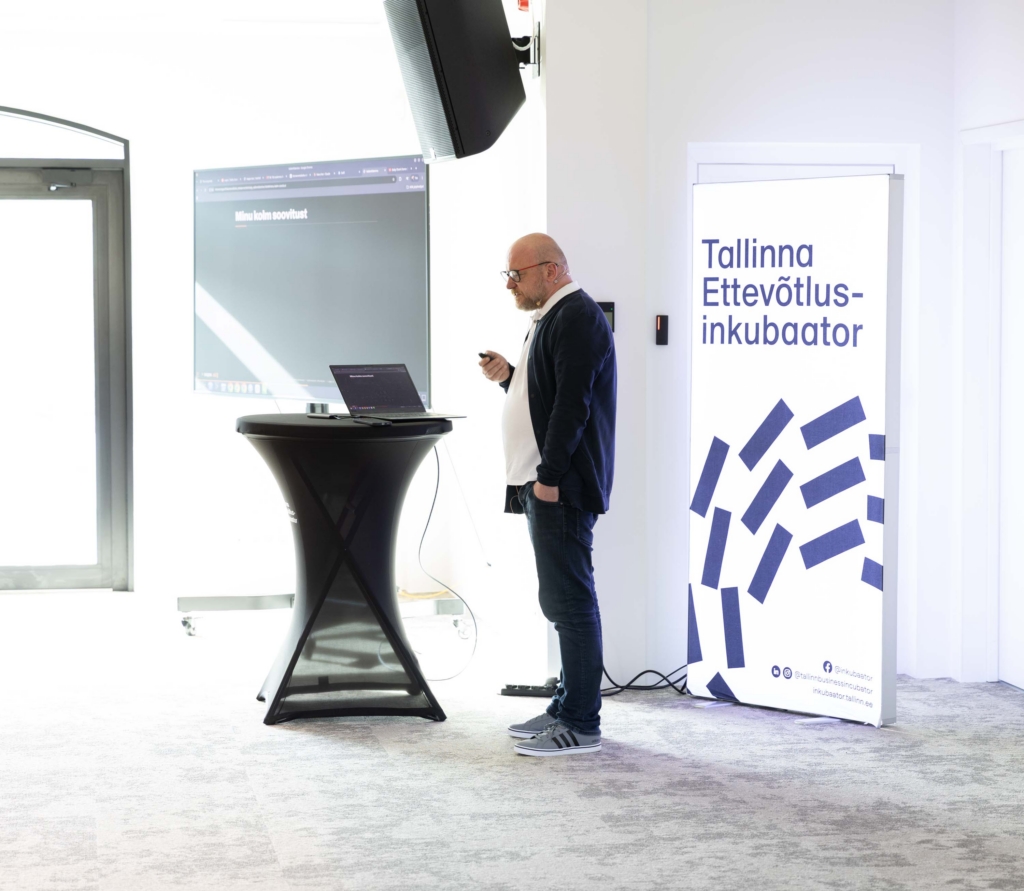
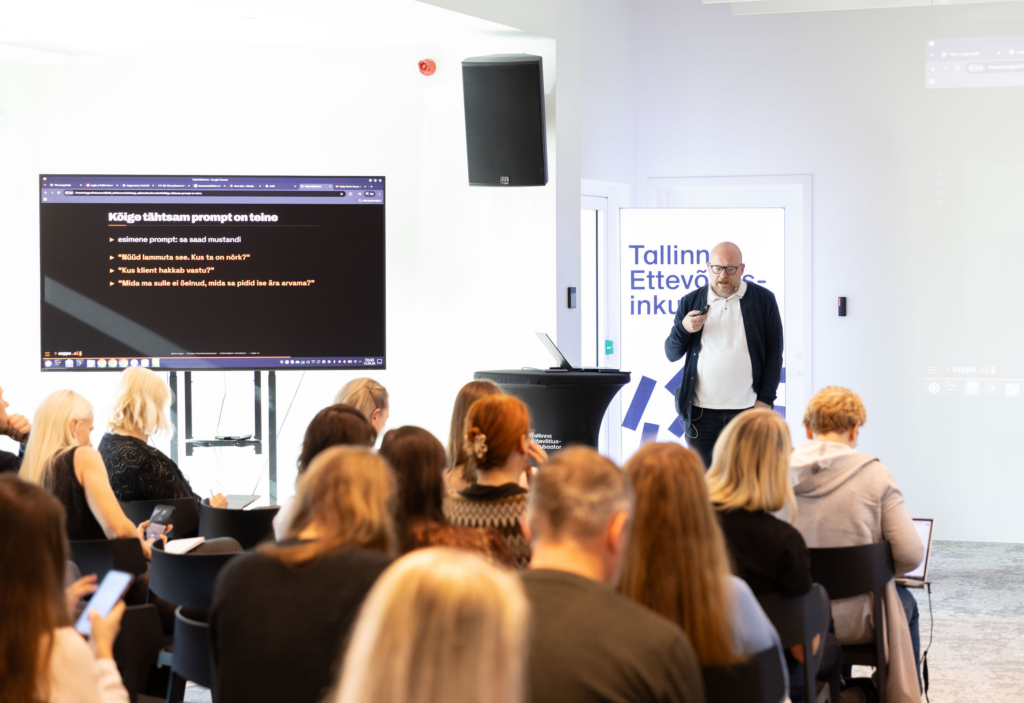
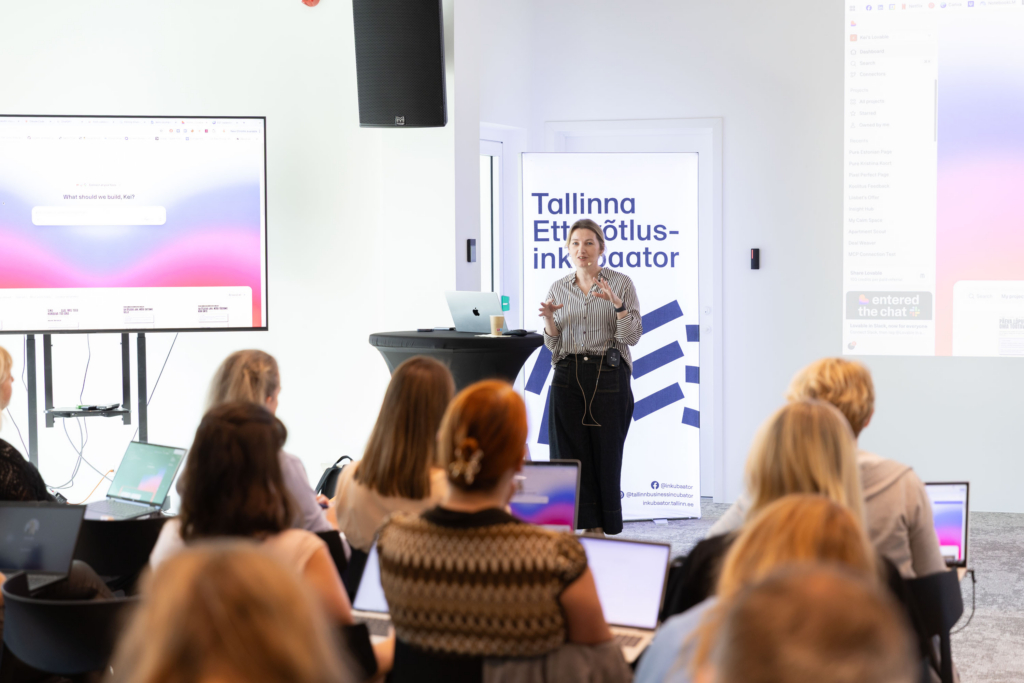
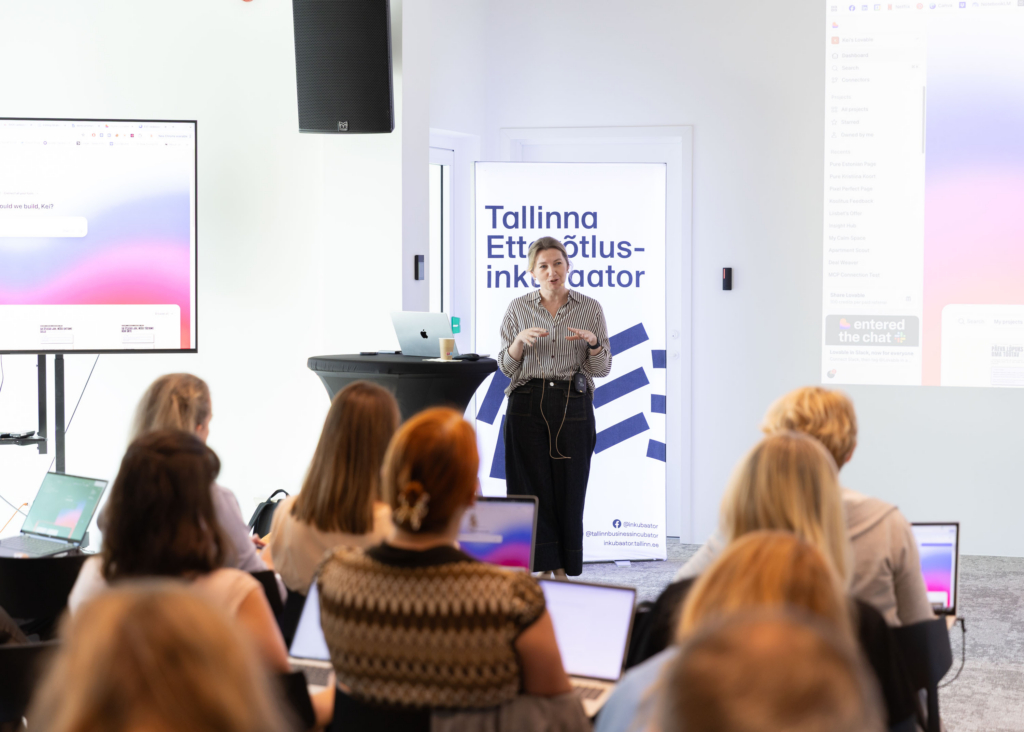
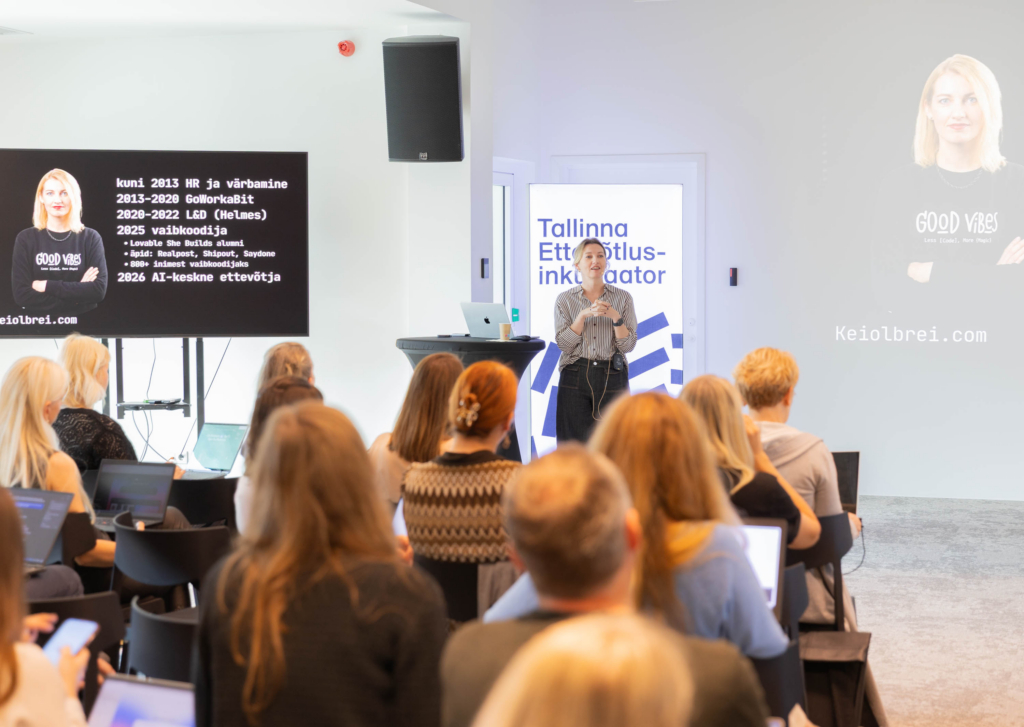
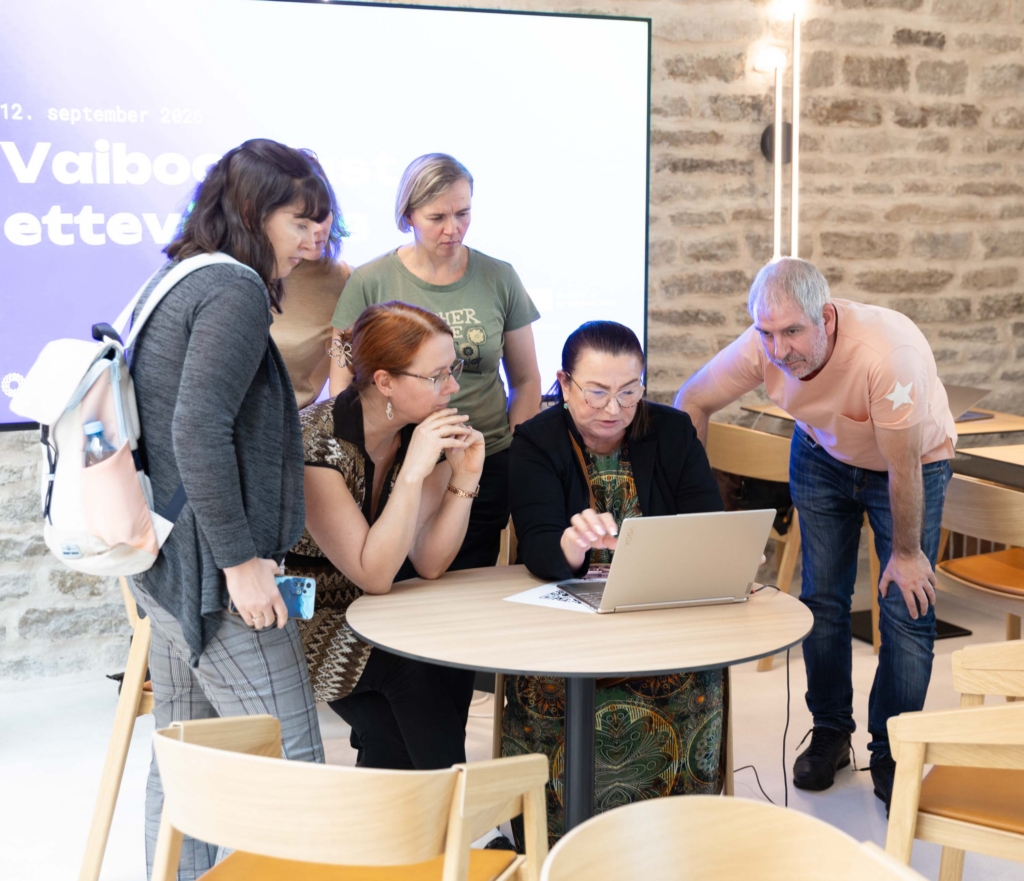
The day was opened by Indrek Seppo, who talked about how to use AI not only to get answers, but also as a thinking partner. The focus was on refining a business idea, discovering new opportunities, and shaping a solution. Kei Olbrei then guided participants through a vibe coding workshop, where everyone could work on their own idea or a problem in need of solving, and try to build a working prototype from it step by step.
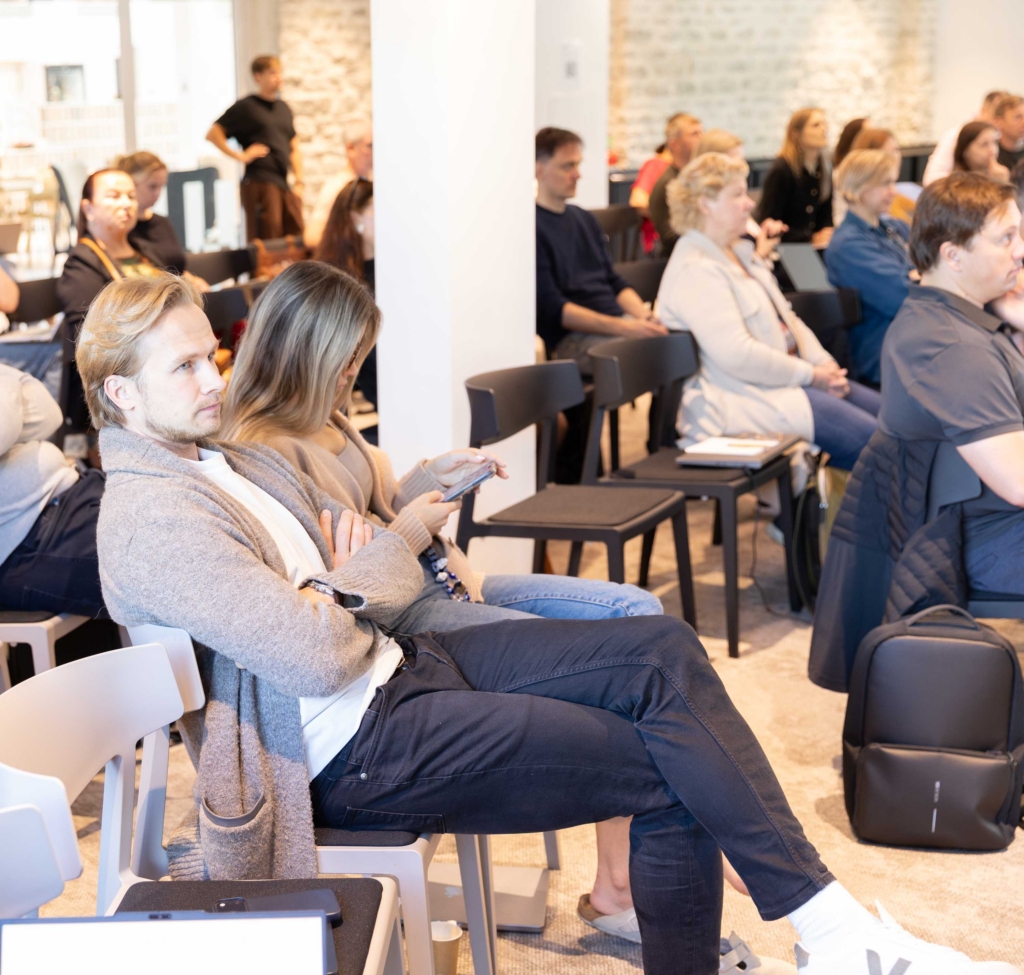
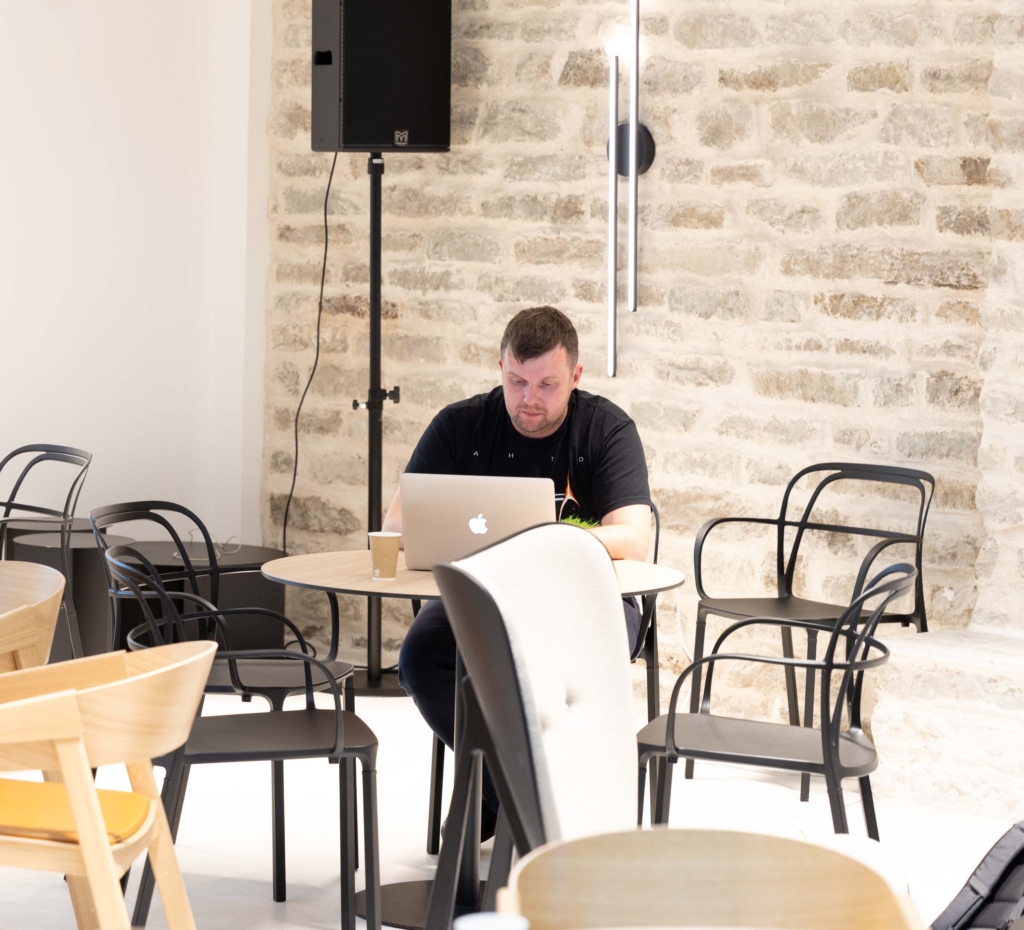
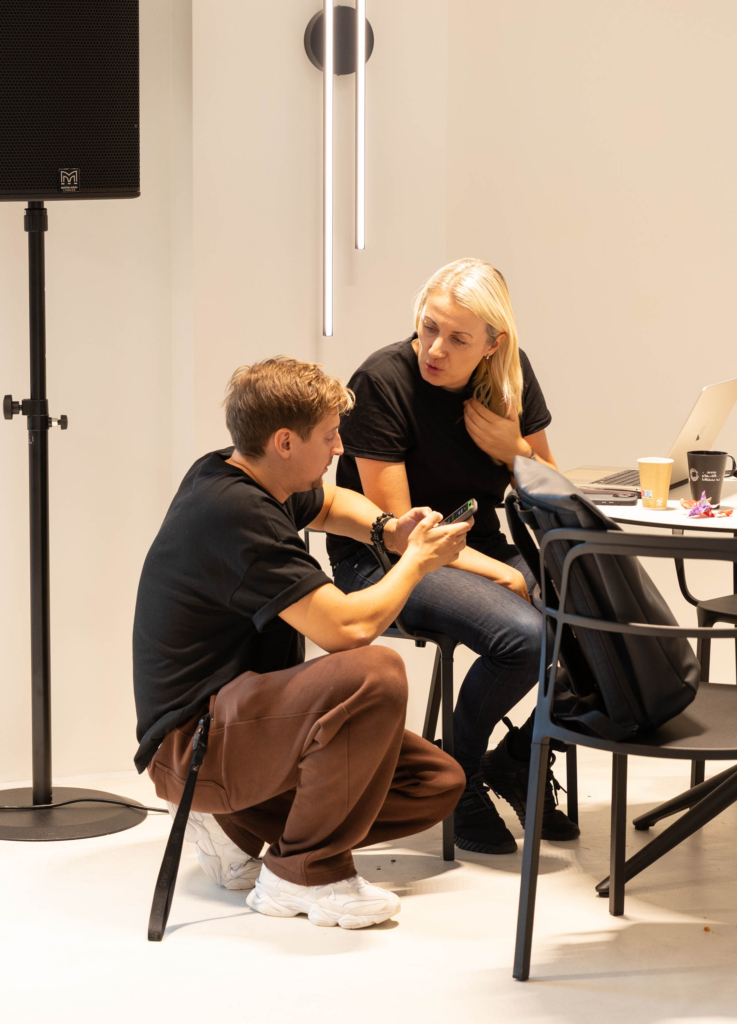
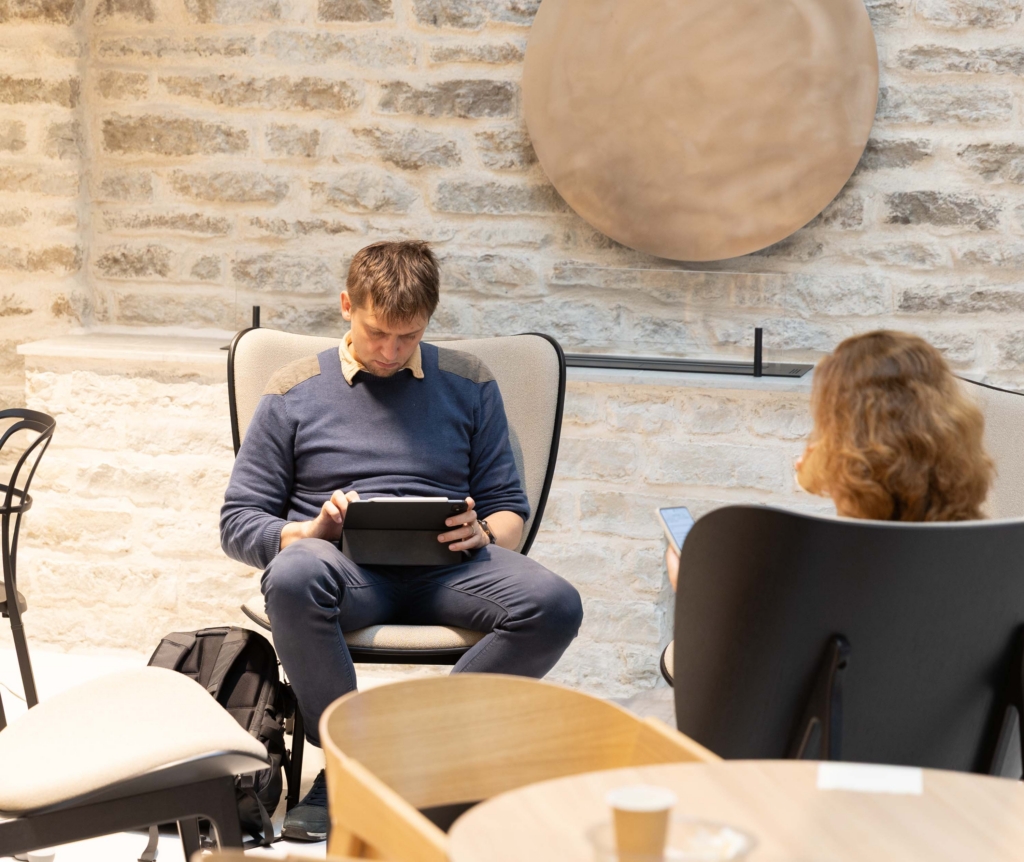
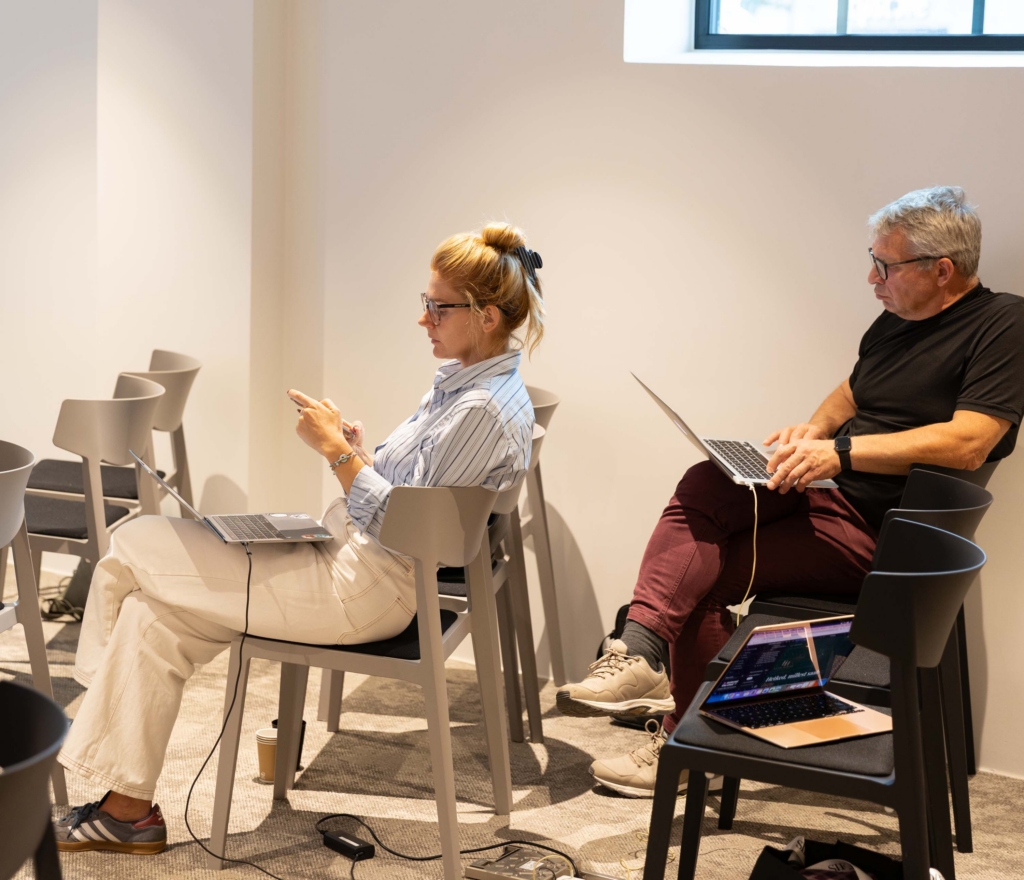
In the second half of the day, the practical work with prototypes continued. Participants got to test how far it is possible to get in a single day with the help of AI and vibe coding. A recurring theme in the feedback was that vibe coding made creating something with your own hands unexpectedly easy for many, and gave them the courage to experiment with new tools and platforms. Participants also valued the chance to dedicate a whole day to their idea while receiving support and feedback from experts.
According to the participants, the day helped them better understand where and why vibe coding is a good fit in their business. Vibe coding gives creative people the chance to test and prototype their ideas faster, without the initial development necessarily having to become a large investment. At the same time, participants pointed out that alongside rapid prototyping, it is important to remain critical and to think through who the solution is really for and what problem it actually solves.
In addition to the hands-on work, inspiration was shared from solutions that have already been built, that have found users and are genuinely generating revenue. This helped show that vibe coding is not only a tool for experimentation, but can also be a way to move from an idea to a real digital product or service.
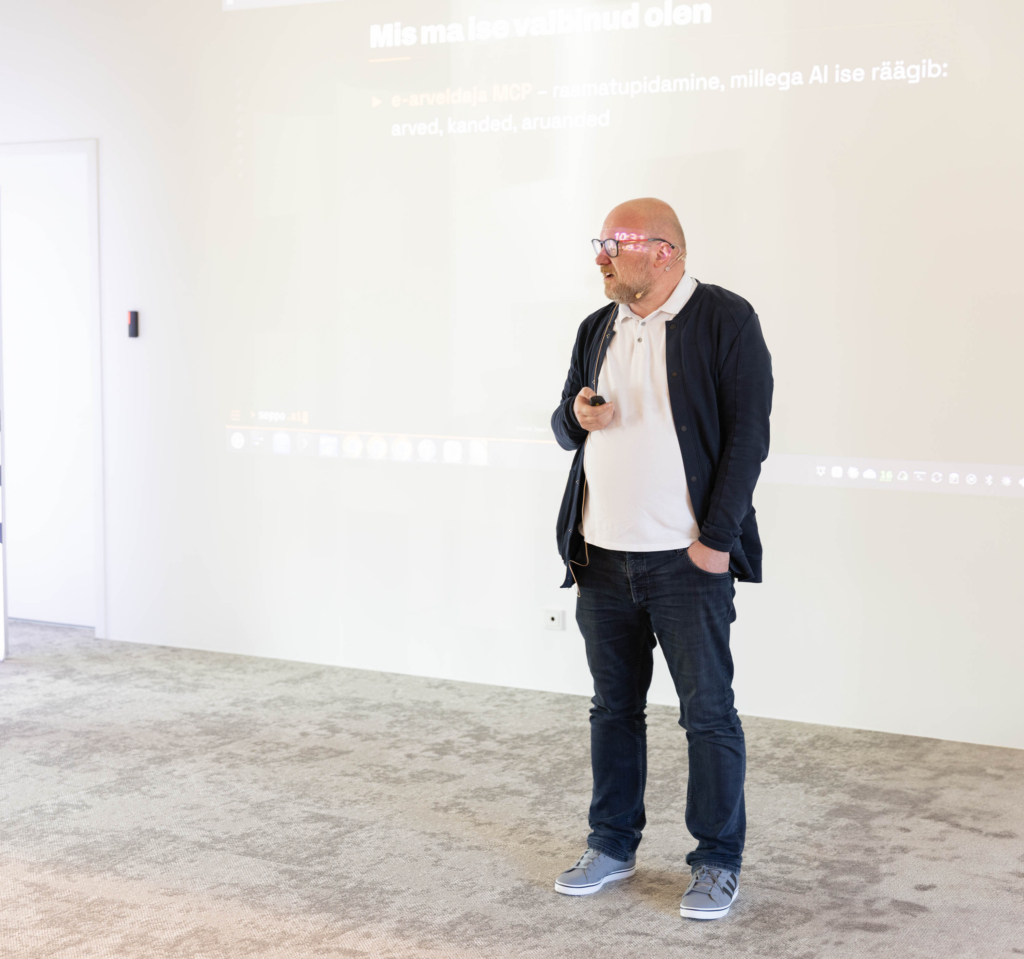
The day was closed by programmer Krister Viirsaar, who focused on the risks that come with building quickly using AI. Topics included data protection, security, and well-considered product architecture. Rapid prototyping offers the chance to test an idea quickly, but when creating a working solution, you also have to account for what lies beyond the initial “well, it works” moment. A thought that came through in participants’ feedback was that it is worth having a finished prototype reviewed by a programmer, and that before developing it further, it is important to understand what is being built, why, and for whom.
“From vibe coder to entrepreneur” gave participants the chance to combine entrepreneurial thinking and new technologies in a practical way. By the end of the day, participants came away with new knowledge, inspiration, and concrete results — whether a clearer business idea, a first prototype, or the next step in bringing an idea to life.
The event took place at the Tallinn Business Incubator and was free for participants. All participants had the opportunity to use the 100 free credits provided by Lovable as part of the event to further develop their ideas in the workshop.
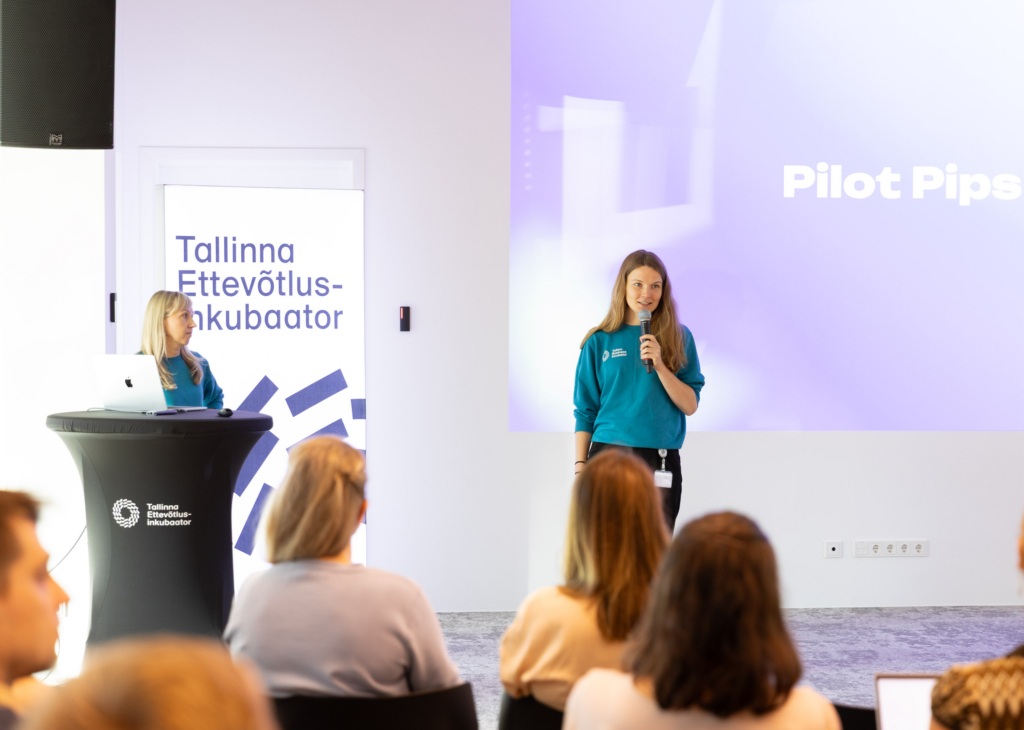
The event was held as part of the international project Pilot Pips, led by the Tallinn Business Incubator and co-financed by the Interreg Central Baltic programme. The project’s goal is to strengthen the entrepreneurial capacity of young people under 25 in Estonia, Latvia, and Sweden.