Tallinn Business Incubator Opens Exhibition Showcasing Circular Economy Opportunities as Part of the CCC Project
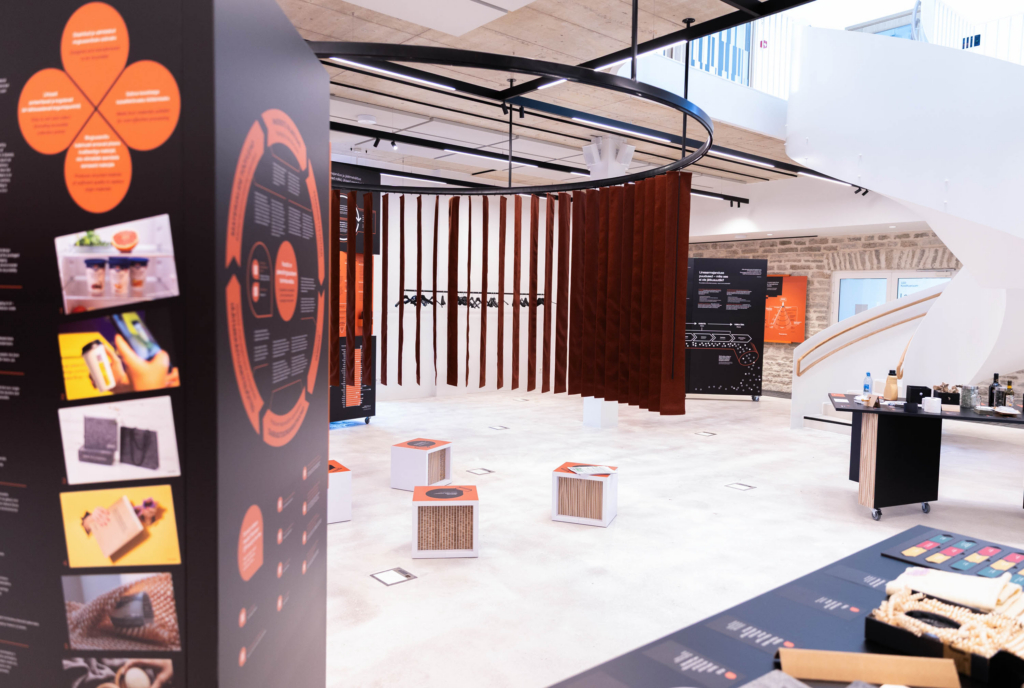
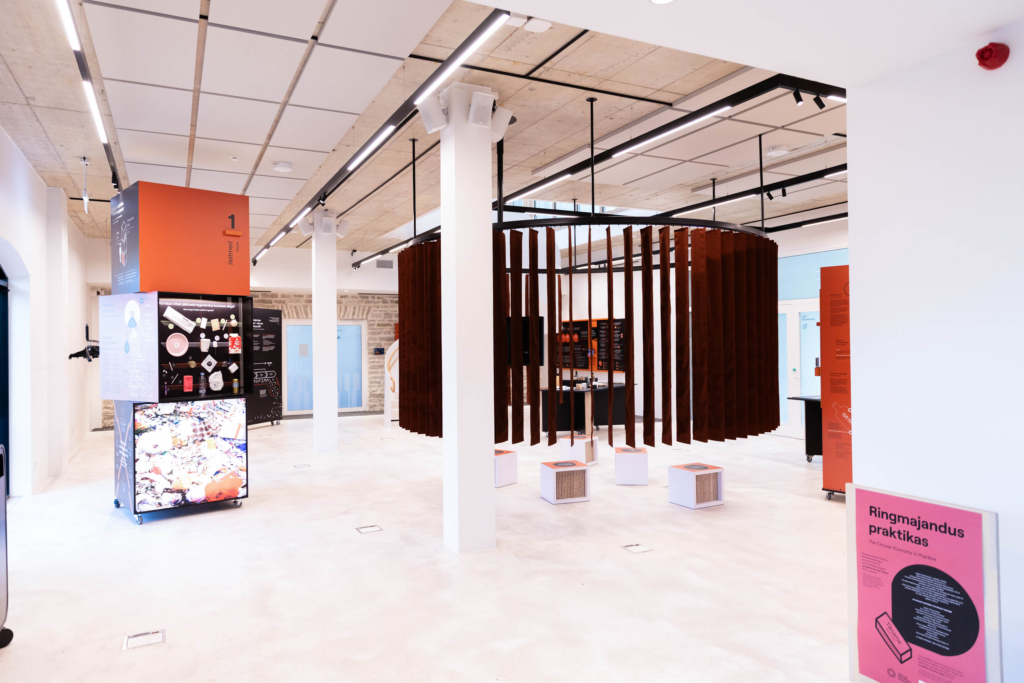
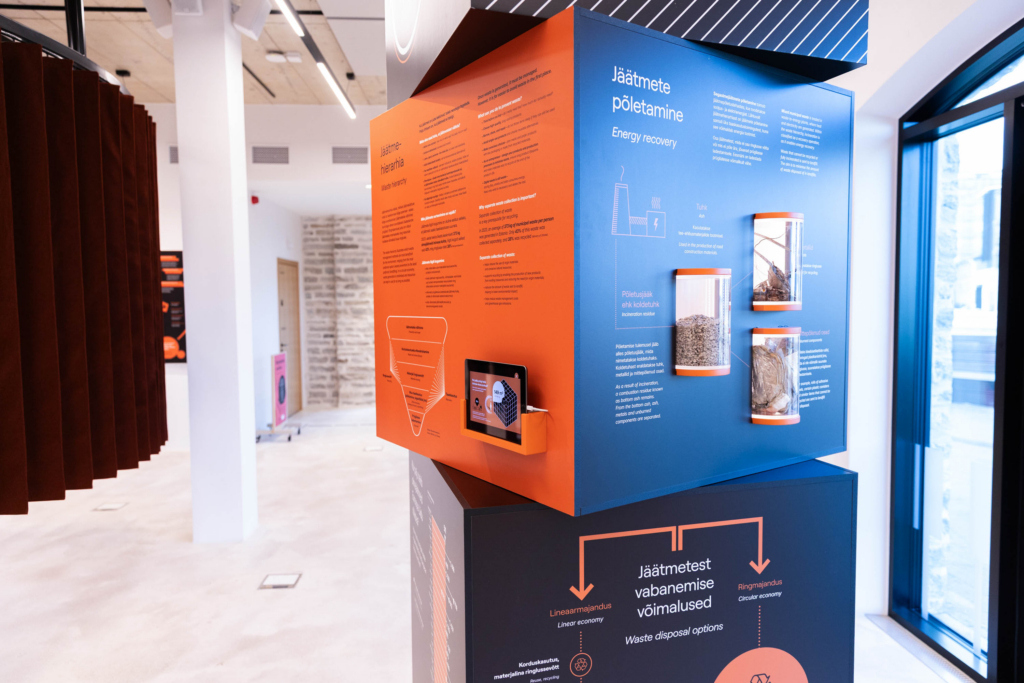
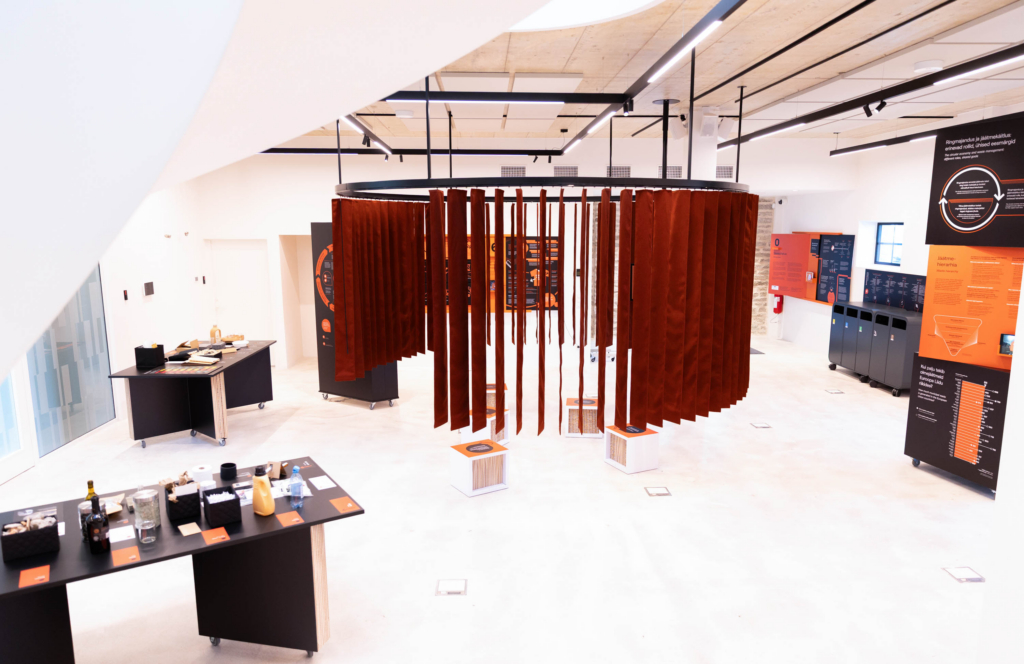
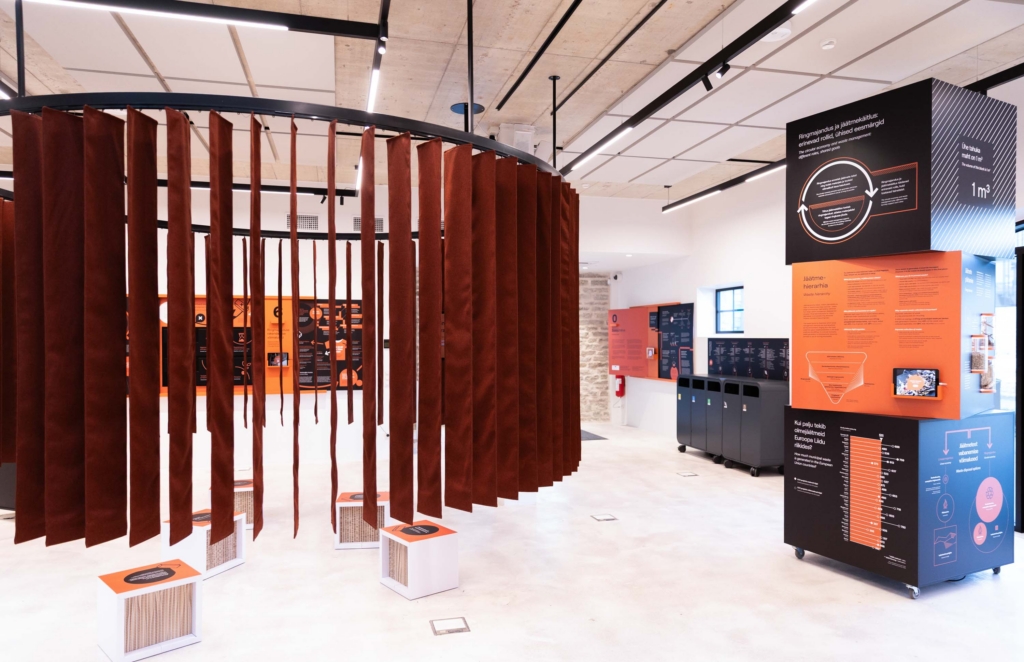
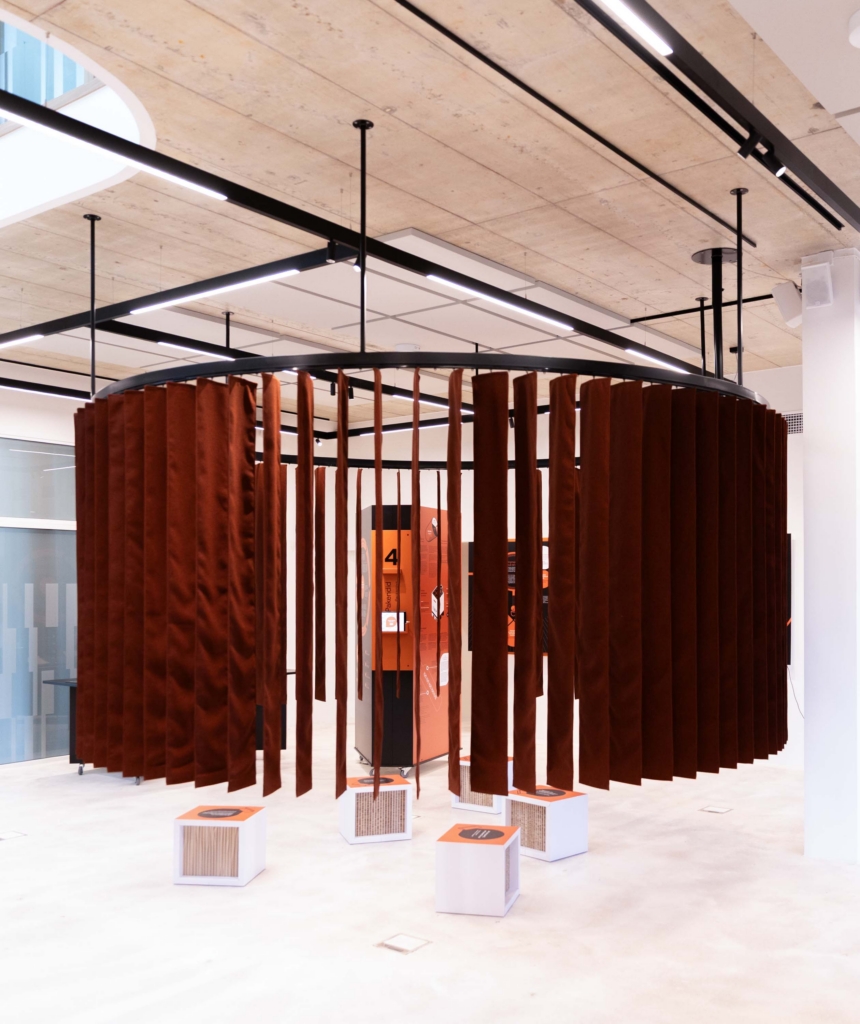
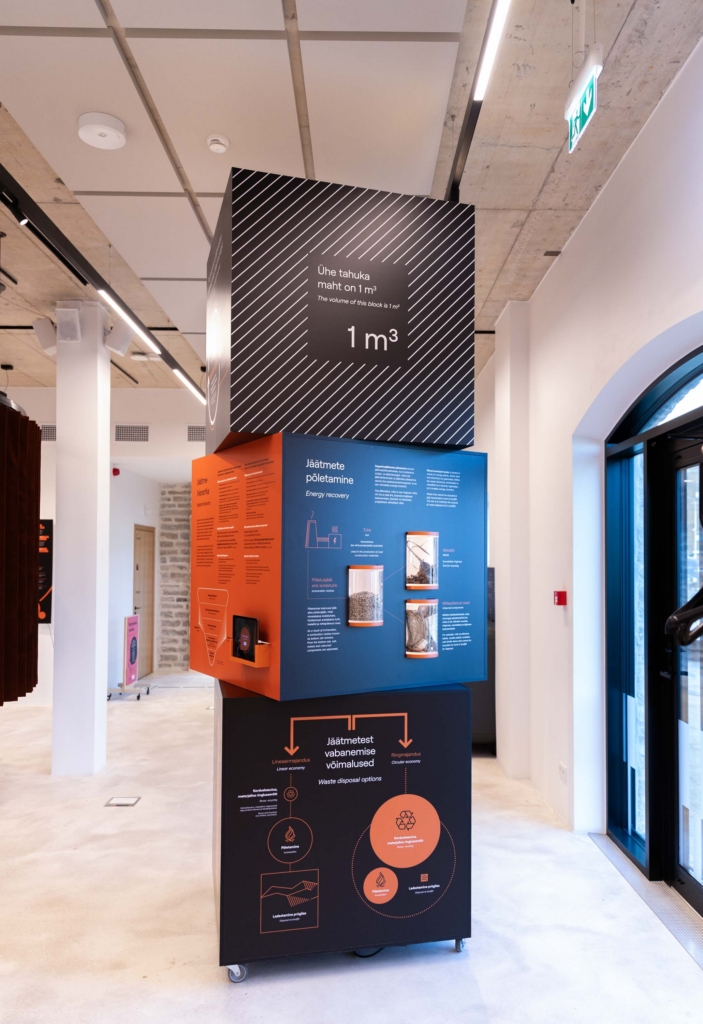
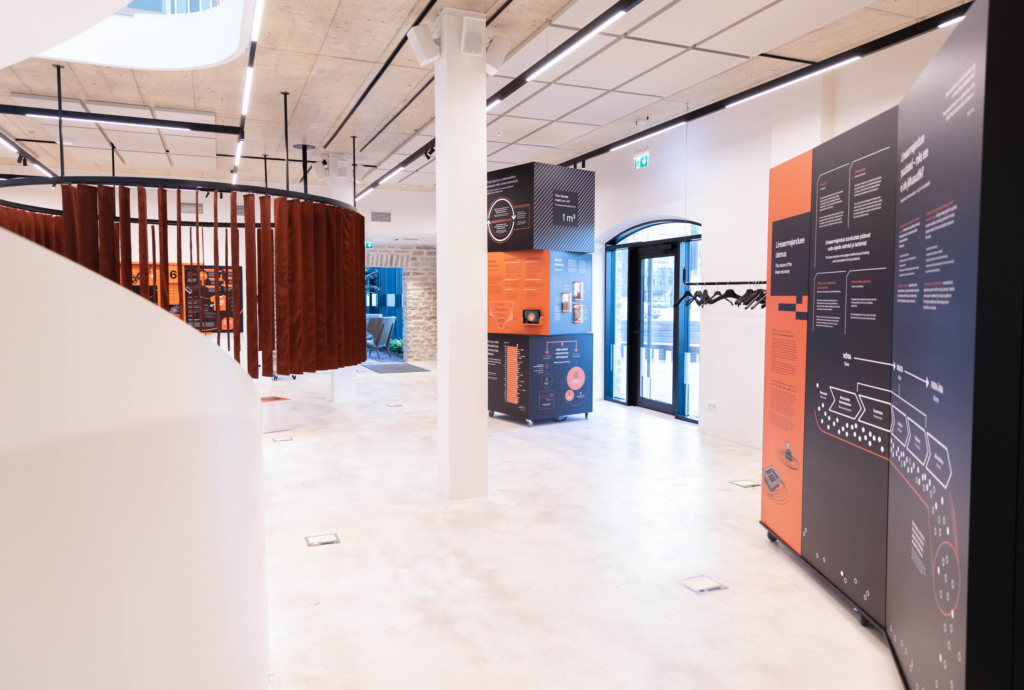
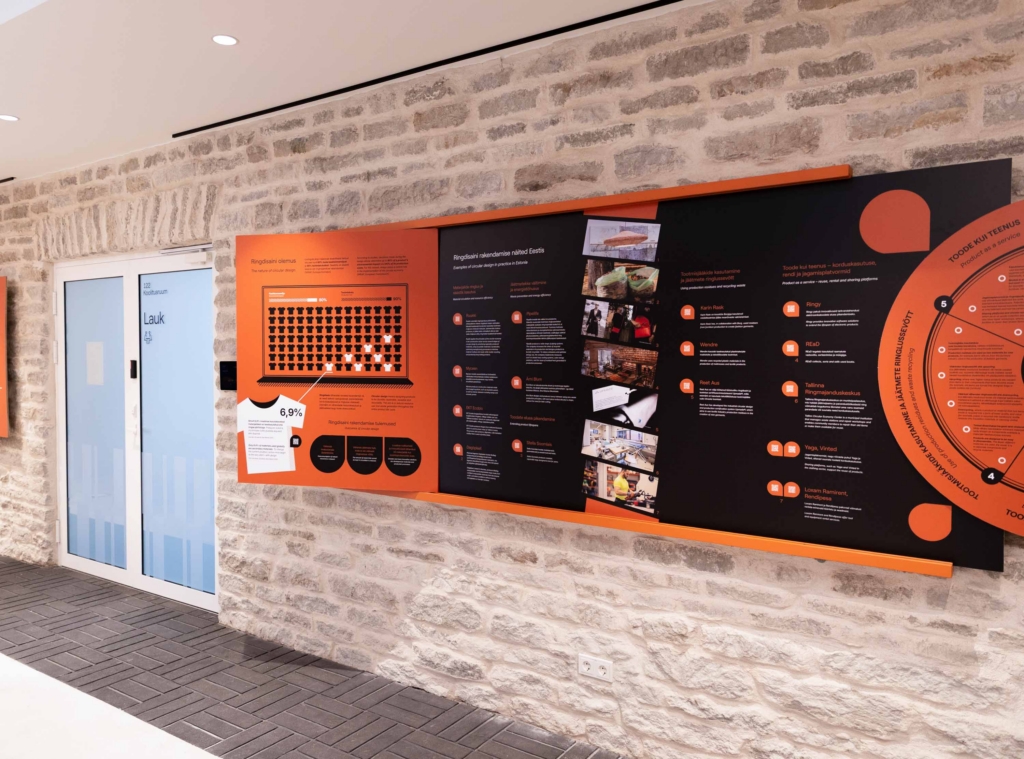
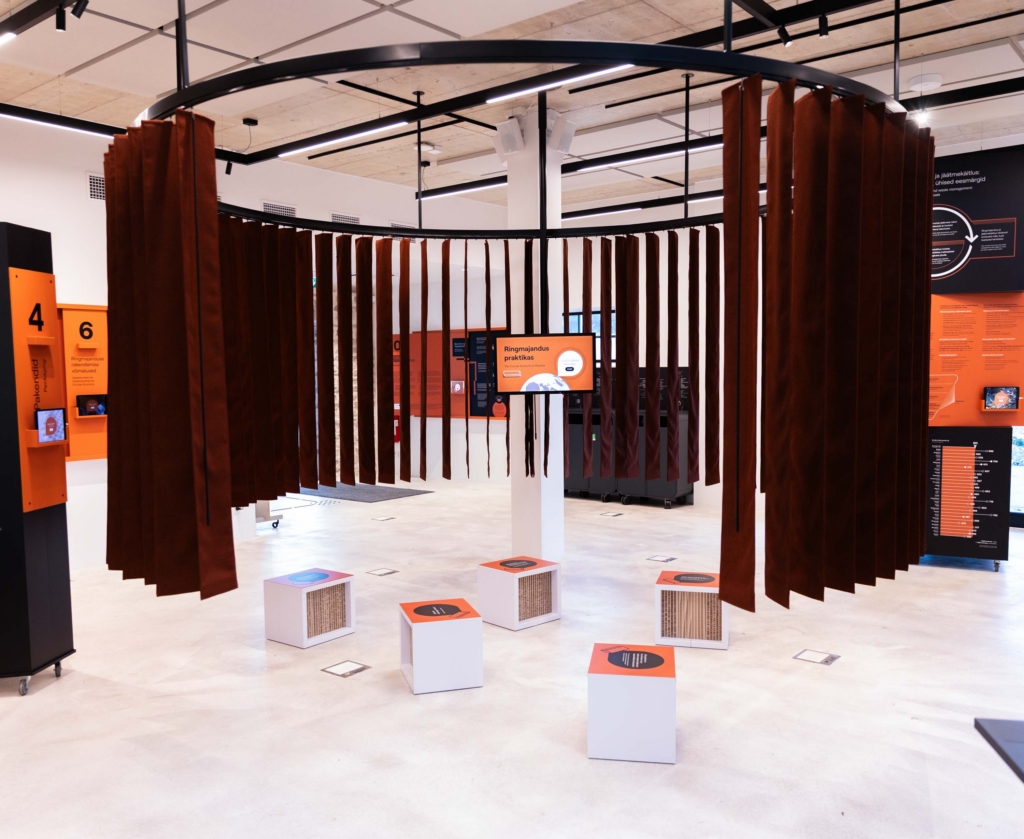
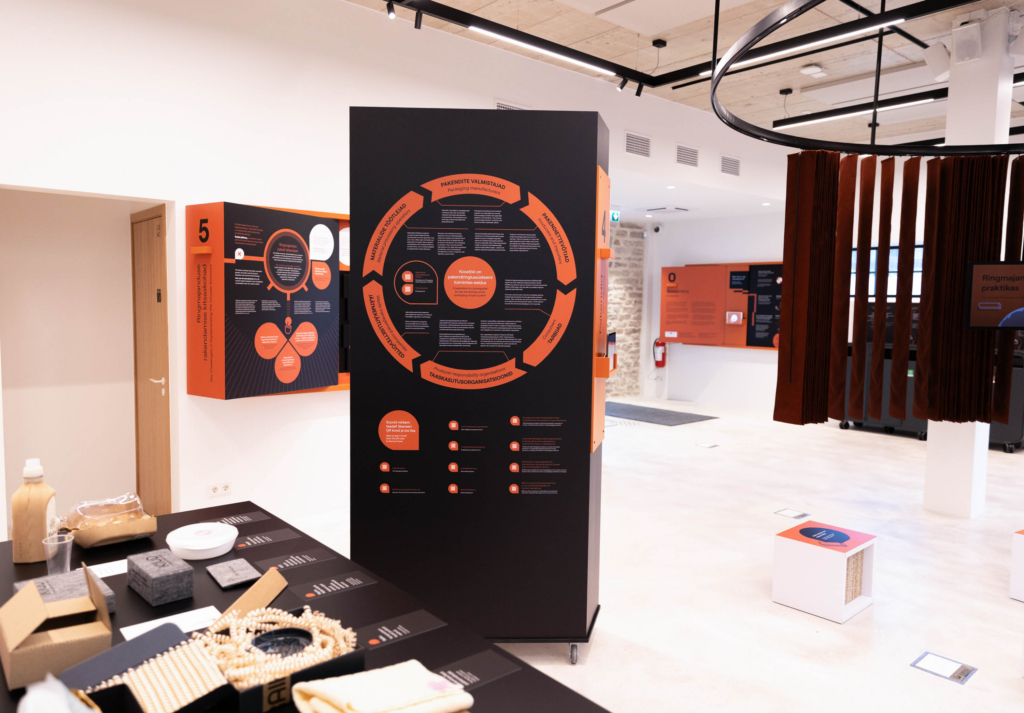
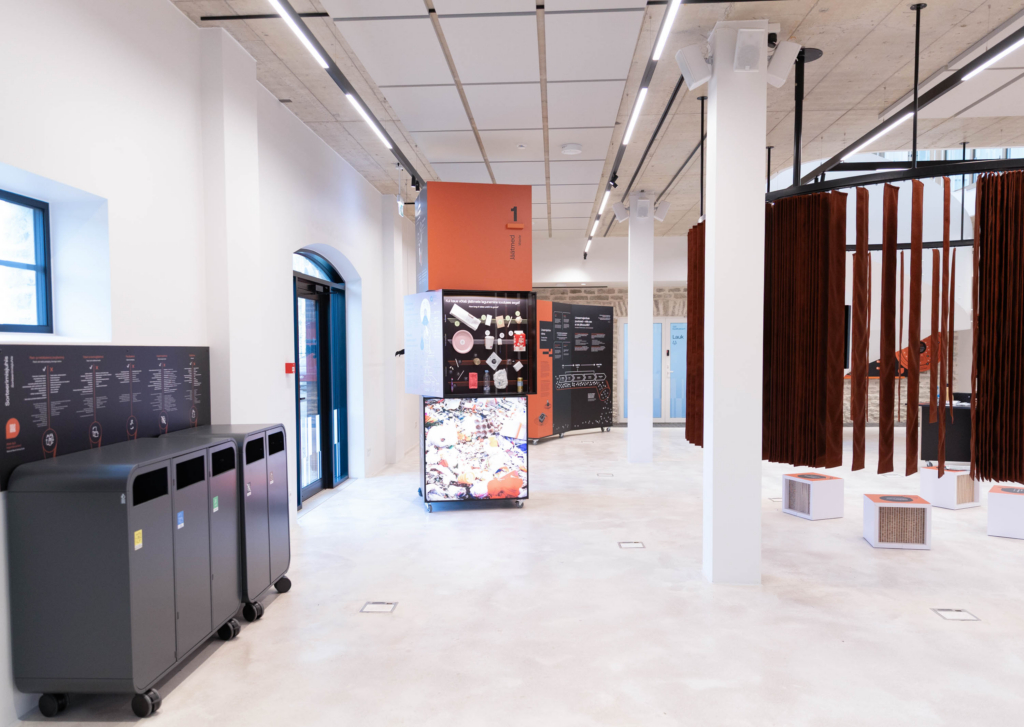
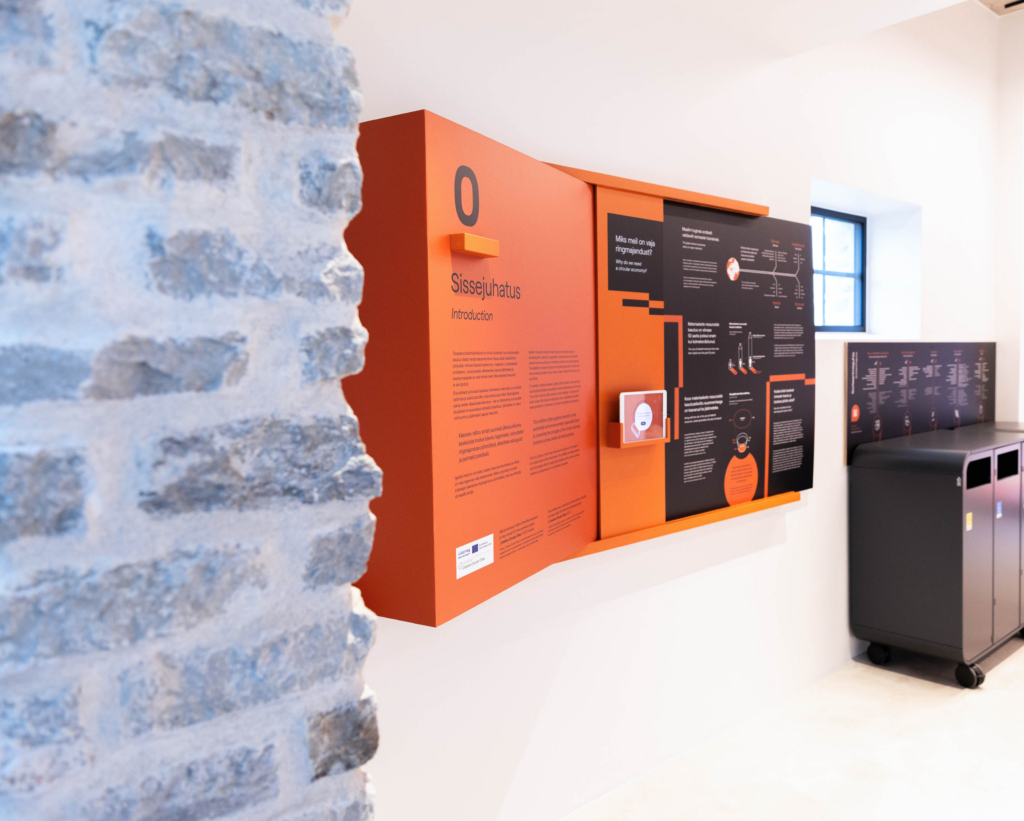
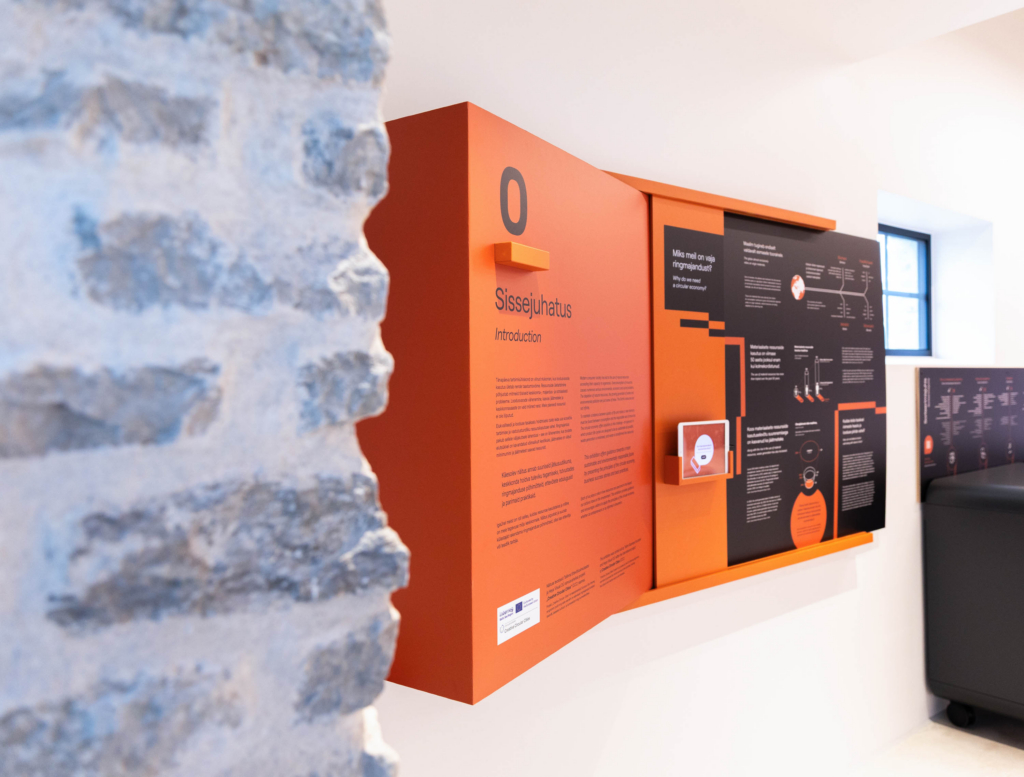
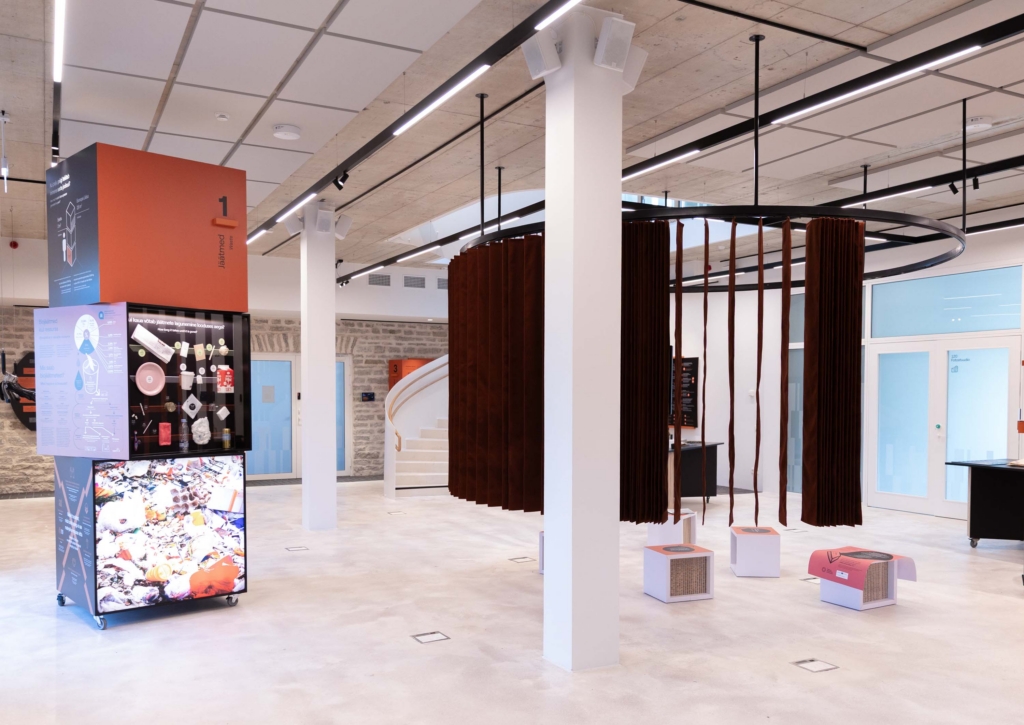
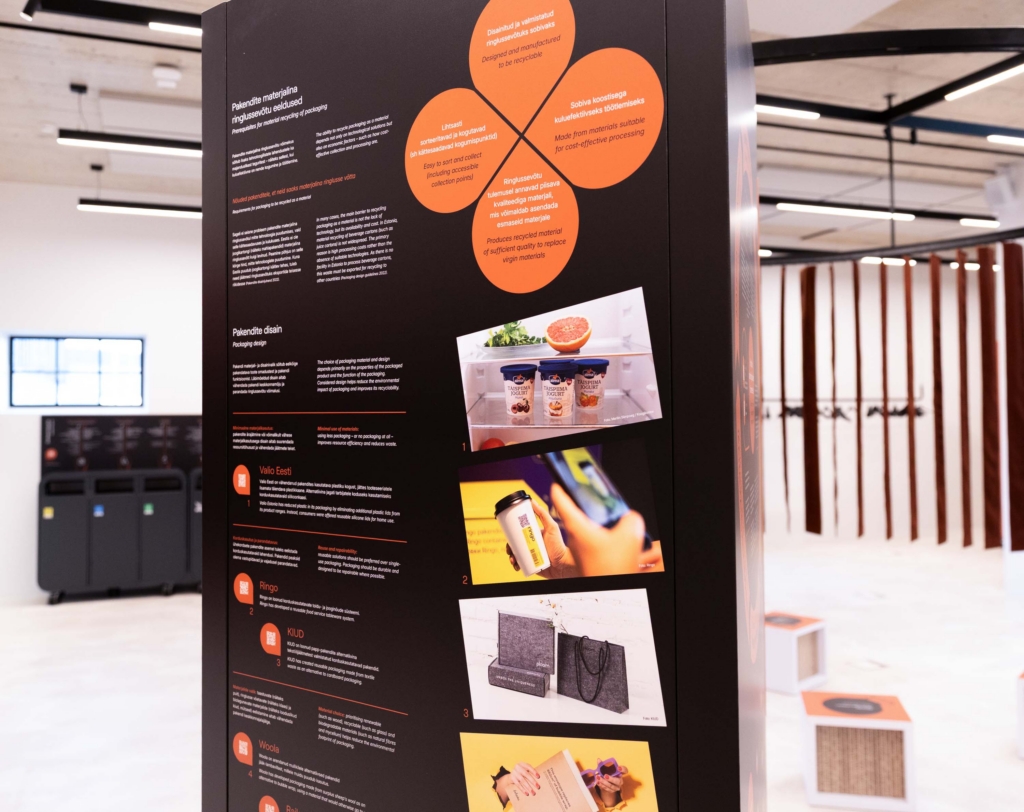
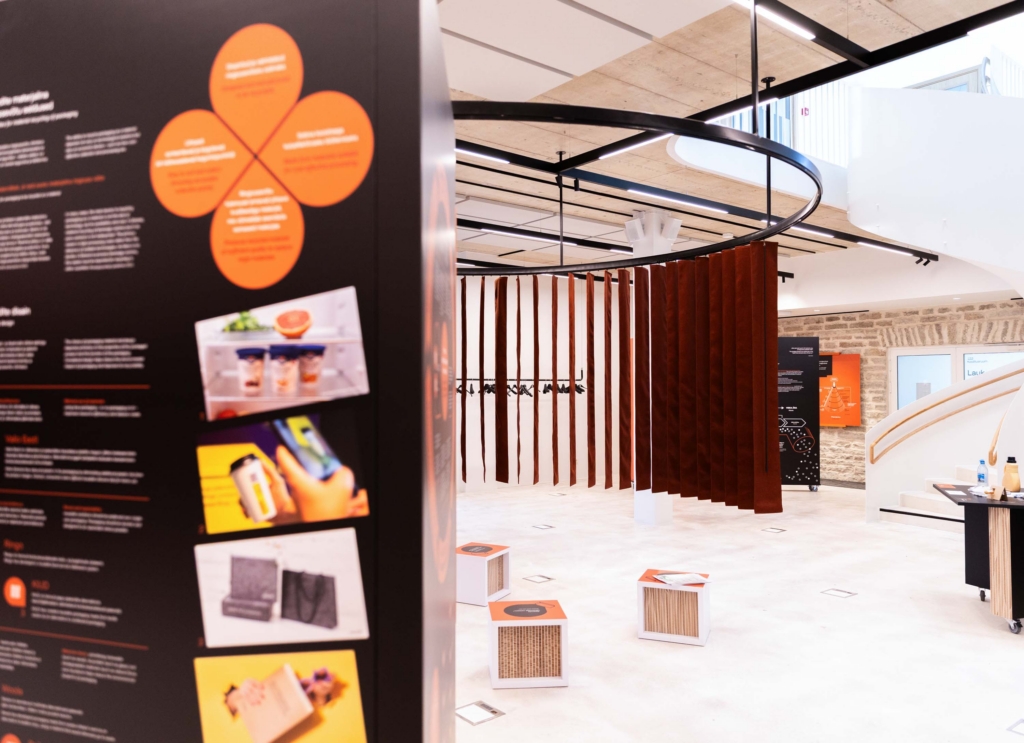
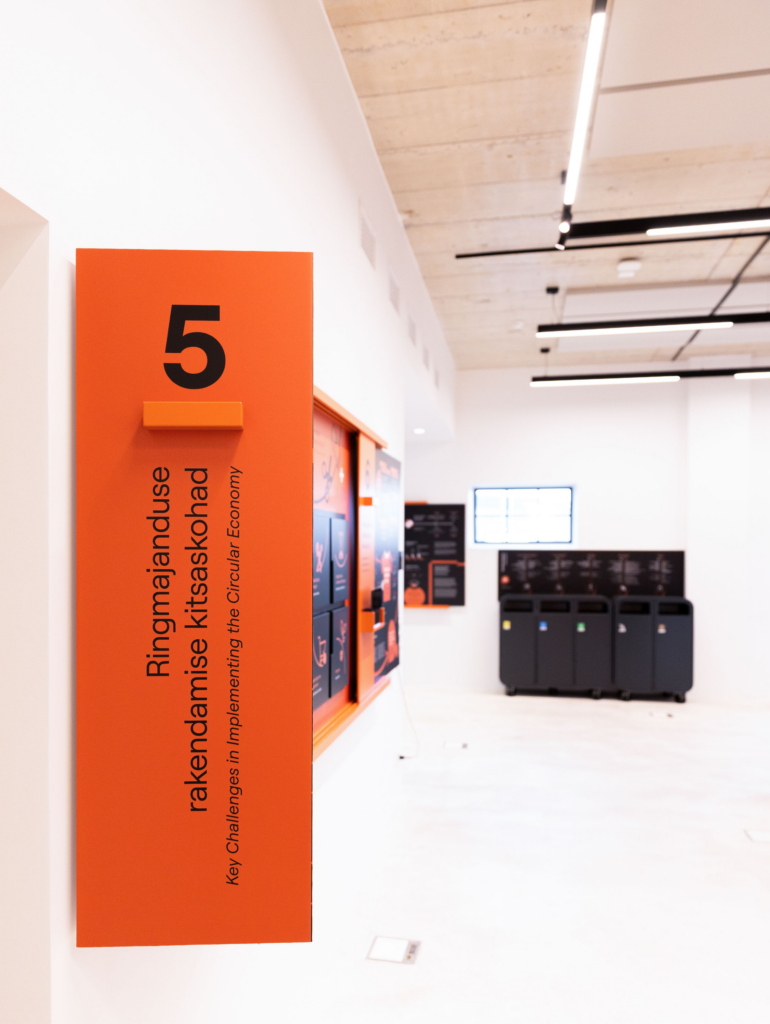
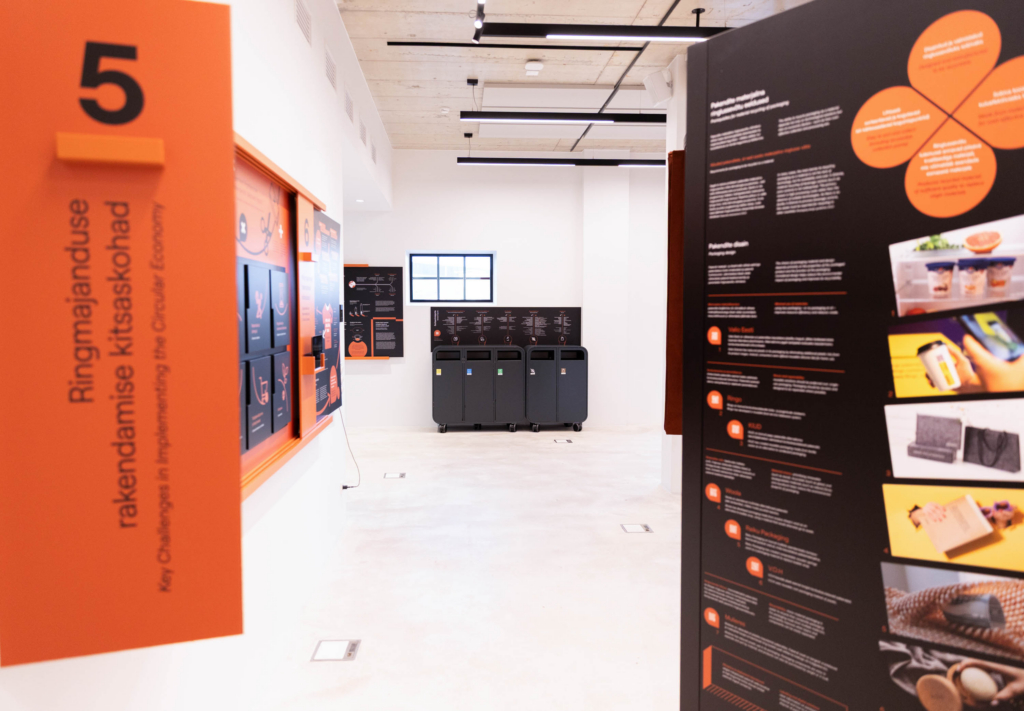
Tallinn Business Incubator has opened a circular economy-themed exhibition as the first display in the exhibition hall of its new building. Created within the framework of the international Creative Circular Cities (CCC) project, the exhibition invites both businesses and city residents to explore the principles of the circular economy and discover new opportunities in the field. The exhibition was produced by the Tallinn Business Incubator and Heya Visual.
The development of consumer society has led to increasing use of natural resources, bringing with it environmental, social, and economic challenges. Growing waste generation, pollution, and the depletion of natural resources make it increasingly important to introduce and promote circular economy principles. At the same time, the circular economy is not only an environmental issue – it is a systemic change that affects production, consumption, and values. It is based on sharing, borrowing, reusing, repairing, refurbishing, and recycling existing materials and products for as long as possible. This helps create a balanced future in which the economy and the environment work together rather than at each other’s expense.
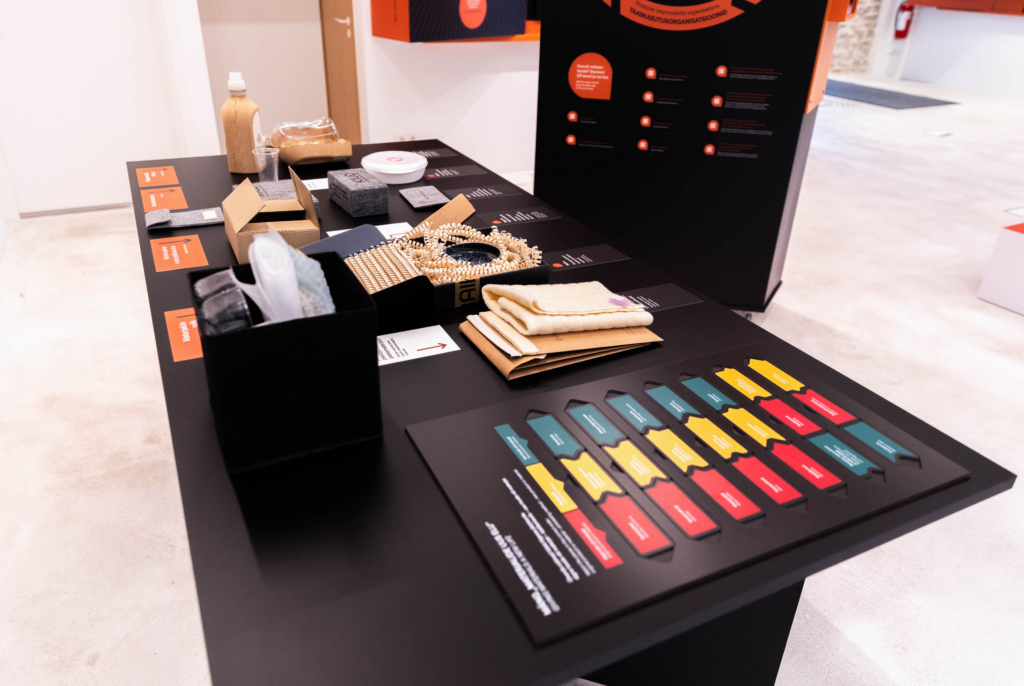
The new exhibition helps visitors understand these topics in a practical and interactive way, offering opportunities to test their knowledge, experiment with new ideas, and gain inspiration for making more conscious choices.
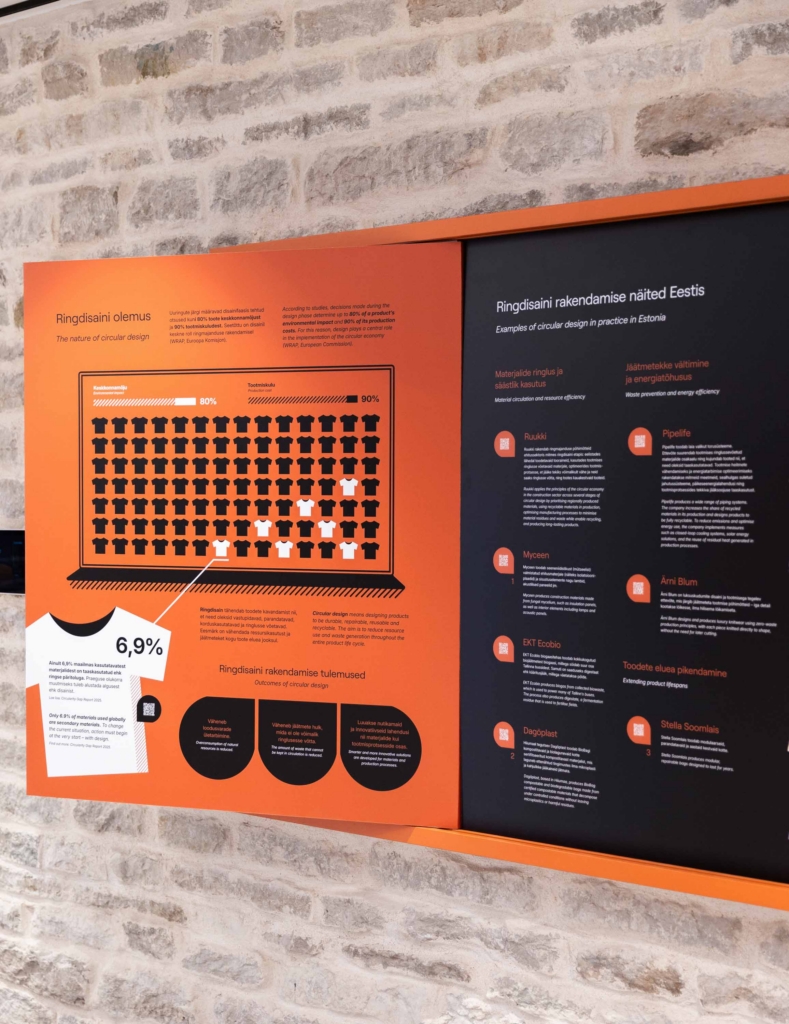
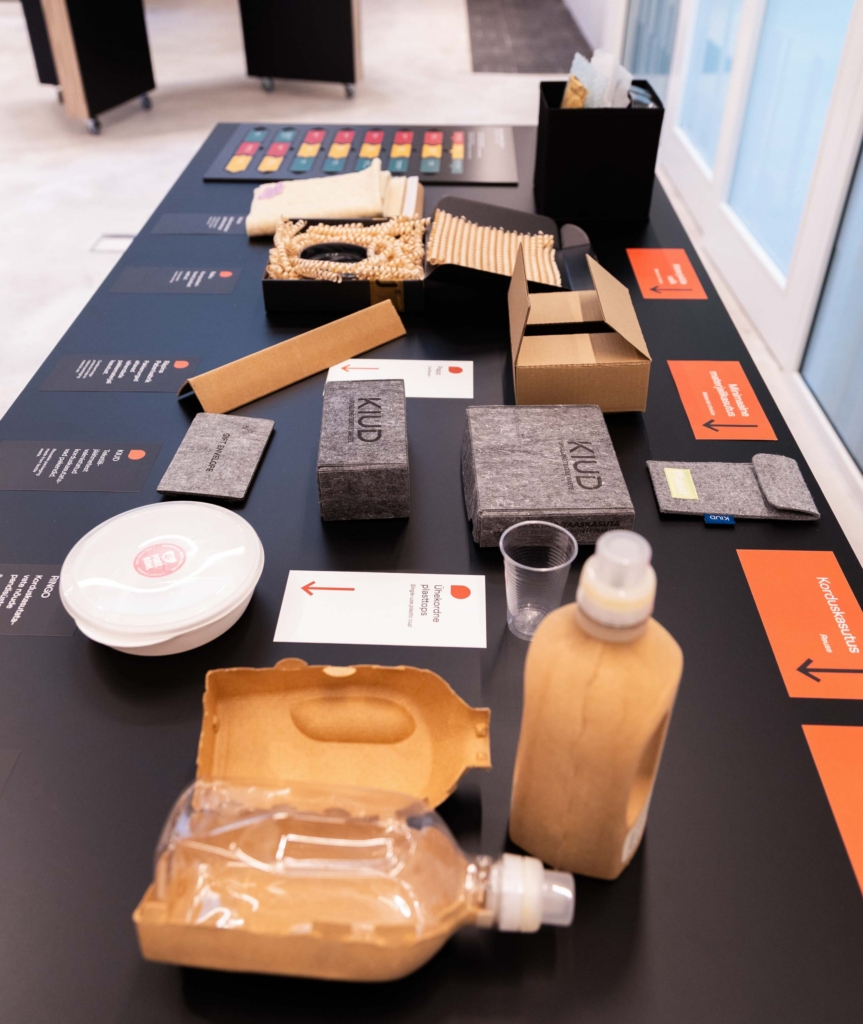
“We are pleased that, in cooperation with Heya Visual and circular economy experts, we have created a comprehensive educational exhibition introducing the circular economy through numerous examples and displays. Developing the exhibition required working through a large amount of background information, but the goal was to bring visitors the most important topics, practical information, and clear guidance. Real-life examples from companies that are already successfully implementing circular economy principles were also a key priority. These are presented through videos, texts, and products. The exhibition offers significant added value for visitors to the incubator and enables us to introduce the foundations of the circular economy to companies participating in our programmes and trainings, as well as guests attending other events, conferences, and seminars,” said Kristel Mõistus, Project Manager at the Tallinn Business Incubator.
The exhibition created by Heya Visual is designed as a complete journey introducing the principles of the circular economy, business success stories, and best practices. It encourages visitors to think about how everyone can apply circular economy principles in their daily lives and business activities, and what impact our choices have on the future. The exhibition provides guidance and understanding that our shared future depends on everyone’s contribution. The circular economy is not only a topic for businesses or policymakers – it concerns us all.
The Heya Visual team included Kaia Lõun, Jüri Lõun, Raivo Randoja, and Sigrid Randoja. The exhibition was also created with the involvement of circular economy experts Margit Rüütelmann and Kaia Lõun, as well as the Estonian Circular Economy Companies Association, Katarina Papp and Liina Kanarbik from the Tallinn Strategic Management Office, Simo Ilomets from Tallinn University of Technology, Marianne Sepp from Zero Waste Estonia, Borg, Eesti Pakendiringlus, EKT Ecobio, Green Gravels, Killumeister, KIUD, Leemans Greencircle, Neular, Mulieres, RAIKU, Räpina Paper Mill, Tallinn Waste Recovery Centre, Weerec, Woola, and the CCC project partners.
The new exhibition at the Tallinn Business Incubator offers a valuable experience for everyone who wishes to better understand the opportunities of the circular economy and its role in shaping a resource-efficient future society.
The exhibition was created as part of the Creative Circular Cities (CCC) project, co-funded by the European Union’s Interreg Baltic Sea Region Programme. The project promotes the circular economy at the local level by involving the cultural and creative sectors and creative enterprises. In the pilot cities of Aarhus, Kiel, Gdynia, Riga, Tallinn, and Turku, partner organisations showcase how the creative sector can support the circular economy, foster responsible consumption, and help businesses implement circular practices. The Tallinn exhibition is one of the key outcomes of this international cooperation project.