Tallinn Business Incubator and EKA brought international biomaterial innovation to Tallinn
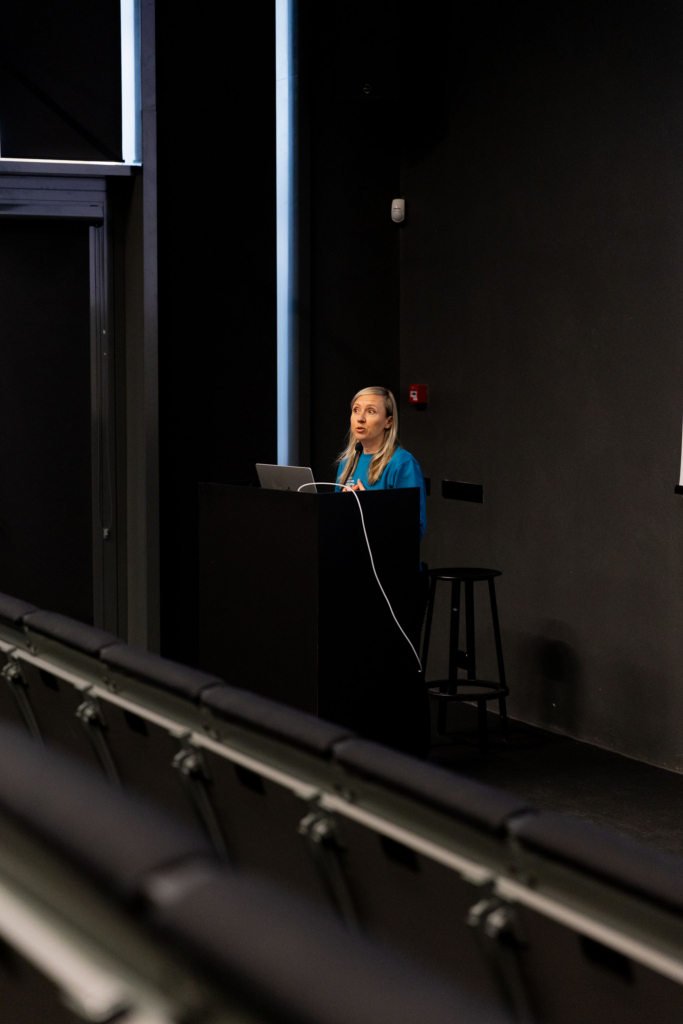
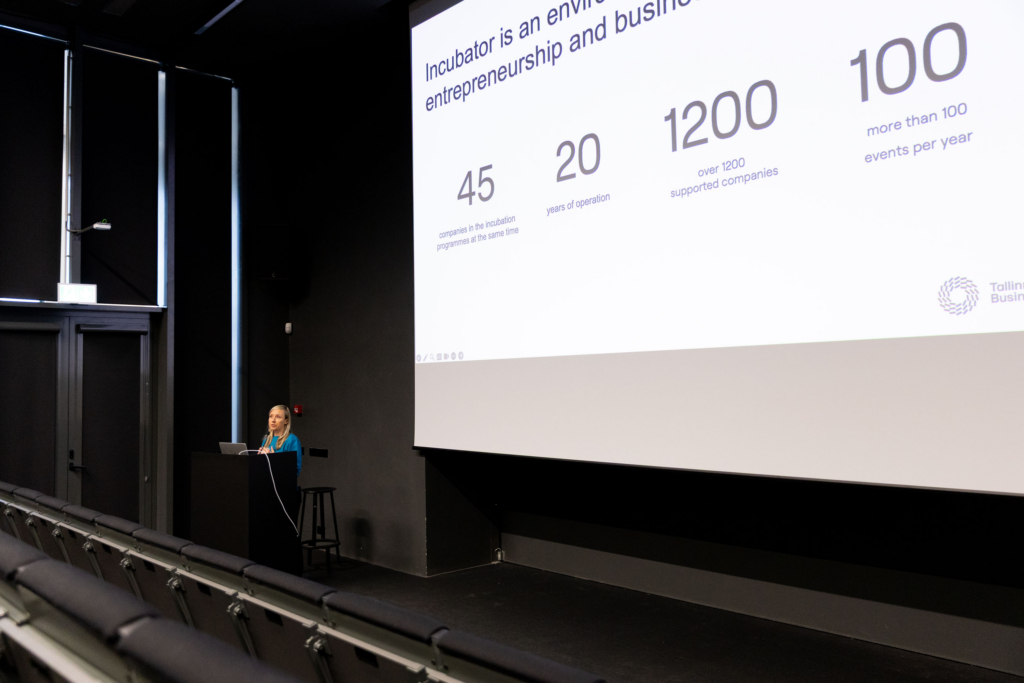
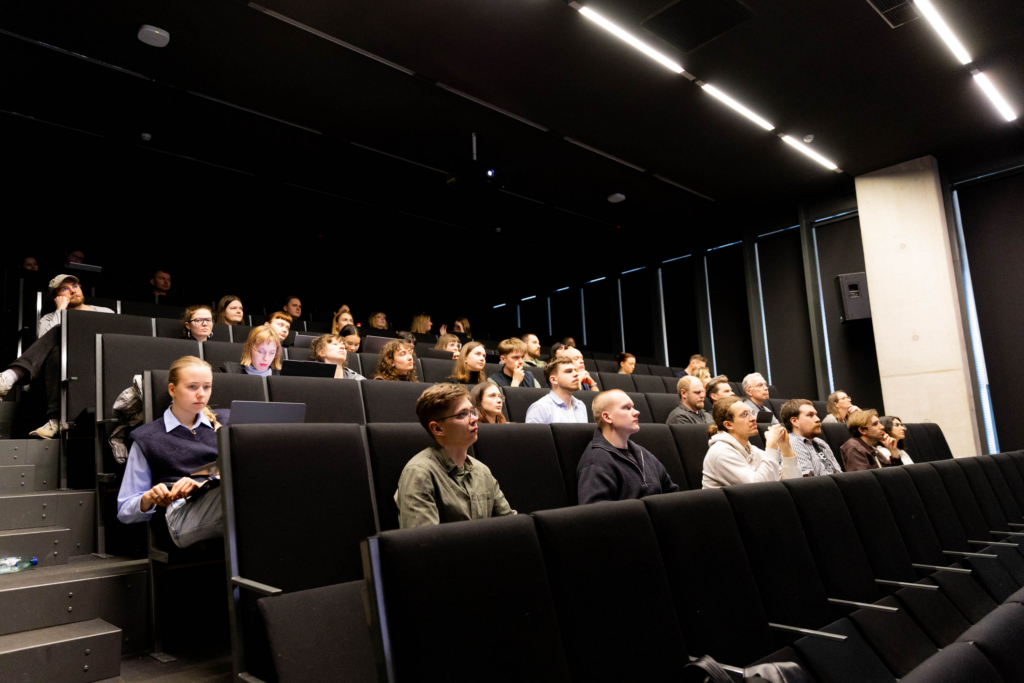
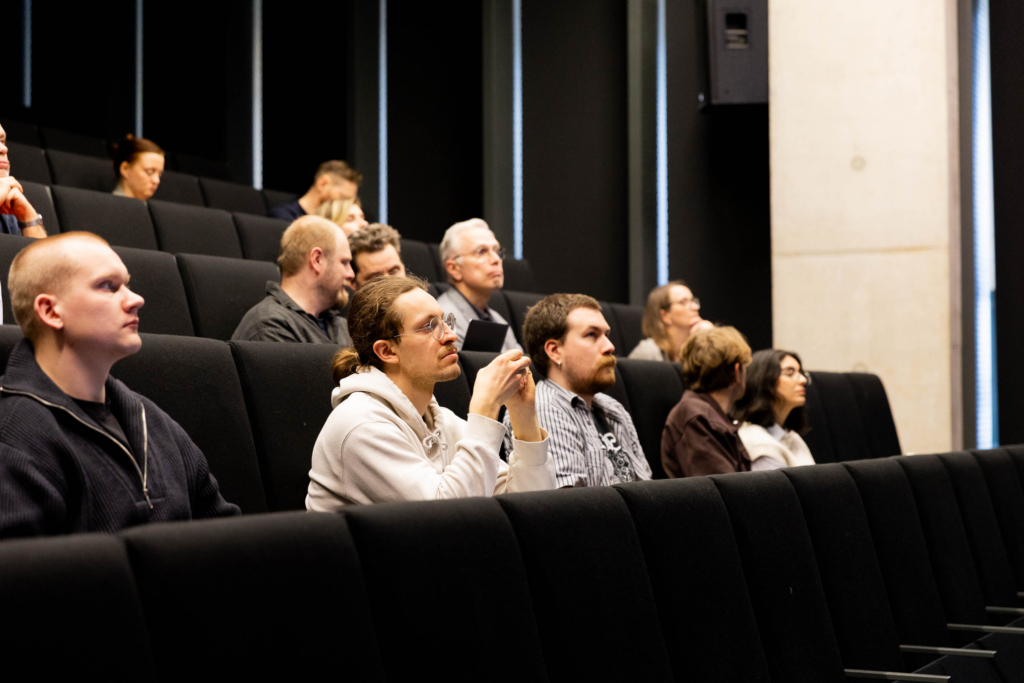
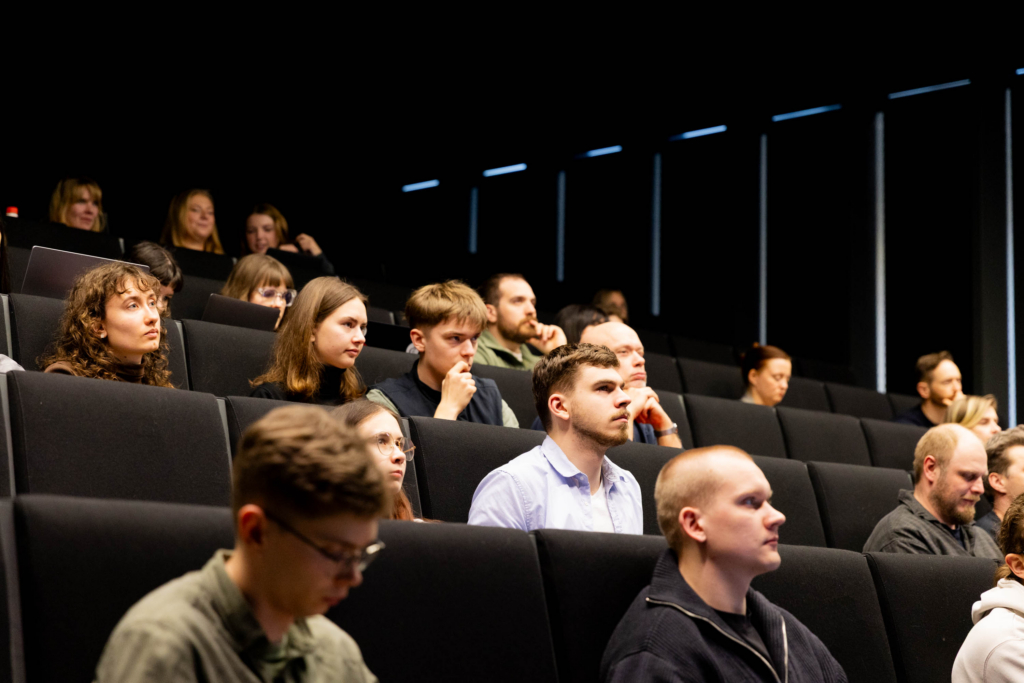
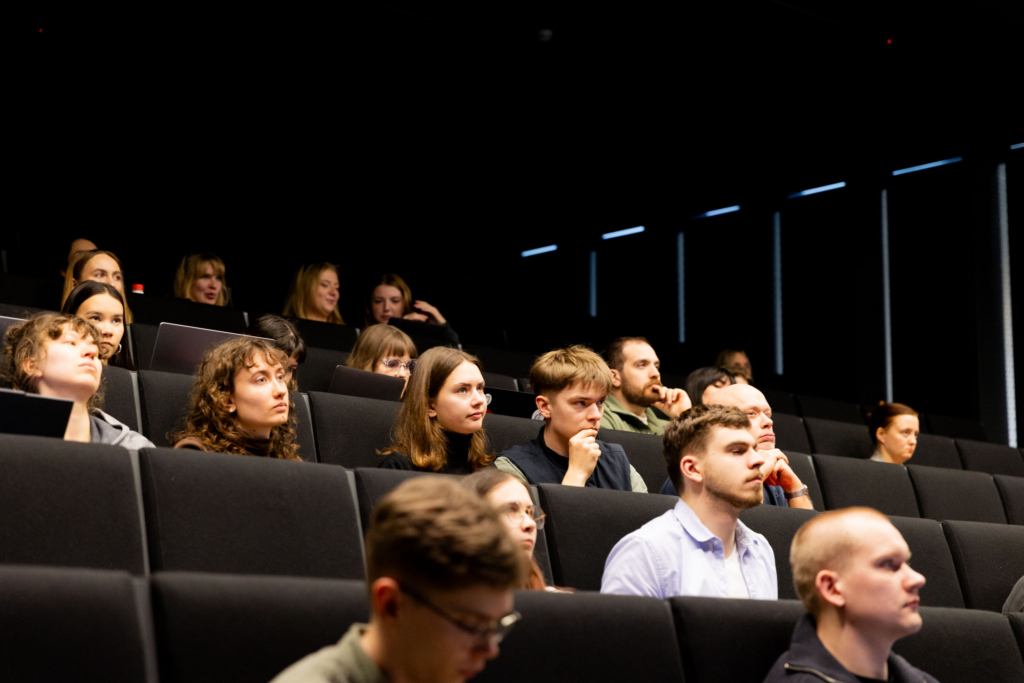
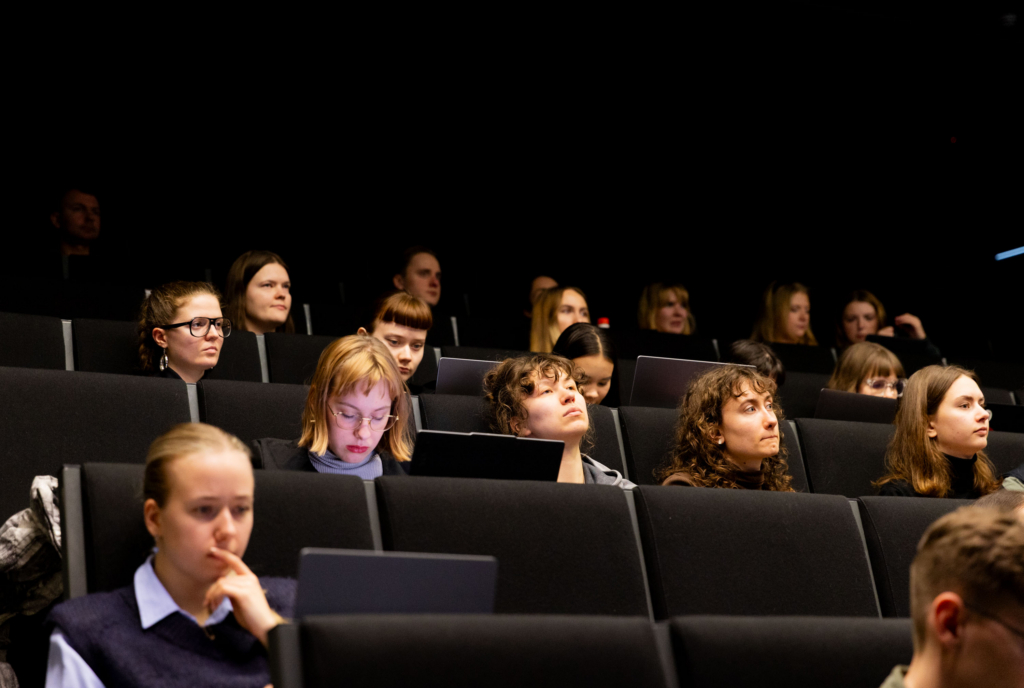
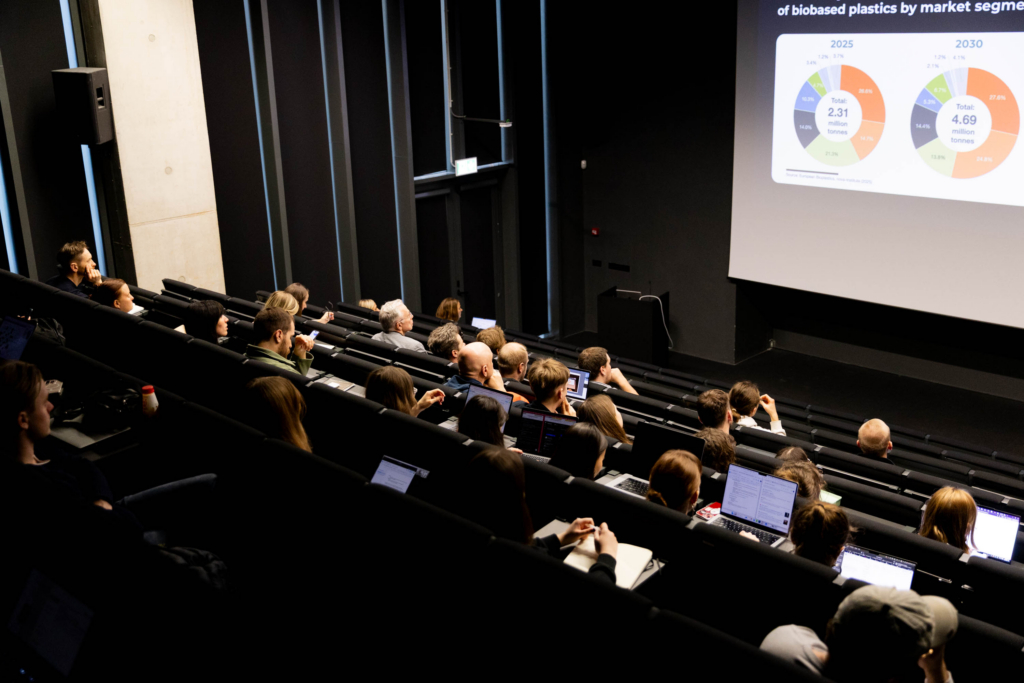
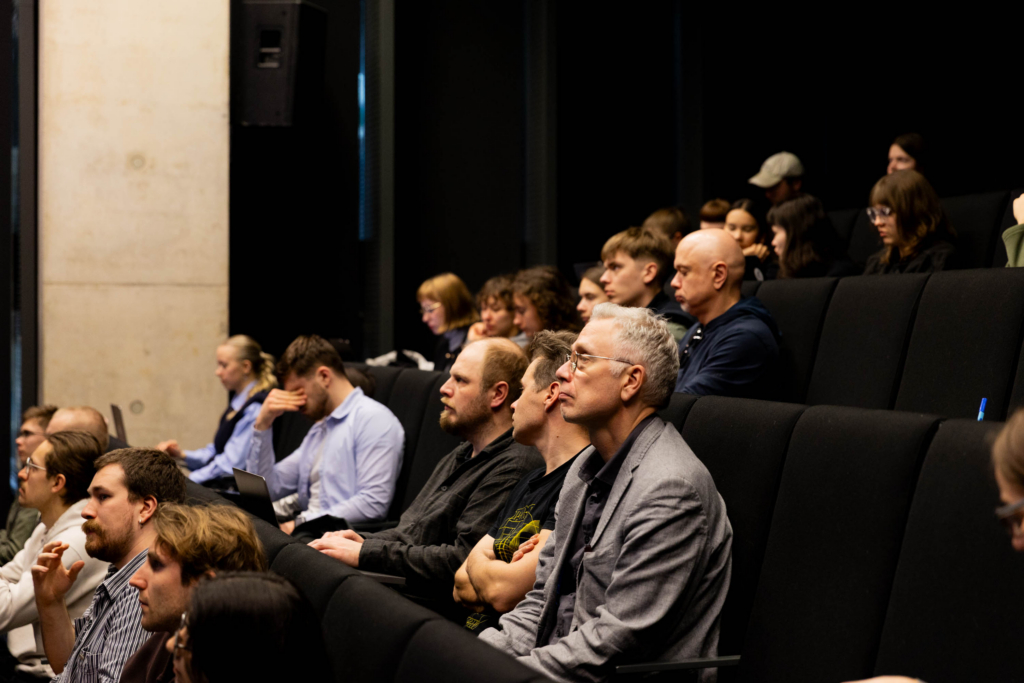
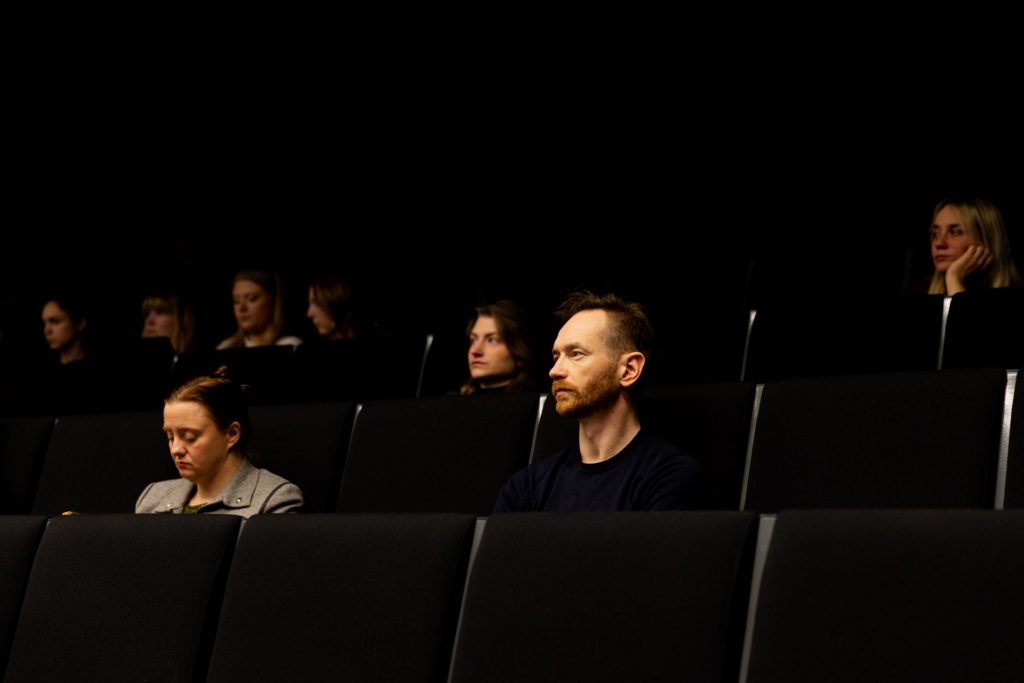
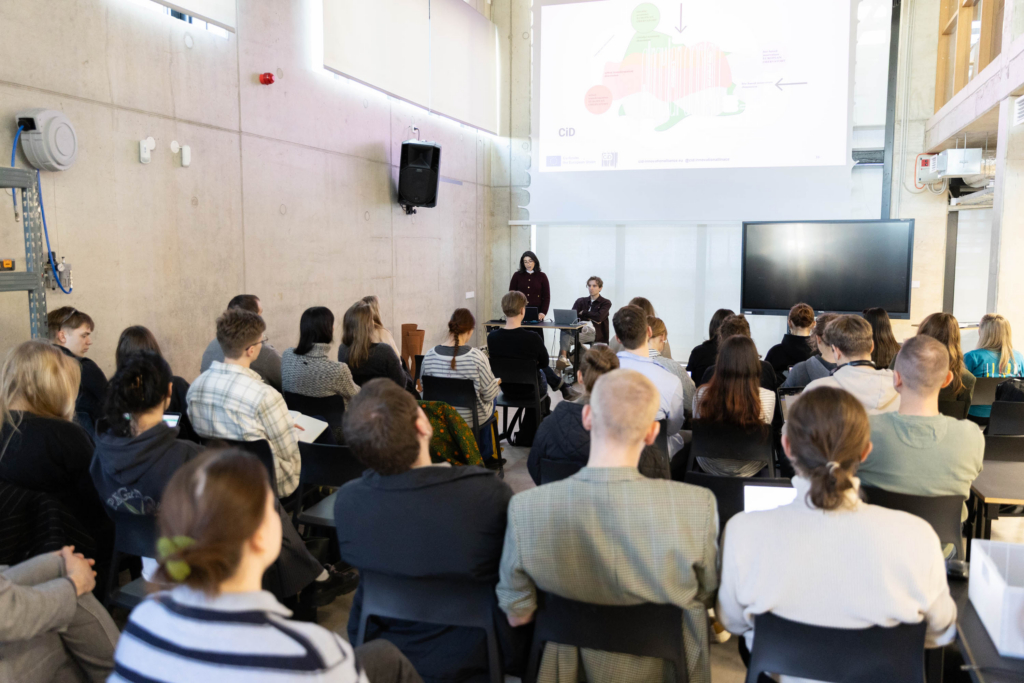
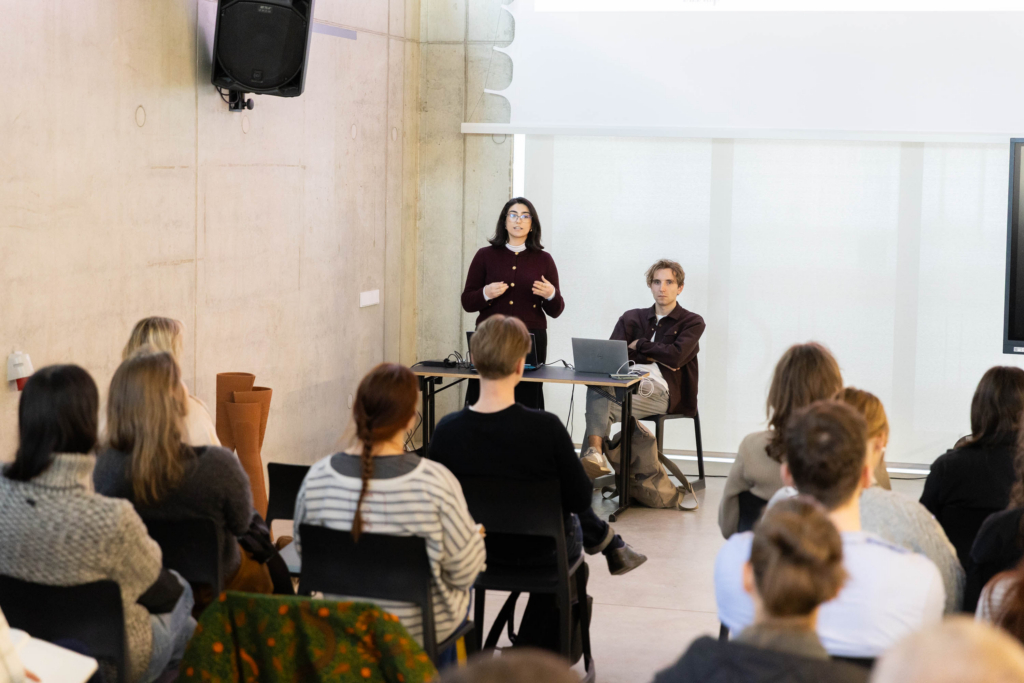
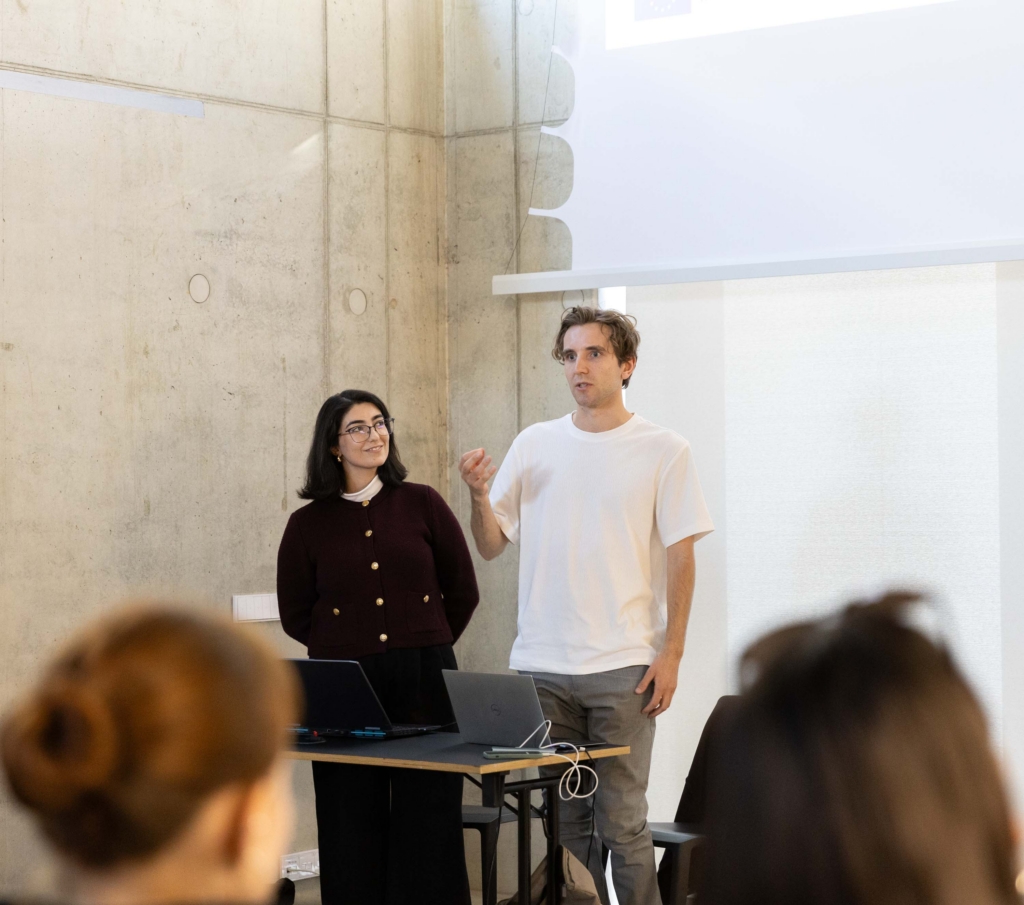
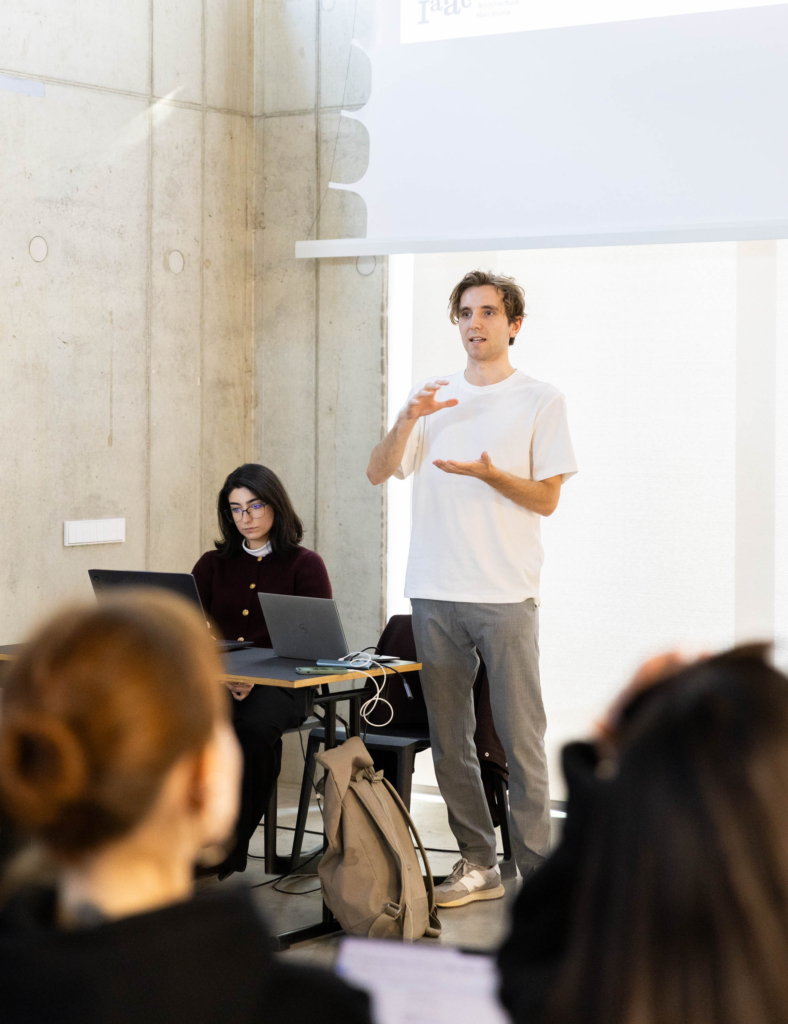
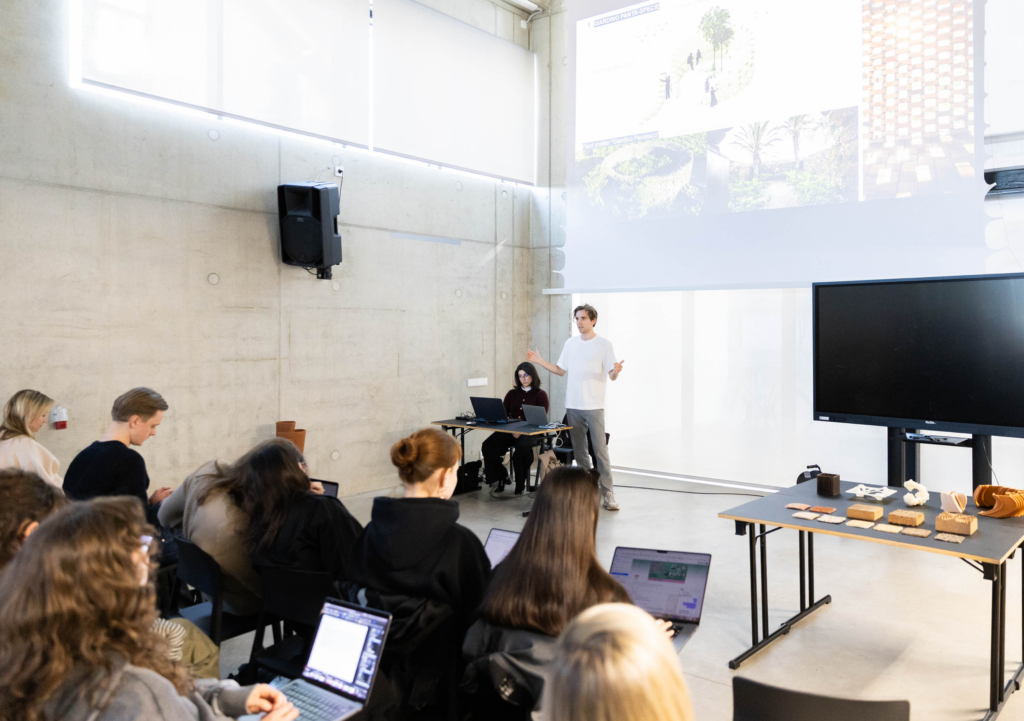
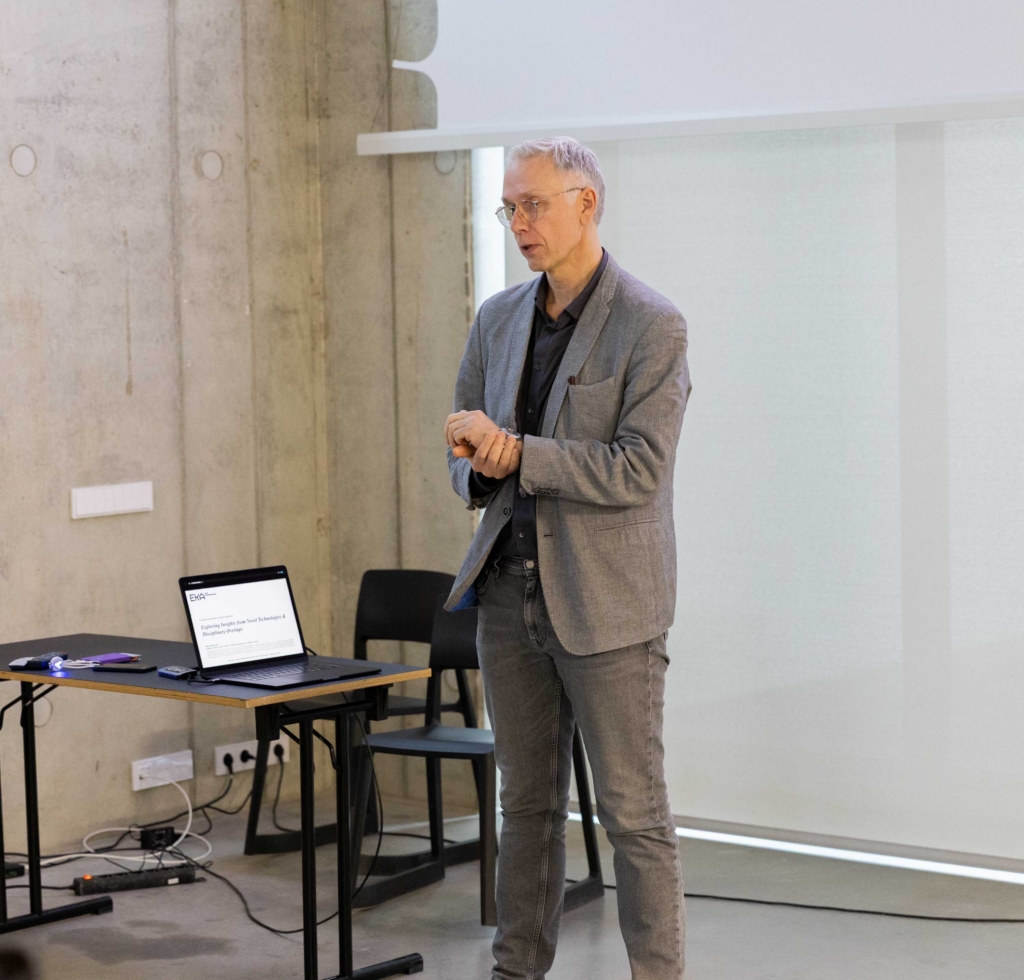
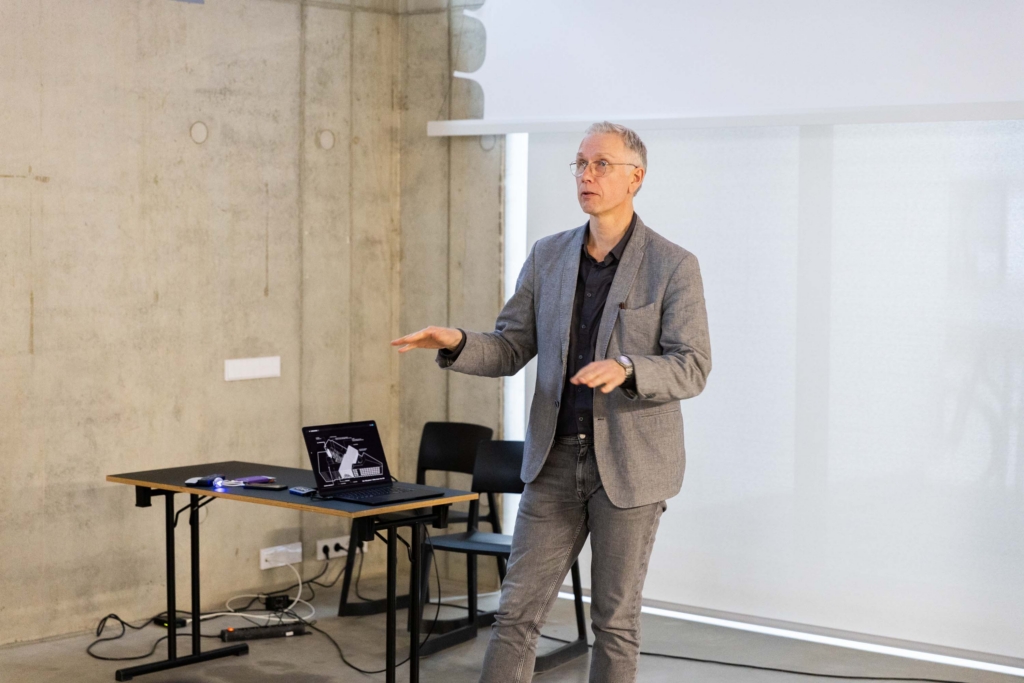
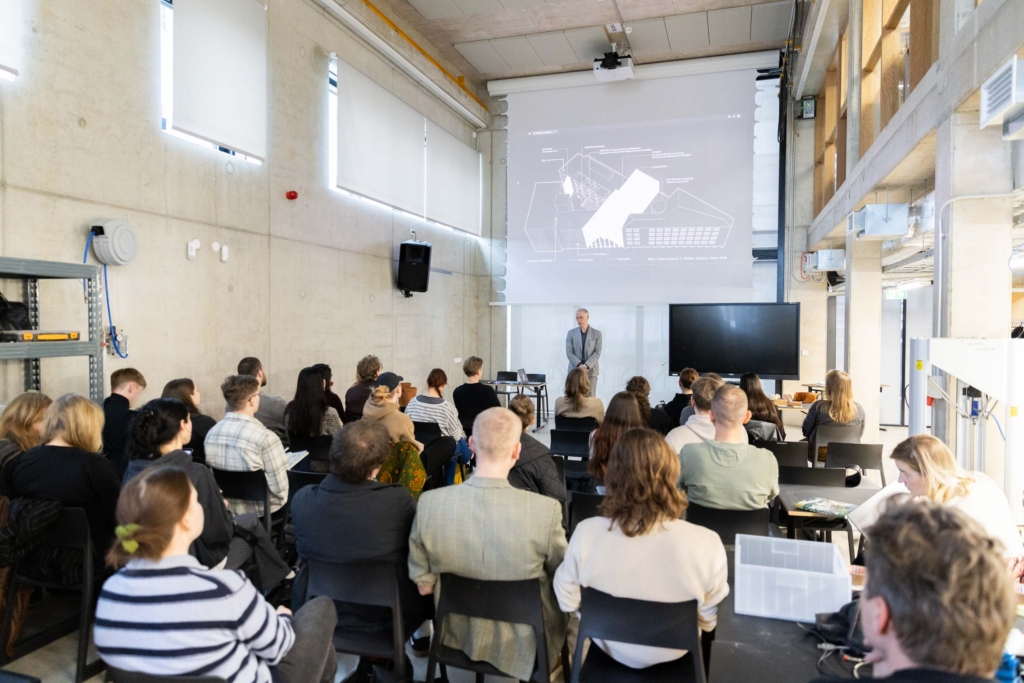
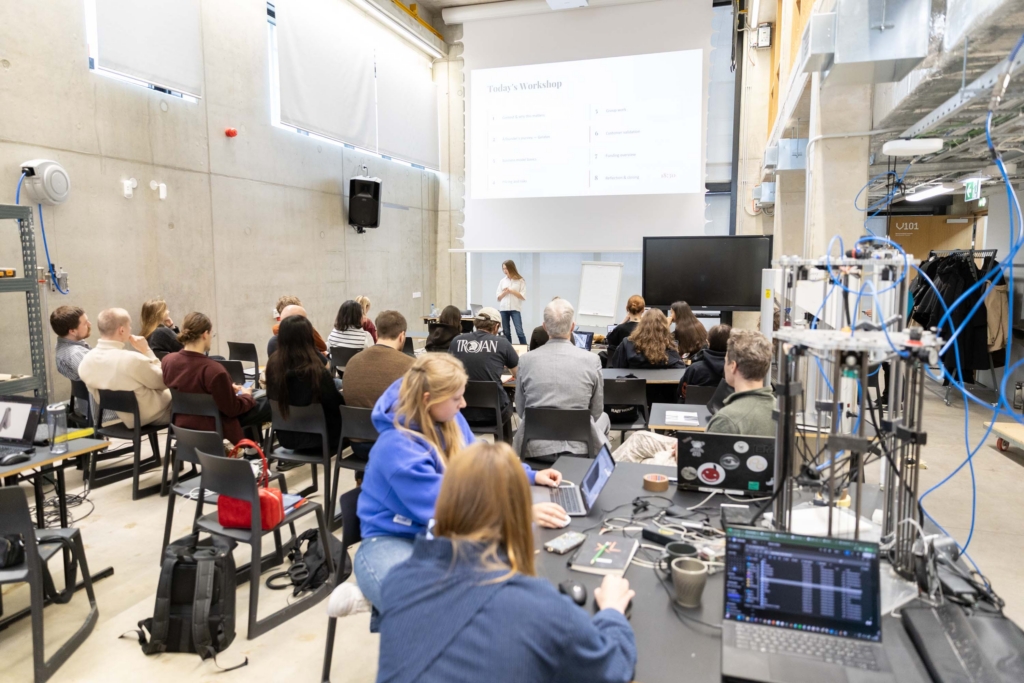
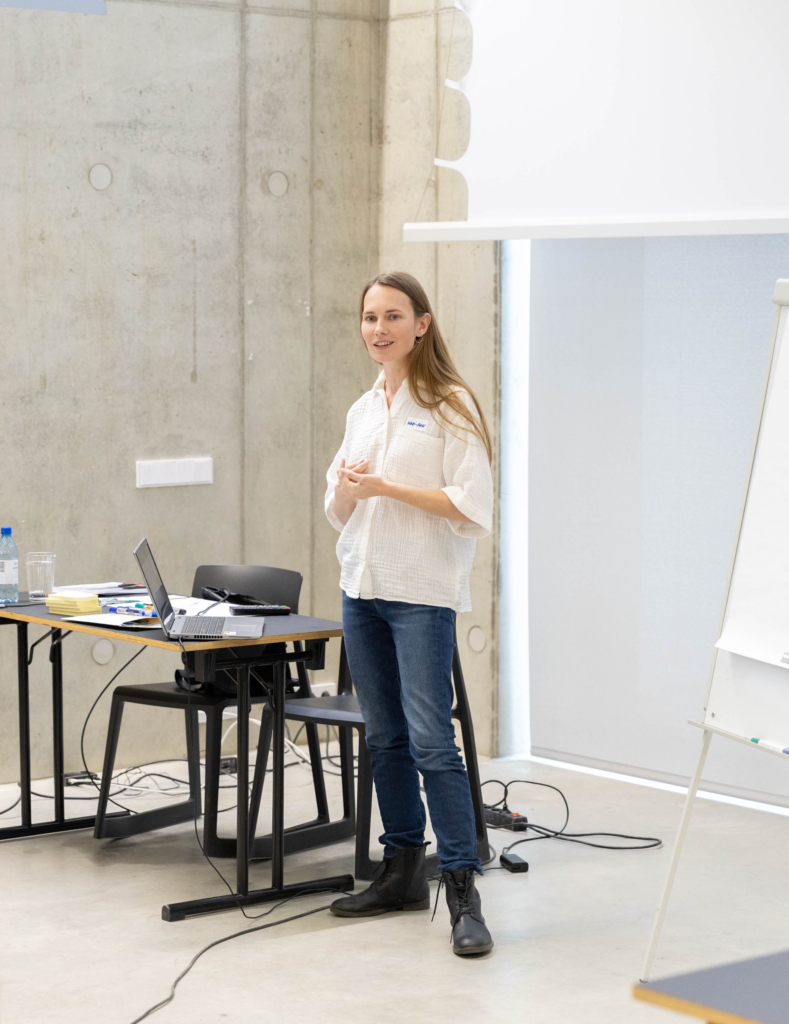
From March 23–25, the international event series From Lab to Market: Biomaterial Innovation took place in cooperation between Tallinn Business Incubator and the Estonian Academy of Arts. The series focused on the intersection of biomaterials, digital fabrication, and sustainable entrepreneurship in built environments. The seminars were held as part of the CiD Innovation Alliance project.
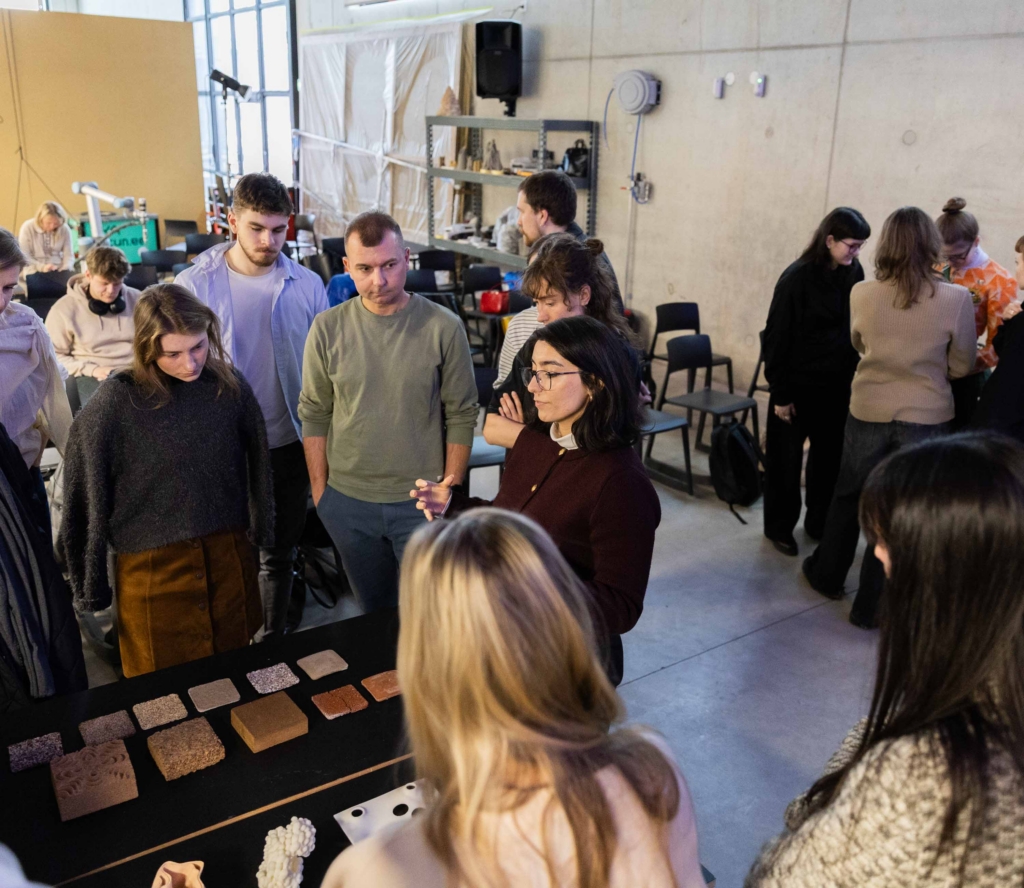
The three-day course brought together students, entrepreneurs, and field experts to explore how bio-based materials are transforming product development and what new business opportunities they create. The events offered participants practical workshops as well as forward-looking discussions.
On the opening day, March 23, the seminar was led by biomaterials researcher and designer Pilar Bolumburu from Materiom. Participants explored how artificial intelligence can support material research and accelerate innovation, what the global production landscape of bio-based materials looks like, and what the main directions are in applying circular economy principles. The session also covered the role of green chemistry in sustainable product development and discussed how the end-of-life phase of biomaterials can be approached in ways that go beyond simple biodegradability.
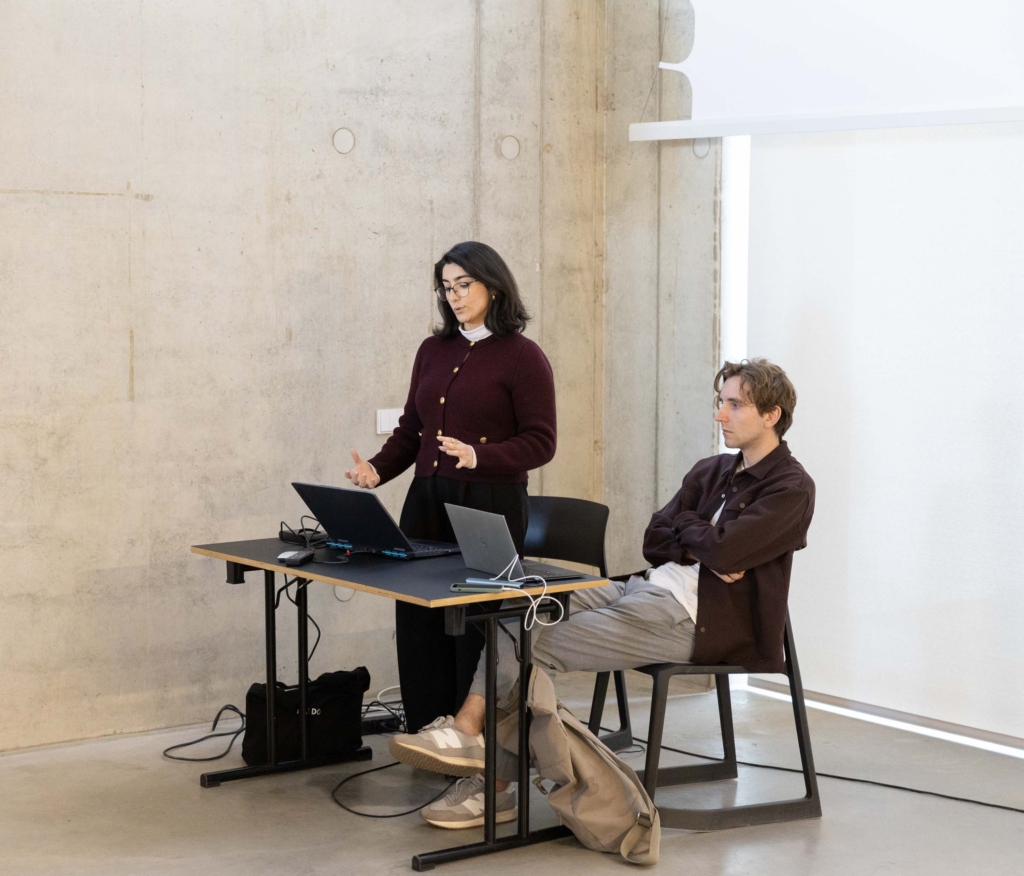
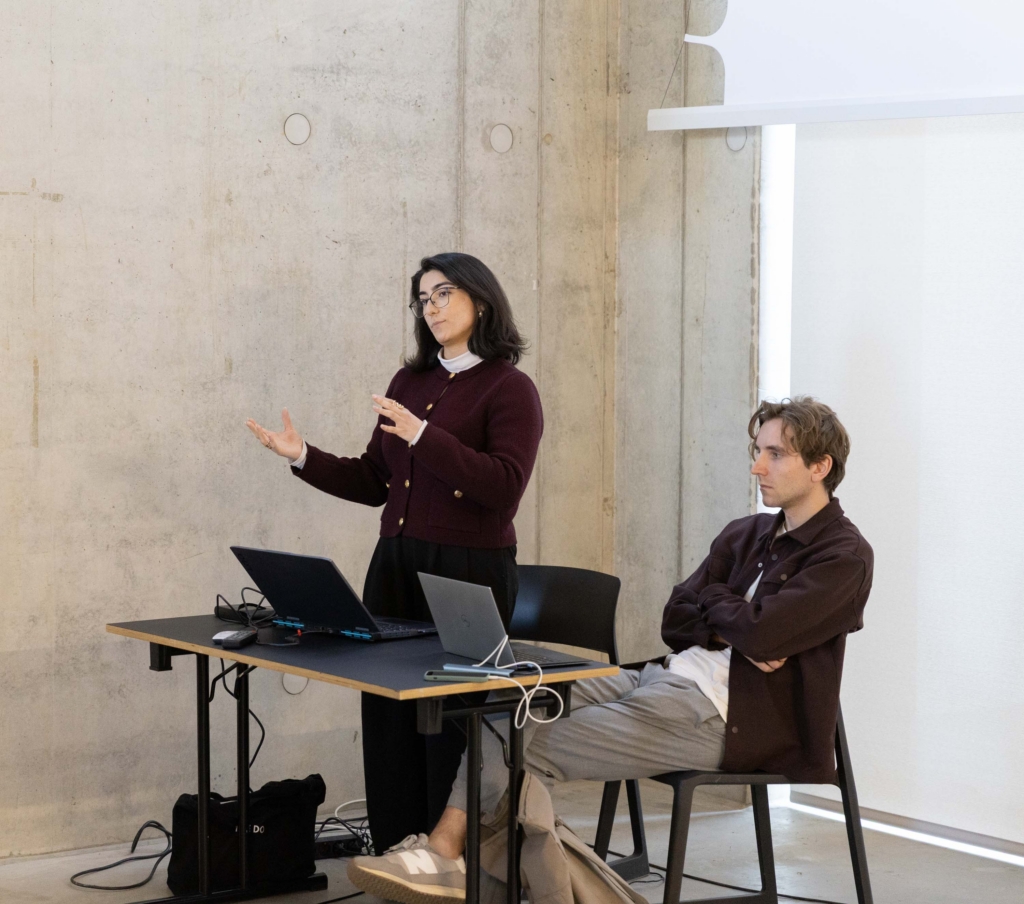
The second day focused on the integration of biomaterials and digital fabrication. Aleyna Gültekin and Tim Bruder introduced the methodologies of bio-based innovation and advanced manufacturing developed by the Institute for Advanced Architecture of Catalonia (IAAC), as well as contemporary projects demonstrating the practical use of different materials, digital production, and innovative technologies. Participants also received an overview of how sustainable business models can be built around material and fabrication innovation, alongside selected IAAC startup case studies.
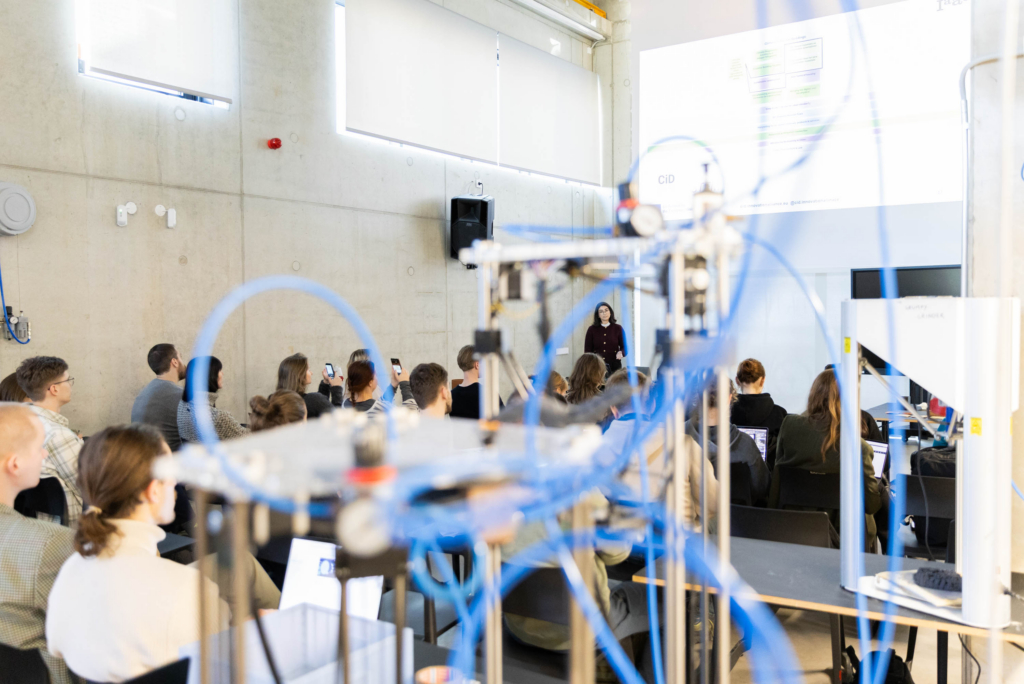
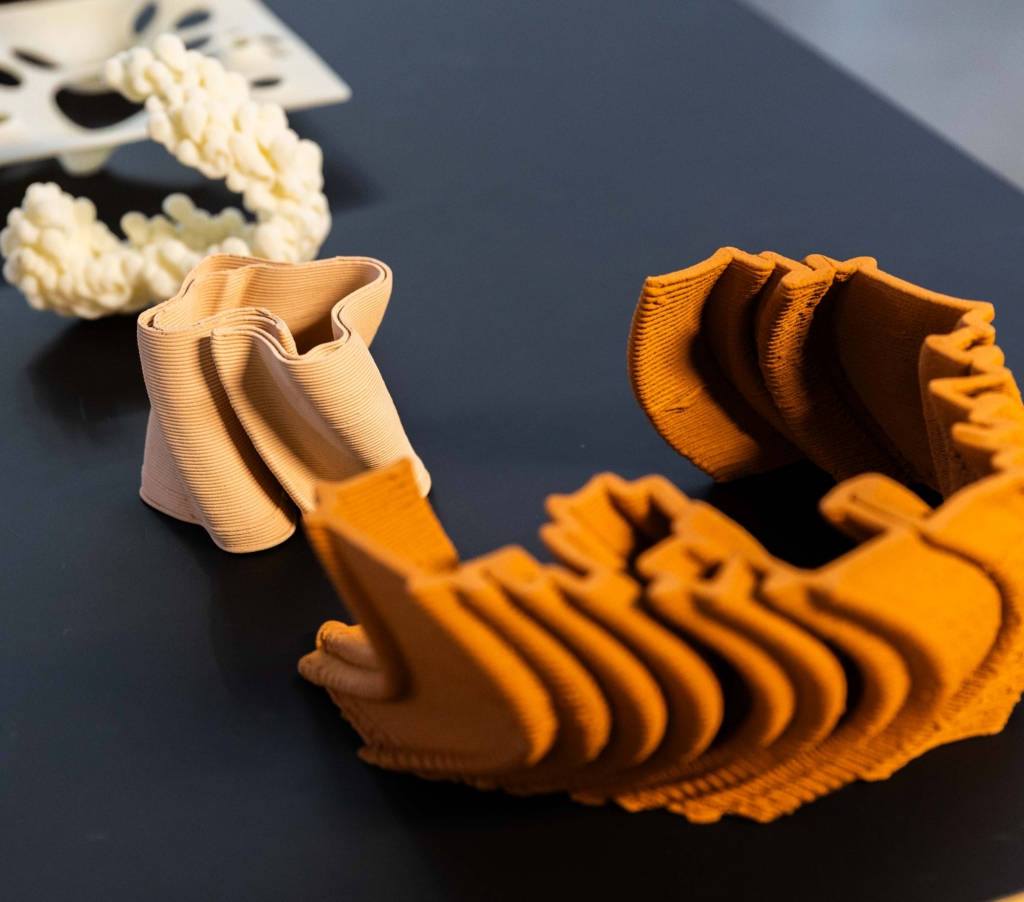
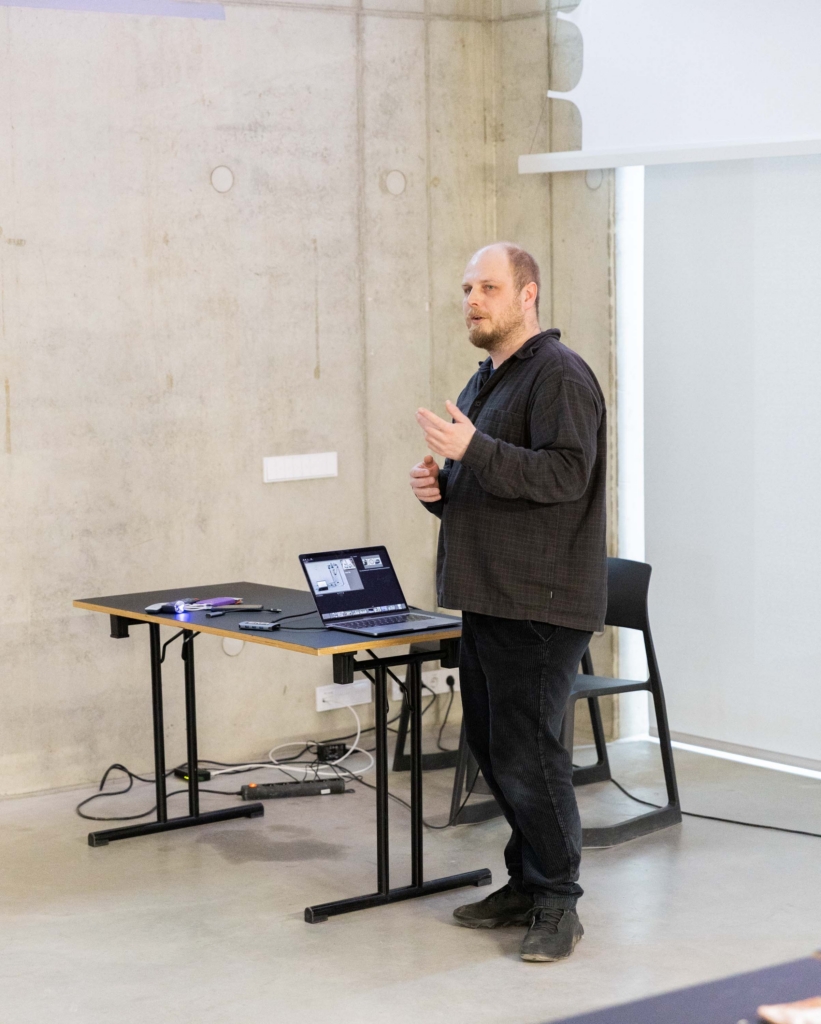
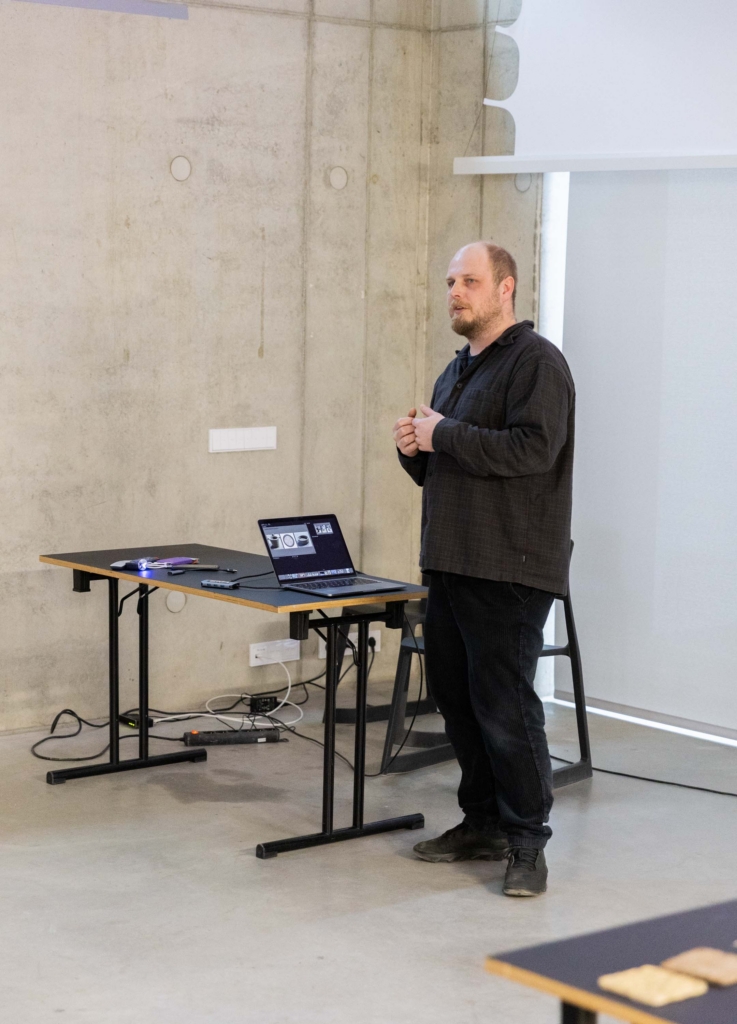
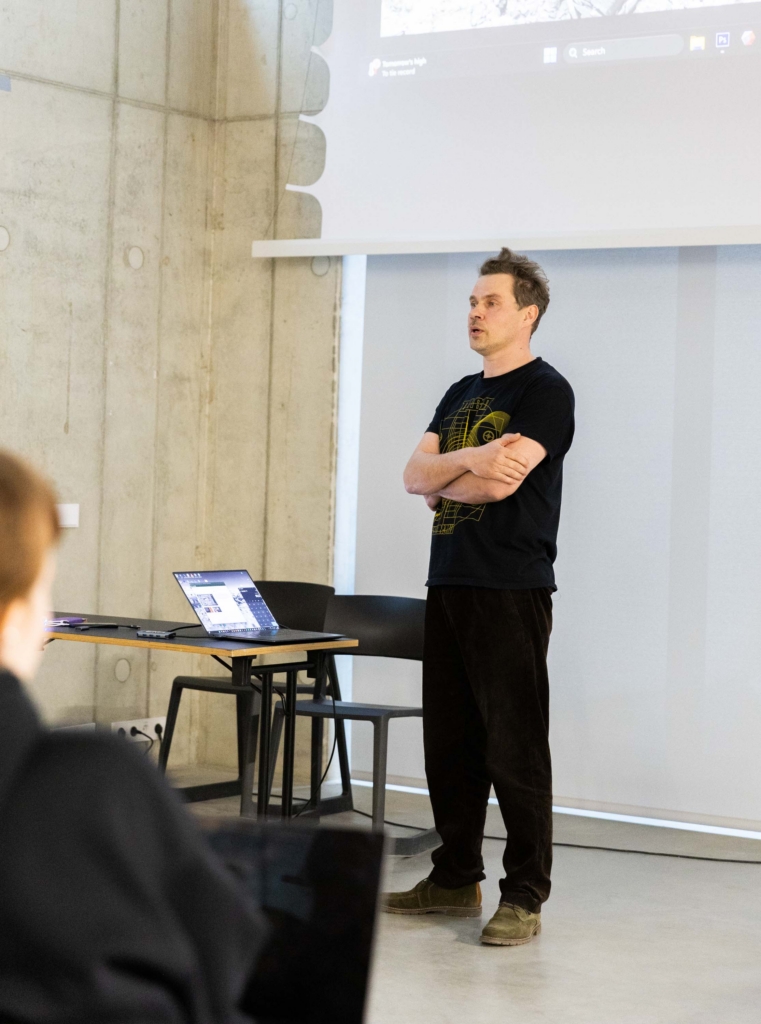
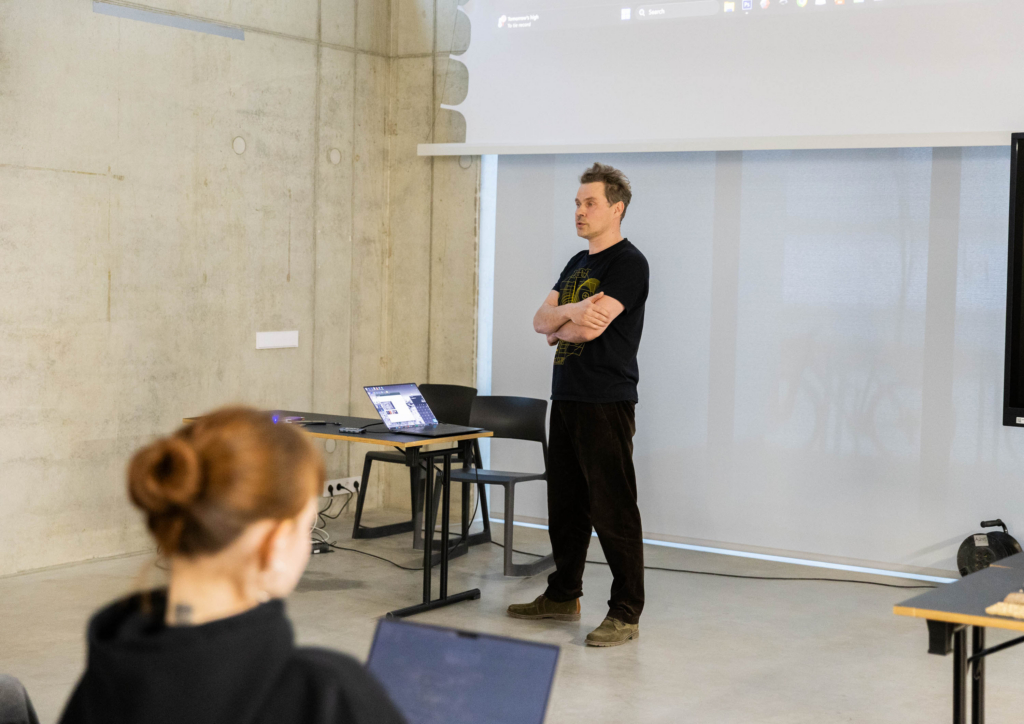
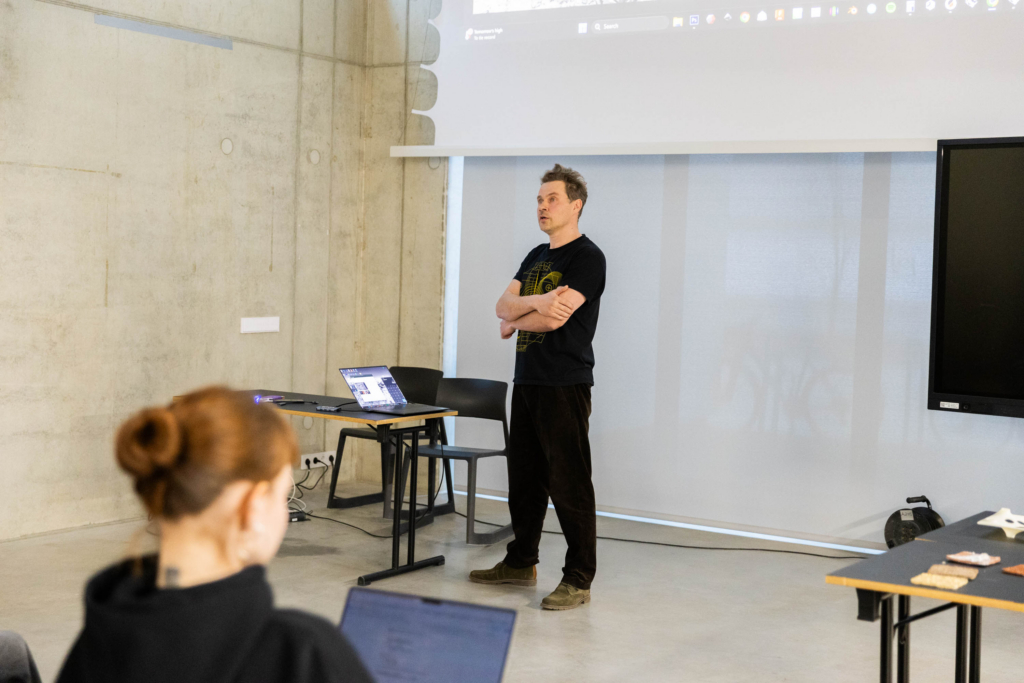
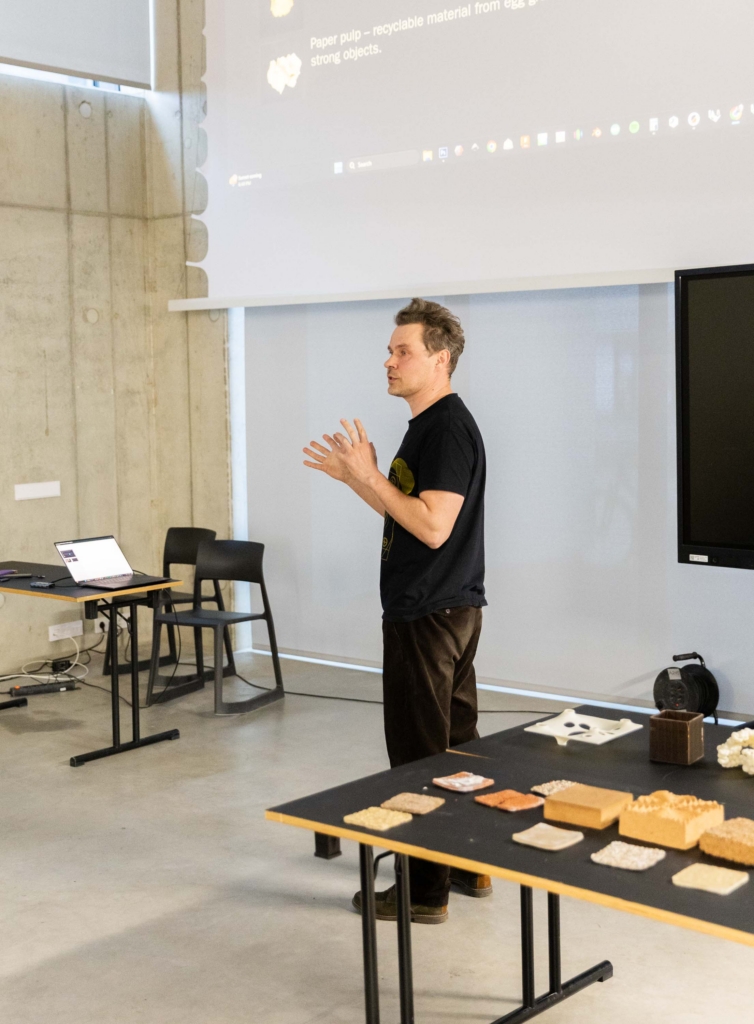
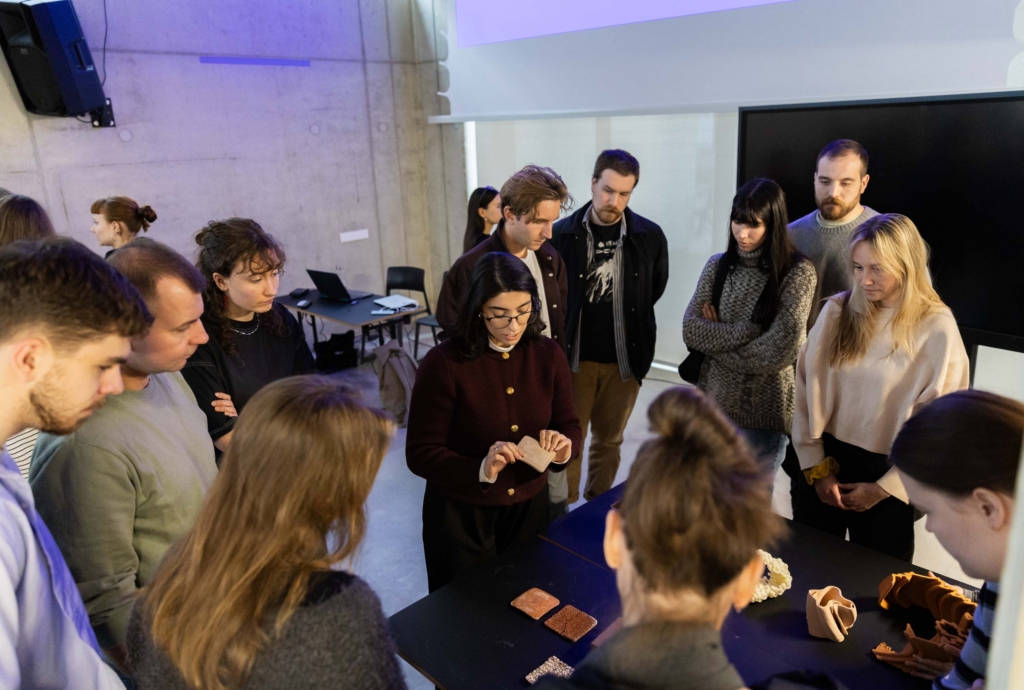
In the second part of the day, Martin Melioranski, Kaiko Kivi, and Lauri Kilusk presented local experimental projects focusing on robotic clay 3D printing, custom digital tools, spatial design development, and material research in the context of art and architecture. The day concluded with a live laboratory and technology demonstration.
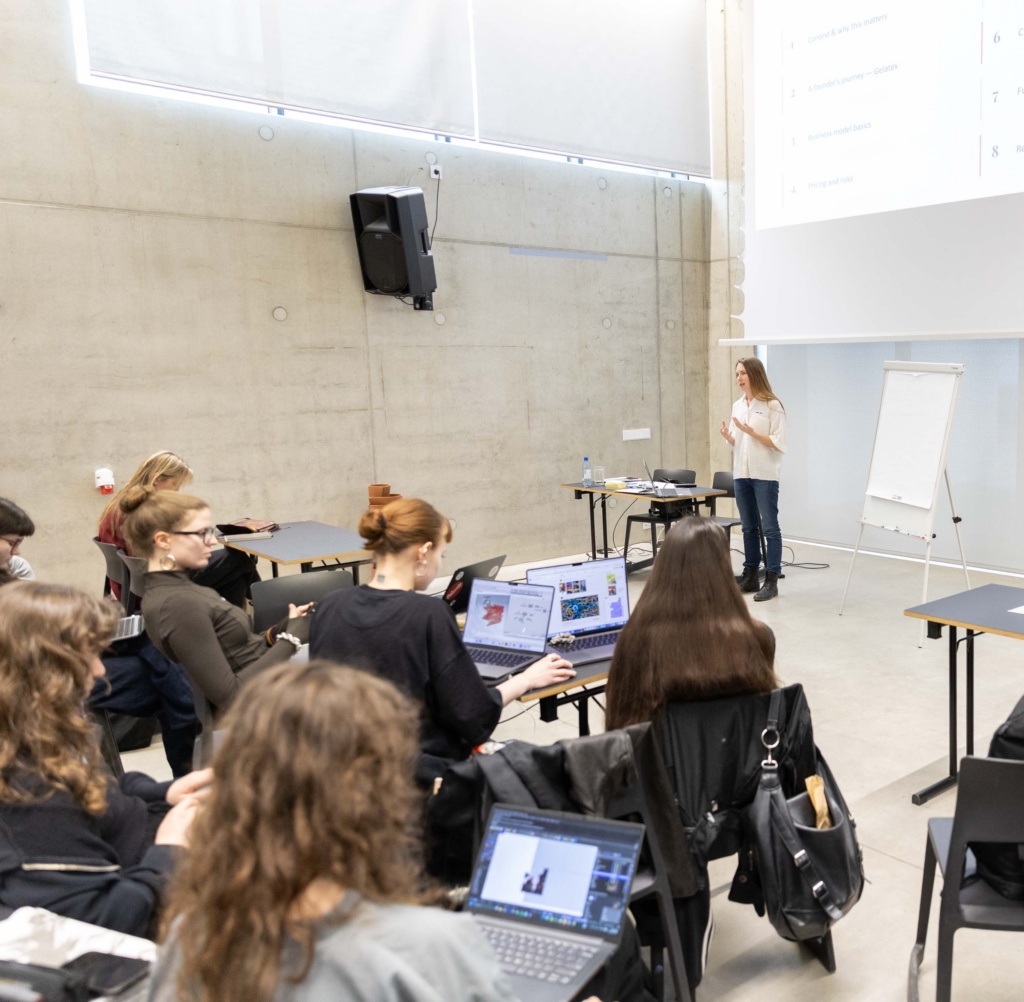
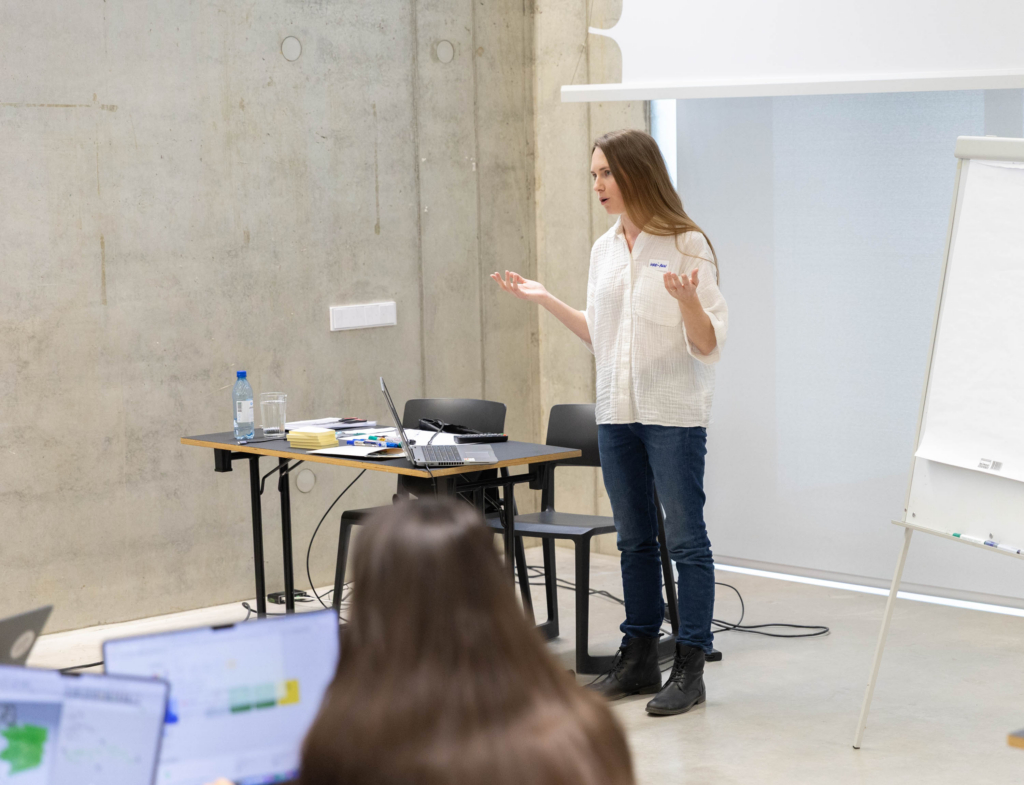
The third day focused on entrepreneurship and business models related to biomaterials. The training was led by Mari-Ann Meigo Fonseca, founder of Gelatex Technologies and an experienced mentor and business expert. Participants gained practical insight into how to bring new materials to market, what the industry logic and risks are, and how to develop ideas into customer-validated and investment-ready solutions. Funding strategies were also discussed, along with the advantages and challenges of different revenue models, highlighting the importance of customer interaction.
The event series confirmed that biomaterials and related technologies are rapidly becoming an important direction in design, construction, and entrepreneurship.
The event series was organised by Tallinn Business Incubator and the Estonian Academy of Arts as part of the CiD Innovation Alliance project. The project is co-funded by the European Union through the European Education and Culture Executive Agency (EACEA) under grant agreement no. 101111686.